
Riding a Full Suspension Electric Commuter Bike sounds like using a sledgehammer to crack a nut – or is it? For some city riders, this high-tech arrangement is a game-changer. Others may find that it complicates their experience, rather than enhancing it. This article looks at the realities of daily riding on a full suspension e-bike, from 5 different angles: comfort, performance, cost, practicality, and top recommendations, to help you determine whether this powerful e-bike is the vehicle for you.
1. Unmatched Comfort and Exceptional Ride Quality
The primary benefit of a full suspension e-bike is just how well it soaks up even the roughest city terrain. These bikes’ front and rear suspension units work hard to spare you the bumps and bruises of every urban ride. This not only makes the journey pleasant but makes it less demanding in physical terms. Over the long term, it’s especially beneficial for people with joint pain or back troubles. Essentially, the bike flows over obstructions that might feel jarring onboard a rigid-framed one. This level of comfort can revolutionize your daily commute – a necessary evil turns into a delightful part of your day.
Key Benefits of Full Suspension:
- Impact Absorption. The moniker “full suspension” effectively means that this bike type neutralizes potholes, cracked pavement, cobbles, and other common road hazards.
- Reduced Rider Fatigue. Vibration and jolting affects and tires even the most seasoned riders. While full suspension doesn’t entirely eliminate these effects, it allows you to get to your destination feeling fresher, more relaxed, and less beat-up.
- Minimized Physical Strain. Your wrists, elbows, shoulders, and lower back will thank you since the full suspension on even expensive models gives you significant relief. The amount of relief is enough even for riders with chronic pain to sometimes make riding possible.
- Enhanced Confidence. Full-suspension bikes inspire confidence. Once you know the bike can handle an unexpected bump or an unseen obstacle without spilling you, you become much more confident on the road and pay more attention to traffic, rather than road conditions.
Pro Tip on Suspension Setup:
To enable the bike for the optimal ride, learn to set “sag,” which is the amount of compression the suspension experiences under your static weight. Most manufacturers recommend 20-30% of sag for each system. Using a shock pump, you can control sag, and you would want to set it to a level where the suspension is responsive but inactive to the bumps.
2. Enhanced Performance and All-Terrain Versatility
Full suspension takes comfort to the next level and dramatically influences the bike’s performance. Although you will spend most of the time on asphalt, the benefits full suspension brings should not be ignored. The most significant aspect is a significant increase in traction. Your bike gets a much better grip when you are on a bumpy road, letting you accelerate faster, brake better, and most importantly, have better control when turning it under wet or loose conditions. This control grants the bike performance and stability you can take advantage of, turning it into an all-terrain vehicle.
Performance and Handling Gains:
The most immediate changes are the benefits in the field of performance and handling. Firstly, the superior traction thanks to the rear wheel effectively tracking the ground prevents spin-outs when accelerating from a stop sign into a busy intersection or climbing a steep and bumpy hill. Secondly, better wheel control during hard braking or lock-up occurs when the suspension prevents the wheels from bouncing and skipping over bumps, helping to maintain grip and shorten the distance. Lastly, stable cornering improves riding through rough or off-camber corners.
Expanded Commuting Possibilities:
To sum up, now one may take other commuter routes they were too cautious to take previously. Therefore, mixed-terrain routes such as city park shortcuts, gravel canal throughways, or dull dirt trails are now satisfactory to traverse. Secondly, riding a bike now provides the rider with an all-weather safety advantage, helping on rainy or sandy roads. Lastly, you may navigate in open areas with easy pathways, braking through curves or through construction sites.

3. The Downsides: Cost, Weight, and Maintenance
While the foregoing benefits are significant, they come at a significant cost. The first disadvantage that comes to mind is the cost of the e-bike itself. The complexity of a suspension-equipped frame plus the shocks and linkages themselves can add a serious amount to the purchase price. Thus, full-suspension e-bikes are considerably heavier than their hardtail or rigid versions. Such a bike is a hassle to be carried upstairs to an apartment or tossed onto a vehicle rack. Lastly, the additional components require more maintenance, with parts often requiring specialized knowledge and tools.
The Three Main Drawbacks:
- Higher Initial Investment – expect to pay a premium for the advanced frame technology and suspension components.
- Increased Weight and Bulk – the extra hardware can add several kilograms to the total, negatively impacting portability and handling when the motor is off.
- Greater Mechanical Complexity – the more pivots, bearings, and seals, the more potential wear, noise, and points of failure.
Essential Maintenance Checklist:
- Suspension service – forks and rear shocks require service every 50-100 riding hours to replace oil and seals to ensure proper function.
- Pivot bearing care – the frame’s multiple pivot points have bearings that will wear out over time.
- Consistent cleaning – both the suspension stanchions and pivots must be regularly cleaned to avoid premature wear and expensive repairs.
Money-saving tip: invest in a quality shock pump and learn basic cleaning and lubrication. Wiping down the shock and fork stanchions after every ride with a clean cloth can easily double the lifespan of your seals and save you hundreds of dollars on service in the long run.
4. Urban Commuting Practicality And Feature Compatibility
It is important to acknowledge that most of the factors mentioned earlier are theoretical performance predictions based on the electric bike’s characteristics. Full-suspension bikes have their own peculiarities that might be taken as disadvantages but are just specifics of the type. For instance, the most challenging part of using FS bikes for everyday needs is that mounting transportation accessories can be difficult. Many full-suspension models cannot use ordinary pannier racks and fenders because the movement of the rear wheel and the space the shock occupies do not allow for it. Another popular argument is the pedaling effectiveness decrease, which is minimal but still present. The final argument would be that having a bike of high value with many interconnected technical intricacies makes it more appealing to steal.
Potential commuting hurdles:
- Accessory mounting: you might have to find specialized, and often more costly, racks and fenders designed to pair with a full suspension frame.
- Pedal efficiency: even on perfectly smooth roads, some additional energy is wasted from suspension movement, known as “pedal bob.”
- Security concerns: a very high-value bike necessitates a multi-layered locking strategy involving several heavy-duty locks for the frame and both wheels.
- Storage and transport: the bike’s weight and, in many cases, its increased size make it problematic to fit into small spaces like tiny apartments or office cubicles.
Key features to watch for:
- Suspension lockout: this is a must-have for commuters. A lever or knob on the handlebar or suspension component allows you to temporarily stiffen, or “lock,” the suspension to transform the bicycle into a rigid frame on smooth pavement.
- Integrated design: innovative manufacturers design their full suspension e-bikes incorporating a rack, fender, and light into the general frame, alleviating the compatibility issue.
- Frame geometry: check for a frame geometry that encourages a more relaxed, upright riding posture for commuting rather than a forward-leaning, extreme crouch adopted for mountain biking.

5. Top recommendations and key considerations when buying
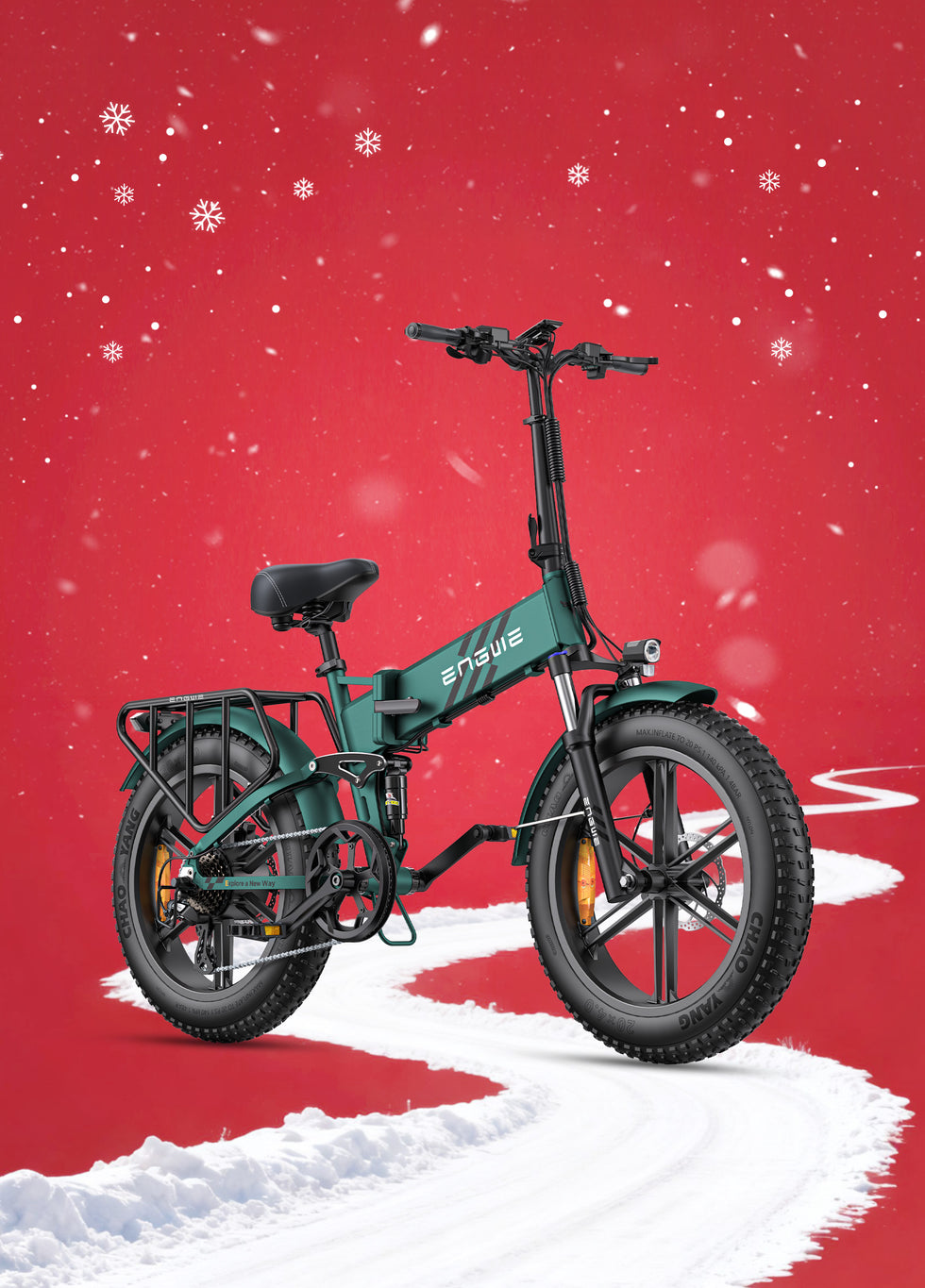
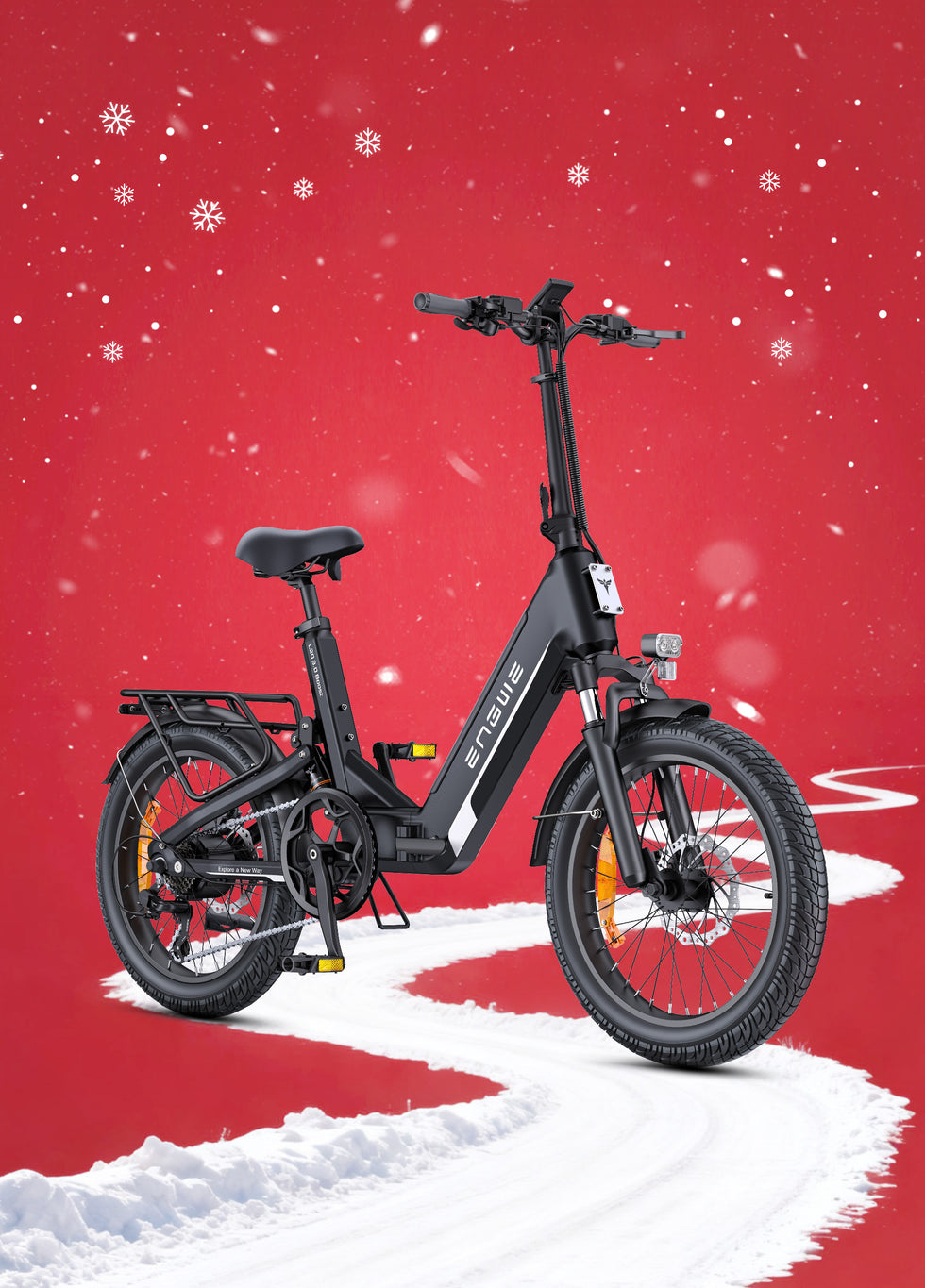
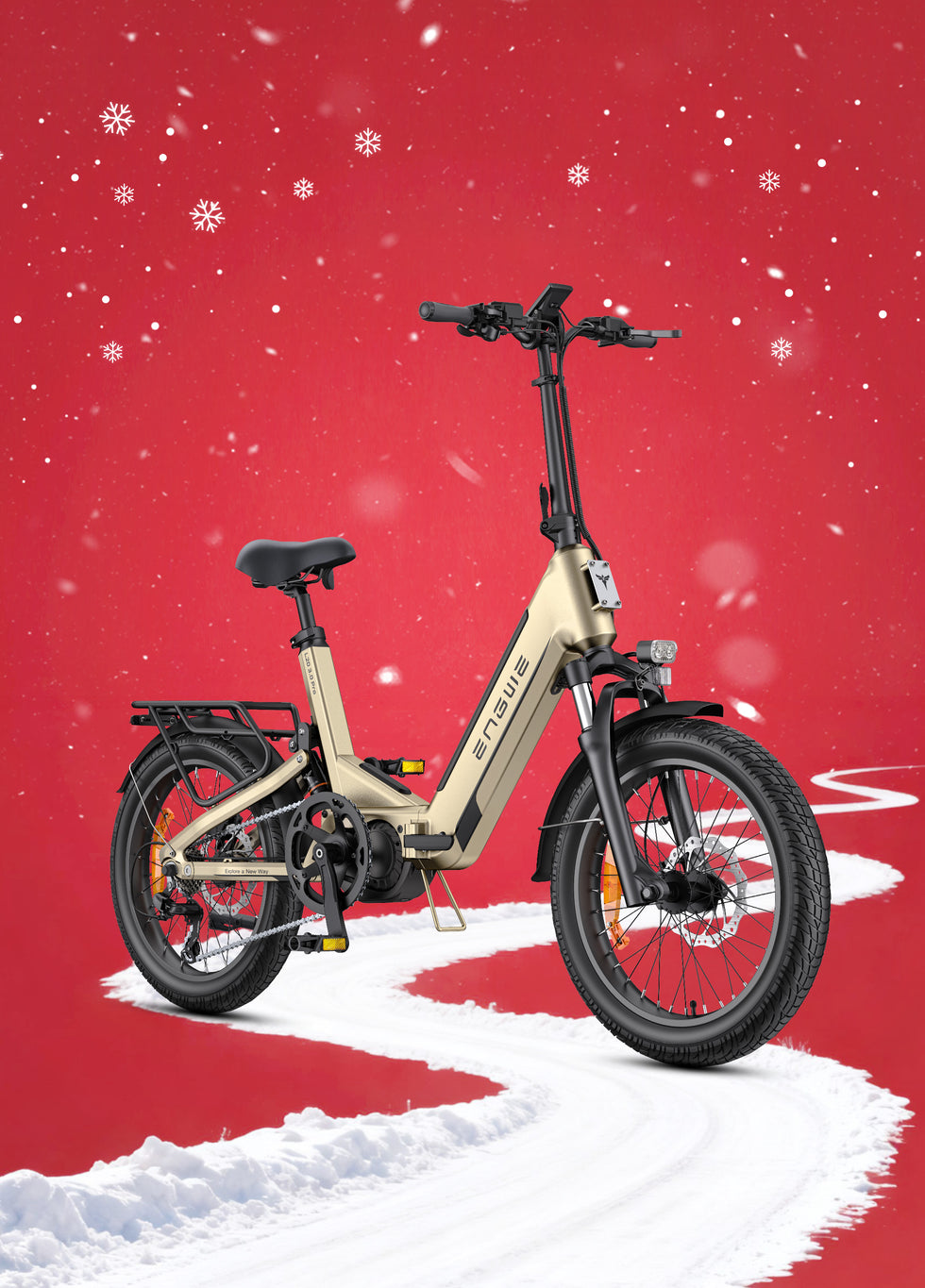
"ENGWE具体型号文字"Engine Pro 3.0 Boost"所在段落的段落标题(即带Picking out the appropriate full suspension e-bike necessitates striking a delicate equilibrium between the bike’s unmatched capabilities and your particular commuting needs. ENGWE Engine Pro 3.0 Boost is the top recommendation for riders looking for an extraordinary blend of power, comfort, and all-terrain adaptability. This electric bike is built aircraft-tough and is eminently well-equipped for the most hostile urban surroundings. It sets itself apart by blending purebred full suspension know-how with features that address the common commuter’s demands and stands up to the trials urban jungles throw out:

Why the ENGWE Engine Pro 3.0 Boost is Great for Commuting:
- Powerful Motor: Its powerful motor generates outstanding torque, making it easy to ascend even the steepest hills in the city and allowing you to speed up rapidly in traffic.
- Long-Range Battery: It has a high-capacity battery designed for long rides, ensuring that you have an acceptable amount of juice for getting to your destination, running errands, and returning home.
- Effective Dual Suspension System: The front and rear suspension provides a plush and well-controlled ride that makes the roughest city streets feel smooth.
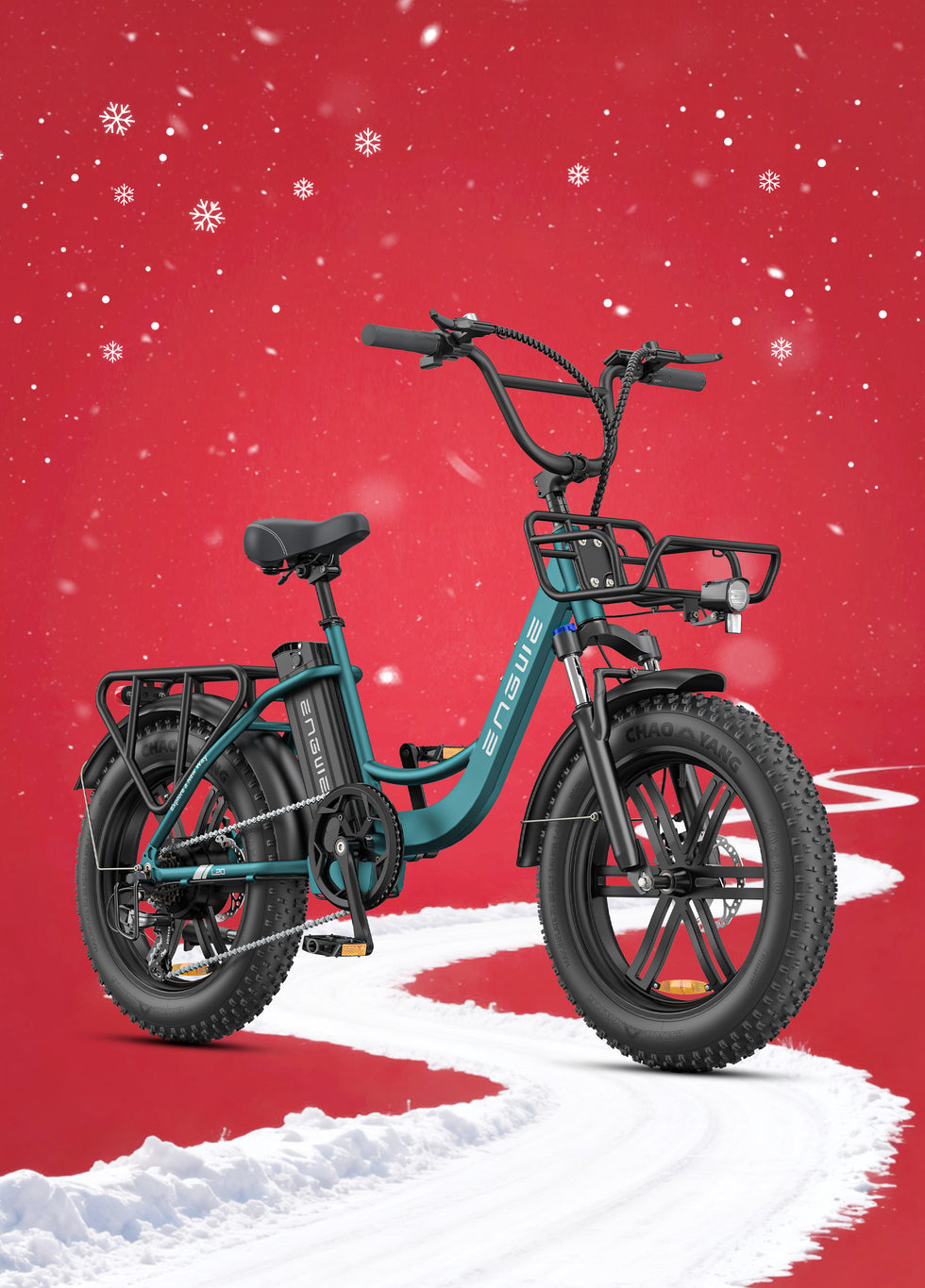
- Versatile Fat Tires: In addition to providing additional cushioning, the wide tires provide exceptional traction on a variety of terrains, including wet asphalt, loose gravel, and light snow.
- Convenient Foldable Design: its folding capability makes it more suitable for urban riders than others. It is easier to store in a small apartment or a trunk, take on public transport, and so on.
These considerations lead you to the following general considerations when looking at the market:
- Suspension travel: how far the wheel can move. Anything between 100-120mm is great for cities, while more is better for off-road travel.
- Motor type: hub motors are easy and efficient; mid-drives provide better balance and efficiency on hills.
- Battery capacity (Wh): its watt-hours – the greater, the more potential a bike has. E.g., anything 500Wh or above is likely good.
| Question | Answer |
|---|---|
| Is full suspension necessary for smooth city streets? | No, it's likely overkill. A hardtail or rigid bike would be more practical and cost-effective, saving on unnecessary expense, weight, and maintenance. |
| Does full suspension significantly reduce pedaling efficiency? | Not as much as you might think. With modern designs and shock lockouts for flat sections, the typical efficiency loss is minimal, estimated at no more than 5-10%. |
| Can I easily add racks and fenders to any full-suspension e-bike? | No, not all of them. This is a critical detail. Many models are not designed to support standard accessories. You must research the specific make and model to ensure it is compatible with the cargo racks or fenders you need. |