
When it comes to picking the Hardtail vs. Full-suspension electric bike, you make the most crucial decision of the riding style and comfort level. The answer goes beyond the aesthetic component; it is about the right choice that should suit your terrain, financial abilities, and comfort predictions. This article will outline that choice in five main points, allowing you to rationally and wisely decide, investing in the new perfect e-bike that will take you for thousands of miles of thrill or commuting.
1. The Primary Terrain and Your Style Dominance
Where should I ride my bike? That is the first and most critical question, the answer to which will define whether you will soar gracefully or be irritated. Each electric bike suspension is tailored to certain fields, and the absence of suspension matching the field you are cruising is an unanticipated challenge. Some excel predominantly on the smoother ground; others are poised for the humps: act thoughtfully:
Paved Roads and Commuting
Any type of city street, bike path, and daily commute gets you on a hardtail. No pedaling or motor power will be wasted absorbed into a rear shock since its rear end is rigid. With fast acceleration and efficient riding on asphalt, this will be resolved.
Gravel Paths and Light Trails
A hardtail is a nice and capable choice for your adventures to include fire roads and gravel paths, and well-maintained dirt trails. It will smooth out small rocks and roots and provide some comfort and control without the weight and complexity of a rear shock.
Cross-Country & Flow Trails
A hardtail will be responsive and fun for those who love fast, flowing singletrack with moderate obstacles. You become a good rider on these bikes. Smooth as these possess your assets.
Technical Trails & All-Mountain Riding
A full-suspension electric bike will excel here. A full rear suspension is required to drop or jump, get outside of a rocky descent, root-filled climb, and such a loaded picture of terrain.
Downhill and Enduro
The most aggressive form of mountain biking will have to use a full-suspension e-bike. It provides high-speed absorption and gives you the required security and confidence to handle the terrain.
2. Cost of Ownership: Initial Purchase and Long-Term Maintenance
Your budget matters not only when purchasing but also in the long run, keeping your e-bike in its top condition. The uncomplicated mechanics of a hardtail directly correlate with lower costs in every regard, while a full-suspension system’s advanced technology often comes with a price tag. Knowing these economic differences is the key to avoiding surprises and maintaining your e-bike as an investment and not a liability.
Initial Investment
Hardtail e-bikes are nearly always cheaper than their full-suspension counterparts. The absence of a rear shock, pivots, and intricate linkages decreases the manufacturing cost of the bikes, making them a more accessible gateway to the world of electric mountain biking.
Maintenance Complexity
A hardtail has far fewer moving parts. Maintenance is simple, focusing primarily on the fork, drivetrain, and brakes. In a full-suspension e-bike, there are multiple pivot bearings and a rear shock, which require regular checking, cleaning, and servicing or replacement.
Scheduled Service Costs
The servicing of the rear shock on full-suspension bikes is done by professionals. Every 50 hours of riding, they need an air can service, and the damper is serviced annually. Pivot bearings also wear out and require replacement. Those are the costs the hardtail owners entirely omit.
Money-Saving Tip
Whether you go for a hardtail or a full-suspension bike, learning basic e-bike maintenance will save you a lot of money. Cleaning the drivetrain, checking the torque on the bolts, and bedding in new brakes are simple tasks that will extend the life of your components and reduce your number of trips to the store. Meanwhile, for a full-suspension e-bike owner, knowing when to check pivot torque and how to properly lubricate stanchions is essential.

3. Ride Quality: Comfort, Control, and Fatigue
How an e-bike feels beneath you on a long ride is paramount. In this dimension, we consider the trade-offs between the raw, connected feel of a hardtail and the plush, forgiving experience of a full-suspension model, your personal comfort threshold, and the length of your typical ride.
Impact Absorption and Comfort
This is the most prominent advantage of a full-suspension electric bike. It damps the trail chatter, rocks, and roots, resulting in a much more comfortable, less physically fatiguing riding feel for your back, joints, and arms – especially on rides lasting more than an hour. With a hardtail, you feel more of these impacts directly.
Traction and Control
Rear suspension isn’t just about comfort; it’s about performance. With the rear wheel able to move and track the ground independently, your tire stays better connected on rough terrain. More traction means less slipping and spinning.
Power Transfer and Trail Feel
A hardtail feels more direct and power-efficient. When you pedal with your legs, the energy goes straight to the rear wheel, which gives the sensation that you are pedaling in a responsive manner. Some riders prefer feeling this “connected” and relying on precision to pick their lines through obstacles.
Key Consideration
If you have pre-existing back or joint injuries, you are highly recommended to choose a full-suspension electric bike. The additional comfort will likely enable you to pedal regularly for longer durations.
4. Performance Metrics: Weight, Efficiency, and Battery Range
The weight of an e-bike and how efficiently it uses your power and the battery’s power are influenced by the design of the frame. This may seem insignificant, but it determines how a bike is handled, how it is placed on a rack, and in the end, how far one may travel on one charge. Knowledge of the performance of these variables may enable you to select one that best fits your requirement for performance.
Overall Weight
Hardtails are, by design, much lighter than their full-suspension siblings. All the extra hardware in the rear suspension system – the shock, linkages, pivots, and more robust frame – adds significant weight. This will be more noticeable when accelerating, climbing under human power, or when lifting the bike.
Pedaling Efficiency
On smooth ground, a hardtail is much more efficient. There is no energy lost to the compression of the rear shock. This means that more of your effort goes into forwards motion, leading to a bit more battery range on roads and gentle paths.
Efficiency on Rough Ground
The usual rule is reversed when it comes to technical rough ground. A full-suspension e-bike can actually be more efficient here. With the back wheel more permanently glued to terra firma, there is less spinning and skipping, meaning less wasted effort and more even, unbroken application of the power you push through the pedals.
Battery Range Nuances
While a hardtail might be marginally more efficient on the road, the real-world difference in battery range is minimal. It’s much more useful to consider the terrain you’re riding on, the level of assist from the motor, and your weight. A full-suspension rider will exert less effort getting the bike to release that stuck rear wheel from the mud and cling back onto the trail, potentially making for a more efficient rider.
Pro Tip
Your choice of tire pressure is crucial for comfort and efficiency. Lower pressures will yield more grip and comfort on the trail – increase the pressure for less rolling resistance on the road.

5. Top Recommendations and Finding Your Perfect Match
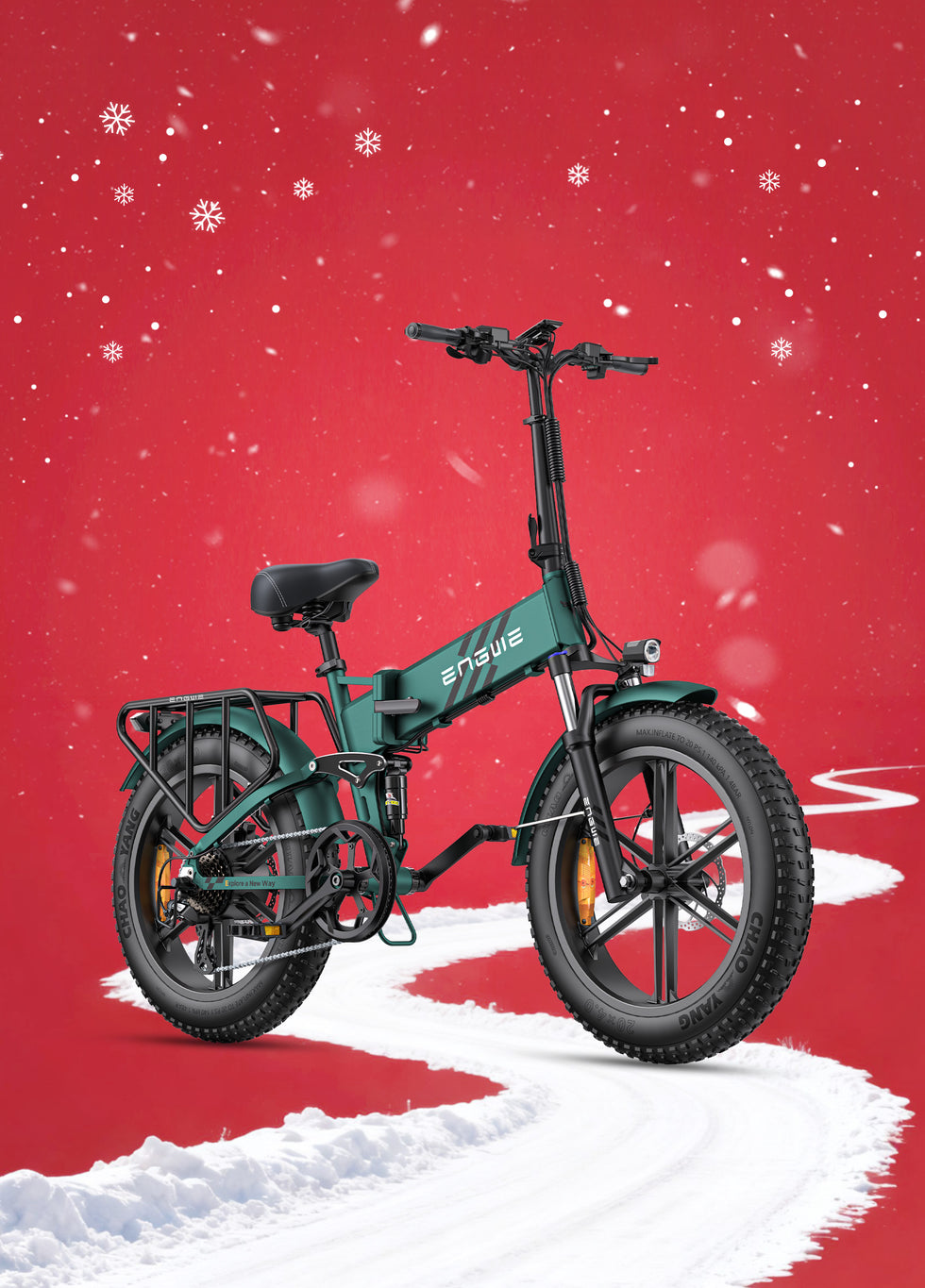
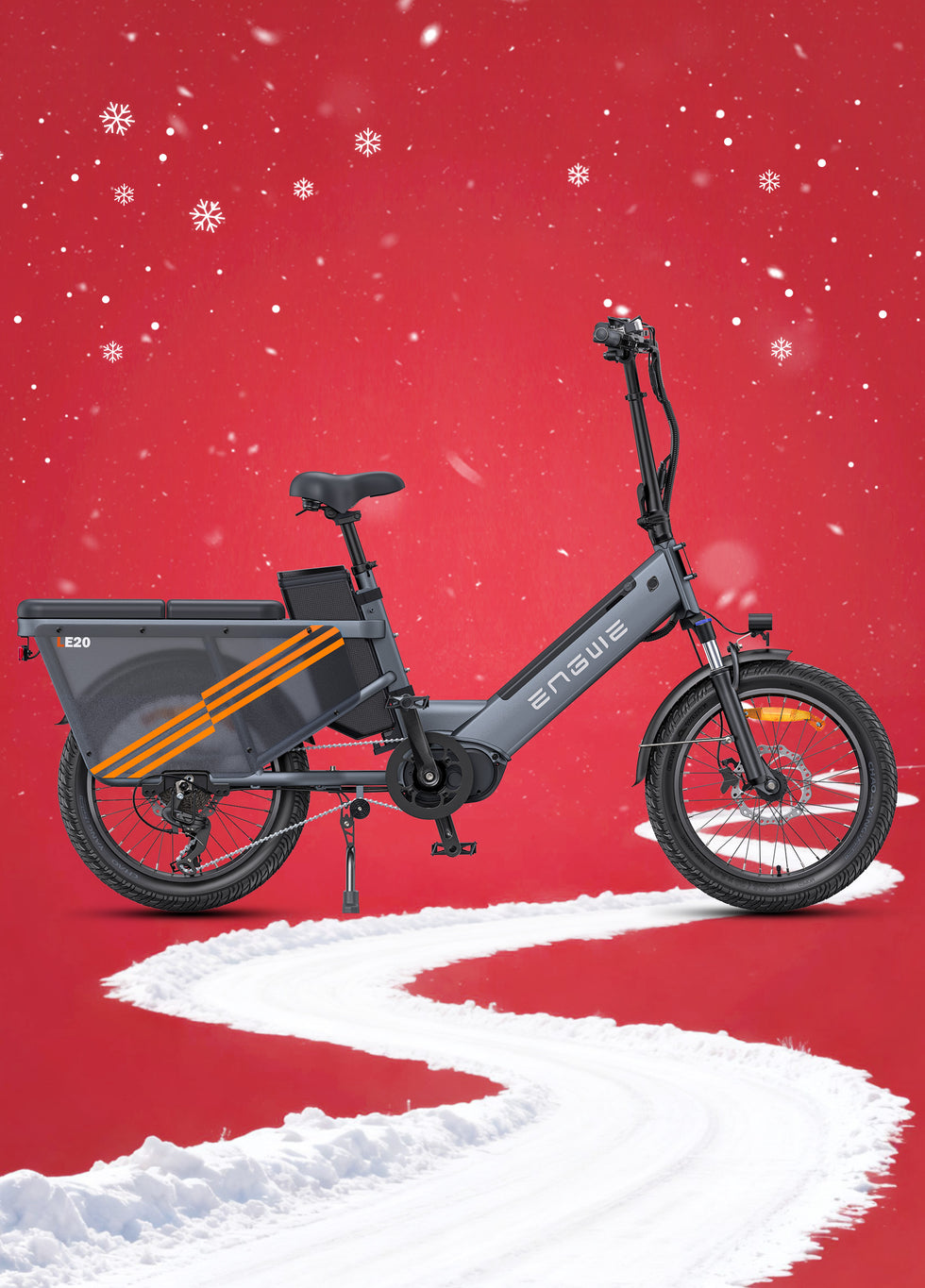
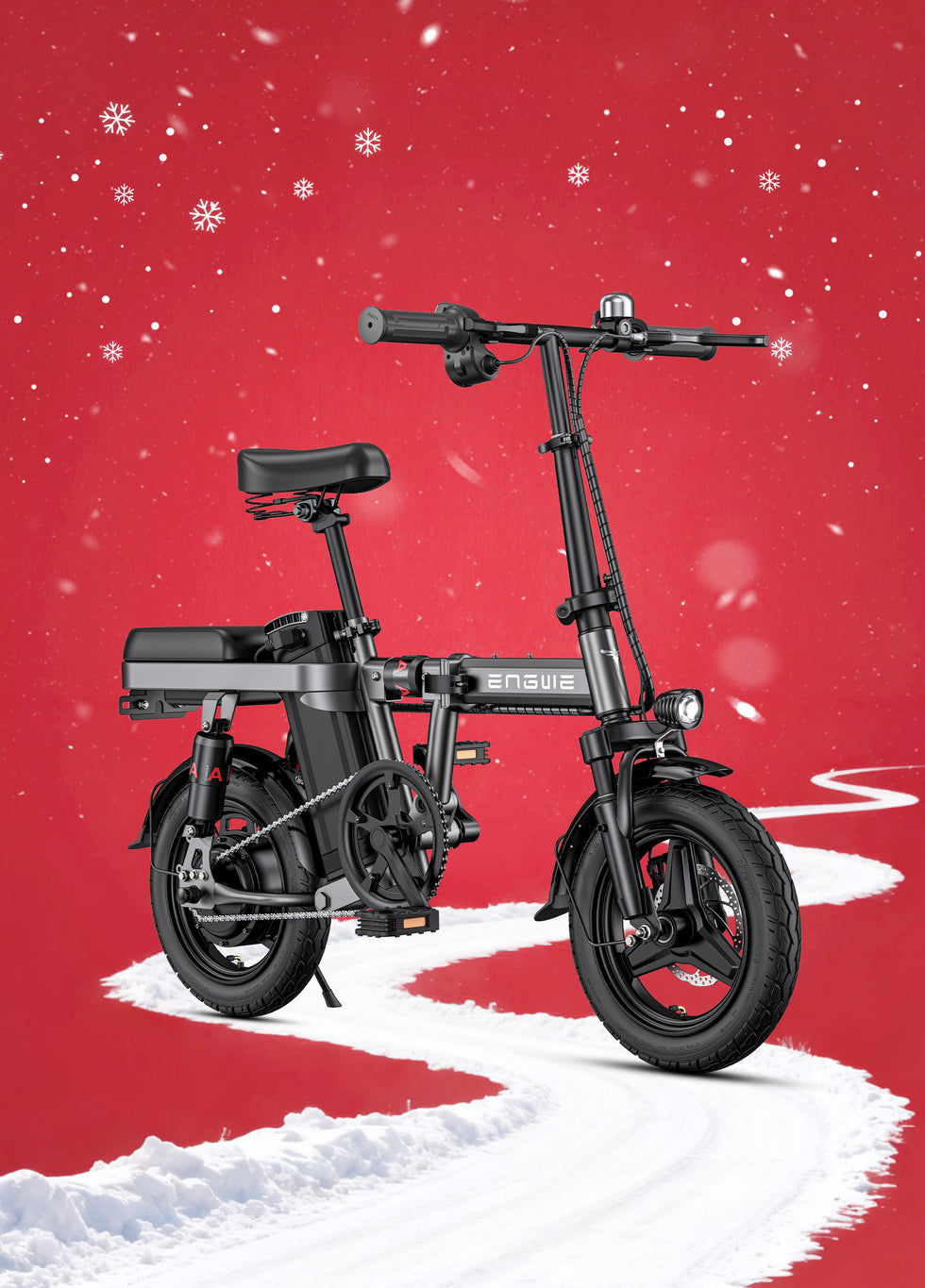
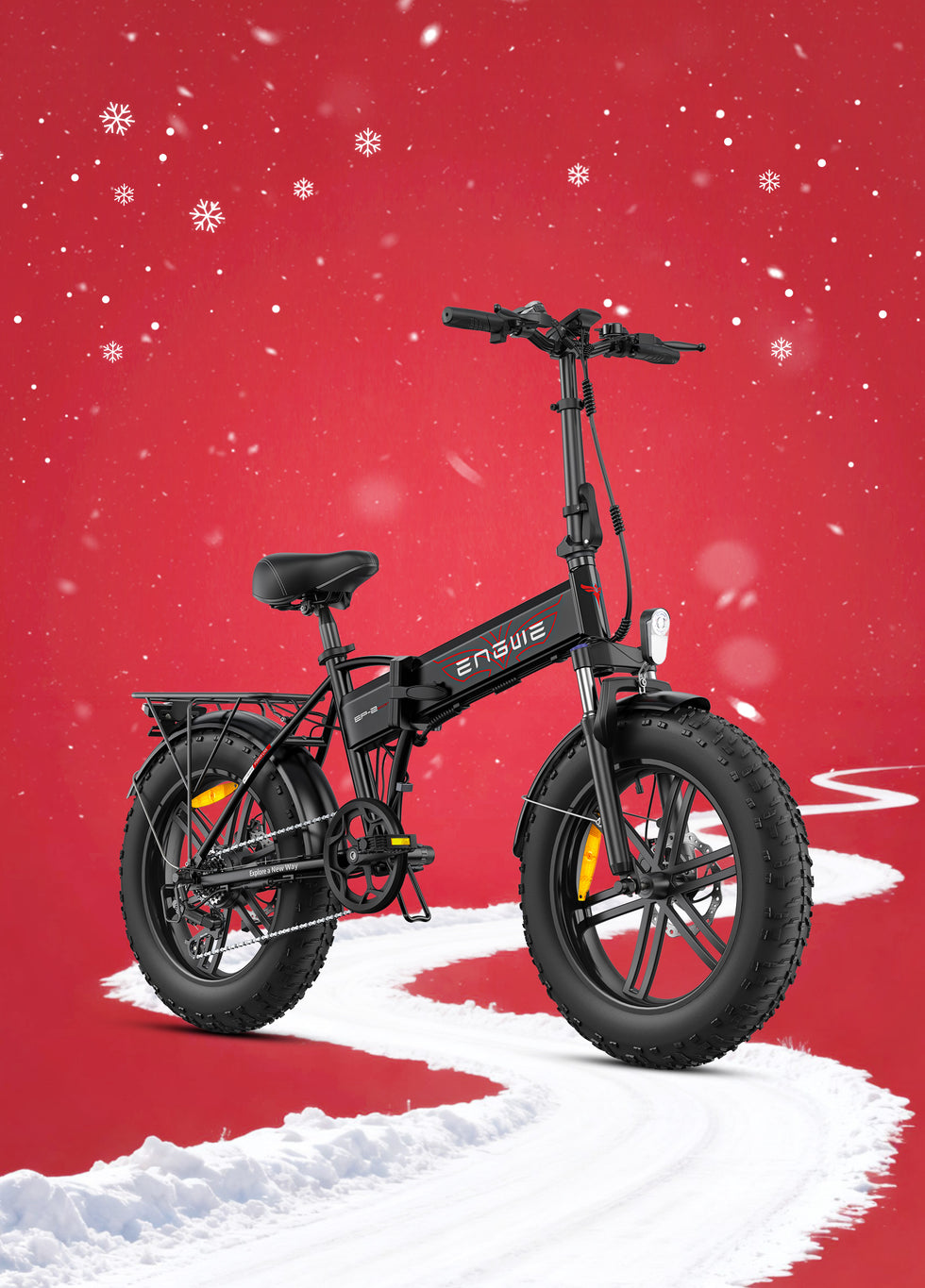
Navigating the market may be intimidating. No one bike type is inherently better than the others, but some models simply strike the perfect balance between features, efficiency, and versatility. Brands like ENGWE are on the rise, producing an unmatched blend of comfort, capability, and convenience. They have nailed down the formula of a feature-filled e-bike suitable for everyone.
The All-Round Champion: ENGWE Engine Pro 3.0 Boost
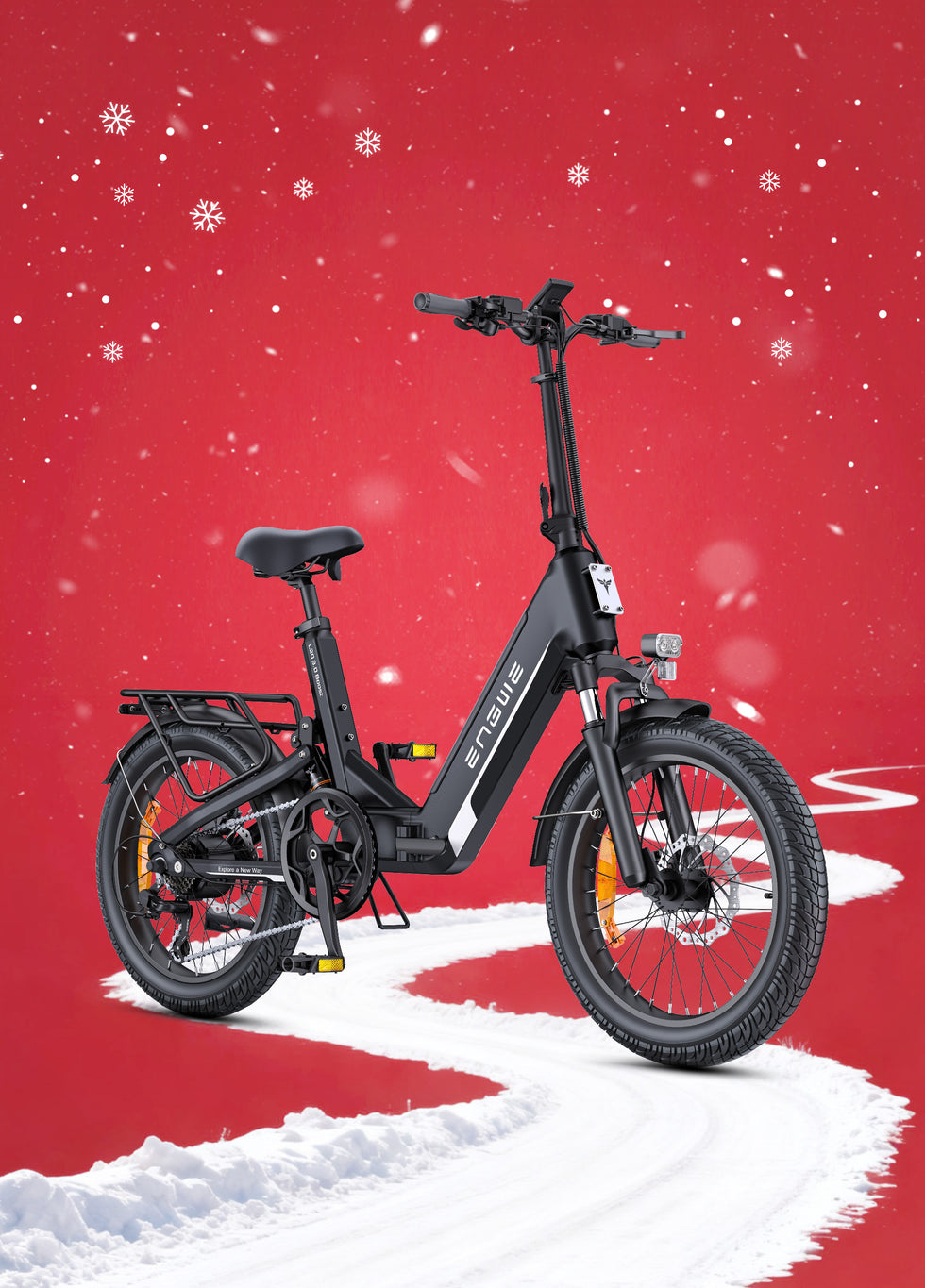
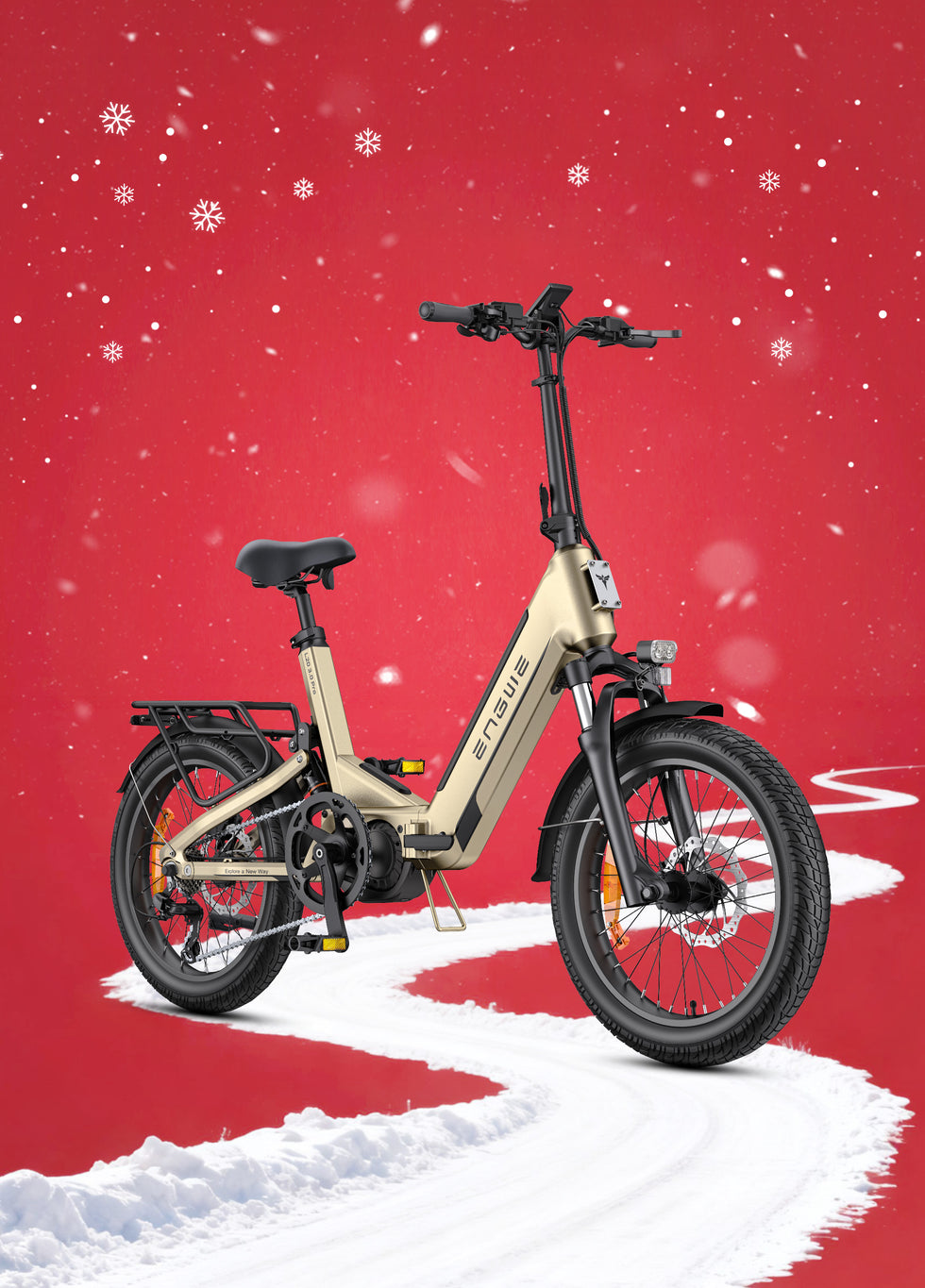
""Finally, for the rider who wants it all, the ENGWE Engine Pro 3.0 Boost is a top-tier recommendation. In short, this bike brilliantly brings together the best characteristics of a full-suspension design in a complete package. Specifically, it includes a powerful 1000W peak motor that provides enough torque to get up the steepest inclines, while the dual suspension system can help you smooth rides from city potholes to forest trails. In addition, its fat tires give it excellent grip and the ability to float over sand, snow, and mud, making it a true all-terrain vehicle. The front and rear suspension work together to provide an exceptionally plush ride, eliminating harsh impacts and reducing rider fatigue. Its robust folding frame is a standout, which allows you to store it in your apartment, office, or the trunk of your car, a special and highly appreciated feature in a capable full-suspension e-bike.

The Classic Hardtail Mountain E-Bike
For purists and riders who will spend most of their time on moderate trails, a classic hardtail mountain e-bike with a quality front fork, around 100-120mm of travel, and modern aggressive trail geometry is ideal. These bikes have a quick and exciting feel that many riders appreciate, especially on less challenging trails. Make sure the model bought has modern features such as a dropper seatpost and thru-axles that will add stiffness and control to the wheels during wheel tracking.
The Lightweight Trail Full-Suspension E-Bike
Finally, if your riding priority is to take on challenging singletrack and find efficiency and fun in the handling of the bike, a specific trail e-bike with a lightweight motor system is an affordable option. These bikes do not feel like a raw power machine but more like an acoustic mountain bike with a few years’ worth of training.
| Hardtail E-Bike | Full-Suspension E-Bike | |
|---|---|---|
| Primary Use | Commuting, gravel, light-to-moderate trails | Technical trails, all-mountain, maximum comfort |
| Maintenance Complexity | Low (fork, brakes, drivetrain) | High (adds rear shock and pivot servicing) |
| Initial Cost | Generally Lower | Generally Higher |
| Rider Comfort | Good on smooth surfaces, harsh on rough terrain | Excellent on all surfaces, reduces fatigue |
| Weight | Lighter and easier to lift | Heavier due to additional components |
FAQ:
Q1: Can a hardtail ride difficult and technical trails?
A1: It can, but it requires significantly more skill from the rider. You have to use your legs and arms as suspension and choose your lines extremely carefully. Full-suspensions offer a much bigger margin for error.
Q2: Is a full-suspension not too much for commuting?
A2: If your use-case is a purely road-based ride, that is absolutely correct. It is simply too expensive, heavy, and requires maintenance. On the other hand, if your roads are very rough or involve some trails, a versatile model like the ENGWE Engine Pro 3.0 Boost model can be a very rewarding dream.
Q3: How can I know without buying a bike?
A3: The best answer is to test ride both. Many bike shops offer demos. Renting a bike for a day will give you the most valuable information in the world, as you will know which type really resonates with you on your local trails. Ultimately, the right decision is the one that will make you ride.