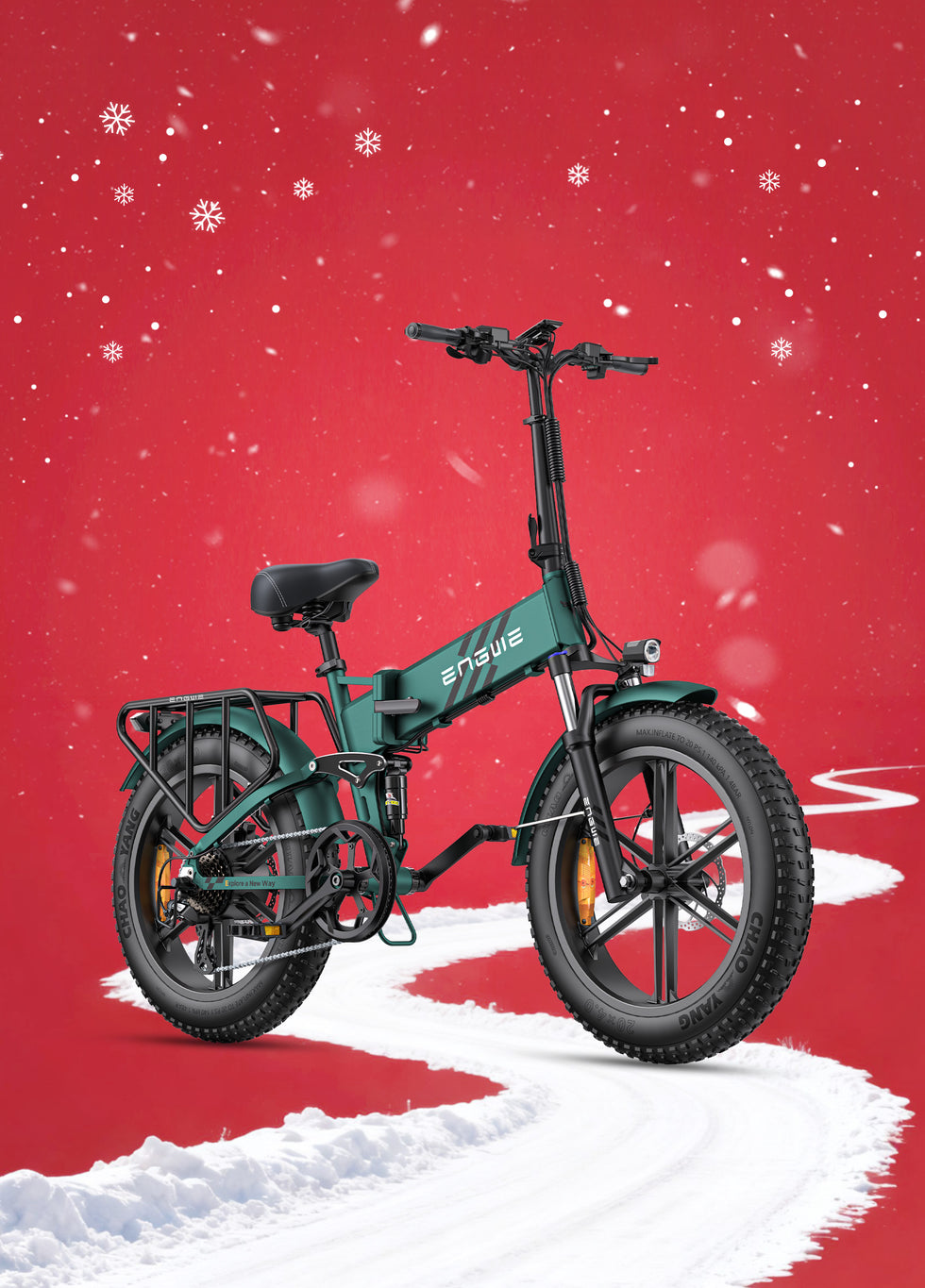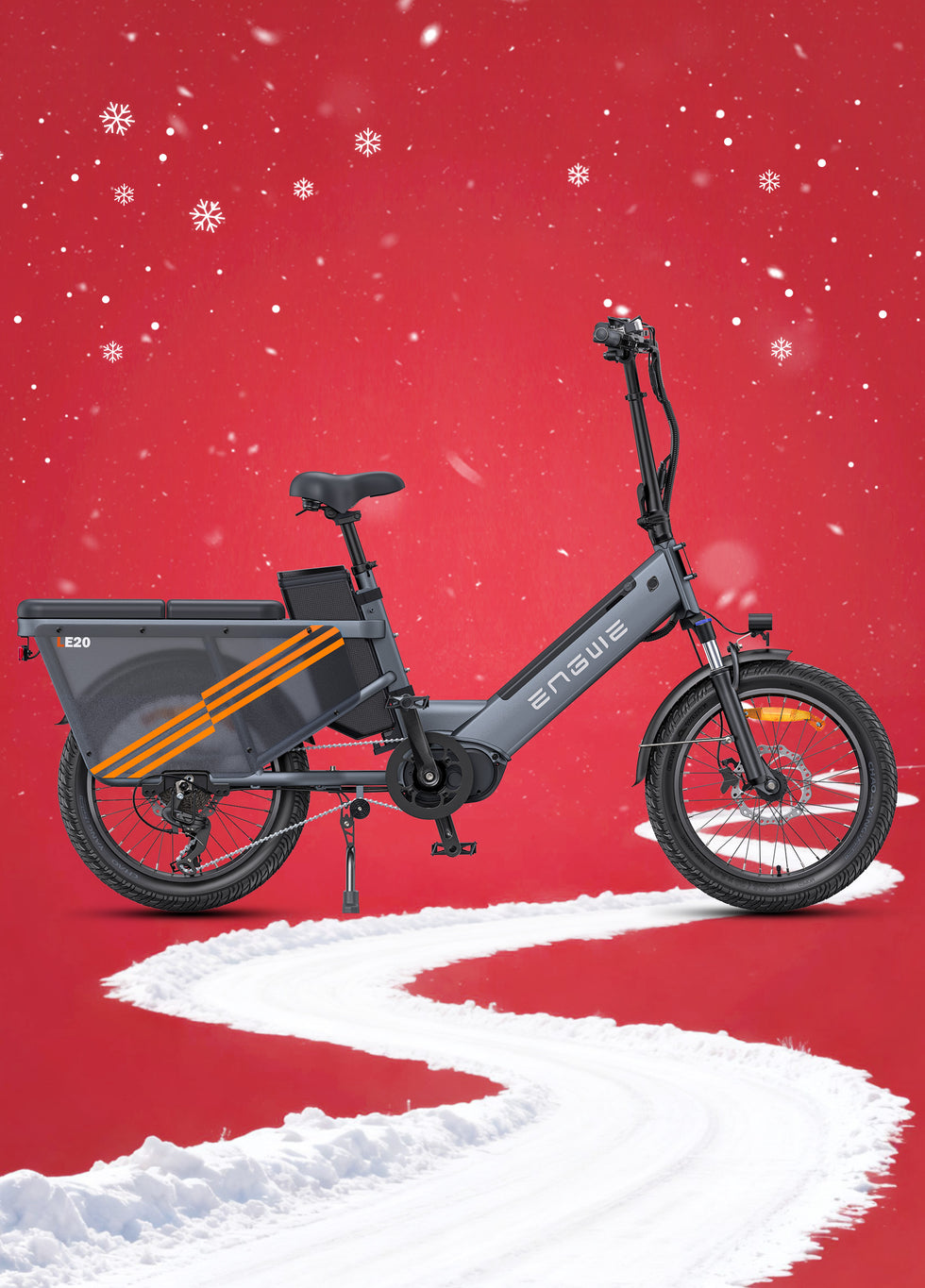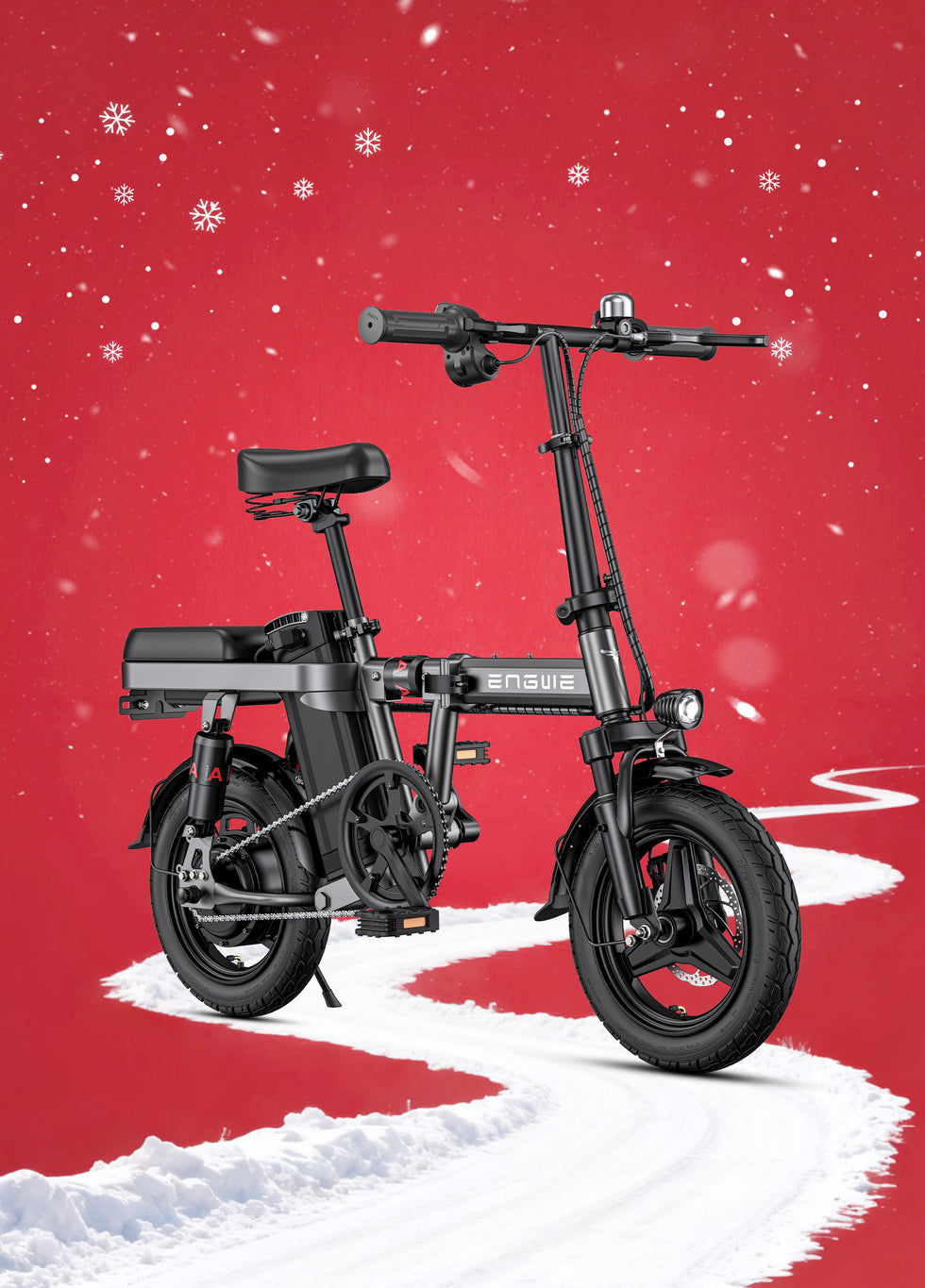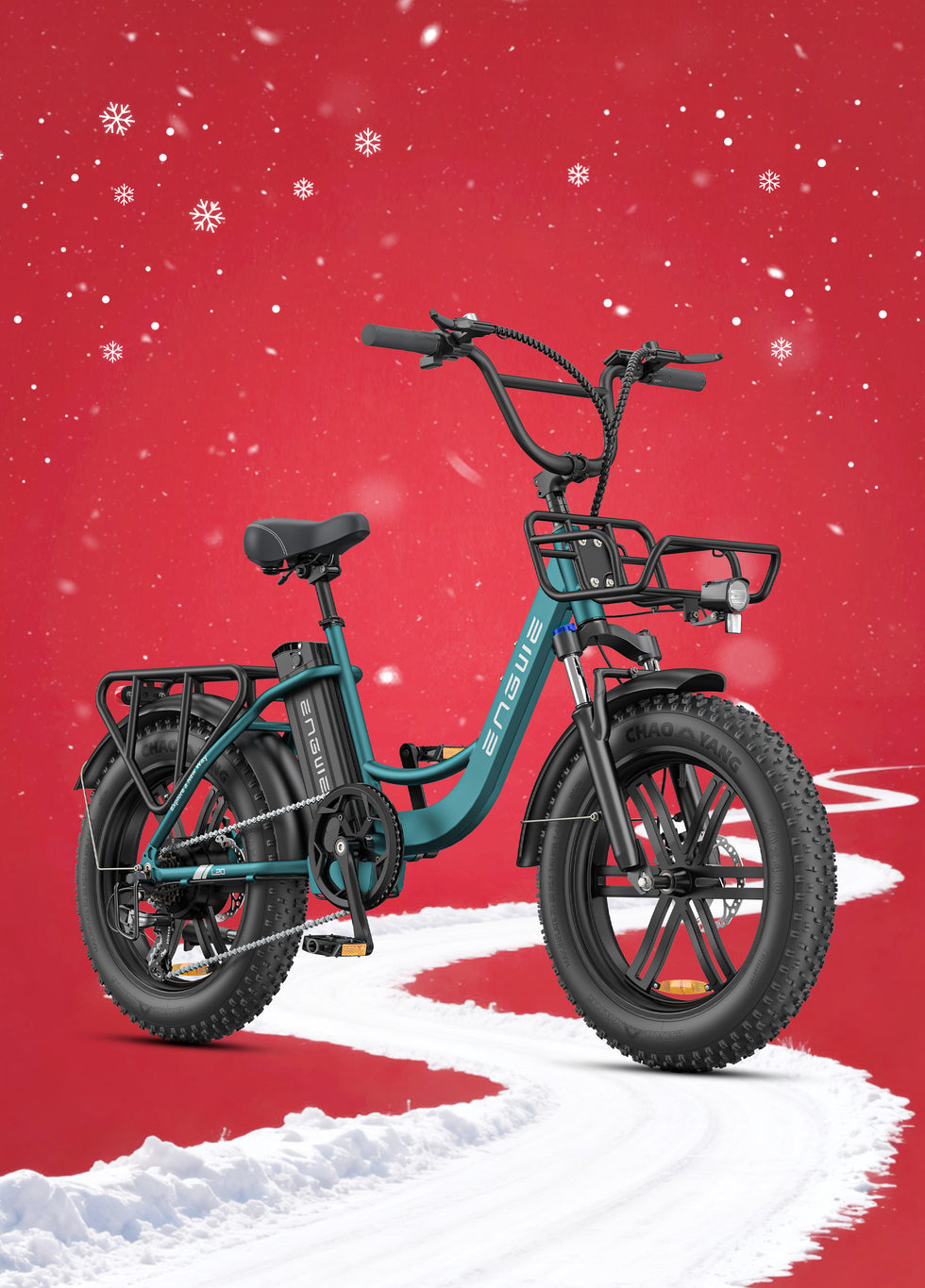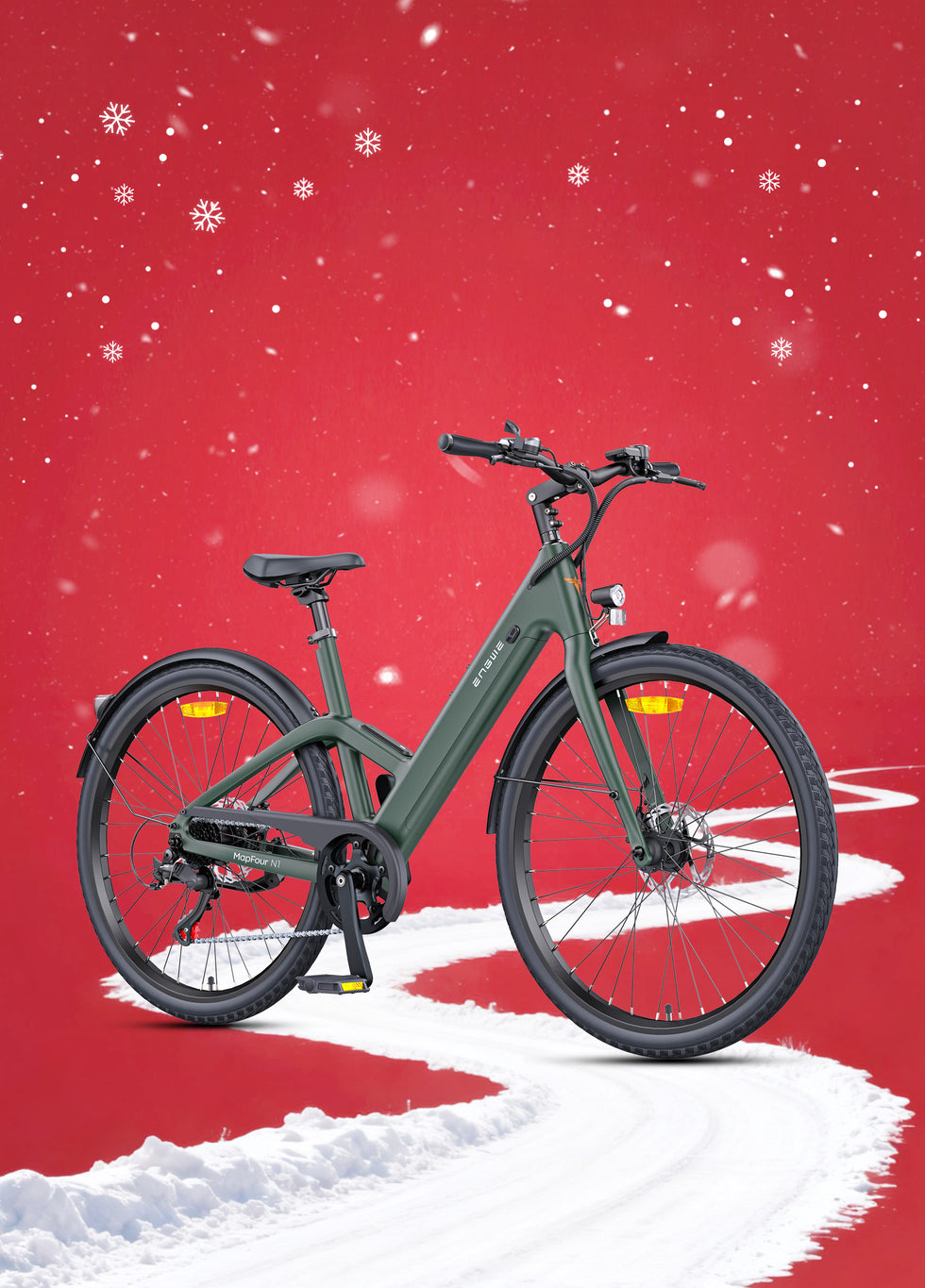

In summary, it can be stated that fat tire electric bikes have brought about an unmatched combination of stability, comfort, and all-terrain capability that caters to the modern commuter. However, finding a truly reliable and lasting model on the market is difficult. This guide divides the critical areas into five essential sections, from fundamental parts to smart purchasing, to help you confidently select the ideal fat tire e-bike for your journeys.
Key Components and Foundational Quality
Firstly, understanding the critical components that set the standard for reliability and durability is critical. Components that are often hidden from view are the foundation of your electric bike, and cutting corners will result in expensive repairs and an undependable ride. Therefore, a high-quality fat tire e-bike is more than simply how it appears. Where to begin evaluating your choices: the most crucial components are the motor, the battery, the frame, and the brakes. They will have the most direct impact on your experience on your trips and the bike’s overall condition.
The motor.
The motor is the e-bike’s heart. For commuting, you should opt for at least 500W, especially if you live in a hilly area. 750W will provide more torque, more acceleration power, and easy hill climbing. Always go for a motor from a reputable manufacturer.
The battery.
The battery is your “fuel tank.” Go for a battery with the highest capacity, measured in Ah or Wh, to get you to your destination and back. Crucially, select a battery with a UL certificate, as these e-bike batteries have undergone safety and reliability testing.
The frame.
The frame should cope with daily commutes. Most high-quality fat-tire bikes come with 6061 aluminum alloy frames that balance durability, strength, and light weight. Check the welds and finish.
The brakes.
Follow traffic rules and practice safe riding. Fat tire bikes have more weight and more speed. Get hydraulic disc brakes for more stopping power, and they are easier to modulate with minimal effort. Here is a guideline for motor wattage for commuting:
| Motor Power (Nominal) | Best Use Case |
|---|---|
| 500W | Flat to moderate terrain, standard commute |
| 750W | Hilly areas, more weight, faster acceleration |
| 1000W+ | More hills, off-road riding |
Daily Riding Considerations for Commuters
Second, many daily riding considerations are crucial for a great commuter e-bike: comfort, safety, and pure practicality. A fast e-bike is not just about quick pulses; it’s also about the small details that transform it from a fun toy to a daily workhorse. And a great workhorse should be reliable: It should be comfortable in various weather conditions, on the go with a laptop, with groceries in the back, and down a rough city lane. Consider the entire vehicle, not just the major characteristics. I suggest the following:
- Suspension system: Most individuals utilize rough roads to get to work. It’s invaluable having the front fork to absorb the shocks and potholes for your arms and wrists. A rear suspension or a suspension seatpost is ideal when available, or at the very least, a front shock.
- Actual distance: Do the math rather than simply checking the maximum achievable distance. Even when not using the motor, account for the weight, your day-to-day payload, and the real PAS level you’ll use. A handy method is to determine how many miles you can drive daily and then add 30-40% of that number to include things like headwinds, slopes, and battery degradation.
-
Integrated utilities: Most essential components for smooth commuting must be placed on your e-bike perfectly:
- Fenders: Your clothing and body should remain clean and dry.
- Rear rack: Saddlebags for picking up groceries.
- Integrated lights: To ensure a safe riding experience, adequate lighting, including battery-powered headlights for night riding, should be integrated.
- Ergonomics: Positioning is key—a more comfortable journey is likely if the fit is correct.

Top Fat Tire E-Bike Recommendations
After that, now that you know what to pay attention to when choosing, it’s time to consider some of the top recommendations. There are many offers on the market, but some manufacturers stand out for their reputation for performance and quality. The first one I would like to recommend to you is a brand that specializes in the production of high-quality fat tire e-bikes known for its marvelous properties.
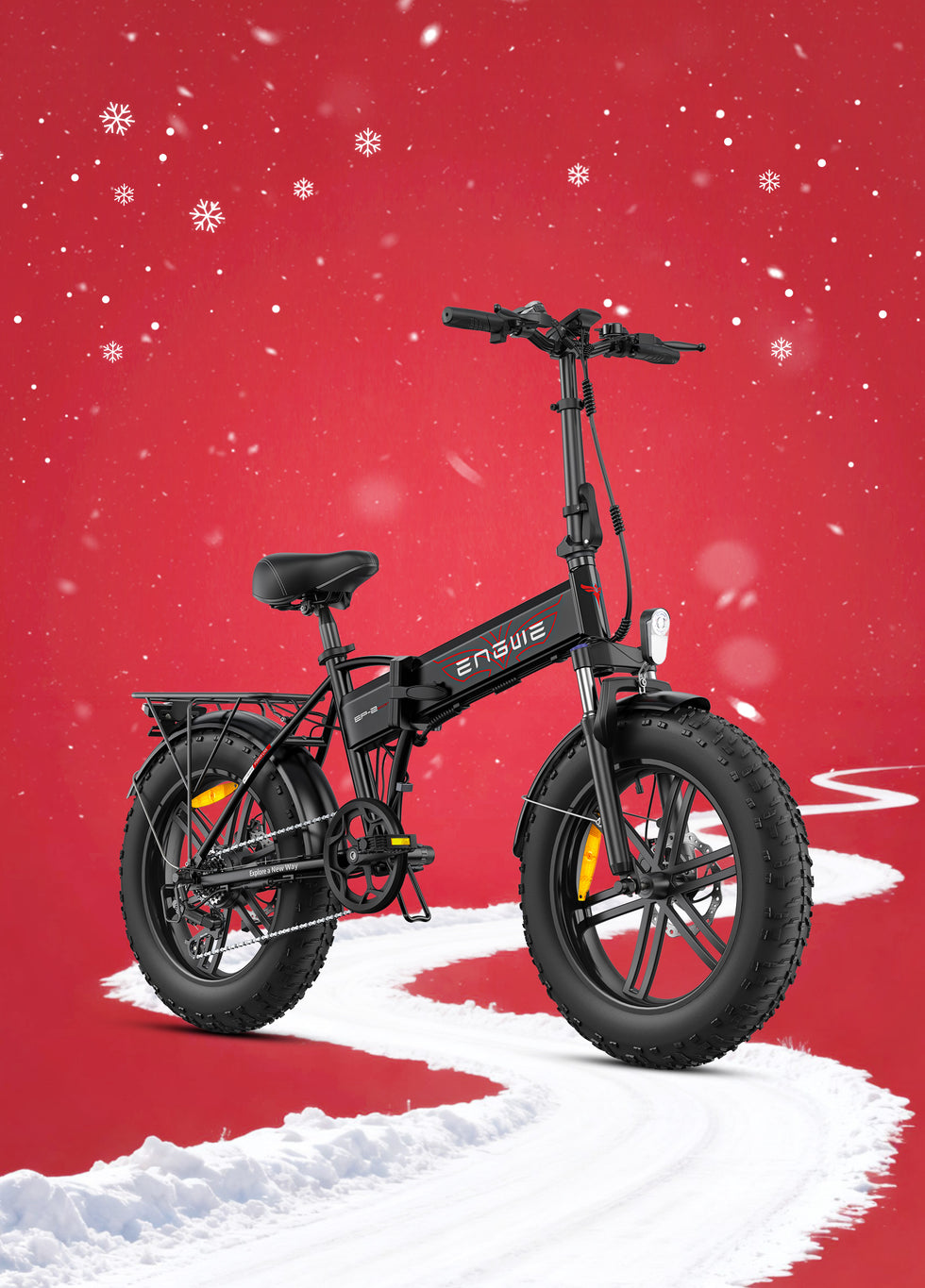
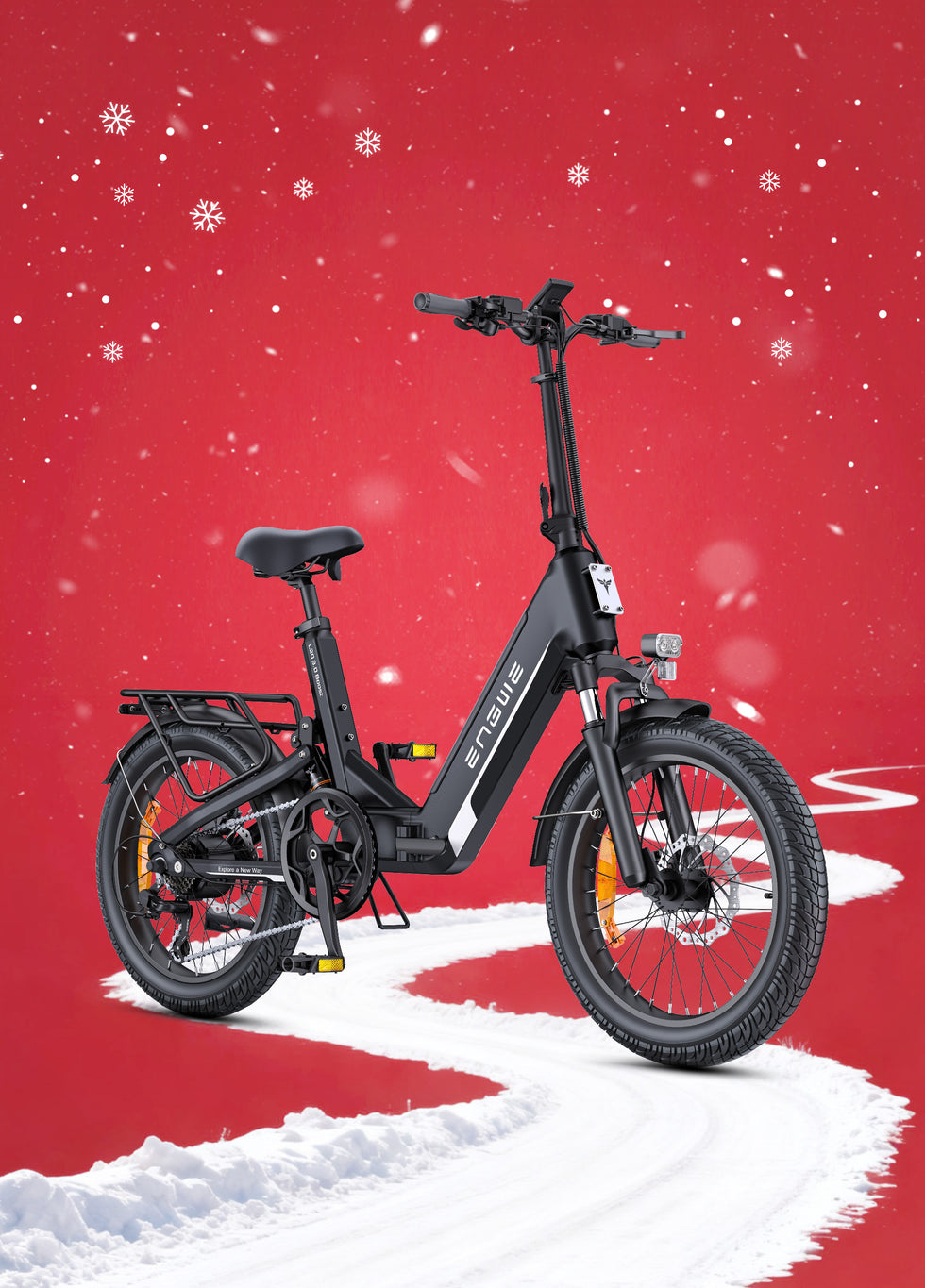
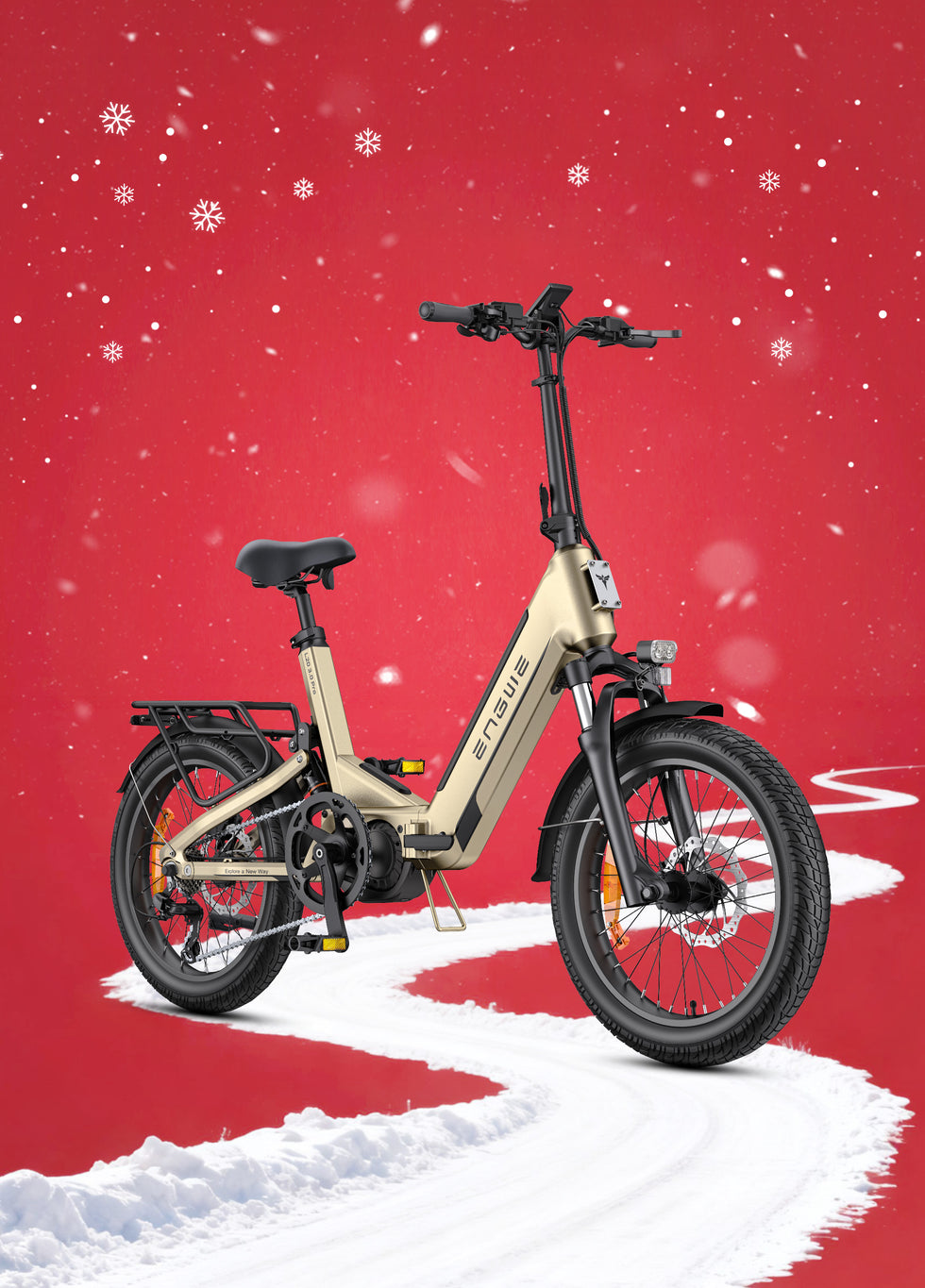
ENGWE EP-2 Pro 3.0 Boost
ENGWE is famous for creating high-quality e-bikes with a strong kick that does not come at too high a price. If you are a commuting cyclist, then the EP-2 Pro 3.0 Boost could be an excellent pick for you. Obviously, it gets its acceleration from a reliable high-torque motor, allowing you to stomp up hills without a break. The quality of the battery is yet another great feature that allows you to confidently cycle even when you have a longer commute. The folding frame is bombproof and is a perfect fit for commuting cyclists who need to place their bike in an apartment or take it with them on public transport. Finally, the fat tires and suspension system are well-sized so you can safely ride on any terrain – from a good bike lane to cobblestones; it is a true commuting machine that has no restrictions.

Rad Power Bikes RadRover 6 Plus
This bike is known as a workhorse in the fat tire e-bike area. It is optimally durable and therefore suitable for high comfort while riding. There is also a large stock of accessories. This bike uses hydraulic disc brakes and a proven geared hub motor.
Aventon Aventure.2
If you do not mind a slightly more modern and integrated model, the new Aventon is a good choice. It is packed with technology and often comes with a torque sensor for a more natural feeling and integrated turn signals suitable for safer orientation in the city.
Essential Maintenance for Longevity
Finally, to make sure your fat tire e-bike keeps running well and stays reliable for the years to come, make sure to incorporate regular maintenance. Owning an electric bike is an investment, and like any other vehicle, it requires routine maintenance to function properly. What’s more, neglecting the basics can cause premature wear and degradation of critical components, reduced bike performance, and dangerous riding conditions if left unattended for too long. However, most of the required maintenance is low-impact and can be done at home without special tools. This saves you money on constant shop visits while extending the life expectancy of your components. Other maintenance measures include the following: Finally, just like a car, your e-bike can also use a professional tune-up; once a year, schedule a check-up with a bike mechanic. The expert can identify component wear, true the wheels, and adjust the brakes and gears to optimal functioning. Such a session ensures every part works well together to maintain your bike in good condition.

Making a Smart Purchase
In conclusion, making a smart purchase involves more than merely selecting a model; it entails obtaining the most value and committing to support after the purchase. The way you purchase your bike can have an impact on your bike’s initial expense, assembly situation, and alternatives for service and repairs in the future. You may become a better-informed consumer and avoid common pitfalls by educating yourself for a good buy and getting a great-quality e-bike at a reasonable cost. Consider the warranty, customer support, and timing of your purchase to ensure you get the best value for your money. Some of the possible options include Direct-to-Consumer vs. Local Bike Shop. Leading firms like ENGWE sell directly to consumers, which is pretty more affordable by eliminating the intermediary, but you will be required to do some assembly after receiving your bike. A manufacturer’s warranty reflects their level of confidence in the product’s lifespan. Try to obtain a comprehensive one-year frame and electric components limited warranty. Investigate the brand’s online customer feedback to see what is a good or poor experience. If at all feasible, test a fat tire e-bike before you buy. While this isn’t feasible with online-first products from brands, try to find an alternative fat tire e-bike for a test ride; this will give you a great idea of the riding position and feel. Moreover, keep an eye on special promotions; one of the excellent ways to save money is to research promotions when it’s not peak season. Check out bike manufacturers, as they provide significant discounts to shop during slow seasons or major promotions.
What is a good motor wattage for commuting?
For the most part, a 500W motor should be adequate for your regular commute, although a 750W motor is highly recommended because it can handle hills and accelerate faster in traffic situations.
Are fat tires slow for commuting on pavement?
Yes. However, the strong electric motor easily negates the additional rolling resistance experienced in comparison to skinny road tires. In conclusion, it makes the ride fast, comfortable, and highly safe and stable.
How much do you need to maintain a fat tire e-bike?
Other than checking tire pressure and cleaning the chain, which is there in a normal bicycle, the only other maintenance is an annual professional tune-up to have a smooth ride for years. Therefore, finding the right fat tire e-bike that is reliable and durable will redefine your commute as an adventure.