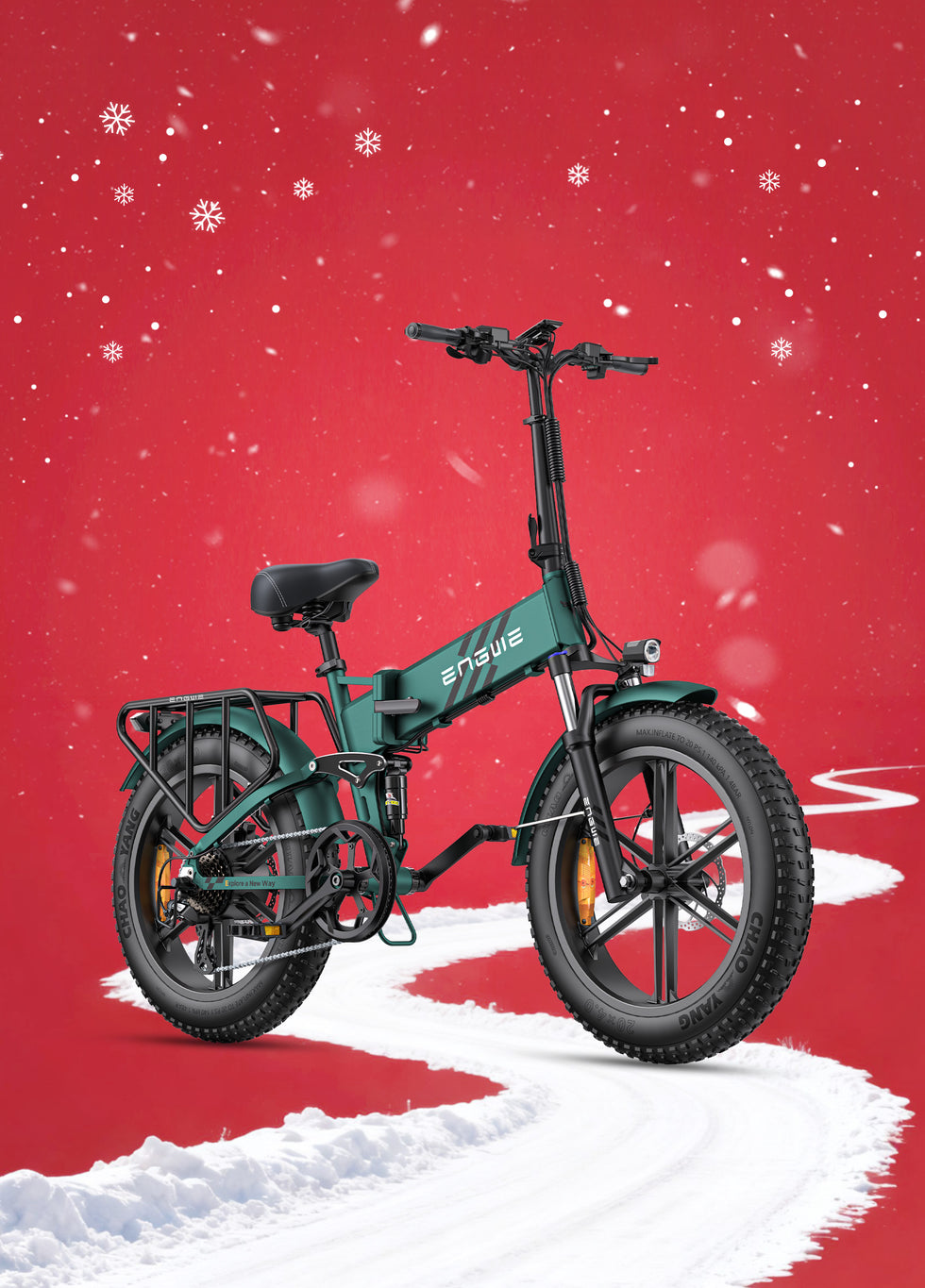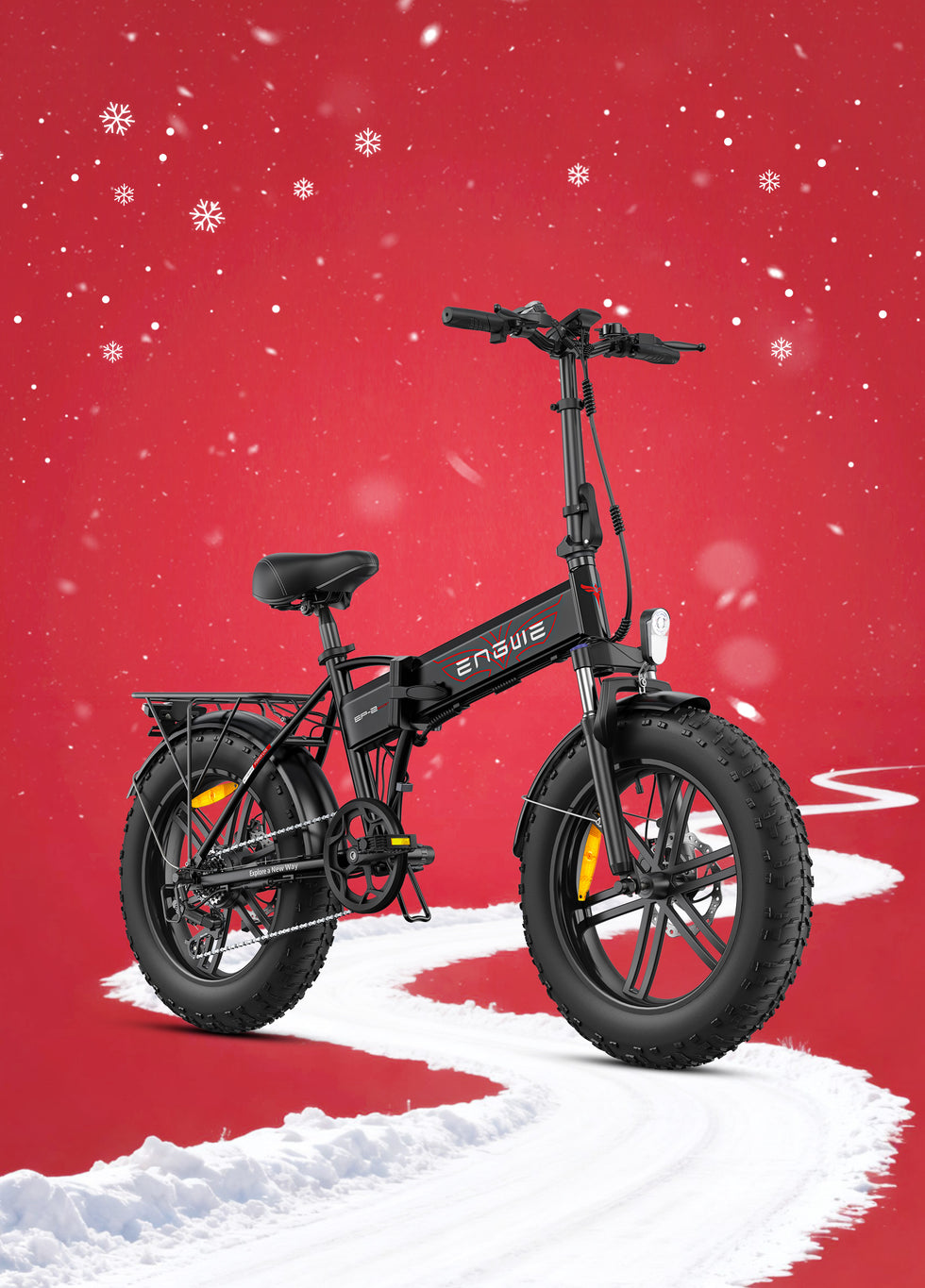

Fat tire e-bikes, with their brawny appeal and powerful motors, are having their moment in the sun. However, is a tank-like machine meant to withstand the weekend warrior’s treacherous off-road trek a good fit for the hassle of commuting every day? On the one hand, these electric two-wheelers allow you to conquer any pothole the urban jungle can throw at you, not to mention bad weather. On the other, they present you with a number of storage and storage-related challenges. The answer to that puzzle is in the details below – so read on to find out if a fat tire electric bike can really be a practical choice for an everyday commute to work!
1. Peerless Performance and Ability to Handle Every Surface
When it comes to a fat tire e-bike, the first and most essential aspect to consider is its capability. Those tires are intended to make the ride possible under imperfect conditions. Compared to a standard commuter bike, using one of these results in a substantially greater level of comfort. This makes your drive a more enjoyable experience and your greatest concern is alleviated. From these viewpoints, such a vehicle’s feasibility is apparent.
-
All-Weather Reliability
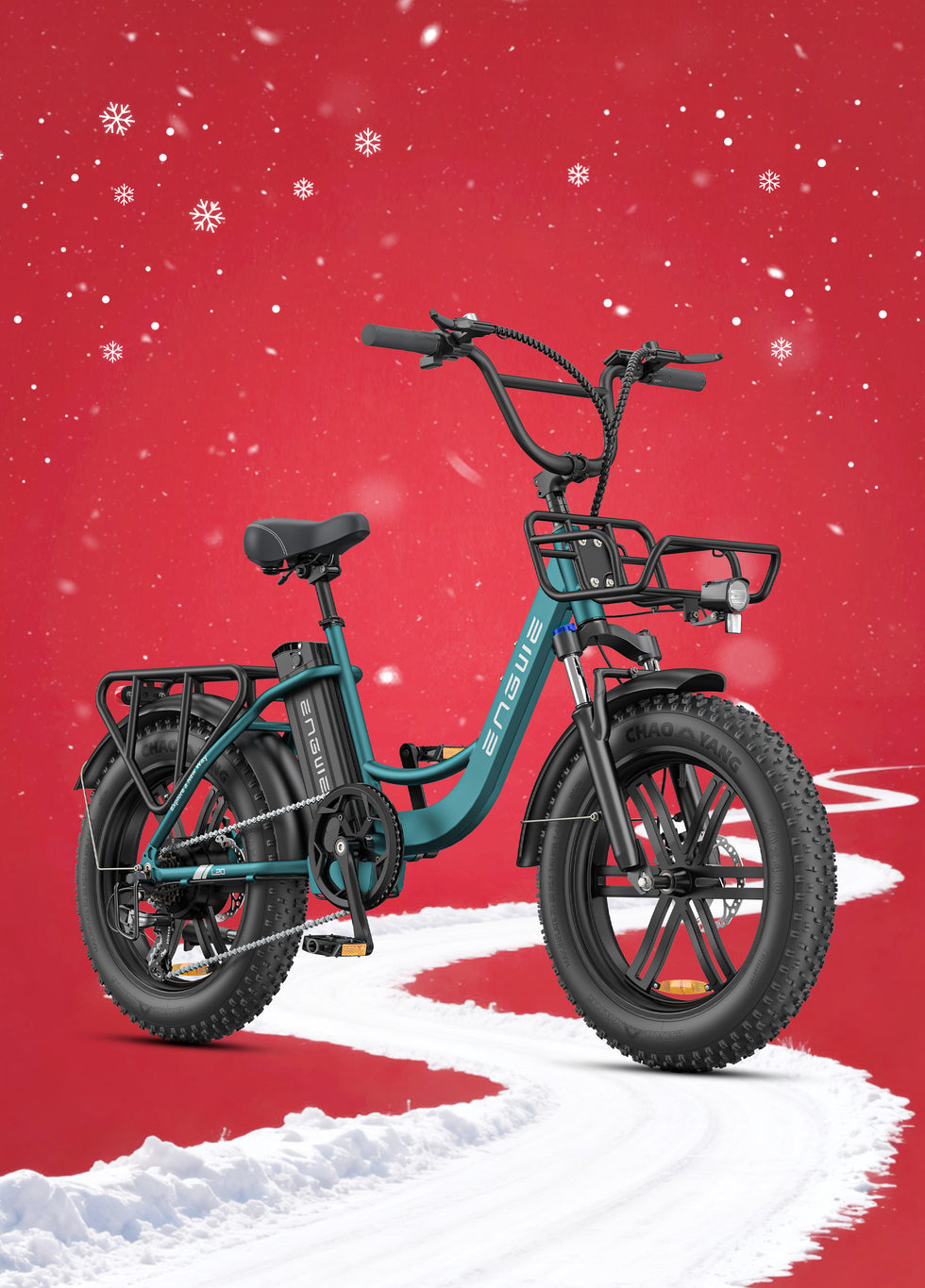
Thanks to their wide, high-volume tires of 4 inches or more, fat tire e-bikes offer a wide contact patch with the ground, enabling superior traction on various surfaces. Therefore, commutes through the rain, wet leaves, and light snow are safer and more manageable. Riders are also less likely to be caught in the rain during their commutes.
-
Conquering the Urban Jungle
Due to their fatter tire design, these bikes are often inflated to 15-25 PSI, acting like a natural suspension system. As a result, the fat tire easily soaks up impacts from potholes, uneven pavement, cobblestone roads, and more, allowing for a smoother, less taxing commute.
-
Expanded Route Options
Unlike road bikes, fat tire e-bikes are not limited to paved roads. Even though fatter tires reduce rolling efficiency, hard-packed dirt roads, gravel paths and trails, and more all provide fantastic alternative routes for commuting.
-
Inherent Stability
Coupled with the wide tire design, the fat bike’s robust frame design offers a planted feel. As a result, novice commuters or riders who ride in heavy traffic feel extra stability. The tire is also less likely to be blown off course by crosswinds while riding.
2. Logistical Challenges: Size, Weight, and Storage
Even though there are positives, the most troubling aspect of fat tire e-bikes is their logistics in terms of physical attributes. Fat tire e-bikes are not as small or easily portable as people would like them to be. One must consider the size and weight of the e-bike and honestly take into account if it can be accommodated at home, the workplace, or on the road. For this reason, I would recommend a person do an honest assessment of the place they want to keep the vehicle and the path they use before purchasing.
-
Significant Weight
Fat tire e-bikes are heavy. They can weigh from 60 to 85 pounds (27-38 kg). This is not an issue while you are riding; the electric motor nullifies the weight. Unfortunately, it turns into a gigantic factor when you are not. It is impossible for many riders to carry this bike up a flight of stairs to an apartment or office. For most, this is a serious physical challenge and an absolute dealbreaker.
-
Storage Space Requirements
Due to their size, fat tire e-bikes require substantially more storage space than a regular bicycle. The wide handlebars and bulky tires make them impossible to store in a narrow hallway or, even worse, a small bike rack. The best storage for such a bike is a garage, a secured ground-floor shed, or a spacious, dedicated bike room at your workplace. When you are forced to store this bike in a small living space, things get cumbersome.
-
Maneuverability and Transport
Steering through extremely dense urban traffic, tight corners, or crowded bike racks is considerably harder than with a slimmer bike. Transporting it by car, on the other hand, requires a heavy-duty rack meant for fat bikes. Randomly putting it in the back of a small car is not possible without damaging your car, unless it is a foldable model.
-
Battery Management
The battery requires regular charging, just like all e-bikes. For a commuter, this implies charging it every night. An electric folding bike with a removable battery is a critical detail that enables you to charge the battery at your workplace. This is particularly important for apartment dwellers or those who cannot take the whole bike near a power outlet.

3. Financial Considerations: Cost, Maintenance, and Long-term Value
The practicality of any commuter vehicle unavoidably relates to its cost. Fat tire e-bikes have a hefty price tag which could be off-putting for some customers; however, considering the role of the vehicle as a substitute for a car, it has substantial savings in the long run and great value.
-
Initial Purchase Price
Be prepared for a higher initial cost than most non-fat bicycles. A robust frame, large battery, powerful motor, special wheels, and tires – it all costs you. Evaluate if this cost meets the value you expect to get in return.
-
Maintenance
Speaking of the tires, those are of a "fat tire" type. To be more specific, the wheels and tires are what you’re going to be needing to replace most often after they are worn-out. Higher-pressure tires come with a bigger price and, although you can always find a local store, you could face a similar or higher price and have them replaced more quickly. The conservation of the battery will have a significant impact on your e-bike's longevity.
-
Fuel and Transit Expenses
Here is where fat tire e-bikes are very practical. Their consumption, consisting of battery charges, costs you less than gas, parking space rent or fees, or even an insurance plan. An e-bike's price can be paid off in the first year of its use considering the transportation savings in a year.
-
Pro Buyer's Advice
To make the price more practical, consider buying from well-known sellers during seasonal and holiday sales. The tip for long-term saving is that keeping the proper high-speed or fat tire pressure would keep you from using more battery charge and will extend the life of the wiring. Cleaning the interior of the fat tire will be a big support.
4. Finding the Perfect Commuter: Features, Safety, and Regulations
""Selecting the ideal fat tire e-bike for commuting goes beyond the fat tires and entails features that resolve the logistical problems. An entirely practical model can combine all-terrain operations with characteristics that make the best use of the route. Thus, transportability, braking, and reliability under regular heavy-duty use should be top priorities. For commuting, a motor of at least 750W is adequate. This provides just the appropriate amount of torque to allow you to sprint from a stoplight and flatten any hills on the route so that you haven’t even broken a sweat when you reach work. A high-capacity battery, such as a 48V 16Ah unit, is critical for making this a stress-free experience. It implies that you can make it to and from your workplace, plus run some errands on the way, without fretting about whether the battery power will be sufficient. A dual-suspension system will always get you the softest ride since it will isolate you from the harsh city roadways. With the bike’s weight and high speeds generating a greater amount of power, hydraulic disc brakes are the safer choice, as they remain reliable in all sorts of weather. A foldable frame is also a godsend for commuters. It will radically lower the storage footprint and put the bike within reach; it allows us to take the unit in a car boot or on mass transit. Integrated lighting, fenders, and a rear rack complete the list of must-have commuter accessories.
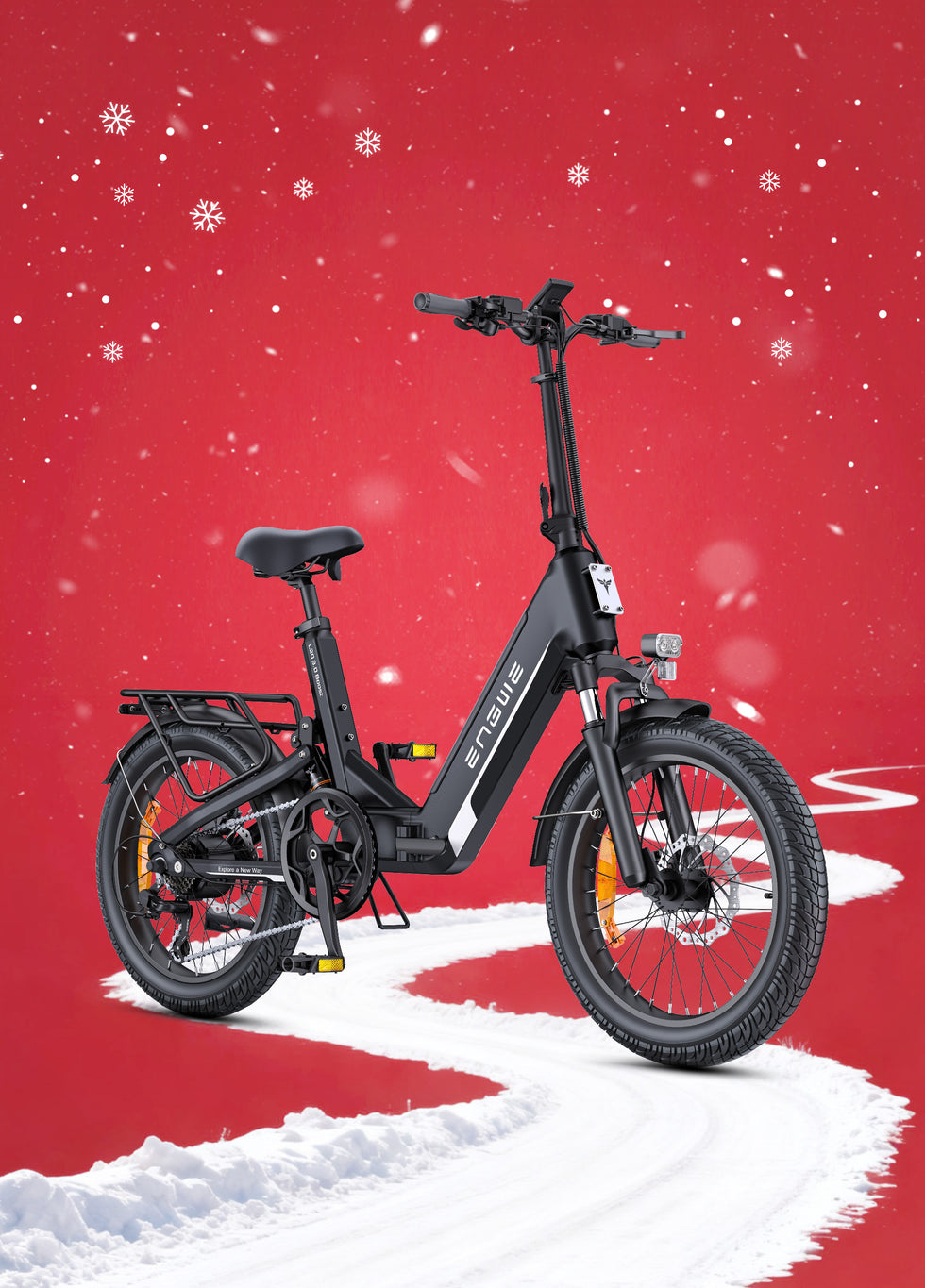
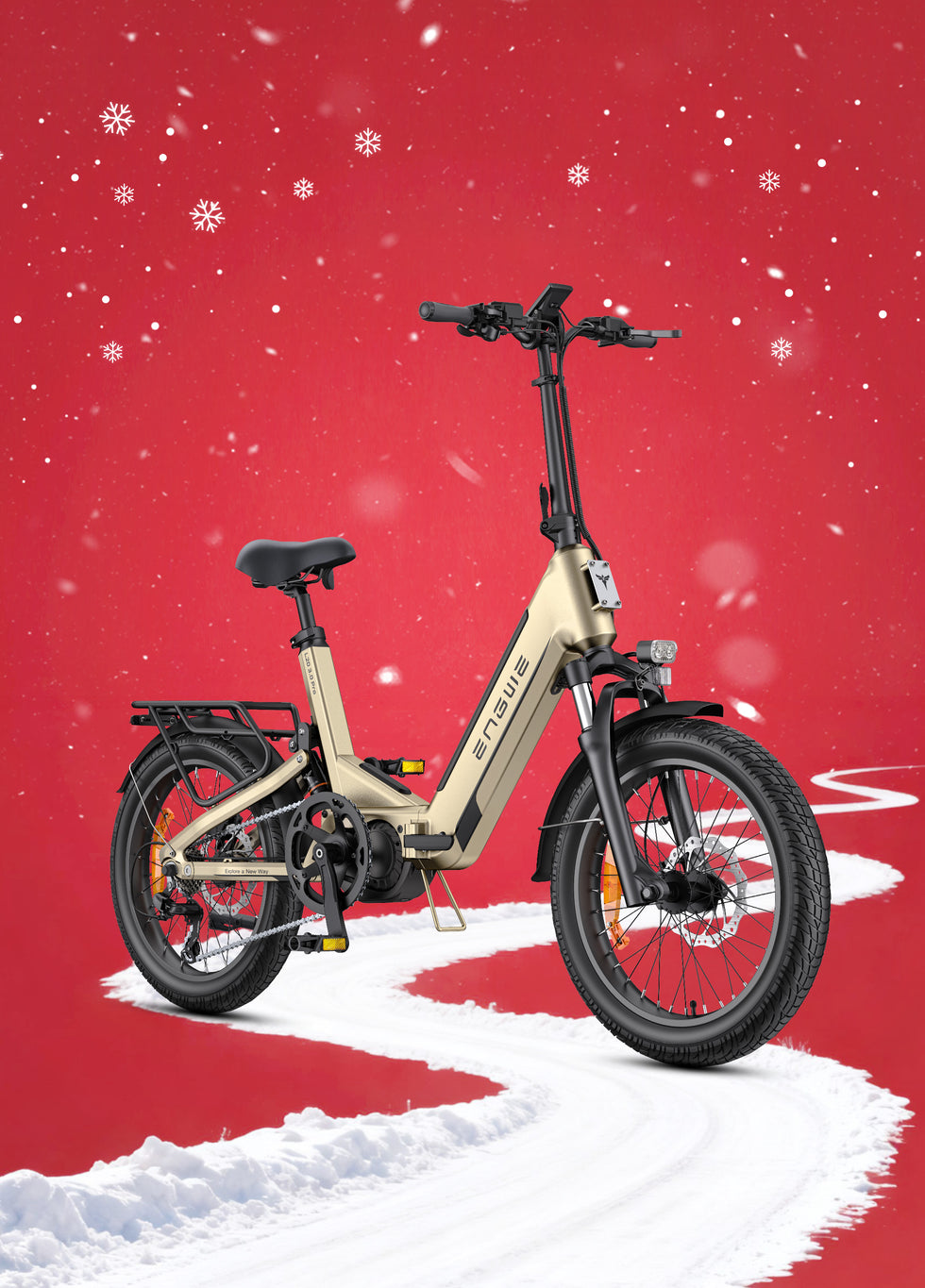
The ultimate example of a fat tire e-bike that boasts the above qualities and still offers the modern commuter a superb experience is the ENGWE EP-2 3.0 Boost. Specifically tailored with modern-day attention to detail, ENGWE powers the EP-2 3.0 Boost with a powerful 750W motor with a peak of 1000W for that one-time hill assistance and a long-range 48V 16Ah lithium-ion battery that is also removable. The 20×4.0 inch fat tires seated on magnesium alloy rims provide just the right feel and stability, while the advanced dual suspension makes the ride seem like just a walk in the park. Moreover, the EP-2 3.0 Boost features a brilliant foldable frame design, addressing the very flaw that affects most fat tire e-bike designs, a flaw that ENGWE identified and tailored a product to solve. Additionally, hydraulic brakes crown the remarkable engineering, alongside a seven-speed Shimano drivetrain for handling options that make the EP-2 3.0 Boost the ideal product.

Finally, a safe and legal commute is a factor to consider. Fat tire e-bikes are heavy, and riders, in particular, must be aware of their presence behind the wheel. Likewise, a rider must also familiarize themselves with local laws and regulations on electric bikes to avoid causing accidents and receiving court summons for violations.
-
Braking and Handling
A fat tire e-bike has a whole lot of mass and subsequently momentum. It will take longer to come to a full stop than a lightweight bike. As a result, the rider should always practice defensive driving, anticipate stops from a distance, and keep a safe following distance. A rider also needs to use the brakes wisely and not make any drastic decisions using them.
-
Visibility is Key
A sturdy fat tire commuter bike worth its salt should feature powerful, integrated front and rear lights. A rider can also use bright or reflective clothes or both, especially while commuting in the wee hours of the day, early evening, or on the dreariest weather day. Other items a rider can use are a bell and a horn to alert pedestrians and other road users of your proximity.
-
Understanding E-Bike Classifications
E-bikes are grouped into classes in a lot of places, depending on their maximum assisted speed and whether they are equipped with a throttle. For example, a Class 3 e-bike may not be legally accepted in some places due to being faster and more powerful.
E-Bike Class Top Assisted Speed Throttle? Typical Use Case Class 1 20 mph No (Pedal-Assist Only) Bike paths, bike lanes Class 2 20 mph Yes (Throttle and Pedal-Assist) Urban commuting, leisure Class 3 28 mph No (Pedal-Assist Only) Faster commuting, road use -
Personal Protective Equipment
Since the fat tire e-bike can go quite fast, protective gear should be worn at all times. At the very least, one should have a sturdy, certified helmet. Additionally, gloves can protect the rider’s hands and provide a good grip. A rider should also always have eye protection, in this case, riding glasses.

5. Q&A
-
Question: Are fat tire e-bikes too heavy to consider if living in an apartment?
Answer: Often, yes. If you need to take it up the stairs, the weight can be quite an issue. Look specifically for foldable models or ensure you have some secure, ground-level storage. -
Question: Is it much more expensive to maintain a fat tire e-bike?
Answer: It is more expensive to maintain than a non-electric one, but only for tires and brake pads, which need replacement more often. In any case, it is minor compared to how much you will save by not driving a car, considering gas and parking. -
Question: Can they handle actual steep hills on a commute?
Answer: This is one of the biggest selling points of these bikes – the electric motor can help you even more than you think and will certainly not let you down. Your daily urban commute will feel like a slightly inclined flat, and you will arrive completely refreshed.
In conclusion, the fat tire e-bike is one of the most practical means of transport for the commuter whose route is not limited to a smooth city sidewalk.