
Getting a sudden flat tire on your fat tire e-bike can easily stop any adventure in its tracks. The choice of a suitable replacement inner tube cannot be limited to a quick fix but is essential for your ride’s performance, safety, and reliability. We will break it down into five key dimensions. From sizing and materials to puncture protection and installation, we will provide you with all the information required to pick the right tube and ride with confidence. There is no part of the tube’s selection that is as important as the first. Most importantly, you must master the fundamentals of tube sizing and valve types; before purchasing a tube, you must know this information. Failure to follow this process = immediate failures due to overstretching or pinching/folding within the tire, causing the tube to burst prematurely. The manufacturer’s directions are found on your tire’s sidewall, and when paired with the rim’s markings and physical requirements, they allow you to make the perfect selection every time. This part is by far the most crucial aspect of the entire process.
Mastering the Fundamentals: Sizing and Valve Types
Decode Your Tire Size
Check the printed numbers on the side of your fat tire. They should typically look like “20 x 4.0.” The first is the diameter, measured in inches and should match exactly. A 20” tube fits a 20” tire. The second is the width in inches. Inner tubes fit a range of widths such as 3.5-5.0 inches. Make sure the range on your tube’s packaging includes the width of your tire.
Choose the Correct Valve Stem
The valve is the point you blow air into the tube. The e-bike’s wheel rim is drilled to fit a certain type. A Schrader valve is wider and stronger. It is the most common on fat tire bikes. It’s identical to the one car tires use and works with air pumps at gas stations. A Presta valve is much narrower and common on road and performance mountain bikes. It is very unlikely to be on a stock fat tire in your e-bike, but it’s useful to know to make sure you’re not buying the wrong type. Match the valve type to your e-bike. Magnetic Bicycles Inc., 2020.
Understanding Tube Material and Construction
After you have the correct size, the next part to think about is the tube’s material and construction, which affects durability and marshmallow-ness, or whatever the quality of your ride on tires full of air is. Not all inner tubes are made the same. The composition of the material and its thickness determine how well it holds air, how puncture-resistant it is, and how much it weighs. For your fat-tire e-bike, be sure to choose a robust material to match the increased stress the component will bear while you ride with extra power and weight.
Common Inner Tube Materials
Butyl Rubber: The most common material by far, butyl rubber is the good old industry standard. A synthetic rubber, butyl is great at holding air, extremely durable, and fairly cheap. A quality butyl tube is very reasonably priced and is typically a perfect balance between performance and cost for most fat tire e-bike riders.
TPU: A premium, lightweight plastic material, TPU is simply butyl rubber’s cooler, more expensive younger brother. A TPU tube weighs only a fraction of what a butyl tube does and packs up considerably smaller, making it easy to store as a backup. They're relatively puncture resistant but do come at a premium price.
The Importance of Thickness
Standard thickness: These tubes are usually about 0.9mm thick. They’re a great compromise between weight and durability, providing just enough protection for general use.
Heavy-Duty / Thorn-Resistant: These tubes can be up to 3-4mm thick. All that extra rubber makes them incredibly good at stopping anything from thorns and glass to pinch flats. Key tip: Even if you’re only slightly worried about flats or are just riding through town, a heavy-duty tube is a tiny weight penalty that can make an enormous difference in reliability.

Enhancing Puncture Protection
Protective Inner Tubes Types
Self-Sealing Tubes: These are tubes that come already filled with a liquid sealing agent. When the rider punctures the tube on the road, the air pressure forces the sealing substance to penetrate the puncture. This plug coagulates and stops the hole immediately, sometimes without the rider’s knowledge. This is the perfect solution as it is a "one-time pain".
Thorn-Resistant Tubes: As mentioned before, these anti-leakage tubes use thickness over girth. The additional layer of the butyl rubber ensures that no sharp objects make their way through the rubber to reach the air chamber.
External Puncture Protection Methods
Tire Liners: Durable plastic 1-3mm liners the biker adds between the tire and the tube. Their purpose is to make the tire’s surface the first and most effective barrier the puncture must penetrate. These are used to improve the standard tube as it allows riders to get a higher level of protection without buying new tubes.
Quality Sealant: This is an option where the intrepid biker can create their self-sealing tubes. The rider buys a favorite brand/type sealing agent to inject it into the standard tube. Budget Step: A DIY sealing agent is more affordable than a factory-filled sealing tube.
Choosing a Reputable Brand
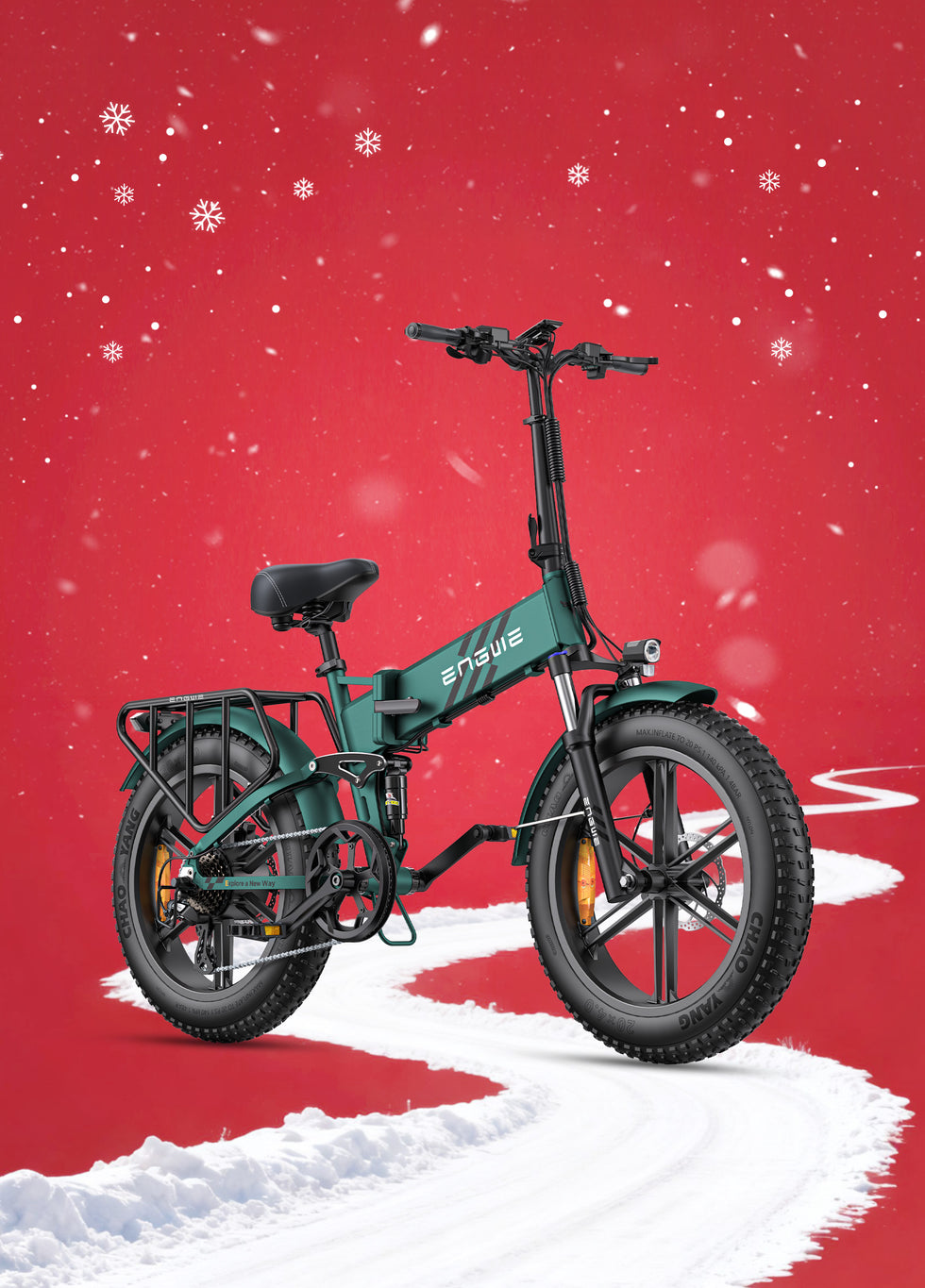
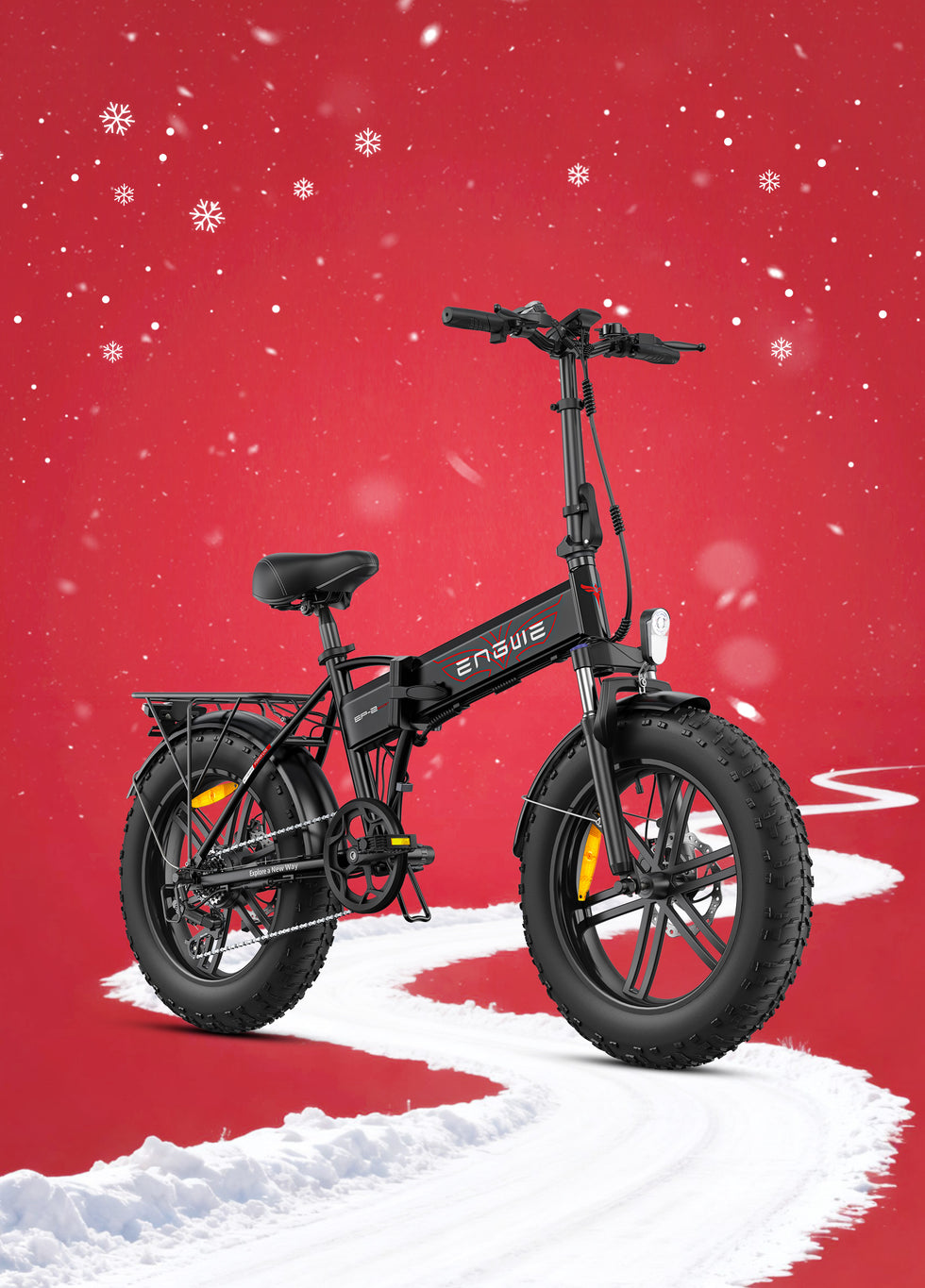
The fourth dimension is the source of your tubes: with a reputable brand, the manufacturer can worry about the tubing’s quality and puncture repairs for you. For a 100% certainty option, use your bike’s manufacturer, meaning ENGWE official tubes. The entire BMX industry understands – the bike’s creator makes the best components. ENGWE is the leader in the electric bike, as we were the first ones to use the X terrain wheel system. Every ENGWE element comes identical to the original used in the factory. Their e-bike, the ENGWE EP-2 Pro, is a robust and high-quality model, ensuring that the performance is maintained with their parts. With a reinstalled ENGWE inner tube from the official manufacturer, you don’t change – you return your bike to the condition when you first received it.

Why You Should Choose Official ENGWE Inner Tubes
""Guaranteed Compatibility: There is no guesswork of sizing and valve type required: for your ENGWE model, there is an official tube that is the perfect fit.
Engineering for E-Bike Stresses: ENGWE tubes are specially engineered and rated to withstand the higher torque, speed, and weight of fat tire e-bikes and, as a result, will not buckle under pressure.
Quality Assurance that is above all: These tubes are thoroughly tested to comply with ENGWE’s demanding standards and provide exceptional air retention and puncture resistance compared to generics.
Preserve Your Warranty: By ordering official components, you will continue to comply with your manufacturer’s warranty.
Other known aftermarket brands: the priority choice for ENGWE model owners
In general, Kenda and Schwalbe still dominate the inner tube market.

Proper Installation and Maintenance
The fifth dimension is mastering the practical techniques for installation and maintenance to ensure longevity. Simply buying the best tube is only half the battle; installing it correctly is critical to avoid immediate failure. Pinched tubes during installation are among the leading causes of flat tires. Best practice entails maintenance that would ensure the tube is safe for riding and save you money. Each e-bike owner should be able to undertake such hands-on maintenance.
Pinch-Free Installation Guide
Inspect First – Before installation, lightly inflate the new tube and check for any manufacturer's defects. Then, carefully run your fingers inside of the tire to feel for any sharp objects, such as thorns and glass, which had caused the initial flat.
Use Tire Levers Correctly – Never use a screwdriver. Use plastic tire levers and hook them beneath the tire bead and point them away from the inner tube to avoid pinching it.
Apply Talcum Powder – Put a light dusting of talcum powder on the new tube; this will help it in sliding into place and keep the tube from sticking on the inside of the tire, which reduces the chance of pinching.
Seat the Valve – Insert the valve into the rim first, then, inflate the tube just enough to give it shape and work the bead back onto the rim, finishing opposite the valve.
Check the Bead – Before inflating all the way, look at both sides of the tire to ensure the bead is set evenly all the way around.
Maintenance for Maximum Tube life
To Maximize Tube Life – Maintain proper PSI. Flex your tire once a week; the recommended PSI range is printed on your tire’s sidewall. Riding on under-inflated tires is the leading cause of pinch flats.
The most important factor to consider when purchasing a new inner tube is dimensioning. Indeed, the rest of your needs make little sense if your tire’s diameter is, say, 21 inches. The only truly significant parameter in this case is the width of the tire, which should fall into the range for the tube specified in the selection. Is a more expensive tube always better? Absolutely not. It all depends on how you personally prioritize your needs during a ride on the roughest terrain. In general, the thinner a TPU tube is used for racing, the more expensive it is. And if the central dimension for the middle layer is thermal separation, then when riding, it is worth choosing a thicker, heavy-duty version made of butyl. Where is it safest to buy a replacement electric bike tube? From the manufacturer of your electric bike, such as ENGWE. This way, you will definitely always receive a product that is ideally balanced for your model regarding weight, power, and dimensions. Now that you know everything, get going, and have a safe trip!