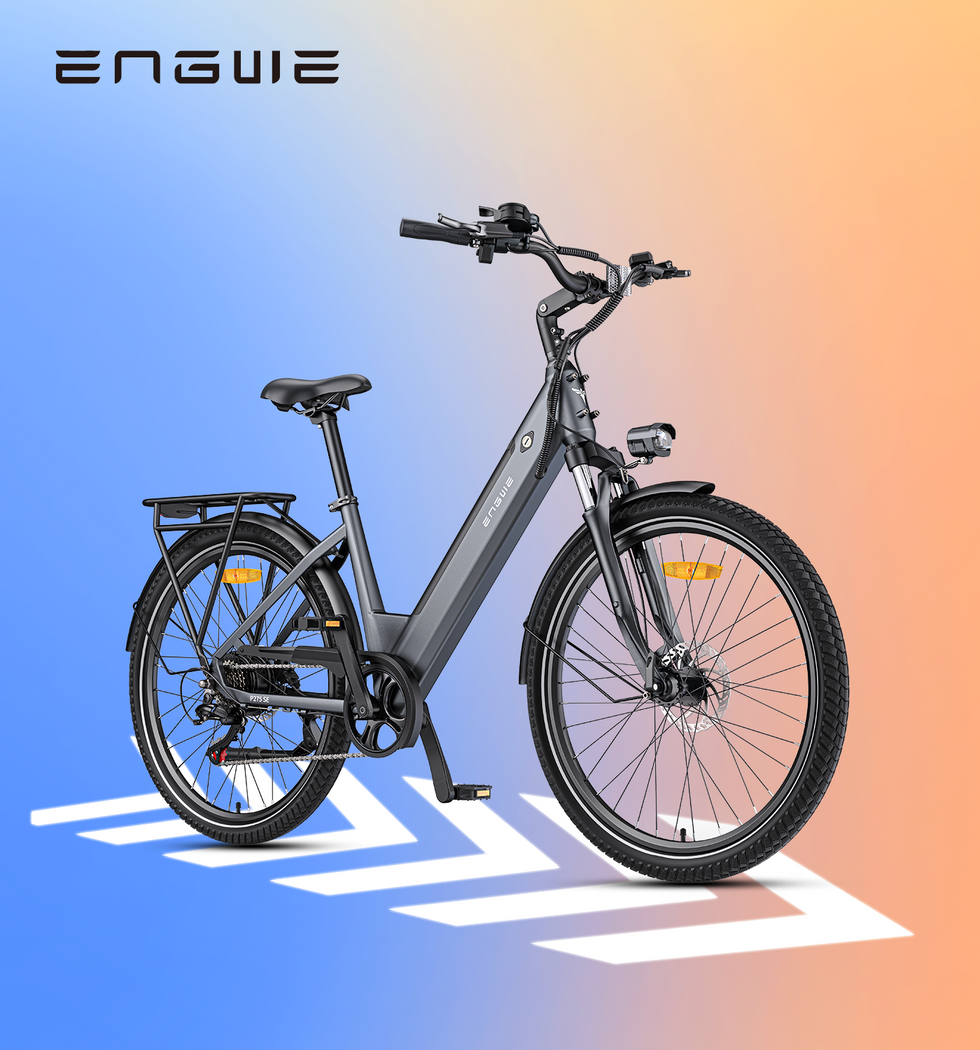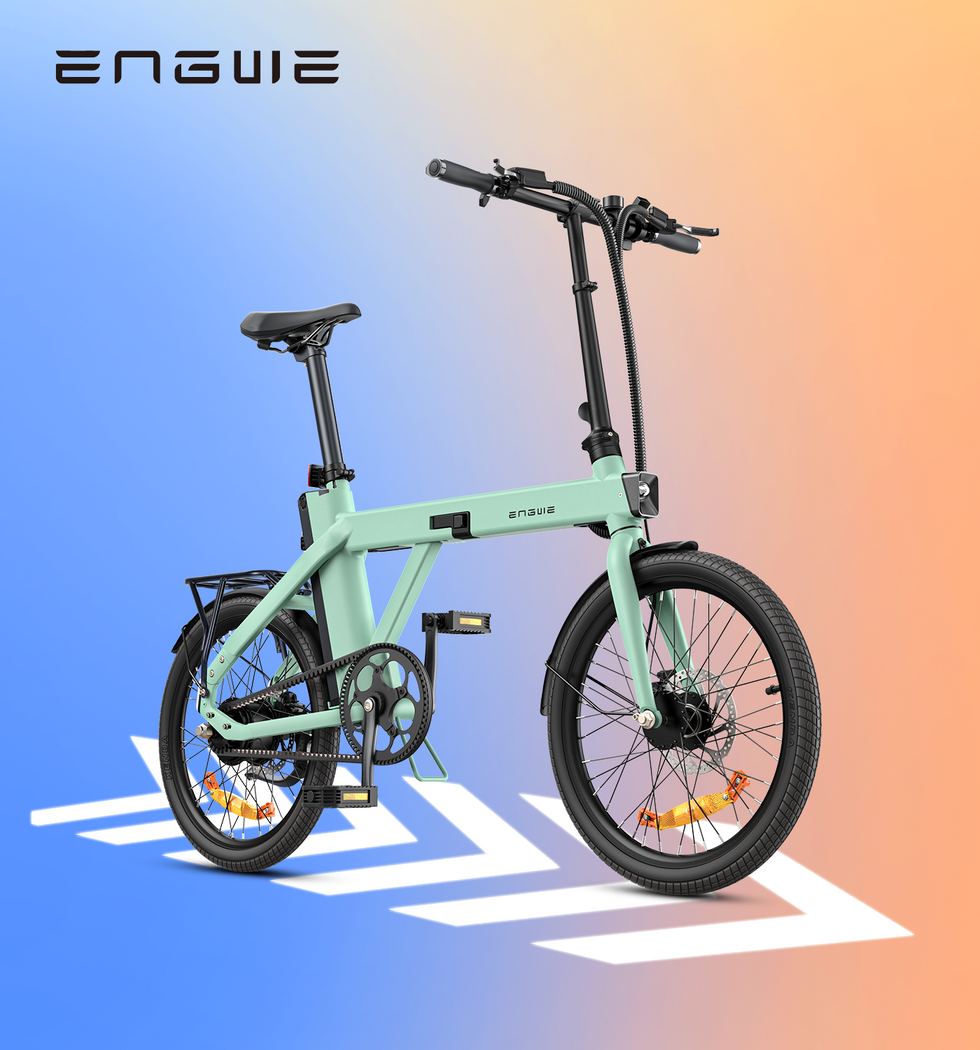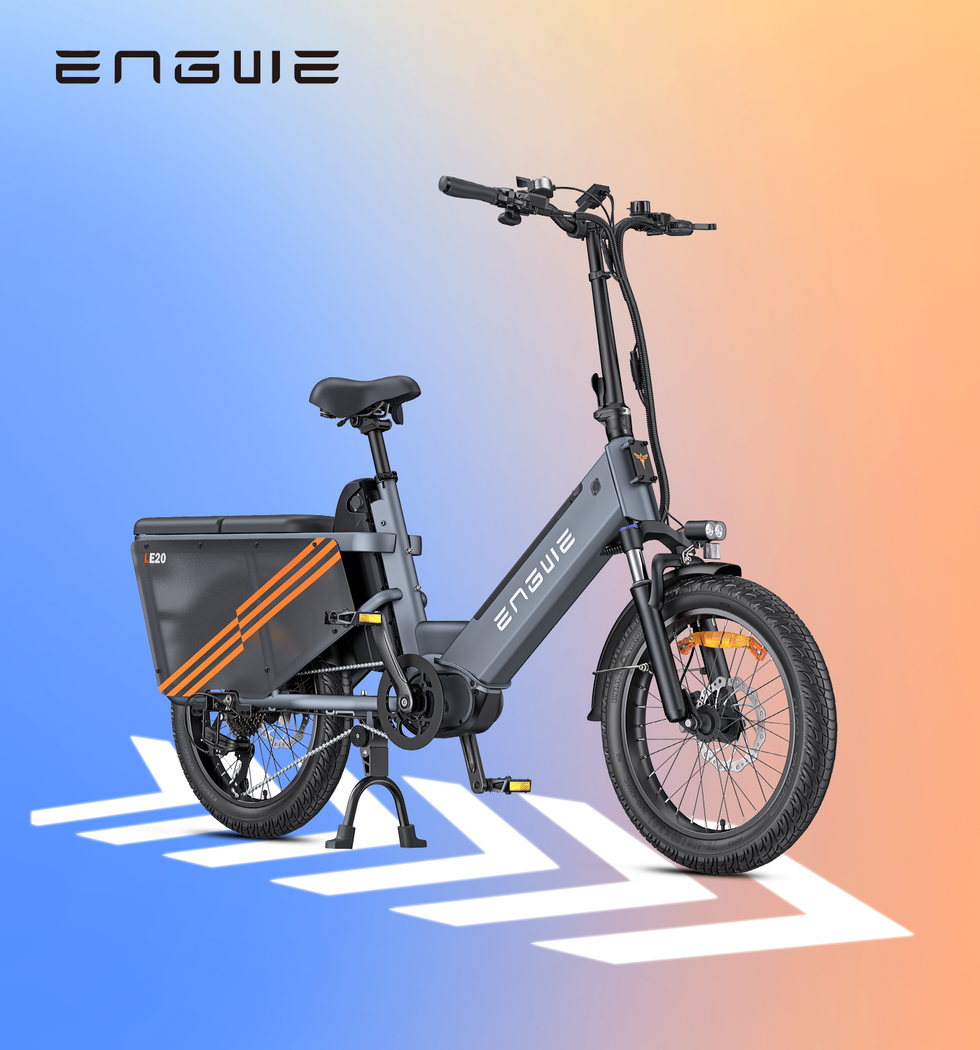

An outstanding lightweight electric bike designed for your daily commute can make going to work and back your favorite thing. The universe is enormous, but some necessary criteria will help you look in the right direction. Here is a guide focusing on the five critical dimensions to determine: material and design helping to find the definition of “lightweight,” the balance and relevance of the motor and battery, model characteristics, the “price” of added features in terms of weight, and portability and folding importance.
Material and Design: The Definition of Lightweight
In the e-bike world, the term “lightweight” is relative, with motors and large batteries providing substantial mass to a generally normal-sized cycle. A genuinely lightweight commuting electric bicycle generally falls within the sub-23 kg weight range. The primary contributors to the weight are the material used to make the frame and the design philosophy. Better understanding these basic choices enables you to filter through your choices faster, reaching a reasonable and reliable bike that is reasonable and pretty simple to move, both on and off the road. Concentrating on the correct material for your financial resources and requirements is a vital money-saving strategy and quality assurance. Some of the most common options include:
Aluminum Alloy
It is the standard since it provides an excellent balance of strength, corrosion resistance, and relatively low weight while being affordable. Pro Tip: Search for 6061 or 7005 series aluminum frames. Such an alloy provides a better strength-to-weight ratio, and manufacturers can use less material to achieve the necessary strength, resulting in a lighter bicycle.
Carbon Fiber
It is also frequently used in weight reduction systems. Pro Tip: A carbon fiber frame will require a lot of money, but it is the most significant weight-saving component. If you pick up a bicycle, it will result in a product that provides long-term value and an excellent daily return.
Steel
It is amusingly heavier than aluminum, but it can still make an excellent electric commuting bike material. High-quality steel may last a long time and provide a convenient and smooth ride. Pro Tip: A steel frame is often a sound alternative since it will necessitate a less expensive bicycle frame that is not as good for weight savings.
Minimalist Design
The design of the bicycle has a great impact on the weight. Consequently, they tend to diminish the weight because they do not need suspension, a standard transmission, and a lighter structure.
Balancing Motor and Battery for Optimal Weight
The most significant component of an e-bike for commuting is the powertrain, comprising the motor and battery; however, it also implies a compromise between performance and weight. Any increase in motor power or battery capacity to broaden the range necessitates more heavy, cumbersome elements with you on the path. As a result, it’s important to accurately evaluate your requirements and pick a system that fulfills them without pushing added heft. Overspecifying your bike’s power or range is a costly error that adds weight you probably don’t need. The components to consider include:
Motor Type and Weight
Rear hub motors are common, trustworthy, and normally seen on compact, lightweight bikes; they provide a “pushing” feel, making them ideal for flat city commutes without fluctuation in topology; they often make the electric bike visually clean due to the wheel integration. Mid-drive motors that go on the crankset produce enhanced weight balance with a natural, user-friendly pedaling feel physiologically speaking; these motors are likewise efficient, particularly in hilly areas. The user should calculate the route they traverse daily; if the ride is purely flat with no halt cycling, a mid-drive motor is not necessary.
Battery Capacity
A 700Wh battery is ideal for 100 km journeys, yet too heavy for a 10 km one. Calculating the round-trip distance and considering a 30% buffer for contingent battery power is an intelligent approach.
Removable vs. Integrated Batteries
Integrated batteries provide a cleaner aesthetic and can often help create a stiffer, lighter frame.

Considering Specific Models
""While these technical aspects set the boundaries of what is possible or feasible, considering several models could help regard such possibilities as more concrete. The best option would be further determined by the right balance of characteristics such as its features, weight, and practicality in one’s unique commuting circumstances. There is a multitude of excellent brands that have proven they are capable of developing efficient commuting solutions that are suitable for trips in urban environments, like the ENGWE EP-2 3.0 Boost. The first option is a premier recommendation for a commuter looking for a balance between all-terrain performance, power, and convenience. The ENGWE EP-2 3.0 Boost is packed with a powerful motor that ensures brisk acceleration, allowing you to escape the tailback in city stop-and-go traffic. The fat tires are robust and still provide a comfortable ride even on potholes and uneven pavement. However, the most notable feature is the relatively easy and reliable folding process, quickly converting to a compact form that can be kept in an office corner or even carried on the subway. Finally, the long-range battery eliminates any range anxiety and allows for round-trip commuting and weekend trips. The model is meant for a commuter who wants to assert his dominance in the urban environment.

Other worthy options include the Brompton Electric, which is best for multi-modal commuting due to its small size when it is folded, the Gocycle G4, for tech-savvy riders, and the Tern Vektron, for performance-oriented ones.
The 'Weight Price' of Added Features
Every feature or component added to a bike comes with its weight. A smart daily commuter should choose components that have real, daily benefits, considering the “weight penalty”. Moreover, integrated features are commonly lighter and more reliable than aftermarket ones. Therefore, before purchasing a bike, make a checklist of your “must-have” features and decide on your “nice-to-have” options. This will help you not to pay for or carry features that you do not actually need.
| Feature | Estimated additional weight | Priority for Commuting |
|---|---|---|
| Fenders | 0.5 – 1 kg (1-2 lbs) | Essential (for any weather) |
| Rear rack | 1 – 2 kg (2-4 lbs) | High (for carrying weight) |
| Integrated lights | ~0.3 kg (0.7 lbs) | Essential (safety) |
| Front suspension fork | 1.5 – 3 kg (3-7 lbs) | Low (if daily roads are paved) |
Fenders
Should be used by everyone who can be caught in the rain on their way to work. Getting to the office with a dirty water streak on your back is never comfortable. Lightweight options made from plastic or aluminum are the best choice.
Rear rack
For all those who need to carry a laptop, changing clothes, or groceries. The best option is to buy pannier bags and attach them to the bike. This way, you do not need to wear a heavy backpack.
Integrated lights
A must-have for everyone – do not purchase a bike not equipped with lights. A battery supplies the main lights and side ones – do not worry if the lights will run out of charge.
Suspension
A front suspension fork adds weight. You can reach the same comfort levels using wider tires and running them at a lower pressure for most of your city rides.

Portability and Folding: Beyond the Ride
Finally, a lightweight e-bike is only practically helpful when it's not in use. Portability and a flexible folding system are crucial aspects as storing it in an apartment or storeroom could become a burden due to daily usage. Therefore, your e-bike’s folding and carrying options should be a make-or-break every single day.
The importance of folding
A folding bike can be placed on trains during rush hour, securely placed under your work desk, or safely stored in a closet. Worries about parking the bike outside are forgotten.
“Carry-ability” versus “Roll-ability”
A fantastic folding machine folds into a compact package that can be rolled on its own wheels.
Lifting and balance
Most of the excellent folding bikes balance well on both wheels. This way, when you carry your e-bike, the feeling is that of a well-balanced item that feels incredibly light.
What is considered a good lightweight range for a commuting e-bike?
Anything on or below 23 kg is lightweight and manageable for commuters, with a premium category ranging below 18 kg.
Can I save any weight by changing e-bike components?
Yes. Lighter tires, a carbon fiber seatpost, and even handlebars will save grams here and there, and the biggest factors are the frame, motor, and battery.
Does a smaller motor make a much lighter bike?
Not always, but it contributes. The battery is the heaviest single component in most cases, so reducing battery capacity will save more weight than opting for a slightly less powerful motor.
Now is the time to find your perfect lightweight.