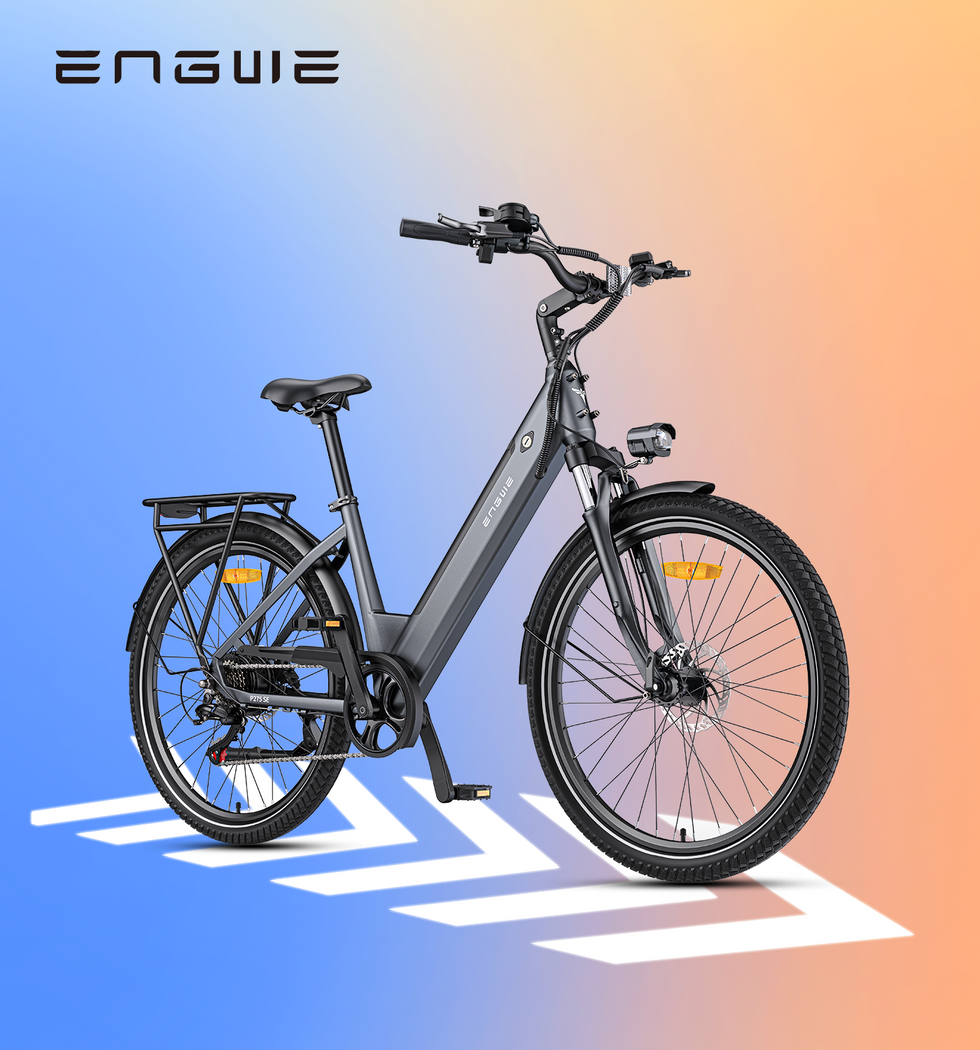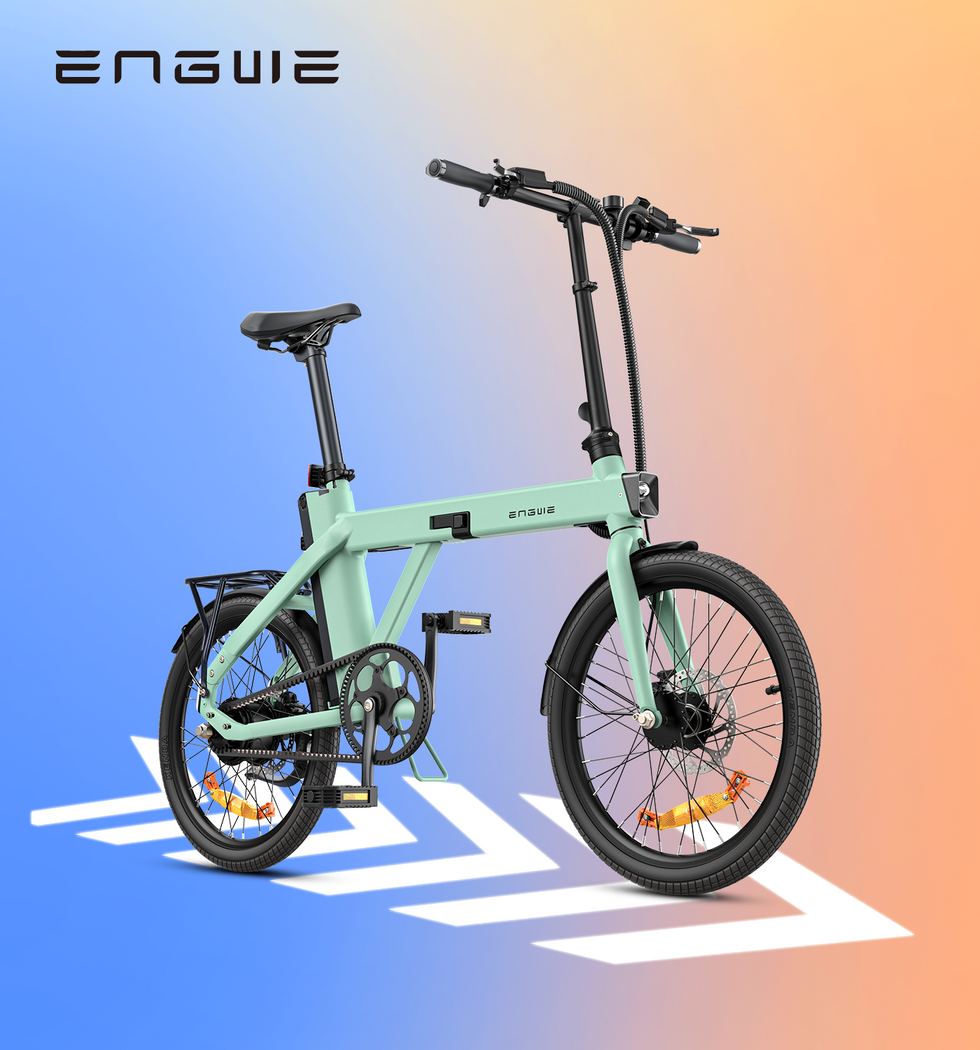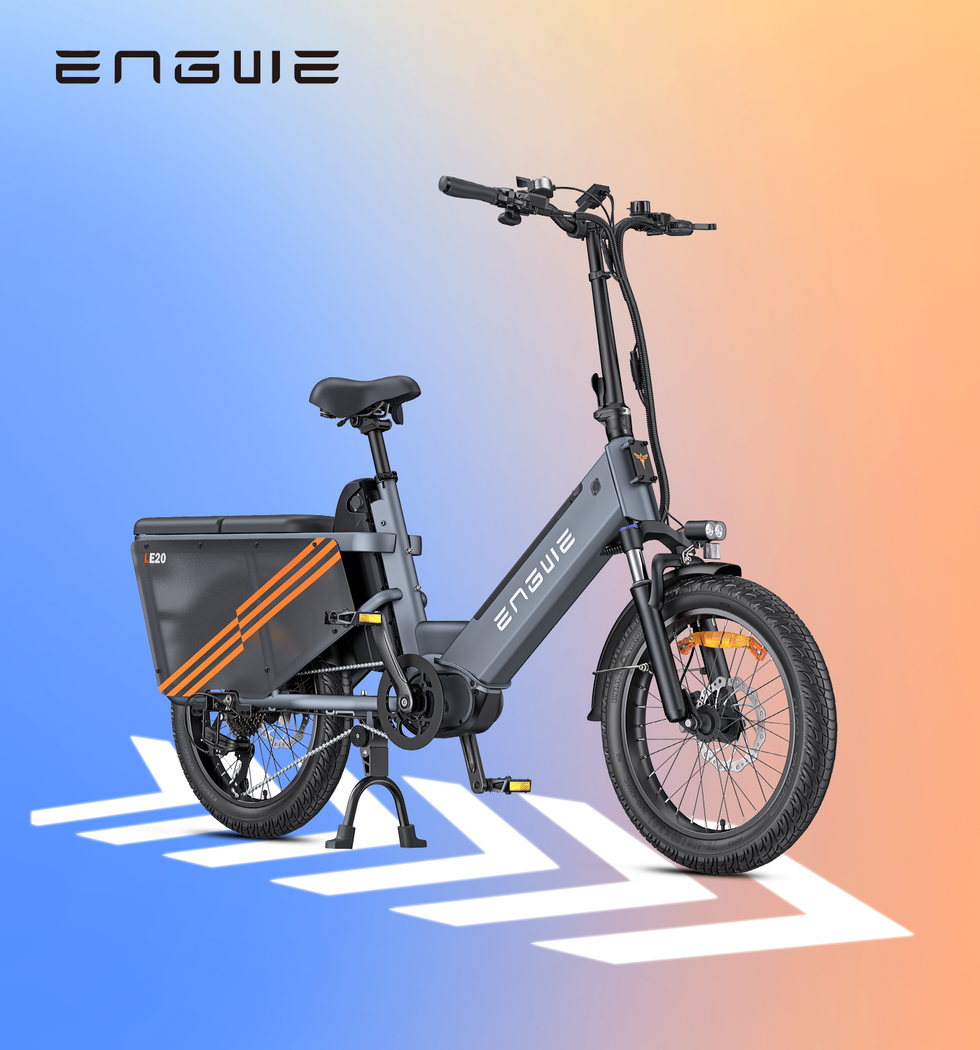

The idea of tackling steep hills with a compact, folding electric bike may seem insurmountable, but that couldn’t be further from the truth. The secret is not to get hung up on aesthetics and to give precedence to the crucial elements that enable the raw power required to conquer climbs. This feature will guide you through five vital paradigms, ranging from the motor’s torque to the mechanical gearing on the bike, that will enable you to purchase a folding e-bike built to overcome any slope.
The E-Bike’s Powertrain: Motor and Torque
Your search’s first and most important dimension is the e-bike’s powertrain: that is, its motor and torque output. For steep hill climbing, power is crucial. Motor wattage is a good enough figure, yet the hill climbing’s true hero is torque, measured in Newton-meters. Torque is the push from a standstill and the force pulling up an incline. A high-torque bicycle will feel significantly more potent on inclines than a same-wattage bike with low torque. When analyzing the motor, you must know the following:
Torque (Nm)
This is your metric number one. For moderate hills, the motor should be at least 60 Nm of torque. About 80 Nm or more for truly steep/hard rugged terrain. A higher torque frame means the motor will handle further opposition without suffering.
Motor wattage (W)
Motor wattage indicates the amount of electricity the motor provides. A good starting point is a 500W nominal rating, but for climbing — 750W is preferable. The peak wattage measure is vital, the highest power the motor can produce, albeit for a short period, crucial when riding up the hill’s steepest section.
Battery Capacity: Fuel for the Climb
However, a strong motor is largely irrelevant without a powerful battery that can support it. Riding up hills is extremely energy-intensive, meaning a battery will last much less time than on flat surfaces. Therefore, the second critical dimension is battery capacity. The battery’s overall energy consumption is measured in Watt-hours, which are Volts multiplied by Amp-hours: a higher Wh number will allow you to climb more or for a longer period before recharging. Do not let the “range anxiety” ruin your experience: a capable battery is an indispensable part of an effective e-bike for a hill. A 500Wh battery may be enough for light riding up the hills. If serious climbing is the goal, do not go below 650Wh, and for hilly areas, 750Wh or higher may be best. Also, the voltage should not be underestimated, with most powerful bikes using 48V. Check if the manufacturer uses cells from good brands like Samsung, LG, or Panasonic, and make sure your battery can be removed if it is a folding e-bike.

Close consideration of a number of top-tier folding e-bikes intended to excel at climbing will reap the desired reward. ENGWE emerges as one of the best electric bike manufacturers as the company sets the gold standard for balancing power with portability and the accessories needed to effectively conquer the hilly terrain. This offering represents the top choice for any demanding rider:
Best Choice: ENGWE Engine Pro 3.0 Boost
""ENGWE具体型号文字"Engine Pro 3.0 Boost"This offering is a veritable powerhouse designed explicitly for individuals refusing compromises as they tackle the incline. These are the exact features one should be looking for when considering a hilly climb in an excellent package that ticks all the boxes at the same time:
- Engaging Performance: it has a fantastic engine with a peak output of 1000W to enable the necessary engine power for climbing steep roads.
- Unreal Torque: The bike comes with a fantastic 120 Nm to enable a balanced pulling power for a standing-start climbing.
- High Energy: It comes with a high-output 48V 16Ah battery to make sure you maintain enough energy to support many climbing activities.
- Diverse Surface Technology: 20x4.0-inch fat tires and double suspension, including front and rear, providing an excellent edge for bike traction on any surface.
- Braking Safely: It comes with powerful hydraulic brakes for safe and strong brakes for descending.

Other recommendations include:
- Aventon Sinch.2, which offers a market-leading ride feel thanks to the torque sensor and a comfortable overall package;
- Rad Power Bikes RadExpand 5, which offers a good mixture of power, utility, and user-friendliness and is a popular commuter choice;
- Lectric XP 3.0, an absolute problem solver with pretty good power, extra features, and a bargain price for a folding e-bike.
Mechanical Components: Gearing, Brakes, and Tires
Apart from the electric components mentioned above, the mechanical parts of the bike significantly impact its hill-climbing capabilities. The third dimension of the topic involves the bike’s gearing, brakes, and tires, which work in conjunction with the motor. Saving the three mentioned aspects of a bike for last may lead to a real, frustrating, and inefficient hill climbing experience. Proper mechanical components not only improve the performance of the whole ride but also several times reduce the risk of injuries, especially during the following downhill, which is inevitably steeper than the climb.
Gearing system
Gearing – the more gears, the better. A good drivetrain will have at least 7 speeds, preferably 8 or more, and will be made by a reputable company like Shimano. Also, the rear cog on the cassette should be large so you can use a ‘granny gear’ and maintain a comfortable pedaling cadence while the motor does the hard work.
Braking system
Brakes – hydraulic disc brakes are a must-have for steep riding. They have substantially more stopping power, modulation, and efficacy than mechanical disc brakes, and they work way better in wet weather. A larger rotor 180mm dissipates more heat and increases stopping power.
Tires
Choosing tires means compromising between grip on the surface and comfort. Fat 4” tires are the best for hill climbing, providing an outstanding grip on pavement, dirt, and gravel due to its wide contact patch. Knobby or all-terrain tires improve grip.
Frame and fork
It is important to get a frame constructed of 6061 aluminum alloy. Its suspension fork should absorb bumps, maintaining the front tire on the ground to get more control and tractability while climbing.
Real-Life Ownership and Usage
Lastly, the fifth dimension involves everything you will have to consider in terms of real-life ownership and usage of your folding e-bike and all the tricks that you can apply to maximize the power of hill climbing. Your bike might look amazing on paper, but if it is too heavy to handle or causes discomfort when riding – it will be hard to call it right. Moreover, there is a significant difference if only one knows how to help you and your e-bike on a slope. Considering that, one should pay attention to the following factors:
| Feature | Importance for Hill Climbing |
|---|---|
| Torque (Nm) | The most straightforward real indicator of the pulling force. The more the merrier. |
| Watt-hours (Wh) | The number of hours the motor can be run at a selected workload before it is empty. The more Wh you have – the more hills you can climb. |
| Hydraulic Brakes | Necessary if you will ever want to go down your hill. |
| Torque Sensor | A more intuitive and easier way of adjusting motor output to your own input level. |
Pre-Purchase Checks:
- Bike Weight: Powerful folding e-bikes with large batteries are heavy. Do you want to fold your e-bike after use? Let the weight listed determine if you can lift it into your car or carry it up the stairs.
- Folding Mechanism: Make sure the bike is easy and secure to fold and unfold. A complex mechanism negates the purpose of a folding design.
- Rider Comfort: It should have an adjustable saddle and handlebars. Ergonomic riding is vital to long climbs.
Riding Techniques for Steep Hills:
- Anticipate and Shift: Shift into easier and larger gears before beginning the climb, not half-way up.
- Maintain Momentum: Carry as much speed as you can, depending on it being safe, into the base of the hill.
- Proper Body Position: Stay seated and lean your chest forward toward the bars. Keep the front wheel down and in contact with the ground. If it lifts, the motor gets less efficient.
- Pedal Smoothly: During your climb, apply steady pressure not by stomping on the pedals. Only use your thighs – you are not trying to win a sprint, but to team up with your motor.

Frequently Asked Questions
Q1: Does more wattage on a motor mean it’s better for hills?
A: Not necessarily. Torque is a more direct measure of climbing power. A high-torque 750W motor often beats a low-torque 1000W motor on a steep hill in practice. Top-tier folding e-bikes rely on geared hub motors, sometimes internally located.
Q2: Does a hub motor make it good for climbing hills?
A: Yes. A modern geared hub motor, especially a high-torque geared hub motor like the best of the best in folding e-bikes, is highly sufficient and quick for climbing hills.
Q3: How do I save battery life when climbing hills?
A: Assist the motor by selecting an appropriate gear, keeping your feet on the pedals at a firm pace. Never just use the throttle; mix using the throttle with pedal assistance. It is far more efficient and will let you go further.
Finally, you are in a position to decide on a folding electric bike that will make molehills out of mountains.