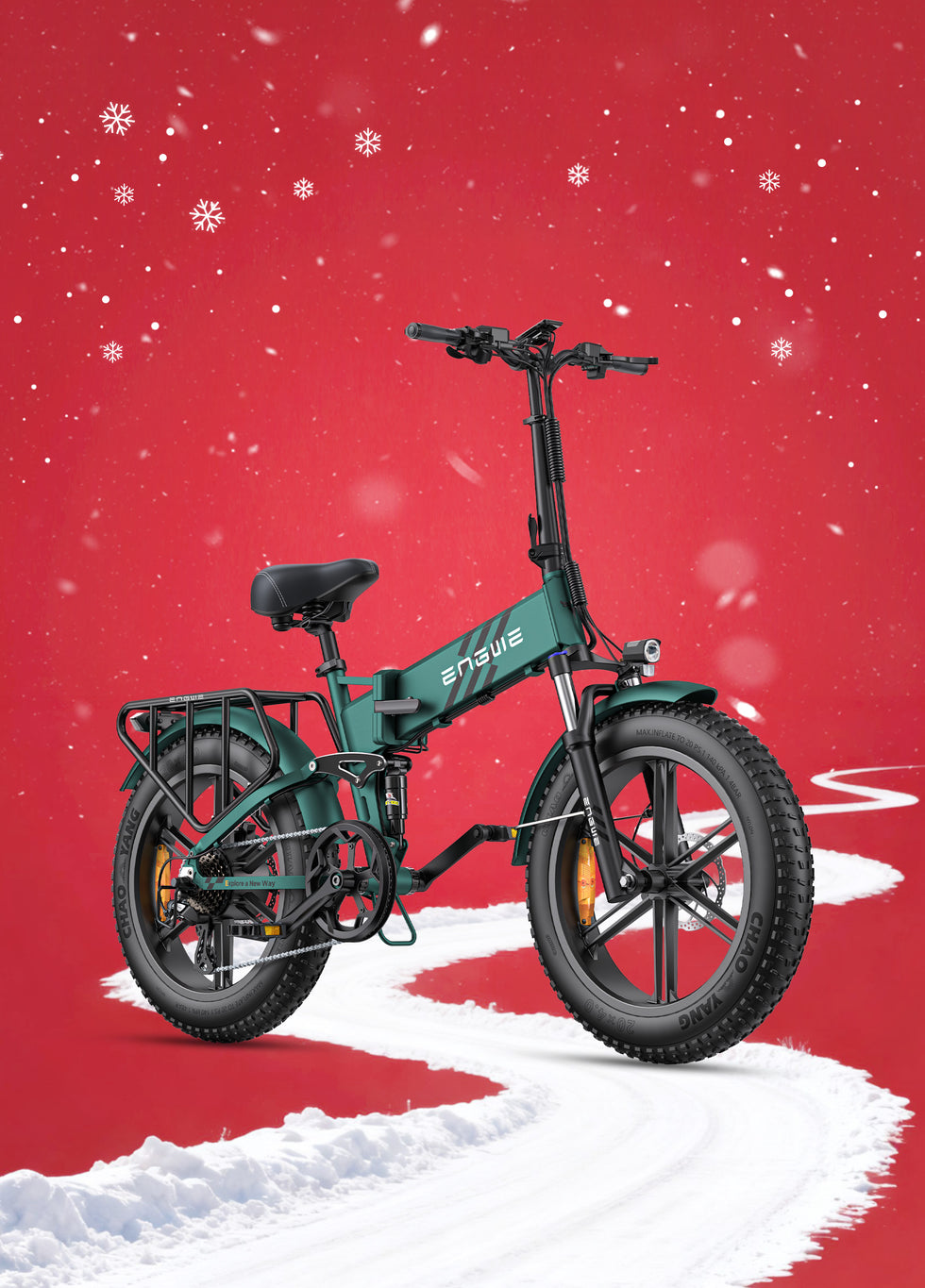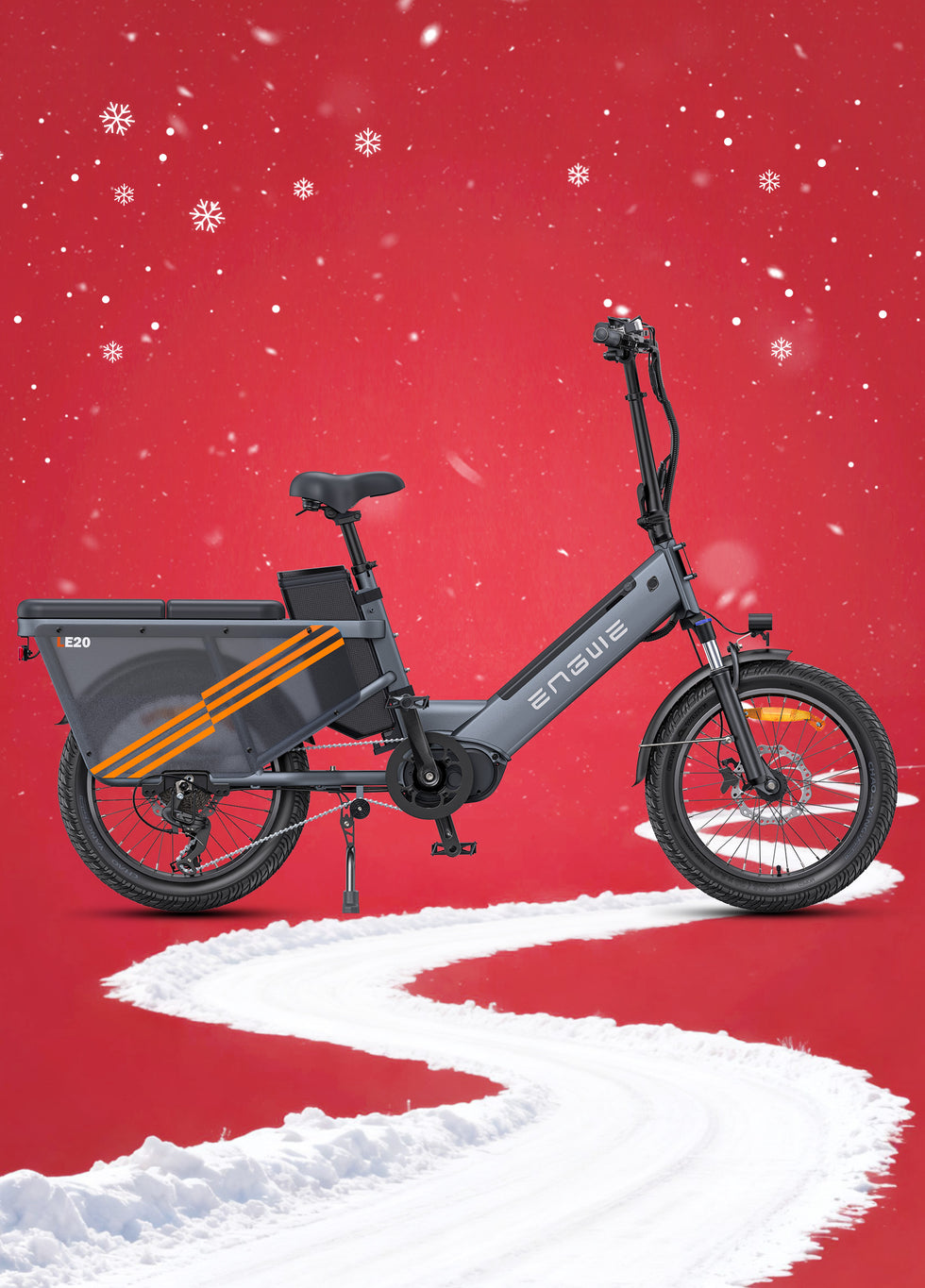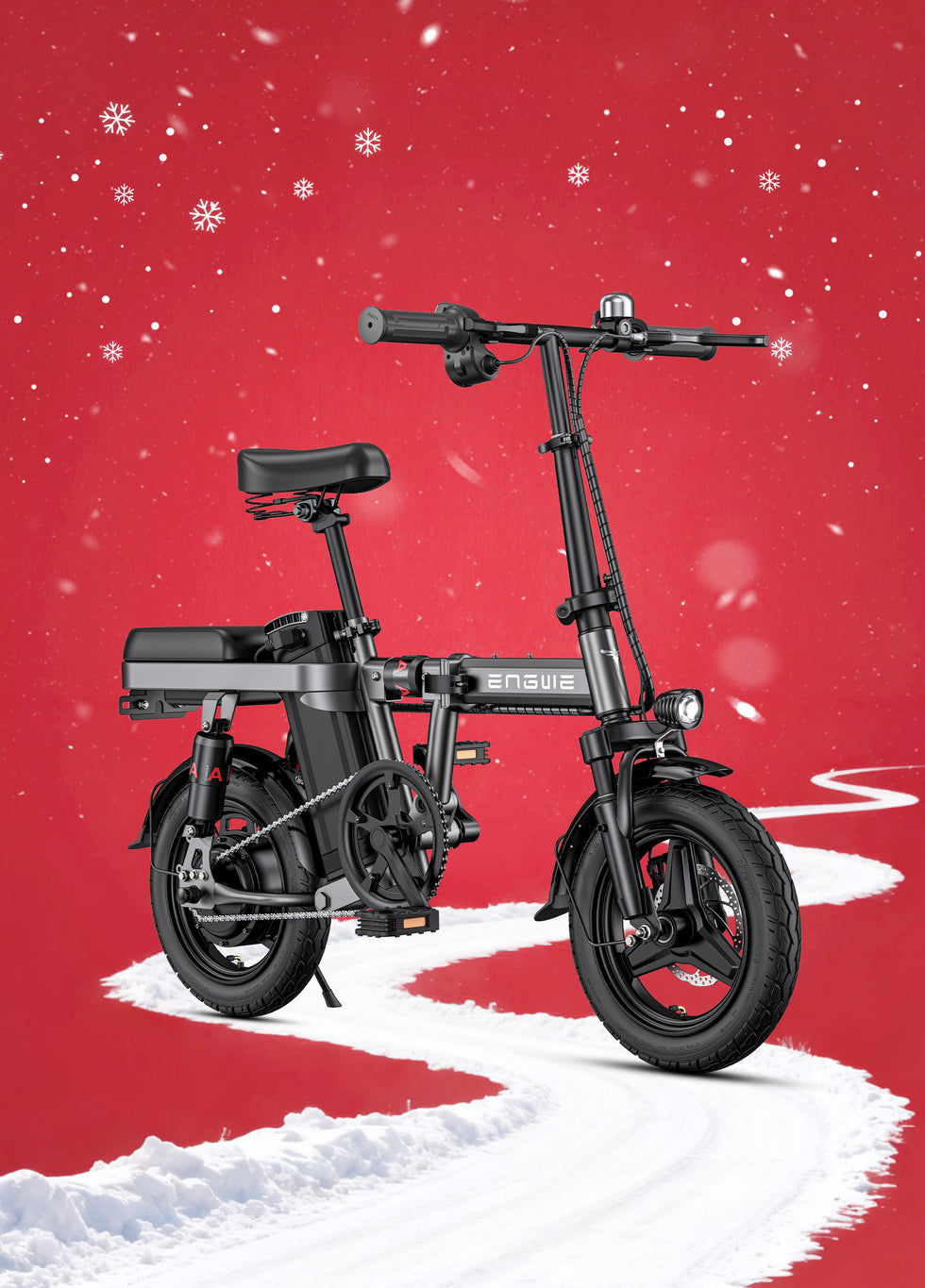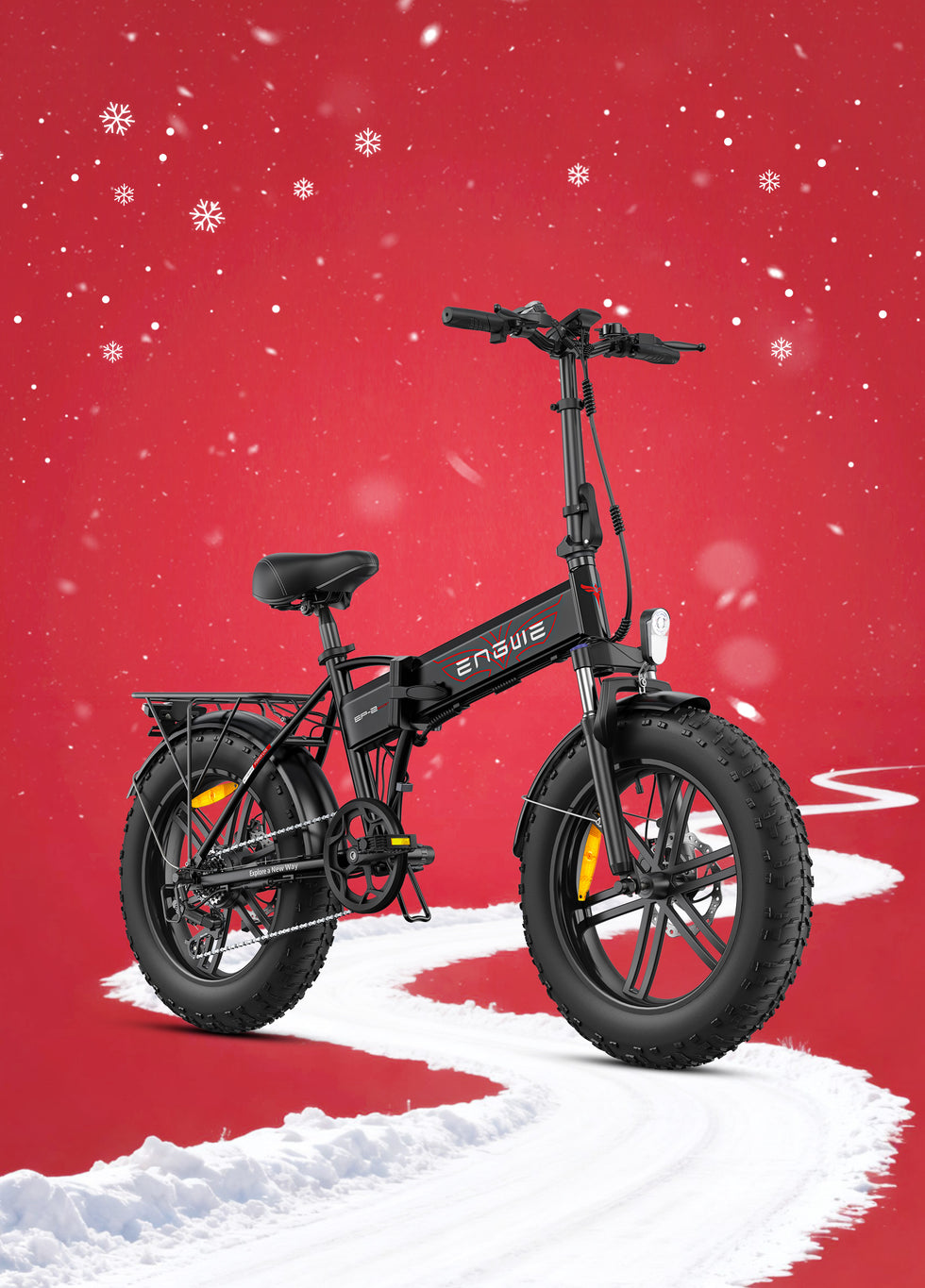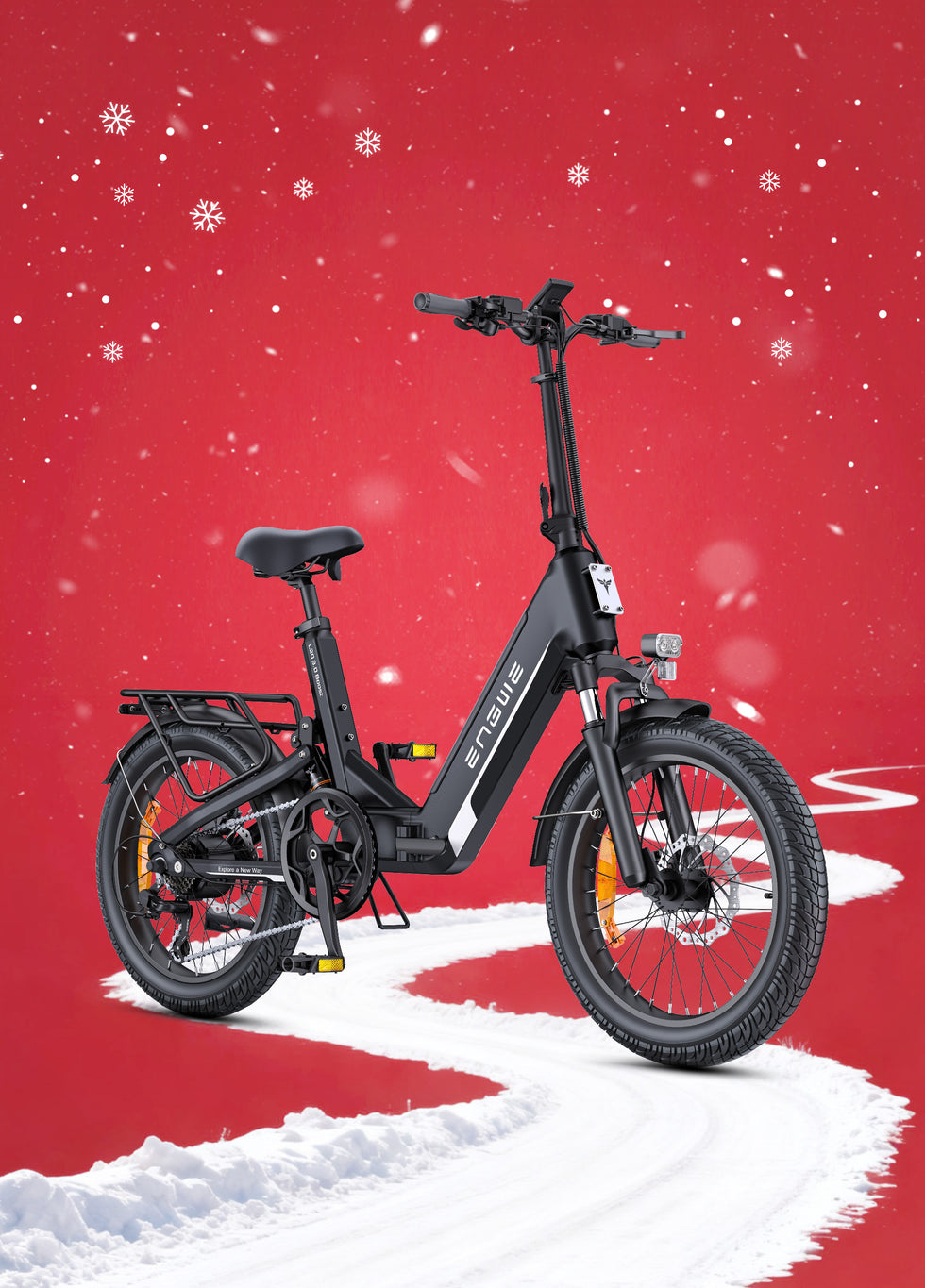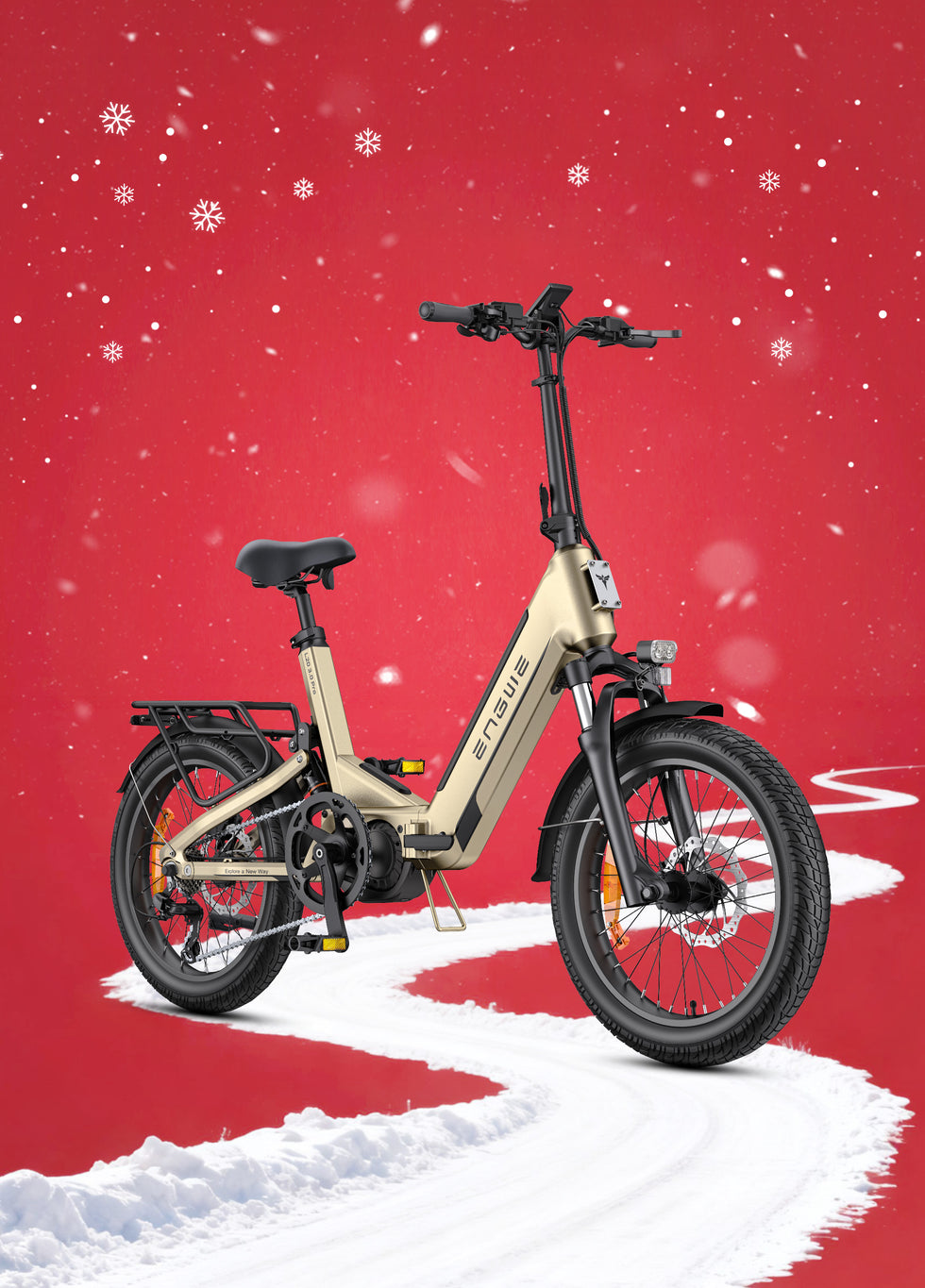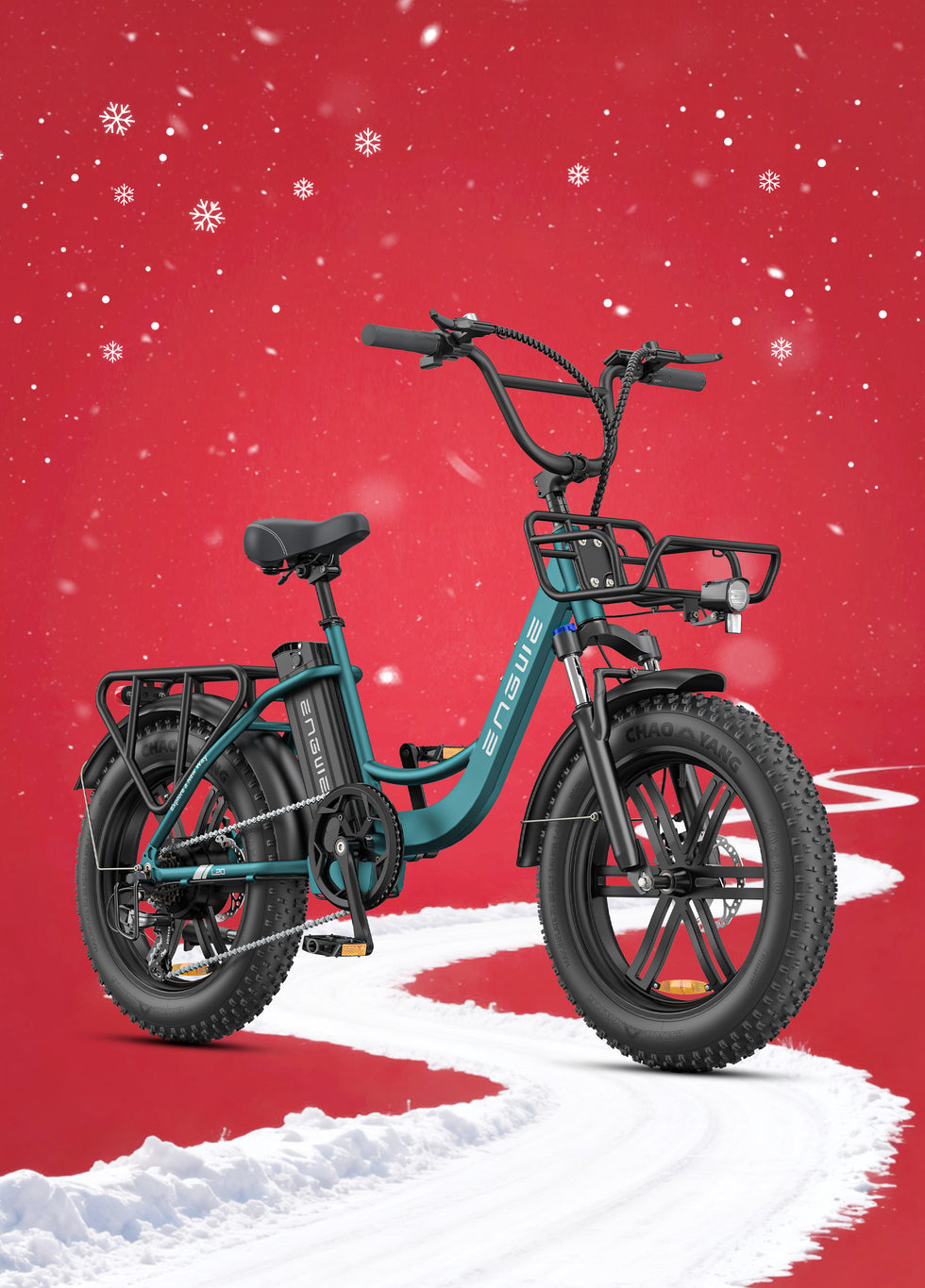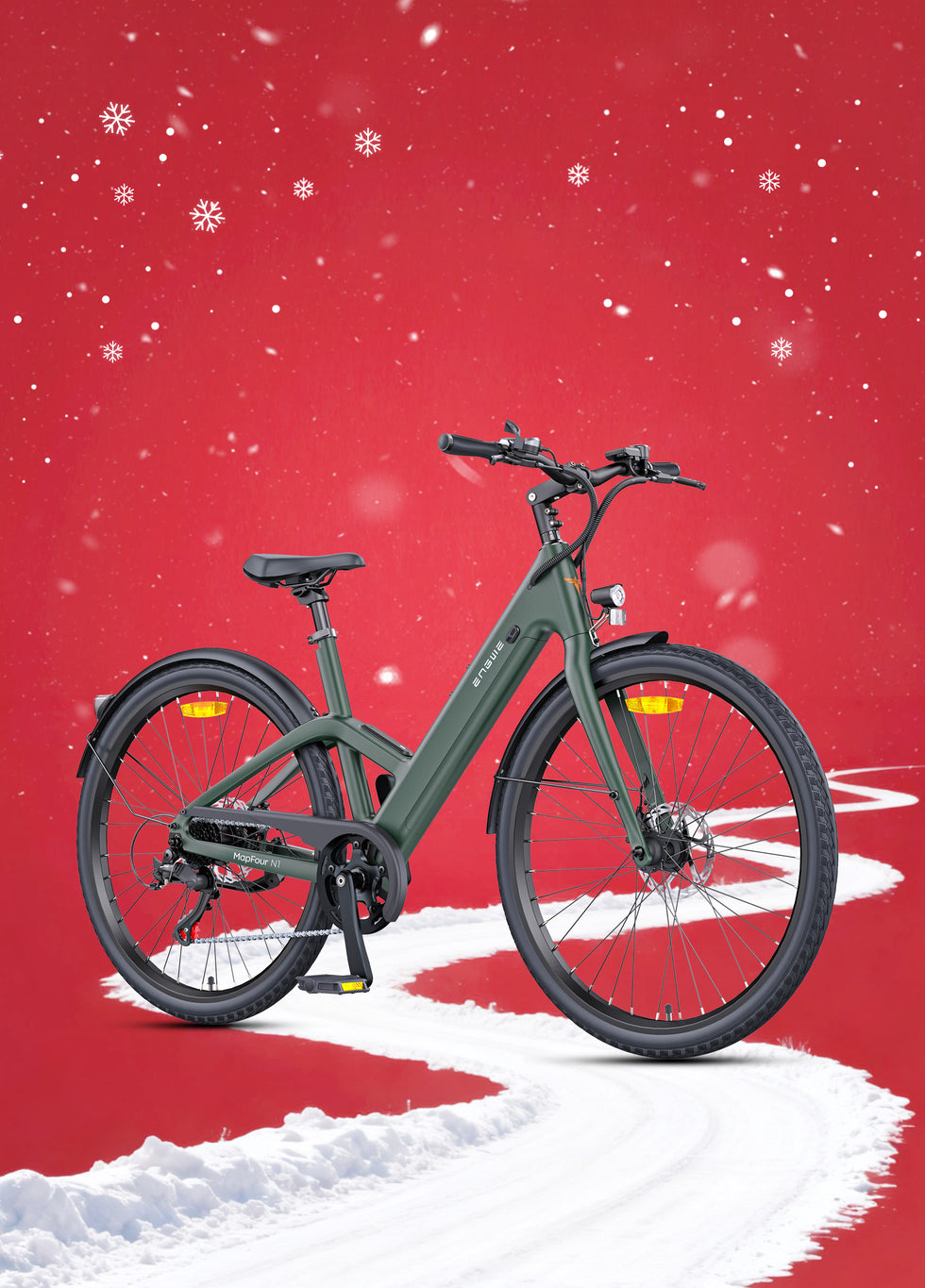

The Core Difference: Pedal Assist vs. Throttle
The key to finding the perfect electric bike is understanding the essential difference between a pedal-assist system and a throttle. Both systems use a motor to provide power, but they share just about nothing in common as to how they actually deliver that power. This guide will help you get to the bottom of deciding whether PAS or throttle is right for you and will open the door to your perfect e-bike journey. The major difference between the two systems is how they integrate you, the rider, into the electric bike and control its power: one is designed to integrate with your effort, the other gives you direct power over it. The choice between pedal assist and throttle determines the basic character of the e-bike's feel, with one or the other making an e-bike either a really powerful bicycle or a really mellow electric moped.
Pedal Assist System (PAS) Experience
PAS feels like you have bionic legs. The motor assistance is tied directly to your pedaling cadence: when you start pedaling, the motor kicks in to help you. This style of riding feels exactly like riding a normal bike, only with much less effort. You must pedal in a riding mode that provides assistance, maintaining the authenticity and dignity of the bike. PAS is designed for someone who enjoys pedaling a bicycle but would like to tackle hills or extra-long stretches of asphalt without breaking a sweat. The translation of power is smooth and predictable when using various “levels” of assistance. To gain a sense of how these select assistance levels work, consider the incline of the hill. To properly use the motor’s power to maintain a decent jogging cadence, routinely switch to a more manageable pedaling gear in preparation for the hill, much as one would in traditional biking.
Throttle Control Experience
On-Demand Power:
A trigger or twist-grip, or thumb-lever control device provides direct control over the motor independent of pedaling. You can start from a complete stop while using no pedaling; an exemplary experience.
Effortless Cruising:
All rides will be powered using a motor; if you are exhausted or want to enjoy the scenery without any exercise, the throttle will assist.
Quick Starts and Boosts:
The throttle is amazing for a quick start when the lights turn green or a quick boost when you find yourself in a tight situation.
User Technique:
Keep the throttle feathered. Apply pressure but do not use full power; apply steady and increasing pressure. This is a better way to practice power management and is much safer than full power. It also keeps the battery healthier when practicing conservation.
The reason for riding an e-bike will affect your PAS-centric vs. throttle-centric purchase. Whether for exercise or for a sweat-free commute, the throttle gives more weightage to the latter option. The benefits to fitness: since pedal assist requires a reasonable amount of effort to function, it is a powerful fitness tool. The throttle, by comparison, does the reverse. The benefits of commuting: The goal is arriving at your destination feeling fresh and professional.
Fitness Benefits vs. Commuting Convenience
Maximizing Fitness with Pedal Assist:
Consistent Cardiovascular Workout: A PAS e-bike provides consistent passive cardio by ensuring you are constantly pedaling. Furthermore, the low-impact nature of the workout may be fine-tuned with a lower assistance level to intensify the exercise.
Overcoming Fitness Barriers: PAS eliminates the difficulties associated with steep hills or long-distance cycles for many riders. Cyclists typically ride farther and more regularly on their e-bikes than on conventional bikes, resulting in greater fitness gains over time.
Active Recovery: Aiding muscular endurance, e-biking at a greater PAS level can aid recuperation for injured riders or those with joint troubles.
Knowledge Point: Because e-bikers use their mode of transport far more frequently and for longer durations on average, they exercise more weekly than conventional cyclists. E-bikers regularly log just as many, if not more, hours on their bike than non-commuting cyclists!
The Unmatched Convenience of a Throttle:
Sweat-Free Commuting: The optimal travel experience for riders is arriving at a meeting or the office feeling fresh. If you’re on the closing straight or head up a difficult hill at the end of your ride, you may utilize the throttle to save yourself from exertion.
Effortless Hauling: Starting from a standstill is also beneficial for those using their bicycles for shopping or transporting heavy cargo.
Limp-Home Mode: Lastly, one of the most prevalent ways a throttle can substantially impact your ride is if you suffer sudden exhaustion on a lengthy journey. If you have set up an auxiliary battery for your bike, your throttle becomes further useful as a safety precaution.

3. Battery Range and Overall Efficiency Impact
The manner in which a consumer employs an e-bike’s motor drastically influences its battery life and maximum range. The underlying principle is fairly straightforward: the more work the motor performs, the more quickly the battery is drained. Although electromechanical motor performance is a key factor, throttle-only access is much more power-intensive because pedal-assist systems are significantly more efficient since they work in synergy with the rider. A pedal assist may enable riders to travel farther in a single charge in various ways:
Cooperative Power:
PAS is quite efficient. The motor will draw significantly less energy from your battery when you supplement your pedaling actions rather than by replacing them entirely.
Usage Level:
The farther you pedal between assists, the greater distance your electric bike will go on the same charge. Depending on the model, an “eco” or lowest setting can enable you to drive twice as far as the maximum turbo setting.
Money-saving knowledge: Choosing the PAS mode that is just ideal for a given journey is the most effective method to extend your battery’s life. A throttle, on the other hand, may rapidly empty one’s battery and not enable you to arrive at your desired destination.
Highest Power Draw:
The quickest manner to use up a battery is to hold a throttle open. The process consumes the most power from the system, particularly accelerating from a standstill.
Eat More, Move Less:
The throttle, as crucial as it is for short bursts of speed, is less than ideal for a drive across the nation.
Range Anxiety:
Ultimately, a customer who uses a throttle exclusively should constantly be aware of his or her range and take steps to avoid being stranded.
4. Choosing the Right E-bike: Sensors, Technology, and Our Recommendation
The technology that differentiates a good pedal-assist experience from a poor one is the sensor inside the technology. There are two kinds, and learning the difference is crucial in obtaining a quality electrical bike that is simple and efficient while riding.
Understanding Sensor Technology:
Cadence and torque sensors are two of the most popular types of sensors we’ll explain here. It’s one of the specifics to keep an eye out for when seeking the most incredible ride.
Cadence Sensors:
Standard cadence sensors, the most basic and conventional sensor types, act like an on/off switch. When it determines that the pedals are twisting, it activates a motor which supplies a constant power level matching the mode of assist you have selected. The experience is frequently not as refined, and the power “connects” with a “jerk”.
Torque Sensors:
The next stage of technology is torque sensors. A torque sensor detects *how hard* you have pushed the pedals for a more refined experience. The harder you push, the more assistance you will receive. If you barely push, the motor will barely help, but if you are pushing hard to climb steep hills, the motor may send you a lot of energy. When selecting your E-bike, one may pick this basic sensor for an incredibly smooth, refined experience.
The ENGWE Advantage: A Superior Pedal Assist Experience
""Finally, if you want an e-bike that offers the most advanced pedal-assist experience, ENGWE has always stayed ahead in delivering the best to riders. The ENGWE L20 Boost has been a symbol of this commitment for us. It is designed with the latest and robust Power-boost Torque Sensor that drives its peak performance. It keeps the power assist triggered from the first pedal stroke itself and helps the sensor system to uniquely dampen the power supply according to the level of your assistance. Its catchline "Power Meets Comfort" has been the cornerstone of its technology, which smoothes the riding by eliminating all lagging and jerkiness. Hence, it gives a comfortable drag that suits your power across the terrains, be it city roads, forest trails, and so forth. Therefore, having a powerful, advanced torque sensor such as in the ENGWE L20 Boost can transform the way you cycle and explore the world.


5. Navigating Legal Regulations and Trail Access
The distinction between throttle and pedal assist is not only a performance factor but also significant from the legal point of view. Many countries, including those in North America and Europe, have categorized e-bikes in different classes based on the maximum speed and the presence of a throttle. These classes determine which areas an electric bicycle can be legally ridden by consumers, and among these, the throttle e-bike is the most restricted.
Common E-bike Classifications:
| Class | Assistance Type | Max Speed | Common Use |
|---|---|---|---|
| Class 1 | Pedal-assist only. The motor helps only when pedaling. | 20 mph | Allowed on most bike paths and multi-use trails. |
| Class 2 | Throttle-assisted. The motor can be used without pedaling. | 20 mph | Often restricted from multi-use trails. |
| Class 3 | Pedal-assist only (speed pedelec). The motor helps only when pedaling. | 28 mph | Typically restricted to roads or bike lanes. |
Why E-bike Class Matters
Trail and Path Access: This is the most important to consider. Many state parks and national parks, as well as most popular mountain biking trail systems, have bans on Class 2 e-bikes to maintain the integrity of a traditional cycling experience and monitor trail speeds. This makes a Class 1, which is often allowed on multi-use trails, so much more accessible.
Local Ordinances: It is important to check your local and state laws before purchase. There are unique regulations in the region in which e-bikes are allowed on sidewalks, bike lanes, and public pathways. Even such common legislation can be overlooked and you would have to pay the penalty.
Future-Proofing Your Purchase: As e-bike popularity grows, the rules may become more complex for a Class 2 e-bike. Indeed, pedal-assist only e-bikes (Class 1 and 3) are likely to have more access to future roads and highways.
Frequently Asked Questions
Can an electric bike have both pedal assist and a throttle?
Many Class 2 e-bikes come with both systems. This is fantastic because it means you are getting a machine that allows you to pedal for exercise and then lets the throttle take over when you want a rest!
Which system is better for a complete beginner?
Pedal assist, especially with a torque sensor that provides smooth and proportional assistance, feels more intuitive than the throttle to many beginners, as it rides like a bicycle, only magically easier. The throttle can sometimes be daunting as it offers no middle ground.
Does using the throttle constantly wear down the motor?
Directly, no, as the motor was designed for this sort of action. However, PAS's more cooperative use means the rider shares the workload, which is less work for the motor than putting maximum strain on it at all times.