
Are you thinking about purchasing a fat tire e-bike conversion kit? The idea of electrifying your favorite 2-wheeled ride for only a small fraction of the cost of a new one is too appealing to resist. Nevertheless, is this seemingly straightforward DIY option actually a cost-effective alternative or a set of hidden complications? The following guide summarizes the 5 core elements that present the value proposition with respect to such a conversion alternative, enabling you to determine the purpose of investing in such a solution for your off-road expeditions. Let’s see if they are worth it.
The Financial Equation: Cost versus Value
What draws you to a conversion kit right off the bat is the price tag, particularly because it is most of the time materially less than that of a whole new, pre-assembled fat tire e-bike. However, the “value” is greater than the “cost” in the form of savings over buying a new bike. The calculations are the deciding factor. By running a full financial analysis focusing on both initial savings and long-term value, the equation becomes clear.
Initial savings:
A good kit can be procured for a fraction of what a modern, equivalent electric bike costs. This price reduction offers a more inclusive entrance to e-biking for those on a budget.
Continued asset use:
The kit’s basic value proposition is that you are not purchasing an entirely new bike; you are enhancing an existing piece of machinery that you probably already adore and ride.
Potential hidden costs:
Remember to factor in the full cost. For example, you may need tools and equipment like a crank puller or a bottom bracket tool to get a Shimano mid-drive motor running. If the installation proves too difficult, you may need to request the support of a bike shop. Furthermore, riders may require braking upgrades for extra safety.
Resale value:
A bike rebuilt at home will almost certainly have a lower resale value than an equivalent bike bought new from a reputable brand, since most purchasers will be anxious about the quality of the modifications and the integrity of reused components.
Performance and Ride Quality
A conversion kit alters what it feels like to ride the bike. The “value” here can be assessed by the number of smiles per mile you get while riding. Does the converted bike offer smooth and powerful performance on a variety of surfaces, or does it feel like a clunky, underpowered compromise? The motor’s placement and component quality make a significant difference, affecting how much you enjoy riding on sand, trails, or snow.
Power Delivery and Feel:
Hub motors are situated in the front or rear wheel and tend to feel as though they are "pulling" or "pushing." Mid-drive motors, mounted at your bike’s crankset, employ the bike's gears to deliver power more naturally and smoothly.
Weight Distribution and Handling:
This is a more important factor for fat bikes. A hub motor adds a significant amount of unsprung weight to a wheel, which can hinder suspension performance or make the bike feel unbalanced when navigating corners or complex terrain. A mid-drive motor, installed centrally, helps maintain the bike’s original handling characteristics by keeping the weight low and in the middle.
Component Integration:
A factory e-bike's controller, battery, and motor are made to work excellently together. When you build your own, you’re integrating parts that may not be entirely engineered for one another. The result can be clunky power delivery or decreased efficiency.
Aesthetics and Noise:
An e-bike conversion often incorporates exterior wiring and a bulky appearance, frequently held in place with zip ties. E-bike motors come in different noise levels. If you want a quieter ride, this may be a setback.

The DIY Challenge: Installation and Maintenance
Your conversion kit manufacturer’s website will have several customer reviews that will tell you how great the kit works, and possibly how the kit changed their lives, talking about riding the open road and climbing mountains. And that they took the e-bike through the city, country, and off-road trails. You know how customers are once they buy something. The kit can be qualified for long-term use if a dozen have been sold. The rest is just very good marketing. So, how far you can go depends on you and your engineering skills.
If you’re the type to tinker with things, then your definition of "worth it" is different from others. It's a lot more involved than just bolting a part in place; disassembly of other parts is required. You need a few mechanical skills, the correct tools, and a careful approach to troubleshooting issues. What you think your time may be worth is a one hundred percent honest question to consider before you make a purchase.
Required Mechanical Skill:
You should be competent in fundamental bicycle maintenance. Installation of a mid-drive probably requires removing crank arms and a bottom bracket; some hub motors demand unlacing and re-lacing a wheel. It combines mechanical with electrical work.
Needed Tools:
You cannot finish this task with a simple multi-tool. The true cost of a perfect installation includes a crank puller, bottom bracket tool, chain whip, and cassette tool. You are the primary troubleshooter. Spending time on forums or watching videos to see how other riders have resolved problems is invaluable. Be sure all bolts are properly tightened to determine what to correct.
The Integrated Alternative: The Purpose-Built ENGWE E-Bike
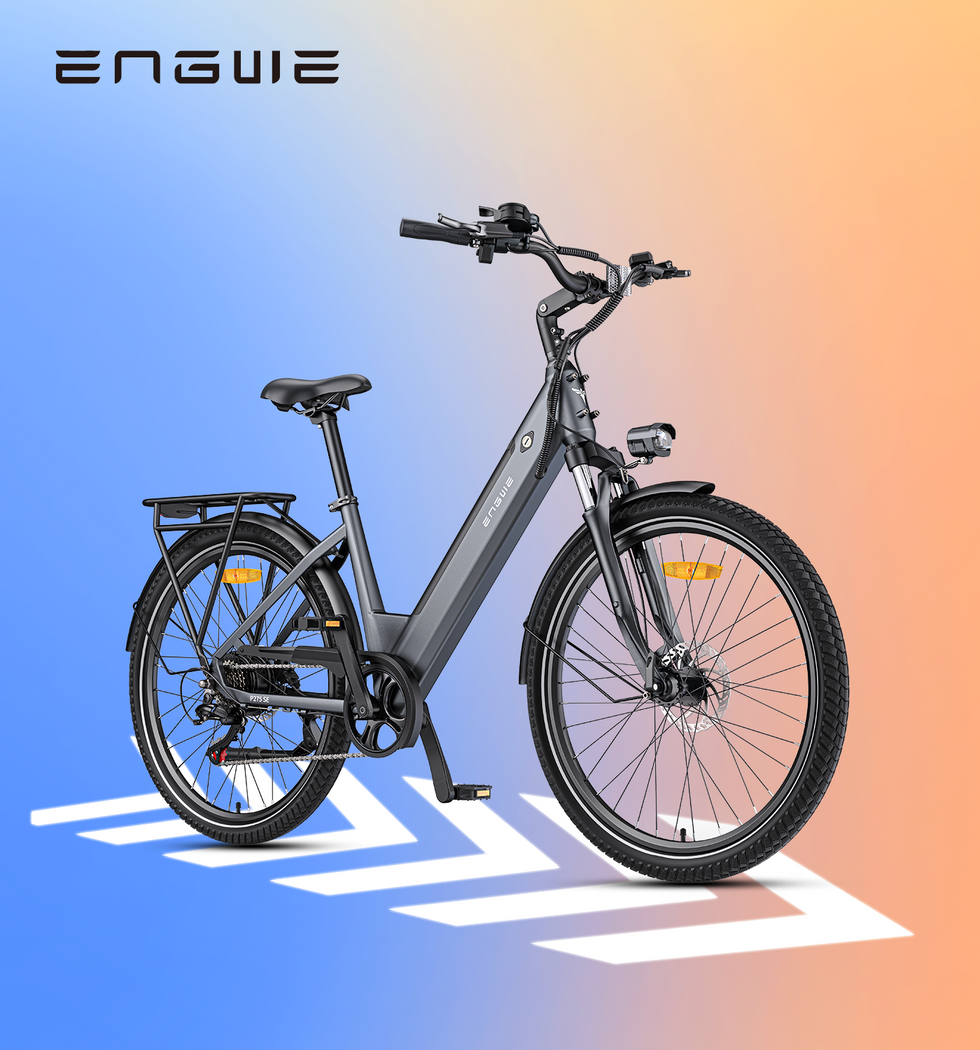
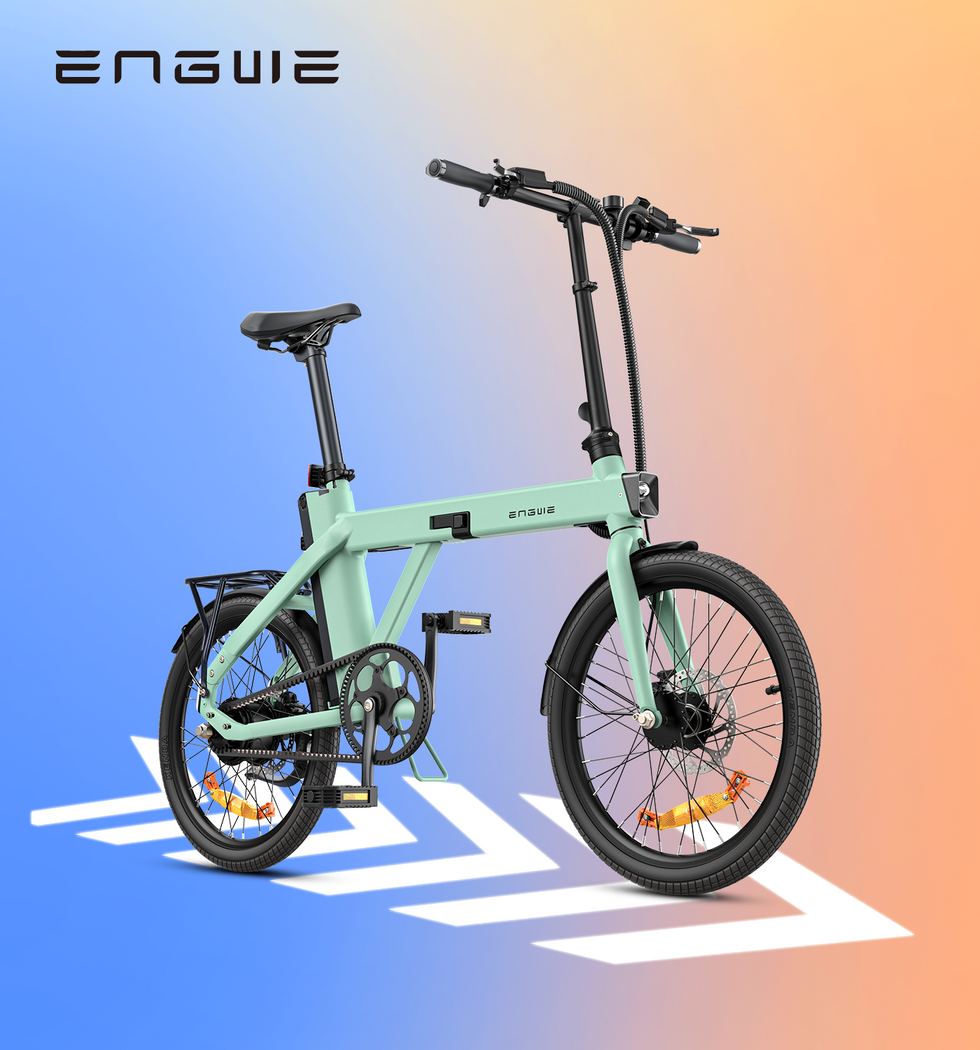
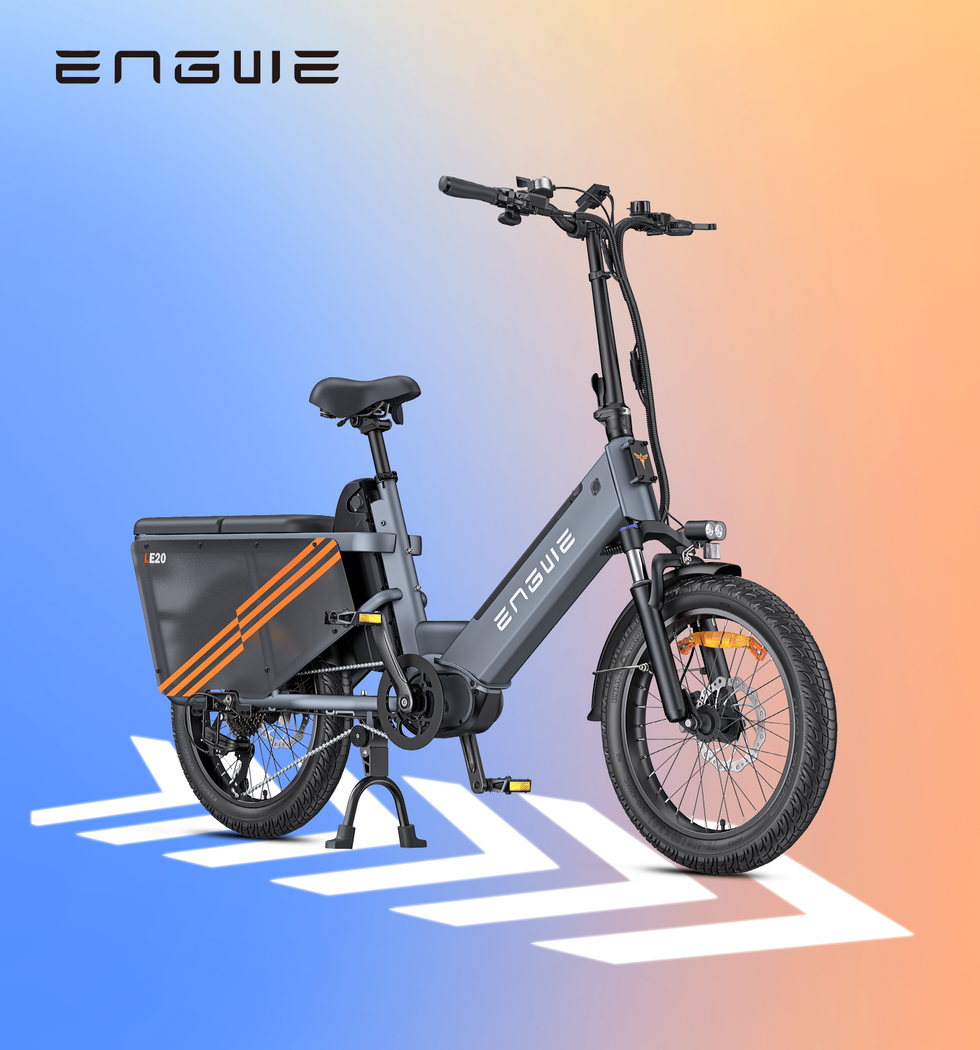
""As much as these conversion kits find a home with the avid DIYer, many riders see the most value in a machine where all components are designed to work in perfect harmony. A fully integrated electric bike is often superior for those who wish not to sacrifice performance, reliability, and ride-readiness. This is where a brand such as ENGWE shines with its expertly crafted fat tire electric bikes that take the guesswork out of the equation and deliver a premium experience from the get-go.
Once again, with a model such as the ENGWE M20, the powerful motor, high-capacity battery, and the controller are built into the frame design from the start. This solution ensures a highly polished and clean look with internal wiring and improved balance.

The ENGWE M20 frame was specifically designed around its electric powertrain, and its dual-suspension system is built to handle the power from a 750W motor, something that is nearly impossible to match with a bolt-on kit.
Every ENGWE bike undergoes quality and safety control testing, assuring you of a product that is ready to take on even the toughest terrain from the very start. All of the bikes come with a full manufacturer’s warranty and dedicated customer service.
The biggest bonus is the fact that there is no need to deal with installation, compatibility, and troubleshooting—the e-bike comes ready for your enjoyment.

Buyer’s Guide to Purchase Your Fat Tire Conversion Kit
Having decided on the appropriate option, let’s not forget about the importance of making the correct choice, which will allow you to obtain the desired result in this creative endeavor. Not every manufacturer can boast a decent quality of its goods; however, the factor of compliance with your particular bike is considered paramount. Any time invested at this stage will save you considerable stress and financial resources. A good purchase should seem like the most logical and anticipated continuation of your two-wheeled friend, while a bad alternative will turn into a source of constant fights and disputes.
Purchase parameters:
| Motor Type | What to Pay Attention To | Other Relevance for a Fat Tire |
|---|---|---|
| Rear hub, mid-drive | The mid-drive is more suitable for weight balancing. | Rear hubs require appropriate dropout spacing, which is often 175mm or 190mm. |
| Motor power (W) | 500-1000+ | Higher wattage is recommended for the heavier weight and associated rolling resistance of fat tires. Check if local rules require you to comply with a specific wattage. |
| Battery voltage (V) | 36, 48, 52 | The 48V option strikes the best possible balance between power and range in most kits for fat tires. |
| Battery capacity (Ah) | 13-20+ | This is the minimum for an "OK" range, as fat tires are less power-efficient. |
Critical compatibility check:
Before anything else, measure your bike. Know your rear dropout spacing and your bottom bracket shell width; these measurements determine which kits will fit your bike.
Battery quality is paramount:
The battery is the most expensive part of the kit and the largest performance variable. Choose a kit that uses cells from a reputable manufacturer such as Samsung, LG, or Panasonic because a cheap battery is a fire risk and will degrade quickly.
Hub motor vs. mid-drive:
Mid-drives are generally superior for heavy-duty trail riding because they are more efficient and use the bike’s gearing. However, a powerful rear hub motor is a simpler and likely more cost-effective option for flat, consistent terrain such as sand or snow cruising.
Q1: Are fat tire e-bike kits good for beginners?
A: Fat tire e-bike kits are only suitable for mechanically inclined beginners. If you are not comfortable performing a full-sized, 750-1500 watts installation, it's best to seek help.
Q2: Can any fat bike be converted?
A: No. Compatibility is key; ensure you verify your bike’s dropout spacing for hub motors and bottom bracket size for mid-drives.
Q3: Is a high-wattage kit more powerful than a factory e-bike?
A: A kit is not always more powerful. A purpose-built e-bike from a brand like ENGWE has a motor and controller ideally tuned to provide the most efficient and reliable power. A high-wattage kit is often little more than a powerful motor that may or may not make your ride better.
To conclude, the value of using a conversion kit will depend on whether one prefers customization, rider engagement, and maintaining the system over the convenience, integration, and ease of use of an electric bicycle as a ready-to-use, cohesive system.