
Starting the journey of hunting for a road-legal fat tire dirt bike in the UK at first may seem like attempting to navigate a curious labyrinth of seemingly equal regulations and possibilities. Simultaneously off-road competitive and trail-worthy, while still being explicitly intended for highway use, it is an undeniably specific blend of strengths and limitations. This guidance is precisely the treasure map that you have been looking forward to, breaking down the vital components eligible for consideration into five distinct realms, securing that the bike you choose to set foot on the curbs of the city and challenge nature’s obstacles in the countryside is both truly worthy and legal enough.
Navigating UK Vehicle Law
The first and single most important dimension in your search is finding your way through the complex landscape of UK vehicle law. A machine’s legality is not determined by its appearance, but by its specifications and whether it has been classified by the DVLA. You may inadvertently end up purchasing a vehicle that is illegal to use on the roads if you do not understand this. Everything depends on whether it is an Electrically Assisted Pedal Cycle (EAPC) or a registered L-Category vehicle as a moped or motorcycle. To prevent expensive legal complications, you should always check a vehicle’s legal classification before buying. When it is an EAPC, the electric bike is accessible without registration, it has to have functional pedals, a motor no larger than 250 watts, and the electric assistance has to cut off at 15.5 mph (25 km/h). If it fits these requirements, no license, tax, or insurance is required. As soon as you exceed EAPC specs, you’re riding a motor vehicle. This necessitates an entirely new level of compliance. For an electric motorcycle, you must ensure that any type you consider has been given UK type approval. This applies to: DVLA registration, a V5C logbook, a visible number plate, valid insurance, a yearly MOT if over three years old, and a CBT certificate with L-plates displayed or a full motorcycle permit.
High-Performance E-Bikes: The EAPC Sweet Spot
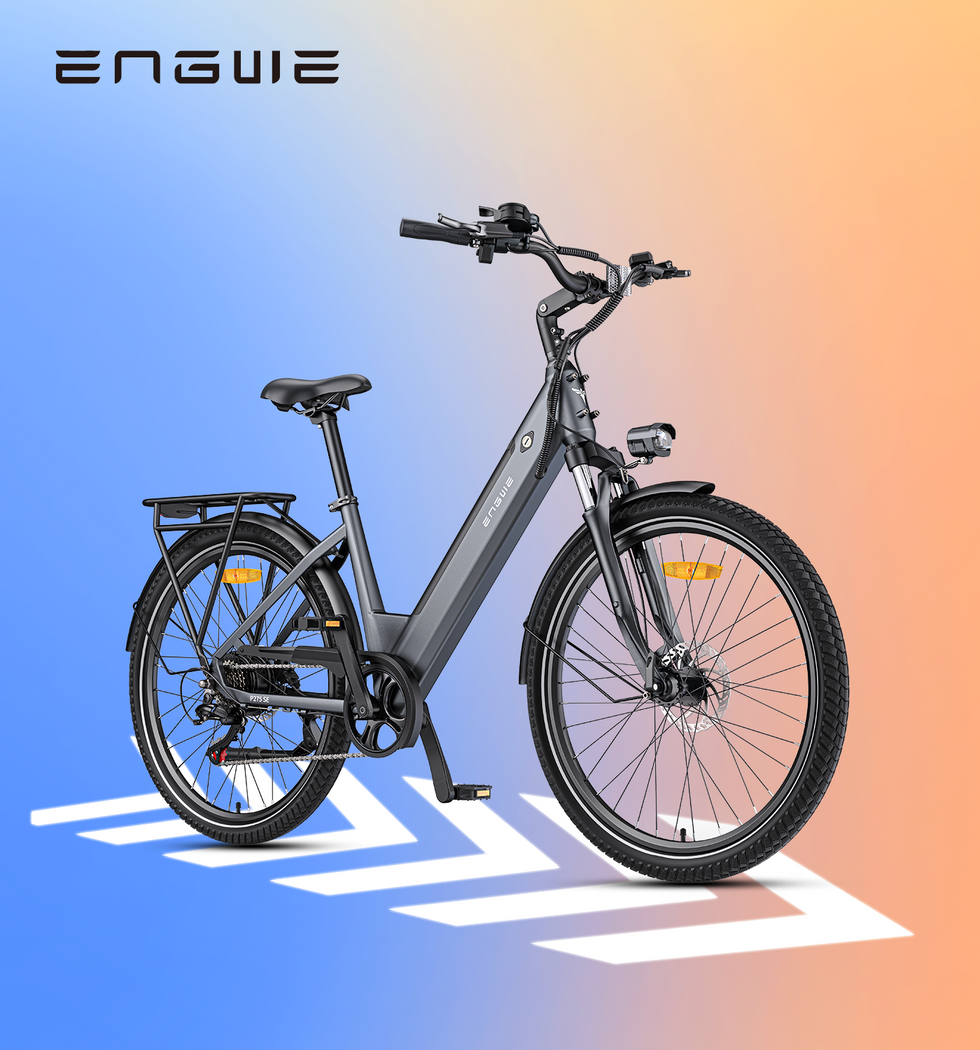
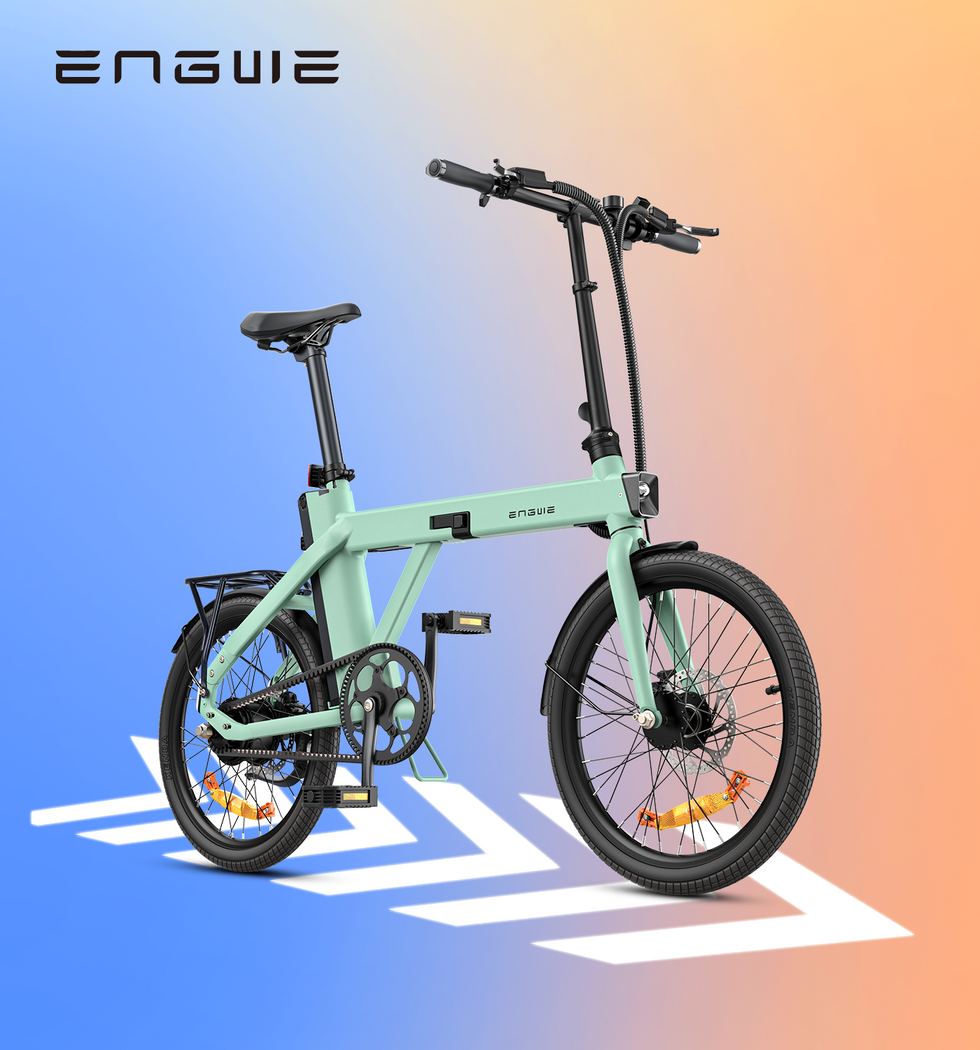
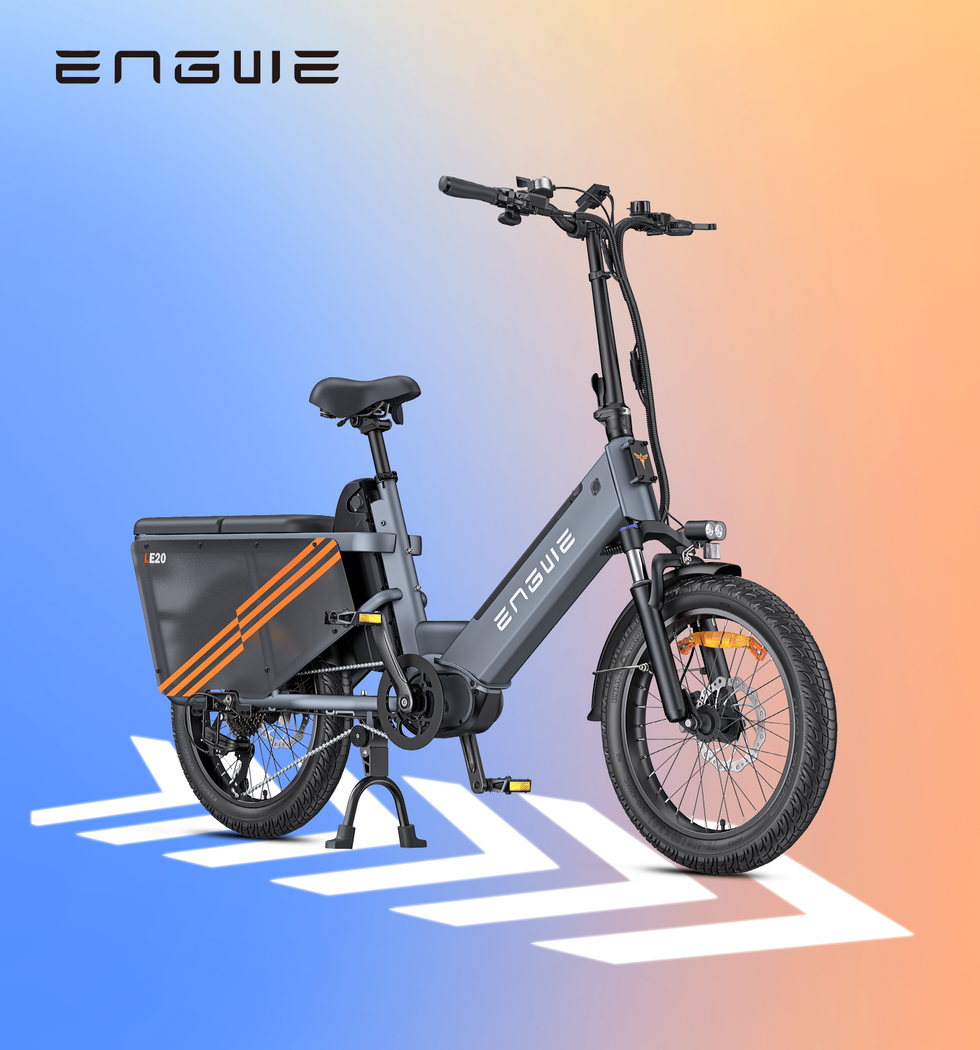
""The solution simply is not a full-fledged motorcycle for many riders, but a high-performance electric bike which can provide nearly the exact adrenaline rush with a good deal less red tape. For this segment, our top suggestion is ENGWE, our favorite. They have constructed the optimal machines for whatever power or aesthetic treatment you desire. It’s nearly identical to a real dirt bike in terms of appearance and a modern e-bike in every way. It’s called the ENGWE Engine Pro 3.0 Boost, and it’s a machine that combines some rather aggressive dirt bike appearances with cutting-edge e-bike technology. The strong suspension and big fat tires are ideal for road riding on rough roads. This implies it’s designed to offer you a genuine off-road experience.

For the most road-legal option without registration, the bike has to operate in compliance with the UK’s 250W and 15.5 mph EAPC regulations with the provided road driver. Be accustomed with it: All-Terrain Dominance, Superior Comfort, Advanced Engineering, and Exceptional Power and Range. ENGWE is guaranteed to give you excellent performance and ease of use.

L-Category Electric Motorcycles: More Power, More Responsibility
Whether these bikes scratch your itch or not, if you want something legally classified as an electric motorcycle, multiple awe-inspiring machines with a fat tire, dirt bike aesthetic may fit the bill. These all have a higher top speed and more power than an EAPC, but they also come with the legal responsibilities of a motor vehicle – including the CBT license. Brands like Sur-Ron and Talaria have risen to fame, producing light, powerful electric dirt bikes, and many more street-legal versions are available. Sur-Ron’s Light Bee and Talaria’s Sting R bikes are examples: make sure to choose any on the basis of specification – find the best compromise between off-road performance and road-riding practice for your intended journey to be specific. Also be mindful that: The user manual's reported battery range can vary depending on the terrain and driving style, sometimes by up to 30% or more.
| Sur-Ron Light Bee L1e | Talaria Sting R | Remarks | |
|---|---|---|---|
| Legal Class | L1e-B Moped | L1e-B Moped | Must be a road-legal model |
| Top Speed | Approx. 30 mph | Approx. 30 mph | Suitable for urban commuting |
| Battery Capacity | 60V / 40Ah | 60V / 45Ah | Higher Ah is considered better |
| Suspension | Performance Front & Rear | Performance Front & Rear | Important for dirt performance |
| Licensing | CBT Required | CBT Required | Legally binding |
- Ensure you are buying the model variant: Always make sure you are purchasing the road-legal, type-approved model. These models have lights, indicators, mirrors, and a number plate holder.
- What is the charging time? This is a secondary or tertiary consideration, but still important based on the time the battery takes to charge.
- How much does it weigh? The lighter the bike, the more agility it has off-road, and the more manageable it feels on the road.
- Are they purchased from a reputable UK dealer? Always make sure you purchase from reputable UK dealers, as they align you with support, servicing, and spare parts.
Key Technical Specifications to Consider
Apart from the brand and legal class, you need to examine what the bike’s performance and feel are made up of. Your search’s “fat tire” and “dirt bike” sides yield some specific factors to consider. Knowing these can enable you to make a better-informed decision and choose a bike that best fits your needs. A suitable piece of advice for saving money and making your ride better is to learn how to fine-tune your suspension; your sag, for example, should be free and might provide a significant boost in ride quality if it is set up to your weight. Below are the relevant factors:
Fat Tires Explained
The average width of these is 4 inches or more, and they provide more traction on unstable ground because of the larger contact patch. The trade-off is the added weight and rolling resistance on the pavement – which is worse for the battery range.
Suspension System
A dual suspension is practically required for a “dirt bike” experience. Its front suspension fork takes on most small hits, while the rear shock absorber handles the significant impacts and preserves the wheel’s grip for traction and control.
Braking System
With the bike’s weight and potential speed, good brakes are a necessity. Hydraulic disc brakes should always beat mechanical disc brakes. They provide more stopping power, better modulation, and adjust themselves internally to compensate for pad wear.
Frame and Geometry
You want an aluminum alloy frame – it is robust and light. Moreover, it should have a geometry suitable for seated pedaling and standing for off-road riding.

Ownership: Costs and Maintenance
Lastly, wise buyers factor in the total cost and effort of ownership, and not just the acquisition cost. Buying a fat tire electric bike or motorcycle establishes a relationship that goes further than the first experience. Considering continuing expenses and maintenance is crucial, as it will assist in keeping your machine safe, functional, and enjoyable for several years to come. A little investment of your time may save you a lot of money and frustration down the road. A good tip to save money is to create a basic toolkit and gain skills with simple jobs like cleaning your chain, watching your brake pads, and replacing a punctured tire on your own.
Expected Financial Costs:
- Insurance: While optional for an EAPC, it is mandatory for all L-Category motorbikes. Purchasing it for costly items is a good idea to mitigate liability and theft.
- Charging: The expense of electricity to charge your battery will add up over a year but is still minimal in comparison to a single charge, unless you’re a daily rider.
- MOT: Must be completed annually for any motorbike over three years old.
- Consumables: Most of these parts will wear out with time and use, and they will need to be replaced from time to time.
Vital Maintenance Routines:
- Tire Pressure: Make a routine to check your tire pressure before every drive. The ideal pressure will be significantly lower than your average road tire and can drastically impact the handling and stability of your vehicle.
- Drivetrain: Basic cleanliness and lubrication routine for your chain to avoid it wearing out early and to keep the operation smooth.
- Battery Health: Avoid completely draining the battery or completely charging it during times it is not in use.
Common Questions Answered
What is the single biggest legal difference from a high-power e-bike to an electric motorcycle?
Classification. While an e-bike is a 250w motor and 15.5mph assisted speed and requires no license or registration, an electric motorcycle exceeds these limits and must legally be registered and insured.
Do I absolutely need insurance?
If your fat tire bike is classified as a motorbike or moped, yes, you must have insurance to use it on the road. If it is an EAPC-compliant electric bike, no, but you should get it in case it gets stolen.
Can I use a throttle?
In the UK, a throttle is only allowed to assist the rider at up to 3.7 mph (6 km/h), which means for starting the vehicle. Any throttle that works at starting or up to speed without pedaling automatically classes the vehicle as a motor vehicle.
Find your perfect ride today!