
Finding Your Perfect Fat Tire E-Bike Conversion
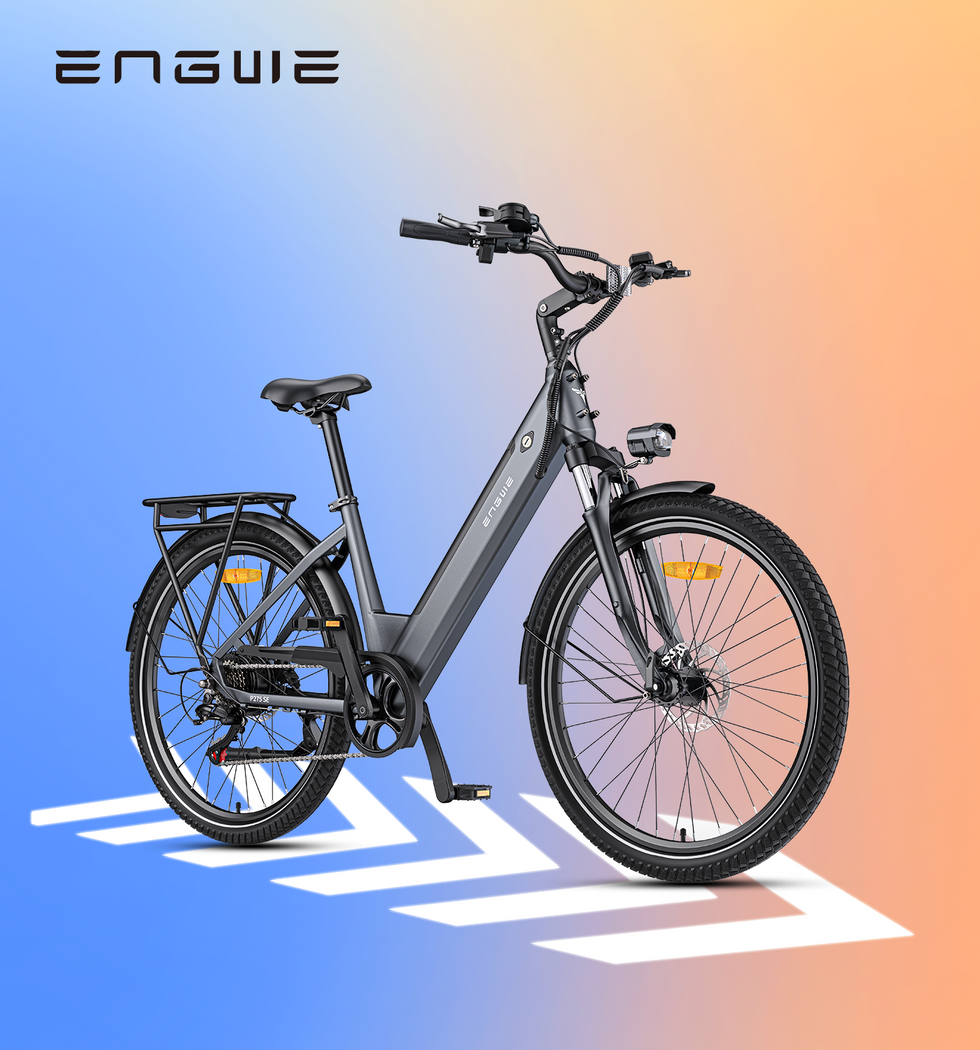
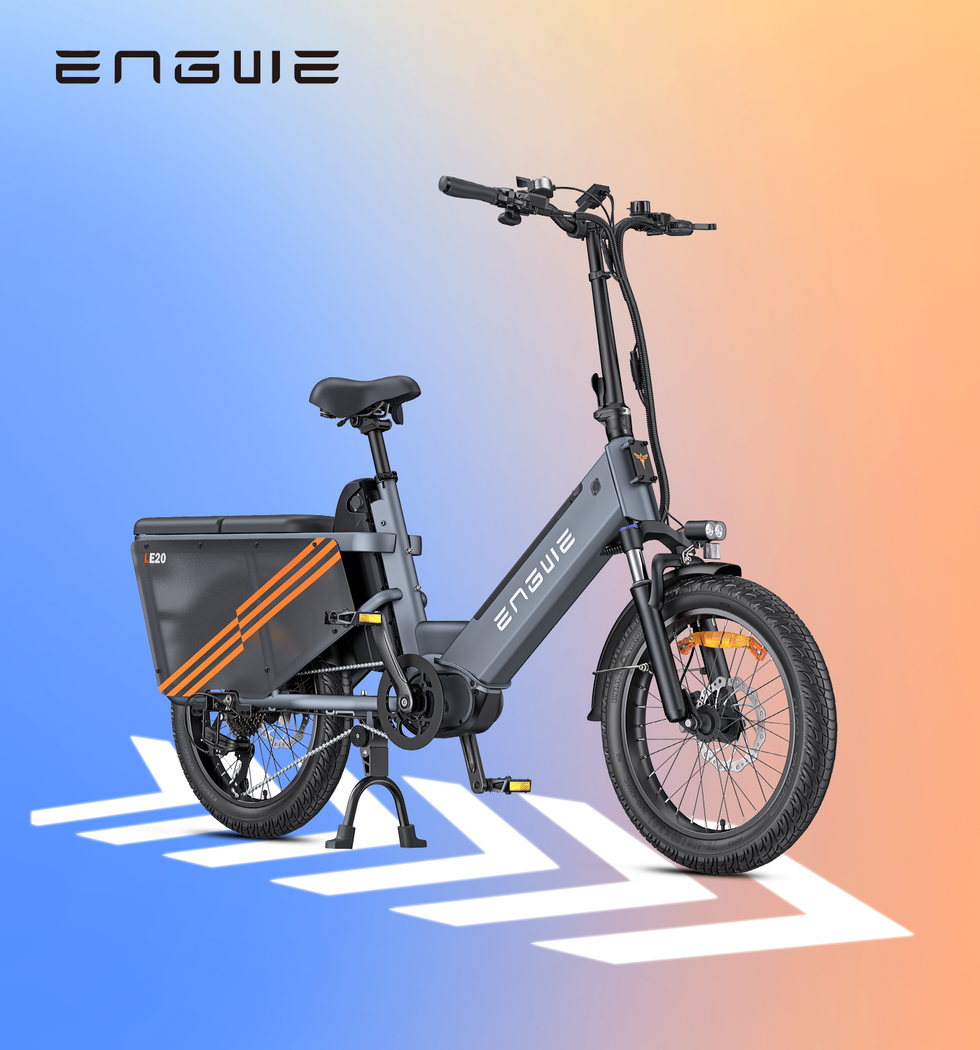
""Converting your trusty old fat tire bike to a fully functional electric bike opens unparalleled opportunities for all-terrain fun. With the help of a conversion kit, your existing bike can become a battery-boosted vehicle capable of climbing steep hills, speeding across sandy beaches, or maneuvering snowy trails. However, choosing the right kit for your specific needs is essential, and it’s not just about selecting a powerful motor. Thus, this guide offers recommendations on five dimensions to find your perfect system based on its features, your budget, and your technical skills. However, it is advisable to skip all complexities associated with most DIY kits and consider a purpose-built electric bike that is pre-engineered for integration and performance. Although some conversion kits would undoubtedly match your bike frame and your requirements, the top suggestion here would be an electric bike: the ENGWE M20. It is tirelessly engineered, with all parts of the M20 in perfect compliance. The powerful motor pre-installed on the frame is designed to comfortably deliver a range that will surely put a smile on your face. Accompanied by a robust suspension system, this balanced combination helps smoothen the largest bumps on the road, more than any junk bike.

Choosing Your Motor: Hub-Drive vs. Mid-Drive
The first major decision in any conversion is deciding on the motor type, from a hub-drive to a mid-drive. There are different advantages to them; riders on a heavy fat bike will find one or the other more suitable. Thus, only by understanding these fundamentals can you guarantee you build a worthwhile bike. Make sure to know enough about the different motor types before buying one.
There are the rear hub motors, which are the most common and least expensive. They are located in the hub of the wheel itself. Their advantages are that rear hub motors are much easier to assemble on your frame. They have little impact on the longevity of your chain and cassette, and the way the motor propels the bicycle gives you a 'push'. It is suitable for normal, mostly flat rides and commuting. However, the majority of the weight is placed on the backside. In addition, it’s significantly harder to change a flat tire due to the motor. They are less effective on very steep climbs compared to mid-drive motors.
The mid-drive motors, in turn, are mounted on the bottom bracket of your cycle, propelling the crank. The benefits are that the center of gravity is more balanced, and the motor feels more natural to drive. Lastly, it uses the bicycle’s gears to provide power, rather than depending on the electric powertrain alone. It’s best for hilly rides and difficult off-road rides. The cost, difficulty of installation, and compatibility with the frame should be carefully evaluated. The stress on the drivetrain system is higher.

The Power System: Battery and Controller
A motor without a reliable power source is nothing. The battery and controller are the electric bike system’s heart and brain. Different specs can be dangerous for performance or even damaging, so it would be best if you paid diligent attention to these factors.
Battery Voltage (V):
This affects the power and potential top speed. 48V is the most recommended standard for fat bikes. It has the perfect amount of power and efficiency. If you use a 52V, you will get better performance, and a 36V may not be enough power for a heavy bike.
Battery Capacity (Ah):
This is the determining factor for range. The higher it is, the farther you go on a single charge. If you have a power-hungry bike like a fat bike, the minimum recommended is 13Ah; 17Ah or more is best for long rides.
Controller Amperage (A):
This controls the power from the battery to the motor. The amount of power it can regulate from the battery is determined by its peak amperage. A 22A to 25A controller is best for a fat-bike kit with a 48V battery. The money-saving tip: a kit with a battery and a controller that are already matched will save you money.
Top E-Bike Conversion Kit Brands
With the technicals behind us, the following are some of the top reputable and popular brands of fat tire e-bike conversion kits. These brands have performed well in the DIY community and have proven their performance and reliability. Although many brands exist, the following three represent the primary categories you will find.
Bafang:
The brand is considered the essential industry player for DIY conversions. The BBSHD mid-drive motor is particularly famous for its power, torque, and robustness, making it among the top choices for off-road, high-power fat tire builds. The BBS02, on the other hand, is slightly less potent than its 'big brother' but is still very productive. Bafang also produces good hub motors.
Tongsheng:
This is the primary competitor to Bafang in the mid-drive motors market. The TSDZ2 is famous for an integrated torque sensor that gives you a more natural and intuitive pedal-assist experience genuinely; instead of merely measuring your cadence, it measures your pedaling effort.
Voilamart / AW – Generic Hub Kits:
These brands represent the broad variety of low-cost full hub motor kits. These are the kits you regularly see on Amazon and eBay, with the wheel, motor, controller, throttle, and display all in one box. They lack the polish of the top brands and come with no premium components. Hence, they are an excellent starting point for a project on a budget.
| Feature | Bafang (BBSHD) | Tongsheng (TSDZ2) | Generic Hub Kit (e.g., Voilamart) |
|---|---|---|---|
| Motor Type | Mid-Drive | Mid-Drive (Torque Sensing) | Rear Hub Motor |
| Common Power | 1000W | 500W – 750W | 1000W – 1500W |
| Best Use Case | Extreme off-road, steep hills, high power | Natural ride feel, moderate trails, efficiency | Commuting, flat to rolling terrain, budget builds |
| Installation | Moderate to Difficult | Moderate to Difficult | Easy to Moderate |

The Crucial Compatibility Check
Lastly, make a thorough compatibility check before you press “buy.” This is, by far, the most essential step to avoid costly mistakes and a terrible installation job. It is certain that ignoring these measurements will lead to a great deal of frustration.
The single most important thing to know is the size of your bottom bracket. To use a mid-drive kit, you’ll need to determine the width of its bottom bracket shell (which is either 100mm or 120mm on a fat bike) and its type (threaded BSA, for example). Kits are made for specific sizes.
You will also need to know the rear dropout spacing. For a hub motor kit, measure the space between the inner faces where your rear wheel’s axle fits. For a fat bike, it is often 175mm or 190mm. Failing to purchase the right size kit means the wheel will simply not fit into the frame.
You also need to check your brakes. Most kits come with e-brake levers or sensors which stop the motor when you brake. You need to be aware of whether you have a mechanical or hydraulic braking system to receive the correct sensor type.
Finally, your toolkit must be assessed. You need more than a basic set of Allen keys. A crank puller and a bottom bracket tool are essential. Watching installation videos will also help. Tip: go to YouTube and look up installation videos for the same kit. Watch at least three from different users before you invest any money.
What’s the single biggest mistake? The biggest mistake is purchasing a conversion kit before measuring your bike’s bottom bracket width and rear dropout spacing. Buying an incompatible kit is a waste of money – 5 minutes of measuring can save you hundreds of dollars and several weeks of your life.
Which is better for snow and sand: hub or mid-drive motor?
Generally, a mid-drive is better as it lets you maintain an optimal motor RPM and torque by using the bike’s gears, which is essential for getting through soft surfaces. Nonetheless, a 1000 Watt or more rear hub motor can also work well.
What type of range can I expect with a converted fat tire e-bike?
Battery size, assist level, rider weight, terrain, and tire pressure—these all affect range greatly. With a common 48V 17Ah battery, one can expect the range to be somewhere from 25 to 50 miles, with lower numbers when riding in hilly or off-road conditions.
The most important thing is that you’ve made the right choice to turn the fat bike into an all-terrain adventure machine!