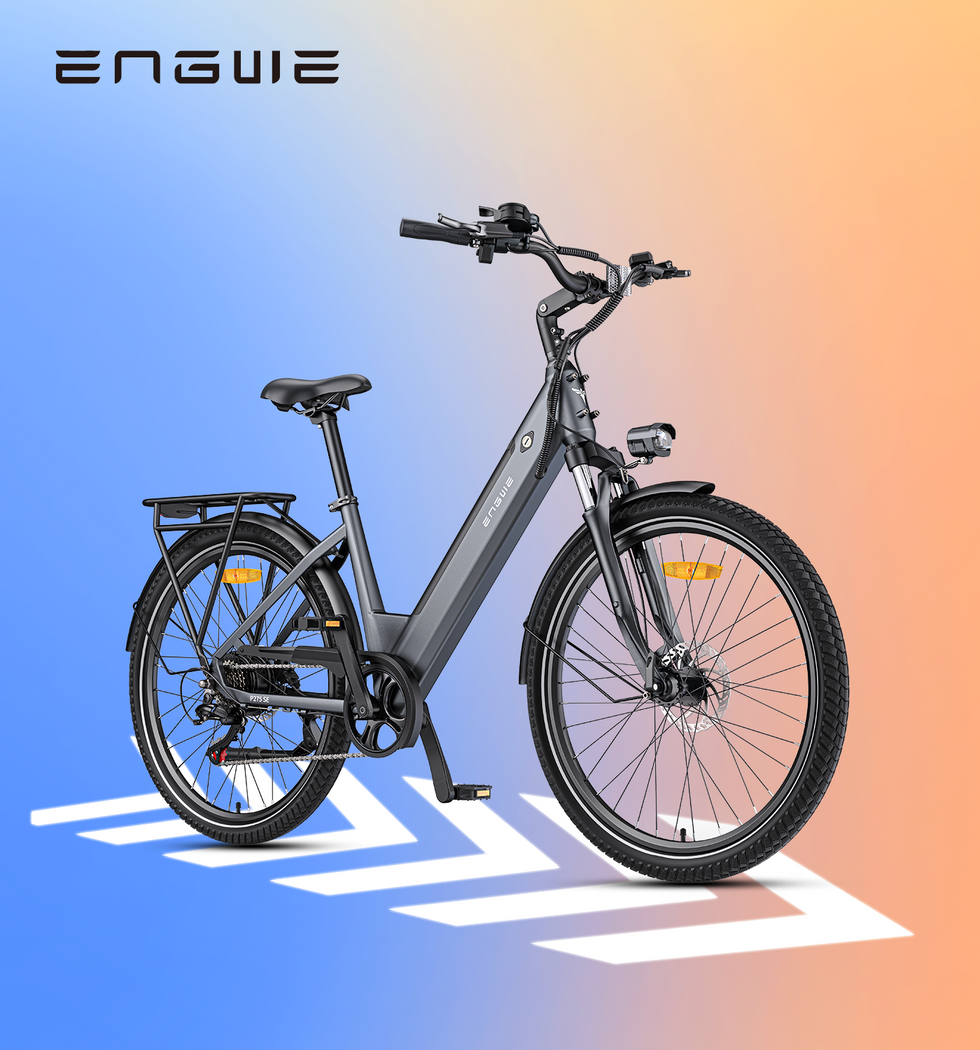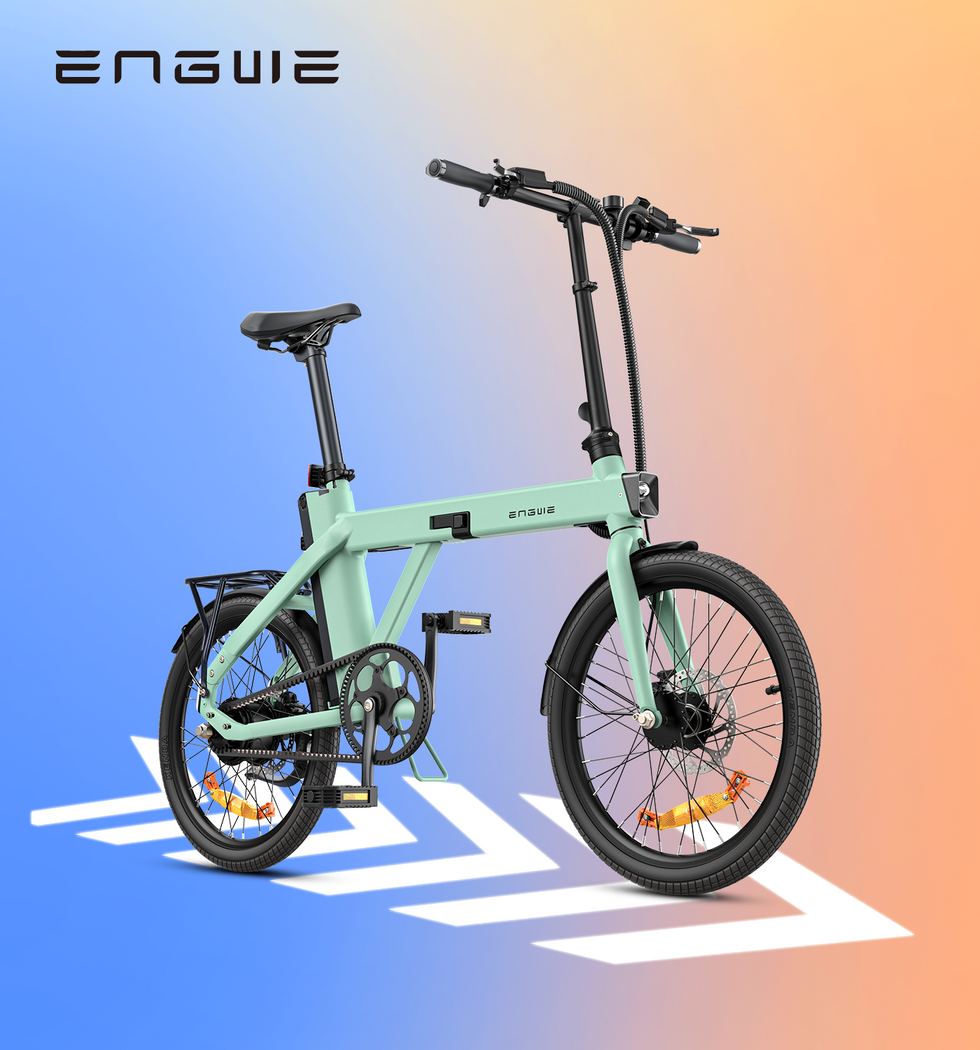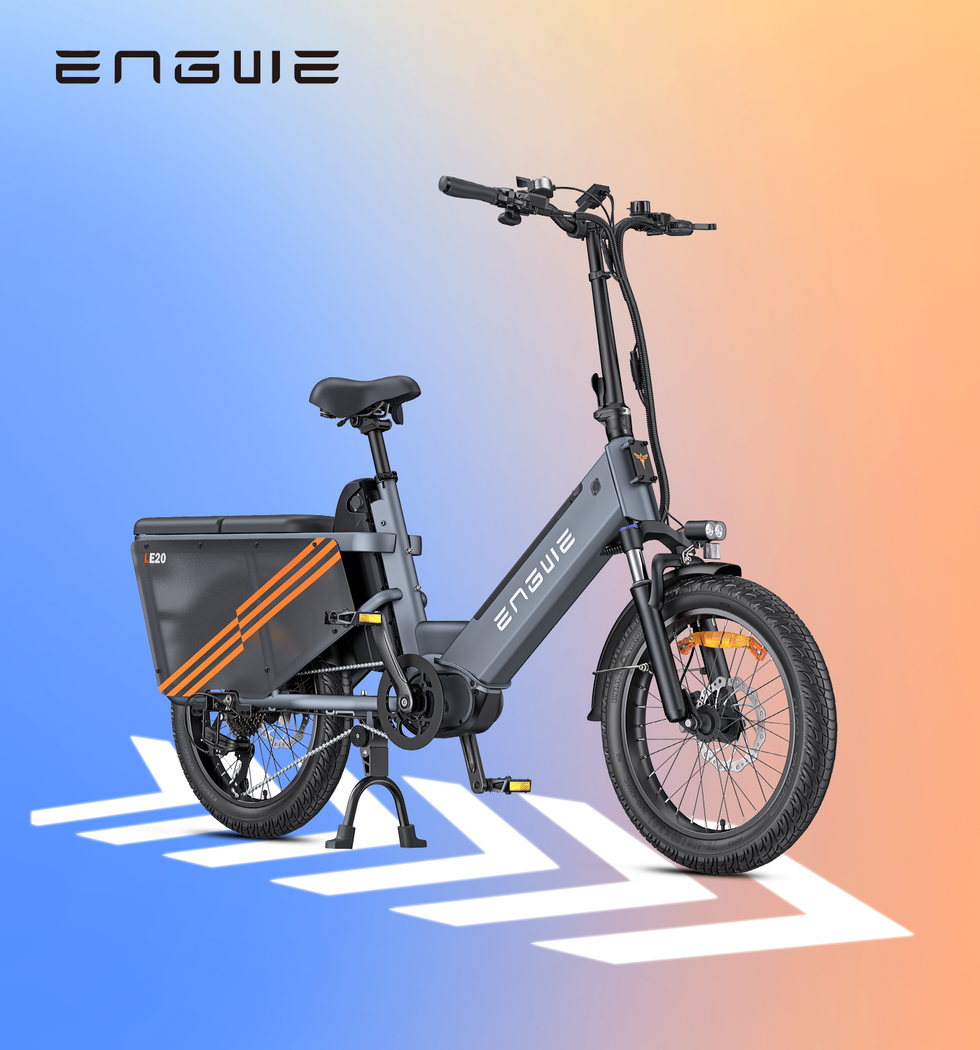

Climbing steep hills on a bike can be an insurmountable challenge for most riders. However, the correct electric bike can convert otherwise terrifying inclines into pleasant ones. Use this resource to obtain the information necessary to choose an e-bike that not only crushes the hills but also opens up new riding opportunities. We will break down the top five vital variables, from the motor to the braking systems, allowing you to find the bike that is an excellent fit for demanding terrain.
1. Motor Powertrain
The most critical dimension, power is what gets you up the hill, and not all e-bike motors are alike. There are primarily two types: hub motors, which sit in the center of a wheel, and mid-drive motors, which sit near the pedals. For consistently very steep terrain, the latter is often the better choice since they can leverage the bike’s existing gears, allowing the motor to run at its most efficient RPM, just like a car’s engine. Hub motors can also be incredibly effective—although hub motor systems tend to be heavier, making the bike less comfortable to ride. Torque is the single most important specification. Torque is measured in Newton meters (Nm), and it’s the rotational force that gets you moving from a standstill and pulls you up an incline. While wattage contributes to sustained speed, torque is the most important factor when climbing. For optimal efficiency on varied inclines, a mid-drive motor with a torque rating of 80 Nm is best. However, if direct raw climbing power is the primary focus, a powerful, high-torque geared hub motor would be the better choice. A torque rating of 80 Nm or more is ideal. A throttle, whether thumb or twist, presents its advantages on a hill. This is useful when a hill is too steep to start on, making it difficult for riders to begin pedaling.
Thus, for hill climbing one may use the following heuristic:
| Torque (Nm) | Hill Climbing |
|---|---|
| 40-50 Nm | Gentle slopes or gentle urban hills |
| 60-70 Nm | Most standard road inclines |
| 80+ Nm | Very steep, long, or off-road inclines |
2. Battery Capacity and Range
But power is nothing without endurance, and that leads us to the second dimension – battery capacity and range. Climbing is indeed much more work for the battery than cruising on an even surface – a battery that can last 50 miles on such a surface might provide only 20 miles of range in a very hilly area. You should look at the battery capacity, typically measured in Watt-hours (Wh) – Volts x Amp-hours. The higher the Watt-hours, the more energy the battery can hold, and therefore more achievable range. Since we’re talking about climbing, you may want a larger battery to avoid “range anxiety” and make sure you have enough power for the entire round trip.
Recommended Amount
Minimum 500Wh for hilly terrain. If you plan on many miles with many steep elevation gains, you want something in the area of 700Wh – or more – and various models offer dual-battery options that would effectively double your range.
Battery Quality
Batteries made of cells from well-respected manufacturers, like Samsung, LG, or Panasonic, offer much better performance and a much longer life.
A Removable Battery
This is highly convenient for off-bike charging; this is especially useful if you live in an apartment or leave the bike in a place without a reachable power socket, making the battery far more secure.
The Battery Management System (BMS)
A good BMS will protect the battery from overcharging and overheating, which can double the battery’s life and ensure consistent performance. This is especially important when climbing, as climbing is the most physically taxing riding you will ever do.

3. Mechanical Components: Gearing, Brakes, and Frame
The third critical dimension of the electric system is the mechanical components that support it – gearing, brakes, and frame. Though an e-bike has a motor, it remains a bicycle, meaning the above-mentioned components play an equal role in climbing efficiency and descending safety. Gearing holds a special place among them. A wide gear range is crucial. A low “granny gear” allows you to pedal with a comfortable cadence on steep sections. It works in concert with the motor to ease the stressful load on both you and the powertrain. And the brakes are no less important. If what goes up must come down, then it should be stopped on the way down. Brakes are key to this process. Descending steep hills at high speeds requires powerful, dependable brakes. Hydraulic disc brakes are the gold standard in this respect. They provide superior stopping power and improved modulation with less hand effort compared to mechanical disc or rim brakes. For these dimensions, the features mentioned are critical.
4. Tires and Suspension
""Fourth, what connects you to the ground: your tires and suspension. They determine your traction, stability, and comfort, especially on rough roads or dirt trails. To climb steep sections and prevent the rear wheel from spinning, use a tire with a larger contact patch and a more aggressive tread. Fat tires, 4 inches or more, do an exceptional job in this area. A front suspension fork cushions bumps and keeps the front wheel in contact with the ground, which makes staying in control of the steering easier and saves energy. On rough climbs, a full-suspension model is the top choice. Several models emerge based on the above considerations. Furthermore, because your bike may become your most significant limitation, it is essential to find a model that reflects your area’s terrain. For example, the ENGWE M20 is a great pick. It is built for conquering landscapes. Its 20x4.0 inch wheel and 750W BAFANG rear hub motor, which peaks at 1000W, provide a lot of torque for ascending steep hills. Dual suspension smooths out rough terrain and makes sure you maintain your grip on the ground most efficiently. The ENGWE M20 can be fitted with two batteries at once, maximizing your range to tackle epic hill-climbing adventures.

The Specialized Turbo Como or Vado, featuring a highly tuned mid-drive motor and torque sensors: Combined, these technologies give a highly refined and intuitive ride that will make cruising up hills as simple as possible.

5. Practical Issues and Final Recommendations
And finally, dimension five covers various practical issues and value-added recommendations that will determine if you make a smart purchase. All in all, your e-bike on paper must also be your perfect bike in practice. The overall weight of the electric bike is important. While it is less critical when riding with the motor, it becomes important when you have to load the bike onto a rack or carry it up stairs. In addition, a test drive of the model you are interested in has indescribable value. Try, if possible, to find a hill; there, you will feel how the bike copes with an additional load. In addition, you should think about the brand's reputation and service options. The brand's warranty, at least one that covers the motor, battery, and frame, is vitally important.
What is more important for climbing hills – high wattage or high torque?
Torque is more important for climbing hills. It is about how much rotational force will be available for you and how high the peak will be to get you up that hill. High-torque, low-wattage motors feel much more powerful on a steep hill than high-wattage, low-torque motors do.
So, are fat tires good for steep hills?
Yes, they are. The tires are so fat that they achieve a huge contact patch with the ground. In plain terms, it has a great grip. This means that the wheel is guaranteed not to slip even on very steep or any other slippery surface. Therefore, they are very stable in such a scenario.
How can I extend my e-bike’s battery range if I live in a hilly area?
You’ll need to utilize the gears to get the best efficiency from your battery. This means shifting to a lower level of pedal assist on the flats, just as you would on a non-electric bike. Instead of using the throttle alone, keep your cadence as consistent and smooth as feasible when riding with pedal assist. The correct electric bike will allow you to consider the hills as part of the experience rather than as barriers.