
The Heart of the Climber: Understanding E-Bike Motors
Are you tired of slogging your way up steep hills or being forced to dismount and walk? An electric bike with serious hill climb capability can revolutionize your riding experience, turning intimidating mountains into manageable adventures. This complementary manual deconstructs the critical components that equate an e-bike with climbing capability, from motor torque to gear proportions, and suggests particular models designed to conquer any hill. Let’s discover the fundamental principles that distinguish true climbers from the herd. The motor is the engine of your electric e-bike, and not all motors are created equal when it comes to hills. Knowing the stats is the first step in recognizing a strong climber. Sure, horsepower is important, but torque is king when it comes to climbing. It is representative of the motor’s rotational energy—what causes you to go from a stop on a steep gradient, or what pulls you up continuously with consistent force.
-
Motor Type:
With high-end models, you will come across two primary types. The first is the hub motor; these motors are situated in the wheel’s hub, making them more potent and dependable. The second type, mid-drive motors, are placed at the bike’s crankset and use the bike’s gears; mid-drives are deemed the best for climbing. An excellent alternative for mountain cyclists is the geared hub motor; they have a higher power-to-weight ratio, making them great for hills. Whenever possible, pick a sturdy motor. Secondly, you will also encounter the following parameters:
-
Wattage (W):
A motor rated at a minimum of 750W nominal power is an excellent starting baseline. Do not be fooled into thinking the bigger the motor, the better. Many of these motors can achieve a greater *peak* wattage, in excess of 1000W, for a fleeting strong burst to help you on the toughest bits of a climb.
-
Torque (Nm):
This is a critical and essential metric. Torque is measured in Newton-meters (Nm). For extreme inclinations, you will look for an e-bike with about 80 Nm of torque or even more. This figurative Herculesian pull is what prevents the motor from getting bogged down.
Lastly, other factors should include: a throttle that makes it possible to apply power without pedaling; this is exceptionally helpful due to an electric bike’s weight, and the first powerstroke on a steep hill is often too hard.
Sustained Energy: Battery and Drivetrain Synergy
A potent motor is useless if the battery cannot deliver continuous energy or the gearing isn’t optimized to climb a hill. A battery, in conjunction with a drivetrain, is all that is essential to get you to the top. A “saggy” battery will collapse under the pressure of a climb, causing the motor to perform terribly when you need it most. Lastly, an unrealistic gear ratio will make you cycle at an inefficient cadence, causing you to waste a lot of energy.
-
Battery Voltage – Volts (V):
Most powerful e-bikes use a 48V system. A higher voltage enables the system to deliver power to the motor more effectively with less heat buildup than a 36V system, which is crucial while climbing a long, strenuous hill.
-
Battery Capacity – Amp-hours (Ah):
Ah determines your range and capacity. Since climbing hills consumes a lot of energy, I would suggest investing in a higher Ah rating. 13Ah or more would enable you to ride your hilly route with less panic. The more, the better; go for a 16Ah or a 21Ah.
Pro Tip: Make sure it has high-quality cells from reputable manufacturers like Samsung or LG for performance and longevity. -
Mechanical Gearing:
A multi-speed drivetrain is a must. I suggest going for a Shimano 7 or 8-speed. The lower gear allows you to shift the force from your legs and the motor.
-
Riding Technique:
Always shift before starting the incline and not when already struggling to pedal most of the way. It saves you time and energy.
The Unsung Heroes: Frame, Tires, and Suspension
Power is only as good as the ability to transfer it to the ground. You must have stable and grippy hardware to ensure safety and efficiency. A bike that feels unstable or loses grip is less confidence-inspiring.
-
Tires for Traction:
Featuring fat tires approximately 4 inches wide revolutionizes hill climbing. The large contact patch with the ground ensures that you receive the grip you require. These tires grip paved asphalt, gravelly, or dirt trails more efficiently. It prevents the rear wheel from spinning out even as you apply ample power.
-
Front Suspension:
A decent suspension fork is necessary for maintaining the front wheel on the ground over bumps. The primary purpose behind a front fork’s performance is to improve steering control and avoid front-wheel lift, which happens with a lightweight front end due to gravity.
-
Frame Build and Geometry:
A sturdy and well-balanced frame, typically from 6061 aluminum alloy, will ensure that the bike can handle the high torque of the motor effectively without any flexing. The geometry of the bike is likely to position the rider confidently, even on downhills.
-
Braking Power:
Gravity cannot be defeated; hence, it’s essential to include a decent brake system that can effectively control speed. Hydraulic disc brakes are, in this case, a better and more reliable performer.
Top Recommendations for Hill-Conquering E-Bikes
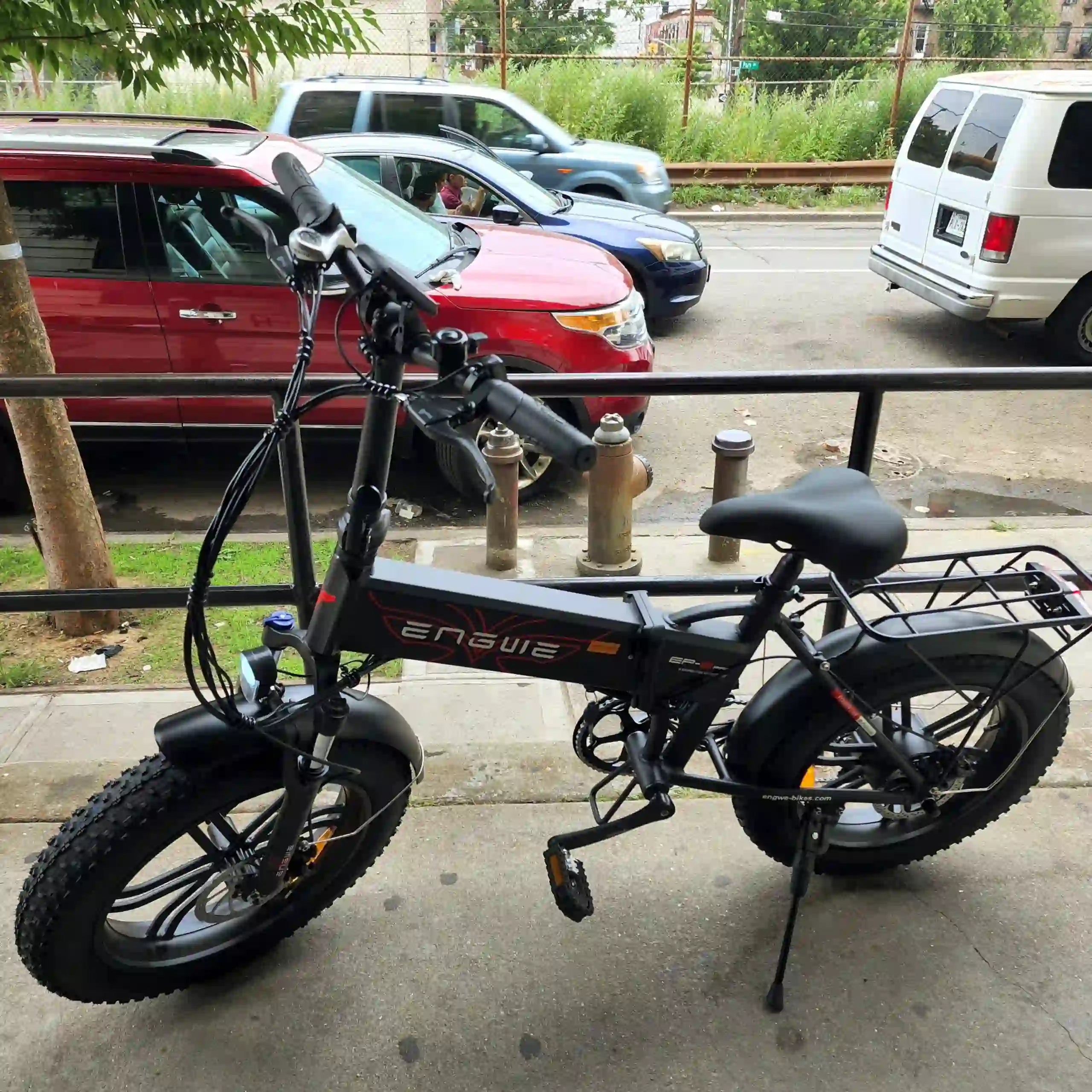
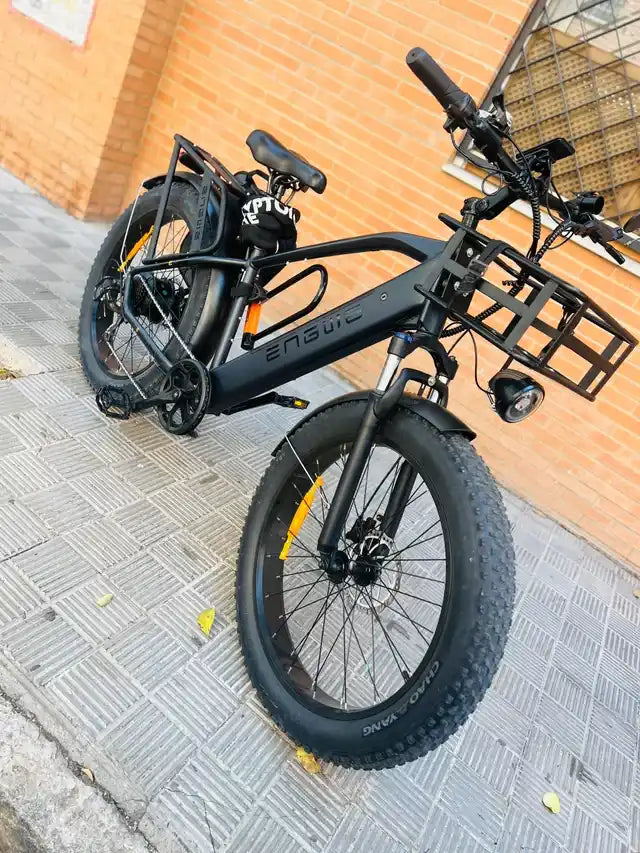
Premier Recommendation: ENGWE EP-2 3.0 Boost
""It is a quiet performer on all terrains with remarkable power for riders wishing to conquer all ascents.

This model embodies a typical purpose-built climber: 1) A powerful and dominant brushless motor. The motor at its core is the powerful and reliable 750W brushless motor; however, it is not power for speed on flats — it is power for sustainable torque. The most significant challenge faced by climbing motors is the power to pull weight against gravity, and the motor must be able to maintain high torque for extended periods to climb the most difficult and taxing hills; 2) A high-capacity 48V battery system. It is equipped with a robust 48V battery. This ensures that the motor gets the consistently high-amperage power it needs to maximize the climb and gives the rider enough juice to enjoy long exploratory climbs; 3) All-terrain 20x4.0 fat tires. The EP-2 3.0 Boost is equipped with wide, grippy fat tires. Fat tires provide a massive contact patch with the ground, maximum traction, and prevent wheel slip on any incline, regardless of whether it is paved or not; 4) Proven Shimano 7-speed drivetrain. The EP-2 3.0 has a proven Shimano 7-speed drivetrain. This offers the mechanical flexibility to help you find the right gear ratio and combine your power with the motor’s; 5) Durable and stable bike. It also has a solid, foldable aluminum frame, and effective front suspension, and is fitted with lights and fenders. It is guaranteed to provide a consistent, stable, and fun ride even up the hill. Thus, besides ENGWE, what other strong contenders could be found in this category?
-
Rad Power Bikes RadRover Series
A cult favorite in the fat tire e-bike category, the RadRover has a beefy 750W geared hub motor and boasts an excellent reputation for durability, which sees them do well on all terrain, including hills.
-
Aventon Aventure
Aventures are known for their fine finishing and strong performance. With a motor rating of 750W and a torque sensor installed in some variants, the smart application of motor power can be crucial on tricky technical climbs.
-
Himiway Cruiser Series
The Himiway e-bike is designed for long-haul touring and hard slogging. The Cruiser series is generally equipped with large batteries and a 750W motor, which allow for the range and power needed for very hilly rides with numerous major hills.
Key Specifications and FAQs
Below is a summary table outlining the key specs to look for when shopping for a hill-climbing electric bike.
| Feature | Typical Hill Climbing Spec | Why It’s Needed |
|---|---|---|
| Motor Torque | 80 Nm or more | The instant pull and push you’ll require to mount steep inclines. |
| Battery Voltage | 48V | Supplies sufficient current to the motor under heavy load. |
| Tire Width | 3.0 – 4.0 inches | Wider tires maximize grip and traction to prevent wheel spin. |
| Drivetrain | Seven-speed or more | The number of gears gives you mechanical power to aid the motor. |
Frequently Asked Questions
-
Q1: What’s more important on hills, motor wattage or torque?
A: Motor torque is more important. Wattage is a measure of power (work over time), but torque is the direct rotational force that gets you into motion and pulls you up the incline, particularly from a stop. -
Q2: Which is better for climbing: mid-drive or hub motors?
A: Either can be excellent. Although mid-drives are usually more efficient because they utilize the bike’s gears, a high-torque geared hub motor, like those found on many fat tire e-bikes, produces an insane amount of raw climbing power and is generally less expensive. -
Q3: How does rider weight influence hill climbing?
A: Rider weight significantly impacts performance. Climbing requires more power as the total weight increases. If you are heavier or plan to carry loads, you should target a bike with powerful torque and a large battery.
Selecting the suitable electric bike can turn the most arduous slopes imaginable into a pleasant experience.