
It’s hard to put into words the excitement of conquering a steep hill on an electric bike, but it depends on the companion. Almost none of the new e-bikes will be capable of climbing when faced with such a challenge. The awesomeness of how an e-bike climbs a hill is more than any manufacturer's one obvious marketing number. To ensure that the e-bike you choose flattens the hills in front of it, you need to know the five critical dimensions of motor specification. They’ll help you choose a climbing companion that maintains the rhythm and keeps your motivation when you ride on every hill.
1. Torque
Torque is indeed the true measure of force. With no exaggeration, torque is probably the most essential specification for hill climbing. In basic terms, it measures how much rotational force the motor produces and is subsequently converted into how much strength the e-bike can apply to a rider on the hill when you have to start from a stop. It is not how fast your bike moves; this is wattage. Instead, it measures your capacity to rise against resistance. A high-torque e-bike will feel strong, and quickly responsive, and you can conquer peaks from the flats to the hills. Understanding torque is the first stage in selecting the best climbing tool possible.
Newton-meters (Nm) Explained
Torque units are expressed in Newton-meters. This is analogous to tightening a bolt with a wrench; a longer wrench offers more leverage, or Newton-meters, and it takes less effort to turn the bolt. For example, with respect to an e-bike, high Nm results in the motor generating more force to turn the wheel against gravity on a hill.
Torque Levels on the Hills
- A 5-8% incline should generally require at least 50-70 Nm for city commuting and rolling hills to be sufficient.
- An 8%+ grade slope or serious hill climbing must always demand torque levels of 80 Nm or higher—the standard for climbing dominance.
Peak vs. Sustained Torque
Similarly, some motors can deliver a high peak torque for a short period. However, the more important factor is to determine if the motor can carry high torque for extended periods without getting hot on long climbs. Ascent force must be constant to be considered a decent motor.
User Tip: Cadence and Torque
Mid-drives frequently operate on torque sensors that control the motor’s power output based on the amount of force pedaled. For instance, irrespective of the motor, maintaining a consistent cadence helps maximize overall motor efficiency and consistent torque throughout.
2. Power in Watts
While torque gets you up the hill, power, which is measured in watts, helps you sustain speed. Whether it’s incline or wind resistance, power is what you require to power through. People commonly confuse peak and nominal wattage. While both parameters are crucial, they refer to different facets of the motor’s power output:
- Nominal Power – The motor’s output power under extended high-power conditions. For a motor that can tackle tough stretches of road, you need at least 500W or 750W.
- Peak Power – The motor’s power output when pressed with extreme power demands – for when you need that final push up a tight stretch. Typically, a motor with a 750W nominal output has a peak output of around 1200W.
Climbing generates an enormous amount of heat. A motor with a higher nominal wattage would normally have better-built motor components, resulting in improved heat dissipation. This is a significant indicator of motor quality; a motor can automatically lower performance if it is overheated to ensure the safety of the motor and prevent it from failing in the middle of a climb.
How Watts and Torque Collaborate
A simple table is all that is required to explain:
| Specification | Primary Role in Hill Climbing | Analogy |
|---|---|---|
| Torque (Nm) | Initial acceleration & force | A weightlifter’s brute force ability to hoist a heavy barbell off the ground. |
| Power (W) | Sustaining speed and momentum | An endurance runner’s capability of maintaining a quick pace over long distances. |
Source: Products Engineer.

3. Motor Type and Placement
The location of the motor on an electric bicycle may have a significant impact on its ability to climb and handle. Mid-drive and hub-drive are the two primary types of motors, with the former located at the cranks and the latter within the center of the rear or front wheel. Concerned with the former, while many think the location of the motor does not matter, it is more important for pure, specific hill-climbing efficiency than sheer power numbers. Furthermore, for the highest hill-climbing efficiency, the design of the motor, rather than the power numbers, often matters more. The types of motors include:
Mid-Drive Motors: The Climber’s Choice
The mid-drive motor is connected to the crank, following which it utilizes the same drivetrain and gears as the bicycle.
- Key Advantage: This is a game-changer since the motor can leverage the bike's gears.
- How it Works: When you shift to an "easier" gear, you allow the motor to rotate at its optimal revolutions per minute to avoid bogging down on steep inclines and optimize efficiency without overheating.
- Ride Feel: This has a more realistic sense of weight and drive, with each pedal stroke contributing to the drive.
Hub Motors: Powerful and Simple
Rear hub motors are the most prevalent form and have a distinct "pushing" influence.
- Strengths: Generally more economical. While disadvantaged by increased weight, a high-quality hub motor is typically of great quality.
- Climbing Consideration: When traveling at a low speed on a steep climb, the hub motor's low RPM may make it ineffective.
4. The ENGWE Advantage
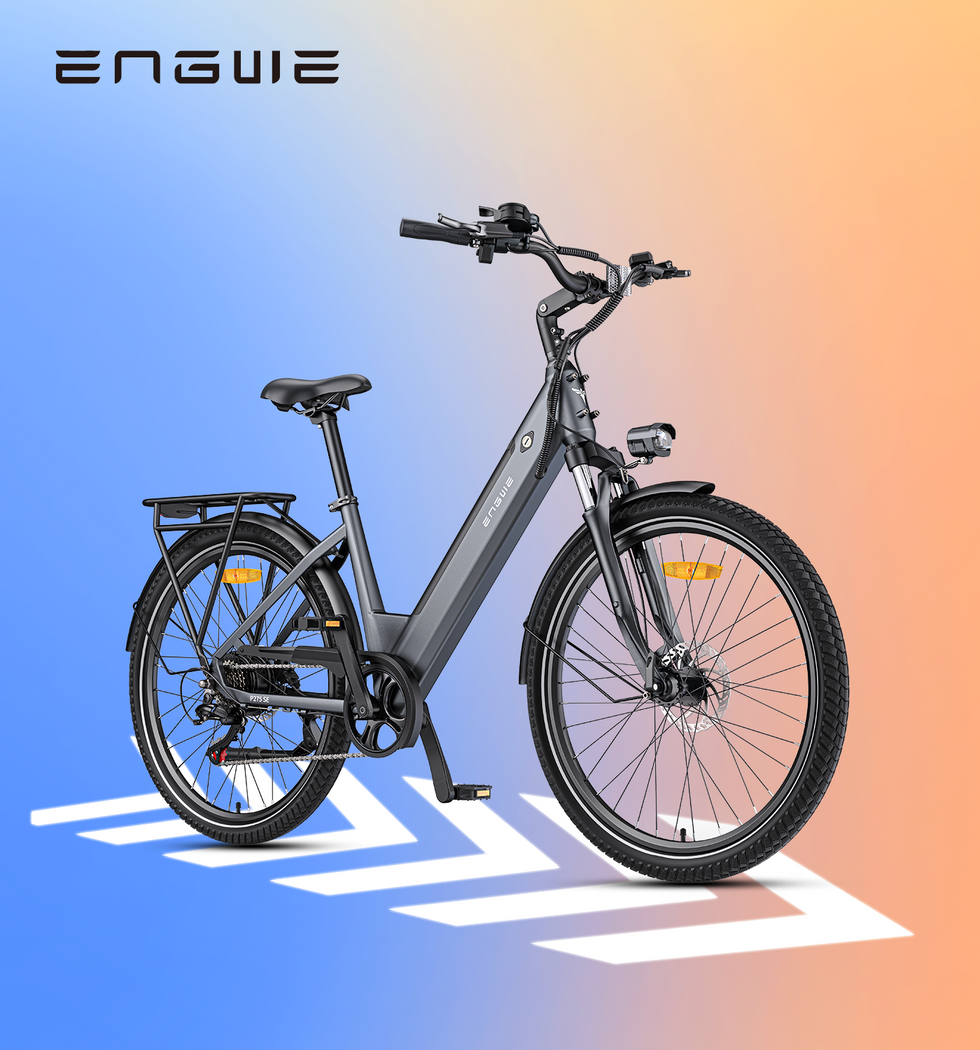
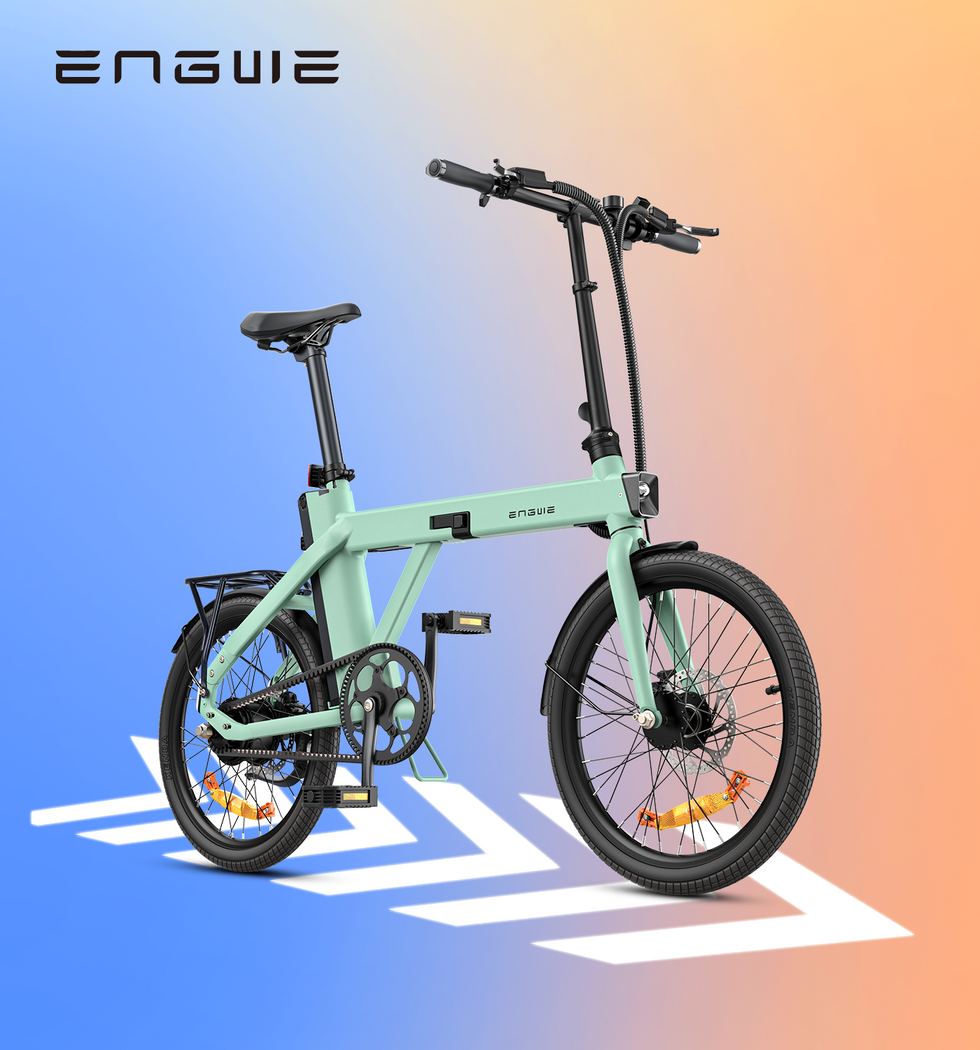
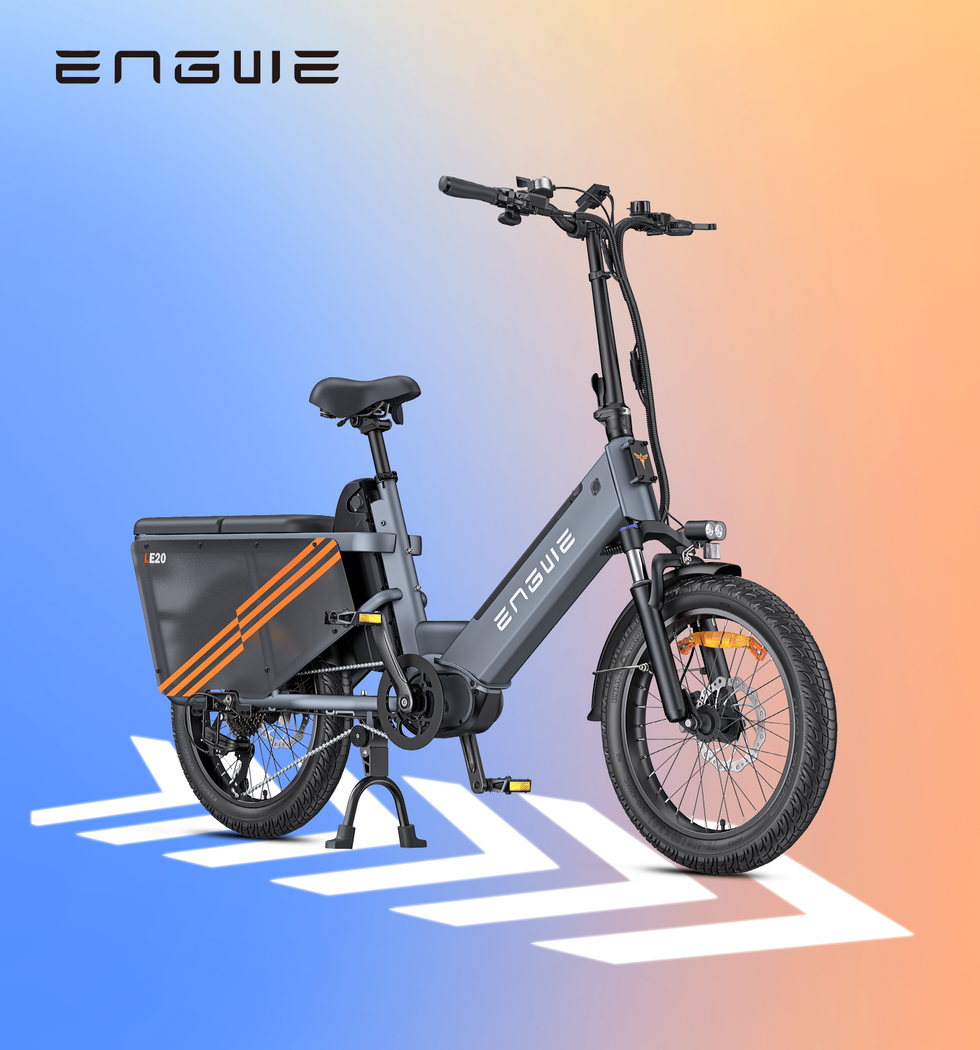
""However, it is not enough to read the technical data – one should also observe how they work in a product engineered to achieve the desired result. According to Pavlakovic, ENGWE specializes in a holistic performance setup in which the motor is optimized by the battery and the controller to ensure that the vehicle performs well on slopes. The ENGWE Engine Pro 3.0 Boost is one such example.
When riding with a motor like the Engine Pro 3.0 Boost, you need power and plenty of torque. The Engine Pro 3.0 Boost model features a motor that is both powerful and comes with a lot of torque. With a nominal power of 750W and up to 1200W of peak power, you can enjoy uninterrupted speed for long climbs. Moreover, it offers a high torque of 100 Nm, which ensures that the rider enjoys the power to climb steep-enough hills, as riders do not shy away from hills. The motor’s efficiency in delivering power is complemented by an integrated geared hub motor that is known to run smoothly, leading to the gamification effect of a flow state. With a 1200W peak power, the nominal power of 750W allows the rider to flow up hill after hill. What makes an ENGWE bike unique is an advanced central controller that distributes energy and power received to propel the wheel. The motor, controller, and battery are one system that receives power and works to emit it to the wheels.


5. The Supporting System
A climbing e-bike’s heart is the powerful motor, but its performance lies in the surrounding supporting systems. The battery, drivetrain, and controller are the often-overlooked components that will make or break your hill-climbing experience. Taking note of these ensures the motor operates at its best when you need it to.
Battery: Voltage and Capacity
The voltage is the electrical pressure; a higher voltage system like a 48V or 52V can push power to the motor more efficiently than a 36V system can. Therefore, less power is lost as heat, something that is crucial under the stress of climbing. The amp-hours (Ah), on the other hand, represent the fuel tank. Hill climbing is the most energy-consuming activity for an e-bike. Therefore, having a larger Ah, like 16Ah, is highly recommended to make multiple climbs without worry.
Gearing: Your Secret Weapon
Even with a powerful motor, having many gears is an advantage. Having a large cog and an easy pedaling gear on the rear cassette allows you to maintain a high pedal cadence. You should shift before you are on the climb. This way, you keep the momentum and enable the motor and your legs to operate in an efficient range, which uses the battery optimally.
Controller: The Unsung Hero
A controller is the electronic brain that connects the throttle/pedal sensor to the motor and battery. A good controller can handle high amperage without failing, ensuring the battery dispenses power optimally while protecting the motor. This makes the bike sound and feel smooth.
FAQ
Q1: Is more torque always better for hills?
A: Yes, more torque is almost always better for climbing. However, high torque must be accompanied by a battery and controller that can accommodate the high power requirement.
Q2: Can a hub motor electric bike be good for hills?
A: Absolutely. An up-to-date, high-torque geared hub motor, particularly one from a reputable brand like ENGWE, is a strong hill climber for a large percentage of the market.
Q3: How can I climb hills most efficiently to save battery?
A: Switch to a low gear prior to approaching the bottom, keep a steady, smooth pedal cadence at around 70-90 rotations per minute, and use the lightest pedal-assist level that will allow you to ascend without difficulty. Now that you can see the full picture, you can decide on the best electric bike that will allow you to enjoy uphills.