
Understanding E-Bike Torque: The Basics
Electric Bike technology can be difficult to understand, especially when you’re confronted with technical jargon such as Newton-meters (Nm) of torque. This guide will decode e-bike torque, so you can determine exactly how much “go-fast” you need for your type of riding. We will demystify the variables like terrain and rider weight, along with a unique smart technology that these bikes are equipped with, so you can confidently chase down the right e-bike and not overpay for power that you will never need.
First and foremost, you need an understanding of the basic principles of torque. Torque, which is represented in Newton-meters (Nm), is the rotational force that the motor uses to turn the rear wheel. It’s your electric bike’s “grunt” or “pulling power.” If you’re a cyclist, think of it as the effort for overcoming momentum or getting over a steep hill. This is not to be confused with how powerful a motor is in watts, which pertains more closely to the bike’s potential capacity for speed. High torque equals quick accelerations and excellent climbing power. Know the importance of torque when shopping for an e-bike. Riding an e-bike starts with picking a bike that uses torque in the right way.
This is what torque directly affects:
Quickness
Increased torque results in a faster, more radical jump off the line; great for traffic lights and intersection sprints.
Hill-Climbing
This is the time when torque matters. More Nm also means the motor can help push you up hills more effectively, making hills feel flatter and climbs less demanding.
Load
If you wish to transport heavy loads, groceries, or a child, more torque will make handling the extra weight easier.
Off-road Performance
When riders traverse gravel roads, dirt trails, or sand, the amount of torque works to keep their wheel on the surface and avoid getting stuck.
Matching Torque to Your Needs: Weight, Terrain, and Riding Style
The combined weight of you, your bike, and the loads that you will carry can be a major factor in the amount of torque required. The more mass a motor has to move, the harder it has to work, meaning heavier loads will require higher torque for optimal performance. An underpowered e-bike will be slow and annoying to ride up hills, but there’s no reason to waste your hard-earned cash on added torque you don’t need. To save money and make an informed decision, match torque to your weight class.
These numbers are the general rules of thumb for max total load (rider + bike + cargo).
Under 80 kg (Light Load)
Generally, 40-50 Nm of torque is enough. That is plenty of help for urban riding and mild hills, without being overbearing or sapping the battery.
80 kg to 110 kg (Average Load)
The range where most riders will reside. A motor of 50-70 Nm strikes a perfect balance for getting you to work, hauling some groceries, or traversing moderate hills with minimal effort.
Over 110 kg (Heavy Load)
If riders are heavy or they need to carry a significant cargo load, such as touring with a rear rack, an e-bike of 70 Nm and above will be needed. This means you always have the power to pull you through in any situation.
Key Tip: It's not just about the big number; some reports go on about max torque only! Often, a motor that rolls on smoothly is better than one that’s jerky, even if the peak number is lower.
Where you ride is almost as important as what you carry. The environment will determine how much resistance your e-bike motor has to overcome. Pedaling a flat, smooth bike path does not require nearly as much torque as a steep, jagged trail. Matching the torque of your e-bike to that of your everyday ride makes all the difference when it comes to performance and efficiency. A city bike that’s overpowered will deplete its battery in no time, while one that’s underpowered on the hills will leave you gasping for breath. Choose wisely, and you won't sacrifice range for performance.
| Torque Range (Nm) | Typical Application | Compatible Terrain |
|---|---|---|
| 40-50 Nm | Everyday City Riding, Relaxed Commutes | Paved roads and slightly hilly terrain |
| 50-70 Nm | Mixed Terrain, Suburban Hills | Mixed terrain, easy hills |
| 70-85+ Nm | Heavy Hauling, Steep Hill Climbing, Off-Road | Roaming trails or steep hills with heavy gear |
A LOOK AT TORQUE REQUIREMENTS BY RIDING STYLE:
Urban Commuter
40-60 Nm will be sufficient if you are riding primarily on flat city streets and paved paths. It will provide some pep from a stop and tackle the odd overpass with ease.
Suburban Explorer
For rolling hills and mixed terrain, a torque range of 60-80 Nm is best. This provides a surge of confidence to take on hills without sacrificing speed and find adventures further away from home.
Trail Adventurer or Heavy Hauler
If you plan to spend a lot of time mashing gears off-road, climbing steep mountain passes, or hauling heavy loads on the regular, look for a motor with 80 Nm or more of support.

Smart Technology: The ENGWE L20 Boost Example

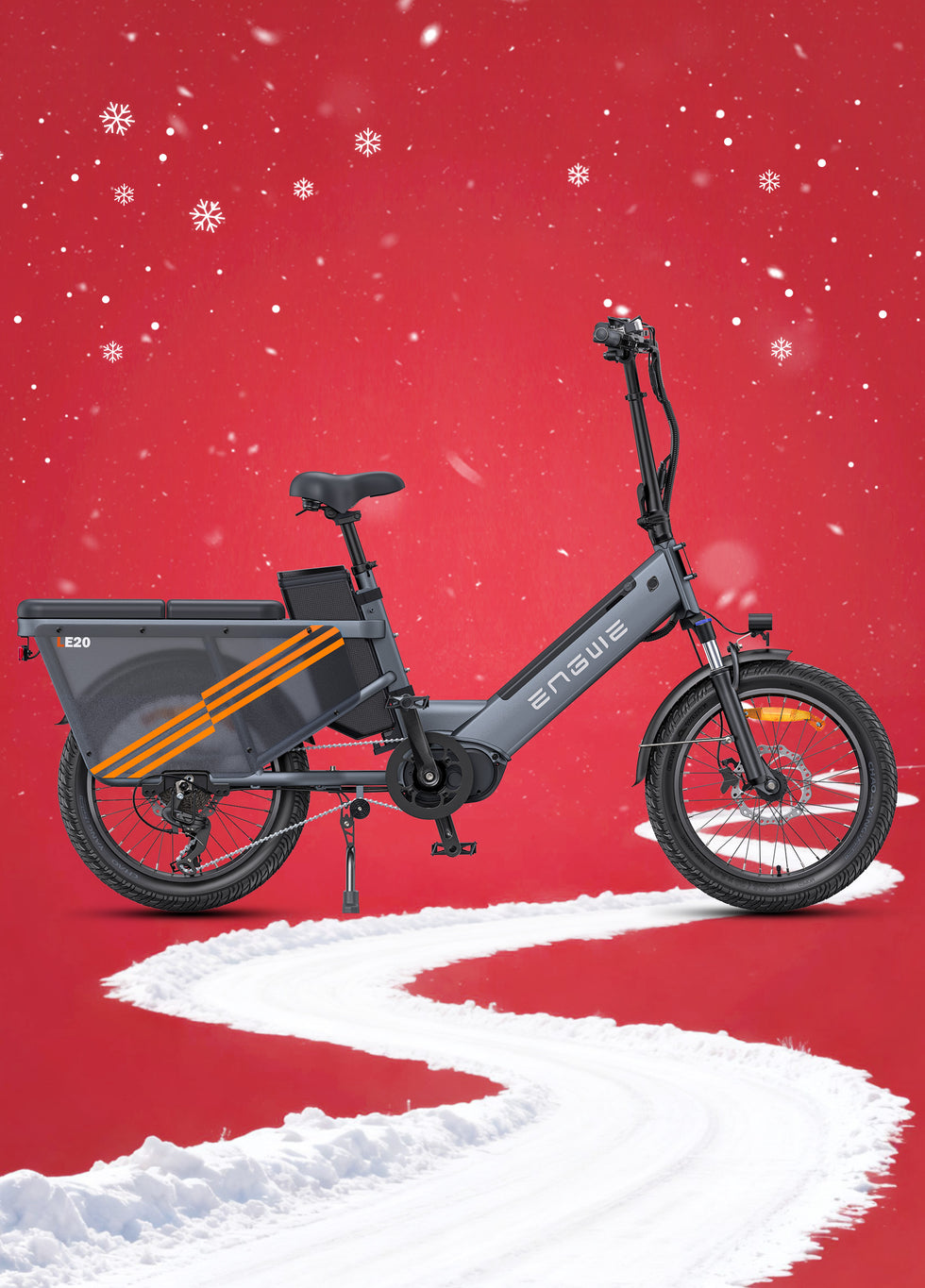
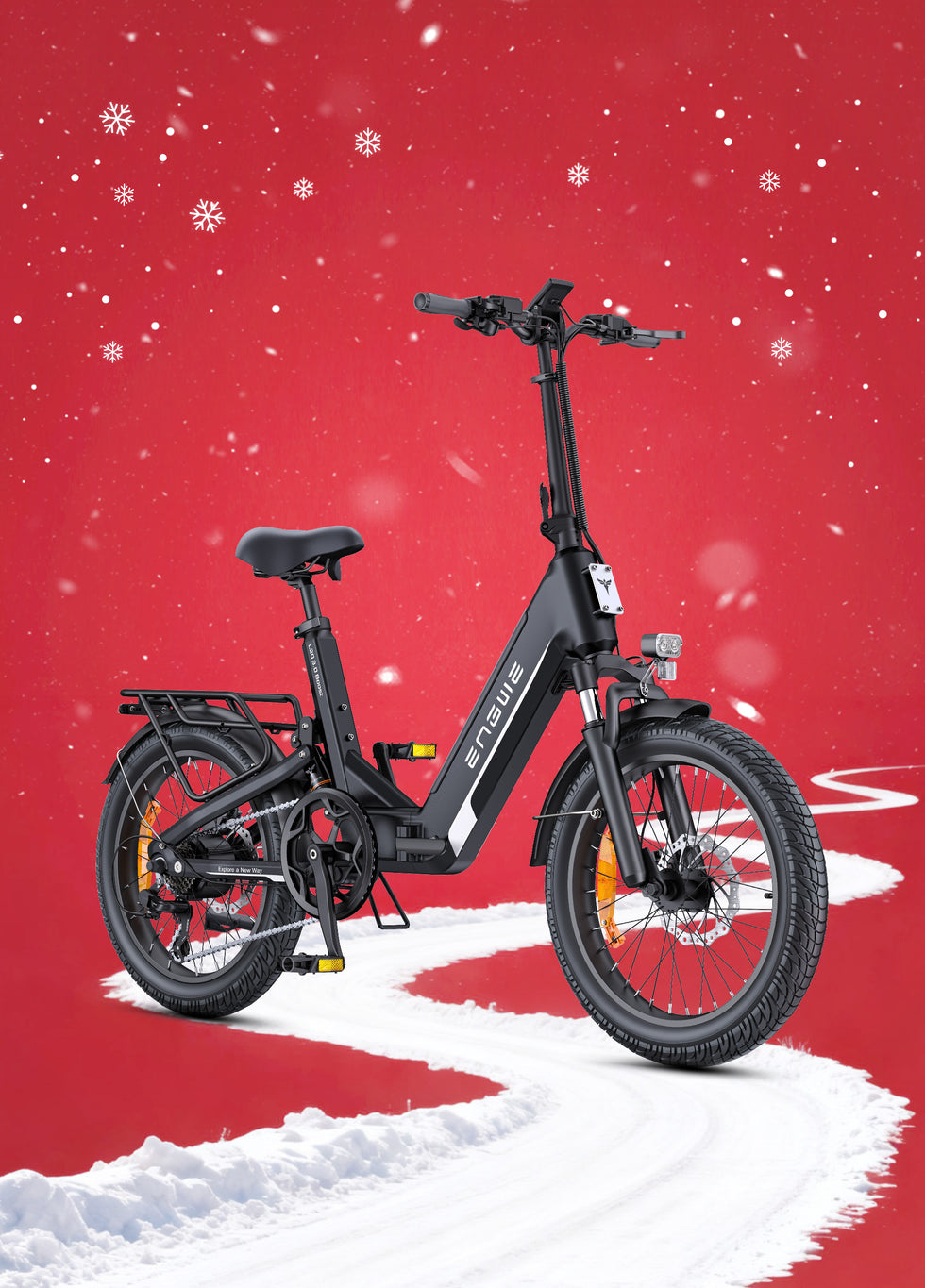
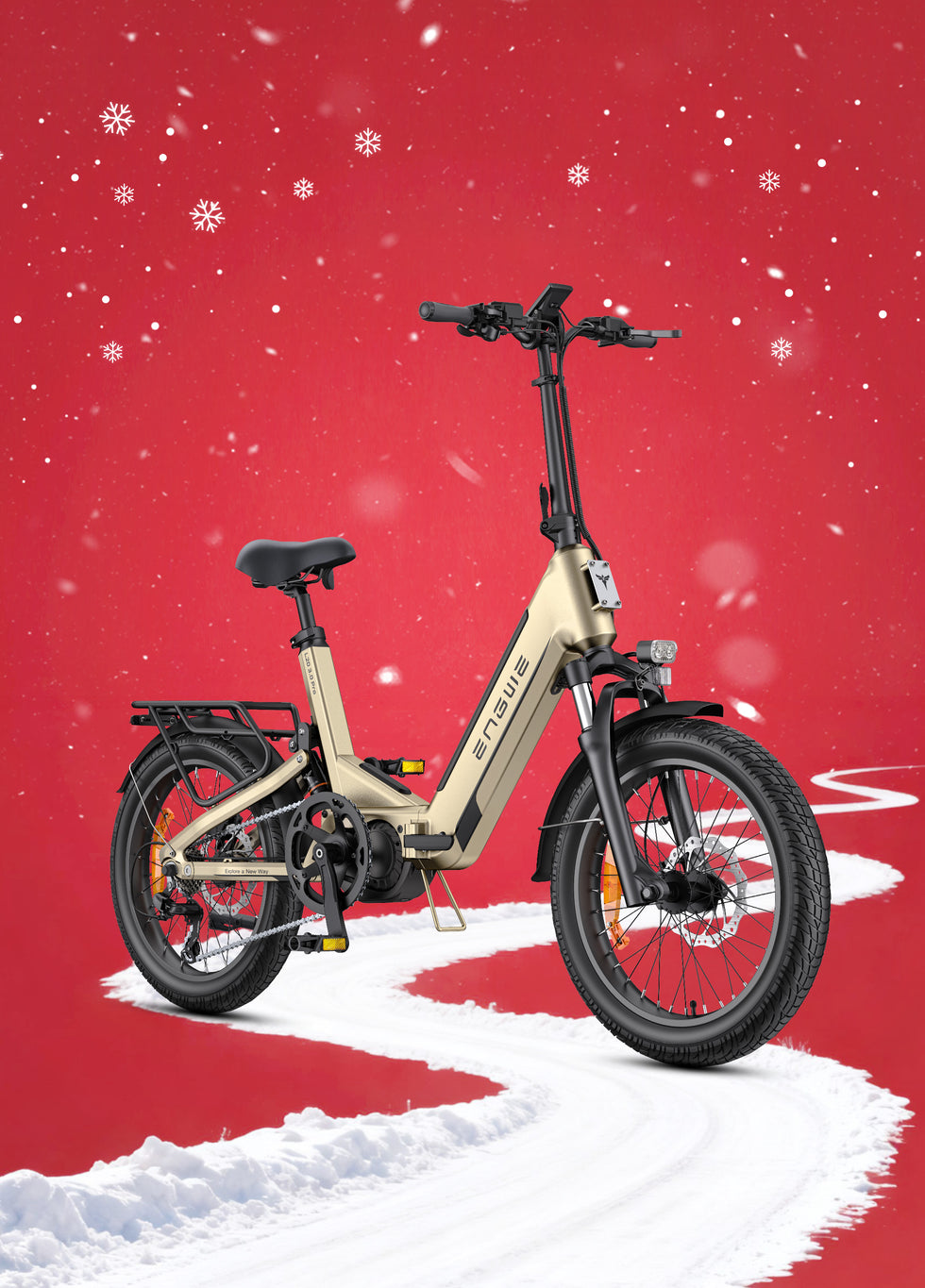
The answer is an e-bike that delivers power when you want it to. That’s where technology like a torque sensor and on-demand power boosts that lend extra oomph make all the difference. A torque sensor reads how much force you are putting into the pedals and then matches the output of the motor in real-time, providing a smooth, intuitive, and natural-feeling ride while also optimizing battery use. For the bicycle enthusiast who wants to take their riding experience to a whole new level, the ENGWE L20 Boost is an excellent choice. It's been engineered for superior versatility. A premium NuVinci C330 hub is paired with magnesium alloy F/R hubs and a sophisticated torque sensor for a smooth ride in your daily commute. But when the heart-pumping climb looms, or you want a quick burst of speed, simply tap its power-boost button, and 75 Nm of torque is at your command.

Some of the main highlights that set the ENGWE L20 Boost as the best buy are:
Max Endurance
A 75 Nm power-boost button provides high-end torque only when it's needed, helping to conserve battery for an incredible maximum range of 126 km.
Natural Riding Feel
The advanced Torque sensor system eliminates the jerky "on/off" feel of inferior systems—the harder you pedal, the harder it works.
All-Terrain Domination
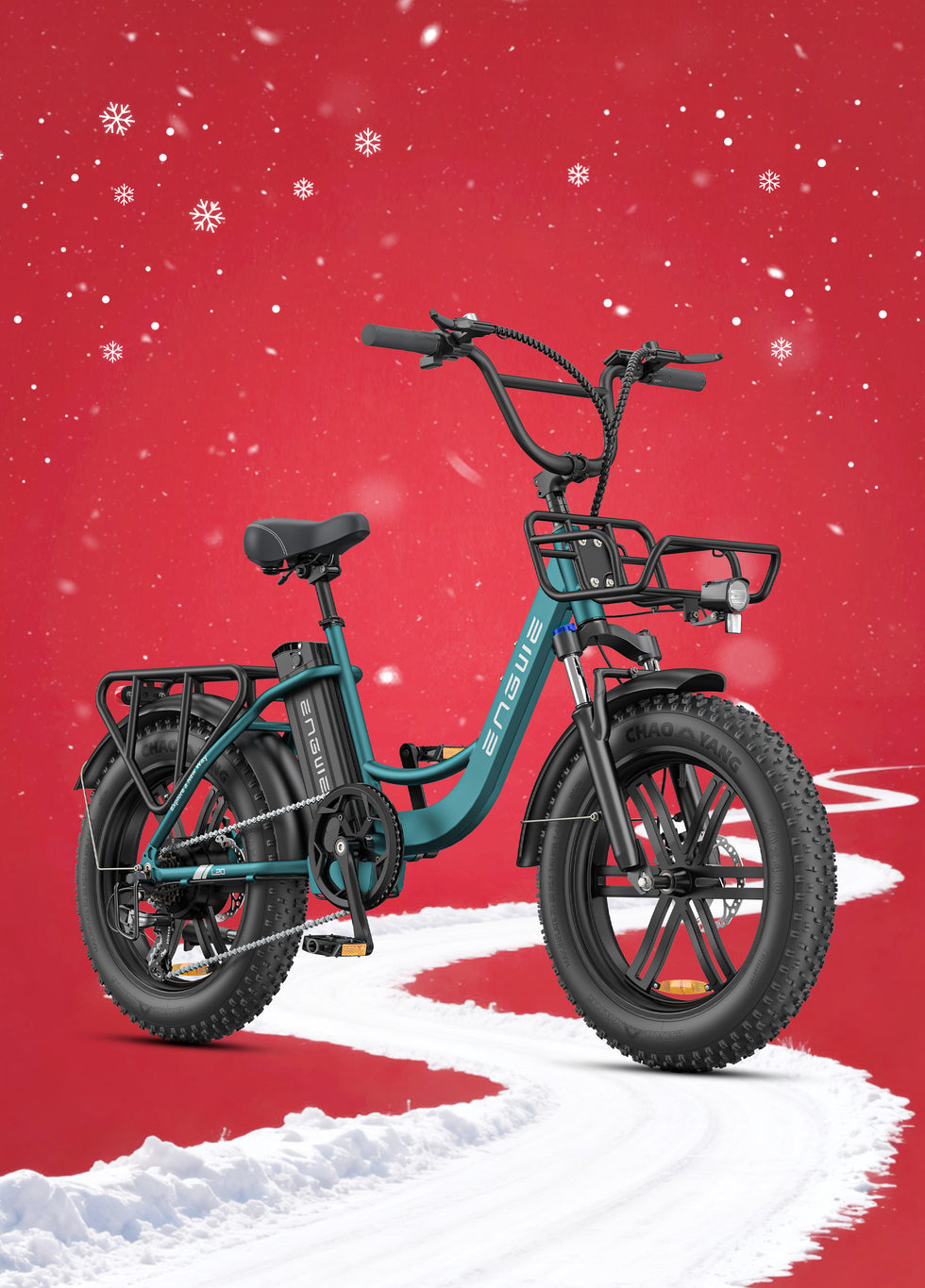
The 20x4.0-inch wide, high-volume fat tires and a front suspension fork absorb bumps and provide excellent grip, turning rough urban paths and all-ground trails into a comfortable ride.
Unbeatable Utility
A sturdy front basket and a balanced, durable rear rack that's over 80cm long and rated to carry twice the weight of average e-bikes carry large loads with ease; it's the ultimate electric utility bike for all your gear.
E-Bike Market Categories: A Comparison
The ENGWE L20 Boost may represent an especially versatile package, but it’s useful to understand the larger market landscape to get a handle on where various e-bikes fit. The comparison in our guide here is to build a sense of these categories and what it means to stride beyond them with a truly versatile model. In general, e-bikes divide into a few classes based on their usage and therefore torque.
Here are some popular types you’ll see:
Lightweight Folding E-Bikes
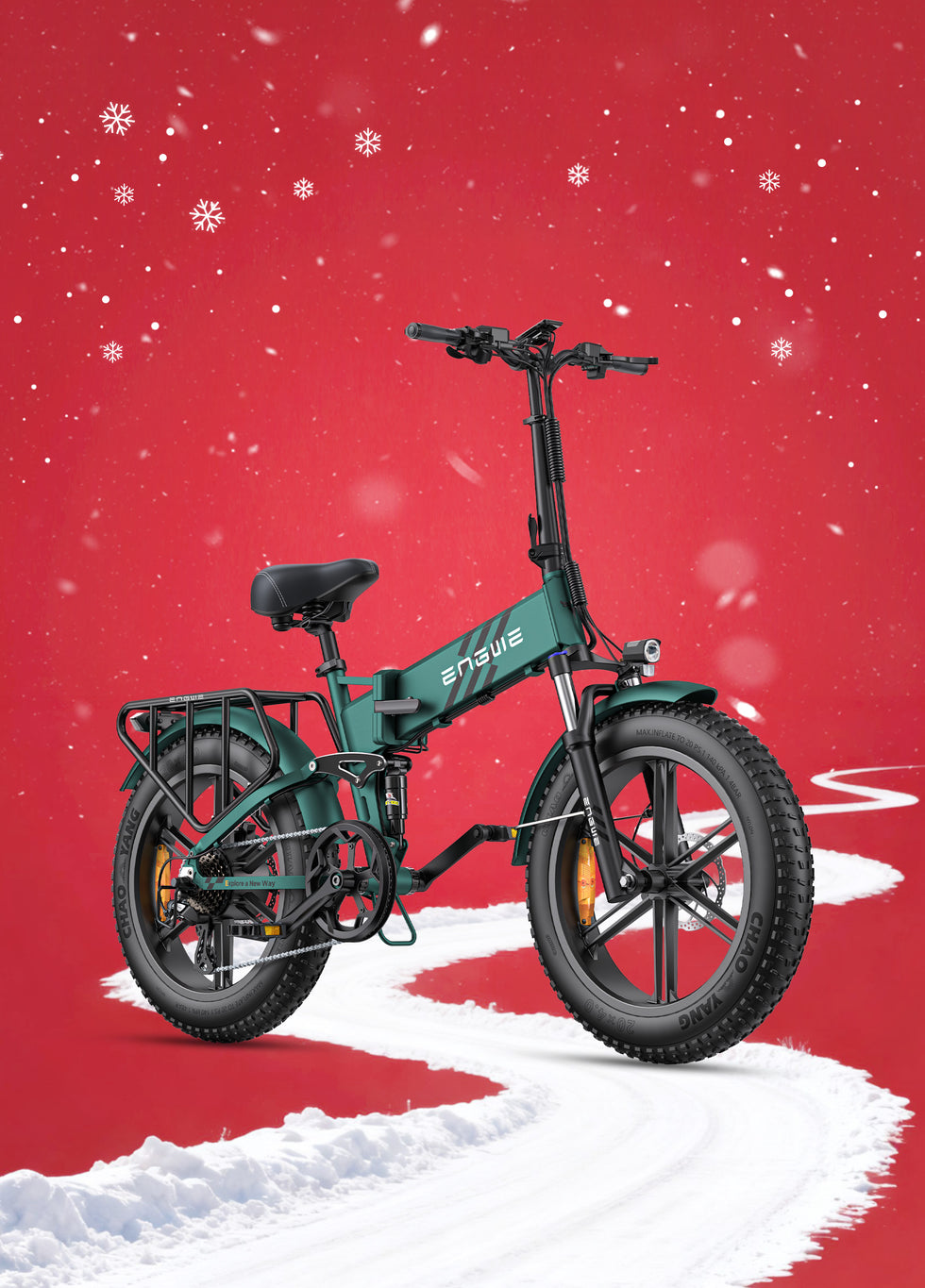
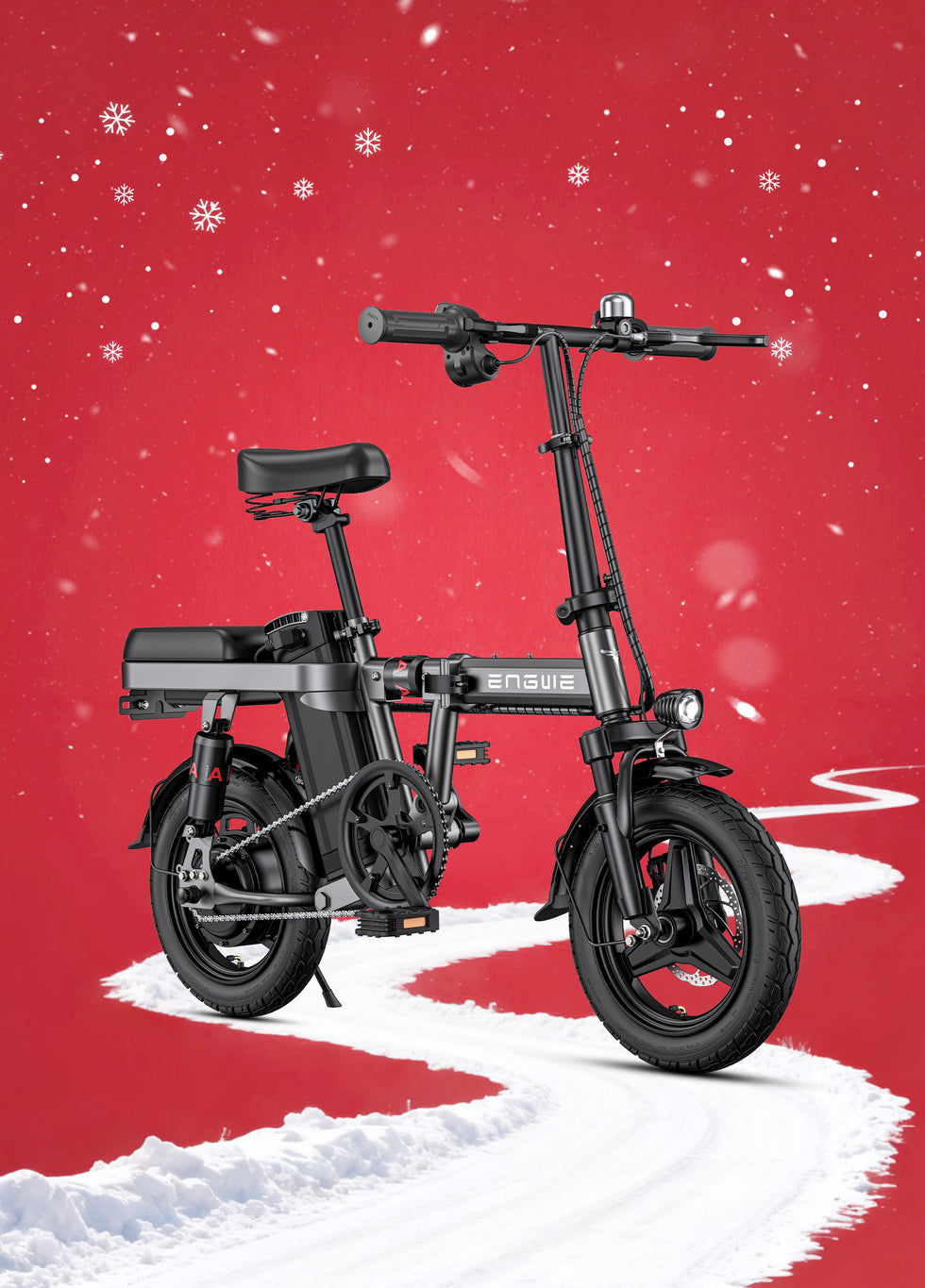
These offer portability and last-mile commuting. They generally have motors with a torque in the 40-50 Nm range. They are designed to be lightweight and easy to carry on public transportation, not for ascending mountaintops.
Hybrid Commuter E-Bikes
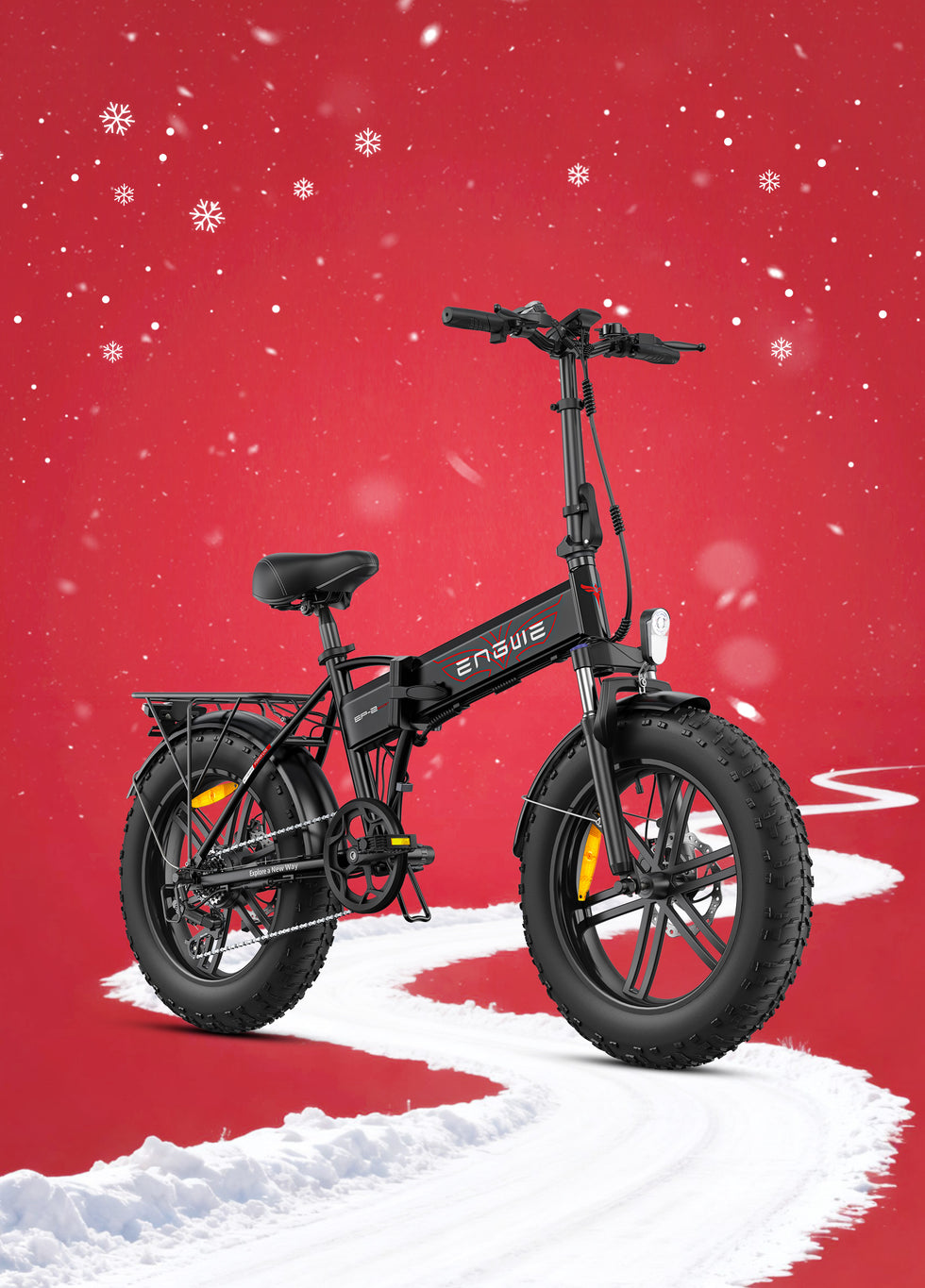
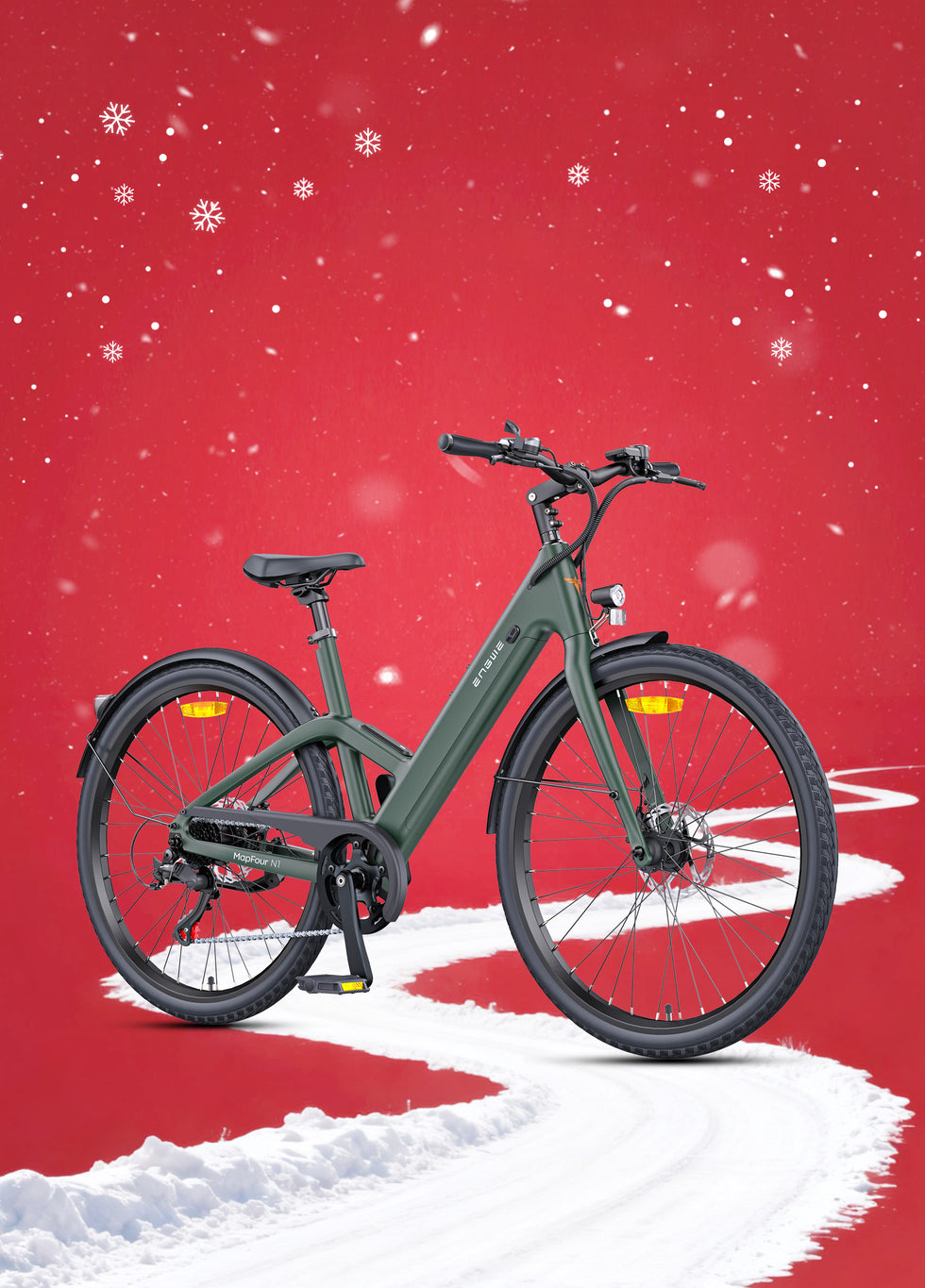
Highly popular. These are balanced bikes, providing 50-70 Nm for positively dealing with city streets and moderate hills. They’re the workhorses of e-bikes, built for reliability in daily use.
Electric Mountain Bikes (eMTBs)
Intended for the most challenging off-road terrain, eMTBs typically come equipped with high-performance motors from brands like Bosch or Brose which are capable of producing 85 Nm of torque or more. They’re made for producing the most power possible on steep, technical climbs.
Tip for Quality: While going into these categories, be aware of the motor brand name. Established manufacturers exhibit dependability and smooth power delivery.

Final Considerations: Your E-Bike Torque Questions Answered
Here are three questions to consider when making your final decision:
Do you want more torque no matter what?
Not necessarily. Too much torque can feel jerky when you’re just cruising around town, and it will drain the battery much faster. The idea is that having the right amount of torque for your realistic riding experience will offer a more efficient and enjoyable ride.
What is the relationship between torque and battery range?
They are significantly related. High torque—especially during regular acceleration and hill climbing—draws more energy from the battery, limiting your total potential range on one charge.
Is there an e-bike out there where I can upgrade the torque?
In general, no. Torque is a core function of the motor. This is not an easily upgradeable part, so choosing the right e-bike from the outset is very important.
Getting the right amount of torque is about striking the right balance on your journey.