
Understanding Your Electric Bike Lease
Considering an electric bike lease? It’s a great way to taste the magic of modern technology and mobility on two wheels without busting your wallet open upfront. This guide is everything you need to know, consider, and to use a lease calculator for working out what your monthly e-bike payments will be. We’ll dissect every important consideration and give you a play-by-play guide to help you cruise through the leasing process in confident control, so you can snatch up the best deal for your new wheels.
Before you can determine the price of your monthly payment, it is important to know the basic elements of an electric bike lease. A lease is, in essence, a long-term rental agreement: You pay to use the e-bike over time. Unlike when you finance a purchase, you're not trying to pay off the whole value of the bike, but only the value it loses while you use it. Understanding the basic jargon is the key to your enlightenment. Get to know this terminology so that the calculator's input fields and final contract will not seem like such a mystery.
What is Leasing?
Consider it a loan of a brand-new e-bike with a predetermined term—usually 24 or 36 months. You pay a monthly payment, and at the end of that period you can either return it, buy it outright, or lease another.
Key Terminology:
MSRP (Manufacturer's Suggested Retail Price) = sticker price. The Residual Value is the projected value of the e-bike at the end of the lease. The Money Factor = the interest rate, in decimal form.
Benefits of Leasing:
This path usually equates to lower monthly payments than buying, letting you ride a higher-end e-bike. You also have the option to upgrade to the latest version every few years, and maintenance is often included under warranty for the duration of a lease.
Cons to Consider:
You don’t earn equity or own the electric bike. Most leases also come with mileage limits, and if you exceed the miles allowed by your lease, fees can be steep. You might also be on the hook for any wear and tear beyond the norm when you return it.
Factors That Determine Your Monthly Payment
The monthly lease payment you pay is no random number; it is derived from a set of crucial financial factors. Learning how these variables affect the overall expense enables you to work them to your advantage. Reducing one or more of these inputs will result in a smaller payment. This step is crucial when budgeting for your new e-bike, as it’ll save you from any surprises. The following is a breakdown of the key factors that determine your payment:
| Variable | Description | Effect on Your Payment |
|---|---|---|
| Capitalized Cost | The price of the e-bike as it's negotiated, much like the MSRP. | A lower capitalized cost lowers your monthly payment directly. |
| Down Payment | The upfront, one-time payment you make at the beginning of a lease. | The more you put down, the less you have to borrow each month. |
| Lease Term | The length of your lease, in months (e.g., 24, 36). | A longer term costs more in total interest but results in lower monthly payments. |
| Residual Value | The value the bike is predicted to be worth at the end of your lease. | A higher residual value means you are paying for less depreciation, resulting in a smaller payment. |
| Money Factor | The financing or interest rate on the lease. | Your payment goes down when you pay a lower money factor, which is typically connected to a strong credit score. |

How to Use an E-Bike Lease Calculator
It is relatively easy to use an e-bike lease calculator once you understand the key components. This tool enables you to explore various scenarios and instantaneously see how one factor, say your down payment, will influence your monthly cost. It's not just about getting a number; it's about finding a payment plan that leaves room in your budget. Here's how to accurately estimate your potential monthly payments and get ready to talk with a leasing company or dealer.
-
Step 1: Get an E-Bike’s Financials Ready
First, pick out your trusty e-bike and locate its suggested retail price (MSRP). This will be used as your Capitalized Cost to begin with.
-
Step 2: Decide How Much You Can Afford
Decide how much you will be contributing as a down payment, based on your initial savings. You can also choose a lease term (say, 24 or 36 months) that makes sense for you.
-
Step 3: Uncover The Lease-Related Numbers
You will have to ask your leasing company for the Residual Value percentage on the specific model and term you selected and, of course, the Money Factor they are applying. Don’t be afraid to ask for these numbers straight up.
-
Step 4: Plug and Play
Input all of that information into an online lease calculator. The prompts should be something like: MSRP/Cap Cost, Down Payment, Term, Residual Value, and Money Factor.
Pro Tip for Savings:
The most important user-operated trick is to set up any number of simulations. Note how a little extra on your down payment lowers the monthly cost. Use that knowledge as your greatest bargaining weapon.
Choosing the Right E-Bike for Your Lease
Selecting the best electric bike for your lease is as critical as calculating the payment. You want a model that’s durable, versatile, and holds its value, as this can result in superior lease terms. Ideally, find a bike that can cover all of your potential needs, from weekday commuting to weekend adventure rides.
The ENGWE EP-2 Boost: A Top Contender

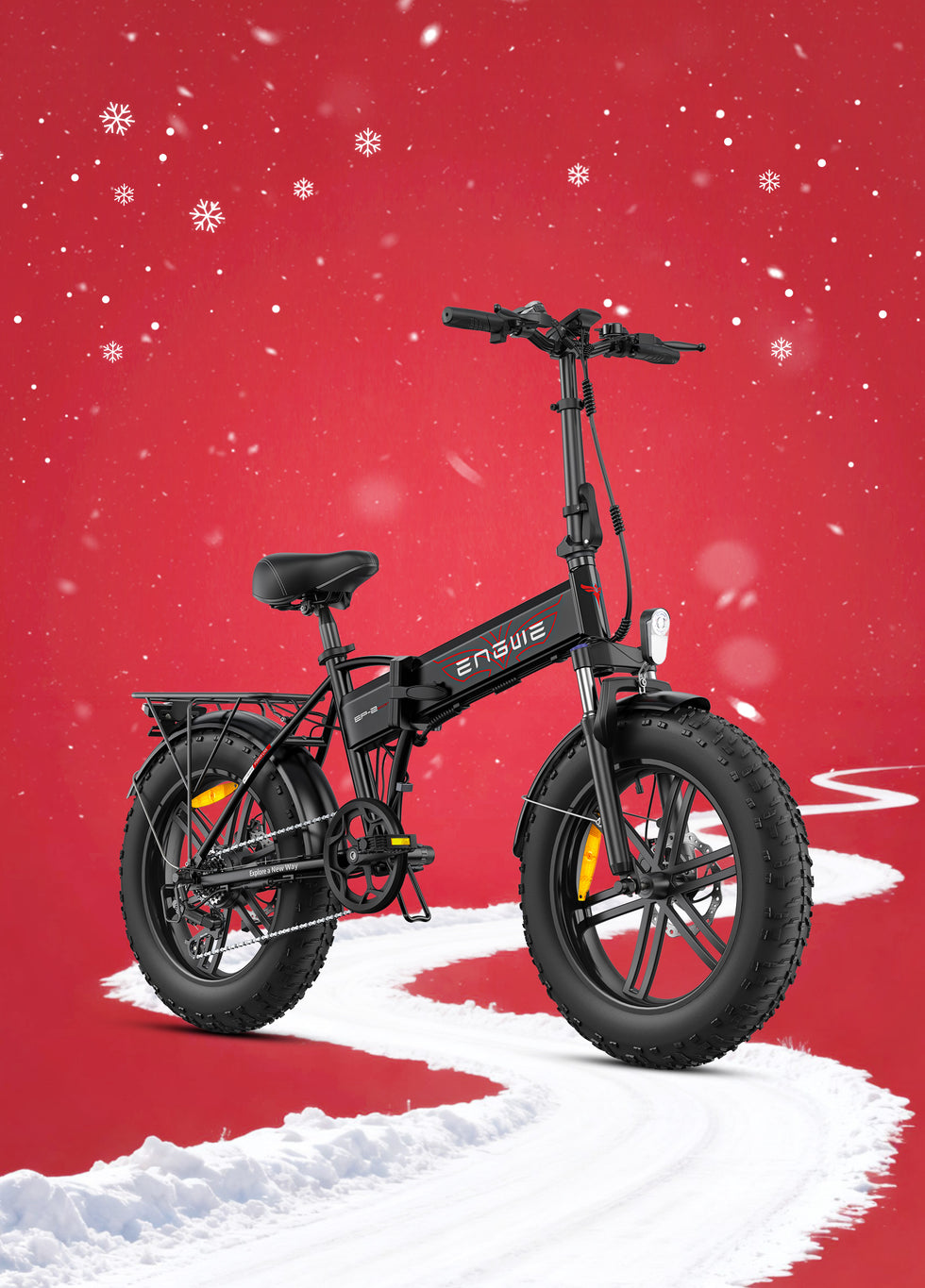
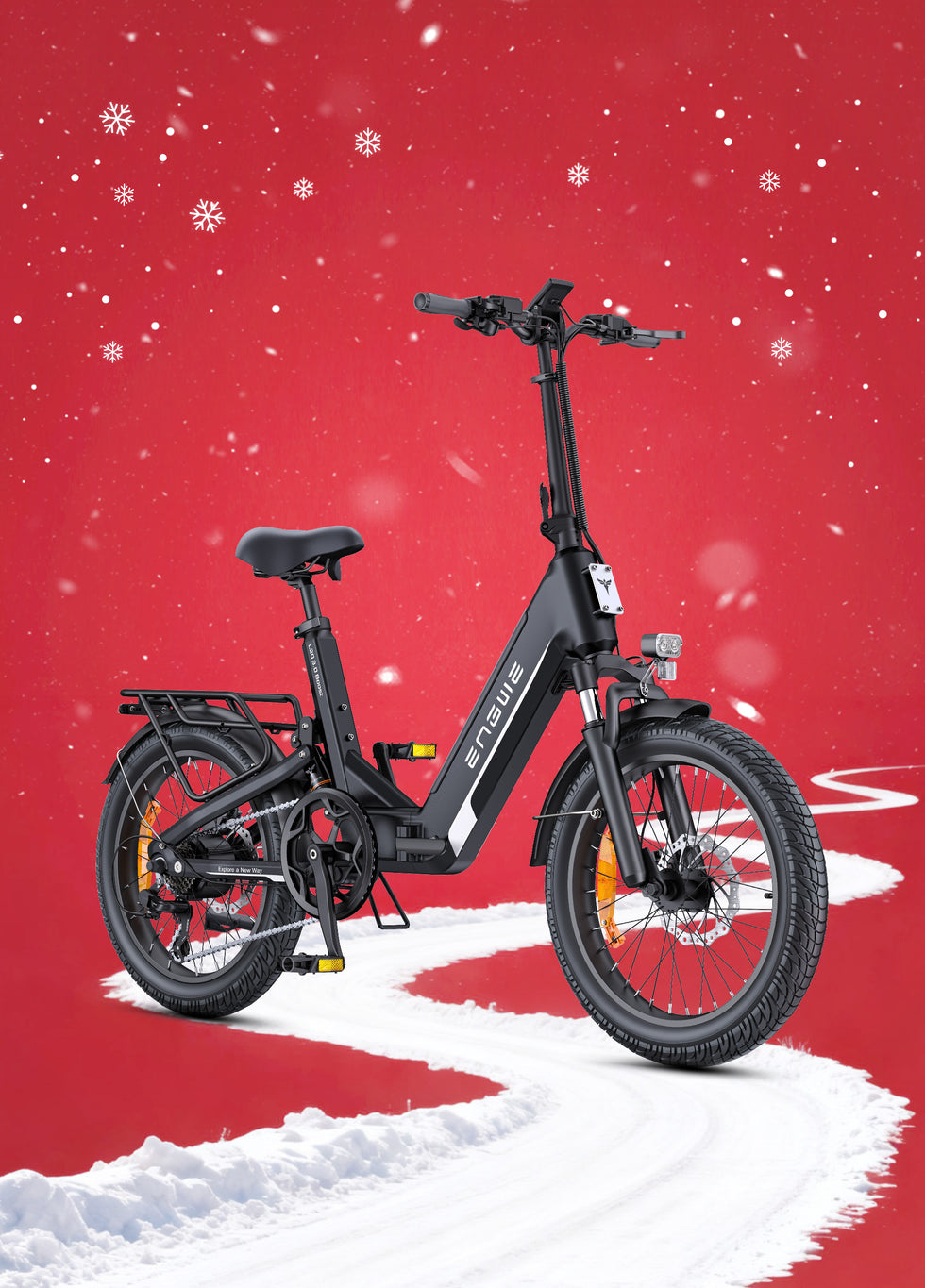
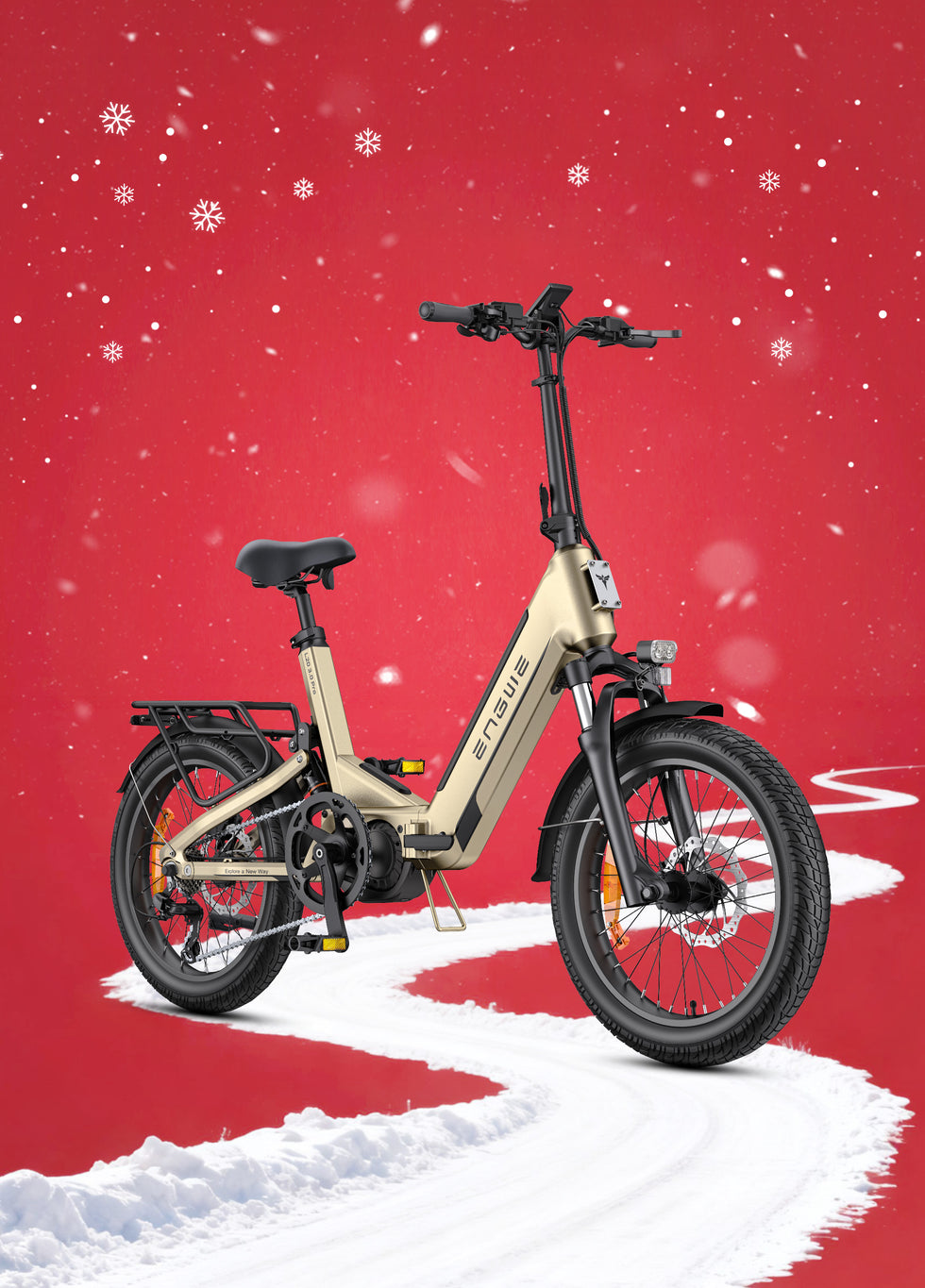
This is where the ENGWE EP-2 Boost comes in handy as an excellent choice. For performance and practicality, it is designed to be the perfect companion for the duration of your lease. Its sturdy construction and quality features are there to give you maximum enjoyment and the best return on investment—definitely worth it.
- All-Terrain Capability: The ENGWE EP-2 Boost comes with huge 20x4.0-inch fat tires on sturdy one-piece wheels. This means you are not restricted to the pavement. You will also have full confidence to ride gravel, sand, or trails with just one bike.
- Smart Power and Performance: Equipped with an intelligent PAS torque sensor, it delivers power on demand for smoother starts and an intuitive ride. Steep hills are where the going gets tough, but that's not a problem with its unique Boost Mode, which puts out 55Nm of torque from the bike’s 250W motor to help you negotiate even the longest and most punishing climbs.
- Long Range & Reliability: Go up to 120 km on a single charge with the 48V 13Ah removable battery, and say goodbye to range anxiety. Plus, a rear Shimano 7-speed drivetrain and 180mm mechanical disc brakes deliver reliable control.
- Innovative Design for Modern Life: Its folding design is ideal for an apartment or a car. At 150 kg (330 lb) max load, it's also not a bad hauler for your groceries or gear.

And as the e-bike category balloons, there’s also an onslaught of standout options for just about every niche market available. To be sure of what you’re looking for and to decide which type of electric bike is best for you, explore various electric bike reviews. Your decision should be based on your lifestyle. If you live in a densely packed city, for example, a heavy-duty mountain bike can be more cumbersome than an agile commuter. Think about what the primary use of your e-bike will be before you begin getting lease quotes.
Urban Commuter E-Bikes:
Those made by brands like Aventon typically come with built-in lights, fenders, and racks. They're built for efficiency and comfort with an upright riding position and practical features like centrally located controls, making them ideal for city riding.
Folding E-Bikes:
If you don’t have a ton of space to store your bike or have a multi-modal commute (e.g., combining a train ride with cycling), a folding e-bike from somewhere like Lectric can be life-changing. They are built for portability, and while they might lack some features of larger e-bikes, they offer easy access to essential functions.
Cruiser and Comfort E-Bikes:
If you want a casual cruise or prefer a smooth, easy ride, consider cruiser-style e-bikes. These come with wide, cushy saddles and swept-back handlebars, and they’re designed for riding pleasure more than pure speed.
Cargo & Utility E-Bikes:
Rad Power Bikes is known for its cargo models. These are the workhorses of the e-bike world, featuring stretched frames and high weight capacities to haul everything from groceries to children.

Frequently Asked Questions
What is a good money factor on an e-bike lease?
A low money factor is best. It is simply the APR divided by 2400. Aim for a number that corresponds to a competitive interest rate based on your credit profile.
Can you get an e-bike on lease with bad credit?
It might be more difficult, but some lenders do provide options for people with less-than-perfect credit. But you will pay a surcharge in the form of a higher money factor (or interest rate) and possibly need to make a down payment.
What are common end-of-lease charges I should know about?
Just be aware that you could face fees for exceeding your mileage allowance, charges for excessive wear and tear beyond normal use, as well as a disposition fee if you decide to return the electric bike and not lease another one.
Now armed with these tools and information, you’re ready to calculate your payments and discover the ideal e-bike lease for your ride.