
The Rise of Torque Sensor Fat Tire E-Bikes
Introducing the optimal compromise between unrivaled all-terrain capabilities and a user-friendly control system — fat tire electric bicycles with torque sensors. This type of engine does not redistribute power based on ascended wheel rotation but your actual power input. The outcoming operation provides the sensation that driving an e-bike under power assistance is an organic extension of your strength. Read the presented ranking of the best-selling products: analyze the vital principles of technology and distinguish the ranking of top available items to obtain the ideal electric bike for ultimate ease and seductiveness on all tracks.
The most impactful benefit of owning an e-bike with a torque sensor is the responsive, natural, and more advanced motor assistance. The technology is an enormous leap forward from the more common cadence sensor, which, at best, is aware of whether or not the pedals turn. A torque sensor is responsible for sensing how hard you are pushing the pedals and adjusting the amount of motor output appropriately. It creates a connection between rider and machine that is ostensibly reliant on mental abilities and which is crucial on the weightier, more potent fat bike wheels. The specific advantages must be clarified:
Intuitive and stable power
When you pedal harder on a slope, the motor reacts instantly by providing more power. Likewise, a light pedal on a plane may merely be making your life easy.
Battery efficiency is excellent
The system will not waste power if it meets the basic requirements. This frequently results in a considerably greater traveling range per charge than that offered by a cadence-based system, allowing for more authentic experiences.
Predictable grip and safety
You have much more control over the force; there are no jerky surprises when driving in difficult places because of the steady and predictable power delivery.
An enjoyable exercise
You receive more power assistance the harder you pedal; this makes the ride more engaging.
Anatomy of a Top-Tier Fat Tire E-Bike
The other core components of a top-tier fat tire e-bike raise questions in and of themselves. A great bike is a sum of its parts, and the following core ingredients verify a bike’s potential delivery system, durability, and endurance. The list of matters holds the same relevance and criticalness. The quality of parts does not only affect the experience or performance metrics but how long they will last while being in use. The main core components to be evaluated:
Motor and drivetrain
- Power Rating: While inquiring about the engine type, consider other factors like nominal and peak. It must match the type of terrain of your trips.
- Drivetrain Quality: Get to know the manufacturer of the shifters and gears: trustworthy companies ensure smooth transitions.
Battery and range
- Capacity: Evaluate the batteries in measures of Watt-hours: the number must be higher for a more extended unplugged duration.
- Cell Quality: You’re better off buying batteries from a manufacturer who purchases cells from recognizable producers.
- Removability: Since you will charge the battery on separate occasions, it must be removable from the chassis.
Chassis and safety components
- Brakes: Hydraulic disc brakes perform better for their stopping strength and are irreplaceable considering the fat tire models’ weight.
- Suspension: Considering that the majority of electric bikes weigh over ten lbs, a front suspension fork won’t be superfluous.
- Frame Build: Buy products with apparently well-welded and solid frames to ensure the remaining parts’ stability.
Key considerations: motor type – hub-drive versus mid-drive; battery voltage, with 48V being a common standard for good power delivery; tire width – 4.0 inches is standard for fat tires since wider tires provide better floatation on soft surfaces and stability; frame geometry – step-thru versus step-over frames. According to the source, mid-drives often offer better balance and hill-climbing torque in comparison to hub-drives. The higher voltage delivers more efficient power transfer. Additionally, step-thru frames are more comfortable to access, whereas the step-over frame provides more rigidity.
Ranking the Best Fat Tire E-Bikes with Torque Sensors
While the array of possibilities available in the market can be overwhelming, a handful of models consistently rated at the top of the industry for a combination of performance, features, and build quality. These bikes are synonymous with high-torque motors and high-capacity batteries incorporating a sophisticated torque sensor, allowing for a wide range of uses, from rugged trail navigation to effortless commuting. Be sure to familiarize yourself with the models praised for thoughtful design and superb engineering as you explore the market.
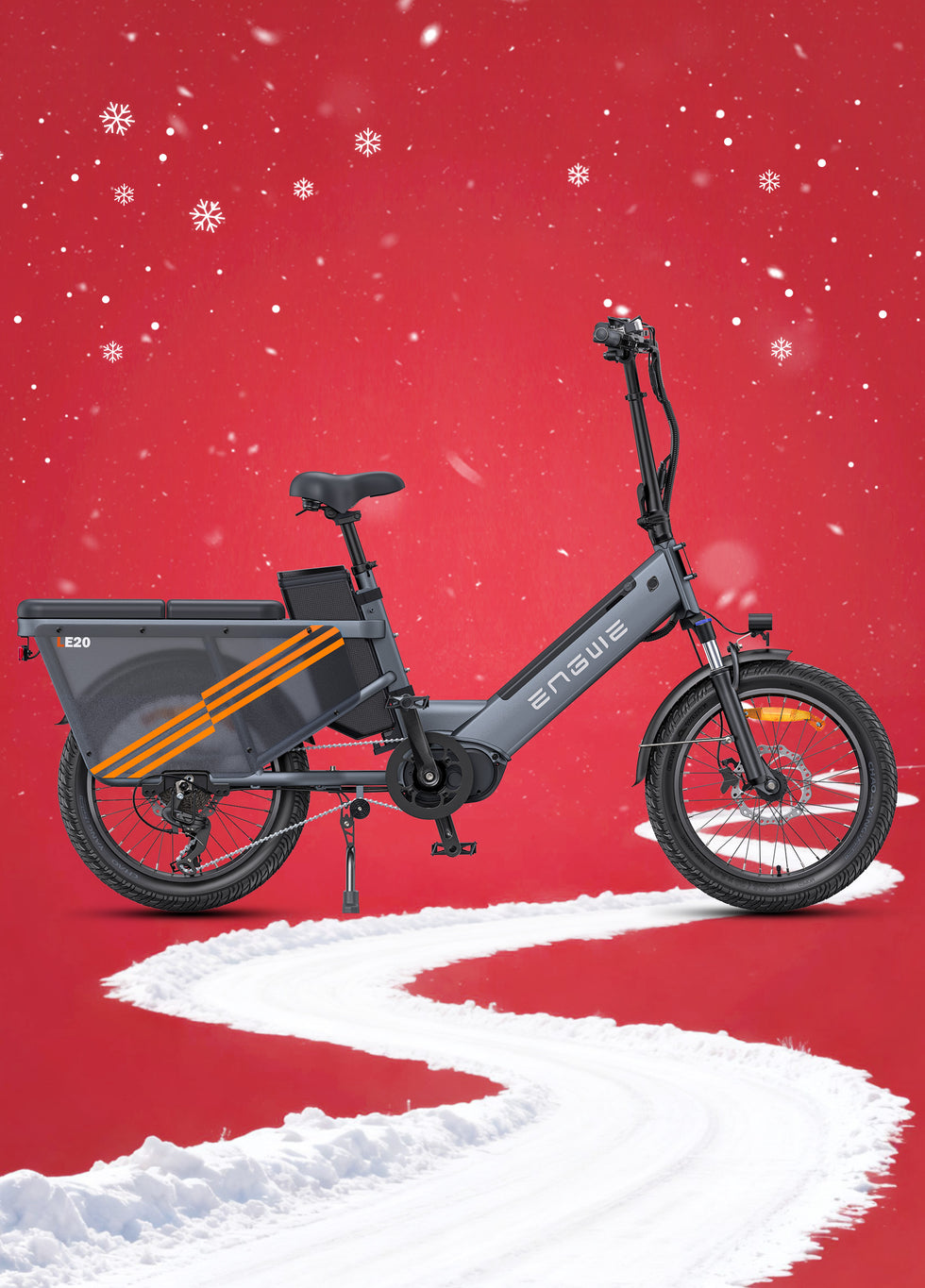
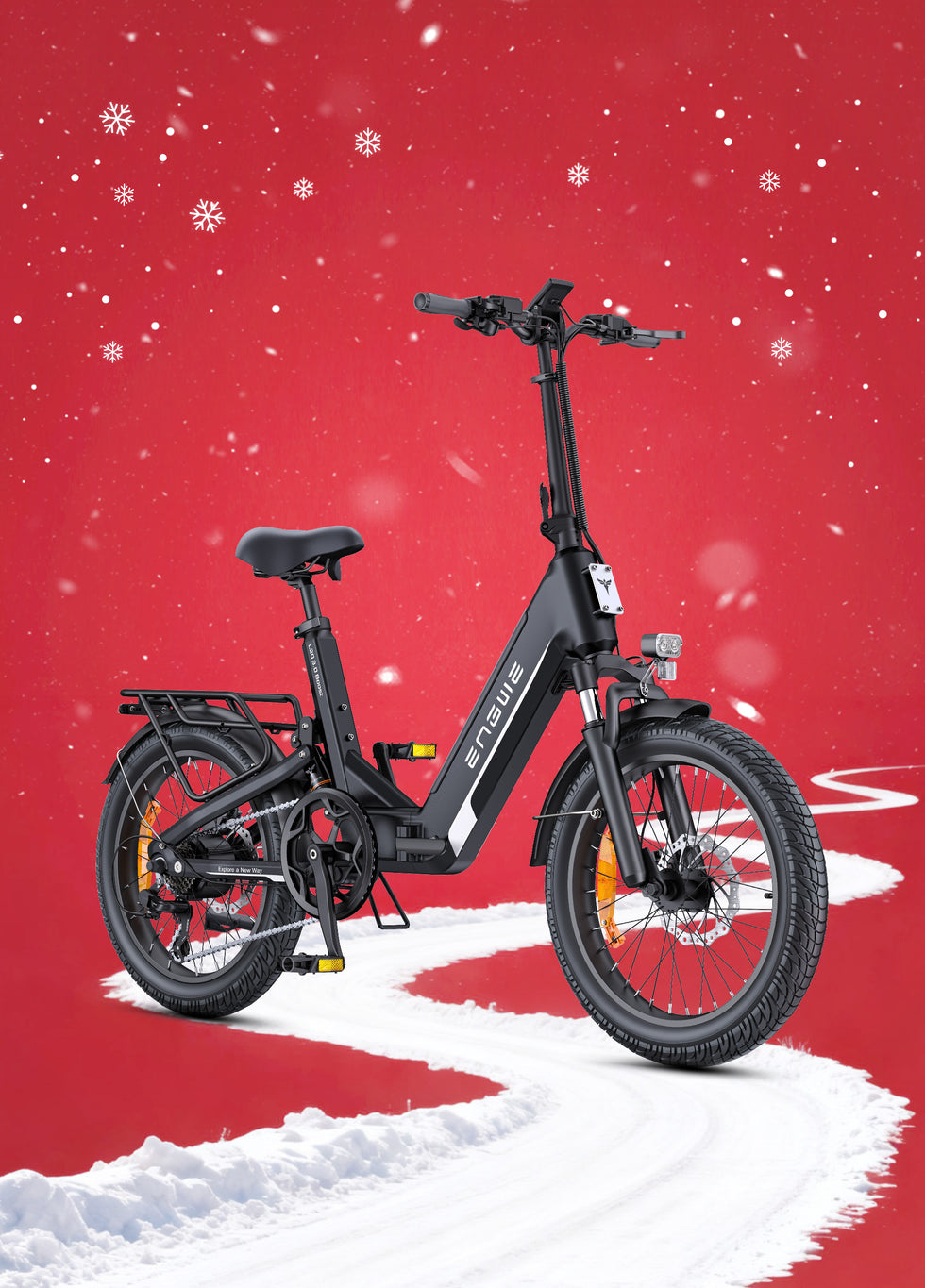
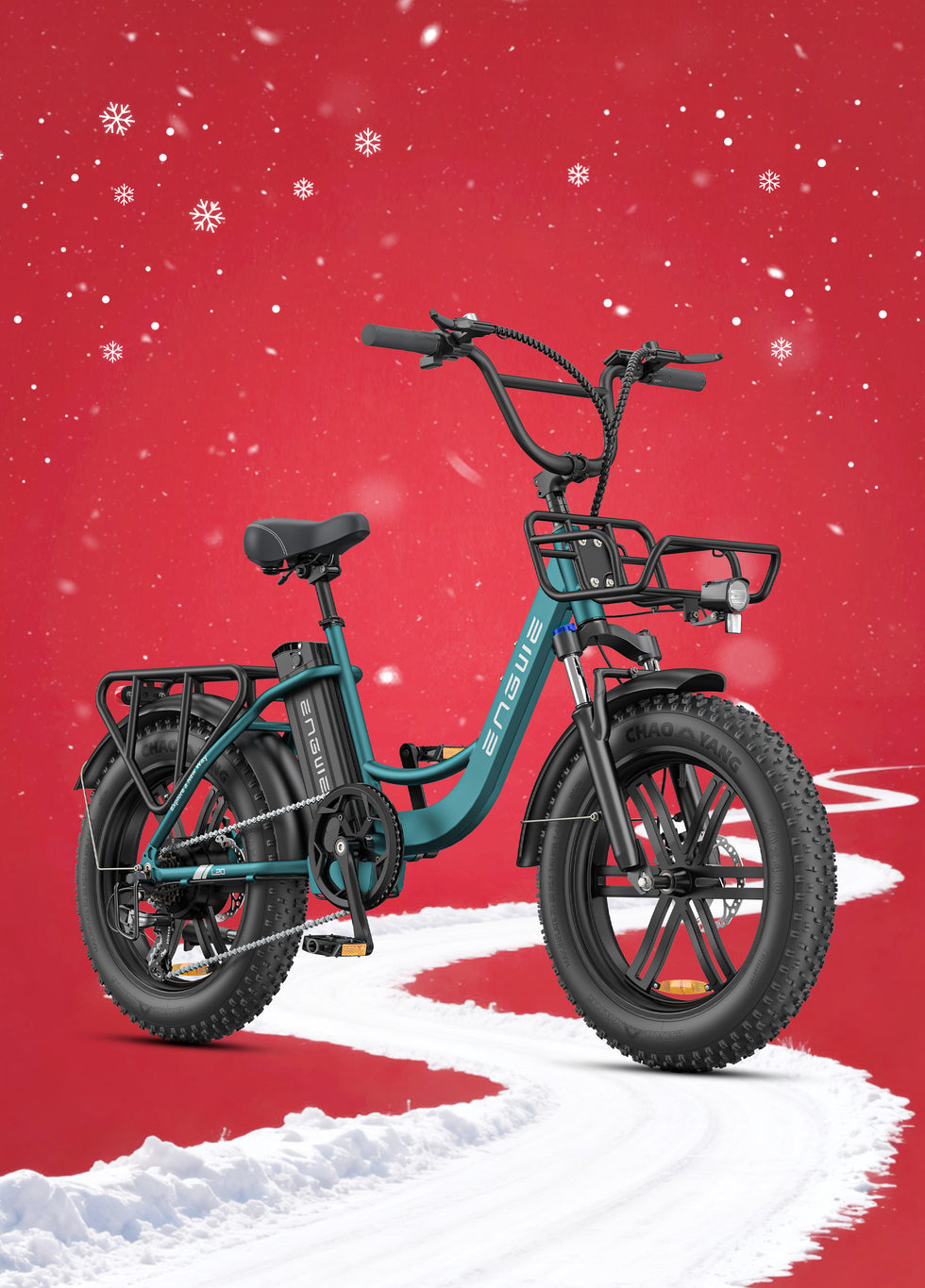
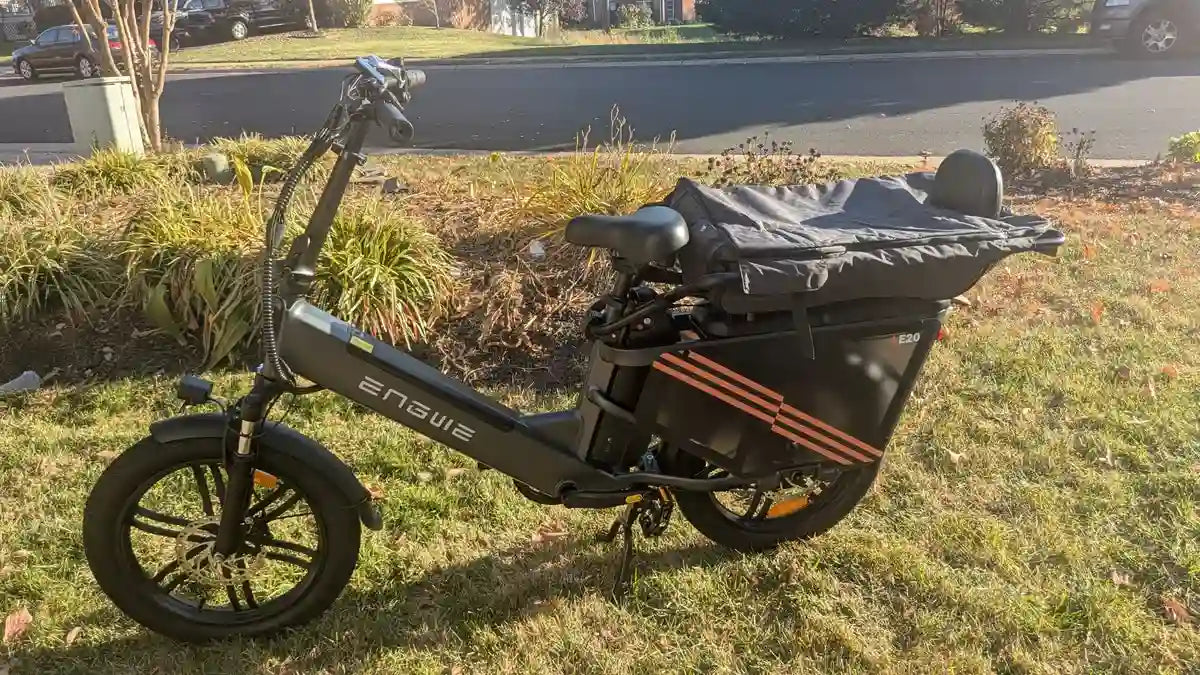
ENGWE L20
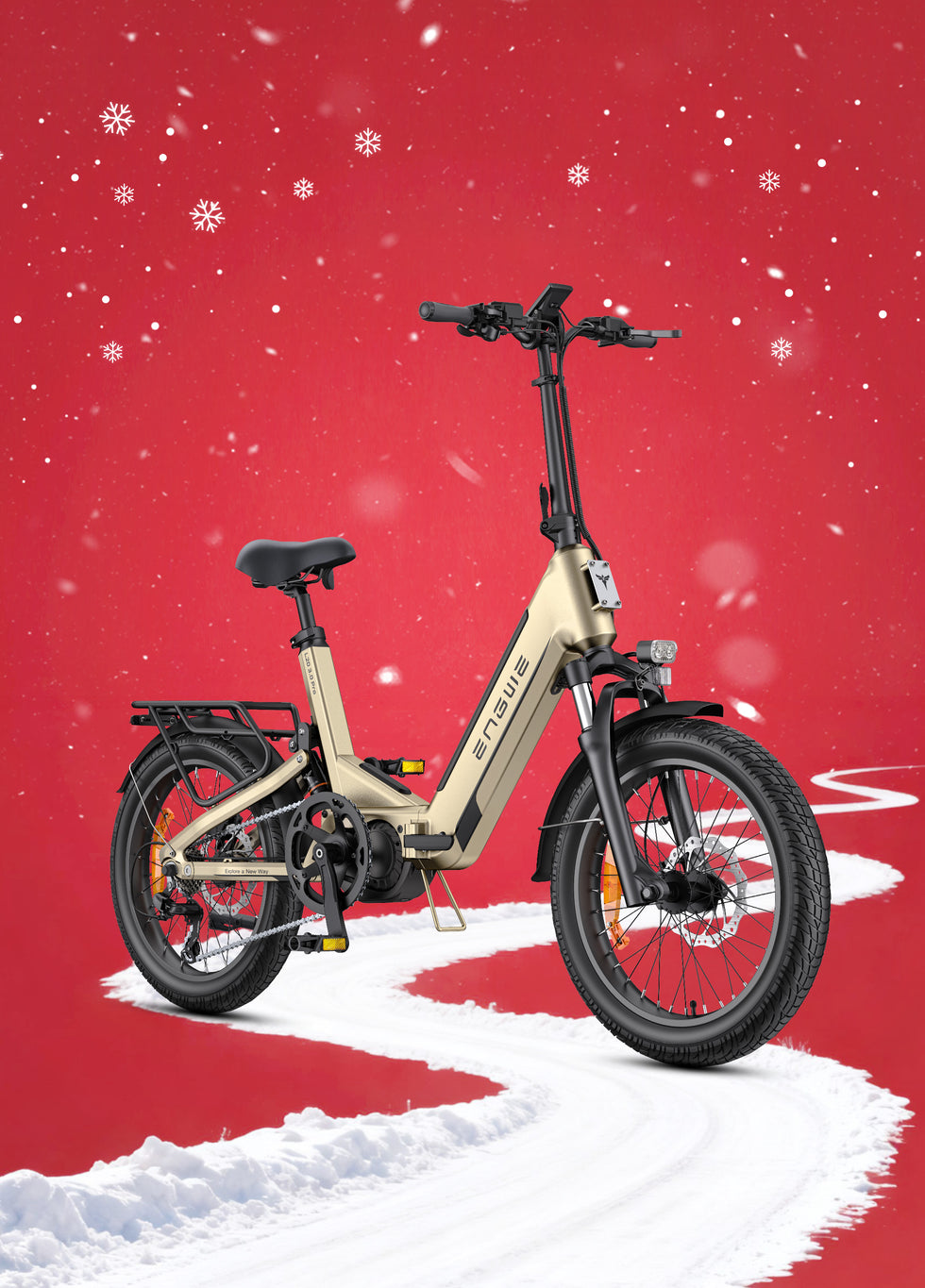
The ENGWE L20 is one of the most advanced electric fat bikes available, combining unrivaled power, accessibility and state-of-the-art technology. The bike boasts a cutting-edge torque sensor that provides a smooth, responsive ride that makes you feel at one with the bike. The motor is powerful enough to negotiate the most challenging inclines and rugged terrains several times. The step-thru frame is extremely user-friendly, making mounting and dismounting a breeze. The high-quality 20×4” fat tires are among the best in the industry, making them perfect for both off-road adventures and utilitarian use. The long-range battery makes the L20 one of the most versatile and accessible powerhouses on the market. ENGWE’s commitment to quality assures the buyer that this electric bike is the top choice for those desiring the greatest performance.

Aventon Aventure.2
This model is known for its slick design and integrated features, offering a powerful motor with a torque sensor and built-in turn signals for city safety.
Rad Power Bikes RadRover 6 Plus
One of the most popular fat tire electric bikes, this model is one of the top in the industry after the inclusion of a torque sensor which substantially aids steerability. As a reputable brand, the RadRover is generally trustworthy and safe to buy.
Himiway Cobra Pro
An extraordinary suspension electric fat tire bike designed for comfort on even the most difficult off-road paths. The four-bar linkage full-suspension system is included for the most demanding impacts alongside a high-torque mid-drive motor and a torque sensor.
| Model | Key Feature | Motor Type | Best For |
|---|---|---|---|
| ENGWE L20 | Step-thru frame, long-range battery | Powerful Hub Motor | Versatility and accessibility |
| Aventon Aventure.2 | Integrated turn signals, slick design | Powerful Hub Motor | Urban commuting and safety |
| Rad Power Bikes RadRover 6 Plus | Reputable brand, improved steerability | Geared Hub Motor | All-around reliable performance |
| Himiway Cobra Pro | Four-bar full suspension system | High-Torque Mid-Drive | Demanding off-road trails |
Maximizing Performance and Longevity
Getting the most out of your high-performance electric bike while protecting it is done via adequate riding habits and regular maintenance. A torque-sensor e-bike, for example, behaves differently than a cadence e-bike, and understanding the difference and how it works can improve both your fun and the bike’s efficiency. Moreover, with easy, regular maintenance to prevent blowout expenses, your equipment will still be able to handle your next trip.
Some of the pro riding ergonomics for increased efficiency include:
Feather the Pedals
Use subtle pedal pressure changes to control your speed more tightly, particularly at low speeds.
Start in an Easy Gear
Starting in a lower gear is also easier on your motor and drivetrain and provides a smooth start.
Match Gears to Terrain
Regularly changing gears helps to maintain an optimal pedaling cadence. This enables the motor to work more efficiently.
Key maintenance and money-saving guidelines include:
Monitor Tire Pressure
Checking your tire’s pressure is the most straightforward way to improve your efficiency. Overall, check tire pressure on a weekly basis. Fat tires utilize much lower pressures than road tires, so invest in a low-pressure gauge to check your tires.
Battery Health is Wealth
Try not to leave the battery completely charged nor run completely dry for extended periods. For long-term storage, maintain a 40-80 percent charge and keep it cold.
Keep It Clean
A clean drivetrain runs more efficiently, and its components will last longer. Therefore, clean and oil with proper lubricants on a regular basis.

Finding Your Perfect Ride: Use Cases and FAQ
Ultimately, choosing the right fat tire e-bike means finding the bike that matches your needs and lifestyle more closely. Whether you ride to work and back daily, attack the trails on the weekends, or simply prefer a more relaxed style, there is a model designed to thrive in your surroundings. By determining your most common use case, you can choose between cargo capacity, suspension travel, or frame style and purchase a bike that not only does well but also fits perfectly into your life. The most suitable features for some popular applications are:
For the all-weather urban commuter
Integrated fenders: road spray is the enemy of daily cyclists. A rear rack: always useful. Front and rear integrated headlights and taillights: on every electric bicycle. Look for step-thru frames: although not sporty, they’re more comfortable in the city.
For the dedicated off-roadist
A good-quality suspension fork or full suspension, aggressive tire tread, and engine power: we recommend at least a 750W motor, mainly uphill. Look for more durable frames tuned to the trail and sturdy hydraulic brakes with large rotors.
For the recreational rider and weekend explorer
A cushy saddle and more upright position and range from everyday paths to gravel roads on the battery. Look for versatile bikes that are equally comfortable and competent on unfamiliar terrain.
Q: Can a torque sensor help save weight or cost?
A: The torque sensor improves overall performance, which means you can use a lower-cost battery, and your e-bike could weigh less while counting down your average speed.
Q: Are fat tire e-bikes difficult to pedal without assistance?
A: Yes, fat tire e-bikes are difficult to pedal without assistance because of their weight and the friction of their tires. Nevertheless, the torque sensor accomplishes that even the lowest level of help does anything meaningful and helpful in terms of efficiency.
Q: How does terrain affect the battery range?
A: Hilly terrain or softer ground such as sand or snow, as well as fierce headwinds, considerably decrease your range because they require the engine to work harder. Battery range estimates on the internet are often predicated on perfect riding in ideal, flat conditions.
Without a doubt, acquiring the perfect fat tire electric bike with a torque sensor will transform your rides.