
The Future of E-MTB: A 2025 Buyer's Guide
The electric mountain bike world is changing faster than ever before and the power, range and technology on offer by 2025 are set to be vastly improved. The right E-MTB can bring you to new places and redefine your riding experience. This guide filters through the noise, and evaluates its top contenders by deconstructing the five most important dimensions you need to think about. We will cover a top all-terrain adventurer, motor systems, frame technology and simple buying tactics.
Our Top Pick for 2025: ENGWE Engine Pro 2.0
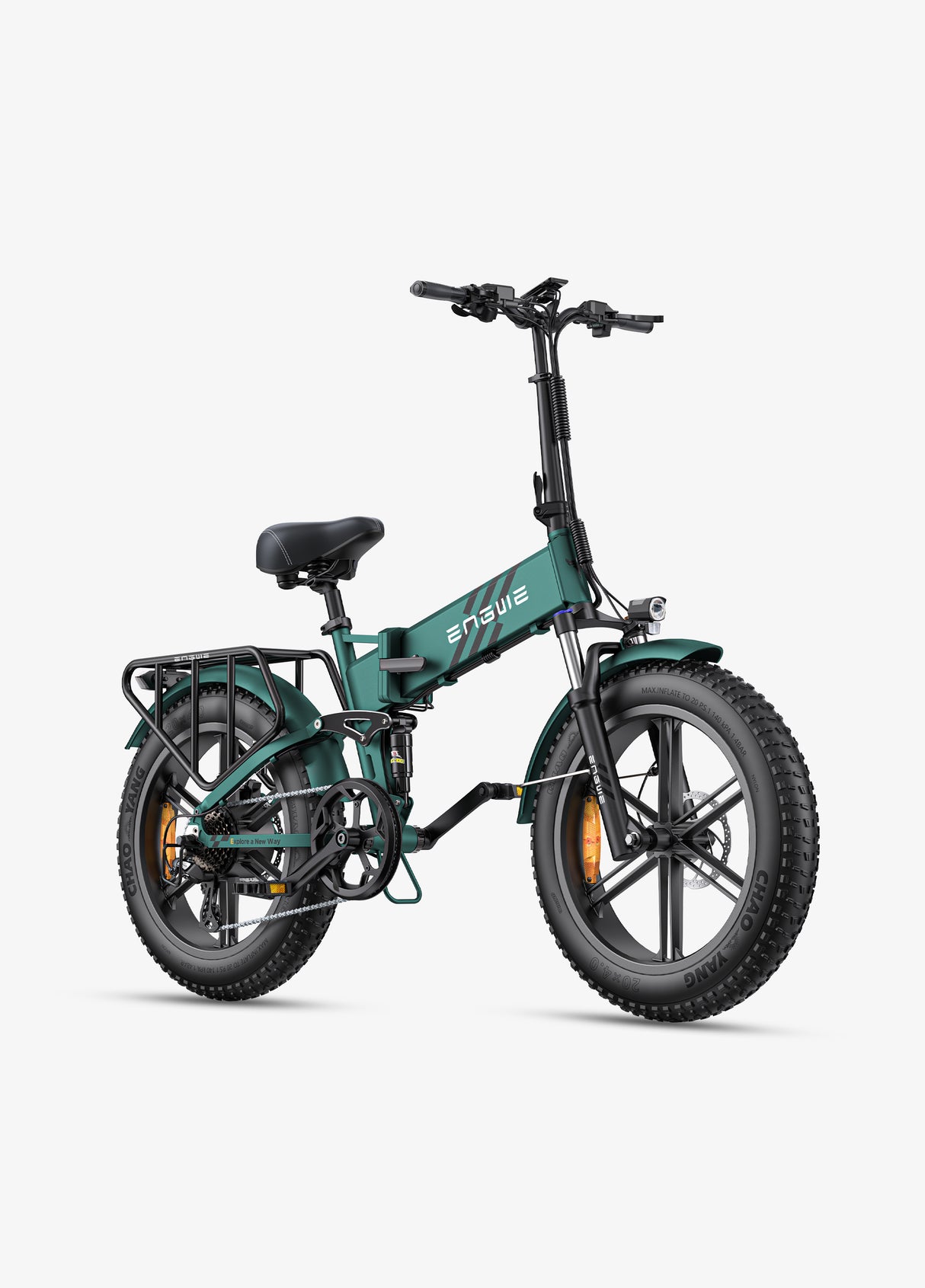
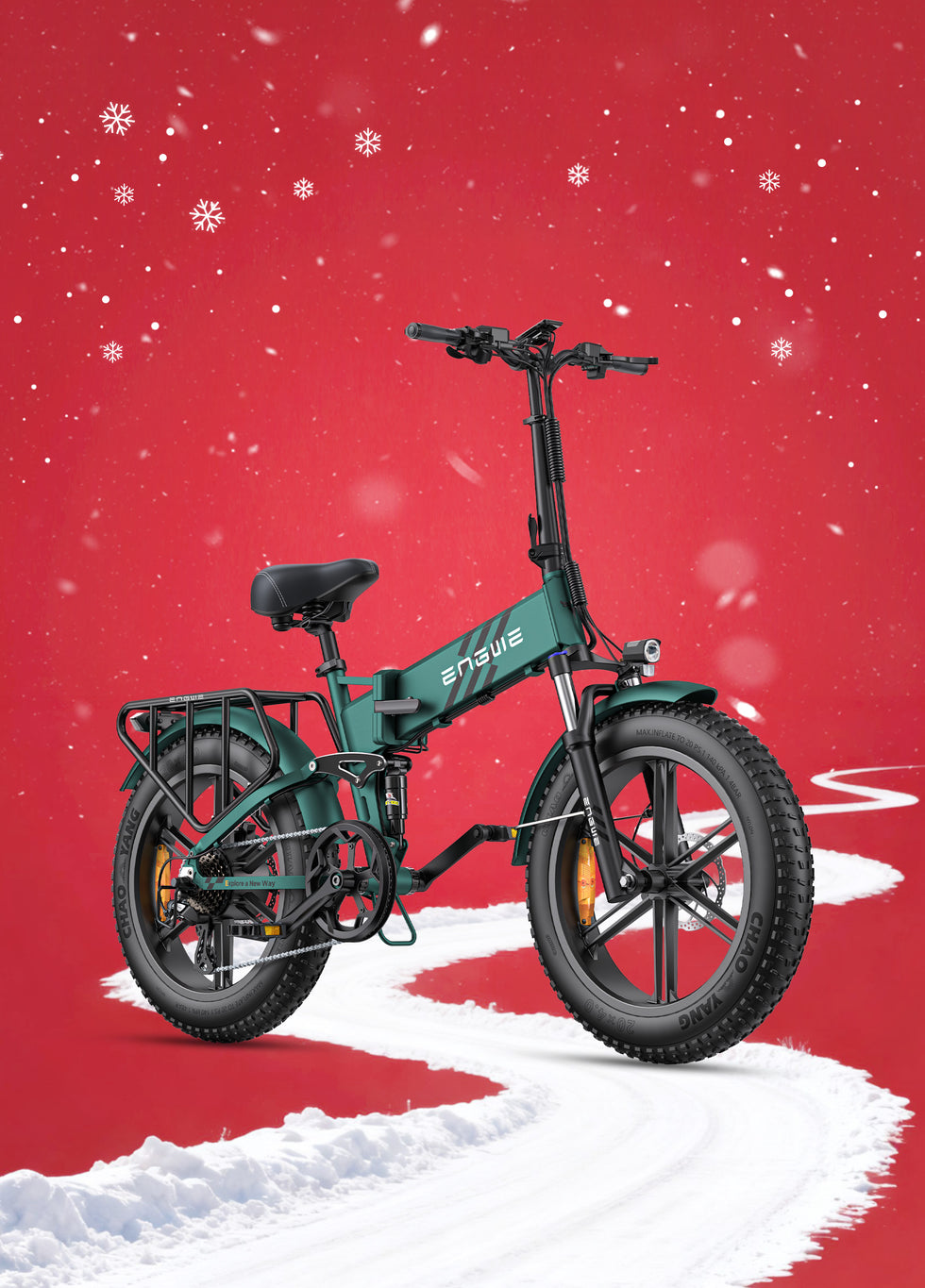
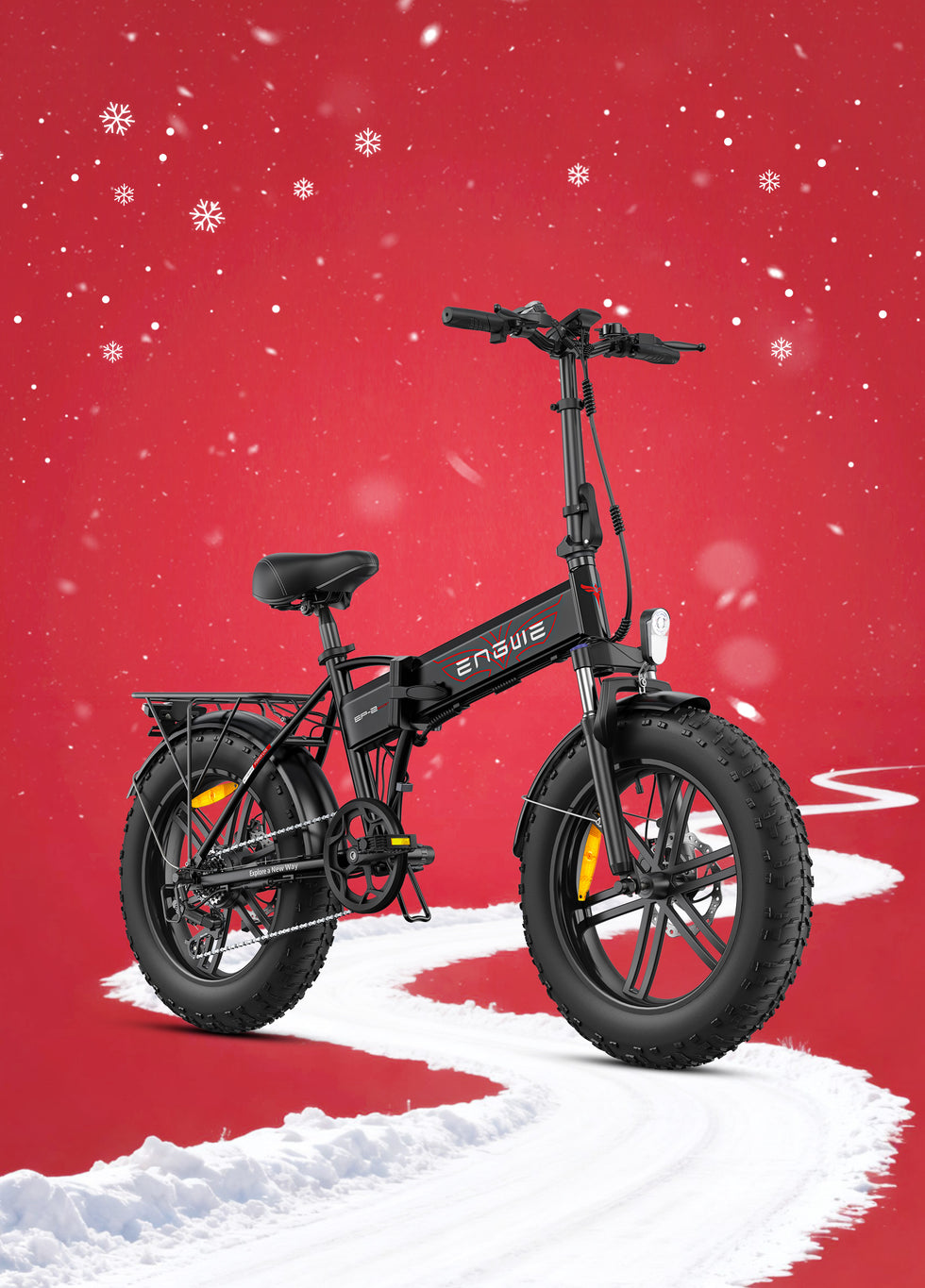
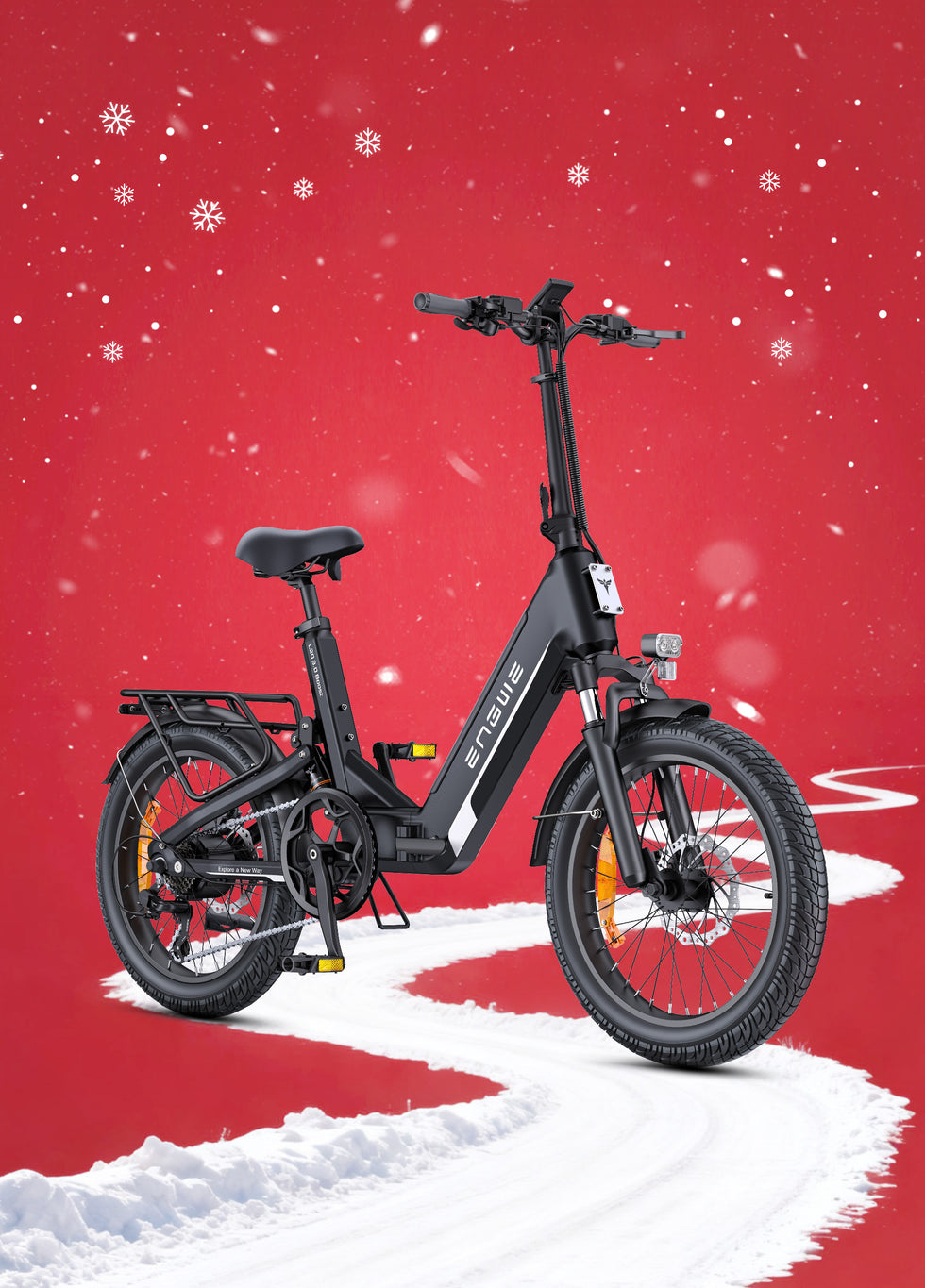
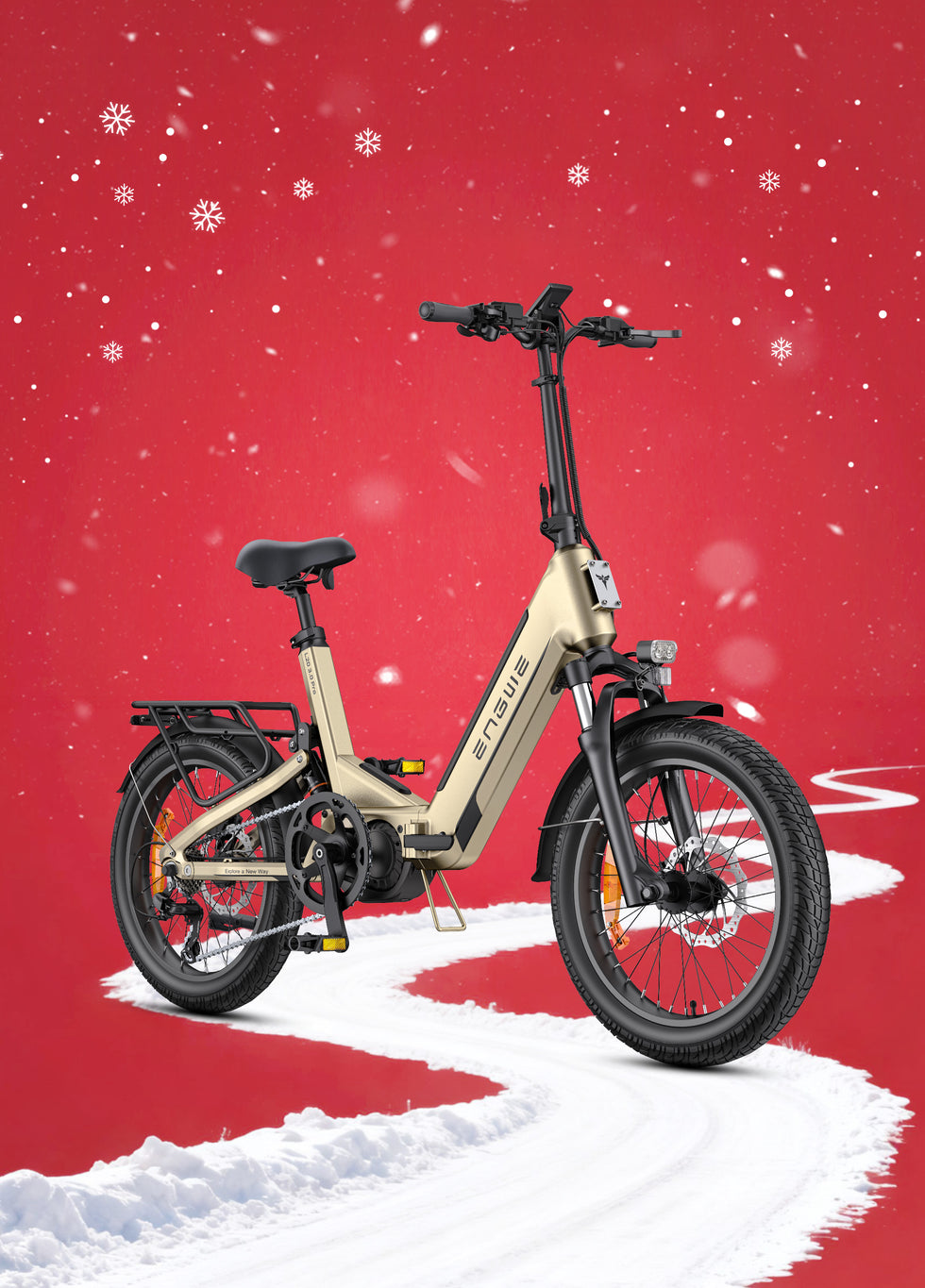
For 2025, we have our most recommended model especially for those riders wanting a versatile and tough adventure buddy and that's the ENGWE Engine Pro 2.0. Not only a mode of transport but also your space to escape, this Electric Bike is for any professionals who are usually stuck in traffic. Its design is all about tough durability and function, so if you are stepping off the beaten track, this will be a great option. The 75Nm high torque performance motor provides a huge amount of low-end grunt so you can power up even the toughest hills with ease. What really stands out is the full suspension system that can filter 87% of shock to ensure a smooth and comfortable driving experience. Some of the features that contribute to a better riding experience are:

-
Instant Power Delivery
A high-end torque sensor gives zero delay, perfectly providing you with an organic experience or lazy start the second you put pressure on the pedals.
-
Accurate Gear Shifting
With a new Shimano Altus 8-speed drivetrain and smooth-operating shifters, it’s easier than ever to find the perfect gear for any ride, every time.
-
Extended Adventures
The high-capacity 16Ah lithium-ion battery takes the Q140 up to a maximum of about 110 km (from full charge), so you fret less over running out before the day’s trail unravelled.
-
More Stopping Power
Hydraulic disc brakes provide unparalleled stopping power and reliability, no matter the terrain or conditions – which is a must for mountain biking.
-
Ultimate Convenience
The frame collapses effortlessly in just 10 seconds for easy storage and transport, proving that high performance can also play nice with practical.
Understanding the Core: Motor and Battery
Plan what’s most important to you. Understanding what the heart or the powerhouse of an e-MTB is, is important! The motor and battery are the heart of an electric mountain bike; they greatly affect the frame’s performance, the general feel and assist range. So when looking into these systems, you should consider how they fit your expected riding. A high-watt motor is excellent for helping you up those steep inclines, but battery efficiency is crucial off-road. Consider these points:
-
Motor Type
Mid-drive motors are steady, efficient, and high-power. Because they sit in the wheel’s hub, hub-drive motors are usually affordable; however, they can affect how balanced your bike feels.
-
Torque
This is the rotational force that lets you accelerate and climb hills, and it’s measured in Newton-meters (Nm). For intense mountain-biking experiences, you want a motor with 70Nm of torque or higher.
-
Battery Capacity
Rated in Watt-hours (Wh), this is the most significant stat in assessing range. A greater Wh figure equals more energy storage and thus a potentially longer range.
-
Sensor Type
With torque sensors, you do the pedaling (similar to a normal bike) and it matches how hard you pedal, providing a natural feel. Cadence sensors just notice that you are pedaling and give a pre-set level of assistance, a less intuitive feel. For the best E-MTB experience a torque sensor is a must.

The Physical Build: Suspension, Frame, and Geometry
The bike’s tangible elements—its suspension, frame, and geometry—are what determine how it handles, how comfortable it is, and what terrain it can tackle. A bike that is properly fitted to you and the type of riding you will be doing is safer and more fun. Take care not to neglect these things, as they are every bit as important as the electronic elements. A full suspension bike, for instance, will give you much more comfort and control on a rocky and technical descent than a hardtail. Here's what to look at:
-
Suspension Type
- Hardtail: Slimmed down to only front suspension. That means the bike is lighter, more capable on the climbs and easier to maintain.
- Full Suspension: This will have a front and rear suspension. This choice provides traction and now the comfort of comfortable and technically complex terrain.
-
Frame Material
- Aluminum Alloy: Most common material, high strength, great stability and value.
- Carbon Fiber: A high-end choice that is lighter, stiffer and more effective at damping trail vibrations but also more expensive.
-
Geometry
Look no further than the head tube angle. A “slacker” angle (between 64 and 66 degrees) will provide greater stability on fast descents, while a “steeper” one will make the bike more nimble on climbs.
Other Contenders and Smart Buying Tactics
As good as the ENGWE Engine Pro 2.0 is in various types of terrain, the electric bike market has some great specialist choices on offer too. But depending on where your priorities lie -- from competitive enduro racing to lightweight trail work -- one of these other top contenders for 2025 might just win you over. All of these have carved out their place by catering to a niche, providing an unparalleled balance of performance, technology and design. It is worth considering these other options to have a greater idea of what is most important to you in short. Here’s a glance at other noteworthy models:
-
Specialized Turbo Levo
Considered a category-defining trail bike that's easy to mount and dismount with its unique power integration, beautifully balanced.
-
Trek Rail
A long-travel E-MTB for aggressive enduro riding with a potent powertrain and serious components that stand up to the most challenging descents.
-
Canyon Spectral:ON
Frequently lauded for delivering great value, this direct-to-consumer option squeezes high-end components and forward-thinking design into one of the most wallet-friendly packages around.
-
Santa Cruz Heckler
Santa Cruz has worked hard to ensure its e-bikes offer a fun, playful ride as similar to non-electric bikes and it’s popular among more experienced riders.
What’s more, smart purchasing means not simply looking at the main specs but thinking about those finer details and long-term value. Brakes and drivetrain are of even more potential safety concern than the frame for obvious reasons. So, learning how to shop like a pro can help you save money and find the best product. Here’s a notable tip, don’t scrimp on an upgrade to hydraulic disc brakes. They beat mechanical ones hands down in terms of power and modulation. Here are some key ingredients and purchasing strategies to consider:
-
Critical Components
- Drivetrain: You’re likely to be in safe hands with the likes of Shimano or SRAM models. A 1x12 setup with sufficient range is simply a must if you are living to punt harder lines.
- Tires: You’ll want tires that are the right width and tread pattern for the type of riding you do most. Bigger, knobbier tires hold better on loose surfaces.
- Dropper Post: A seatpost that is adjustable up or down with the push of a handlebar remote lever is an essential component for modern mountain biking, giving you better control on descents.
-
Smart Buying Tips
- Best Time to Buy: Shop during the fall and winter months when stores are clearing out last year’s models for the new lineup.
- Check Local Availability: For maintenance and warranty claims, buying from a decent local dealer or service network is worth its weight in gold.
Here’s a simple guide to help you get an understanding of the component levels:
| Level of Component | Target Users | Example Series |
|---|---|---|
| Entry-Level | Basic | Shimano Altus / Acera |
| Hybrid | Enthusiast/Regular | Shimano Deore/SLX |
| High-End | Advanced/Pro | Shimano XT/XTR |

Frequently Asked Questions
How do I choose the right size of E-MTB?
Please refer to our sizing chart below based on your height. If you are between sizes consider how and where you like to ride: On the playful side size down, for a little extra stability hit the next size up. (A test ride is the best time to verify fit.)
Is additional suspension travel better?
Not necessarily. Longer (150mm+) travel is best suited to aggressive downhill and enduro riding. If it is all about trail riding or climbing, moderate travel (120-140mm) makes for a more efficient, balanced machine.
How do I get the most out of my E-MTB’s battery?
To get the most range, ride in lower assistance modes (such as Eco mode) on flatter terrain, maintain a steady pedaling cadence and make sure your tires are fully inflated. Keeping it out of high or low temperature places.
Owning the right electric mountain bike will allow you to access this hidden trail universe.