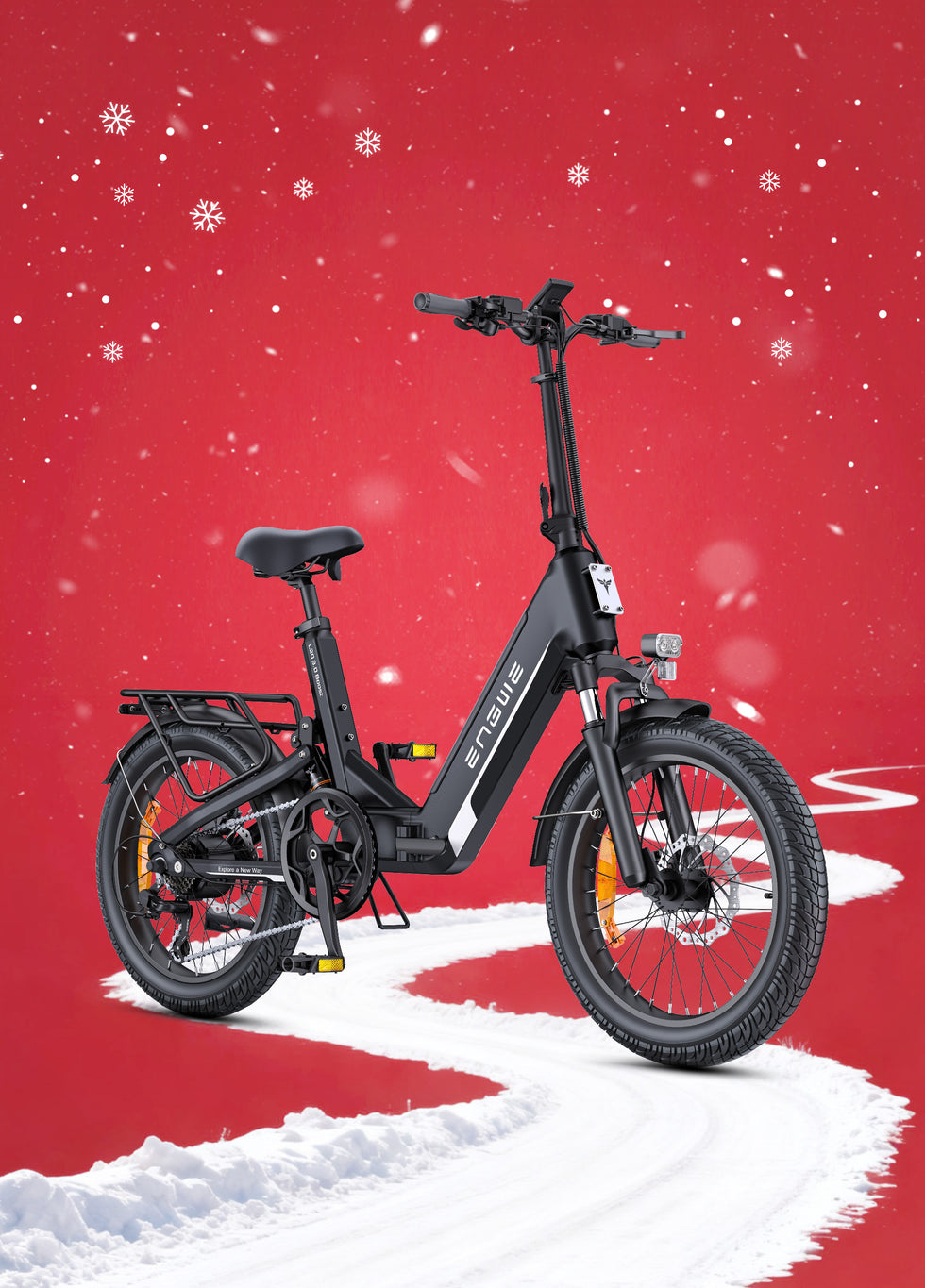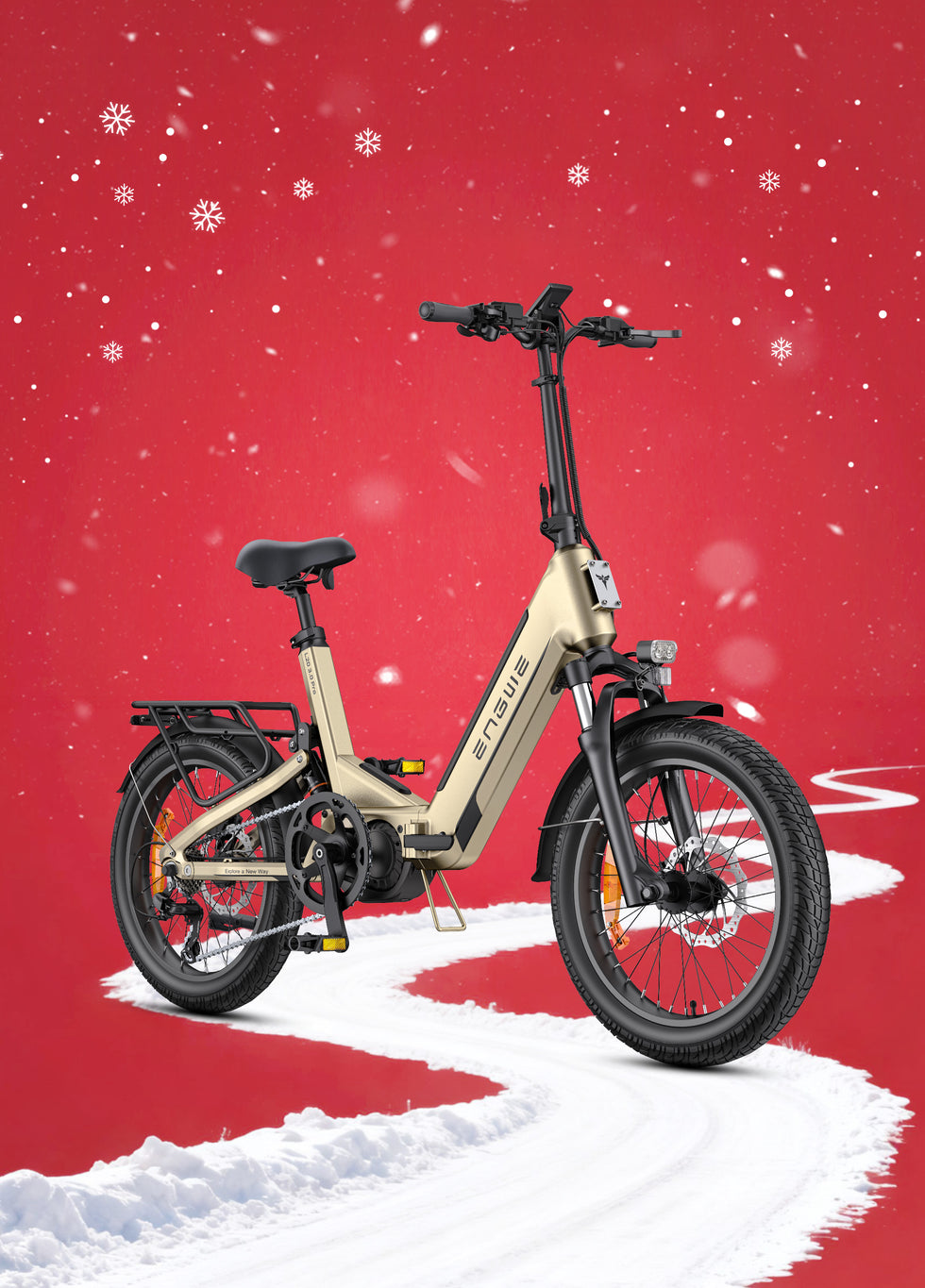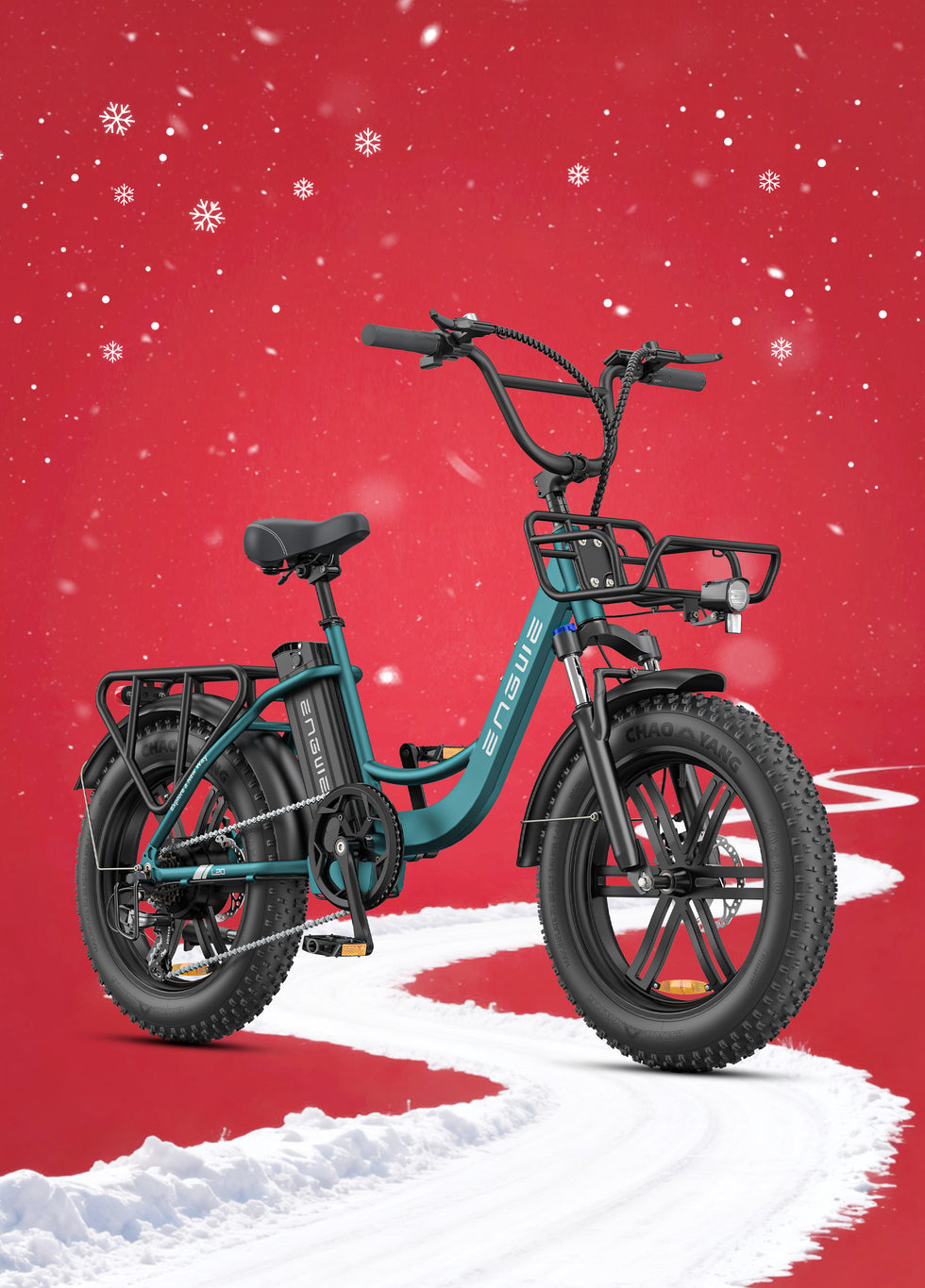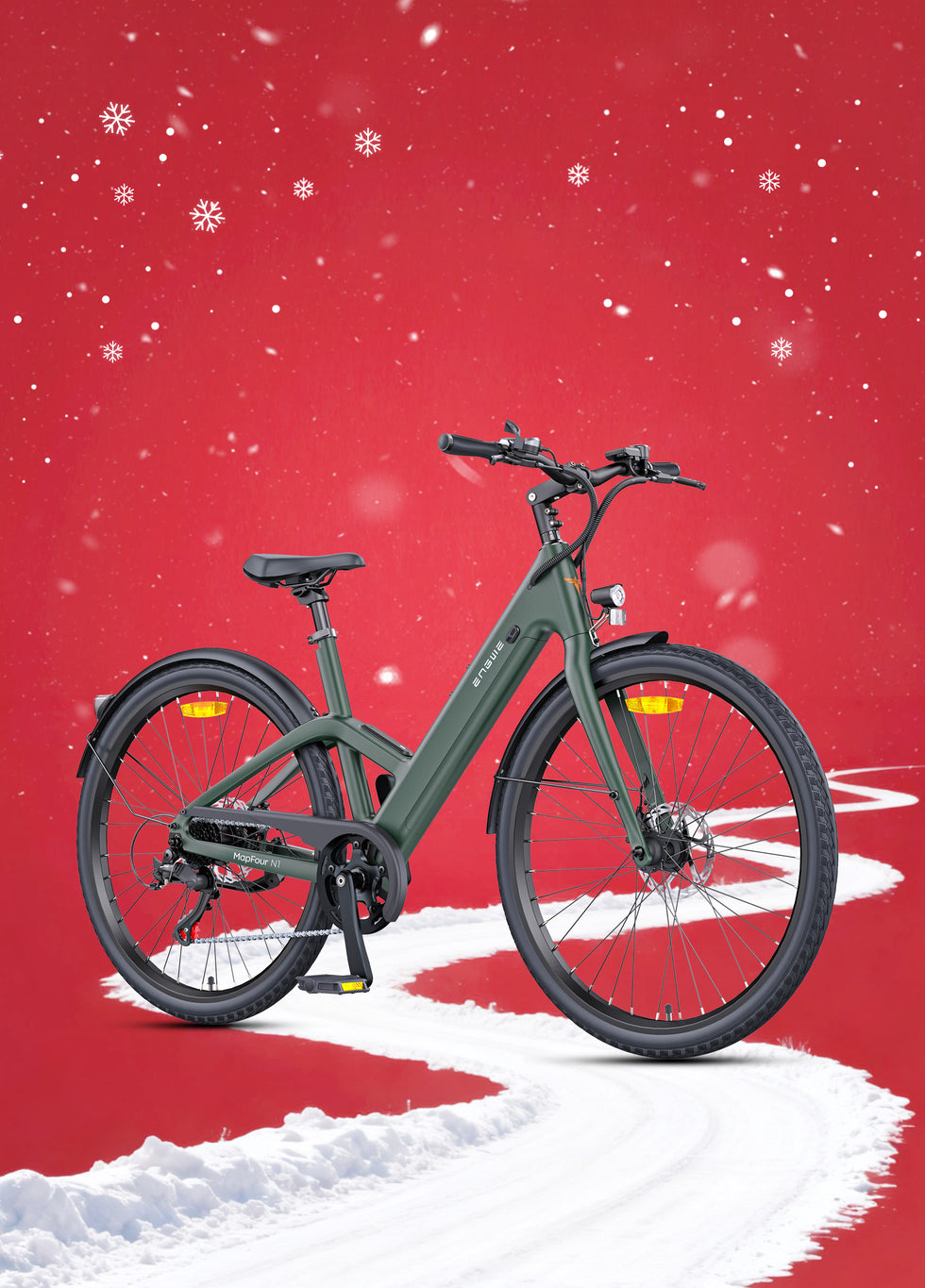

The All-Rounder: ENGWE LE20

As the world’s cities undergo a gradual — and at times not so gradual — transformation into modern urban jungles, the cargo e-bike steps up to become an increasingly popular choice for families and businesses. These workhorses are replacing second cars, bringing efficiency to deliveries and helping to make car-free living a possibility. That noise is what this guide wades through, narrowing down the top contenders from now to 2025. In part 2 we’ll go over the 5 key requirements you should have, which will help you to select a cargo e-bike that is actually capable of carrying your heavy loads.
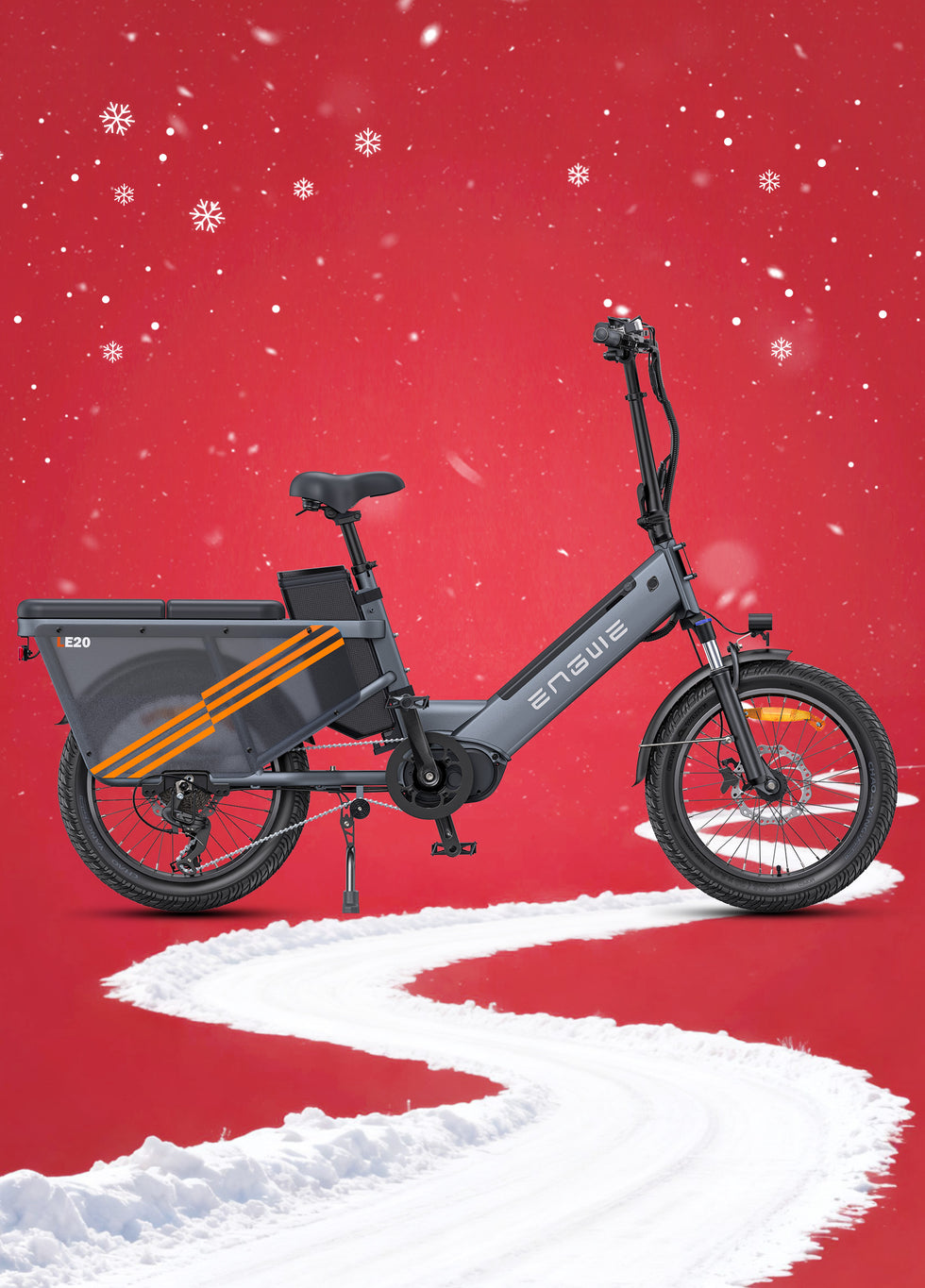
Fronting up is the all-rounder that combines power, range, and is immensely practical. If you’re looking for one e-bike to do it all, from school runs to epic grocery hauls, the ENGWE LE20 should be the yardstick for 2025. The design philosophy is to not cut any corners and offer the best utilities. That system is built around a robust in-house 48V 250W brushless mid-drive motor because good weight balance is super important when you have to haul gear. The mid-drive is different from hub motors because it utilizes the bike's gears, providing an amazing 100 Nm of torque. So taking off from a full load up a steep incline is a doddle. Torque-sensing pedal assist feels completely natural and provides a very intuitive, effort-based assistance level. For the smartest use of your investment, opt for the two-battery version. Though the single battery makes for great range, we think the dual-battery setup is a huge game-changer for anyone doing away with range anxiety.
- Motor System: The strong 48V-250W mid-drive motor with 100Nm torque provides you with the best climbing capacity and a powerful, linear response.
- Payload: Built to haul, it has a maximum 200 kg (440.9 lb) payload, so don’t be afraid to throw everything including the kitchen sink on this workhorse!
- Unrivaled Range: The dual-battery model has a total capacity of 1844Wh, with an enormous range that can get up to 350km in PAS Mode 1; ideal for week-long commuting without requiring a recharge.
- Rider Comfort & Safety: The front suspension and super-padded seat make for a smooth ride while hydraulic disc brakes provide reliable stopping power; puncture-proof tires on the wheels ensure you’re never stranded with a flat.
- Smart Features: A clear LCD color display, integrated lighting with turn signals, and app connectivity make this e-bike digitally connected so you can keep track of your speedometer, map your ride and monitor battery life.

Key Requirements: Motor and Drivetrain
For example, in a heavy hauler application, the motor and drivetrain become the lifeblood of your machine and can have a direct effect on performance when operating at full load. The most prevalent area of confusion has to do with whether a bike should be mid-drive or hub motor. For significant heavyweight hauling, an ideal system has been frequently reported to be a mid-drive motor that puts power through the bike’s drivetrain and allows you to use the gears to multiply torque for climbing significant grades. As a rule of thumb, you should shop for high torque rated motors, generally upwards of 85 Nm, so that you have the grunt to get up any steeper inclines. The drive system, be it a Shimano something or other, needs to be as solid as the rest of it. More speeds may sound better, but it is the quality and durability of components that matter most. A reliable 7 or 8-speed drivetrain is often stronger than a more complex, high-maintenance one for cargo e-bike duty.
- Motor Type: Look for mid-drive motors to get the most efficiency and climbing capability. Hub motors may be good for more flat land, but heavy loads on hills can be problematic.
- Torque Rating: This is your power to pull. Go for at least 85 Nm for use with more than 100 kg of loading.
- Sensor Type: A torque sensor is a more organic and responsive option than a cadence sensor, which can feel jolting. It also saves the battery by using power in a more efficient way.
- Durability of the Drivetrain: Try to find well-known brands, such as Shimano. Two last things needed for longevity are a strong, well-kept chain and a sturdy cassette.
- Money-Saving Tip: Clean and lubricate your chain often. The cleaner the chainset and other parts of your drivetrain, the smoother ride you’ll enjoy – as well as making those expensive components last longer.

Utility and Frame Design
A cargo e-bike is only as useful as the payload it can carry and its frame design. The maximum payload that the frame can handle is also an important spec, but knowing where and how that weight is supported is important. There are two main frame styles: longtail and front-loader (also known as a Bakfiets or box bike). Longtails have a long rear rack where you can mount seats, panniers, or platforms. Front-loaders feature a large cargo box mounted in front of the handlebars, with the box sitting low over the front wheel, providing excellent stability and a low center of gravity. When inspecting a frame, thick, reinforced tubing and neat welds — particularly on the headtube and rear rack area — are a good sign. The 6061 aluminum used is a perfect compromise between strength, weight, and cost. Also keep in mind the kickstand; a flimsy kickstand can make loading and unloading a heavy e-bike an accident waiting to happen. You’ll want stability, which is why I consider a dual-leg, motorcycle-style kickstand a must-have.
| Feature | Look for | Why It Matters |
|---|---|---|
| Frame Style | Longtail vs. Front-Loader | Longtails are zippy like a regular bike; front-loaders have massive cargo capacity and a low center of gravity. |
| Payload Rating | At least 180kg (400 lbs) | This ensures the frame is strong enough to not flex or break from kids, groceries, and equipment! |
| Kickstand | Center-mounted kickstand, double-leg design | Provides a stable stand when loading and unloading passengers or cargo. |
| Wheel Size | 20- or 24-inch (also known as 406mm vs 507mm) | Smaller wheels lower the center of gravity, and in turn, increase maneuverability while loaded. |
| Accessory Mounts | Many mounting points (or “braze-ons”) | More possibilities for future custom racks, baskets, and child seating. |
Battery, Range, and Real-World Factors
Battery size and real-world range are critical for a cargo e-bike to be useful. Amp-hours (Ah) is not the number to compare; it is Watt-hours (Wh), which you obtain by multiplying the volts (V) by Ah. This number gives the closest proxy you can get to “fuel tank” size. For a commercial workhorse, treat a battery rated at 600Wh as the minimum, with high-capacity options stretching upwards from there. The best answer to range anxiety is a twin-battery system that increases the total capacity beyond 1000Wh, meaning multi-day use on a single charge. But keep in mind that range is really an estimate, and it’s a best-case scenario on paper. Real-world range is very much a factor of things you control.
Range Influencing Factors:
- Payload Weight: The more your pack weighs, the less range you can expect.
- Terrain: Hills will suck your battery life significantly more than level ground will.
- Assist Level: Using more pedal-assist will dramatically decrease range. Learn to use lower modes to the extent possible.
- Tire Pressure: Tires that are properly inflated have less rolling resistance, which can add miles to your range. Check pressure weekly.
- Riding Style: Quick starts and stops are not nearly as efficient as consistent, steady pedaling.
Charging Tips:
Seek models with a fast-charging option. Where a normal charger may need 6-8 hours, a fast charger will usually be able to fill up a battery in just 2-3 hours and is invaluable if you want to top-up mid-day on heavy-use days.

Market Alternatives and FAQ
Though the bar is set high by the ENGWE LE20 for what an all-in-one solution should look like, there are other purpose-built heavy haulers on the market that do certain things better. Knowing your alternatives ultimately enables you to find the perfect bike to suit your specific circumstances. These models are not head-to-head competitors, but as Rupers points out, they’re different tools for different jobs, with users who have become loyal to them and a high reputation for quality in their respective niches. Digging into them can also help you see the range of design philosophies in the world of cargo e-bikes, from ultra-compact storage solutions to vehicles designed for maximal possible load hauling.
- Tern GSD: With its “FlatFold” design, this compact longtail is popular among apartment dwellers. It has a massive payload in a fold-up package that you can store upright.
- Rad Power Bikes RadWagon: Sometimes it's referred to as the gateway drug of serious cargo e-bikes, and there isn’t much you can't do with this except submerge it in water, perhaps — once underwater cycling becomes a thing.
- Yuba Spicy Curry Longtail: This longtail bicycle is known for its low-rider rear rack, which helps keep the center of gravity super low so it feels stable while riding with children or loads of cargo.
- Urban Arrow Family: An upmarket front-loader, this e-bike was conceived with the safety of children in mind. It comes with an EPP foam box, which ensures protection while providing a comfortable ride; it is one of the best car-replacement options for your family.
Given all this, what is by far the most important thing?
A powerful mid-drive motor with a big carrying capacity and a 40-mile range is key. One cannot work without the other.
Can an e-cargo bike really take the place of a car?
For most urban and suburban families, yes. A cargo e-bike is often faster, cheaper, and more fun than getting to school or the store in other ways.
How do I know if a cargo e-bike is right for me?
Most bike stores also offer test rides. Load one up with a little weight (or more, if the shop will let you) to see how it feels when it’s really having to work.
So, the right cargo e-bike is an investment in a better way to live.