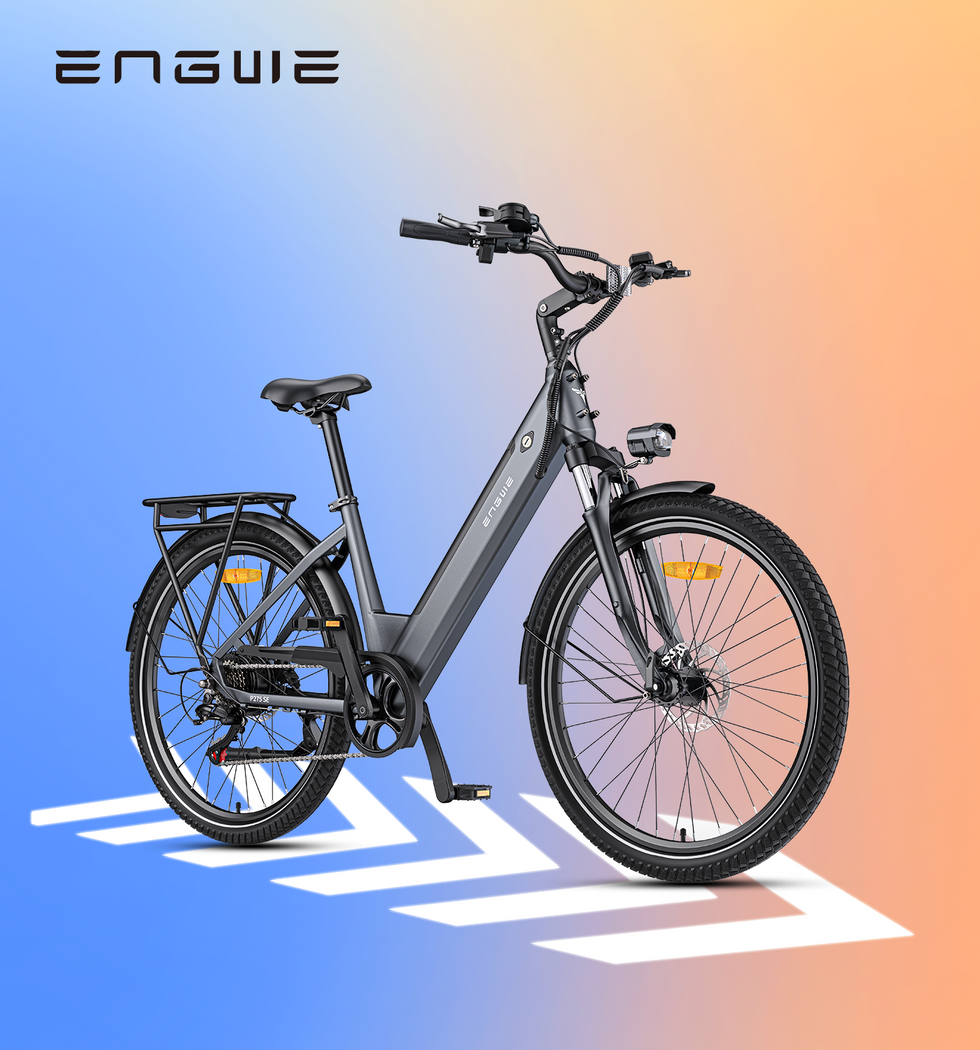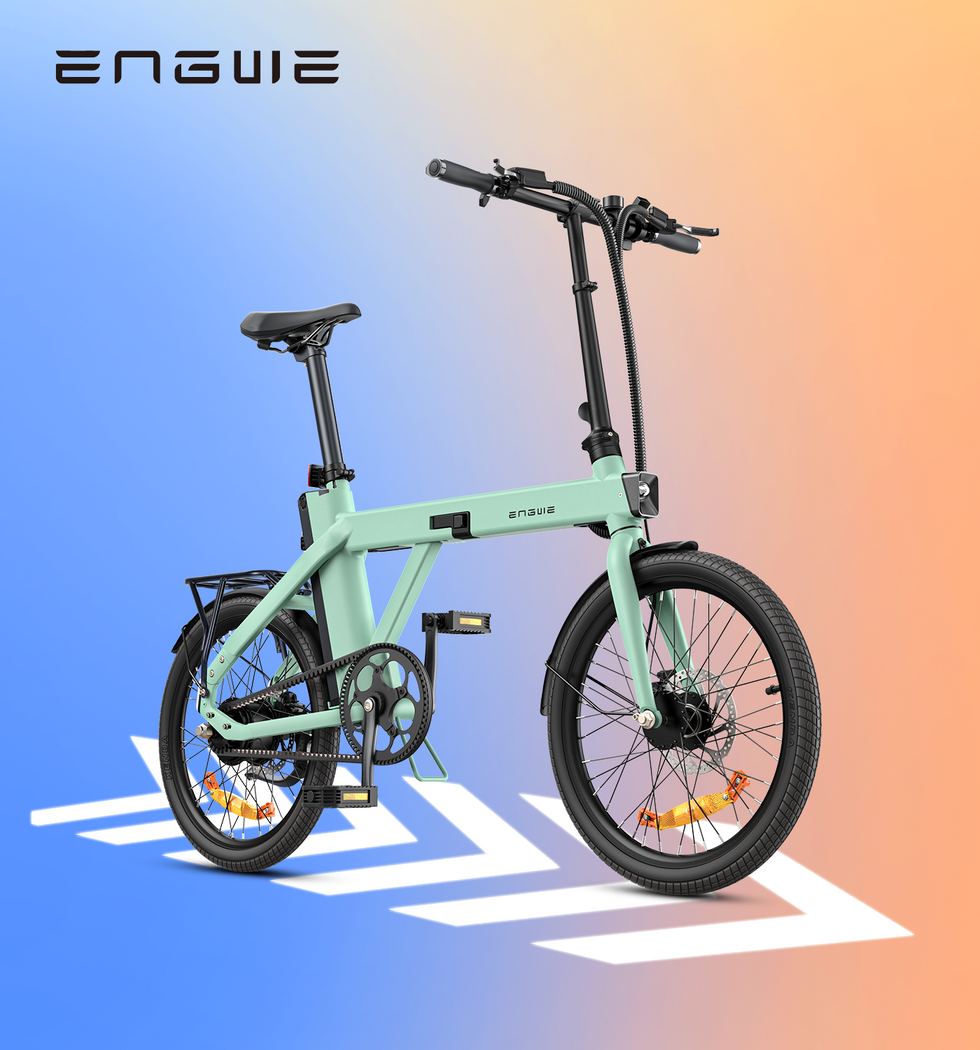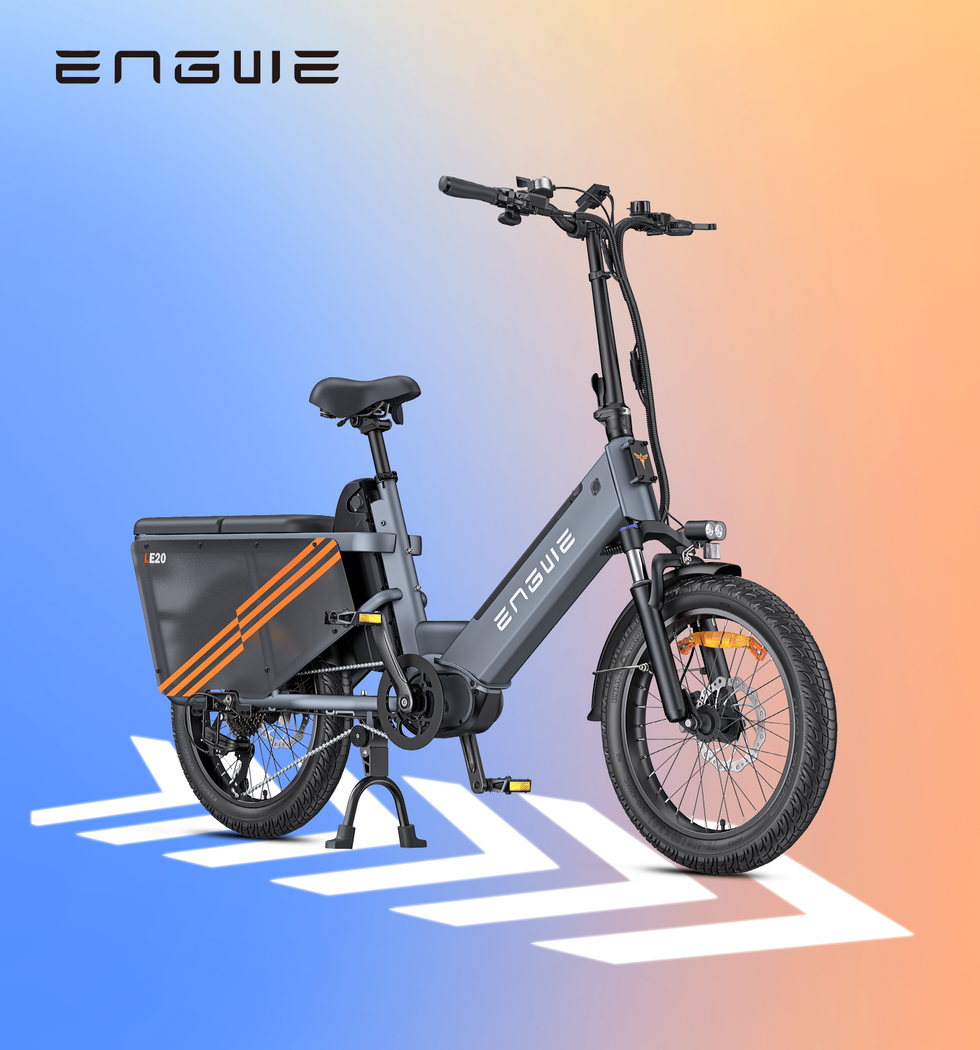

Understanding the Unique Security Challenges of Fat Tire E-Bikes
Your fat tire electric bike may represent a significant investment in your independence and thirst for adventure, but it also makes one of the most inviting and valuable targets for thieves. Preventing its theft is not an option but a necessity, and this guide provides an all-encompassing strategy in your efforts, incorporating the best lock types available, advanced locking techniques, and multi-layer strategies specifically designed for the unique security risks fat tire e-bike ownership presents. Before choosing a lock, one should understand why fat tire e-bikes require a specific approach to physical security. Several factors differentiate this type of e-bike model and necessitate specialized security solutions – understanding them is the only way to mount an effective defense against motivated and experienced e-bike thieves. Thieves target these bikes not just for their monetary value but because most owners use abysmal security measures to protect them. To protect your investment, one needs to think like a thief and counter his or her every move.
-
High Target Value
Electric bikes are expensive to begin with, thanks to their powerful motors, large batteries, and advanced components. The relatively high resale value that they command on the black market makes them extremely attractive to professional thieves.
-
Awkward Frame and Tire Size
The “fat” part of fat tires is typically 4.0 inches or wider. Combined with the often-unconventional frame geometry of e-bikes, this means that many U-locks designed for regular bicycles are simply too small to fit around the tire, frame, and the fixed object you hope to secure it to.
-
Removable High-Value Components
The battery is one of the most expensive components of your e-bike. In addition to wheels, which are typically attached with quick-release levers, both front and rear wheels need to be locked. While it is convenient to remove the battery to charge it in the evening, you should avoid leaving it installed when the bike is locked outside overnight or in a high-risk area.
-
Weight and Parking Habits
Fat tire e-bikes are heavy, which makes them tempting targets for professional thieves, especially in high-risk areas. Public transit stations, ground-floor patios, or any open area where bikes are left for extended periods are examples of such locations.
Choosing the Right Hardware for Your E-Bike
When it comes to the merits of cycle locks, not all are created equal. Low-quality locks that offer a false sense of security are not what you need to get the job done. This guide identifies which locks offer the best protection with marvelous designs and cutting-edge features. The differences between bicycle types also matter; some locks are better suited for specific circumstances than others. Instead of taking high-stake chances, understand the relationship between a lock's strength, convenience, and its ability to deter thieves, and do everything needed to shield your cycle.
Primary Locks – Maximum Security
- Heavy-Duty U-Locks: The best combination of security, weight, and usability. If using on a fat tire bike, choose a longer shackle of 14mm hardened steel or more.
- High-Security Chains: Pair a thick, hardened steel chain of 10mm or more with a robust padlock. They offer more flexibility than a U-lock, allowing you to tie your bike to oddly shaped objects. Consider high-security chains when your bike is stored at home or a location where you can leave the lock.
Secondary Locks – Securing Components
- Folding Locks: Composed of linked steel bars, offering excellent portability due to their folding design. While a high-end folding lock may act as a primary lock in a low-risk area, it is perfect for use as a secondary lock, securing the front wheel or other accessories.
- Armored Cable Locks: Consist of a steel cable surrounded by hardened steel barrels, making it more difficult to cut. A step above the basic cable lock, ideal for securing the front wheel to the frame.
| Type of Lock | Degree of Security | Portability | Flexibility |
|---|---|---|---|
| Heavy-Duty U-Lock | Very High | Moderate | Low |
| High-Security Chain | Highest | Low | High |
| Folding Lock | High | High | Moderate |
| Armored Cable Lock | Moderate | High | Very High |
The ENGWE Security Ecosystem: Integrated and Accessory-Based Protection
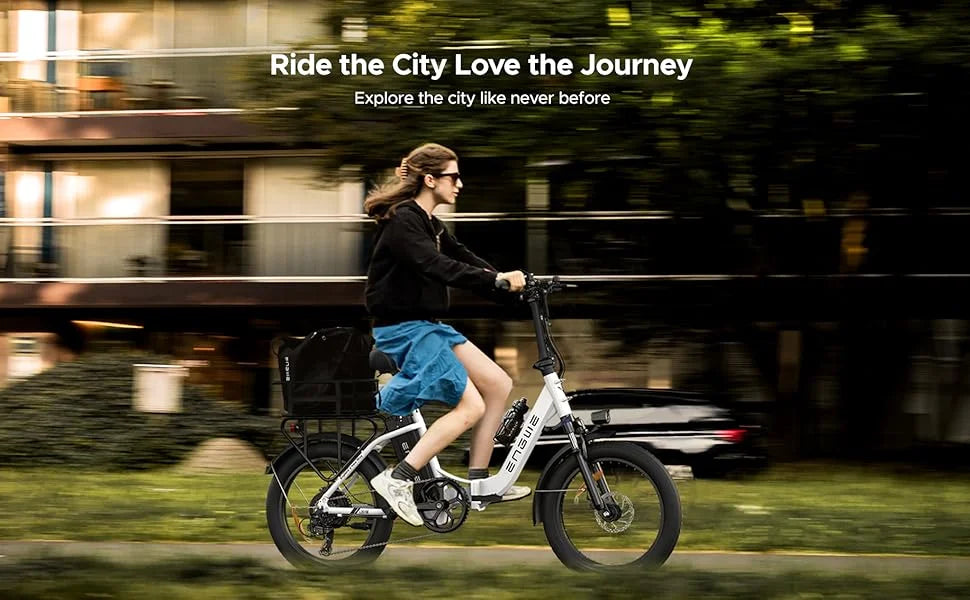
For riders interested in a connected and holistic security environment, ENGWE provides both product-specific and comprehensive quality protection. The on-road and off-road ENGWE E26 is an excellent instance of an all-terrain electric bicycle that necessitates the most exceptional level of protection. The strong 250W motor with 70Nm of torque, the substantial 140 km range from the 48V 16Ah detachable battery, and 2X dual suspension offer a comfortable ride engineered for enjoyment.

Accessory-Based Security for the ENGWE E26:

- Removable Battery: The E26 uses an internal battery that can be easily removed. The easiest and most effective thing to do is to unlock and remove the battery whenever you leave it unattended so that the bike is no longer attractive to thieves.
- ENGWE U-Lock: For this same reason, ENGWE also has its own very robust U-lock. It is designed for the E26 frame and 26×4.0 fat tires, so that it matches up perfectly. This way the thief has very little space for his tools near the lock, removing the ability to make guesses when using a 3rd party lock.
Integrated Smart Security Solutions:
- The ENGWE N1 PRO: For all those who want maximum certainty, there are models like the ENGWE N1 PRO which has a built-in anti-theft module. It is therefore a security suite that goes beyond physical protection.
- Real-Time GPS Tracking: With real-time live GPS tracking via a mobile app thanks to the bike’s 4G connection.
- Smart Lock: These models have smart locks that are activated over the display or app. This feature is critical because it locks the wheel when it's left unattended after 5 minutes. This way the bike is never left in a vulnerable position.
Strategic Locking Principles
One way or another, owning the best lock guarantees that half the battle is won; the other half depends on whether you use your best electric bike lock cleverly. Thieves typically try to steal poorly locked bikes, as this is the most straightforward job. With the following five strategic principles, your bike will no longer look like an effortless target in most cases, forcing the criminal to search for another bike. Do not be lazy and spend an additional 30 seconds placing your lock; it’s worth it. Such tactics are valid in any high-risk area, from an active city street to a silent college campus.
- Choose an Immovable Anchor: Always lock your bike to something solid and unmovable, like a thick metal bike rack secured in concrete. Remember that trees, signposts, and scaffolding can be quickly cut or lifted. Give this anchor a good shake to make sure it really is secure.
- Prioritize the Frame: The most critical rule when it comes to locking your bike outside is that you must always lock the main frame triangle. This means you must never lock just a wheel, as a thief can remove it and be left with the rest of your costly bike.
- Use the “Sheldon Brown” Method: A single U-lock may be utilized for maximum security by locking the rear rim and the safe anchor within the rear triangle of the frame. This method locks the back wheel, which is often the most expensive portion of most bikes since many of them come with a hub motor, as well as the frame.
- Secure Both Wheels and Components: In addition to the quick-release wheels, a secondary lock should be used to attach the front wheel to the frame. Locking security skewers that may be opened with a special key are a good investment that replaces conventional quick-release skewers on your wheels and seat post. These skewers ruin a thief’s day.
- Keep the Lock Tight and Off the Ground: The more of the U-lock’s internal space you utilize with the bike and anchor, the less space a thief will have to insert a jack. The lock’s keyhole should be positioned downward so that dirt, ice, or water may not settle into it. Also, ensure the lock isn’t touching the ground so that a hammer or drill can’t be aimed at it.

Beyond the Lock: Layering Your Security for Complete Peace of Mind
A truly secure e-bike is designed with multiple layers of protection: physical locks, modern technology, and smart habits. The idea behind every layer you add is to give thieves more deterrents that will take them more time and more risks. This way, you are fully protected and have a better chance of stopping all threats, regardless of the time you spend away from your bike. This multi-layered approach inspires the most confidence in the safety of your investment.
- GPS Trackers: If your e-bike does not have a system installed in it like ENGWE’s, you can effortlessly install an aftermarket and hidden GPS tracker. You can hide these little devices in the bike frame, the seat post tube, or the taillight and effortlessly track their location on your smart device if the bike is stolen.
- Alarm Systems: Another option is to purchase an alarmed lock. These can be in the form of alarmed U-locks, alarmed disc brake locks, or motion-sensitive coded alarms that one can fasten to the frame. These alarms are very loud with over 110dB, and they will draw people’s attention and scare off thieves if tampered with.
- Component Marking & Registration: Consider taking photos of your bike and recording its serial number, usually stamped on its bottom bracket. Register it for free with a national database such as Bike Index. It significantly increases the likelihood of recovery if the police later find it.
- Insurance: Your homeowner's or renter’s insurance policy might not protect the value of an expensive electric bike, or it could have high deductibles. Specific policies, known as e-bike insurance, can protect against theft, damage, and liability in an incident. They only cost a few dollars and are well worth the extra security.
- Strategic Parking: Finally, park smarter. Remember the time and location it is parked. In high-theft areas, park somewhere under CCTV, well-illuminated, and with high foot traffic. When parking overnight, always bring it into a locked garage or inside your home.
Frequently Asked Questions:
Q1: What is the worst way to lock the e-bike?
A: The worst way is to only attach a wheel to the bike rack. A thief can remove the wheel in a few seconds and steal your costly e-bike. As a general rule, use the primary lock to secure the main frame.
Q2: Should I always remove my e-bike battery when I park?
A: Yes, absolutely. A bike without a battery is far less valuable and functional to a thief. It’s simple, free, and one of the most effective security measures you can take.
Q3: Is one very expensive lock better than two mid-range locks?
A: Often, two different types of mid-range locks – for example, a U-lock and a chain – are better. The reason for this is that a thief has to defeat two different systems, and for this, he would need more tools and time, which is a very noticeable deterrent. Ultimately, a layered approach is your best defense.