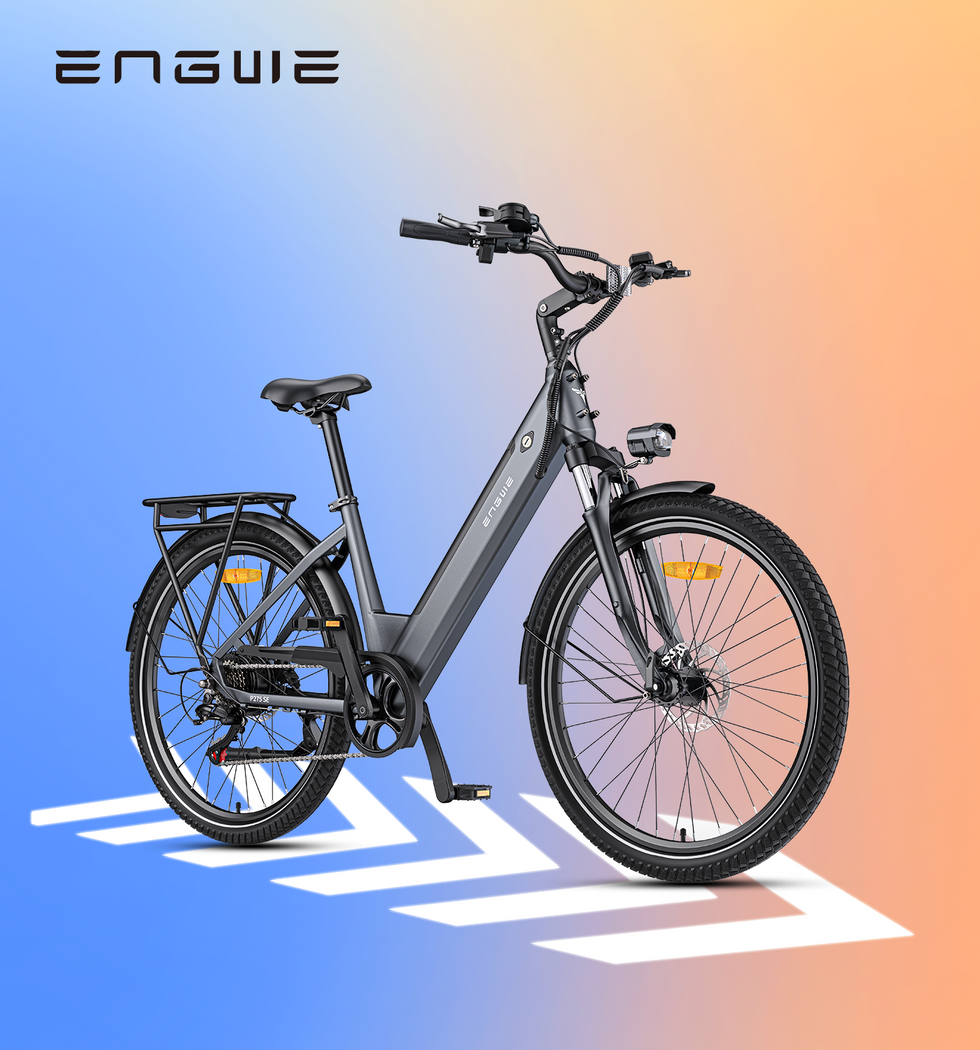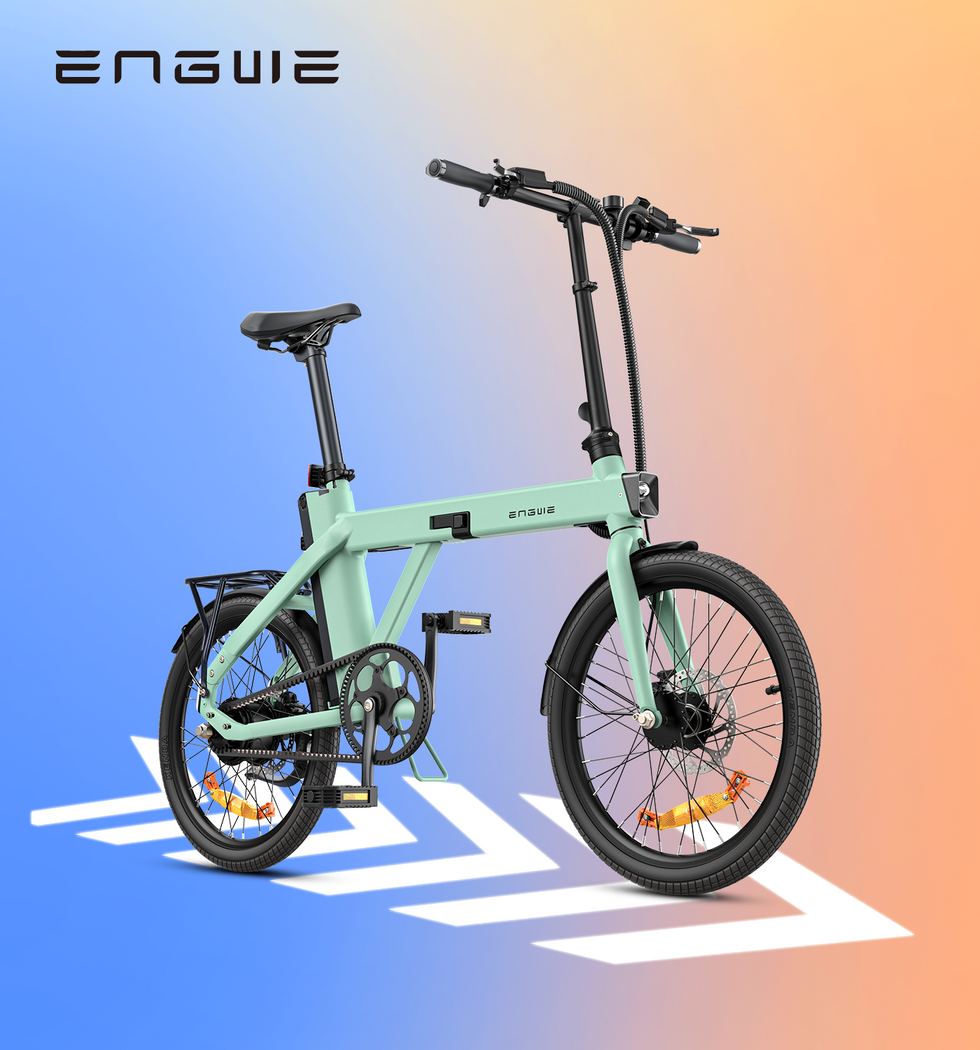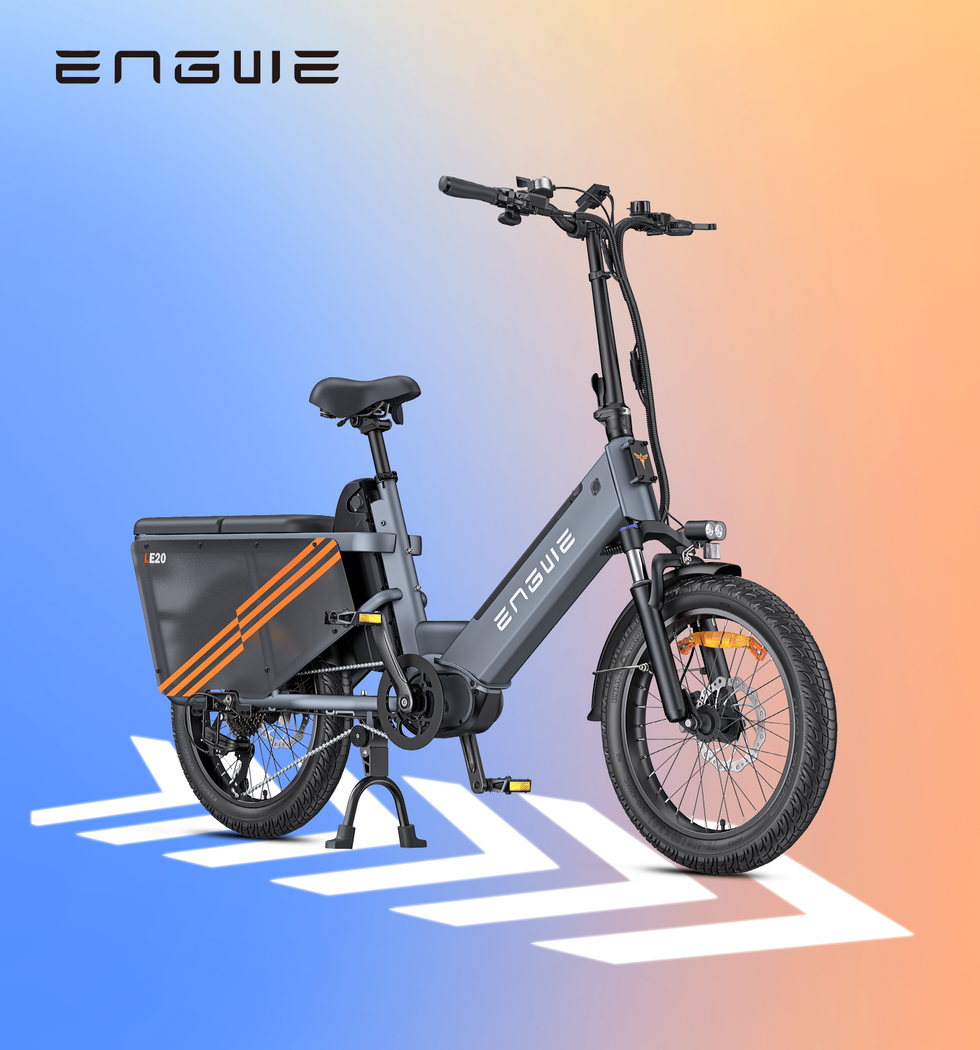

While deciding on a new electric bike takes numerous considerations, one of the most crucial involves choosing a frame style: step-through or step-over. More than simply a matter of looks, this selection directly impacts your comfort while cycling and the bicycle’s overall performance and direct connection to your intended usage throughout your day in the saddle. It determines how you are able to mount and dismount, how well the bike straightens up, and when it is at its best. Across five significant dimensions, this information is designed to help you pick the best frame for your next trip by exploring the necessary advantages and disadvantages.
Accessibility, Comfort, and Ease of Use
Mounting is the most apparent distinguishing factor of these two frames. On a step-through bike, it will make everything simpler, opening up a world of worry-free cycling – at least for certain people. Accessibility is the key trait of a step-through frame, due to the low or absent top tube. A traditional bicycle profile is maintained on the step-over; it is often known as a diamond or triangle frame, and the rider must swing their leg over the rear of the frame high in the air. Understanding the trade-offs for each in terms of ergonomics is a vital initial step.
-
Step-over pros and cons:
- Pro: Sporty feel – this is the classic, “athletic” cycling posture and sensation experienced cyclists prefer.
- Con: Hard to mount – step-over bicycles require a high leg swing, which can be uncomfortable or difficult for some cyclists.
- Con: Even harder to mount with cargo or a child’s seat – they can become essentially impassable with bulky cargo on the rear rack or a child’s seat attached to the frame.
Frame Rigidity, Handling, and Performance
The geometry of a bike frame influences its structure and, thus, its performance on the road. The classic Diamond Frame’s triangle form, which is very familiar to most cyclists, is strong and stiff. This point extends to road feel and performance: a stiff frame allows for your power output to transfer directly into the wheels, reducing energy loss on your way up a hill and eliminating many unwelcome surprises you can experience on unstable ground or at high speeds. Bicycles with a step-through frame do not have a top tube to maintain this stability, so they must make up for it in other sections, such as the downtube. Even with new developments in the field, this is sufficient for a noticeable difference on the road.
Step-Over Advantages:
- Superior stiffness: the solid Diamond Frame provides a more direct handling experience.
- Enhanced stability.
- Efficient power transfer.
- Often lighter.
Step-Through Considerations:
- Potential for Flex – more frame flex, which can be felt when pedaling hard or on rough roads.
- Increased Weight – Many step-throughs need heavier tubing or extra gussets to make the frame strong enough, adding weight.
- Best Use Case – these frames are perfect for cruising around upright and relaxed on paved roads and bike paths. They are not designed with the characteristics necessary to aggressively push down forest trails.
Here is a table summarizing the critical performance characteristics:
| Feature | Step-Through Frame | Step-Over Frame |
|---|---|---|
| Frame Rigidity | Lower | Higher |
| Typical Weight | Often Heavier | Typically Lighter |
| Best Handling | Relaxed Urban Riding | High Speed and variable terrain |
| Off-Road Suitability | Less Suitable | More Suitable |

Rider Profile and Ideal Use-Case Scenarios
The choice depends on your lifestyle, physical requirements, and overall budget. Choosing the frame style based on your style will, in the long run, save you money since you won’t quickly outgrow the first bike and need to purchase another. Consider where and how often you’ll be riding:
Who should buy a Step-Through Electric Bike:
- Urban Commuters: people who need to travel around the city on a regular basis. Such a bike is essential in busy city traffic with multiple stops at intersections.
- Leisurely Riders: people who enjoy a laid-back, comfortable, and scenic ride along bike paths and parkways.
- Seniors or Riders with Physical Limitations: people who wish to maintain a healthy and active lifestyle but cannot easily get on and off a bike.
- Parents: those who ride with a child seat mounted on the rear rack. Approaching the bike’s seat, in this case, is made easier and safer.
- Cargo Haulers: those who do their grocery runs or offer delivery services using an electric bike. In this case, stepping through the frame is much more convenient than stepping over loaded panniers.
Who should buy a Step-Over Electric Bike:
- Performance Enthusiasts: people who prioritize stiffness while riding at a high intensity for race or fitness purposes.
- Long-Distance Tourers: people who wish to minimize their exertion and maximize the distance covered within a specific timeframe.
- Trail and Light Mountain Bikers: those riders who require serious structural integrity when on the bike. This integrity gives them the confidence to ride on uneven and challenging terrains.
- Traditional Cyclists: people who transition from a non-electric road or mountain bike to an electric version and, therefore, seek familiarity in feel and handling.
The Ultimate Combination: Advanced Step-Through Engineering
Historically, these were two contrasting options, but modern electric bike engineering is finally combining these two options to provide the best of both worlds. ENGWE is a leading brand in this ambition of creating such hybrid forms. For those who do not wish to adhere to one or the other, the ENGWE L20 3.0 Pro perfectly illustrates this new design ideal. Offering a genuinely accessible step-through frame, this bike combines the best of modern features with the traditional benefits of a step-over frame. For more information about the electric bike and direct access to the ENGWE website, please visit this [website].
Key innovations of the ENGWE L20 3.0 Pro:
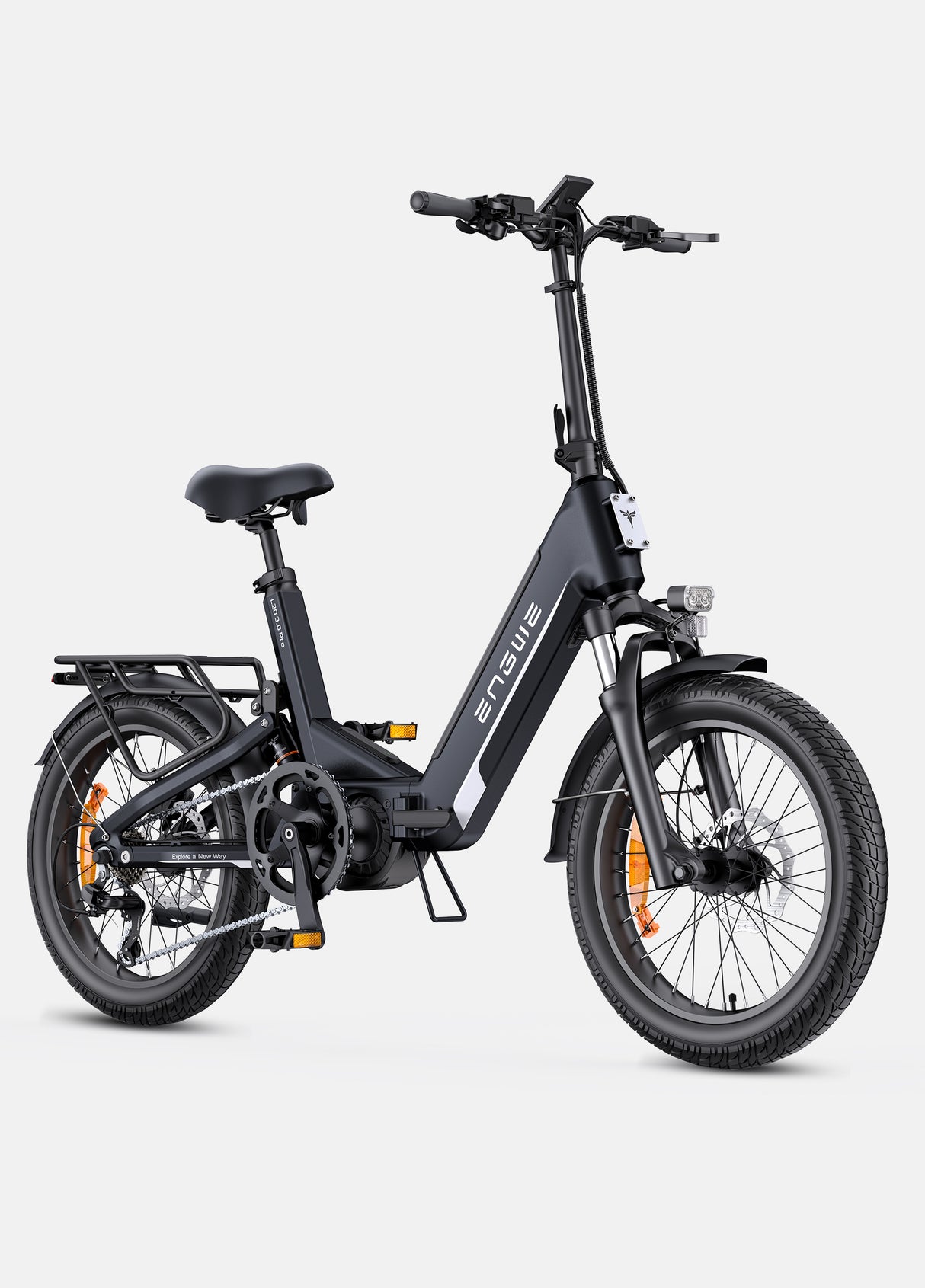
- Unprecedented comfort: The first compact e-bike with a full-suspension system designed to eliminate 90% of vibrations to provide an extremely smooth city-riding experience.
- Dominant mid-drive power: The bike is driven by a high-performance 250W Mivice mid-drive motor with up to 100Nm of torque output. The feel of instant, forceful acceleration and effortless hill climbs is unrivaled.
- Massive range and fast charging: Enormous range up to 160km thanks to a 720Wh Samsung battery and an 8A fast charging system for conventional riding without disturbances.
- Smart security: Added ENGWE IoT module for total peace of mind with real-time notifications, GPS tracking, and app-based monitoring to protect your investment.
This model demonstrates that a step-through frame may be rugged, powerful, and technologically savvy.

Aesthetics, Accessories, and Practical Details
The visual enjoyment of a bicycle is crucial. For many riders, stylistic considerations may be a determining criterion, and the capacity to add accessories like a water bottle holder, luggage carrier, or fenders might greatly enhance everyday usability. A key quality recommendation for each frame style is to examine the welds for cleanliness and smoothness. Clean, consistent welds are often an indicator of a well-made frame. Other aspects, such as internal cable routing, also serve to protect the cables from damage and make the bicycle appear sleeker.
Aesthetic and Customization Points:
- Visual Style: A step-over bike has a timeless sporty silhouette. A step-through bike takes on a modern, approachable, and often chic European-inspired appearance.
- Water Bottle Mounts: The most straightforward position is on the seat tube and down tube of a step-over. However, on a step-through frame, a water bottle can often end up “upside down,” or you might need an adapter made by the bike manufacturer.
- Battery Integration: While integrated batteries create a more aesthetically pleasing appearance on both styles, on a step-through model, they might put a patented flat-foot design or a similar setup slightly out of balance since it moves the battery’s weight. This is likely to be immaterial for everyday riding.
- Racks and Fenders: Most contemporary electric bikes come equipped with mounting points for these, but it is always worth double-checking before buying.

Q1: Is a step-over electric bike faster just because it is a step-over?
Not necessarily. Although their stiffer frame ensures better power transfer, the motor and gearing determine the electric bike’s top speed. Even so, a step-over tends to feel more 'resilient' and planted at higher speeds.
Q2: Can I take a step-through electric bike trail riding?
It is not recommended. While a neutral frame construction is intended to be more comfortable on smoother crushed rock trails, the additional flex makes it less equipped for the trials and tribulations of most off-road riding.
Q3: Does the frame type change the battery’s range?
Not directly. However, because a step-over frame is often lighter than a selectively reinforced step-through, it might offer a slightly better range due to the minimal, lighter overall weight.
As a result, the best electric bike for you is the one that ultimately fits well into your body, your rides, and your life.