
With so many types of frames to choose from, finding the right electric bike can become increasingly challenging. This survey focuses on the five most common types: step-through, step-over, longtail, folding, and integrated. I’ll examine the frames in terms of five key criteria – your lifestyle, accessibility, portability, cargo-carrying capacity, and performance – in order to help you select the perfect e-bike frame. Your investment should last for years, allowing you to almost entirely choose a new mode of transport and go smoothly in style.
1. Your lifestyle and primary use case
The most critical factor in selecting an e-bike is the manner in which you intend to use it. A frame suited for rugged trails will appear out of place on a city commute, and the converse is likewise true. Choosing the proper frame for your everyday activities is the essential first step in selecting an excellent electric bike. Consider both your lifestyle and aspirations to see which group you fall into.
-
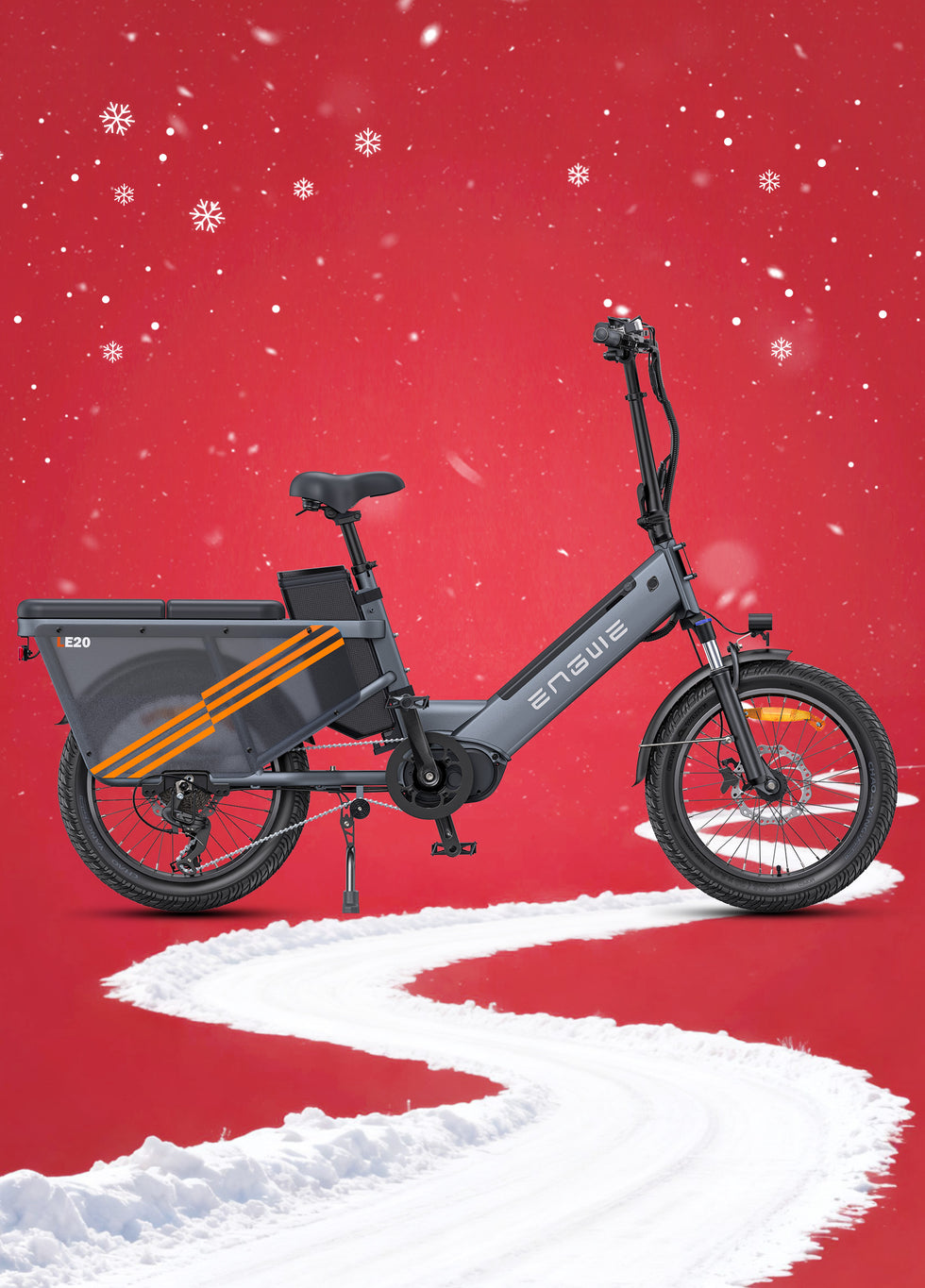
Longtail
This frame has an extended rear frame.
Best For: Parents, small business owners, and very complicated cargo.
Use Case: The station wagon of the e-bike; many are designed to transport passengers in specially designed seats or large equipment. These e-bikes are ideal for school trips, shopping for a family of five, or being used as a shuttle for brief and local distribution. -
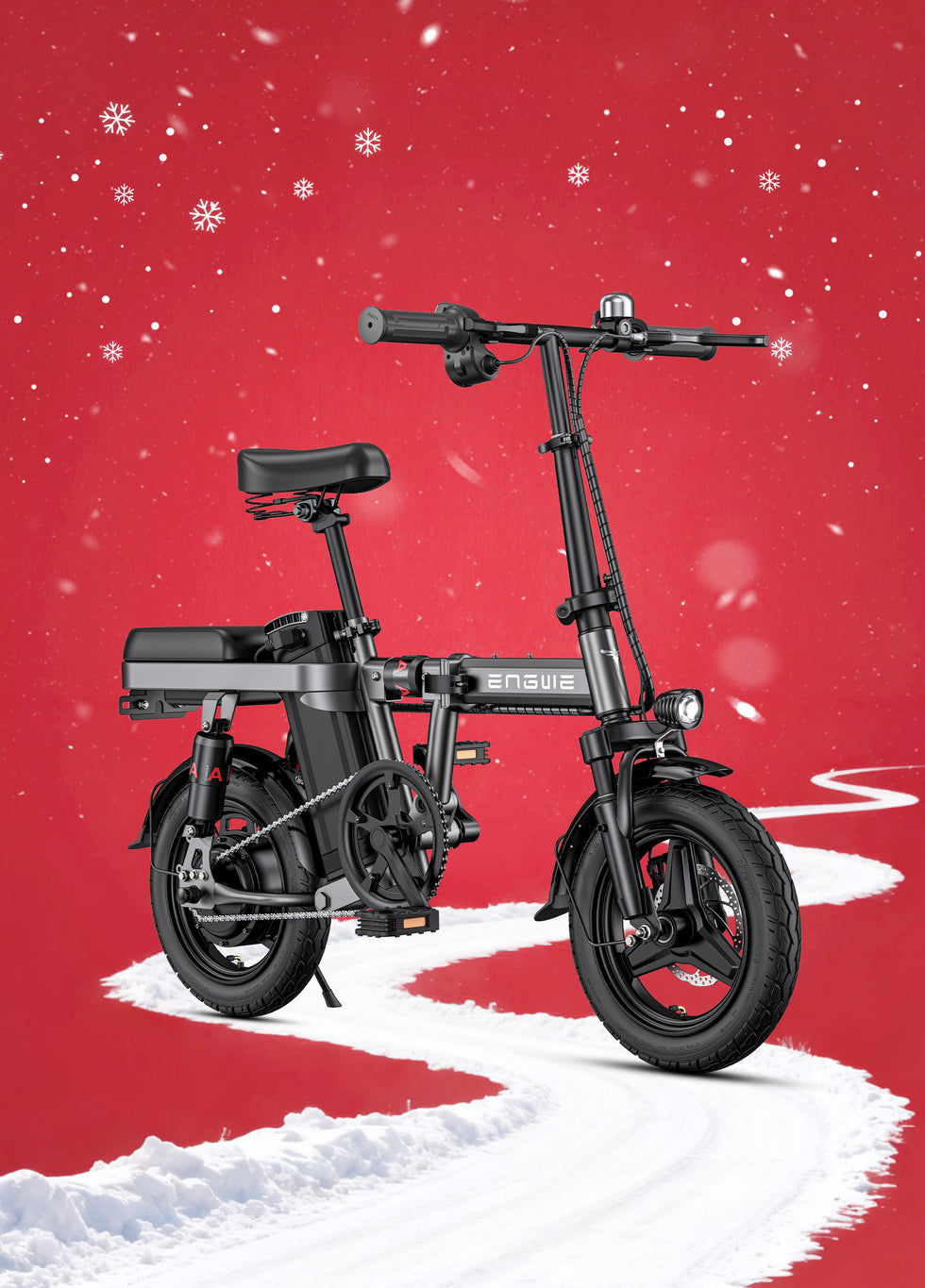
Folding
Designed to fold and fit into small areas to assist with storage and transportation.
Best For: Multi-modal commuters and people who wish to take their bikes with them.
Use Case: If you want to use a train, bus, or car during your trip, a folding e-bike makes a significant impact. They are also an excellent choice for use on ships, boats, or for those with limited space in their homes. -
Integrated
The battery is placed inside the frame.
Best For: High-fashion consumers and enthusiasts.
Use Case: For a sleek, non-electric look, pick an integrated battery. Often, a well-protected battery and nicely balanced battery weight will provide a natural riding experience; this bike is for high-level professional bicycle riders or those meant to look professional for a living.
2. Rider Accessibility and Physical Comfort
-
Step-Through: The undisputed winner for accessibility.
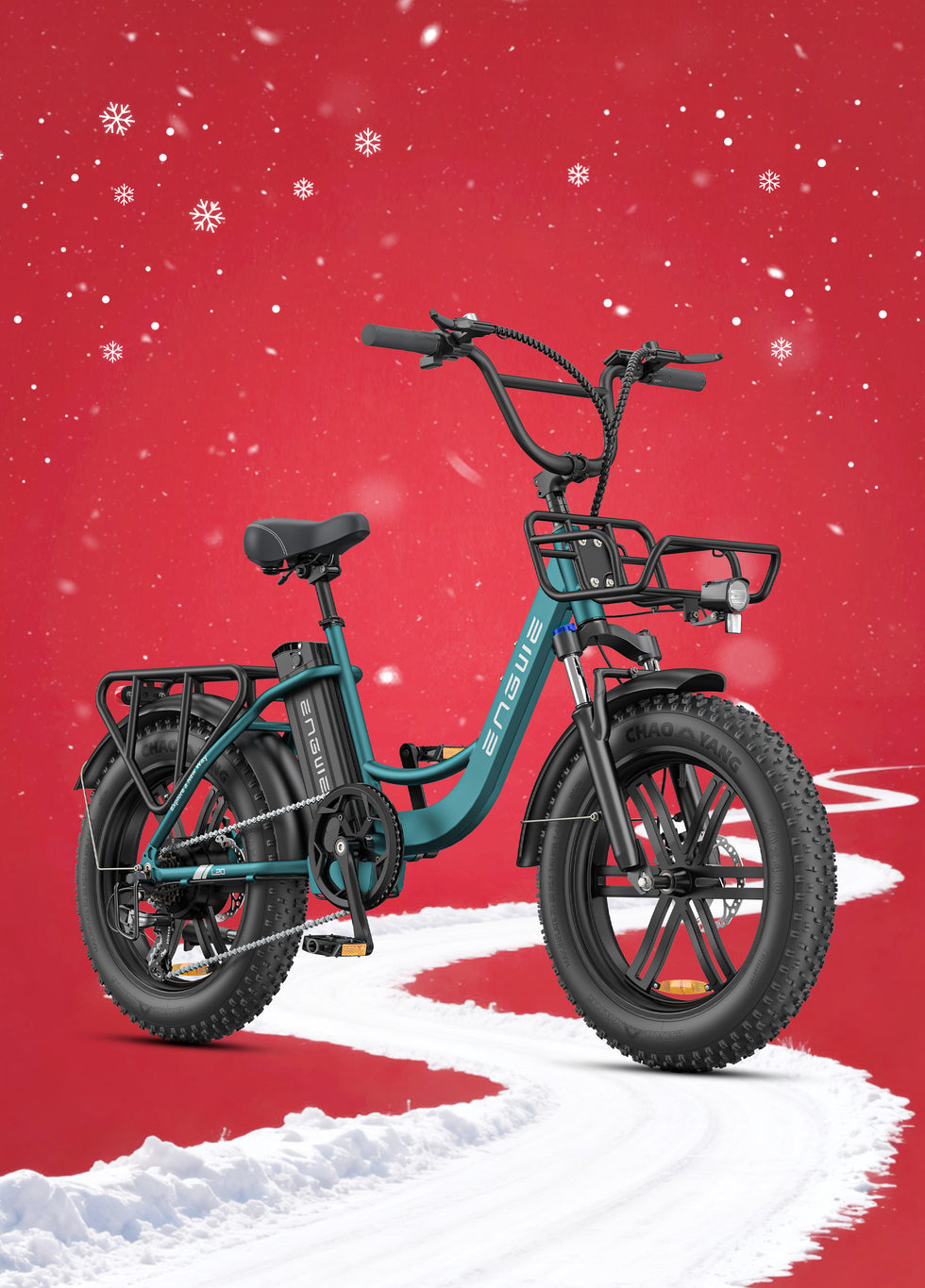
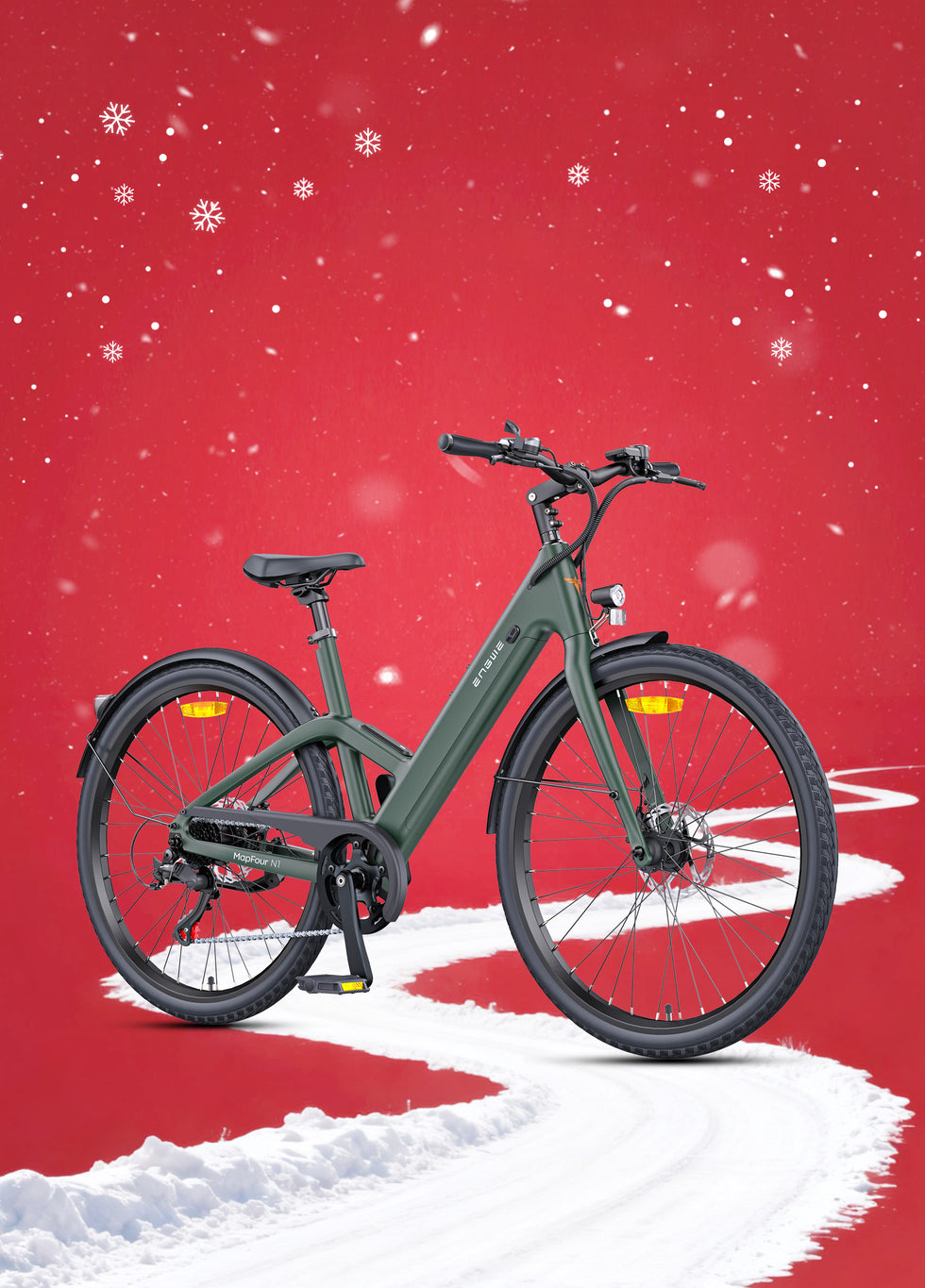
The low standover height eliminates the need to swing a leg high over the frame. It is best for seniors, people with knee, hip, or balance issues, or anyone with mobility limitations. These models are a perfect choice for new or nervous riders.
Comfort note: Find models with swept-back handlebars and an adjustable stem; you want to sit perfectly upright with a short reach to the bars – a very back-friendly riding position. -
Step-Over: Requires a higher degree of flexibility.
You need to be able to swing your leg over the top tube. This naturally puts the rider in a very athletic position – great for performance but can strain the back and wrists for the unaccustomed rider.
-
Folding: A mixed bag, but often very accessible.
Many folding e-bikes are some variety of low-step or step-through to increase accessibility. However, the smaller wheels common to folding bikes send a lot more road roughness through the handlebars.
Quality note: Be sure to choose a model that includes a suspension fork and/or ‘fat tires.’ Fat tires have a lot of natural cushion without needing to install a suspension fork, and folding bikes have plenty of room for them. -
Longtail: Very comfortable but with their own handling quirks.
These bikes offer a very comfortable, relaxed position – more like a cruiser than a proper bike. They are extremely stable to ride fast but less agile on crowded streets. Getting used to the extra length in the back will take you a couple of rides.

3. Portability, Storage and Versatility
Where you will store your electric bike and whether you will need to transport it are pragmatic considerations that point to the appropriate frame design. How a bike takes up space or navigates the subway when not in use is as serious a consideration as its capacity to ride when needed for many city dwellers and visitors.
-
Folding Bikes (The Champion of Portability)
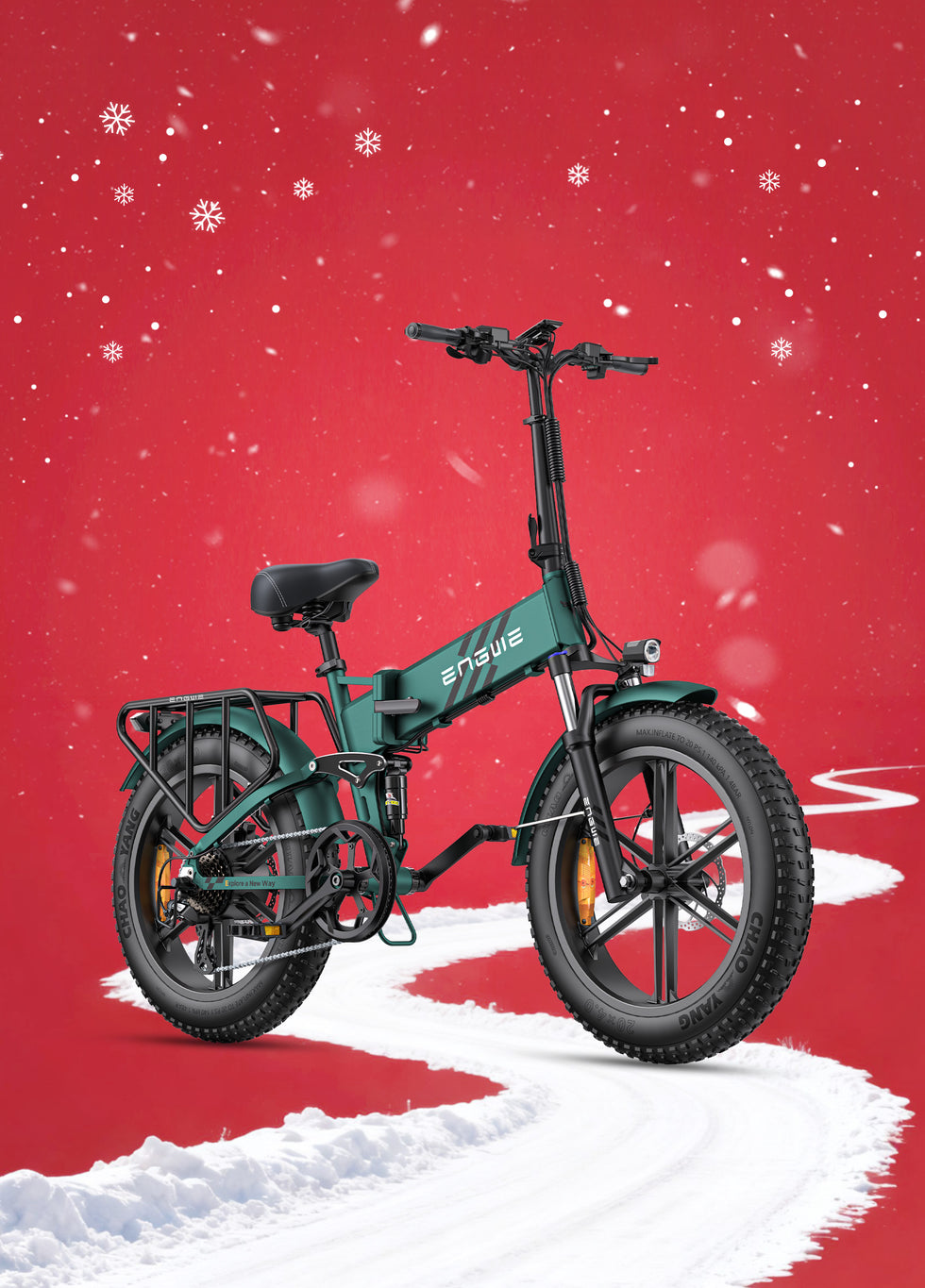
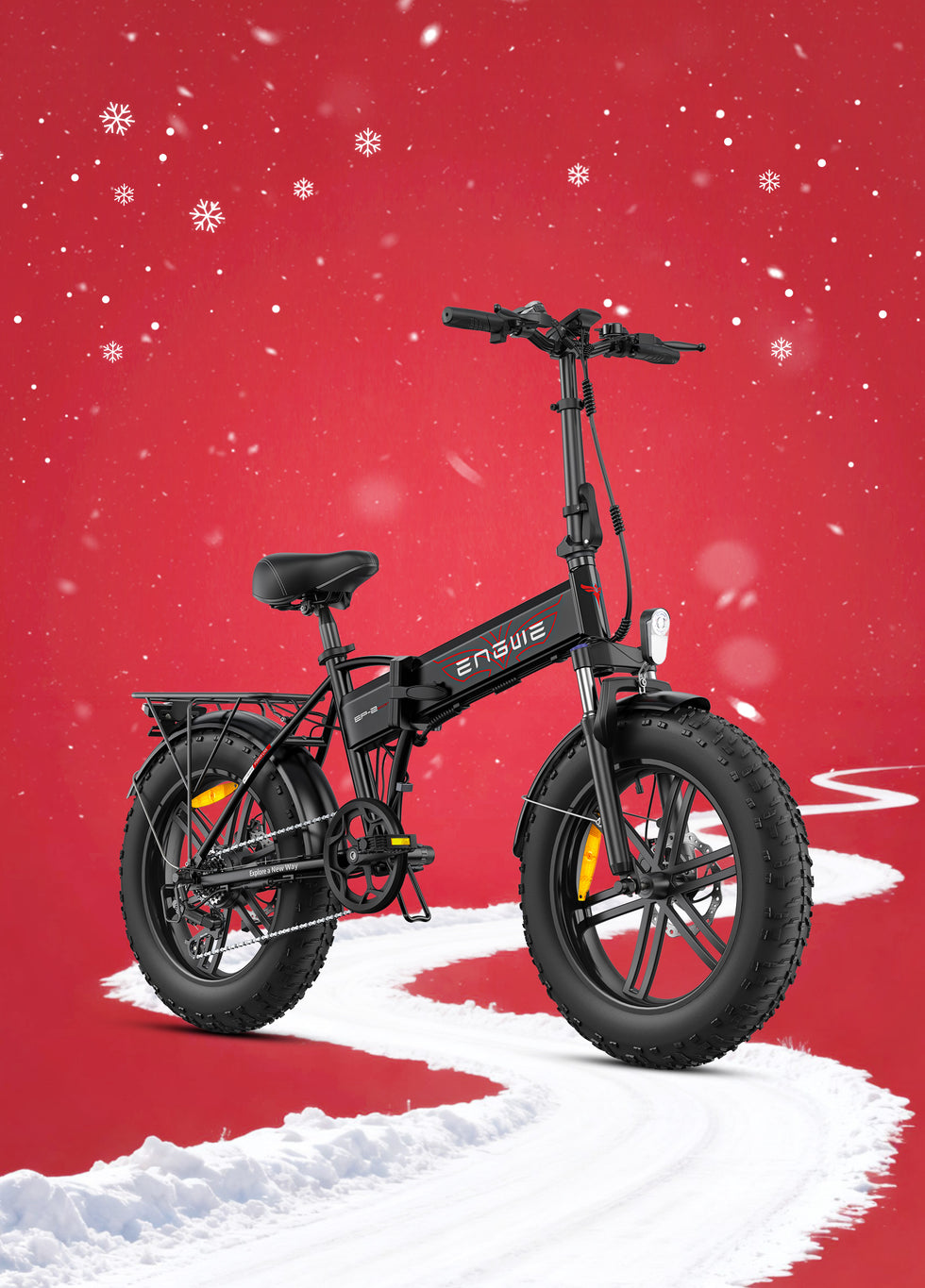
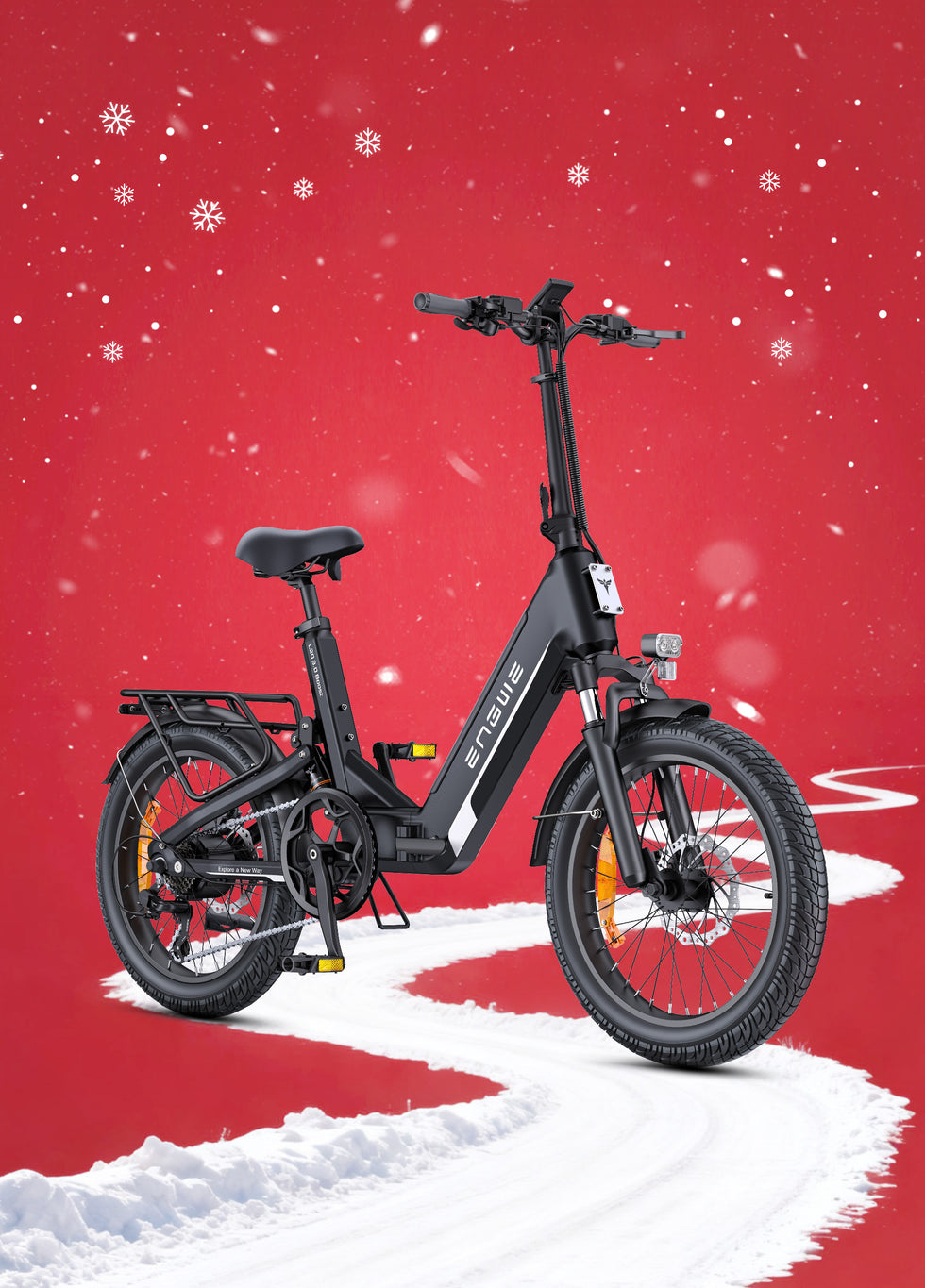
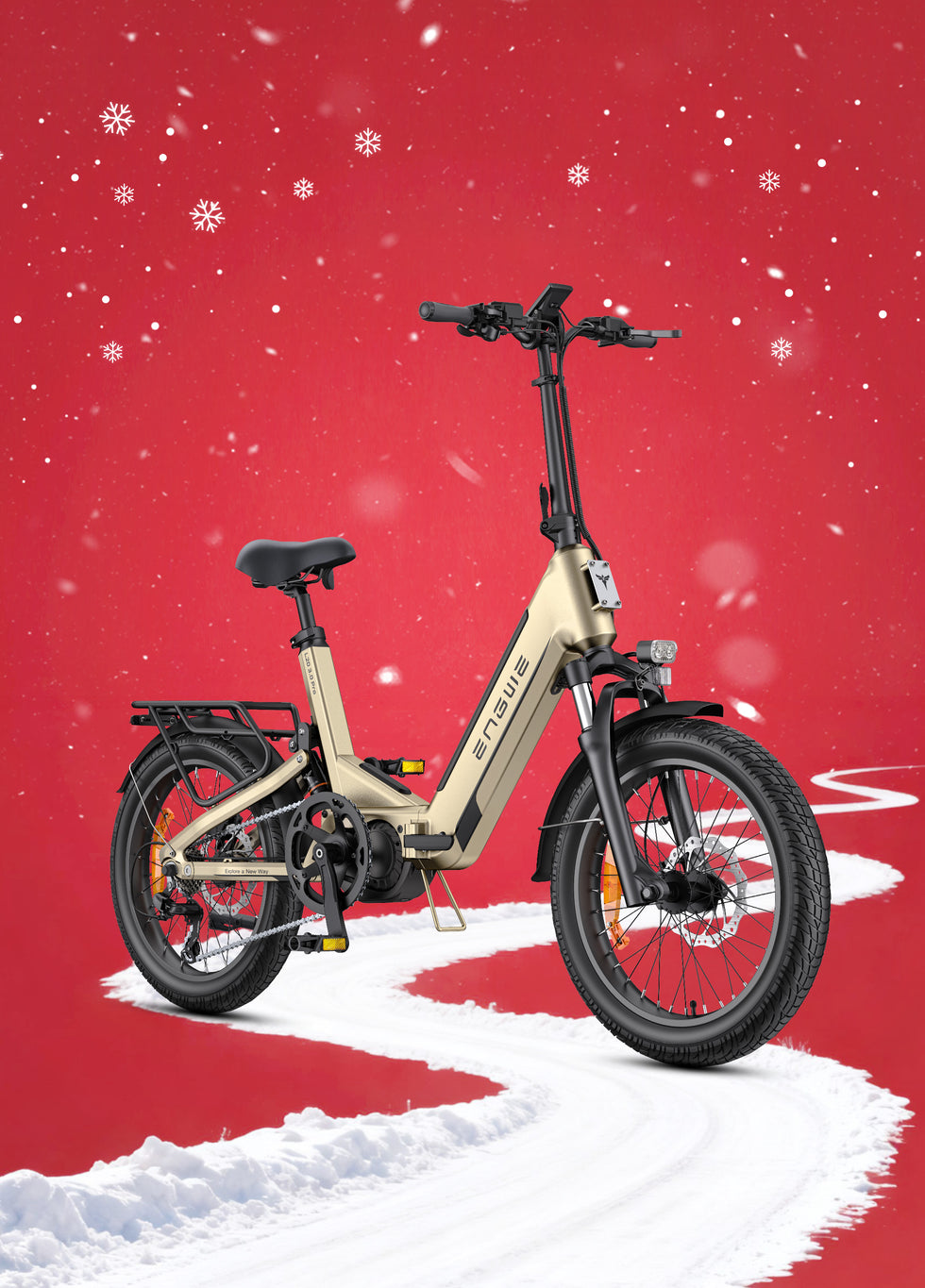
""In this category, brands like ENGWE outshine, delivering a unique combination of power and convenience. Their design is tailored to the modern biker who seeks flexibility. The ENGWE EP-2 3.0 Boost is a perfect example of engineered versatility. Its design combines strength with conveniences, as well displayed by the following features:

- Quick Folding: This design allows a 3-step action to compress the bike to a compact size suitable for car storage, the office, or at home in mere minutes. Actionable Tip: Try this folding process before you commit, and over time, it becomes a quick action to take on the go.
- Territorial Range: Folding bikes are often termed frail. The EP-2 3.0 Boost is fitted with robust fat tires and a strong motor that not only work excellently in the city but also on sand, gravel, and snow. This version serves nearly all your riding needs.
- Easy to Access: The low-step frame allows multiple users to mount and dismount the bike easily. For anyone seeking a powerful yet easily storable e-bike, the ENGWE EP-2 3.0 Boost is best suited for your cause, as it provides great value and versatility.
-
Non-folding Frames (Step-Through, Step-Over, Longtail)
Storage flexibility: These designs require dedicated storage. They are best suited for owners with a garage, shed, or secure storage space. Transportation requires a car-mounted bike rack.
4. Cargo Capacity and Hauling Utility
The term “e-bike” implies that it can carry more than just a rider, which is a significant advantage over conventional bikes. Depending on the frame’s style, an e-bike can accommodate anything from a laptop bag to a week’s worth of groceries or even a child. Different e-bike frames are designed to accommodate different loads.
| Frame Type | Typical Cargo Focus | Rear Rack Capacity | Front Rack/Basket | Best For |
|---|---|---|---|---|
| Longtail | Heavy & Bulky Loads | 45-90 kg (100-200 lbs) | Often compatible | Child seats, large panniers, delivery boxes |
| Step-Over | Standard Commuting | 15-25 kg (33-55 lbs) | Often compatible | Panniers, rack-top bag, laptop |
| Step-Through | Light to Medium Loads | 15-25 kg (33-55 lbs) | Often compatible | Groceries, gym bag, picnic supplies |
| Folding | Light & Personal Items | 10-20 kg (22-44 lbs) | Sometimes limited | Backpack, small bag, small essentials |
| Integrated | Varies (Often minimal) | Varies Greatly | Varies | Minimalist carry (e.g., small seat bag) |
Key Considerations for Cargo
- Mounting Points: Money-Saving Tip: Before buying a non-cargo e-bike, check for threaded eyelets (braze-ons) on the frame and fork. These are the mounting points for racks and fenders. Adding racks to a bike without them is more difficult and expensive.
- Weight Distribution: A Longtail e-bike’s design keeps the center of gravity low and stable, even when heavily loaded. On standard frames, heavy rear loads can affect handling, so it’s important to balance the weight when possible.

5. Performance, Maintenance, and Final Advice
Finally, apart from serving as the mount for all electrical components, the frame design also instantly influences the bike’s handling and performance. Specifically, its impact relates to the differences between step-over, integrated, and other systems in handling and maintenance.
Performance by Frame Type
-
Step-Over: The Peak of Performance.
Why it excels: Since the step-over frame’s shape resembles a triangle, it also ensures maximum firmness and stiffness when in use. In other words, a lack of flex allows for a more immediate power transfer from both your pedaling and the motor. Higher speed, better grip and traction for steep climbing, and improved responsiveness result from this design. -
Integrated Frame: The Technological Forefront.
Advantages: This feature’s primary benefit includes hiding the battery inside the frame. This improves the aesthetic quality and the weight distribution, which influences stability and balance.
Maintenance Point: Though reliable and protective of the battery, this design can make it more challenging to replace or service the battery due to its in-frame placement. -
Step-Through: Comfort over Stiffness.
The trade-off: This design is a compromise, as removing the top tube sacrifices some torsional stiffness. Manufacturers compensate for this by using a larger, reinforced down tube.
What to look for: When choosing a step-through, look for models with a thick, robust down tube, as this signifies a stronger, better-designed frame. -
Folding and Longtail: Function-Specific Performance.
Handling Profile: These two frames have unique riding experiences: the longtail provides safety and stability for heavy loads, while folding bikes prioritize portability, sometimes with compromises in ride stiffness or component durability.
Final Questions Answered
-
Can a folding e-bike be the only electric bike I have?
Absolutely. The latest generations of high-quality folding e-bikes, especially versatile models equipped with a strong motor and fat tires, are no longer bound to short distances and can be a great all-around bike. It can work for moving around big cities, completing your daily errands, exploring trails in the woods, and even decent commuting. -
Is a “step-through” frame substantially weaker than a “step-over” one?
While step-through frames are built to support city riding and less demanding trails, reputable manufacturers reinforce their frames with smart engineering and high-quality materials to ensure durability. For aggressively conquering mountains or high-speed asphalt cruising, a step-over frame would still be the more robust choice. -
What is the “most common mistake” first-time e-bike buyers make when choosing a frame?
The most common mistake is prioritizing frame aesthetics over the primary use case. Even the most attractive performance bicycle is useless if you have mobility issues that make it difficult to get on and off. Being honest about how you plan to use your e-bike and your own physical capabilities will always pay off.
So, armed with this information, you can now find your ideal e-bike.