
Your first or next fat tire electric bike choice can feel daunting, but the secret is in the frame. The frame type determines the comfort, potential, and experience of your new ride. It is the body of your adventure. This guide describes the five most common frame types to learn the virtues of each, meaning you’ll know exactly which model is right for you. With the perfect vehicle for your every need, from rocky trails to level city roads, in mind, you can make your decision confidently.
1. Classic Hardtail Frame: Your All-Terrain Workhorse
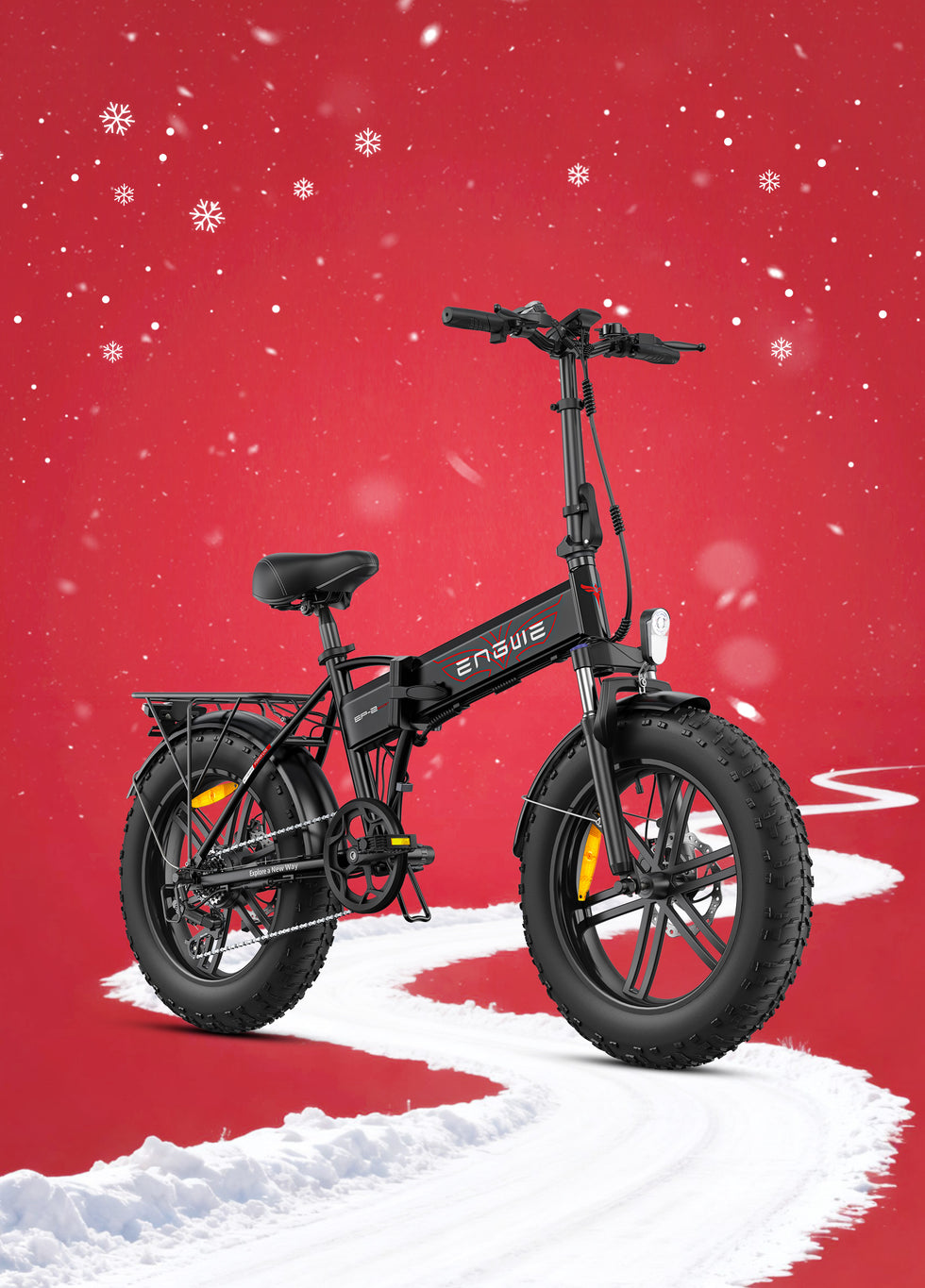
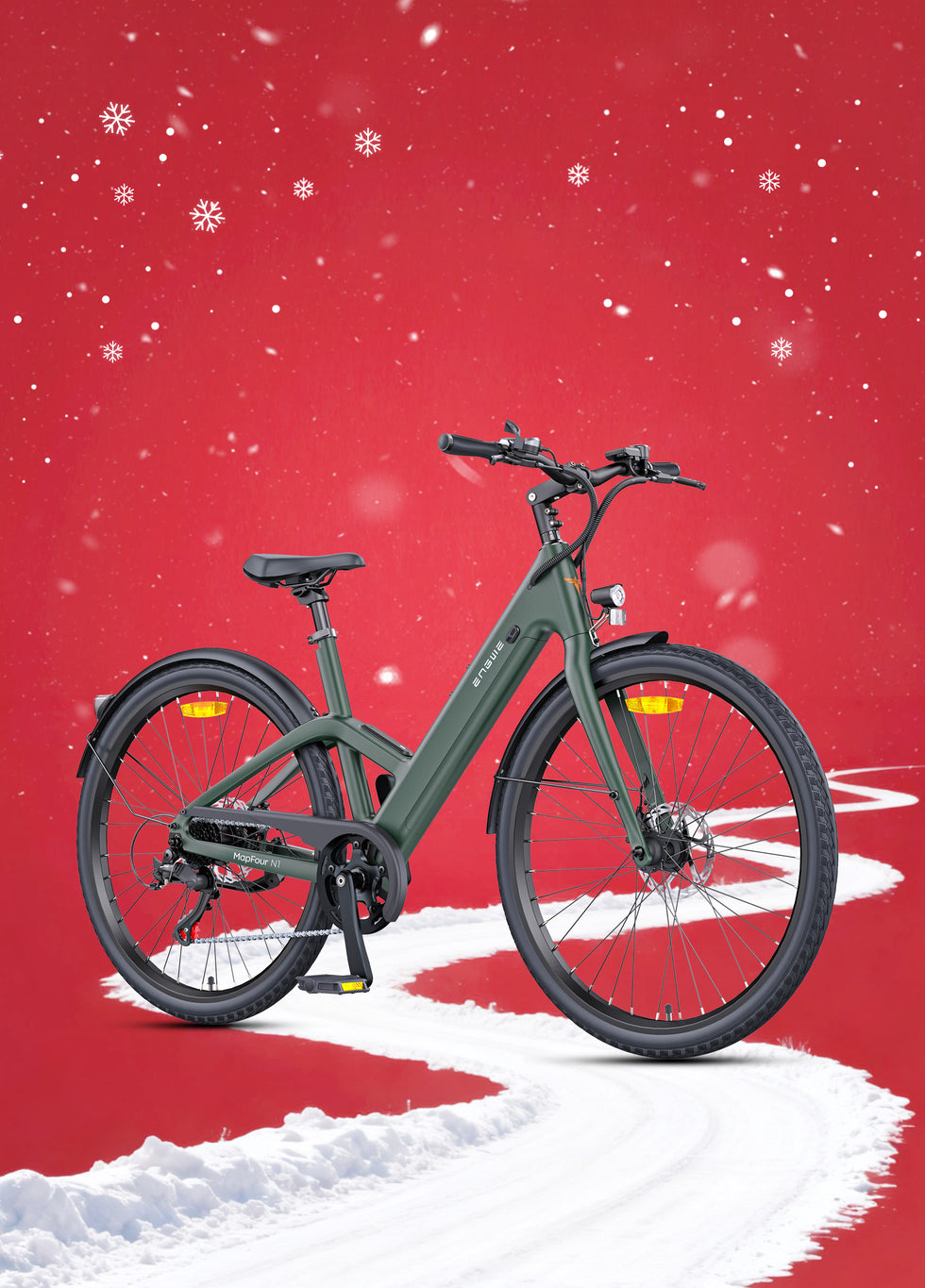
When most people think of a fat tire e-bike frame, the hardtail is the frame style they consider. Understandably so, as it’s the pinnacle of simplicity, durability, and ease of use. Defined by its solid rear triangle and front suspension fork, the hardtail is the optimal starting point for most users. It is a master of all trades, designed to excel on a wide range of courses but free of a rear shock to minimize complexity and maintenance. This frame design typically positions riders in a more active, forward stance that is convenient for long distances and efficient when pedaling. Because the hardtail is an all-rounder, it excels in a variety of situations from off-roading to the beach and even to the bike lane.
Therefore, it’s ideal for:
- Recreational paths of limited difficulty.
- Commuting over a mix of roads and light trails.
- Cyclists looking for an option that is durable, easy to maintain, and affordable.
- Beginners wanting a stable, predictable ride.
When shopping, consider:
- Frame material, such as 6061 Aluminum Alloy.
- A suspension fork, typically 80mm-120mm with lockout.
- The frame’s front and rear mounting points, which are nice optional features.
2. The Accessible Step-Thru Frame: Comfort and Convenience First
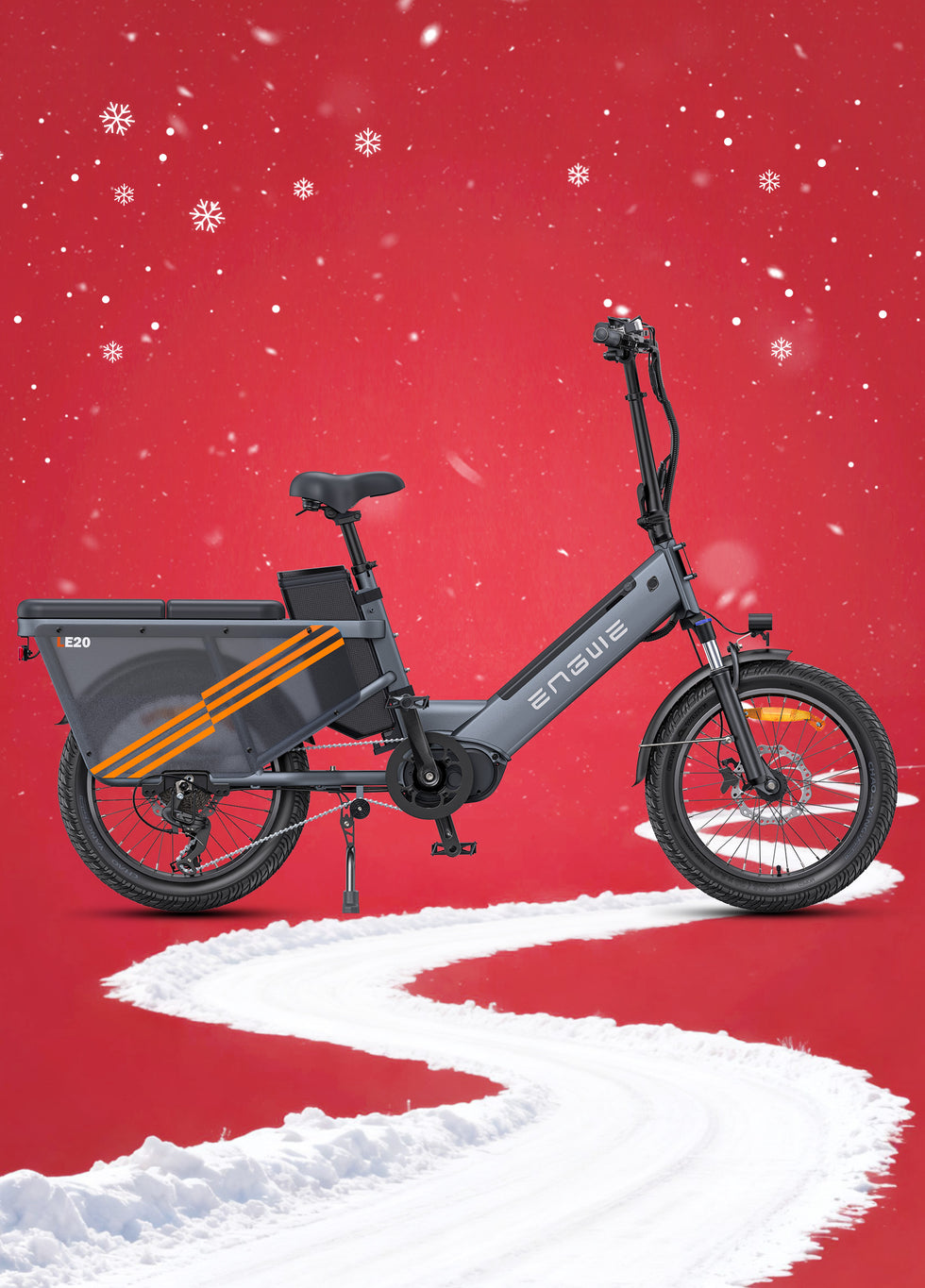
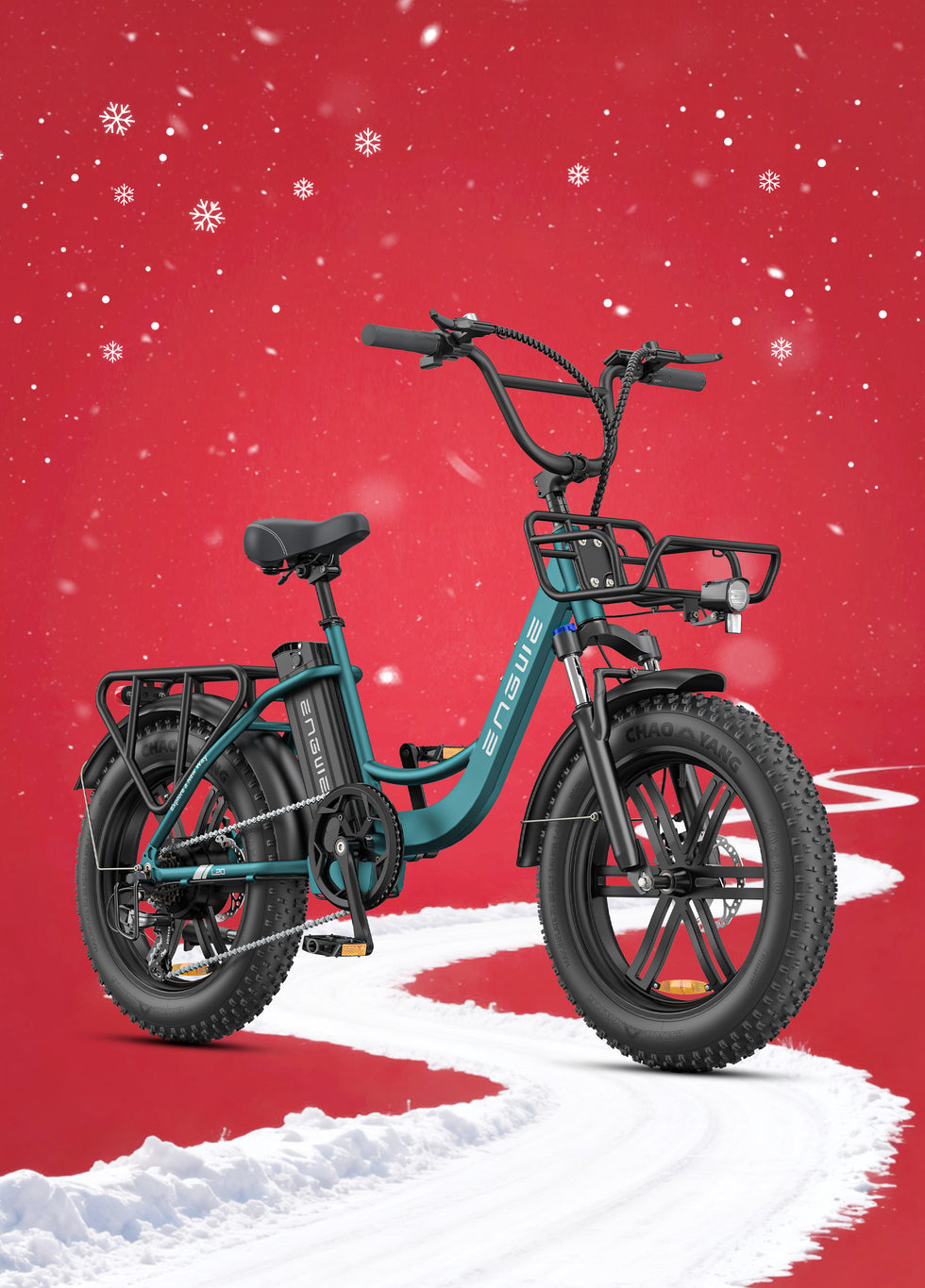
The defining feature of the step-thru frame is, of course, its step-thru design. The top tube is either entirely removed or drastically lowered, allowing riders to get on and off the electric bike with minimal effort. This makes it ideal for anyone who struggles with mobility, stop-and-go city commuters, or those who don’t want to swing a leg over a high bar. Additionally, the riding posture is usually fully upright, so there should be barely any strain on the back, shoulders, or wrists – riding these bikes should be a comfortable and nonchalant experience. Despite being traditionally seen as less capable, modern design ensures high-quality step-thru fat tire e-bikes are robust, stable, and ready for a real adventure.
Core Strengths:
- Effortless getting on and off; perfect for stop-and-go city traffic.
- Upright posture for total visibility and maximum comfort.
- Ideal for riders wearing a skirt, dress, or any otherwise restrictive clothing.
- Ideal for building confidence in first-time or elderly riders.
What to Look for Before Buying:
- Frame Gussets: Strong, reinforced welds, particularly around the head tube and the bottom bracket area, are a sign of a robust and rigid frame that won’t flex under heavy loads.
- Battery Integration: An integrated battery in the down-tube ensures the center of mass is lower and provides a cleaner look than a rear rack-mounted battery.
- Adjustability: Prioritize models with highly customizable handlebar height and angle and an extra-long seat post to get that perfect comfort-focused fit.

3. The Full-Suspension Frame: The Ultimate in Comfort and Control
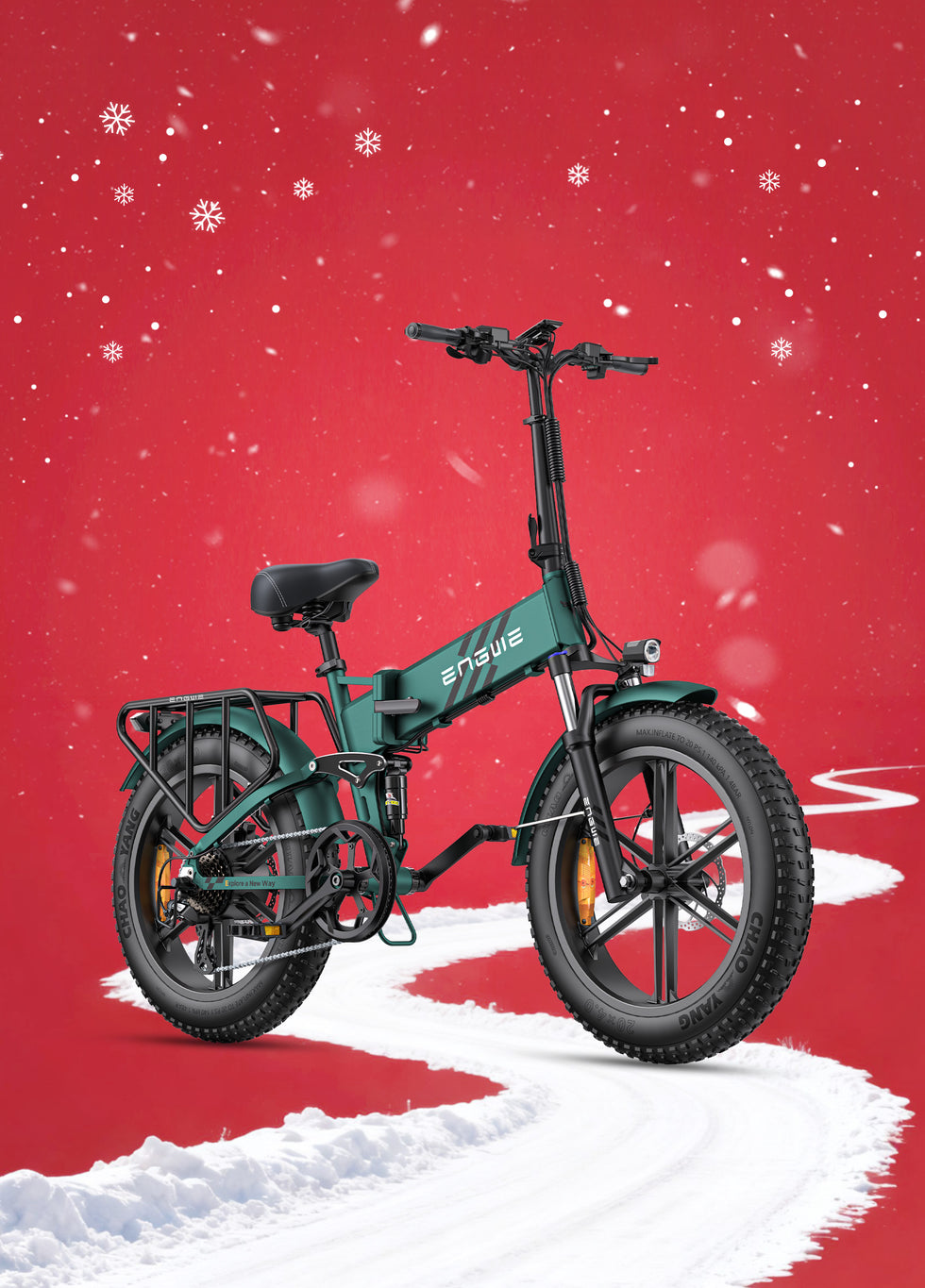
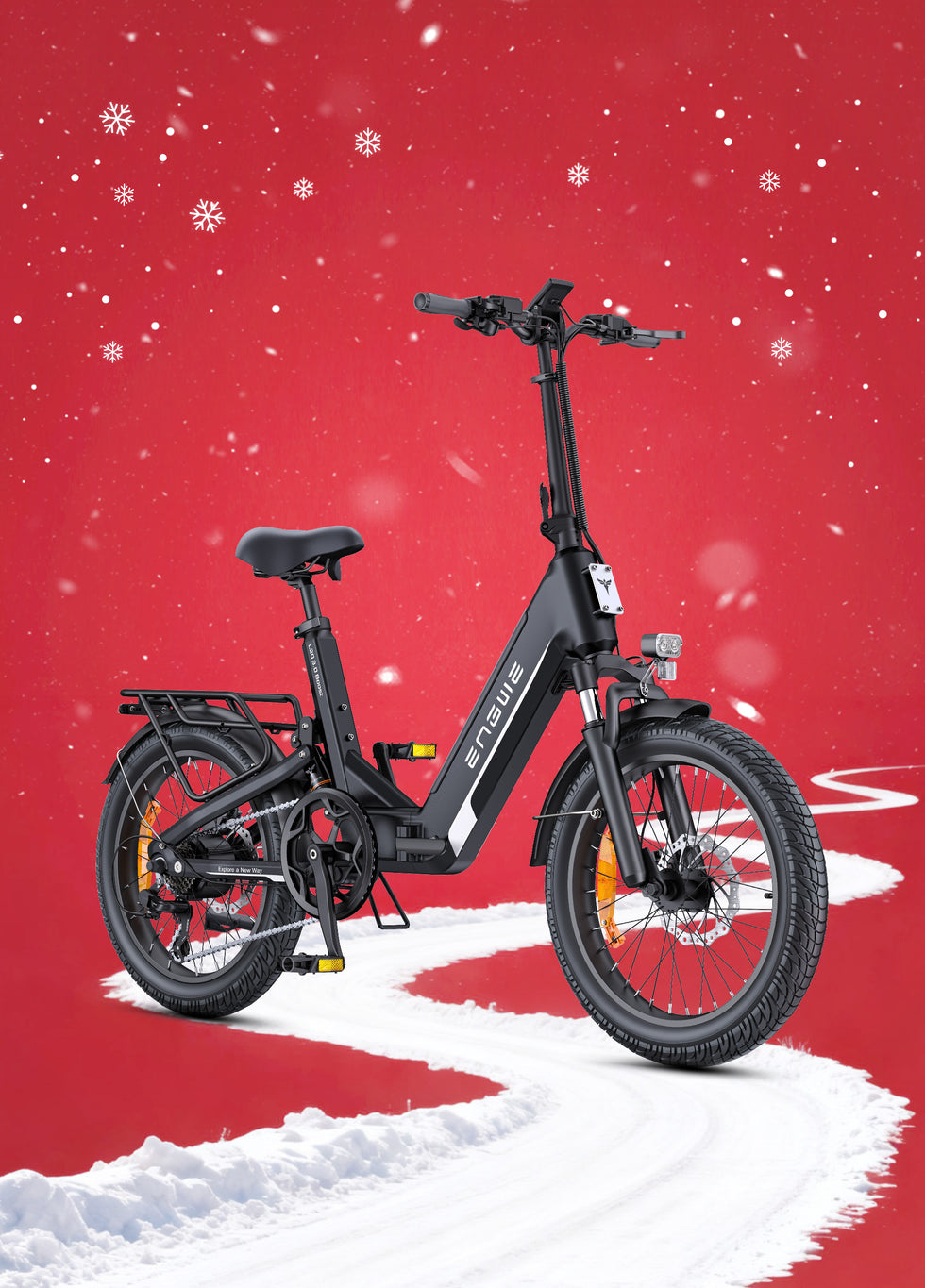
""For riders who refuse to compromise on comfort and require high performance on challenging terrain, the full-suspension frame is the pinnacle of fat tire e-bike technology. Featuring a front suspension fork and a rear shock absorber that smooths out bumps, ruts, and drops. It isn’t just more pleasant; its significantly better grip and superior control hold the tires to the ground. This is a showcase of top-tier engineering, with companies like ENGWE leading the way. One stellar illustration of this blending of power with a dual-suspension design is the ENGWE Engine Pro 3.0 Boost. For those who see a tough road ahead as a dare, it’s simply unbeatable.

Why Select This Frame:
- Unparalleled Comfort: All sensations are significantly decreased, from cobblestones to rocky paths, due to the cushioned suspension.
- Superior Traction: The rear tire follows the contours of the landscape to make it easier to climb, explore, and corner.
- Enhanced Control: The bike, which accelerates quickly, remains stable and predictable on steep climbs and challenging terrains.
Spotlight: ENGWE Engine Pro 3.0 Boost Specification
| Frame | 6061 Aluminum Alloy, Folding Frame |
| Suspension | Hydraulic Front Fork & Rear Shock Absorber |
| Brakes | Hydraulic Disc Brakes |
| Motor | High-torque, powerful brushless motor |
| Tires | 20 x 4.0-inch fat tires |
| Battery | High-Wattage |
4. The Compact Folding Frame: Portability and Power Combined
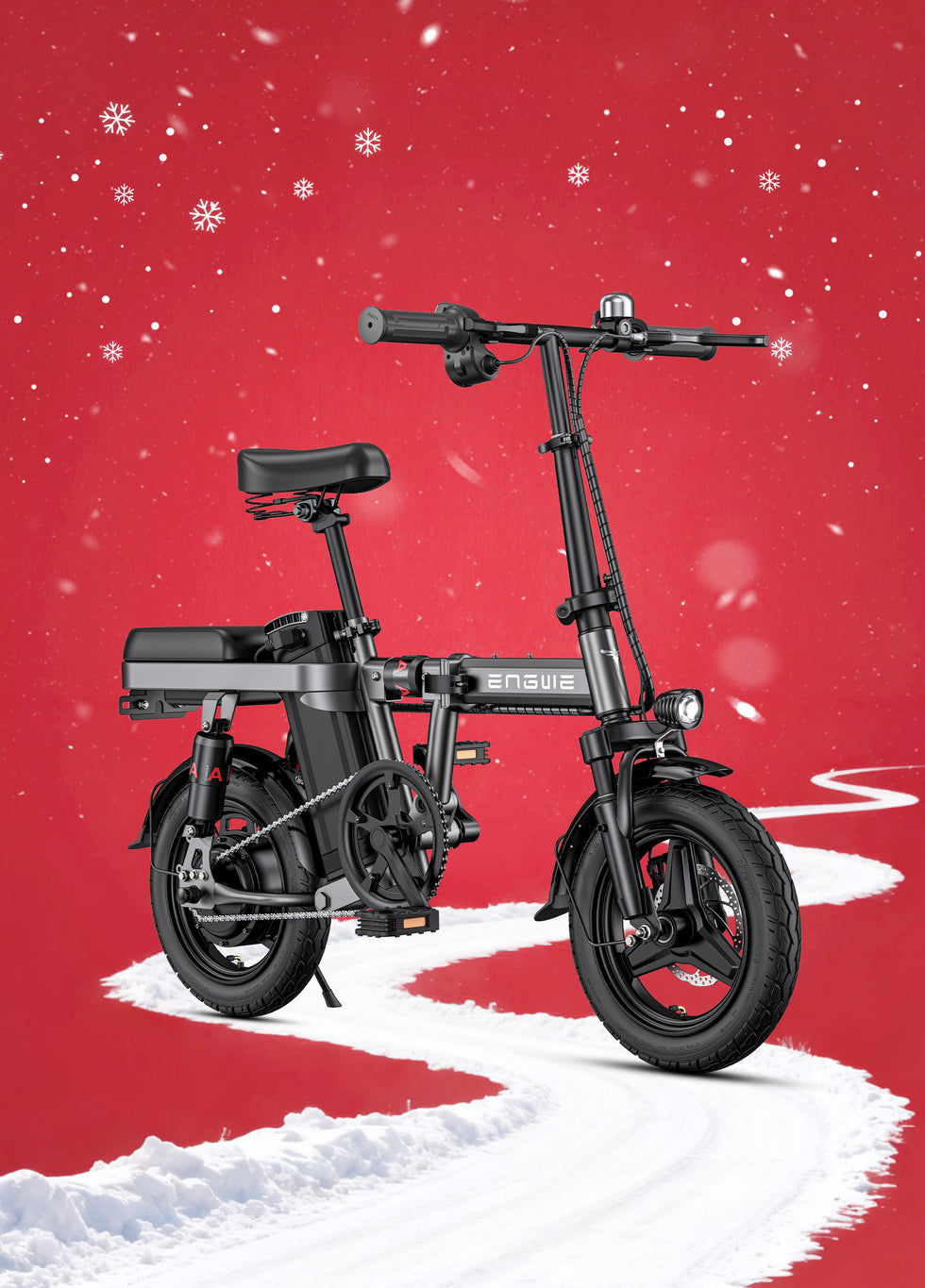
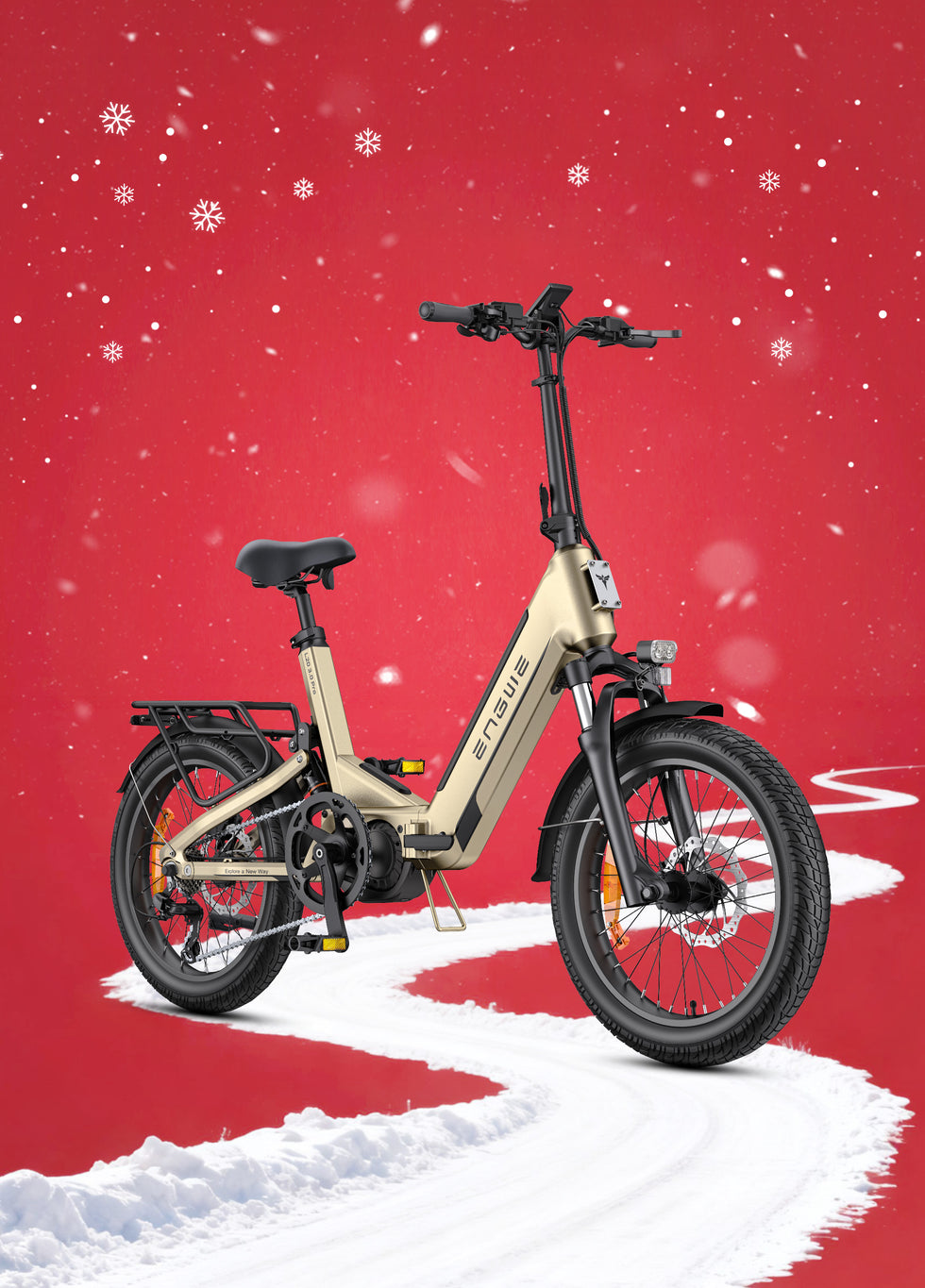
The folding fat tire e-bike is the ultimate engineering solution to the timeless, age-old issue of storage and transportation. Their frames feature hinged systems, typically in the middle of the frame and at the base of the handlebars, making them foldable into a compact size. That feature makes these bikes ideal for urban environments, small apartment life, and, in general, any location where e-bikes are stored out of sight. Nonetheless, the small size doesn’t diminish the power and capability of such bikes, and they have strong motors just like their non-folding counterparts, keeping them fast and stable with sturdy tires.
Who Needs a Folder?
- Apartment residents with limited storage and no garage.
- "Last mile" commuters who combine their journey with a train, a bus, or a similar vehicle.
- RV and boat owners who want a vehicle for local exploration.
- Anyone who regularly needs to fit the bike into a car trunk.
Essential Pre-Purchase Checks:
- The latching mechanism: Take a close look at it. The quality of the metal should be high, and there should be a clear and loud “click” sound upon locking. If the latch looks cheap or flimsy, don’t buy it unless it’s its only disadvantage.
- Folded size and weight: How much does it weigh when folded? Try folding it and lifting it in the store; if you can’t do it, you won’t be able to do it with a grocery bag in the other hand, either.
- Cable management: Well-routed cables should not stretch or get pinched when folding the bike. Keep in mind this impacts future maintenance.

5. The Moped-Style Frame: Where Style Meets Substance
Moped or moto-style e-bikes are all about style. With nods to vintage motorcycles and cafe racers, these frames feature long bench seats, prominent faux “gas tanks” that disguise the battery, and a low-to-the-ground, aggressive stance. They’re designed primarily for a relaxed, cruise-oriented stance and often come with powerful motors and a massive headlight to complete the look. While offering the most impressive looks and easily the most fun for city cruising and casual rides, their unique ergonomics may not suit everyone. Primarily built for style and a relaxed vibe, they offer a radically different ride from a traditional bicycle-style frame.
Signature Design Elements
- Elongated, flat “banana” seat.
- A frame emulating a classic motorcycle chassis.
- Often uses smaller diameter but extra-wide fat tires.
- A commanding presence to ensure they stand out.
Points to Ponder
- Ergonomics and Fit: Unlike traditional bikes, the seat height may not be adjustable. It is imperative to take a test ride to see whether the set riding position is comfortable enough for your height and leg length.
- Pedaling Dynamics: The low seat, laid-back riding position, and foot-forward pedal position make it almost impossible to pedal actively on this style of frame.
- Utility vs. Style: Form over function is emphasized for looks alone.
Conclusion:
Knowing the distinct types of e-bike frames is crucial for making a confident decision. Understanding the differences between the Hardtail, Step-Thru, Full-Suspension, Folding, and Moped-Style frames helps any enthusiast identify their practical needs and make a sound investment in a fat tire e-bike.