
E-Bike Legality in Germany: The 80 km/h Question
If you consider the exact answer to be a purely pedaled bicycle, then riding an electric bike to 80 km/h is indeed strictly illegal on German public roads. German law is accurate, and this vehicle does not fit into any of the e-bike or Pedelec categories but rather belongs to the light motorcycles. This gets it classified under a different set of much, much stricter rules: essentially mandatory registration, a license attached to the vehicle, and traffic insurance (called compulsory motor insurance; there are far fewer exceptions to it being required), which changes its nature and how you can legally use it.
For starters, it is important to know what the legal situation for electric bikes in Germany looks like. While the catch-all term “e-bike” is often used, German law distinguishes between vehicles based on their motor power and speed capabilities. This classification will dictate the rules you have to obey, selected ways, and appliances. These violations can result in stiff penalties for not abiding by these categorizations. It’s important for each rider to absolutely know what category their vehicle will fit in when they drive it on public roads.
-
Pedelecs (Pedal Electric Cycle)
This is the most popular type of electric bike. They’re classified as a legal bicycle.
-
Motor Assist
Full 250-watt motor operates only while you are pedaling.
-
Speed Limit
The aid ends once 25 km/h is reached.
-
Requirements
You don’t legally need a license, insurance, or helmet (but you should wear one!). They can ride on all bicycle paths.
-
S-Pedelecs (Speed Pedelecs)
Also known as faster pedelecs, S-pedelecs offer a bit more oomph than regular e-bikes and can travel at much higher speeds.
-
Motor Assist
The motor may be more powerful and supports up to 45 km/h.
-
Legal Class
They are registered as Kleinkrafträder (moped).
-
Requirements
You must have at least an AM-class driver's license, compulsory insurance (you can tell which bike has it because they'll bear a small white plate), and must wear a safety helmet. They are illegal on bike paths and must use the road.
-
E-Bikes (Throttle operated)
Bicycles with a throttle that can run without you pedaling. They are divided by their maximum speed (which is generally restricted to 25 km/h, with classifications for mopeds and motorcycles) and the associated bureaucracy.
| Type of Vehicle | Max Assisted Speed | Power of Motor (Nominal) | Regulatory Category | Driving License Needed | License Plate Insurance Number |
|---|---|---|---|---|---|
| Pedelec | 25 km/h | 250W | Bicycle | Nein | Nein |
| S-Pedelec | 45 km/h | >250W | Moped | Yes (AM class) | Yes (Versicherungskennzeichen) |
| 80 km/h "E-Bike" | 80 km/h | Varies | Light Motorcycle | Yes (A1 class) | Yes (Full Plate) |
And when a vehicle offers an advertising position as an “80 km/h e-bike," it clearly punches well above the classification of bicycle or even moped but sits somewhere just under light motorcycle (Leichtkraftrad). What it looks like, with pedals and a bicycle-like frame in this case, doesn't matter according to German law; performance is what makes its calling. It is no small transgression to be caught trying to ride one of those machines without complying with the strict, current legal criteria. The implications are serious and can impact everything from your finances to your legal record and personal well-being. Knowing that difference is the most important lesson for anyone thinking about a high-speed electric vehicle.
The "80 km/h E-Bike": A Light Motorcycle in Disguise
-
Driver’s License Needed
You must have a special license to be able to drive this. Not a car (standard, class B), or moped license (AM). You need to obtain a special motorcycle permit for which you have to undertake and pass another theoretical test on motorcycles and separate practical training should be done/established - Class A1 - for that a specialist license is needed.
-
Vehicle Registration and Plate
Unlike the S-Pedelec where only a small insurance plate is required: This vehicle must be registered officially at the vehicle authorities (Zulassungsbehörde). This step requires a Certificate of Conformity (CoC) and it gives you the vehicle registration papers, which have to be carried in the car/bike, and an actual motorcycle-sized license plate.
-
Hands Over the Keys
As with a car or motorcycle, your vehicle must be regularly inspected (Hauptuntersuchung) to determine if it is worthy and safe on the road.
-
Insurance
You will have to have, as presumed in my other answer already, a fully-fledged vehicle liability insurance (Kfz-Haftpflichtversicherung) which is much more complex and also expensive than the mere liability only of an S-Pedelec.

Performance Within Legal Bounds: The ENGWE Example
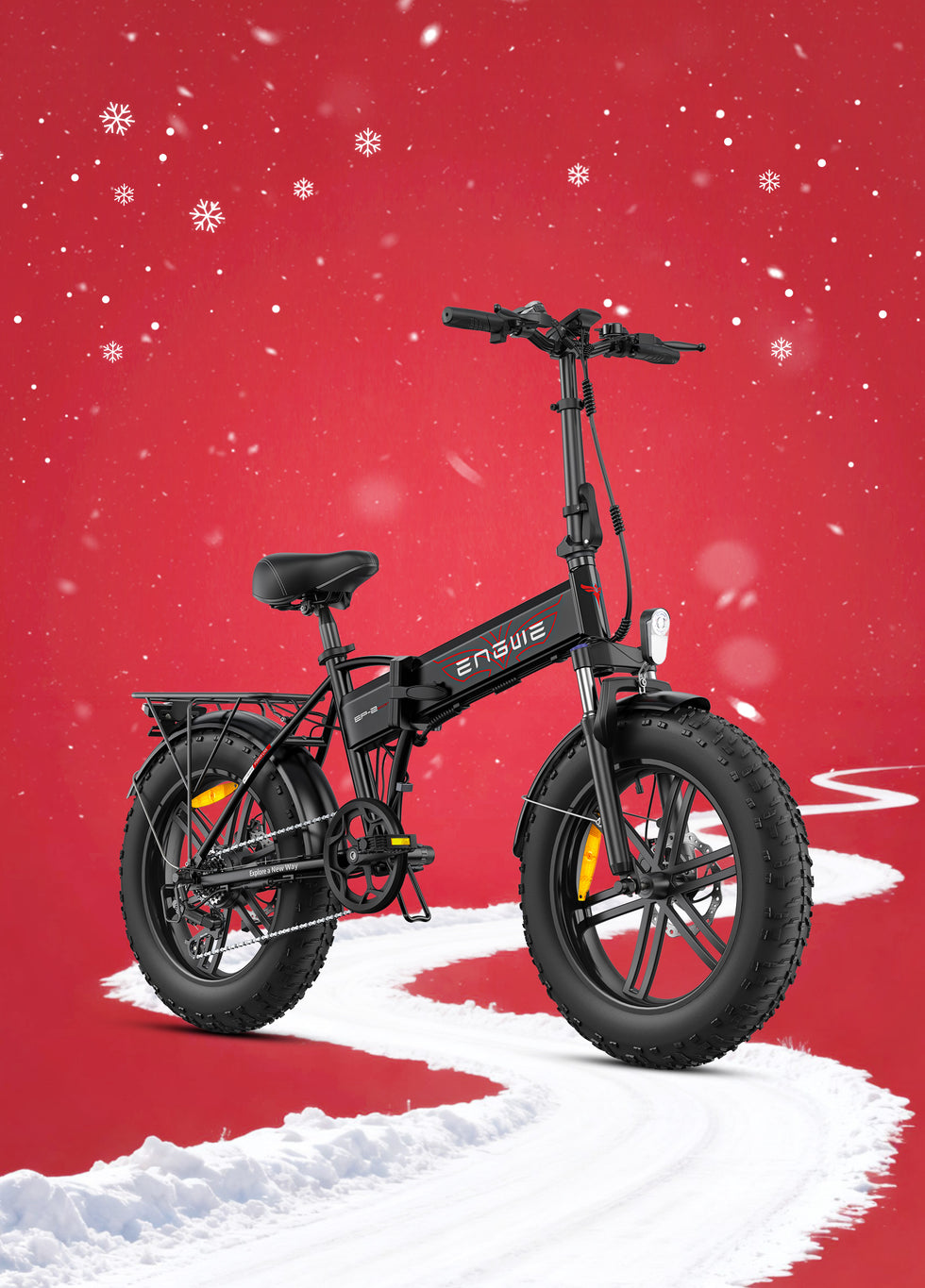
If the idea of cruising on an 80 km/h electric bike is currently saved for licensed motorcyclists only, then there's plenty of riders looking for something with a bit more juice (much to the frustration of other trail users). And that’s where companies like ENGWE shine: making heavy-duty machines for performance while still straddling that legal line. The ENGWE EP-2 Boost is a case in point, combining power, practicality, and smarts with impressive finesse. It is important to emphasize that when ridden in German road traffic, the system of moped classification applies and restricts the operation of vehicles on public roads in accordance with the 25 km/h Pedelec regulations. But there are lots of advantages on the trail or private land.
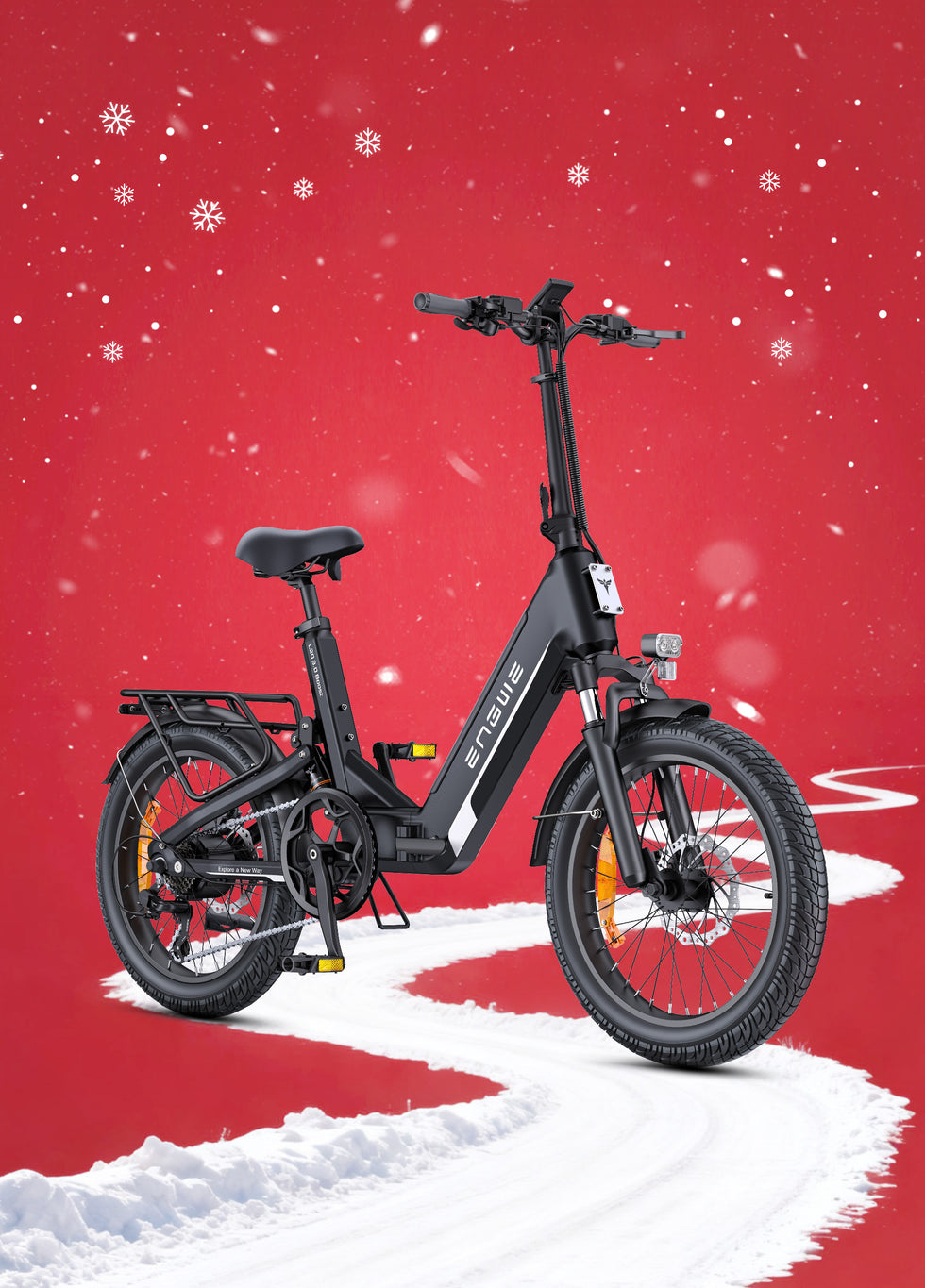
The ENGWE EP-2 Boost

-
Smart Power on Demand
The EP-2 Boost includes a highly sensitive torque sensor that produces power that feels smooth and supports your pedal effortlessly without adding resistance. Special Boost Mode on the Xtreme, they offer 55Nm of torque from their 250W motor and make hills feel like flats.

-
All-terrain And Master Its Domain
Leave no surface type behind or unscorched with a 20x4.0 inch ultra-fat tires and tough one-piece wheels, this bike takes the least effort to ride by simply bouncing over obstacles that would stop most other bikes cold on city streets, cobblestones, and loose sand trails.
-
Ready for the Open Road
Equipped with a 48V13Ah high-capacity removable battery, which can take you up to 120km on a single charge in pedal-assist mode so you don't have to worry about running out of gas during a long journey.
-
Convenient Design
This bike’s foldable frame makes it ideal for traveling or doing exercise on the go, also easy to send or receive a package. Front and rear hand brakes are more sensitive; the seat post can be adjusted for different people.
Navigating S-Pedelec Regulations
Riding an e-bike legally in Germany requires that the end-user give careful consideration to both what kind of capabilities their e-bike will have and the role it will be expected to play. Knowing the right answer can be crucial to an enjoyable (and safe) time; disregard the rules and you might end up simmering in a pot of something not particularly, um, refreshing. The main area to turn your attention to when it comes to legal-speed seeking e-bikes is the S-Pedelec category (up to 45 km/h), though it bears a ticklist of obligations that you will need to ensure are fulfilled before embarking on your first ride.
-
Important Steps for S-Pedelec Buyers
-
Check your license
Make sure that your active driver’s license is in the AM group or higher.
-
Buy From Reputable Dealers
Buy a vehicle which has a certificate of conformity (CoC) issued for insurance reasons and to prove the vehicle meets EU standards.
-
Get insurance
Find your Versicherungskennzeichen from an insurance company; you get it renewed each year.
-
Invest in a Decent Helmet
Get one that is designed to be used with motorcycles or mopeds (i.e., it complies with the ECE R22.05 standard or newer). A basic bike helmet won’t cut it.
-
-
Risks of unauthorized modifications (Tuning)
-
Immediate Insurance Suspension
If you had an accident, it would be your fault—period.
-
Criminal Charges
This can be driving without a license and driving an uninsured vehicle.
-
Vehicle Confiscation
The modified vehicle could be impounded by the police.
-

Choosing a High-Quality S-Pedelec
For those riders who want to push the limits of what’s allowed by their local laws, they can get an S-Pedelec in Germany (that would be a 50kph two-wheeler). These are bikes designed for performance, safety, and doing exactly what is required by the strict laws governing the 45 km/h class. They’re not cheap but they give a peerless riding and touring experience to those that have to push on over greater distances at higher speeds. When purchasing from this category, the quality of build, safety features, and long-term manufacturer’s reputation are essential.
-
Top S-Pedelec Brands in Germany
- Riese & Müller
- Stromer
- Cube
- Specialized
- Flyer
-
What to Consider When Buying a High-Quality S-Pedelec
-
High Performance Braking
Hydraulic disc brakes with large rotors are a requirement for safely slowing down from speeds of 45 km/h.
-
Built-in Safety Features
A bright, always-on lighting system (and a brake light), a horn, and a rear-view mirror are usually built-in, and legally required anyway.
-
Frame and Suspension
Robust frames rated to withstand higher forces along with quality suspension will ensure stability and comfort.
-
Big Battery, Big Speed
Speed takes a toll on battery life, so consider one with a big battery to get the range you need.
-
Q1: Can't I just adjust my regular, 25 km/h pedelec to ride faster?
A1: No, your Pedelec does no longer meet legal requirements through tuning or “de-restricting.” This invalidates your vehicle’s insurance, renders it illegal to drive without the correct license and registration, and can result in large fines or worse—criminal charges.
Q2: What kind of helmet is required for an S-Pedelec?
A: You have to wear a moped or motorcycle helmet which is an approved standard (ECE-R 22.05 is one of them). They can't be those cheap scooter ones that don't meet the listed standards. A standard bicycle helmet doesn’t meet the law and will not provide sufficient protection at 45 km/h.
Q3: Can an S-Pedelec be used on forest paths or bike lanes?
A3: No, as legally speaking, S-pedelecs are mopeds; driving them is only permitted on roads which can be used by motor vehicles. They are specifically prohibited on bike-only trails and on most forest and agricultural paths.
After all, respecting and getting to know German law is the secret to enjoying the power of an electric bike without being blindsided by it.