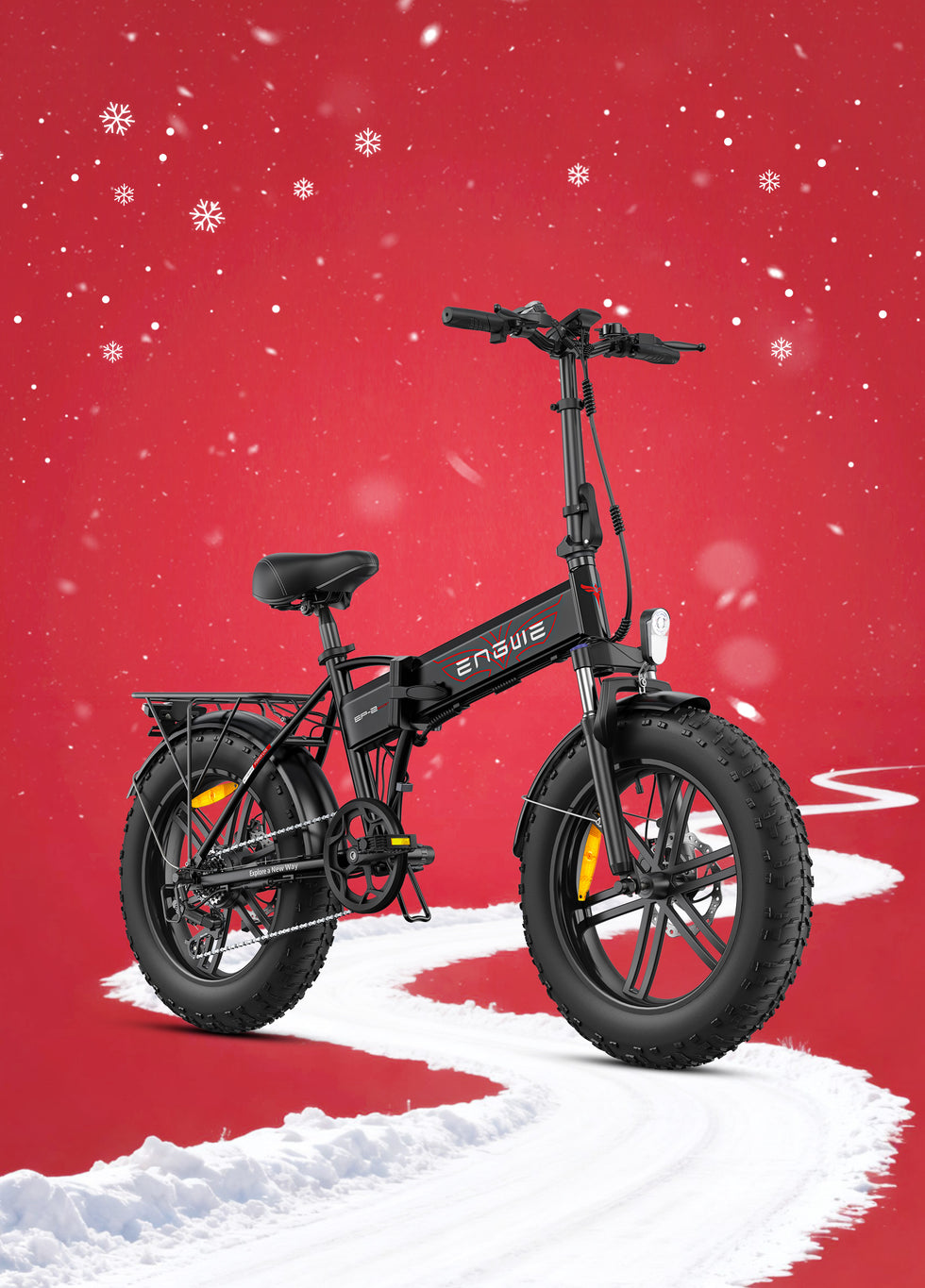

Baffled by the words E-Bike and Pedelec? You're not alone. Though these two types of electric bicycles are frequently used interchangeably, they have a fundamental functional difference that can affect things ranging from your ride experience to the laws where you live. This easy explanation will help you understand the five key concepts you need to know. We’ll take a look at their mechanics, how the law classifies them, who they’re best-suited for, and what kind of features you might consider when making your pick.
For one, the most basic difference is in how power is sent to the wheels. This one single difference is the reason for the entire character of the bike and is what makes a pure Pedelec and a throttle-equipped E-Bike different. Isn't that true? This is the first, most critical step to understanding. A Pedelec is supposed to enhance your effort; an E-Bike can replace it altogether — two very different philosophies when it comes to electric-assisted travel.
E-Bike vs. Pedelec: The Mechanics
Pedelec (Pedal Electric Cycle): The Power-Assist Mode
- Pedal Activated: Your motor will assist you ONLY as long as you are pedaling. As soon as you stop pedaling, the motor no longer assists.
- Sensor Powered: It works by sensors; it senses your pedaling. A cadence sensor will only measure whether you are pedaling, while a better torque sensor will measure *how hard* you are pedaling – This offers much more natural and responsive assistance.
- The “Bionic Legs” Feeling: Pedaling a Pedelec feels like riding an ordinary bicycle, but with a perpetual tailwind or superhuman strength. It is meant to supplement, rather than replace, your effort.
- Speed-Restricted: The assistance stops at a level required by law, for example, 25 km/h in Europe and 20 mph in the US (Class 1).
E-Bike (Throttle Bicycle): The Power-on-Demand Function
- Throttle Control: The key indicator is a throttle, typically a twist-grip on the handlebar or a thumb-activated lever. This means you can activate the motor without pedaling.
- Moped-like Operation: You can ride it purely on the electric motor without pedaling. A quick and easy way to start from zero and for when you don't want to pedal!
- Hybrid Functionality: Most throttle-equipped E-Bikes come with a pedal-assist system (PAS) that allows you to enjoy the best of both riding styles. You can pedal for help or hit the throttle in pure electric mode.
Legal Classifications: Navigating the Rules
The legal dimension is the second crucial dimension because that’s what determines where you can ride your bike, if you need a license to do it, and how the vehicle is categorized. They differ widely between countries and, not knowing the difference between an E-bike with throttle assist and a Pedelec, can potentially restrict trail access or worse, you could end up being fined! Knowing really is half the battle — it’s at least half the fight against stress while riding. Perhaps the most important knowledge point: Always check your local and state regulations before deciding to purchase, as access for different classes can and will be different.
EU-Regulation (Most consensus for Pedelecs)
- Treated like Bicycles: In most places, e-bikes with an up to 250-watt motor assisting speeds of only up to 25 km/h are treated as regular bicycles.
- No License, Registration or Insurance: You don't need a license, registration, or insurance to ride them in some public spaces where bicycles are allowed.
- Speed Pedelecs: The most sporty models (S-Pedelecs) that assist up to 45 km/h are considered mopeds and require a license, insurance, and helmet.
United States Class System (Includes Both Altitudes)
- Class 1: This is a Pedelec. The motor only kicks in when a rider is pedaling, and will stop assisting at 20 miles per hour.
- Class 2: A Class 2 E-Bike, we hear, has a throttle. The engine can power the bike by itself (no pedaling) and it does not assist when speed hits 20 mph.
- Class 3: This is a high-speed Pedelec. The motor is designed to help only when the rider is pedaling and to cut off when the bicycle hits 28 miles per hour. Multi-use paths typically prohibit these.

Finding Your Fit: Rider Profiles and Use Cases
The way in which you want to ride and use your dually is very important, as this aspect will direct you towards one or the other. Are you in search of a new fitness aide to increase your range and tackle hills, or do you want an efficient alternative mode of transportation for car trips closer to home in Tiffin? How they feel on the bike - there is a distinct difference between a Pedelec vs a throttle E-Bike and it plays into these distinct goals and then also plays into how you enjoy riding or how often you do.
The Pedelec Rider Profile: The Enhancer
- Fitness Buffs: Perfect for health-conscious riders who demand the same workout of cycling without getting overly exhausted, go further and faster, or conquer those tough hills.
- Couch Potatoes: Aiming at riders who are nostalgic for the feel of pedal power and would like to keep some form of that natural affection with them.
- Long Distance Tourers: Optimal for trips away, traveling long distances where the emphasis is on steady effort. By taking the slow-burning gas of fat you will be less reliant on phony stimulants so you can stay awake for longer and reach your destination with something in reserve.
The Throttle E-Bike Rider Profile: The Commuter and Adventurer
- Urban Commuters: Ideal for stop-and-go city traffic. The throttle gives immediate power from a stop to get you up hills or across gravel paths and get over the last hill home without breaking a sweat.
- Accessible Riders: It is great for riders with physical disabilities or joint problems who are no longer able to pedal, and its throttle allows cyclists to stay mobile as it offers assisted riding when pedaling becomes tough.
- Work Horse and Cargo Haulers: Even when fully loaded, the throttle will accelerate the bike from a standstill, particularly on an incline.
Spotlight: The ENGWE M20 All-Terrain E-Bike

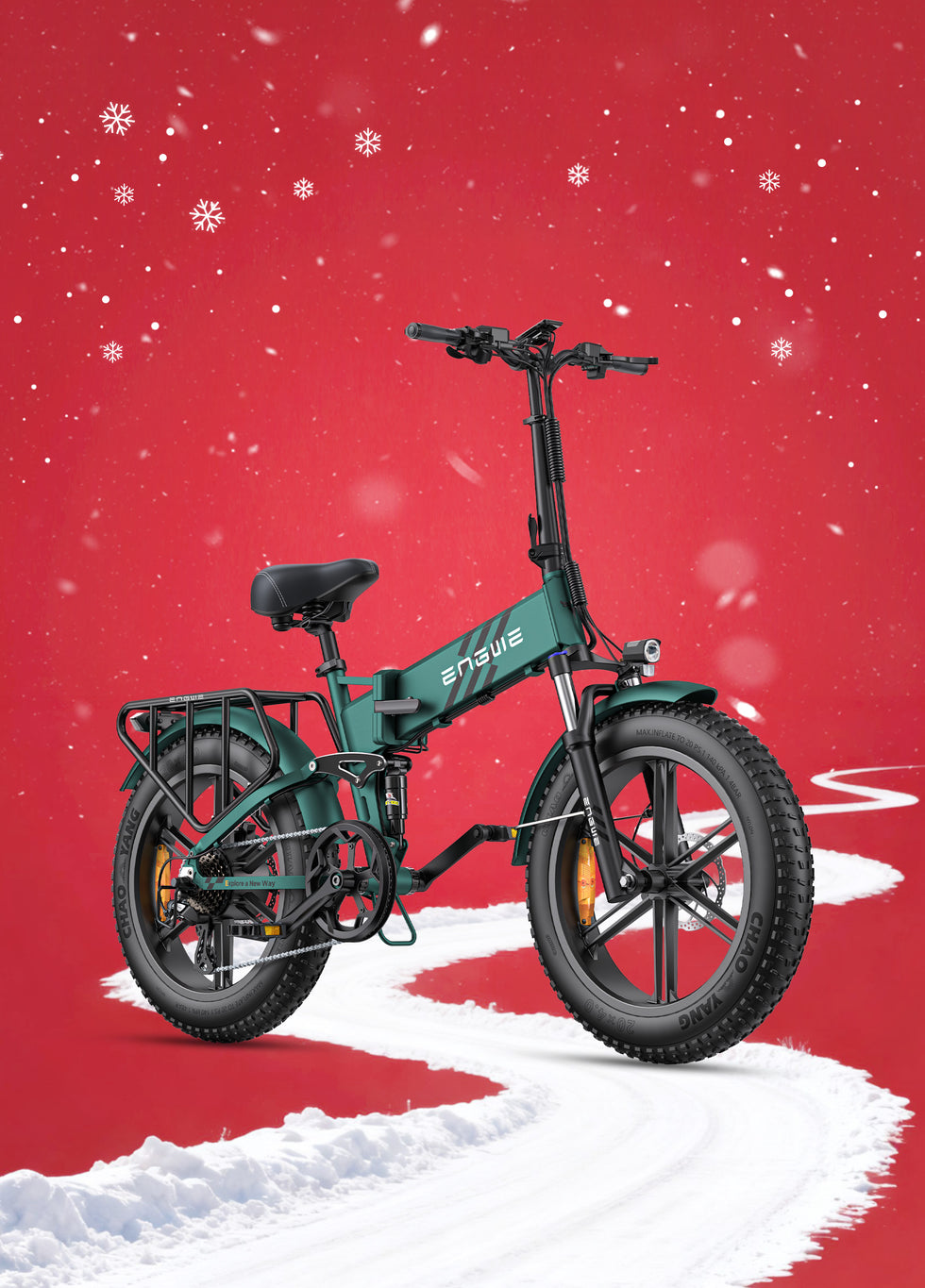
For riders who won't settle for anything but the very best in power, comfort, and performance, the search for knockout full fat-tire fun ends right here. One wonderful example, of course, is the ENGWE M20, an e-bike ideal for real adventurers. It is the essence of a capable, multi-use, and anything-goes bike with an added boost. This one from ENGWE is well-engineered to provide moderate performance and a great riding experience! What the M20 has is not just up its technical sleeve; it offers solutions to rider priorities such as range anxiety, terrain restrictions, and ride comfort.

- Adventure-Capable Design: The sleek, motorcycle-inspired frame looks as aggressive as it feels—ready to tackle any adventure.
- The key feature is the advanced dual suspension system. It's a front hydraulic shock and rear air shock absorber which brings double the shock absorption degree, to create a smooth urban ride even on bumpy roads and trails.
- Removes Range Anxiety: Two optional battery styles (48V 26Ah in total) can be driven up to an insane max range of 75km+75km with pedal assist. Pro Tip: The best way to have maximum range is to get the dual-battery model from Day 1.
- All-Terrain Dominator: The rugged 20x4.0 thick all-terrain fat tires provide excellent stability even in the most complex terrains. The 160mm dual disc brakes enable you to stop on a dime when you need and allow you to maintain your control at any given moment.
- Easy Power: Choose from 2 power assist modes to get through the hills with ease. Using the throttle only, you can ride at a top speed of 25 miles/h (no need to pedal). Or using pedal-assist depending on road conditions.
| Feature | ENGWE M20 Position |
|---|---|
| Motor | Brushless Motor (55 N.m Max Torque) |
| Battery Options | 48V 13Ah Lithium-Ion or Dual Battery 48V 26Ah |
| Max Range | 75km (13Ah) / 75km+75km (26Ah) |
| Suspension Type | Dual System (Front Hydraulic & Rear Air Shock) |
| Braking | 160mm Front and Rear Mechanical Disc Brakes |
| Tires | 20" x 4.0" Triple-Layer Fat Tires |
| Drivetrain | Shimano 7 Speed |
| Max Load | 120 kg (264lbs) |

Your E-Bike Buying Guide
But if we’re thinking broader market and key buying points, that insight will also steer you to spend wisely. The world of electric bikes — from folding city bikes to cargo haulers for heavy-duty use — is vast, and there are an array of options. Have your sights set on trying to get a one-year-old model; you will need to focus on the quality of components and when you can make your purchase. Don’t let visual gimmicks distract you from the basics that affect how the bike rides and how long it lasts.
Key Buying Factors:
- Battery and range: Look at the digits for the voltage in volts (V) and amp-hours (Ah). You can then multiply that figure to get watt-hours (Wh), a more useful measure of total capacity. Always think about real-world range, not just what the manufacturer says is possible under perfect conditions.
- Type of Motor and Power: Hub motors are popular (and reliable), while mid-drive motors (those at the level of the pedals) offer better balance and torque on hills. There are also watts (power) and Newton-meters (torque).
- Component Quality: Look at the brands of the brakes (e.g., Tektro, Shimano) and drivetrain (e.g., Shimano, SRAM). Quality components are safer and last longer.
- Frame and Fit: Make sure the bike fits you correctly. Look at other types such as a step-through frame for an easy mount, or a folding frame to store in small spaces.
What Else Is Clicking?
- Commuter E-Bikes: Typically include racks, fenders, and built-in lights for functional urban commuting. Rad Power Bikes is one popular brand in the mix.
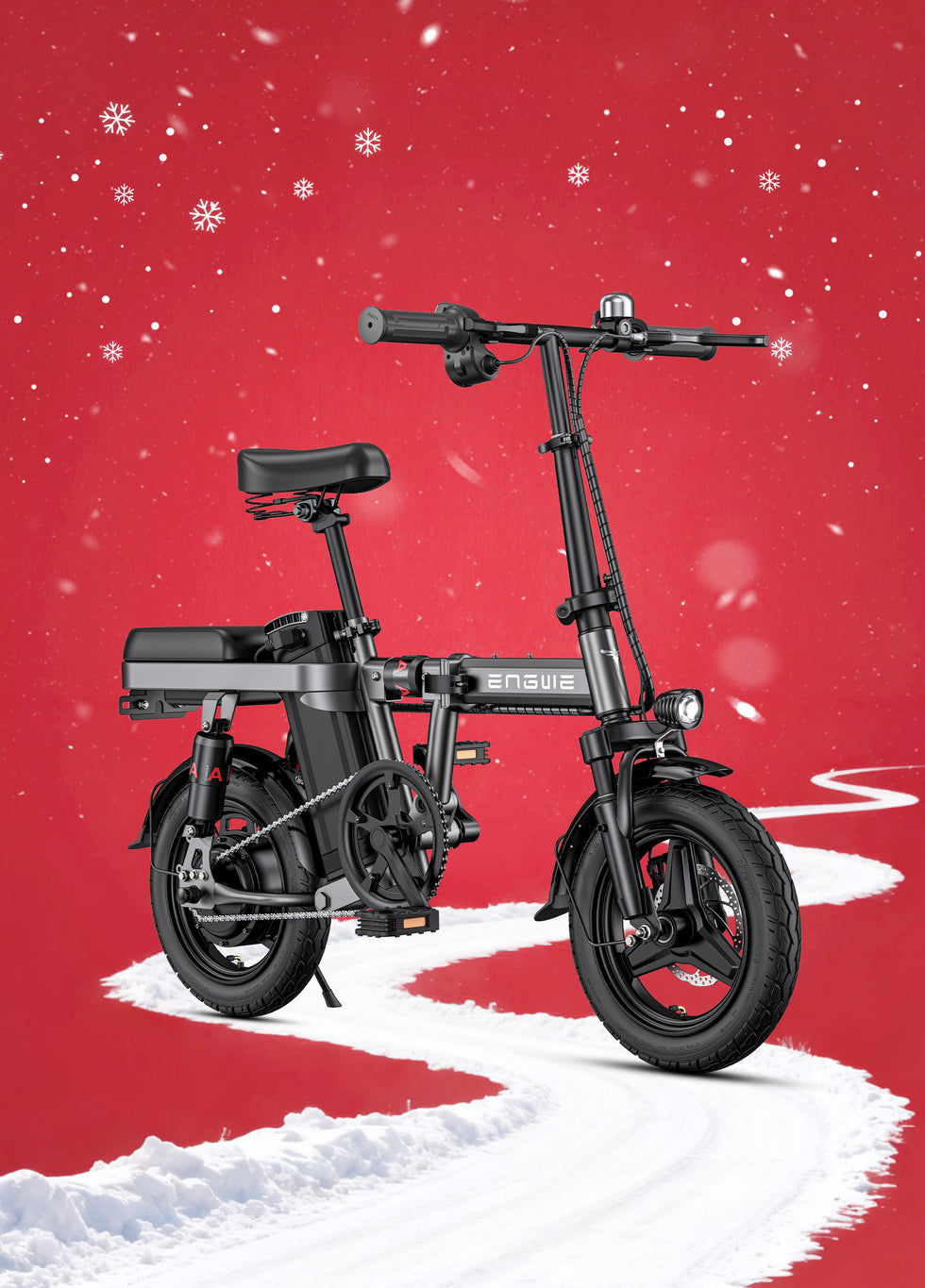
- Folding E-Bikes: Best for riders with limited parking or who want to take their ride on the bus or train. The Brompton Electric is a case in point.
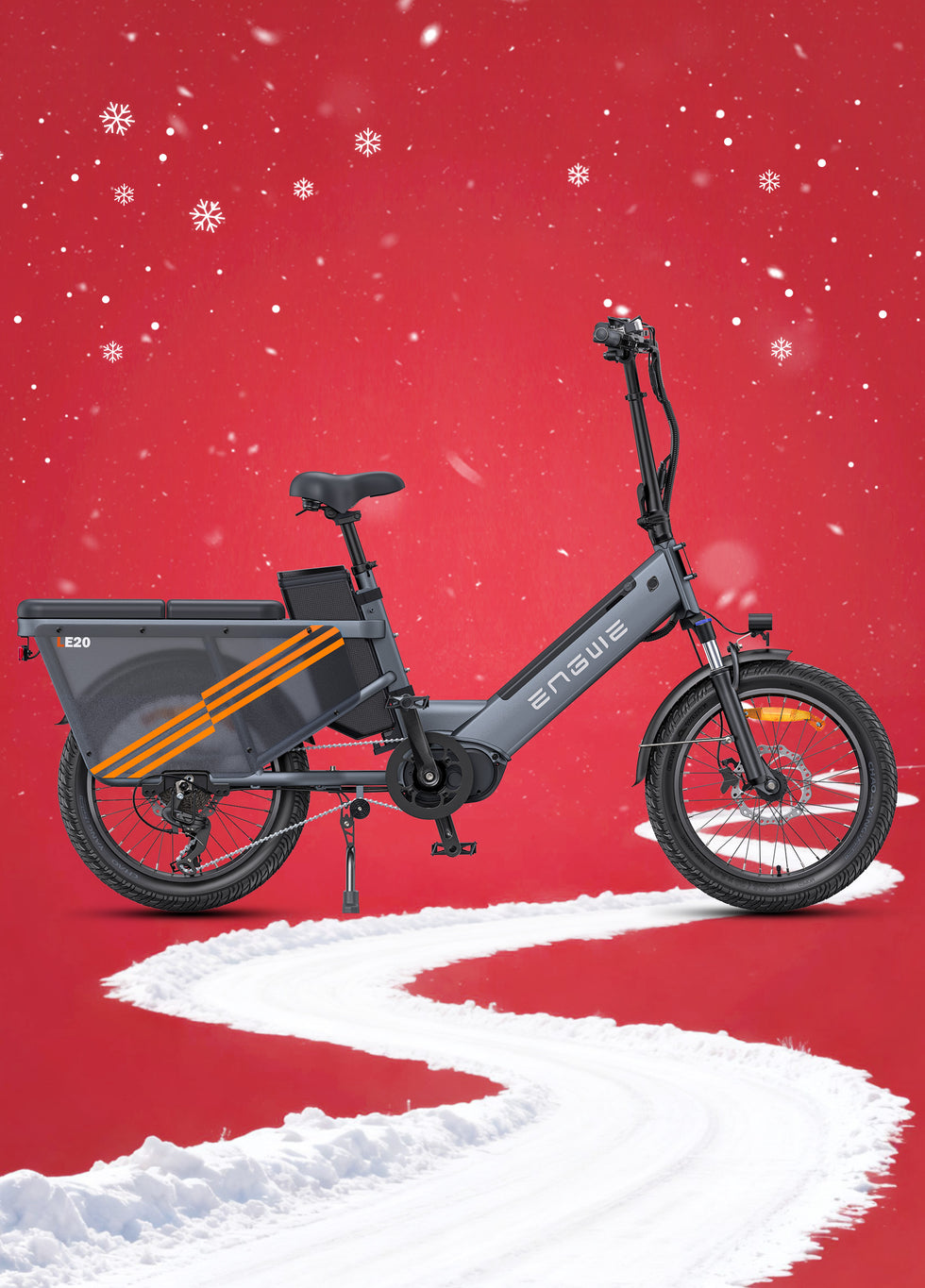
- Cargo E-Bikes: Long, strong frames that can haul children (or anything else weighing up to 200 pounds), these are a great replacement for the car. Check out brands such as Tern for sturdy choices.
- Money-Saving Tip: The ideal time to purchase an electric bike is generally the fall or winter when new models are announced for the next year. Stores will also discount stock of the current model to make space – and that means big savings for you.
Frequently Asked Questions:
Q1: Can a bicycle be a Pedelec and a throttle E-Bike?
A: Yes. In the US, a Class 2 electric bike is one with pedal-assist and a throttle. This combination's versatility is what makes these models so incredibly popular.
Q2: Is it all about the motor power (watts)? Is a bike always better for having more of this?
A: Not necessarily. And although you might think the higher the wattage the more power a bike has, torque (measured in N.m) is actually a better indicator of how well a bike can climb hills. A properly-balanced system with good components and a good torque sensor will often be more fun than just a high-wattage motor.
Q3: How can I extend the life of my e-bike's battery?
A: To help your battery last, don’t store it in extreme temperatures (hot or cold), try to keep its charge between 20% and 80% when using it daily, and never use a charger that isn’t made for that particular battery.
Now that you’re educated, you can make the right choice to revolutionize your ride.