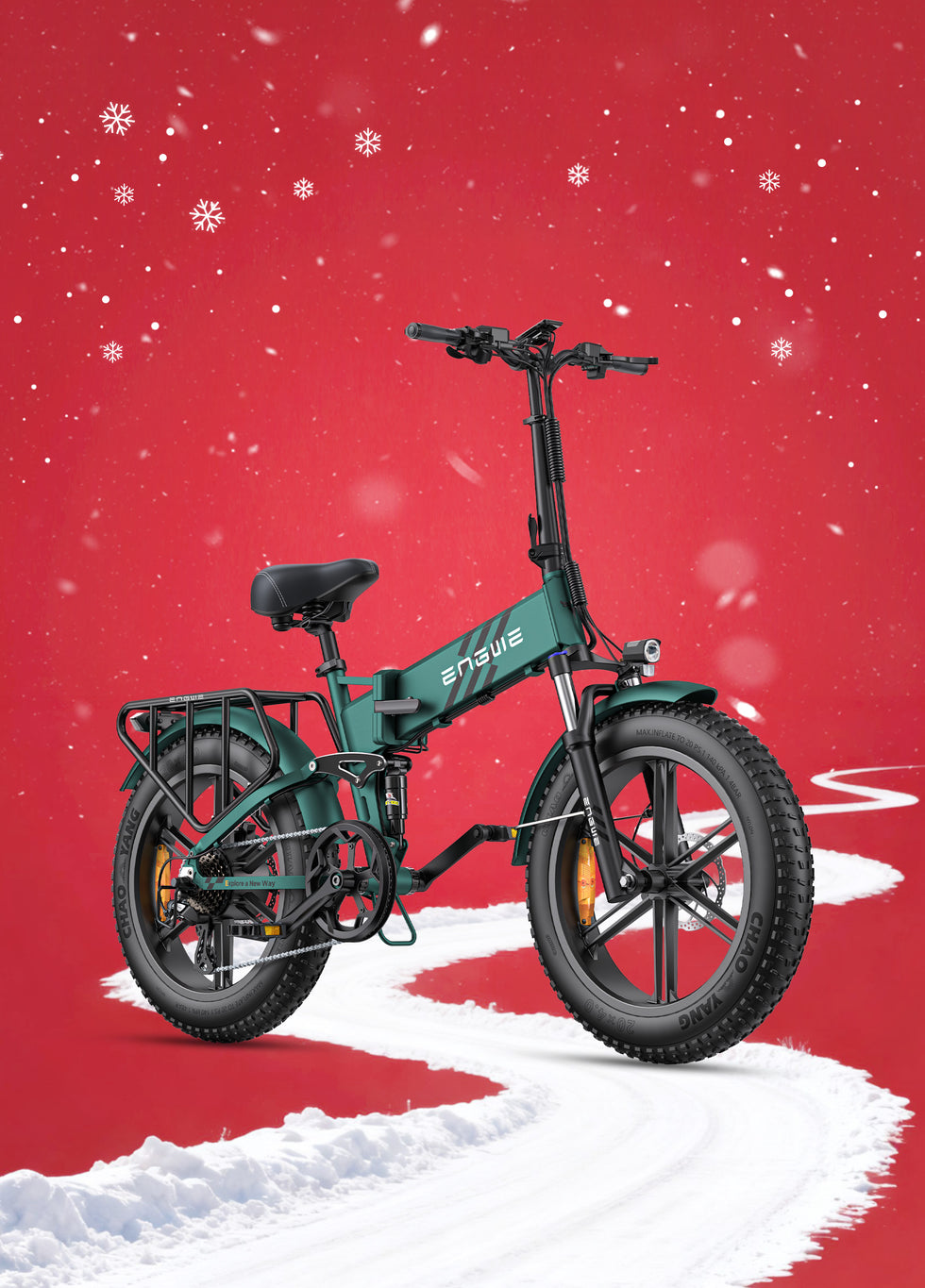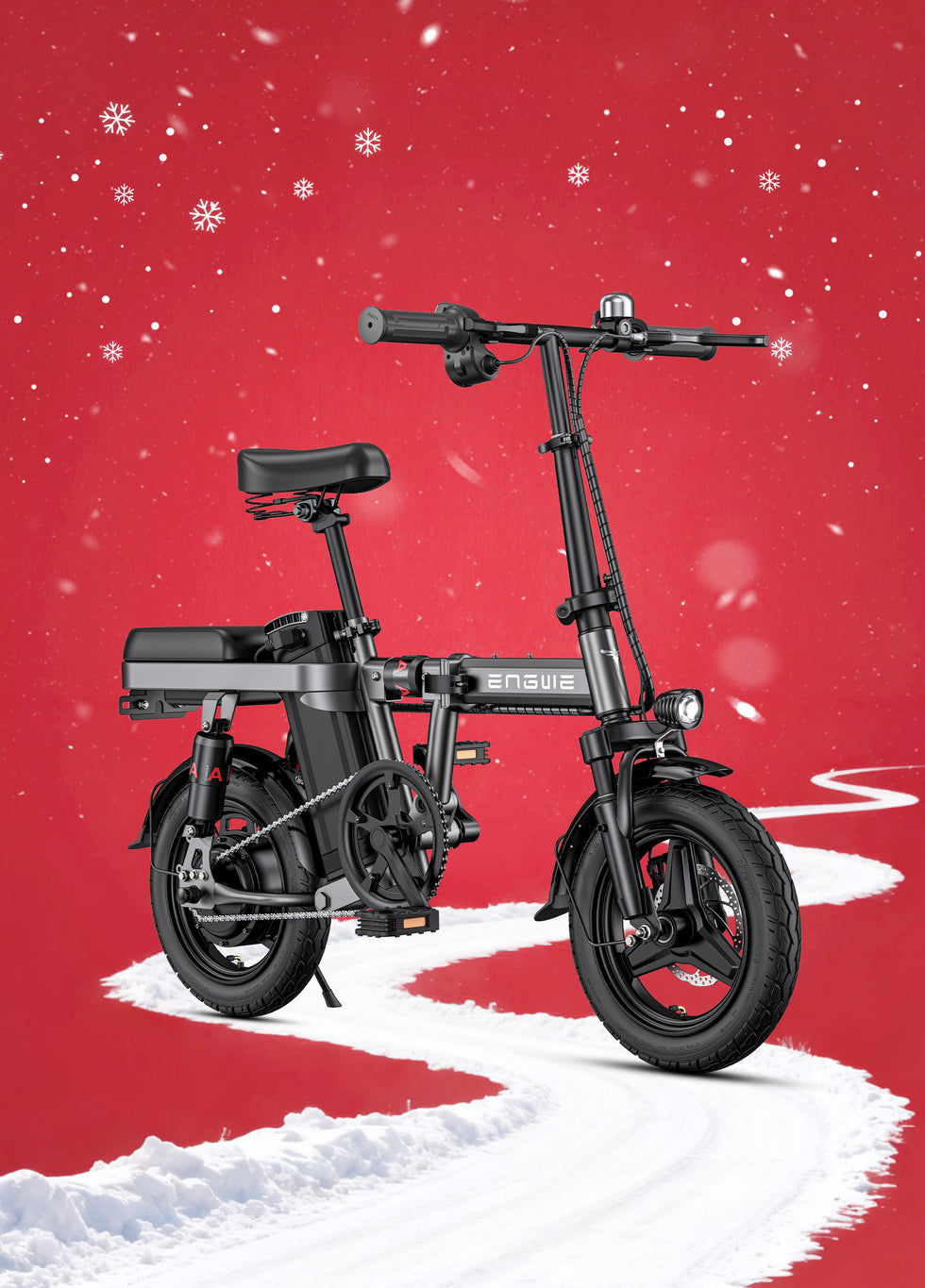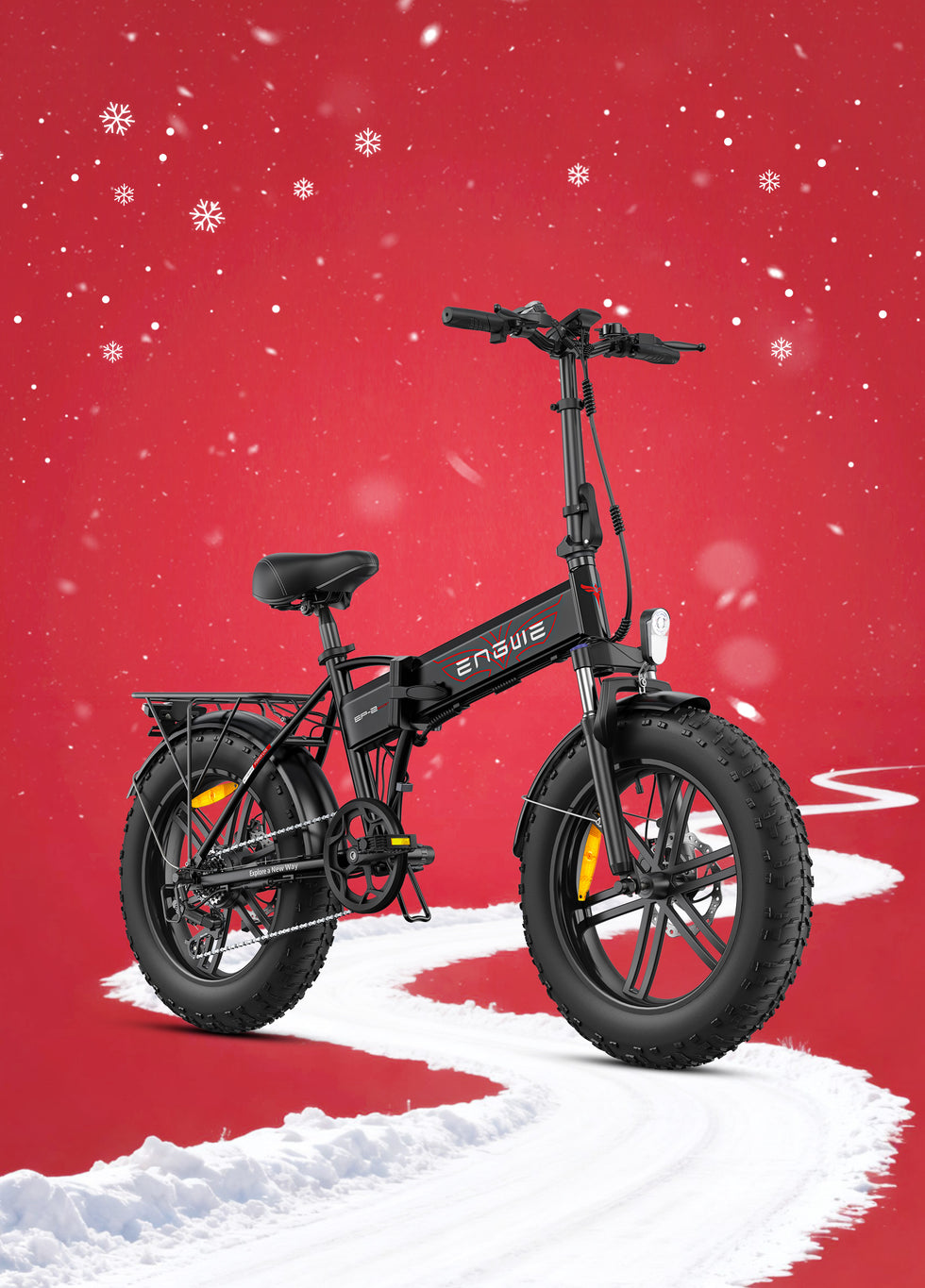

Fat tire electric bikes have opened up a new world of personal transportation, providing increased stability and mobility on the beach, in the snow, and in the city. Because of the vast number of available options, the right choice can seem intimidating. This guide helps you sift through the clutter by testing some of the top-rated models, including what you need to know by bucketing the best-performing middle-rated fat tire electric bikes to the following essential criteria: Urban and All-terrain performance, Off-road power, Long-range, comfort, and value. Let’s get going and find your bread and butter of electric bikes.
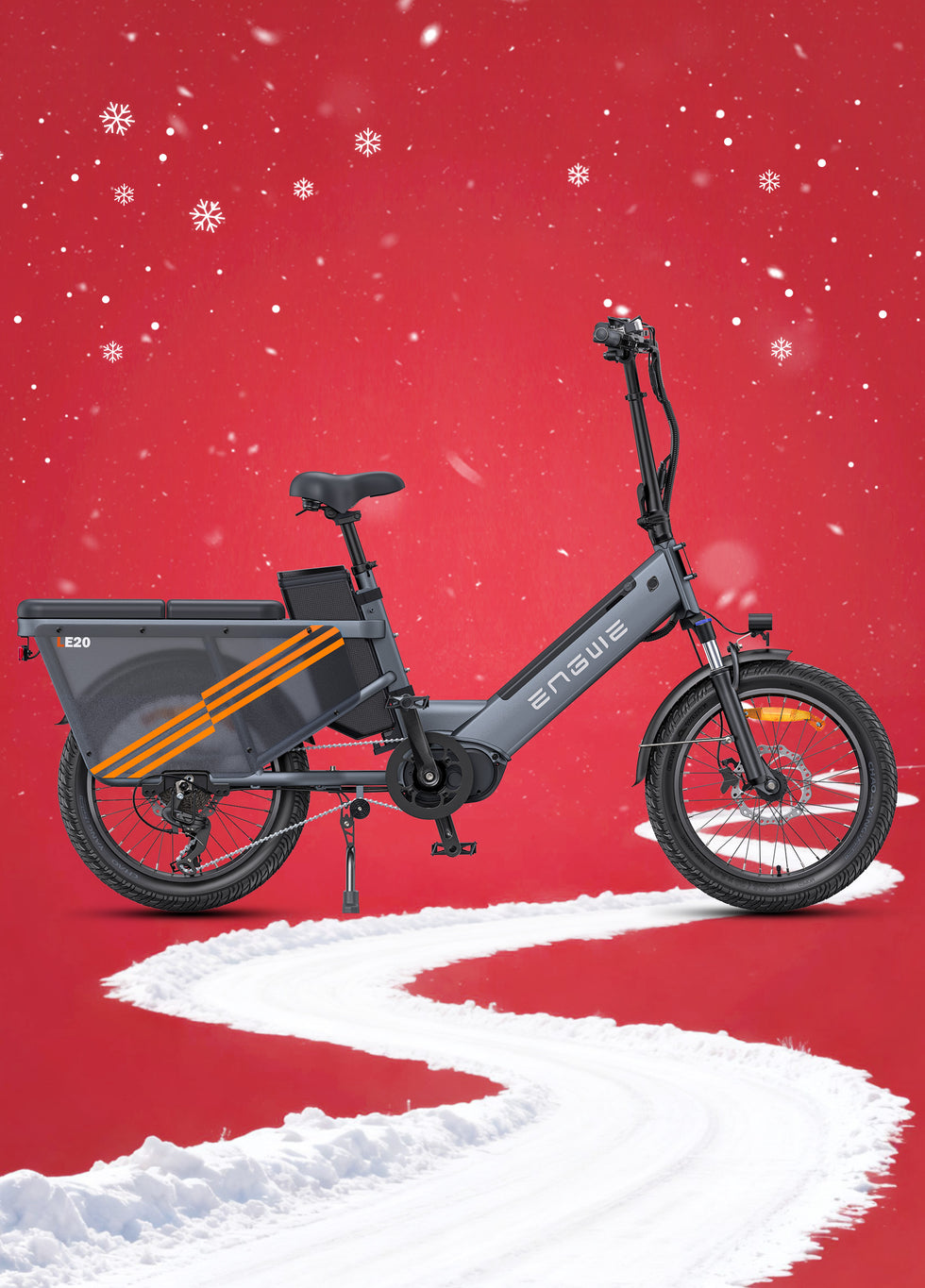
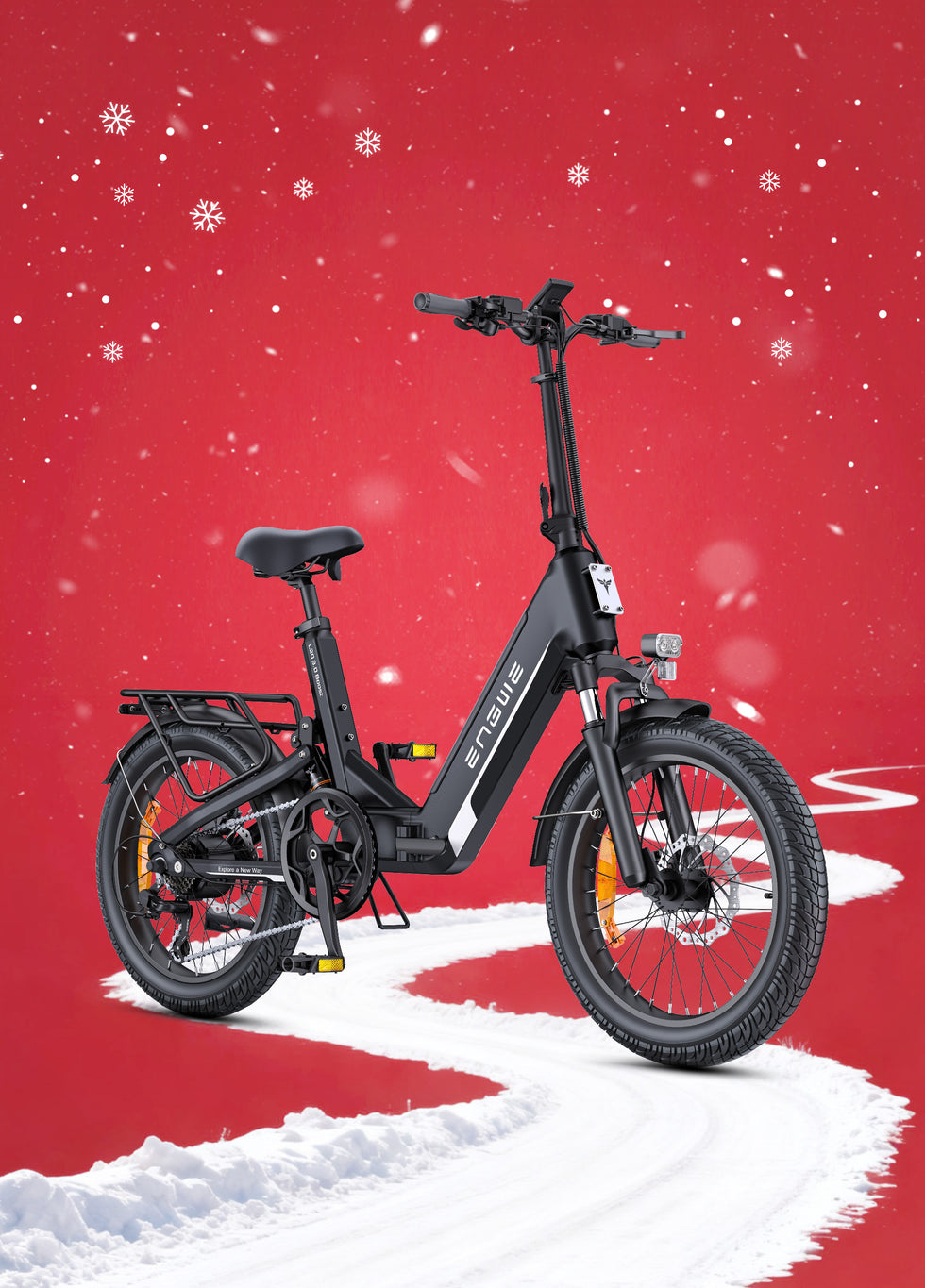
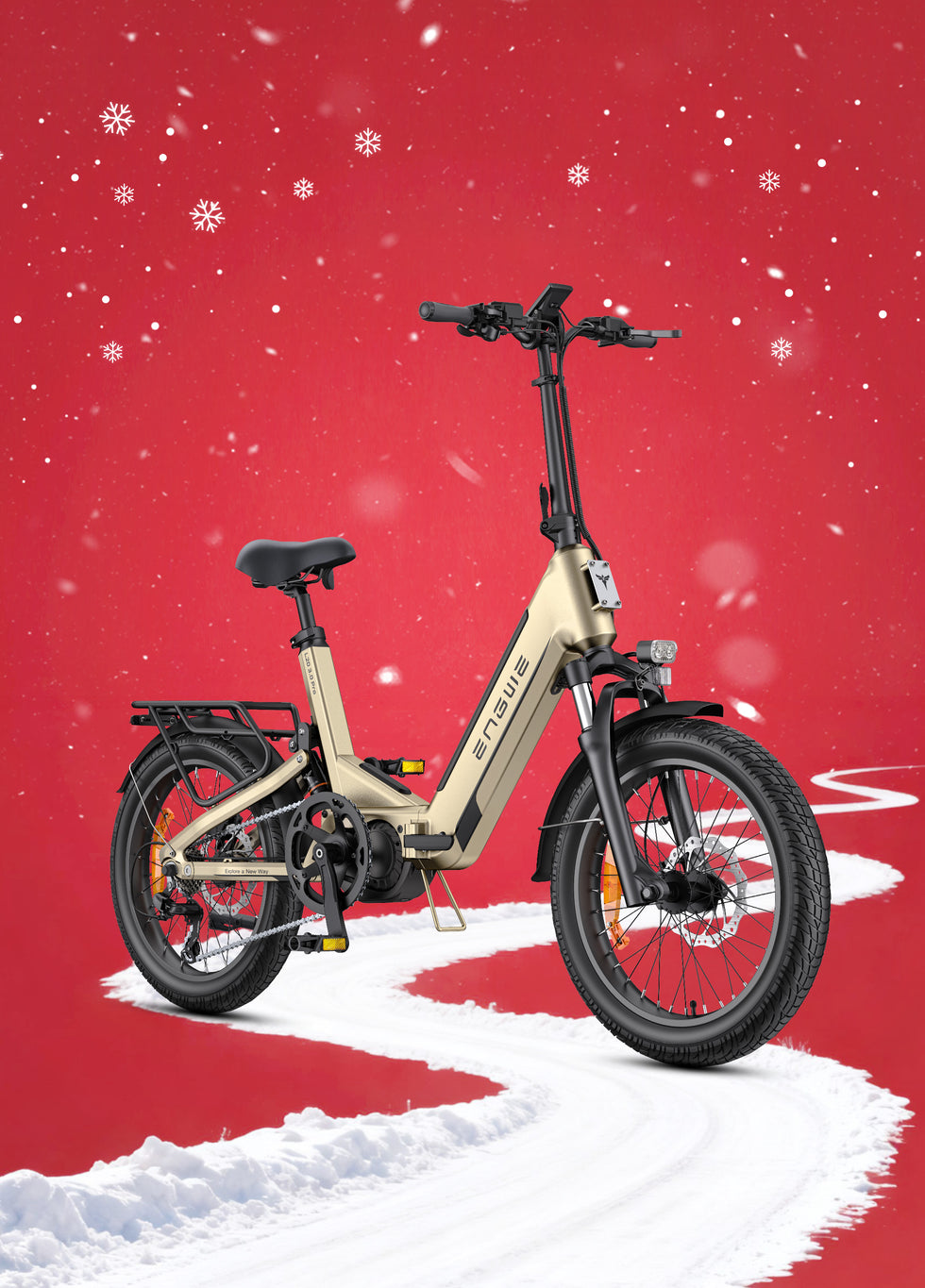
The All-Rounder: ENGWE L20 3.0 Pro
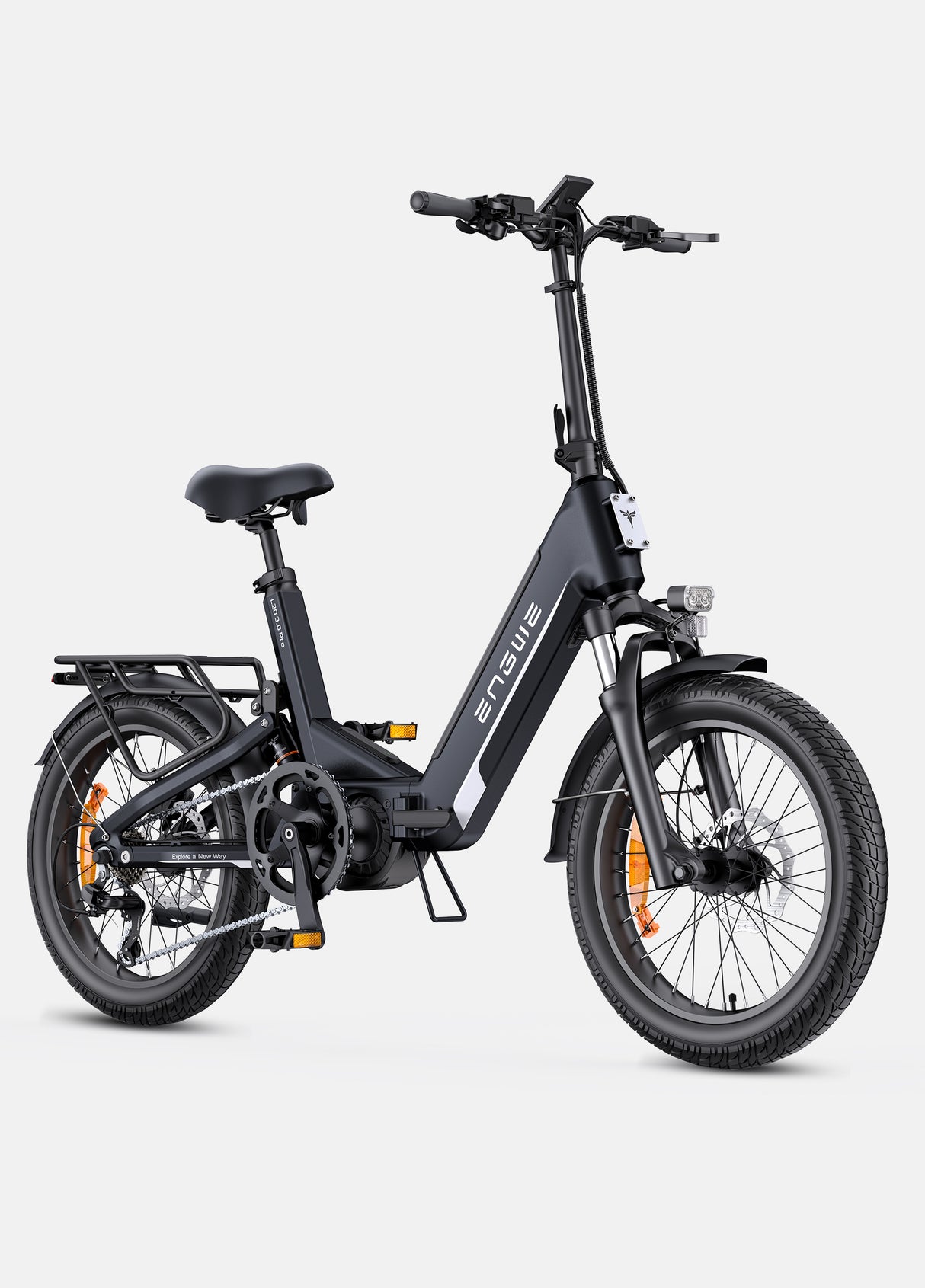
The ENGWE L20 3.0 Pro represents our top choice for anyone looking for the perfect balance of innovative technology, city comfort, and off-road capabilities. It is the new standard for what a portable fat tire e-bike can be, a perfect fit for city commuters and weekend wanderers. This bike is furnished with a full-suspension system, which has been designed to eliminate an astonishing 90% of all vibrations. As a result, you will experience a breezy trip that turns rough city roads smooth. A powerful 250W Mivice mid-drive motor that produces an amazing 100Nm of torque energizes this trip. A battery with a capacity of 720Wh was used by the manufacturer. The battery is a Samsung model. Another fascinating product feature is the superior level of smart security afforded by an ENGWE IoT module. It offers up-to-date signals and GPS tracking right on your app, ensuring that you will be notified about your valuables anytime, anywhere. Thus, this Engwe L20 3.0 is perfect.

Off-Road Power
If the adrenaline seeker’s adventures start where the pavement ends, the primary dimension must be raw off-road power. These bikes are designed to climb the steepest slopes, the deepest mud, and the loosest gravel without a second thought. This category’s focus turns to high-wattage motors, aggressive components, and unflinching construction.
Remember that when browsing models in the following category, you should dismiss all marketing language and focus on the specs that truly matter for rough performance. A tip for buyers: the motor’s nominal versus peak wattage is crucial. A 750W nominal motor will provide the rider with more sustained power than a 500W bike that has a “750W peak” motor. As the phrase goes, these machines are less about finesse and more about brute force — they are meant to fuel right through the most difficult terrains.
Look for the following features:
- High-torque hub motor: usually around 750W or even 1000W, they give the force needed for a steep slope.
- Aggressive knobby tires: 4-inch treads that provide enough grip for the loosest terrains.
- Robust suspension fork: a quality suspension fork of at least 100mm travel is needed to withstand big hits.
- Powerful hydraulic brakes: only the largest rotors of 180mm or 200mm can adequately control the rider’s speeds on a slope.
- Durable frame: an aluminum alloy frame is a must to sustain the stress of aggressive trail riding.
- Product example: Rad Power Bikes RadRover 6 Plus.

Long-Range
If you’ve determined that you would like to increase your distances or rides, you must assess battery life and range. For a long-range electric bike, the battery is the most vital. The only metric you require is capacity. This is normally measured in watt-hours and is computed by multiplying volts by amp-hours. A bigger number means a longer range; however, remember that the manufacturer’s estimates are based on ideal circumstances, so the following tip will ensure that you obtain the most out of yours: Optimally inflated tires should always accompany your ride. This is because low pressure will result in increased rolling resistance, which will make the engine work harder. A significant amount of power will be consumed, resulting in a decrease in your bike’s range. When it comes to epic journeys, the most crucial aspect of understanding how to manage power can also be the most enjoyable.
Factors that determine real-world range include:
- Battery capacity: which should not be less than 650 Wh — the battery of the Himiway Zebra is one of the largest available.
- Using a PAS pedal-assist system: you’ll notice a significantly improved performance margin riding at level 1 or 2 of PAS than in the highest setting.
- Terrain: riding uphill on a gravel road takes a lot more power than riding on smooth asphalt.
- Weight: Total weight—you, the bike, and what you’re carrying—represents a more significant effort.
- Riding Style: pedaling softly and evenly is beneficial.
| Pedal Assist Level | Estimated Range Impact |
|---|---|
| PAS 1 | Achieves 100 percent of maximum advertised range. |
| PAS 3 | Typically gives you anything from 50 to 60 percent of that. |
| PAS 5 | Reduces its range to 25-35 percent of the overall goal. |
Comfort and Accessibility
Both comfort and accessibility should be at the forefront of riders’ minds if they intend to ride their new fat tire e-bike to work, on leisurely cruises, or if they have ease-of-access requirements due to limited mobility. If the bike isn’t truly fun to ride, it will remain stashed away in the basement, no matter how powerful. Riding a fat tire e-bike should be as pleasant an experience as possible.
Fortunately, even little design options can make a big difference. For instance, simply having a bike with a step-through frame makes it easy and quick to jump on and off the bike. This can be quite advantageous if you plan on riding in the city with many stops or if you have trouble swinging your leg over the top tube. Ultimate comfort pro tip: upgrade the saddle. Even if the bicycle has good suspension, the best investment you can make in ride quality is in a soft, ergonomic saddle tailored to your body.
Other comfort and ergonomic requirements are as follows:
- Frame geometry: Maximum accessibility while stepping through.
- Suspension: The front fork has to be cushioned to smooth out uneven terrain and prevent falls, whereas a suspension seat post can be added to a majority of e-bikes for added comfort.
- Riding position: Bars that may be rotated and have a small top-down angle to reduce load on the back and shoulders.
- Contact points: The saddle should be wide and comfortable with the rider’s bottom, while the handles should contain ridges to avoid getting tired hands.
- Tire volume: The large volume resulting from the fat tire diameter provides padding; this is a core advantage of the bike.

Value
Last but not least, the best electric bike is not the one with the most impressive specifications; it is the one that delivers the most value for your money. This factor includes improved access, set of accessories, and smart technology that simplifies the ownership experience. For instance, a folding frame completely transforms the possession experience for those who live in smaller apartments or need to drive their bike in their car’s trunk.
Quick money-saving tip: Shop for models that come with a complete set of accessories. A rear rack, fenders, and built-in lights cost a lot of money if bought separately, so it’s much more cost-effective to purchase a bike that already includes them. Some of the most value-centric developers include Sondors, and they frequently come with a full set of features. Chinese bike manufacturers are among the most affordable and frequently come with a complete set of features.
Value Features:
- Access: The bike should fold and fasten conveniently. In addition, it will be quite practical for city residents and tourists alike.
- Accessories: Fenders, a reliable rack, and integrated front and rear lights are good indicators of a decent value.
- Build quality: Examine the weldings for cleanliness, the parts for well-established brands like Shimano drive systems and Tektro brakes, and the cables for the correct routing.
- Integration: E-bikes nowadays come with colored LCD displays, USB charging ports, and smartphone integration for ride statistics and alterations.
- Warranty & Customer Service: A solid warranty and a competent customer service team are invaluable.
Which is the most important consideration to ponder before purchasing your own? The most crucial consideration is the current riding environment. For example, an off-road bike is overkill for city travel, while a commuter bike is underpowered for intense trail riding.
How can I test a bike before buying?
Many brands have partnerships with local bike shops that provide test rides. When purchasing online, look for a firm with a lenient return policy. If you assemble the bike correctly at home, you can test it to ensure it’s the right fit.
Are these fat tires difficult to pedal without assistance?
Yes, fat tires have more rolling resistance than a typical bike tire since they are heavier and have a larger contact patch. However, with the drive of an electric motor, you won’t notice the difference when pedaling an e-bike because the powerful motor will be spinning the wheels via pedal assist, which you will use more than 90% of the time.
In conclusion, the best fat tire e-bike is the one that best suits your needs.