
Understanding E-Bike Battery Voltage
One of the most crucial things to consider when selecting an electric bike is the powerhouse of the vehicle: the battery. Voltage quality is essential for a better riding experience, ranging from improved speed to crossing hilly terrain. However, choosing between a 36V, 48V, 52V, and more voltage can be overwhelming with too many disparities. Let’s explain what each of these numbers means for you concerning experience, convenience, and the total cost of your investment to help you choose the right e-bike.
Many people might not even understand what these terms mean. The first step here is understanding the fundamental concepts of electricity. Voltage is the pressure, which is pushing power from the battery to the motor, and is measured in Volts (V). The higher the pressure is, the more powerful the push is. At the same time, it might be slightly confusing too. In addition to voltage, potential users might also want to consider Amp-hours as the amount of energy the battery has, or the size of the “fuel tank” in a car, and Watt-hours, which is exactly the amount of energy stored (Volts x Amp-hours = Watt-hours). Understanding the meaning of these terms removes the confusion and presents the ability to determine the e-bike’s real potential.
How Voltage Affects Your Ride
Battery voltage most obviously impacts the electric bike’s “feel” – acceleration, torque, and potential top speed are what riders will sense instantly. A lower-voltage system is plenty for easy cruising on flat ground, while a higher voltage level will deliver the kick you need for challenging hills and spirited riding. In that sense, the two voltage levels characterize different kinds of bikes, each of which is suitable for different conditions. This understanding will allow you to match the bike’s capabilities with your capabilities, ensuring you’re not lacking the oomph you need for your daily hills or paying for performance that you’ll never access. The most impactful factors for voltage are as follows:
36V Systems
Entry-level e-bikes and lightweight commuter bikes, gentle acceleration. Best for flat terrain where maximum range is prioritized above raw power. Sluggish up hills.
48V Systems
The industry standard and the sweet spot. A noticeable increase in torque and acceleration compared to 36V, as well as a more confident and responsive ride. Ideal for general use on commuter bikes and trails.
52V Systems
The most popular upgrade for enthusiasts with compatible controllers.
72V and above
Specialized systems for high-performance motorcycles and bespoke builds. Massively powerful with high torque and speed, extremely heavy, expensive, and complex.

Efficiency, Maintenance, and a Prime Example
Voltage is critical beyond raw power, as a higher voltage system can be more efficient, meaning it requires fewer amps to create the same number of watts. At lower current levels, less heat is generated everywhere, minimizing the amount of lost energy and the degree to which the motor, controller, or wiring is stressed. Assume similar Watt-hours for a moment. The more efficient system could achieve a longer range. Because a 48V system consumes fewer amps than a 36V system to produce the same power, its components are colder; the electronics have a longer lifespan, and more of the battery’s strength is delivered right to the wheel. However, regardless of the voltage, taking good care of the battery is crucial.
Never keep your battery on the charger for longer periods once it is fully charged; the charger will switch itself off, but it’s best to unplug it to help the cell’s longevity. If you plan to store your e-bike for over a few weeks, maintain the battery’s power between 40% and 80%; storing it completely charged or entirely uncharged will shorten its life. During storage, as well as in use, maintain your battery at a consistent temperature profile; high temperatures are particularly harmful to lithium-ion cells.
The 48V Sweet Spot: The ENGWE Example
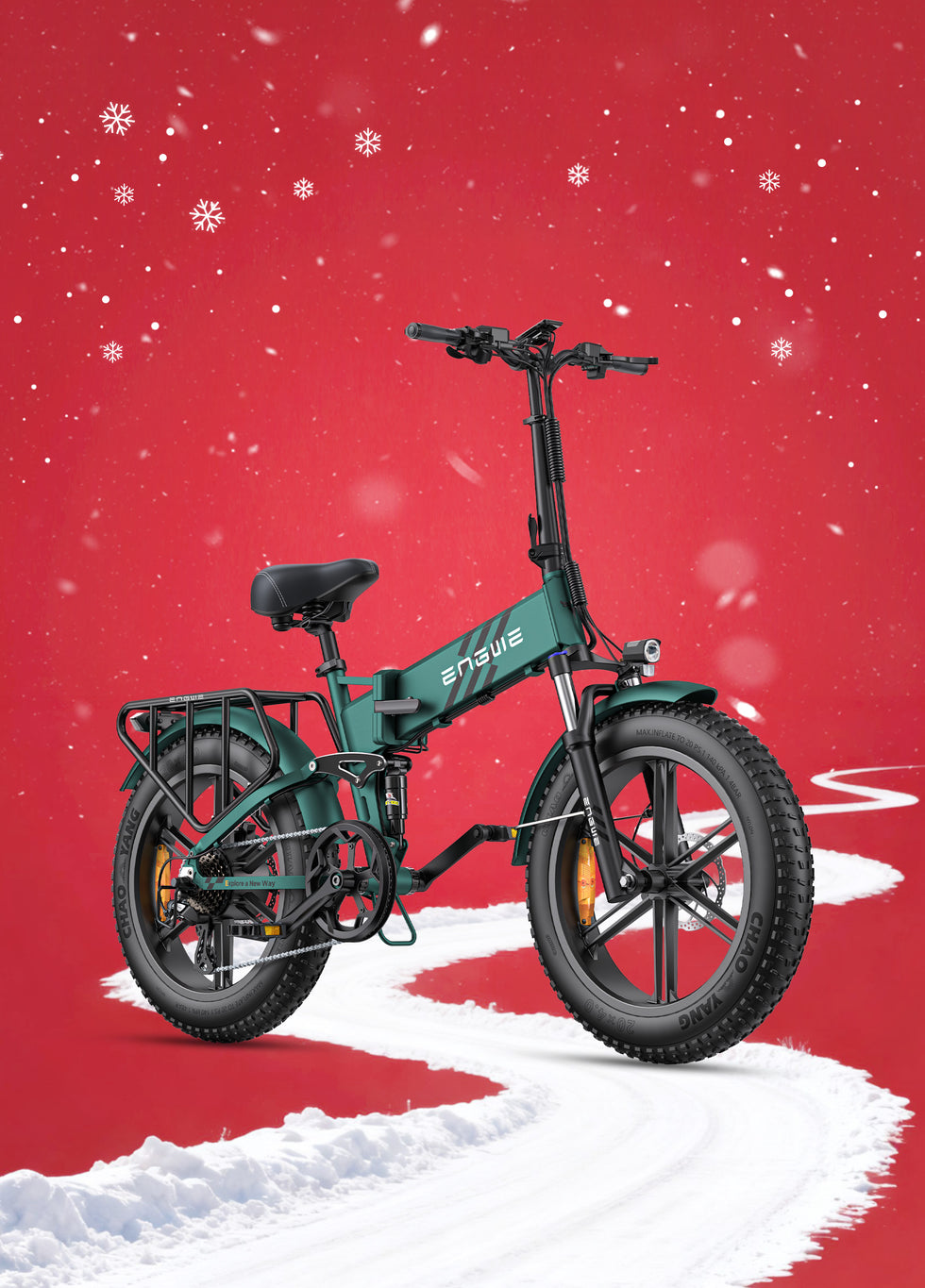
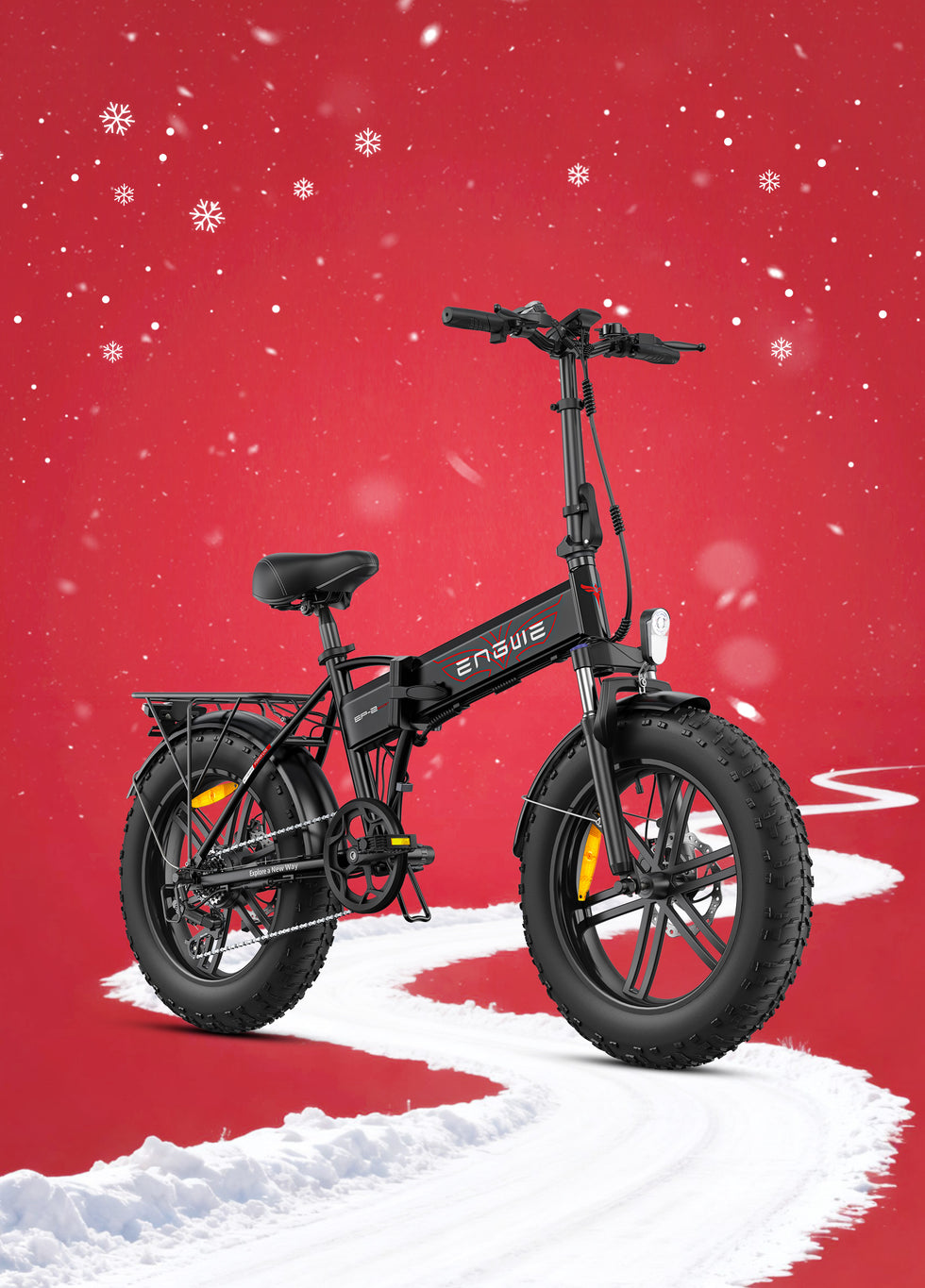
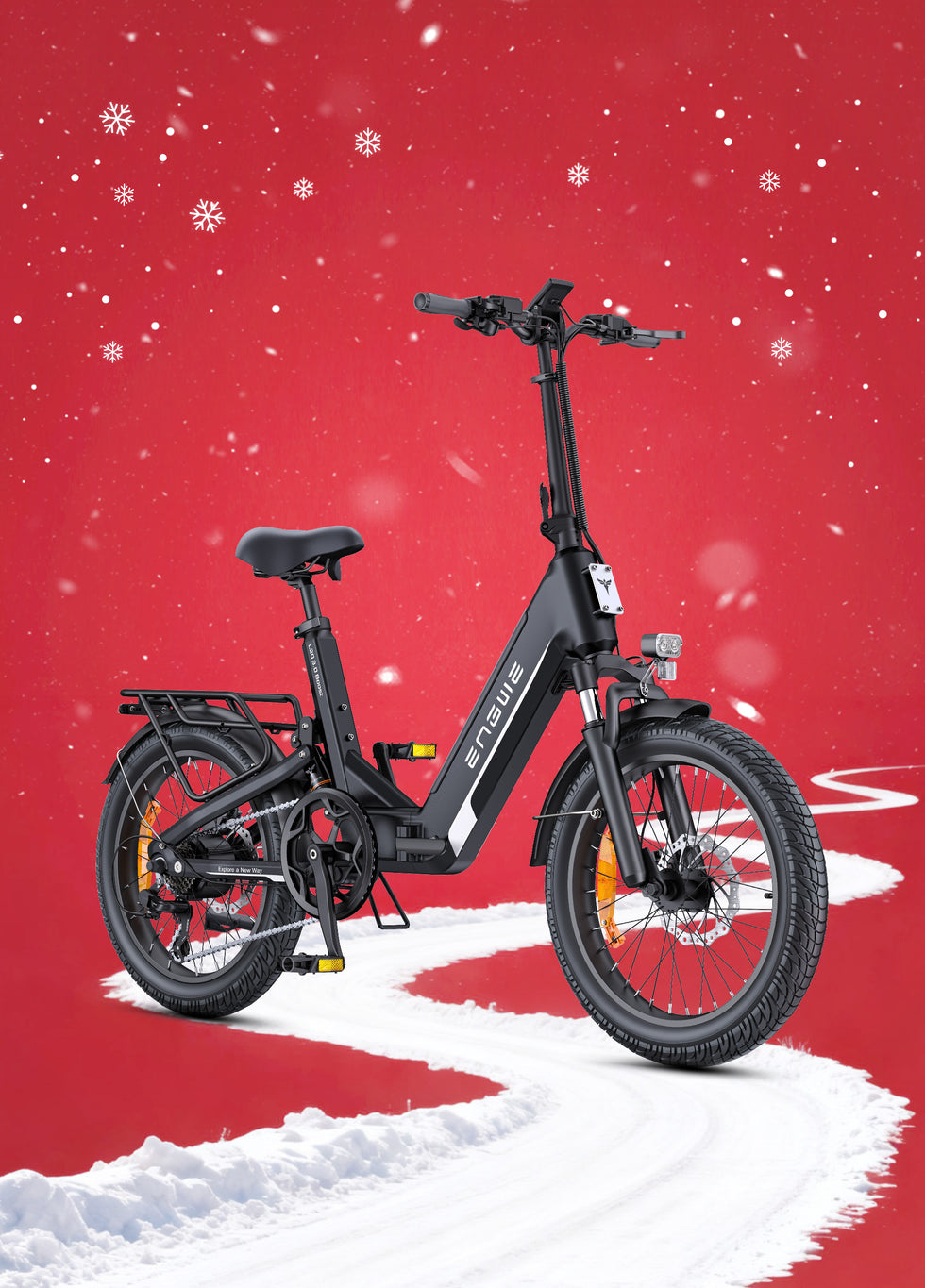
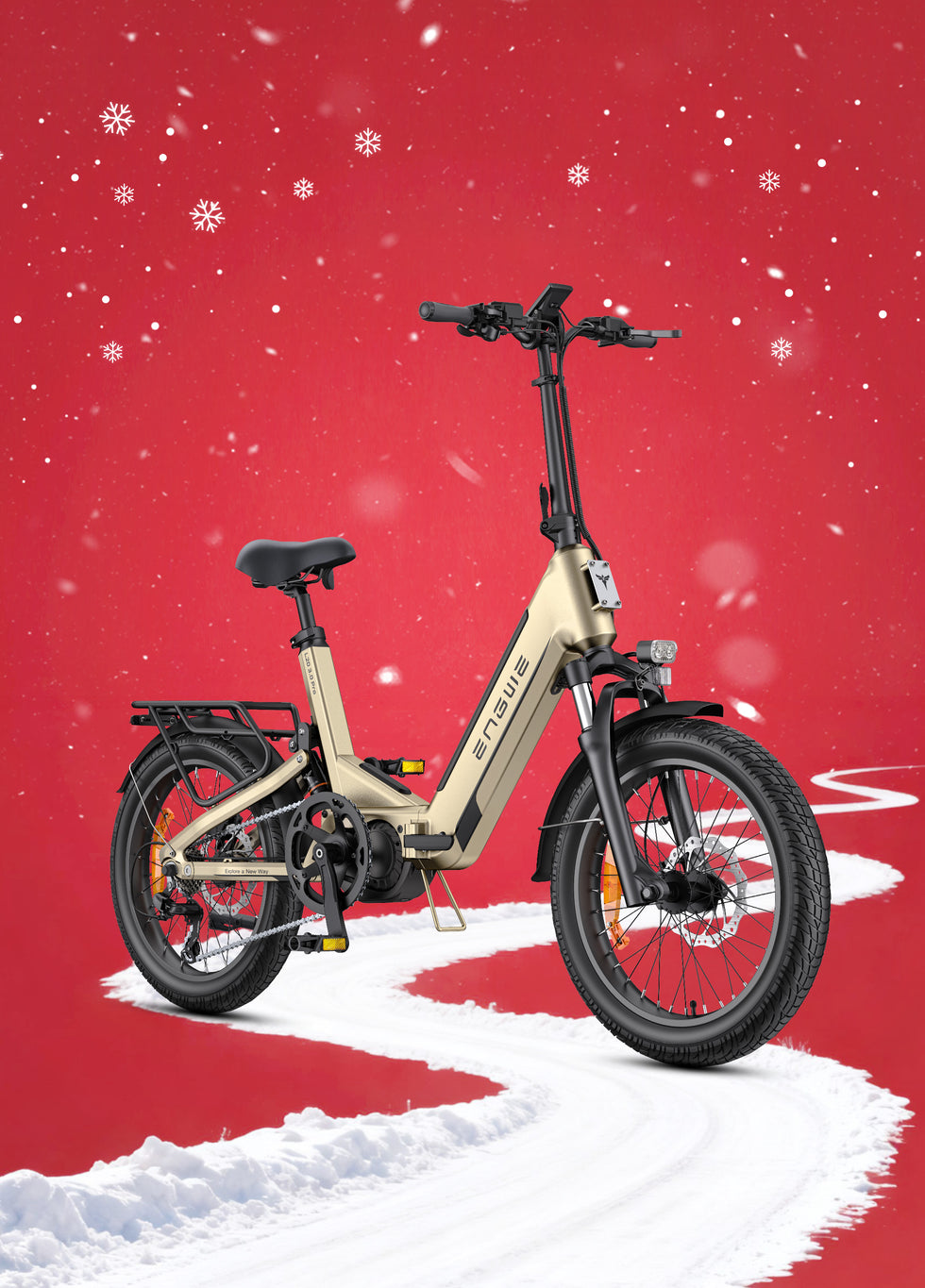
In the end, choosing the right voltage comes down to suiting the e-bike to your preferred riding style and demands. A perfect example of a brand that offers a perfect combination of power, reliability, and design is ENGWE, and its models adequately demonstrate the potential of a well-designed 48V system. The 48V platform is perfectly suitable for the vast majority of riders who need a strong engine for hills and headwinds without the additional demands posed by higher-voltage setups. If you need a strong, multi-purpose e-bike suitable for both city commutes and weekend trails, a strong 48V model is the best possible alternative. The ENGWE EP-2 3.0 Boost is the ideal model regarding such considerations, as most of its aspects are perfectly designed around a strong 48V system. It relies on a strong 48V architecture to provide the high level of acceleration and torque needed to confidently conquer steep and uneven terrains. The bike is powered by a high-capacity 48V 15.6Ah battery, meaning that your riding experience will be limited by your stamina rather than the reserves of the machine. Since the system is designed for performance in addition to speed, you should have no problems crossing difficult paths. Generally, the manufacturer has integrated the motor, controller, and battery, so a reliable system is already guaranteed.

Practical Considerations for Your Investment
Finally, practical matters such as cost, compatibility, and future-proofing should be considered. It is a general rule that, as voltage increases, the battery and its accompanying components’ costs increase as well. Additionally, the e-bike’s electrical system is a closed loop; you can’t simply switch to a higher voltage battery without considering if the controller and motor can handle it. This is an extremely unsafe practice that may permanently damage your e-bike, rendering it unusable. So, instead of planning for a difficult and expensive upgrade down the line, it makes the most sense to determine the voltage that best fits your long-term requirements from the start.

Frequently Asked Questions
Comparison of Voltage Systems
| Feature | 36V System | 48V System | 52V+ System |
|---|---|---|---|
| Typical Use Case | Casual cruising, flat urban commuting | All-around commuting, hill climbing, light trails | Performance riding, demanding terrain, enthusiasts |
| Performance Feel | Gentle, smooth acceleration | Strong, responsive acceleration, good torque | Aggressive, high torque, higher top speed potential |
| Efficiency | Good | Excellent; runs cooler when loaded | Excellent; very smooth power delivery |
| Relative Cost | Lower | Mid-range | Higher |
Q1: Can I use a 52V battery on my 48V e-bike?
Answer: Risky. While some 48V controllers may accommodate a fully charged 52V battery, it is simply not a good idea. It might overvolt the system, causing the controller to malfunction or the magnet wire in the motor to burn up. Always verify compatibility with the manufacturer first.
Q2: Does a higher voltage battery charge faster?
Answer: It all depends. A high-amp charger designated for a specific voltage will almost certainly charge faster than a low-amp one.
Q3: Which voltage is the most suitable for a heavy bike rider?
Answer: Preferably, 48V or 52V is best. Specifically, the high-performance resultant torque associated with the higher voltage is crucial in enabling a heavier rider to accelerate more efficiently while the e-bike is cruising or ascending a hill. Regardless, with awareness of the various voltage allowances, you can always pick the most suitable model depending on the type, preference, and financial ability for the electric bike that suits your preference or life aspirations.