
Your E-Bike's Depreciation Value and Resale Guide
Knowing what your e-bike is worth as a used product is important no matter why you're curious — whether you’re considering selling, upgrading, or just trying to know the value of years of good rides. This guide explains the discrete variables of e-bike depreciation, brings you a pragmatic valuation table and gives you a hammer to pound out what your individual bike is worth. We’ll arm you with all the tricks to get as much as possible value out of your e-bike – whether it’s from the day you buy it till the day you sell it.
The primary challenge is to understand the key factors behind your e-bike's depreciation. Unlike a standard bike, an electric bike contains many of those parts, which will be less valuable as time increases. The value destruction is not random but follows certain metrics. Battery health is the most important of all these since it’s the priciest consumable part. A well-kept battery which holds a near-complete charge is a huge boon. Condition and miles are also very key to understanding the use history of your future bike. A low-mileage, like-new e-bike will always carry a premium over high-mileage workhorses bearing the scars of life.
Factors Leading to Depreciation:
- Age and Model Year: Technology moves at lightning speed. A more recent model year is always better.
- Miles: Low mileage means that the motor and battery have been used less, as well as the overall drivetrain.
- General Condition: This encompasses the frame (scratches, dents), components (tire tread, chain wear, brake pads) and electronics.
- Battery Health: This is the single most important factor. The capacity of a battery decreases with time and the number of charge cycles. Battery health verification can add back a lot of value.
- Brand Reputation: Popular brands with solid support and parts availability will retain more value over time than unknown or generic brands.
General E-Bike Depreciation Table
| Years Owned | Excellent | Good | Fair |
|---|---|---|---|
| 1 Year | 70-80% of original price | 60-70% of original price | 50-60% of original price |
| 2 years | 55-65% of Original Price | 45-55% of Original Price | 35-45% of the original price |
| 3 Years | 40-50% of Original Price | 30-40% of Original Price | 20-30% of Original Price |
| 5+ Years | 20-35% of List Price | 15-25% of List Price | 10-15% of List Price |
How to Maximize Your E-Bike's Resale Value
To ensure that you get the best possible resale price, find out how to be proactive about looking after your electric bike for sale. Consider it maintaining your original investment. Basic, regular operations throughout your ownership may mean hundreds of dollars in the bank when you sell. The object is to present a bike that appears to be cared for, so the prospective buyer doesn’t have to worry about their purchase. It starts with the care and continues up to the best sales listing. Taking a methodical approach will differentiate you from other sellers and allow for a quicker, more profitable sale.
A Must-Do List to Maintain Value:
- Frequent Clean Up: Keep the frame and chainstay free of dirt and dust.
- Lubrication: Lubricate the chain every 100-150 miles for a longer service life and smoother ride with protection from rust.
- Brake Check: Inspect brake pads periodically for wear and make sure hydraulic brakes are operating well.
- Tire Pressure: Keep your tire pressure at the right levels to prevent wearing out and for better performance.
- Time to Charge: Use the manufacturer's recommended service for charging. Do not leave the battery in a fully discharged condition for extended periods.
Getting Your E-Bike Ready For A Successful Sale:
- Collect All Paperwork: That should include your original purchase receipt, user manual, and all service records. This establishes credibility and demonstrates ownership.
- High-Quality Photos: Obviously, clean the bike. Requirements: at least 10-15 good quality, well-lit photos from all angles and close-ups of the drivetrain, brakes, odometer display, and any scratches or wear.
- Include an Honest and Detailed Description: Include make, model, year, and significant specs. Tell us the mileage, battery health, any upgrades you’ve added, and come clean about any dings.

Buying Smart: Features That Help Retain Value
The best thing you can do for resale is to buy a high-quality, durable, and up-to-date electric bike to begin with! Innovative buying emphasizes marques and models with great engineering and desirable specification — both of which retain appeal for second-hand buyers many years hence. For all the benefits in components that a torque-sensing motor provides, and everything else you get on high-end bikes with great suspension and powerful motors, you have to pay for it. One such forward-looking investment is a unit from ENGWE, the company that’s become synonymous with innovation and high performance. They're producing bikes that are not only great to ride but made to last.
Factors that Help Retain Value:
- Advanced Sensor Technology: Torque sensors provide a more natural and luxurious ride than an old cadence sensor.
- High-Quality Components: Brand-name components like Shimano drivetrains and hydraulic disc brakes are hallmarks of quality.
- Multifunction Design: A foldable or full suspension function can be specified to achieve great utility and aesthetics.
- Outstanding Battery Life: Equipped with a large battery, fast-charging is also its best-selling point.
An Example of Value Retention: The ENGWE L20 3.0 Boost
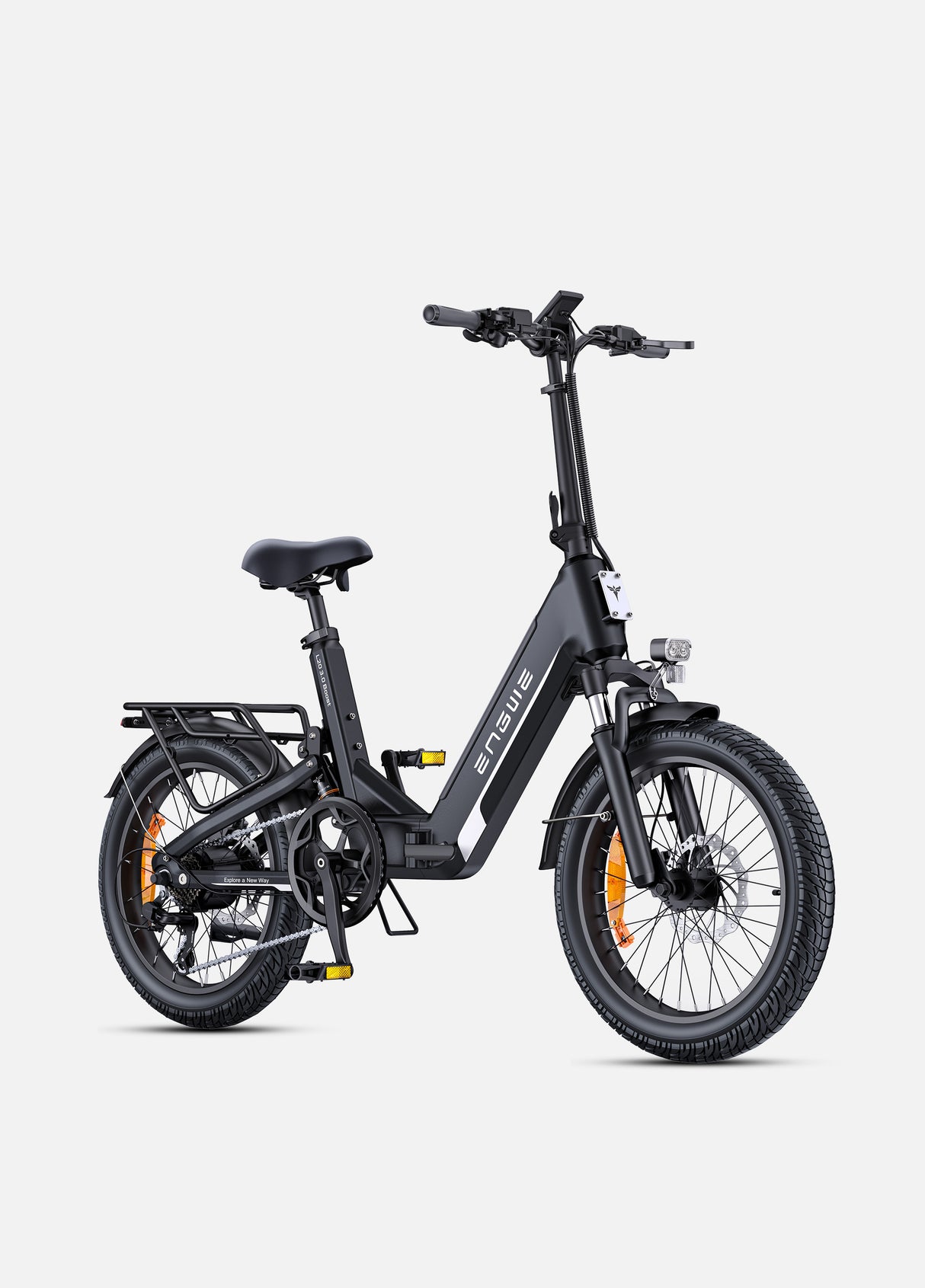
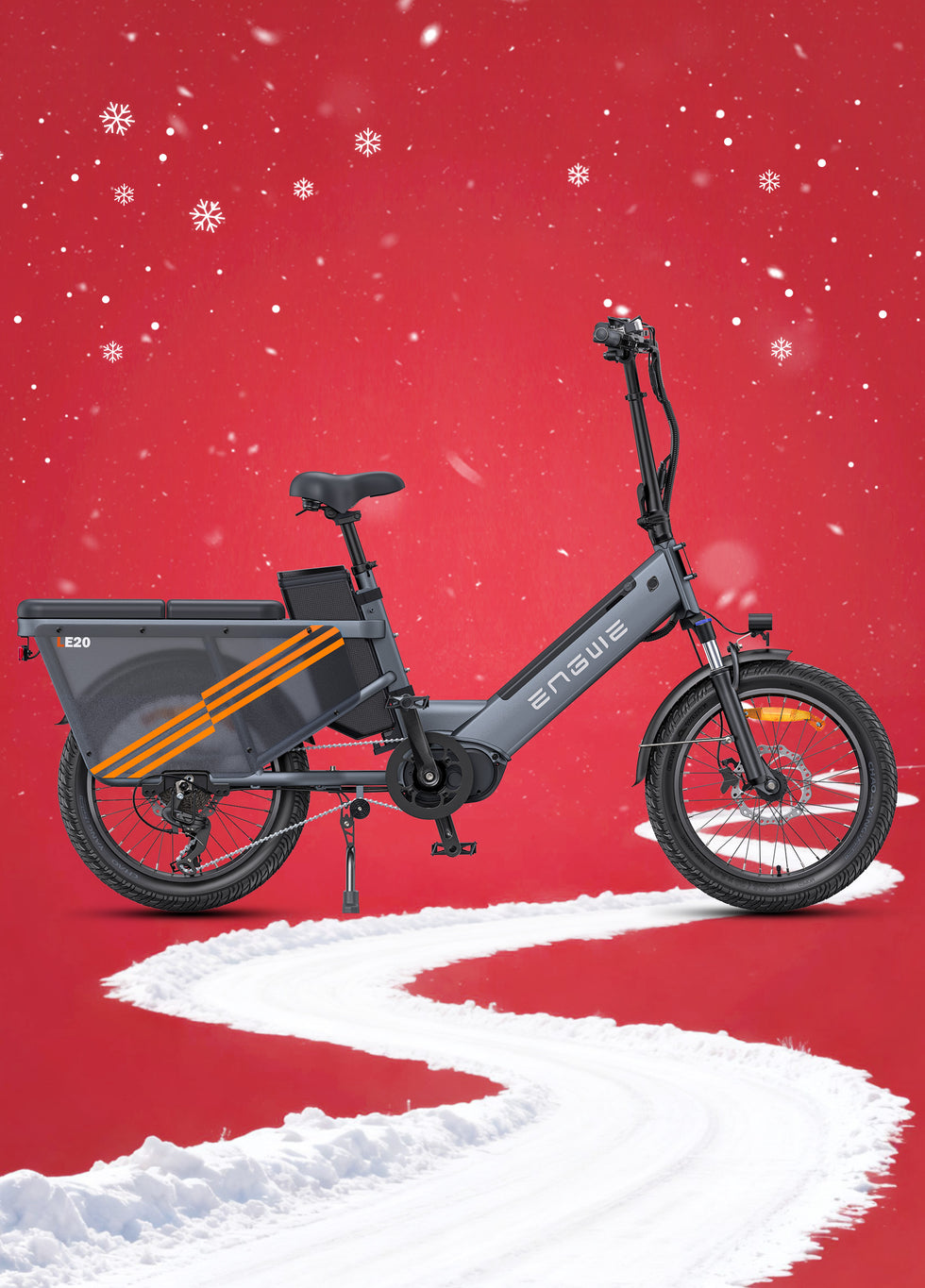
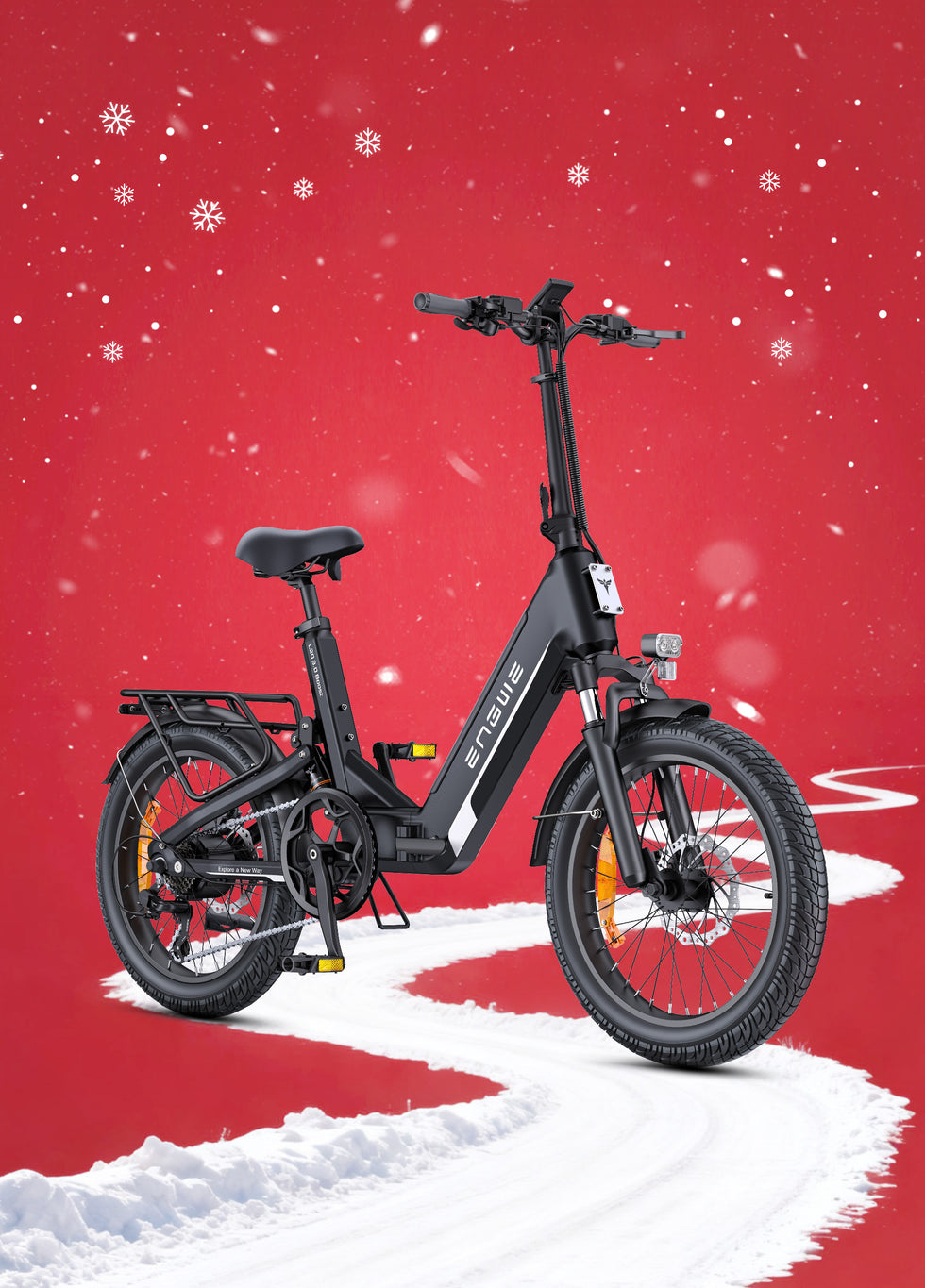
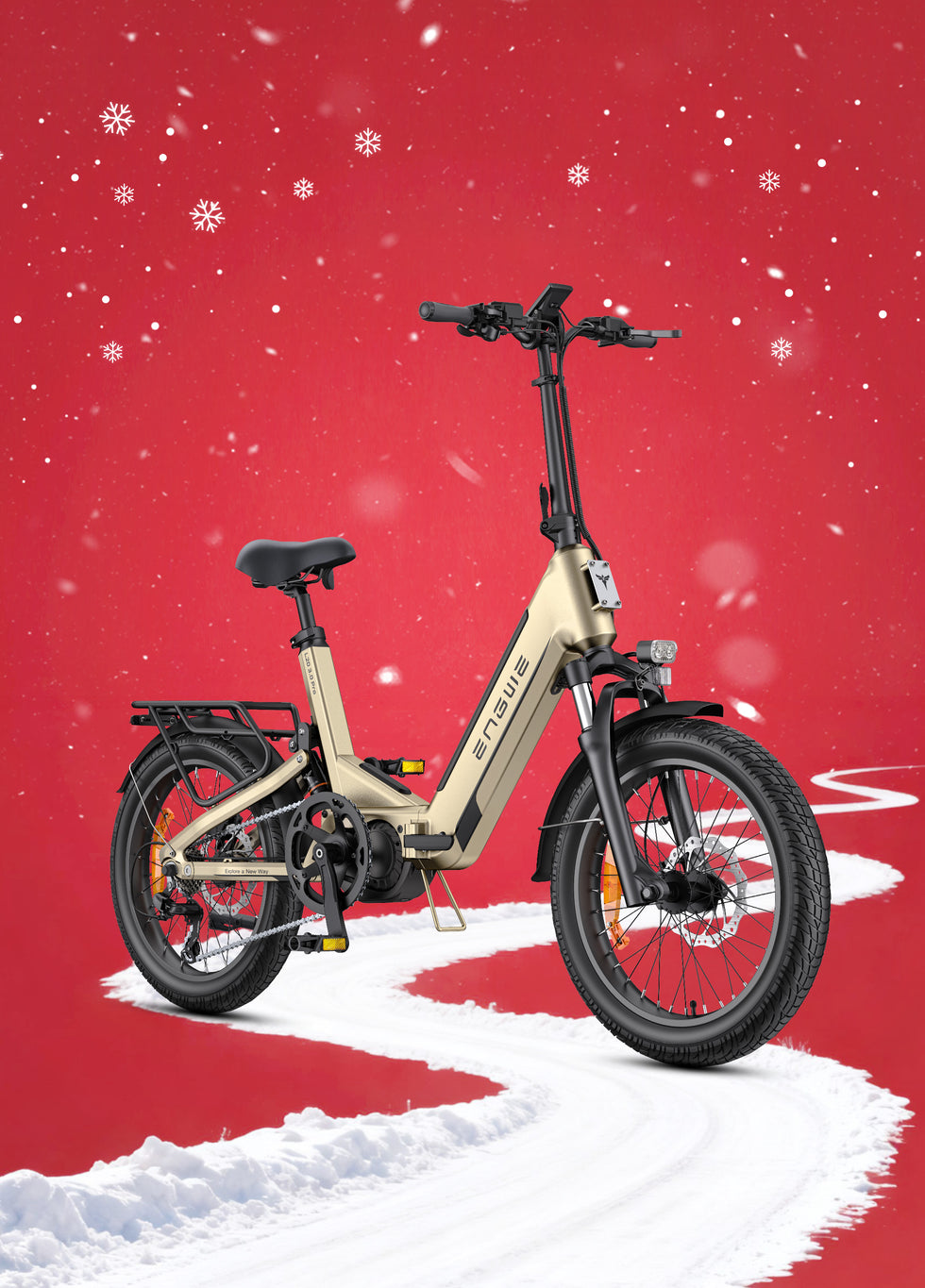
One example is the ENGWE L20 3.0 Boost, which was designed by someone with a vested interest in who the bike can serve and is jam-packed with components that enhance its overall lifetime value.
- Ultimate Comfort: The first folding bike with a full-suspension system that pushes the limit to 90% absorption of all road vibration so that your commute is always smooth – both the rider's trip and components last longer, ride after ride.
- Unbeatable Power: The exclusive Boost Mode provides an instantaneous, powerful 75Nm of torque still unrivaled by similar models in the market.
- Industry-Leading Battery Tech: The high-capacity 48V 13.5Ah battery gives a monstrous 135km range, with the 8A fast charger bringing it back to life in just under 2 hours—real technology that holds its value. Supported Weight: Recommended max rider weight is under 160kg; Max supported cargo weight is less than 25kg.
- Great Ride Feel: The proprietary torque sensor ensures a smooth, natural pedal feel that’s easy on the knees and is something you won’t find in other second-hand bikes.
- Durable: With 180mm hydraulic disc brakes, anti-puncture tires, and a weight limit of up to 150 kg, its build quality is designed to be durable.

How E-Bike Categories Affect Depreciation
The world of electric bikes can be complex, and the value can drop very dramatically between categories. Knowing where a particular model sits assists in establishing reasonable resale value expectations. High-performance categories with quickly changing technology, such as electric mountain bikes, could experience quicker depreciation at the per-model level as new motor and battery systems are introduced. Consequently, well-used (but also well-maintained) commuter and folding bicycles frequently do very well because they are in continual demand and tend to be reliable rather than technologically advanced. Understanding these subtleties helps you to place your bike in the marketplace.
Urban & Commuter E-Bikes
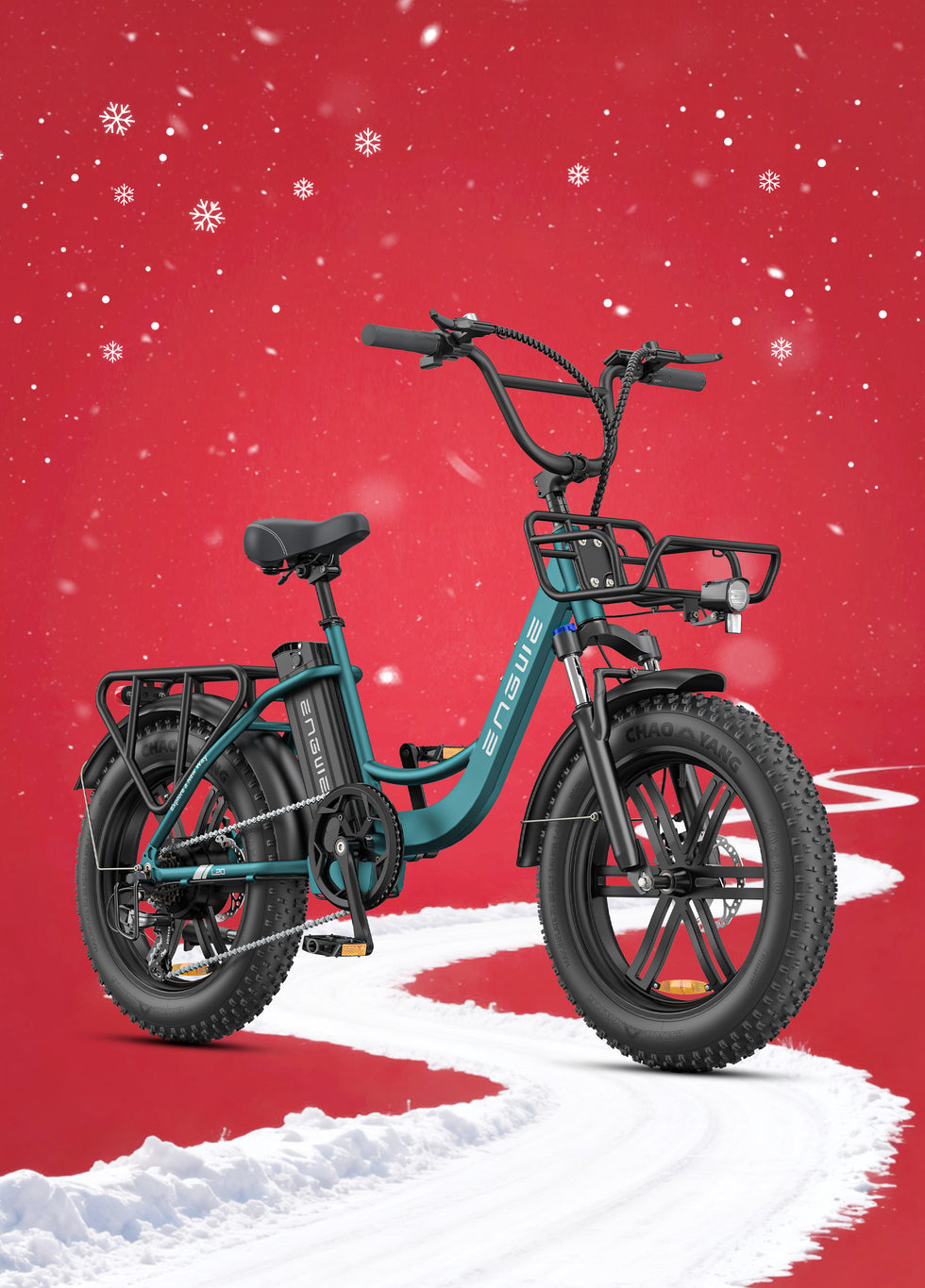
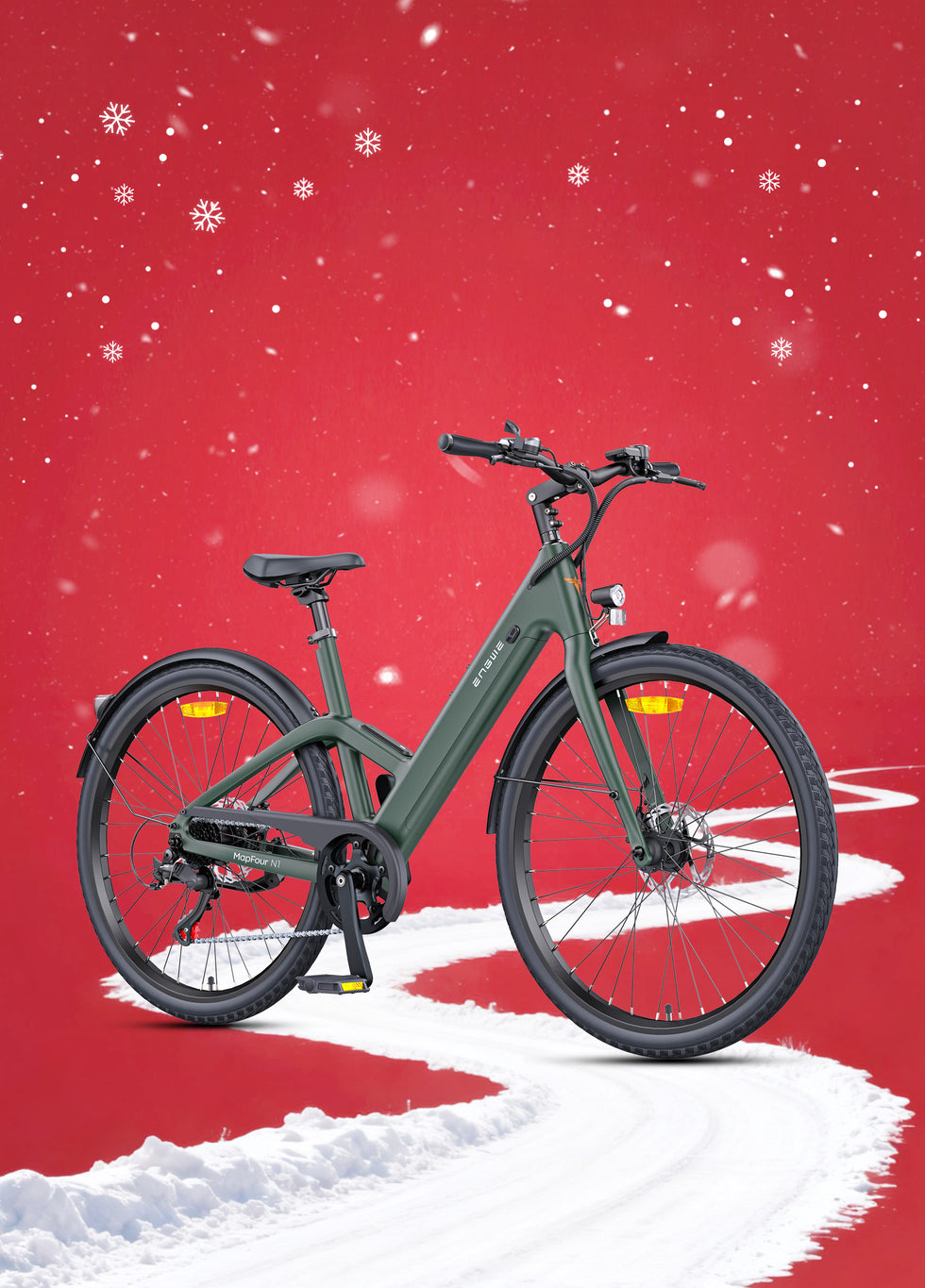
These are the workhorses of the e-bike universe. Value is kept by reliability, range, and practical accoutrements like racks and fenders. The sturdy builds of brands such as Rad Power Bikes and Aventon are popular in this category.
Electric Mountain Bikes (e-MTBs):
They cost a lot of money up front. They derive their worth from the brand name, the technology of their suspensions, the power of their motors, and how batteries are integrated. Specialized and Trek are two of the biggest brands, but both tempt as their models grow older and wither on the vine as newer, more sophisticated versions emerge.
Folding E-Bikes:
There is, of course, their portability/freedom, especially in urban environments. The condition that the folding mechanism is in can have an impact on our offer. There are also those brands such as Brompton Electric that have not had a huge amount of depreciation, considering you have a bicycle that is very well-known.
Cargo & Utility E-Bikes:
This is an evolving category. Value is mostly about load capacity, stability, and the durability of both the frame and components.
Your Personal Valuation and Selling Strategy
It is simple to develop your own calculation of resale value when you have the depreciation table and an understanding of important variables. This table will give you a baseline, but of course, the final number should be influenced by your bike’s particular characteristics and by current market conditions. This is the core of a “calculator” — an easy rule of thumb. Timing your sale right and selecting your selling platform are two final tactical steps that will impact your profit. List your e-bike during peak cycling season when demand is high, and you’ll always do better than trying to sell in the dead of winter.
Your Very Own E-Bike Value Calculator:
- Determine Baseline Value. Begin with the original purchase price of your bike. Multiply this figure by the percentage taken from the depreciation table according to its years of age and condition. (e.g., $2,000 bike, two years old, Good Condition = $2,000 * 50% = $1,000).
-
Value Adjustments. Increase or decrease around specifics.
- Upgrades: Include 20-40% of the retail price in significant upgrades (nicer saddle, suspension seat post).
- Damage: Deduct the estimated cost of repairs (such as new tires needed, worn brake pads).
- Market Demand: Add a premium if your model is especially popular or in short supply where you live.
Where to Sell for the Best Price:
- Online Marketplaces: The local sales option is great for this, and you won’t be dealing with shipping since someone will come pick up the item.
- Specialist E-Bike Forums: People who know and like e-bikes tend to be smart, serious bike nerds too.
- Local Bike Shops: Some shops have consignment services and will sell your bike for you (for a fee). This is a hassle-free option.
Frequently Asked Questions
What is the biggest offender when it comes to reducing e-bike resale value?
Battery health is paramount. An e-bike with a diminished battery can lose more than half of its potential value because it is such an expensive replacement for the new owner.
Is there a way for me to make my e-bike worth more than when I bought it?
Generally, no. But you can keep its value astonishingly well by maintaining it with fanatic care, keeping track of all original paperwork, and doing some smart, desirable upgrades.
Would I get more money selling my electric bike online or locally?
Local sales are generally easier because you avoid the considerable cost and complication of shipping an e-bike, and local buyers can test ride the bike, which may result in a faster sale.
So now, equipped with your newfound information, you are ready to do an objective assessment and get the most value from your e-bike.