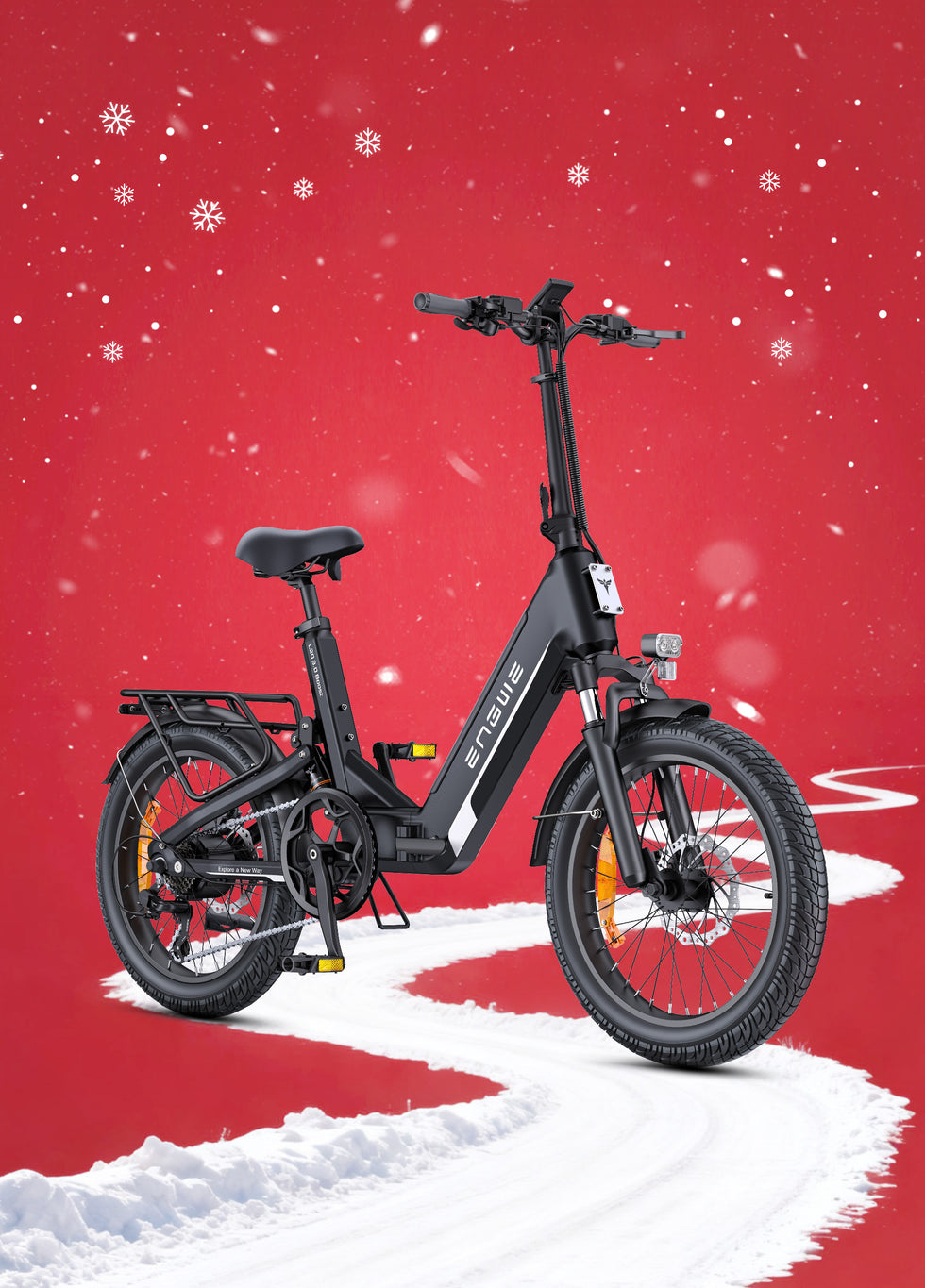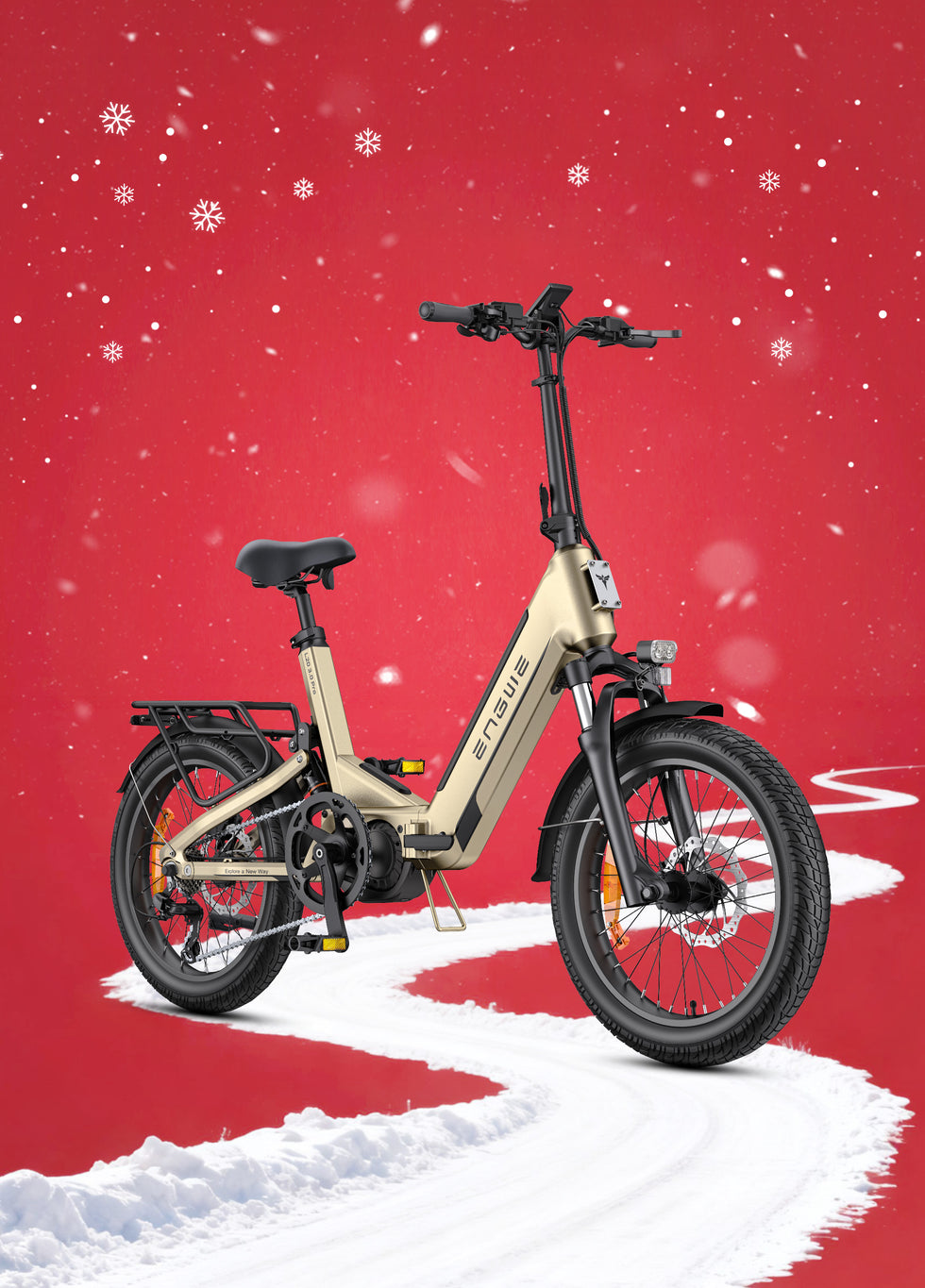

There is truly nothing like the freedom of riding through Europe on an e-bike, but no one can deny the fear that your battery will die “on the road.” Range anxiety. My Freedom E-bike by Benjamin Boehme. This guide is your ultimate road map away from that sense of anxiety. We give you the indispensable digital tools, practical ground strategies, and expert tips on how to quickly find a power-filling e-bike station all over Germany – and in Europe at large, so that your adventure never loses its energy.
The Digital Toolkit: Apps and Sites You Need for Finding Power
Your smartphone is your best asset (for everything) — before you even start pedaling, it’s the key to plotting a trouble-free ride. A good charging map app doesn’t just tell you where you can find juice; it also assists in planning your daily routes based on charging opportunities. Germany (with its strong cycling culture) is particularly well-represented, but these tools have relevance all over Europe. When considering which app to use, give priority to an app with current user-verified locations and the capacity for offline maps, which will conserve your phone’s battery.
Here, then, are some of the best digital options when it comes to tracking down e-bike charging.
-
Komoot:
While essentially a route planner, Komoot is a fantastic tool for e-bike users. Its detailed maps help you spot potential charging spots, such as cafes, “Biergartens,” and hotels (listed as points of interest) along your route. Its elevation profile feature is a must-have, allowing you to predict high-drain portions such as hills, so you can plot a charging stop ahead of time.
-
Bike Citizens:
This navigation app is for urban cyclists, and it tends to include crowdsourced directories of helpful places, like friendly shops and public charging points. You can plan your route using bike-friendly paths, so you arrive safely and in style.
-
Chargemap:
While geared more toward electric vehicle drivers, this app is a secret weapon for e-bikers. A lot of EV charging places, particularly those at hotels, supermarkets, and public car parks, have regular wall plugs (Type F or Schuko plugs) that will work well with your e-bike charger. User photos and comments are also especially helpful for confirming the availability of such outlets.
-
Bosch E-Bike Connect:
If your e-bike has a Bosch system onboard, you should make sure to get their official app. It frequently works with businesses to list official charging stations or battery-swapping stops, giving you a level of certainty that the information it provides can be relied upon.
The Ideal Choice for European Touring: ENGWE Engine Pro 2.0
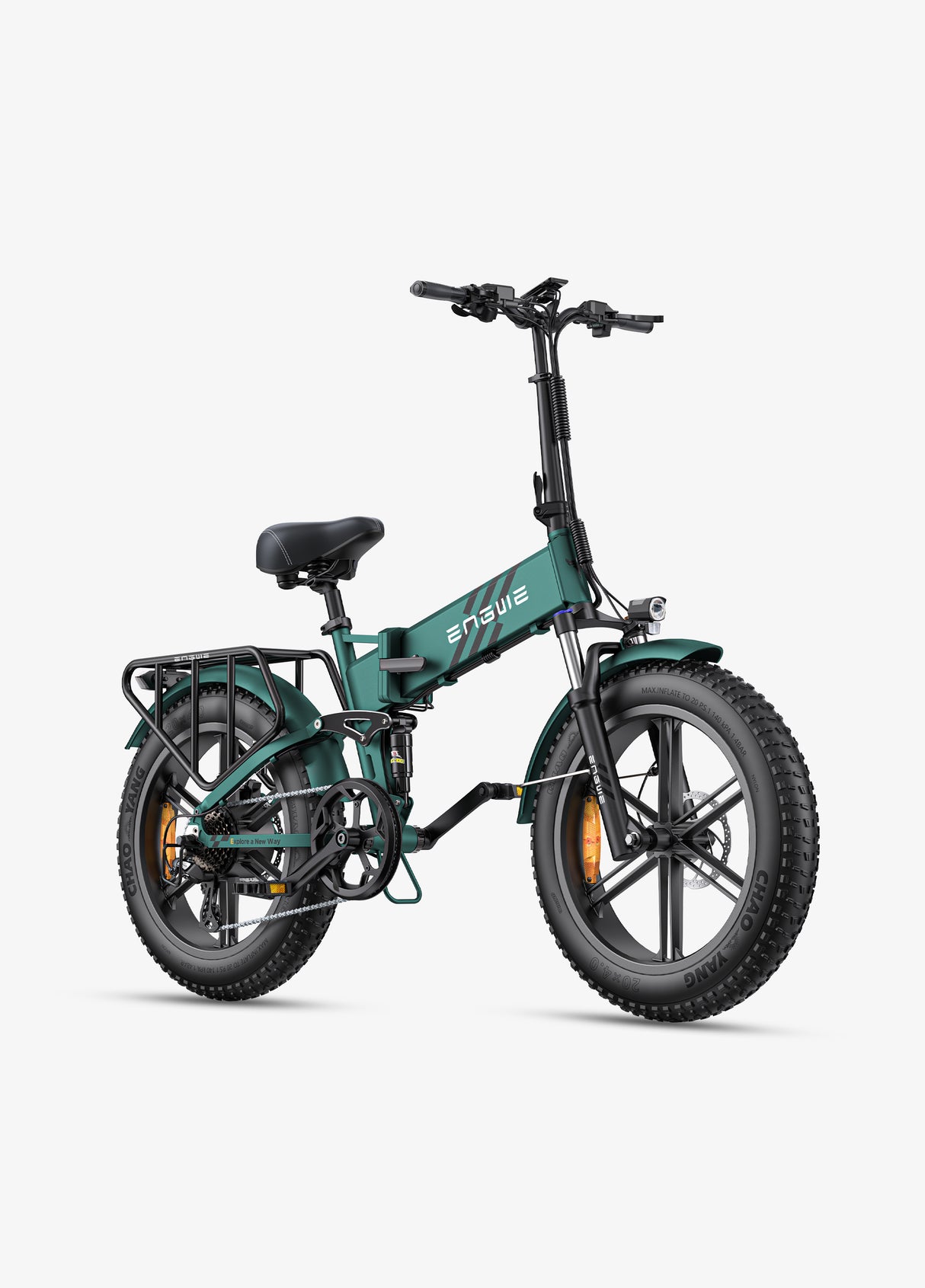
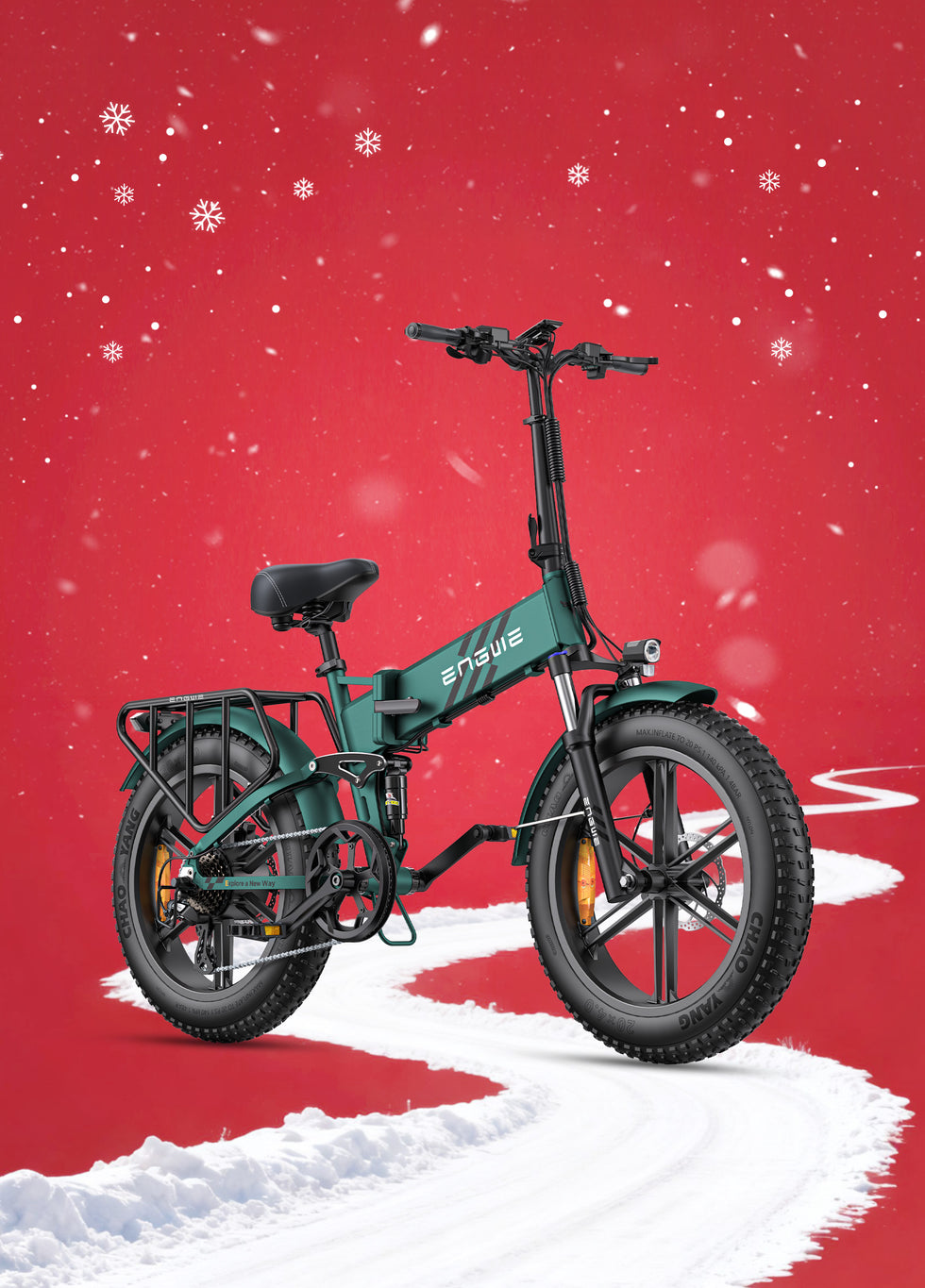
It’s only half the battle to actually find a station; you’d need an electric bike made for going long distances on European adventures, too. For this, we recommend the ENGWE Engine Pro 2.0. It’s not just an e-bike; it is a robust wilderness companion aiming to reduce the frequency of your charging stops and opening up new territories. Its features are designed to give you the confidence to operate with ease, wherever your journey takes you, without range anxiety. This bike lets you stay focused on the gorgeous views, not your battery gauge.

For many reasons, the ENGWE Engine Pro 2.0 is perfect for touring:
-
Conquers All Terrain:
Exit heavy traffic and take the long way home with a powerful 75 Nm high-torque motor that handles it all, from steep inclines in the German Alps to soft rolling Tuscany hills. The fully suspended system swallows up 87% of bumps, providing a smooth and comfortable ride from your door to wherever your journey takes you, on ancient streets or even gravel.
-
Go The Distance:
A long-lasting 16Ah lithium-ion battery takes you further with a max range of 110 km in PAS 1. This astonishing range enables you to skip several towns along your route and approach planning your charging stops with much more freedom, which in turn allows for more remote and picturesque travel routes.
-
Instant Power & Control:
Equipped with the industry’s premier torque sensor, the electric bike brings an instant, seamless start key to navigating traffic swiftly and safely in a stop-and-go city traffic environment. The redefined Shimano 8-speed drivetrain ensures a quality ride for years to come, giving you a reliable system with crisp, precise control perfectly in tune with your cadence and power output.
-
Industry Leading Convenience:
Its unique frame design folds in just 10 seconds. All of this makes it very easy to take on a regional train if you want to skip less scenic bits, store in a hotel room, or shove into the boot of a car.
-
Safety Guaranteed:
A safe trip is as good as the journey. The 100% hydraulic disc brakes provide a responsive, predictable stopping ability no matter what the conditions – an absolute must-have for British weather!

Beyond the Map: Alternative Charging Spots & Etiquette on the Fly
As essential as apps are, it’s often the most memorable adventures that require good old-fashioned know-how and a little human assistance. On a digital map, not all power sources are covered. Germany and the neighboring countries have a long, bike-friendly tradition, and many local businesses are willing to support you as a touring cyclist. The art of spotting these opportunities and how to conduct oneself will make sure you are never left at a loose end. The trick is to think of every town and village not just as a pit stop, but also as a network of potential support.
Here’s how to find power in unlikely places:
-
Bike-Friendly Cafes and Restaurants:
In Germany, you’ll see “Radfahrer Willkommen” (Cyclists Welcome) signs. These businesses know a thing or two about cyclists and nearly all will be happy for you to plug in your charger while you get something to eat or drink.
-
Hotels and Guesthouses (”Gasthof”):
If you are not actually spending a night there, the reception of a hotel is also a good place to ask. For the cost of a drink in their bar or a small fee, you can plug into an outlet in their lobby or garage.
-
Tourist Information Centers:
Run by the government, these offices are there to assist tourists. They are often safe places to seek help.
-
Bicycle Shops:
This is probably your best non-digital bet. The staff knows what you need for sure. They are going to almost certainly allow you to charge up your battery, and it is an excellent opportunity for a fast and free safety check, tire pressure readjusting, or an extra inner tube.
Essential Charging Etiquette:
- Permission, Please: Do not just use an outlet. Be polite and inquire of an employee before you plug in.
- Be a Paying Customer: The best way to thank a business is with economic activity. Purchase a full lunch, some drinks, or provisions.
- Offer a Few Euros: For smaller businesses, offer to give them a couple of Euros for the electricity. They will often decline, but you’ll still get points for the offer.
- Stay Out of the Way: Place your bike and charging cord where they will not be a trip hazard for staff or other customers.
Pre-Trip Preparations: Gear, Battery Tricks and Savings Tips
Smart preparation is the foundation of a successful multi-day e-bike tour. The key is to have the proper gear along with you and know how to get the most from your battery, just as it’s important to know where you can find a charging station. A little foresight is all it takes to avoid the stress of a dying battery, the expense and inconvenience of finding an impromptu place to stay, or wasted time arriving at one outlet after another without the right gear. Efficiency and ease of use is what you should strive for charging-wise.
Your Essential Charging Go-Kit:
- Your OEM Charger: Don't leave home without the charger that shipped with your e-bike. Your battery can be damaged by third-party chargers.
- European Plug Adapter: A Schuko (Type F) plug is standard in Germany, but a universal travel adapter will be your go-to when visiting Switzerland (Type J), or other areas.
- One Short Extension Cord: A basic 10-foot extension cord can save you a lot of trouble. You’ll often find outlets in awkward spots — behind a counter, up high on a wall, or what have you — and this little guy makes them all manageable.
- Waterproof Bag: Keep your charger and cables in a waterproof bag to shelter them from rain.
Pro-Tips for Maximizing Battery Range:
- Ride in a Lower Power Assist (PAS) Level: The absolute best way to expand your range. Use Eco mode for flat terrain and save Turbo for only the steepest sections.
- Tire Pressure: Underinflated tires create a lot of rolling resistance, which means your motor has to work harder. Check your pressure every morning.
- Spin, don't mash: Pedaling at a steady, high cadence (an optimal cadence is 70-90 RPM) is more efficient than pushing big gears.
- Pack Less: Every extra kilogram you carry reduces how far you can go. Pack light and eliminate the unnecessary.

Understanding the European Charging Infrastructure
The charging infrastructure for e-bikes in Europe is a varied and evolving environment. Germany is generally at the forefront, with publicly funded stations sited along well-used “Radwege” (cycle paths), but the landscape can differ strikingly from one country to another. If you know the types of stations, where they are likely to be found, and how much, if anything, they will cost, that should help you plan your itinerary more reliably. Although a universal standard is still emerging, your own charger and a standard wall outlet remain the most dependable combination.
Common Types of Charging Facilities:
- Dedicated E-Bike Charging Stations: The trend is on the rise in city centers, tourist attractions, and along major long-distance cycling routes like Europe’s EuroVelo network. They might provide several charging points, and some fancier models even boast locking bins — you can leave your battery to recharge here securely while going for a hike.
- Converted Electric Car Stations: As mentioned earlier, a number of EV charging centers aren’t just installing fast-charging stations; they’re also putting in regular old wall outlets that can provide power for slower-charging devices like e-bikes. These are usually well-lit, in safe public locations.
- Bike & Ride Facilities: In Germany and Austria, many major train stations offer secure bike parking ("Fahrradstation"), some with charging facilities - ideal for a combined bike and rail vacation.
- Private Commercial Networks: This is the biggest, most far-reaching network of them all: thousands of businesses that are bike-friendly and offer up charging as an amenity to get you — and your wallet!
| Charging Method | Typical Location | Speed | Remarks |
|---|---|---|---|
| Schuko (Wall Outlet) | Cafes, Hotels, Homes | Slow (3-6 hours) | Most universal method. Requires your personal charger. |
| Dedicated E-Bike Station | Public Plazas, Tourist Destinations | Varies | Can be free or require a small fee. Some need specific apps. |
| Battery Swap Station | Major Cities (rare) | Instant | Mostly limited to proprietary bike brands or rental fleets. |
Frequently Asked Questions:
Q1: Is it free to charge an electric bike in Germany and Europe?
A1: It often is. A number of local governments and tourism boards provide free public charging stations to encourage tourism. Cafés and restaurants are also unlikely to charge a paying customer. But some private stations may require payment through an app or coin slot.
Q2: Can I use an electric car charging station for my e-bike?
A2: You can't use the high-power EV plug itself. But take a closer look at the station — many EV chargers come with not just DC or AC connectors, but also an ordinary Schuko (Type F) power outlet designed specifically for light electric vehicles such as e-bikes and scooters.
Q3: Are there established routes with reliable charging?
A3: Look into official long-distance cycling routes, like Germany's D-Routes or the international EuroVelo network. These are starting to be equipped with e-bike-friendly infrastructure, and their official websites may even include a list of charging partners on the route.
When properly prepared and armed with the best digital tools, your European e-bike trip is limited only by your sense of adventure.