
Choosing the Right Suspension for Your Fat Tire E-Bike
Selecting the correct suspension for your fat tire electric bike is one of the most important decisions you will make. In broad terms, it defines the bike’s essential characteristics and determines its comfort, overall effectiveness, and preferred usage environment. However, the decision is not whether a rigid rear end or a cushioned suspension is “good,” but which is genuinely better for the individual. This manual will help you weigh the decision by breaking down five components. Most importantly, where you plan to ride is the primary reason to choose between the appropriate suspension types. The terrain is the final decider, and different suspension systems are designed for different applications. If you choose poorly, you can end up with a bike that is too uncomfortable to ride on or too simple to pay for sophisticated technologies. The first and the most important part of the choice is to be genuinely honest about your usual riding style. Here’s a cozy breakdown of the two based on terrain and application.
Hardtail E-Bikes: Not required for all applications.
Dual/Full Suspension E-Bikes: Not critical for all riders.
1. Rider Comfort, Control, and Fatigue
Suspension affects more than just the trail — it also affects your body, particularly over longer distances. As the bike’s primary line of communication, it determines whether the ride is thrilling or miserable. It is your first line of defense against vibrations and major strikes.
Hardtail:
- A more direct connection: Some experienced riders prefer this connection for the trail’s feedback.
- More vibration: The saddle transmits more trail chatter and minor impacts to the rider.
- Potential for fatigue: On tough or long rides, the continuous pounding might wear out your lower back or joints.
- Skill development: It forces you to use your legs as suspension and pick smoother courses, which might help you develop your riding skills.
Dual/Full Suspension:
- Exemplary absorption: A floating sensation — it smooths everything from tiny vibrations to huge blows.
- Better control: On wet or off-camber trails, it keeps the tire in contact with the ground even as you climb or stop.
- Less load on your body: Overall, from your back to your arms and legs, you’ll endure much less physical strain. You’ll be able to ride longer and more comfortably, which is advantageous for your back and joints in the long run.
A more intricate system implies higher costs and more service demands. Suspension components are high-tolerance pieces with seals, oil, and air chambers that require periodic maintenance to work effectively. This is an important consideration for those who want to buy it now and forget about it.

2. The Hardtail Advantage
The electric bike significantly influences human performance during biking. Hardtail frames are easy to manufacture, making electric bikes less expensive to buy. The absence of the rear shock or pivots leads to a reduction in components, thus reducing the chances of malfunction. Maintaining a hardtail is easy because cleaning components, checking for lubrication, or replacement is simplified. The rear triangle is a stiff component, ensuring a long-lasting life, and it is also one of the parts that does not require experienced personnel for maintenance.
3. The Full Suspension Commitment
However, full suspension has a higher purchase cost compared to a hardtail due to the presence of the rear shock and the complex frame. Its components also require experienced individuals to ensure sustainability and prevent damage. The pivots contain mud and grit that may require cleaning after a few services. The power one applies when pedaling is more immediate on a hardtail when compared to a full suspension rear, which absorbs some of the transferred energy. This absorbed energy, lost through the pedaling motion, is referred to as pedal bob. Some lost energy aids in traction and momentum.

4. Top Recommendations and Final Choice
When the time comes to decide, the industry-leading brands provide excellent offerings in every category. For riders shopping for a hardtail fat tire e-bike that checks all the boxes of a powerful, versatile, and ingeniously engineered selection, ENGWE is the answer.
Top hardtail choice: ENGWE
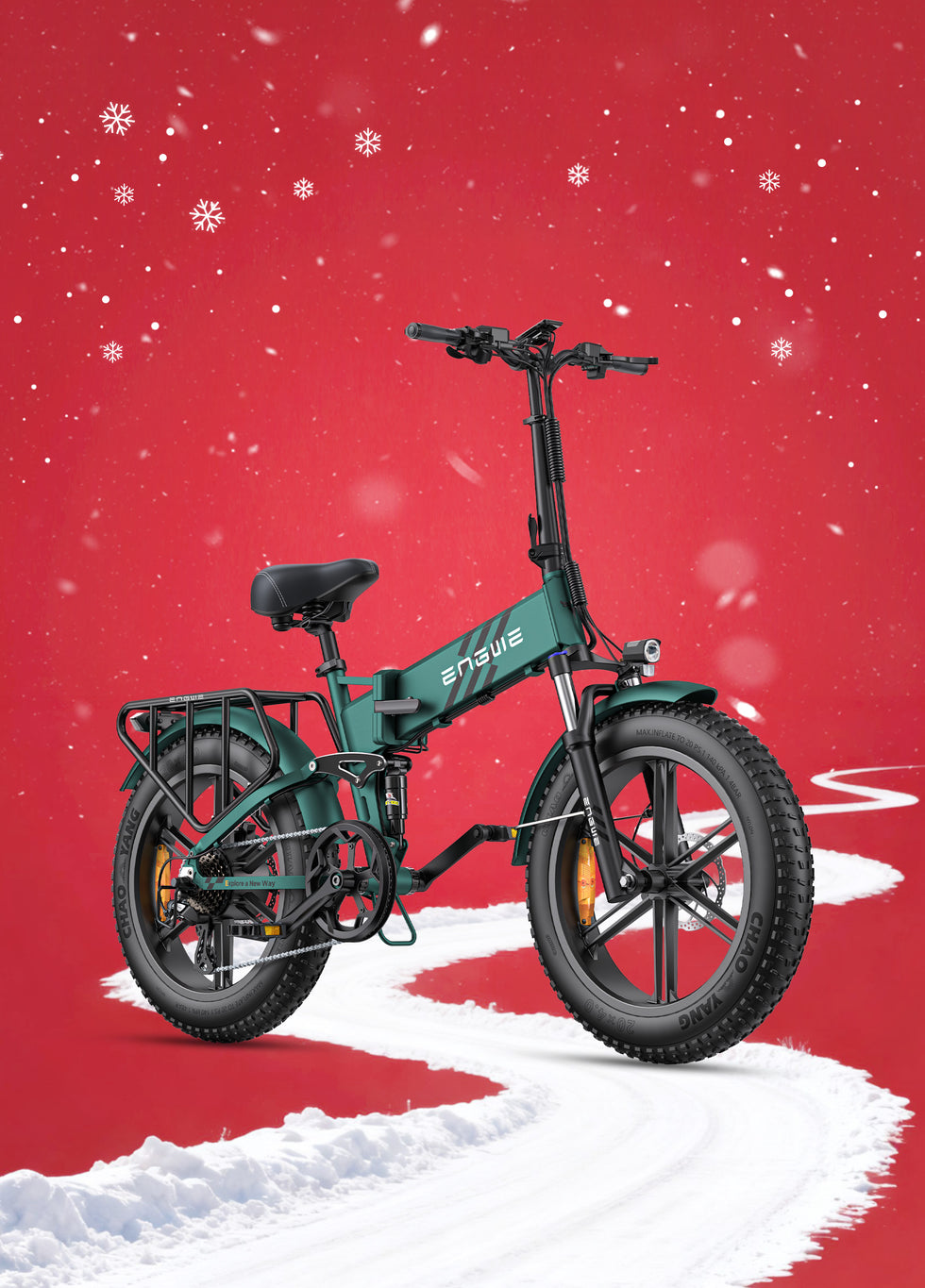
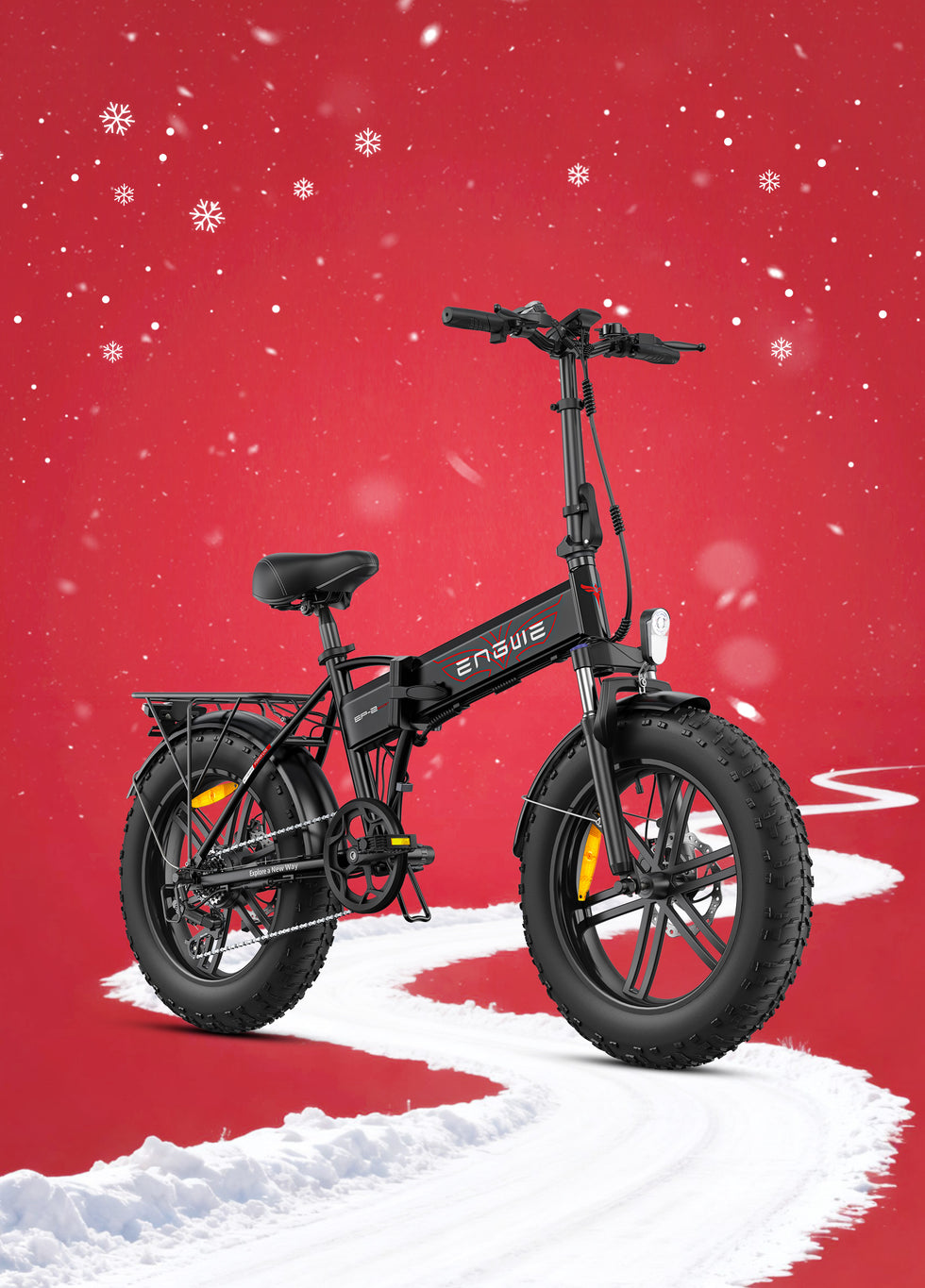
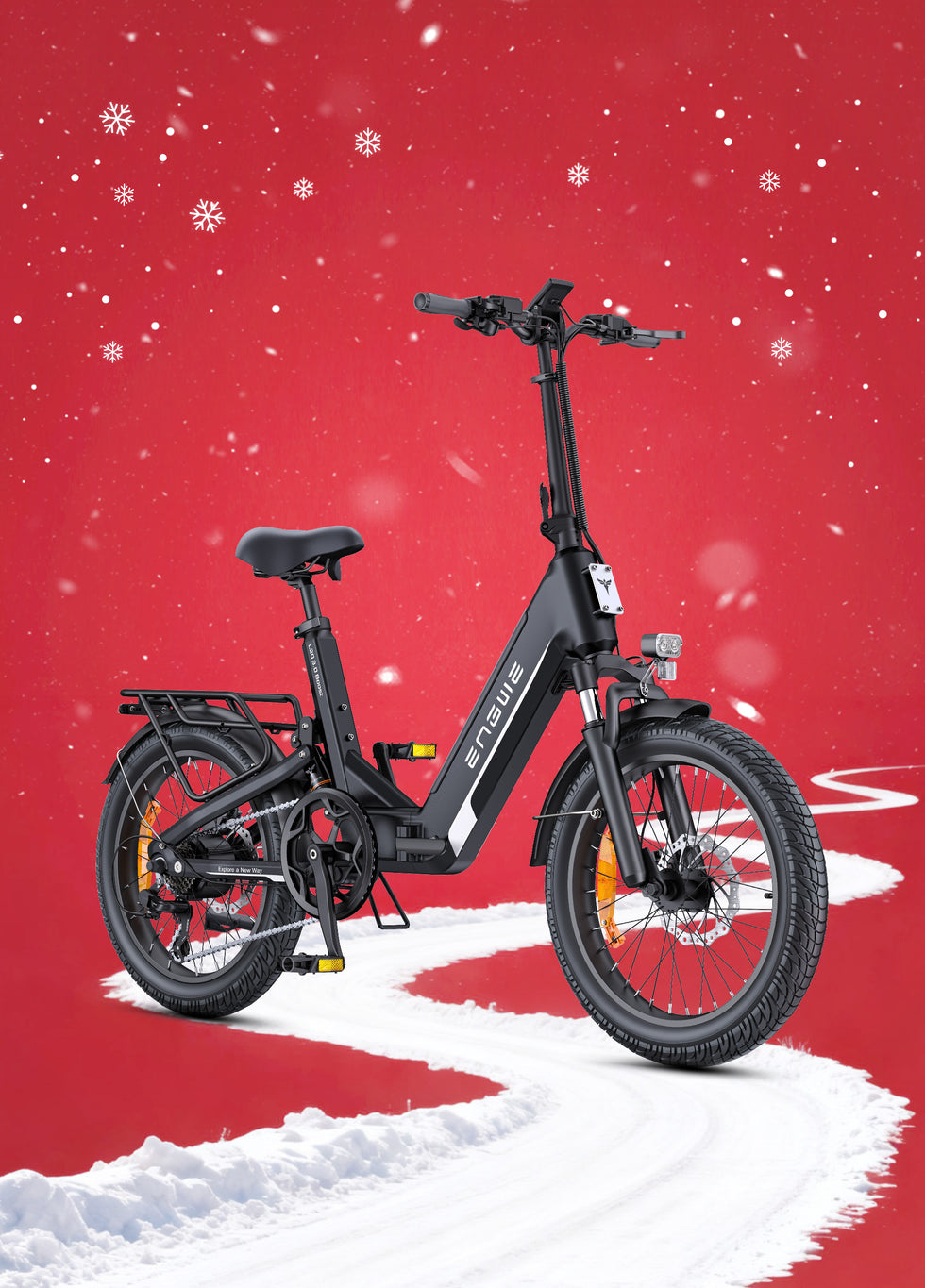
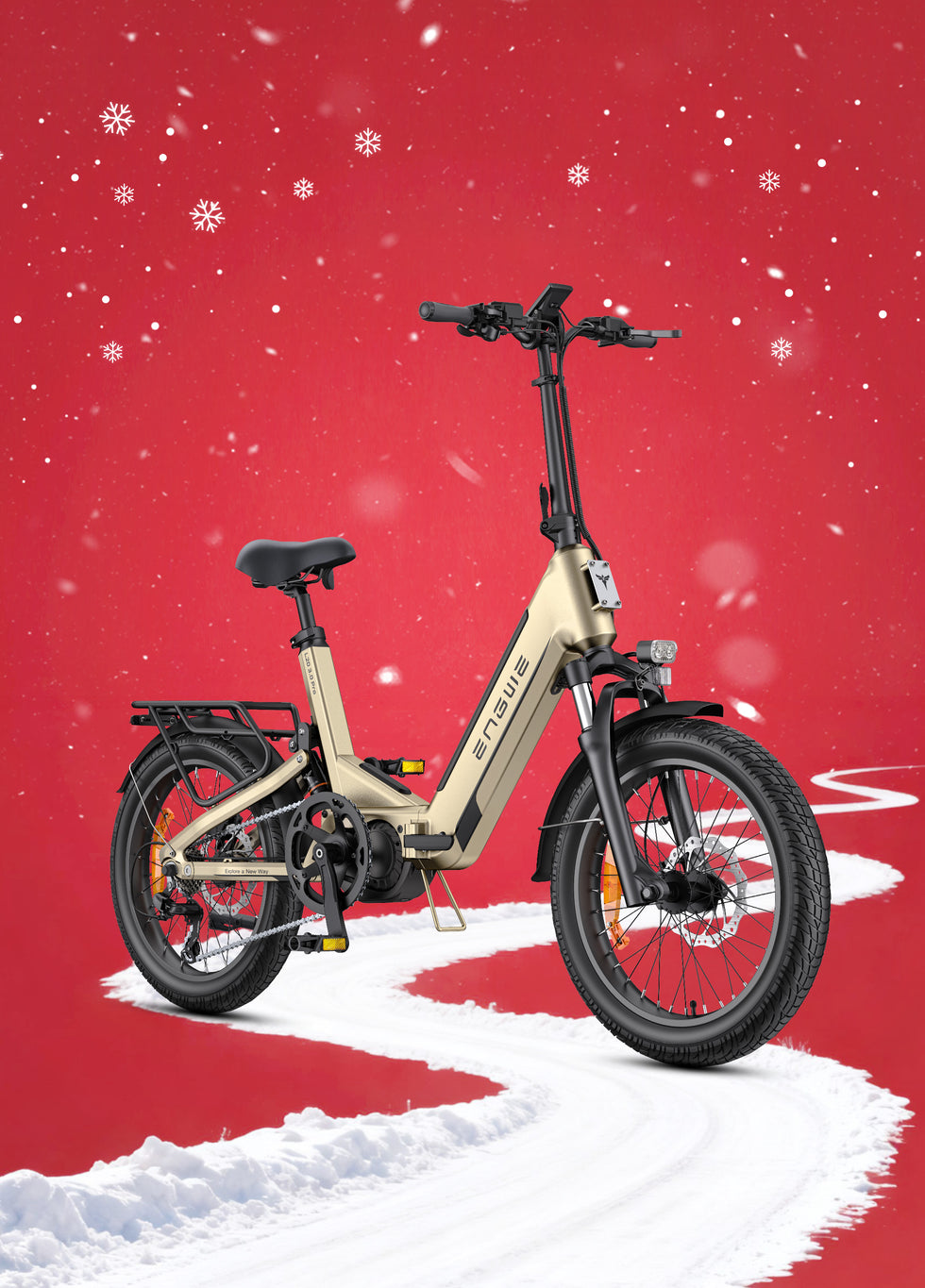
The ENGWE EP-2 3.0 Boost leads the pack in terms of power, handling all kinds of terrain, and smart design. This hardtail fat tire electric bike design establishes the ideal combination with its cunning structure. Muscular motor support is channeled directly through its sturdy frame, which funnels that energy conveniently to the wheels, allowing riders to steer quickly and confidently. The front fork pulls double duty as a shock absorber, mollifying bumps in the road for maximum control. Its 20x4.0-inch fat tires provide a dynamic cushion of air and terrific grip across every landscape, from beach to forest dirt. It’s the ideal selection for those seeking efficiency, dependability, and flexibility, as riders can effortlessly switch between city paths and backroads. This foldable powerhouse is practical for nearly any rider and requires minimal storage and moving space.

Other quality options to consider include:
- Reputable mid-range hardtails. Fat tire hardtails from Rad Power Bikes and Aventon are great options for commuters and recreational riders.
- Premium full suspension e-bikes. For those who do serious mountain biking, full suspension fat tire and plus-tire e-bikes from Specialized, Trek, and Canyon are excellent due to the advanced suspension technology.
For you to make the final decision simply, take a look at the following table:
| Feature | Hardtail Suspension | Full / Dual Suspension |
|---|---|---|
| Best For | Pavement, Gravel, Light Trails, Commuting | Technical Trails, Rough Terrain, Max Comfort |
| Initial Cost | Low | Higher |
| Maintenance | Low / Simple | High / Complex (Requires regular service) |
| Rider Comfort | Good on smooth surfaces, jarring on rough surfaces | Excellent on all surfaces |
| Pedaling Efficiency | Highest on smooth surfaces | Lower (unless locked out), but better traction |
Frequently Asked Questions
Q1: What is “dual suspension”?
Dual suspension is merely another name for full suspension: it means that the electric bike has a front suspension fork and a rear shock absorber to cushion both wheels.
Q2: Can I make a hardtail more comfortable?
Yes, suspension seat posts are a popular and relatively inexpensive upgrade. They do not provide the performance advantages of true full suspension, but they will significantly reduce the vibrations and impacts you feel through the saddle.
Q3: Will adding a suspension system and/or riding over rough terrain negatively impact my e-bike’s battery range?
In the long run, it will have a minimal effect. Although a full suspension system introduces weight and additional parasitic loss from pedal bob and rebound, it will theoretically draw a little more battery. However, the improved ride quality and the ability to maintain your momentum over more uneven terrain will sometimes make up for it.
In the end, the perfect ride is achieved by matching the suspension of your fat tire e-bike to your adventure.