
Suspension Basics: Why Suspension is Necessary on a Fat Tire E-Bike
Fat tire e-bikes are versatile for any terrain; a well-picked and correctly tuned suspension system brings them into a completely new world. This guide clarifies all there is to know about any suspension, from the simplest types to intricate adjustments. How to choose, tune, and maintain your suspension system will guarantee that you will get a smooth, full, and exhilarating ride every time you ride your electric bike. With this information, you will be certain that any ground is your ground, and you are not wasting your time on the machine.
Regardless of their large surface area, fat tires provide a certain level of shock absorption, but that does not discount the necessity of a suspension system. Fat tire e-bikes are designed to ensure a comfortable and smooth ride, with such a system offering maximum ride control. To do so, one must first understand how they work. A properly tuned suspension system ensures that the wheels stay in contact with the ground at all times, even during heavy braking or cornering, which is essential when there is an electric motor.
Primary Suspension Functions:
- Comfort: Reducing fatigue on long trips by absorbing shock from rocks, roots, and jolts over the earth.
- Control: By keeping contact with the road, suspension ensures that the tires roll more smoothly and steadily on uneven surfaces.
- Traction: Allows the wheel to follow the road surface so that you will not lose grip on steep slopes or while braking and turning.
Common Suspension Configurations:
| Configuration | Description | Best For | Pros | Cons |
|---|---|---|---|---|
| Rigid | A bike without any suspension. | Very smooth surfaces like paved roads or beaches. | Simple, lightweight, low maintenance. | Uncomfortable on any uneven terrain. |
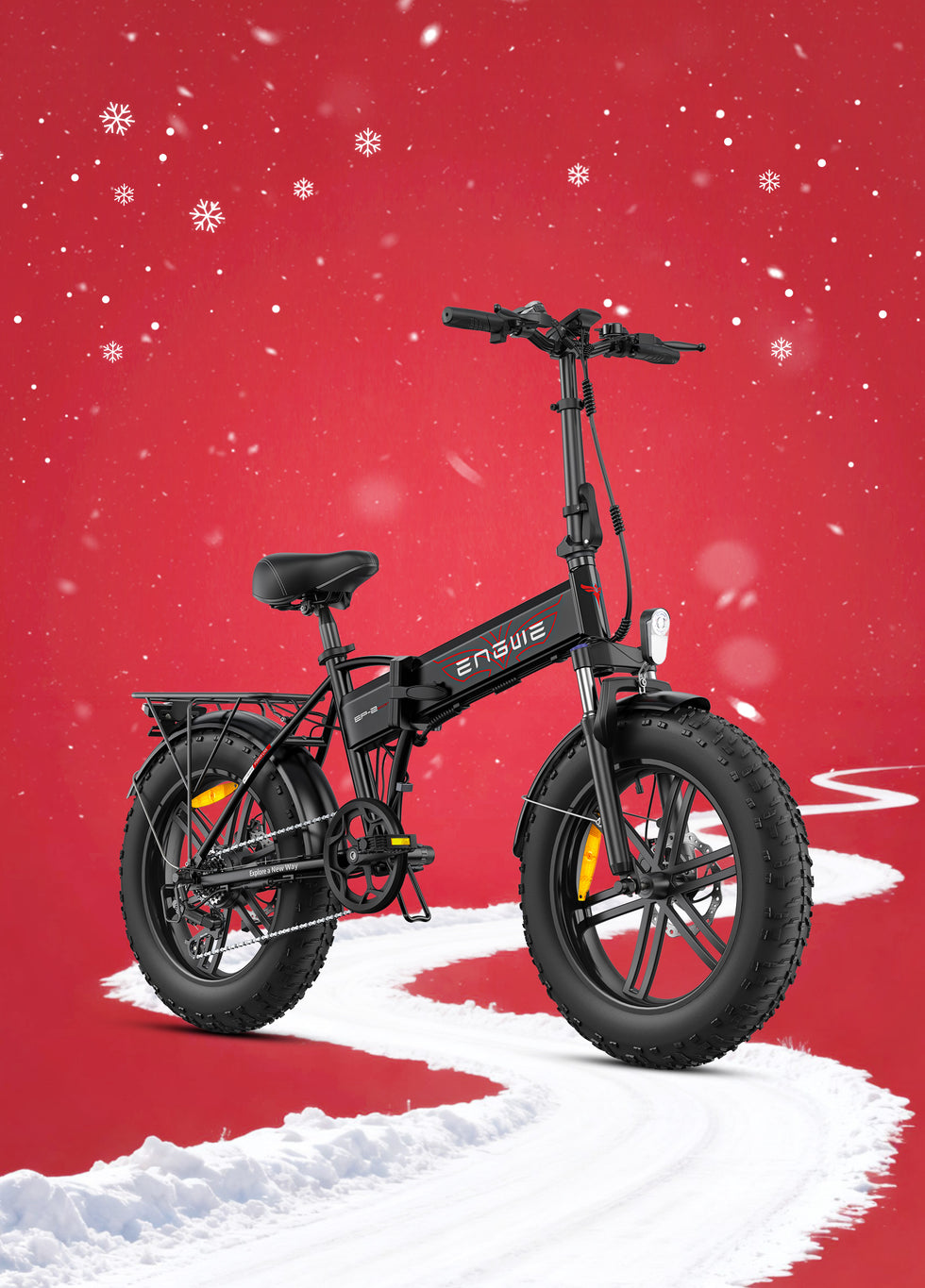
| Hardtail | A bike with a front suspension fork but a rigid rear frame. | Light trails, urban commuting, general riding. | Good handling, control, and pedaling efficiency; absorbs front impacts. | Less comfort and control on very rough terrain compared to full suspension. |
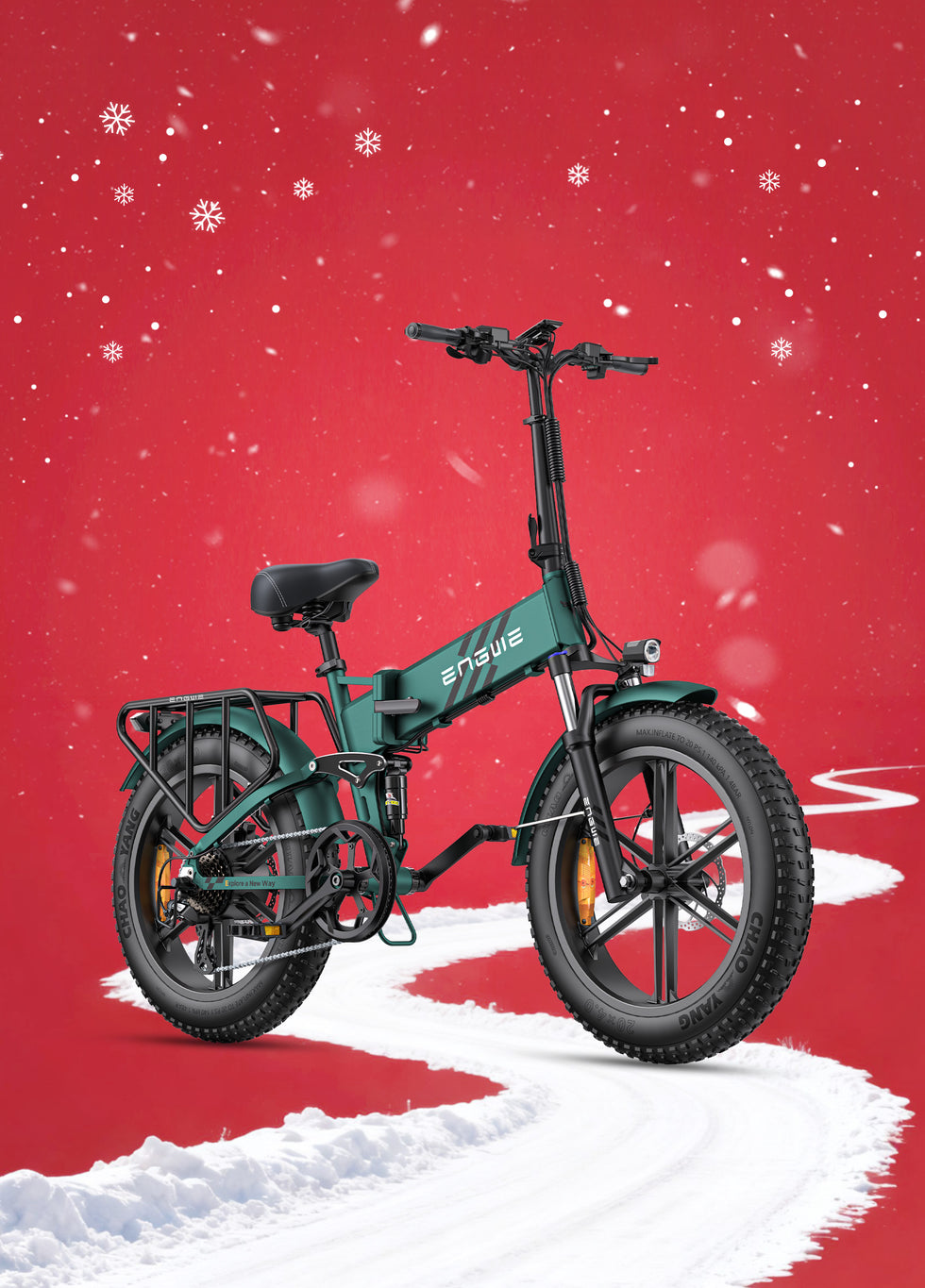
| Full Suspension | A bike with both a front suspension fork and a rear shock absorber. | Rough trails, all-terrain riding, and maximum comfort. | Superior comfort, traction, and control on rough terrain. | Heavier, more expensive, and requires more maintenance. |
Diving Deeper: Core Suspension Technologies and Types
Thus, riding further into suspension basics, what distinguishes the performance, controllability, and feel of a suspension system are the technological differences within these components. While the distinction isn’t limited, it’s clear that all forks and rear shocks utilize a spring of one kind or another: these can be either coil or air. Each type has its own set of characteristics that cater to various preferences and budgets. In other words, every existing suspension system of choice has something to fit the buyer’s performance expectations and willingness to look after the bike. Moreover, the damper, which regulates the speed at which the spring compresses and rebounds, is also important in every case.
Front Fork Spring Types:
- Coil Springs: Large heavy-duty steel springs that are known for their durability and reliability, as well as having a consistent, linear feel throughout their travel. They are commonly seen on cheaper e-bikes but are relatively heavy and have limited adjustability, usually just preload.
- Air Springs: Air springs use a chamber of compressed air as a spring. The main benefits are being significantly lighter and extremely tunable. The rider can customize the spring rate by adding or removing air with a specific shock pump, simplifying the process of setting up the suspension for the rider's weight and the terrain.
Rear Suspension Designs:
- Single Pivot: A simple, robust, and cost-effective system in which the rear axle rotates around a single point on the frame.
- Linkage-Driven Systems (such as Four-Bar): These systems use multiple pivots and linkages to control the wheel path and shock behavior, which can significantly improve performance under braking and on varied terrain.
Tuning Your Ride: Key Adjustments for Peak Performance
No suspension will help you if it is not correctly adjusted. Mastering a few simple adjustments quickly turns the suspension from harsh and uncontrollable into a smooth and confident companion. These adjustments are made to fine-tune the suspension to your weight, terrain, and riding style. Most forks and shock absorbers of a decent mid-to-high range above the budget segment have external dials or knobs for these adjustments. Learning to adjust is an essential low-cost skill that drastically improves your riding.
Essential User-Operable Adjustments:
- Preload/Sag: This one is critical; it controls how much the suspension compresses under just your body weight. This is called sag, and for trail riding, it should be around 20-30% of the total suspension travel. Pro Tip: Use a zip tie on the fork stanchion to measure this accurately; correct sag ensures that the wheel will be able to extend into dips and compress over bumps.
- Rebound: This adjuster controls how fast the suspension returns to its full length after being compressed; it is often marked with a turtle for slower and a hare for faster. Key Knowledge: If it’s too fast, the bike will feel like a pogo stick, and if it’s too slow, the suspension won’t recover in time for the next bump, termed “packing down.”
- Lockout: This means you can make the suspension very firm, or even completely solid. This one is extremely useful on smooth pavement or long, non-technical climbs. It makes the bike more efficient by preventing the suspension from absorbing your pedaling energy.
Matching Suspension to Your Needs & Our Top Recommendation
""The optimal suspension depends on how and where you ride. A daily commuter needs a different suspension setup than an adventurous wilderness explorer. What you need to do is pick an e-bike with the right suspension options offered out of the gate rather than upgrade later. It’s the perfect blend of capability, comfort, and your riding style. Your choice represents a compromise. For urban commuting and light trails, a good hardtail with a quality front suspension fork offering 80-120 mm of travel is generally the best compromise, buffering potholes and bumpy bike paths without the weight and complexity of a shock in the rear. For an all-terrain ride and versatility, full suspension technology pays off, offering the security and control for unpredictable surfaces.
The ENGWE M20 is an excellent choice for the rider looking for the right combination of comfort, retro style, and all-terrain preparedness. Its robust dual suspension is ideal for rougher roads due to the responsive front fork and efficient dual rear shock. The M20 system stays calm in nearly every condition, limiting tire slip and offering a forgiving ride over many miles. In doing so, ENGWE delivers an e-bike prepared for all terrains.

For hardcore mountain biking, riders who ride tough trails on descents require full suspension equipment with more robust features and advanced pivot designs. It must have longer travel (140mm+) and advanced features typically found in air-sprung forks and shocks from companies like RockShox or Fox.

Maintenance: Protecting Your Investment and Saving Money
Suspension components are full of precisely engineered moving parts and seals. These require regular care to ensure they perform at their best and last for years. Neglecting maintenance can cause poor performance and lead to expensive repairs. Fortunately, the most effective maintenance steps are affordably quick, easy, and can usually be done at home with basic tools. This maintenance approach will actually save you a lot of money in the long term.
DIY Pre-Ride and Post-Ride Checks:
- Clean the stanchions: After every ride, wipe the shiny upper tubes of your fork and rear shock with a soft, clean cloth to remove dust and dirt. This is the single most important thing you can do to prevent dirt from getting past the seals and destroying your suspension from the inside out.
- Inspect for leaks: Check carefully around the seals for excessive oil build-up; this is a sign that the seals may need replacement.
- Cycle the suspension: With the front brake applied, push down on the handlebars and seat several times to check for smooth, consistent movement. It should not feel gritty or sticky.
Knowing When to Head to the Shop:
- Lower leg service (or basic service): Recommended every 50 hours of riding, this involves a technician cleaning the internals and replacing the bath oil and seals. Staying on top of this simple service will drastically extend the life of more expensive internal parts.
- Full rebuild (or advanced service): This service that involves the damper and air spring is usually recommended every 100-200 hours of riding and can extend the life of your suspension components by years.
Frequently Asked Questions
Do I really need full suspension on a fat tire electric bike?
It depends entirely on your primary terrain. If you’re mostly riding paved paths and light gravel, a hardtail will suffice. If you’re going to be on rough, bumpy trails or just want the most comfortable experience possible, full suspension is worth the investment.
How do I know if my suspension is set up correctly for my weight?
The best initial indicator is setting the “sag”. Your bike’s manual or the website of your suspension manufacturer is an excellent place to start, but 20-30% of total travel when you’re seated on the bike is a solid recommendation for most riding.
Which suspension is better, air or coil?
Neither is inherently better; they are just different. Air is lighter and more adjustable, which makes it best for performance-oriented riders. Coil is heavier but simpler, durable, and often gives a plusher feel, making it a great choice for riders who prioritize durability and a plush feel over low weight.
Now, go dial in your suspension and enjoy your ride.