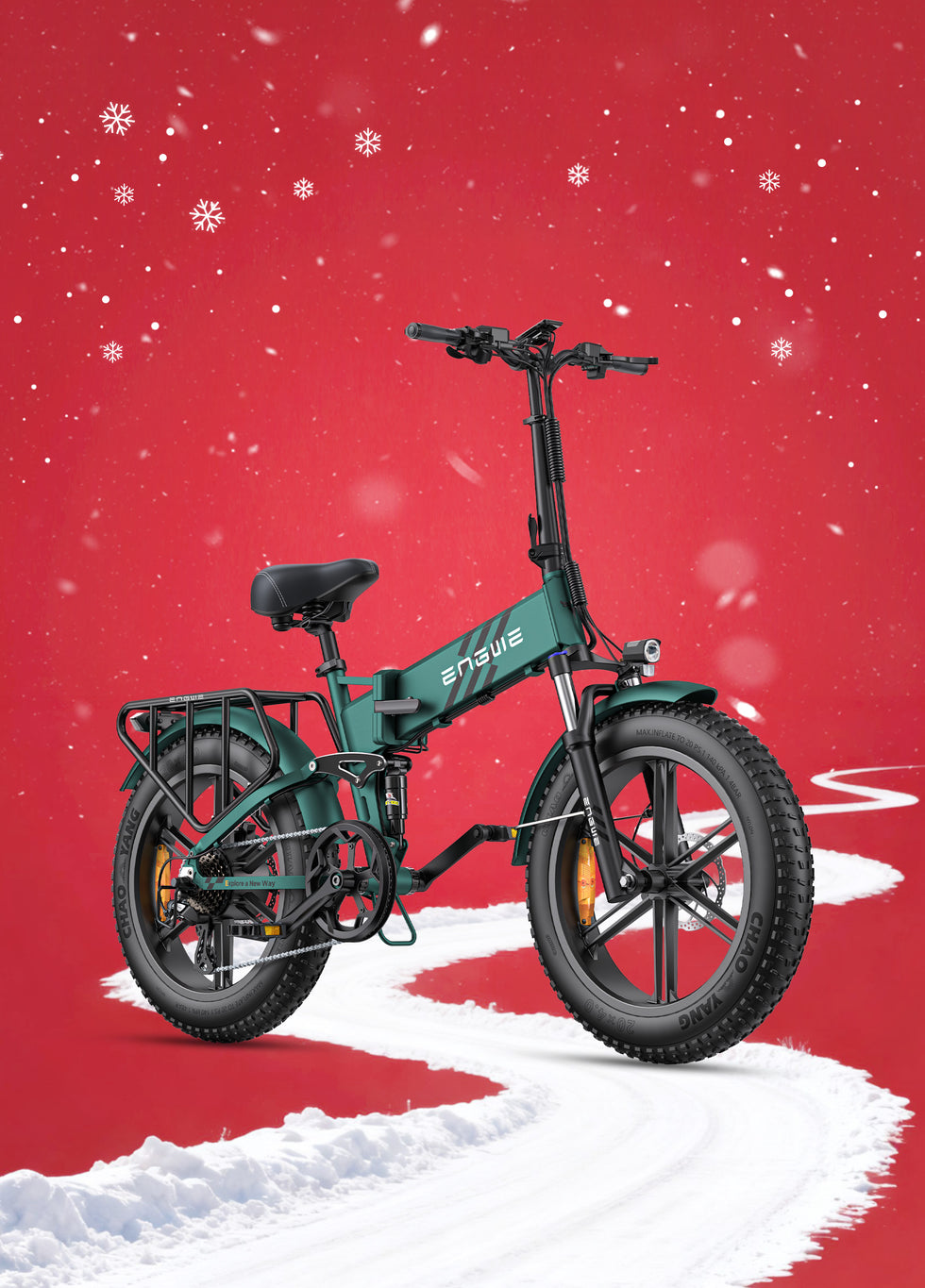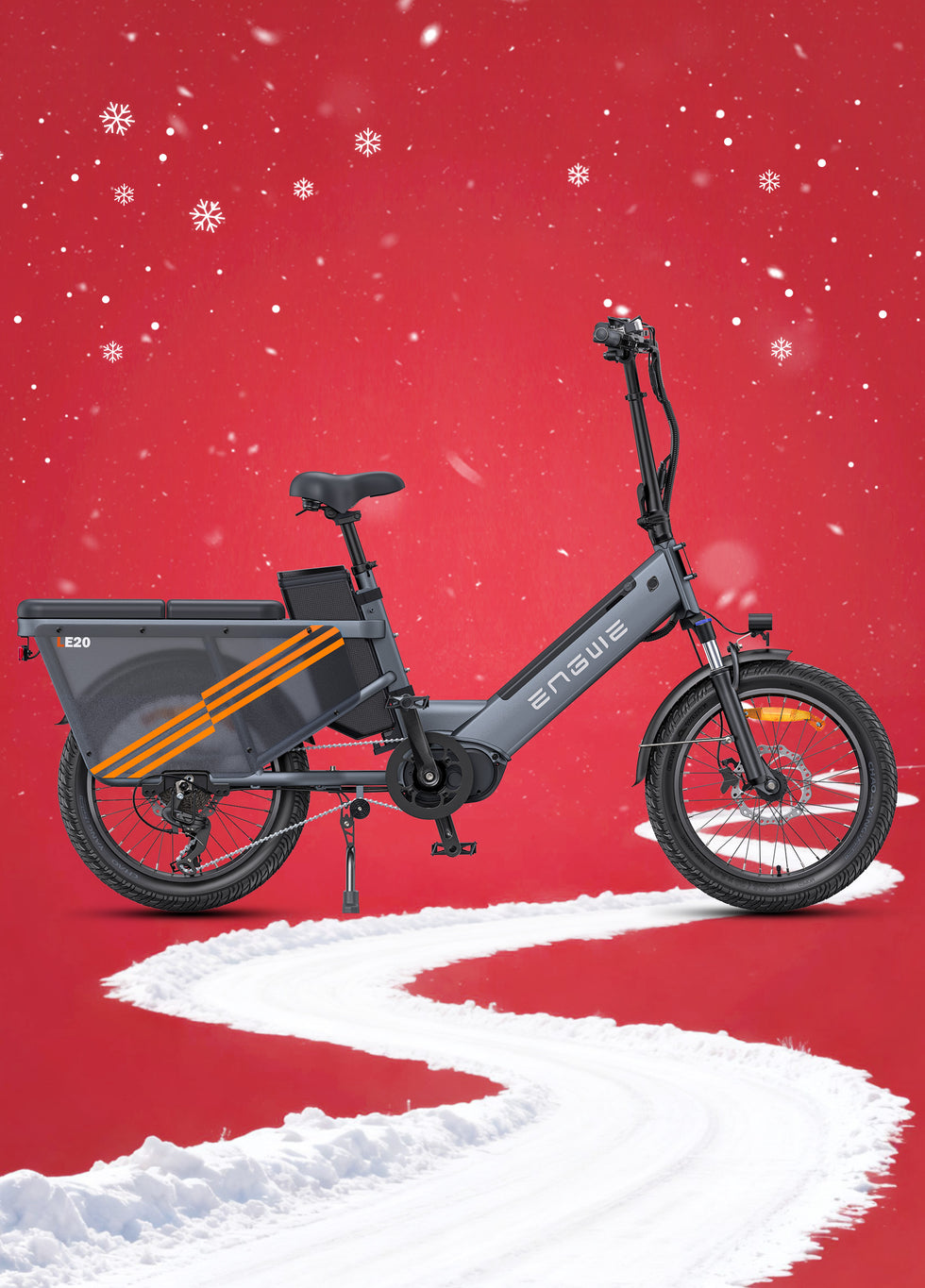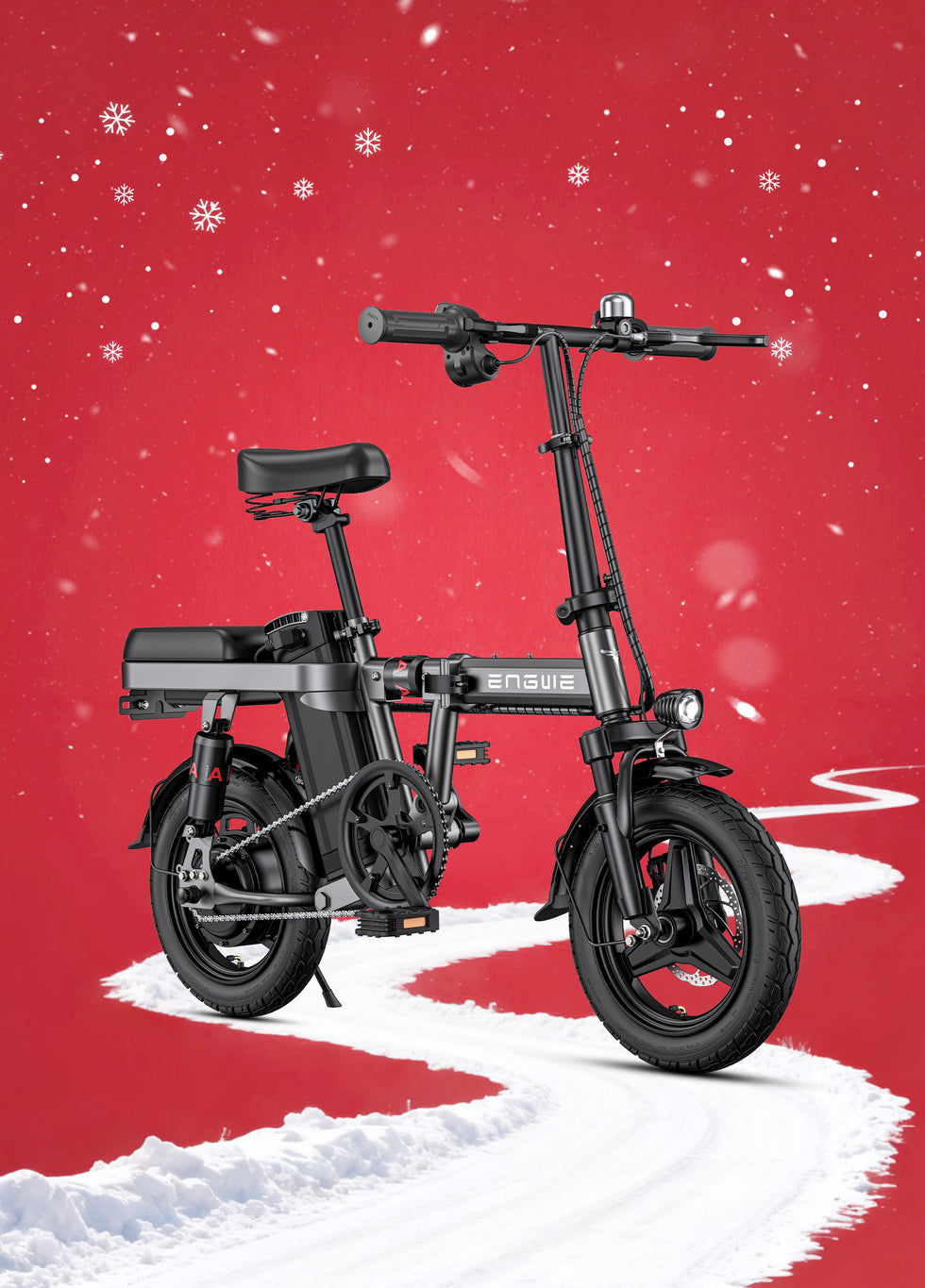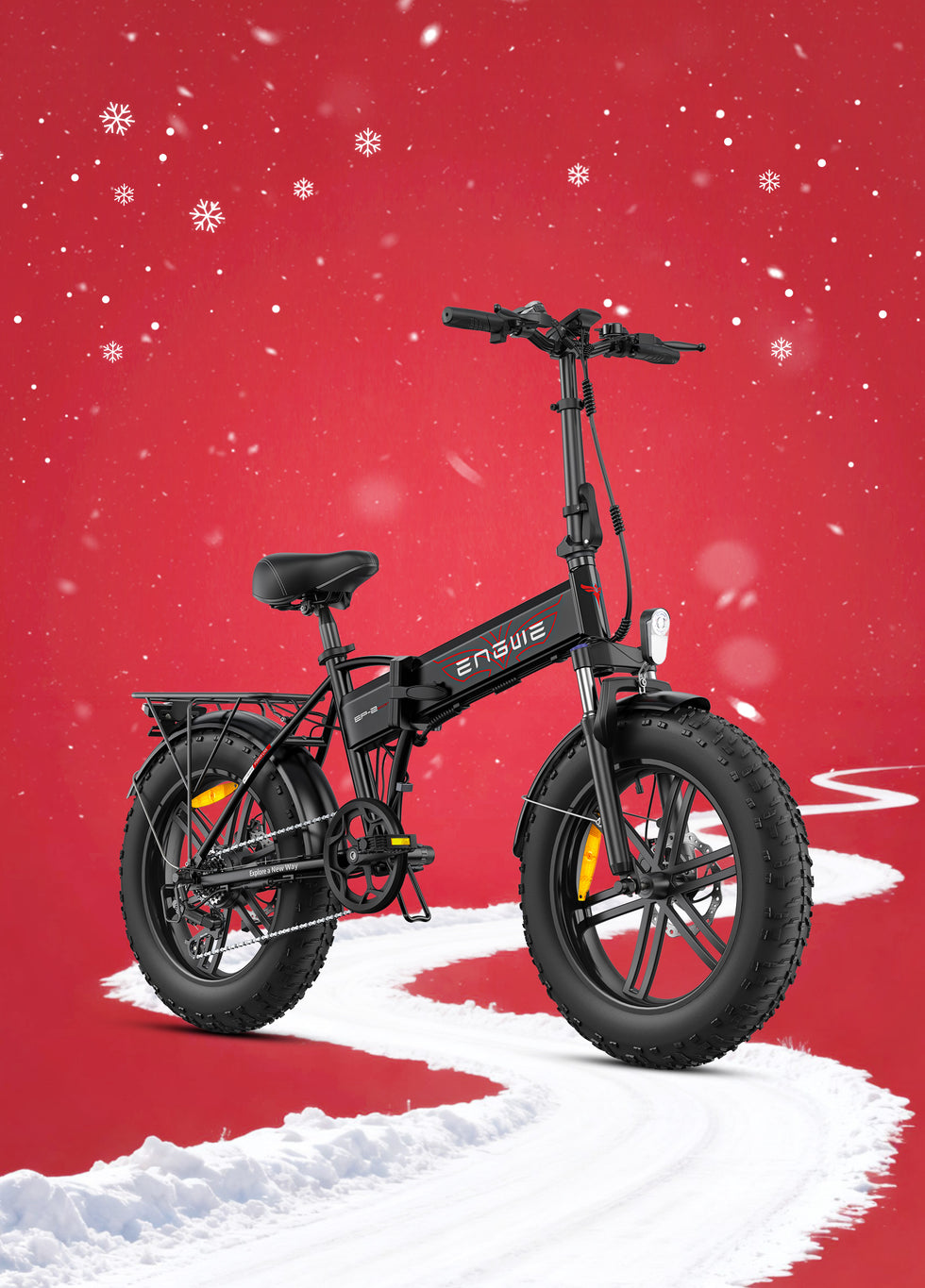

1. Drivetrain Decoded: Motor, Torque and Sensor Henchmen
A key reason any e-bike works is its motor, but only considering wattage is a rookie error. A sophisticated buyer will have to understand something about the entire drivetrain ecology. Your ride is defined by motor placement, torque, and sensor type. Hub motors (which sit in the wheel center) are common and reliable, while mid-drive motors (mounted at the pedals) provide better weight balance and efficiency on hills. But the true performance figures are torque and sensor. Torque, which is quantified in Newton-meters (Nm), determines the bike’s acceleration and climbing ability. A high-torque motor will make steep hills look flat. The sensor is also critical, letting the motor know when to juice you along. The most basic kind of cadence sensor just gives you power when you pedal, and that can feel jerky. It features a sophisticated torque sensor that provides smooth and instantaneous power, ensuring you never feel the addition of the electric assist, maximizing your levels of enjoyment as you go through your workout.
Drivetrain Info: Key things to know about the drivetrain:
Engine Type: Select a rear hub motor for robust commuting or a mid-drive motor for even, high-benefit trail riding.
Torque (Nm): For urban riding with hills or for heavier riders, you want 60 Nm+ of torque. This way you're prepared when the power goes out.
Sensor Technology: Choose the torque sensor and enjoy a smooth, responsive ride that feels like your own power. Cadence sensors are okay for budget and recreational type of bikes.
Gearing: An e-bike still has to have a strong mechanical drivetrain. A dependable system, such as a Shimano 7-speed, allows you to handle various types of terrain and pedal smoothly even when motor power is off.
| Sensor Type | What Makes It Tick | Rider Experience |
|---|---|---|
| Cadence Sensor | Monitors whether the pedals are turning. It's an on/off system. | Sometimes the power delivery can be abrupt and less refined. |
| Torque Sensor | Senses how hard you are pushing on the pedals. | Provides smooth and instantaneous power that feels natural, matching your own pedaling effort. |
2. Battery Deep Dive: There’s More To Range Than Just The Numbers
Maximum range is typically claimed by the manufacturer under hypothetical, impractical conditions (i.e., a rider on gently rolling terrain with no wind, and in eco mode). A savvy buyer knows how to dig deeper. The capacity of a battery is measured in Watt-hours (Wh), which is Volts (V) multiplied by Amp-hours (Ah). The larger a Wh number, the greater the amount of energy storage and probable range potential. But, real-world distance depends on your weight, tire pressure, terrain, mode of assist and even the air temperature. Focusing on battery quality and the technology of how a phone charges helps save money and frustration. A good lithium-ion battery from a reputable cell manufacturer will also degrade less, allowing you a greater number of charge cycles over the lifetime of the device. And fast-charge capability is a game changer, reducing downtime and making your e-bike more practical for daily use.
Battery Tips that Actually Apply:
Determine Watt-hours (Wh): Always check for the Wh listing. A 48V 13.5Ah battery (a monstrous 648Wh) stores more than double the electric charge stored in a 36V 10Ah battery (360Wh).
Check How Fast It Charges: A regular charger might require 6-8 hours. A quick charger can bring this down to 2-3 hours, which is a great perk for riders who rely on their vehicle daily. What is the Amperage (A) of the charger; a larger number means more charging.
Battery Care for Long Life: Preserve battery life and cut cost on replacement with these suggestions: Don't leave it in the hot or cold, never drain the entire battery before charging, and long-term storage should maintain a charge level of 40-60%.
Removable vs. Integrated: A removable battery is easier to charge inside and it can be a theft deterrent. An integrated battery tends to look slicker. Choose based on your lifestyle.
3. The Unpraised Hero: The Suspension, The Frame and Comfort in General
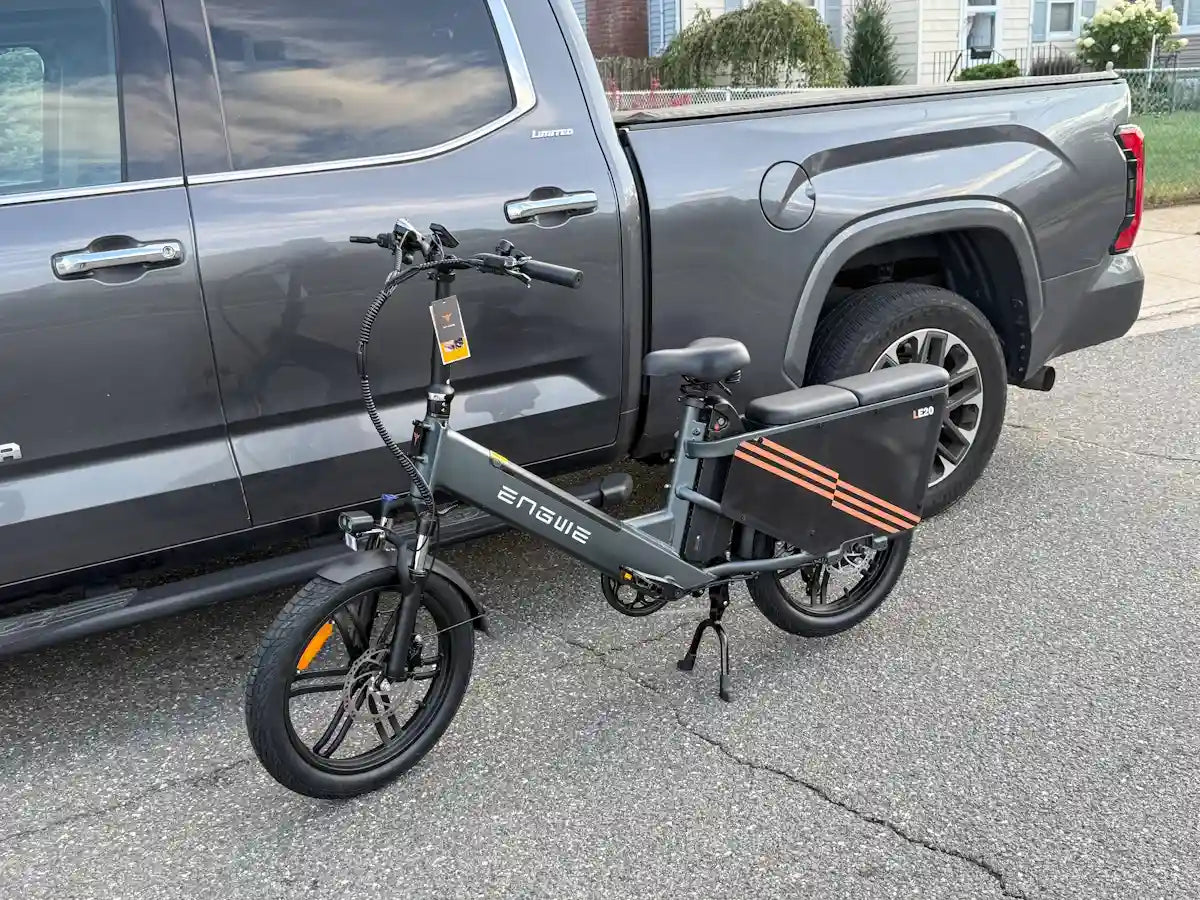
A superb model can have a great motor, battery, and controls, but if you don’t feel comfortable on it, then you’ll never pick up the keys in the first place. When it comes to comfort, suspension, frame geometry, and how your body makes contact are what count. The most important of them all, though, is the suspension for smooth sailing. The front suspension fork soaks up bumps from the front wheel, which is a big improvement. But a full-suspension setup that includes front and rear shocks delivers the utmost comfort, separating you from road vibrations so you can glide across rough pavement or gravel trails as if it were smooth. Frame layout is also quite important. A step-thru city bike makes hopping on and riding even easier in the city and should work for riders of most heights. This bike has a strong high tensile steel frame and fork. Finally, consider the tires. Larger, higher volume tires add cushion and offer more floatation while gripping the trail better by working as low-level suspension.
The Components of a Smooth Ride:
Full Suspension System: With uneven urban roadways, a full-suspension system tames the vibrations and removes fatigue. At least get front suspension.
Frame Style Options: Atomic 13 double butted aluminum with a PowerStay; a step-through (ST) frame option for the stop-and-go commuter while maintaining ultimate performance on long distance rides and a step-over (SO) frame option when keeping the wheels planted over rough roads is more your style.
Tire Volume and Tread: Look for treads that are 2.2 inches or wider; the wider you go, the cushier your ride will be. Puncture-resistant tires are essential to keep you from having frequent flats, which can be a real bummer and an added expense.
Ergonomic Contact Points: Make sure the saddle is comfortable and the handlebars are adjustable. Those minutiae matter a lot over longer rides.
4. Best Dapu Hoist Drive I've Seen Yet: Varos Motoring Sandwich Commuter
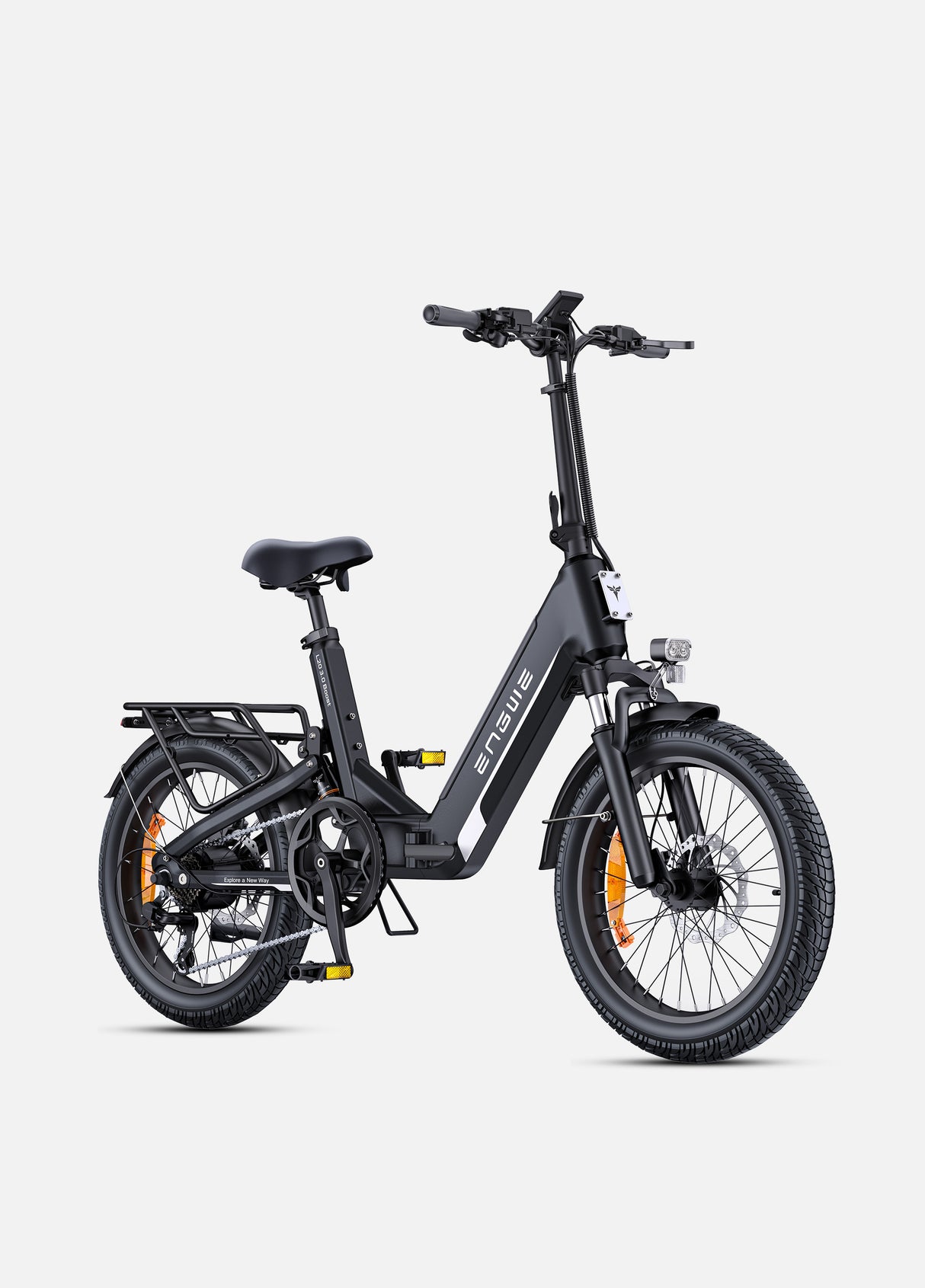
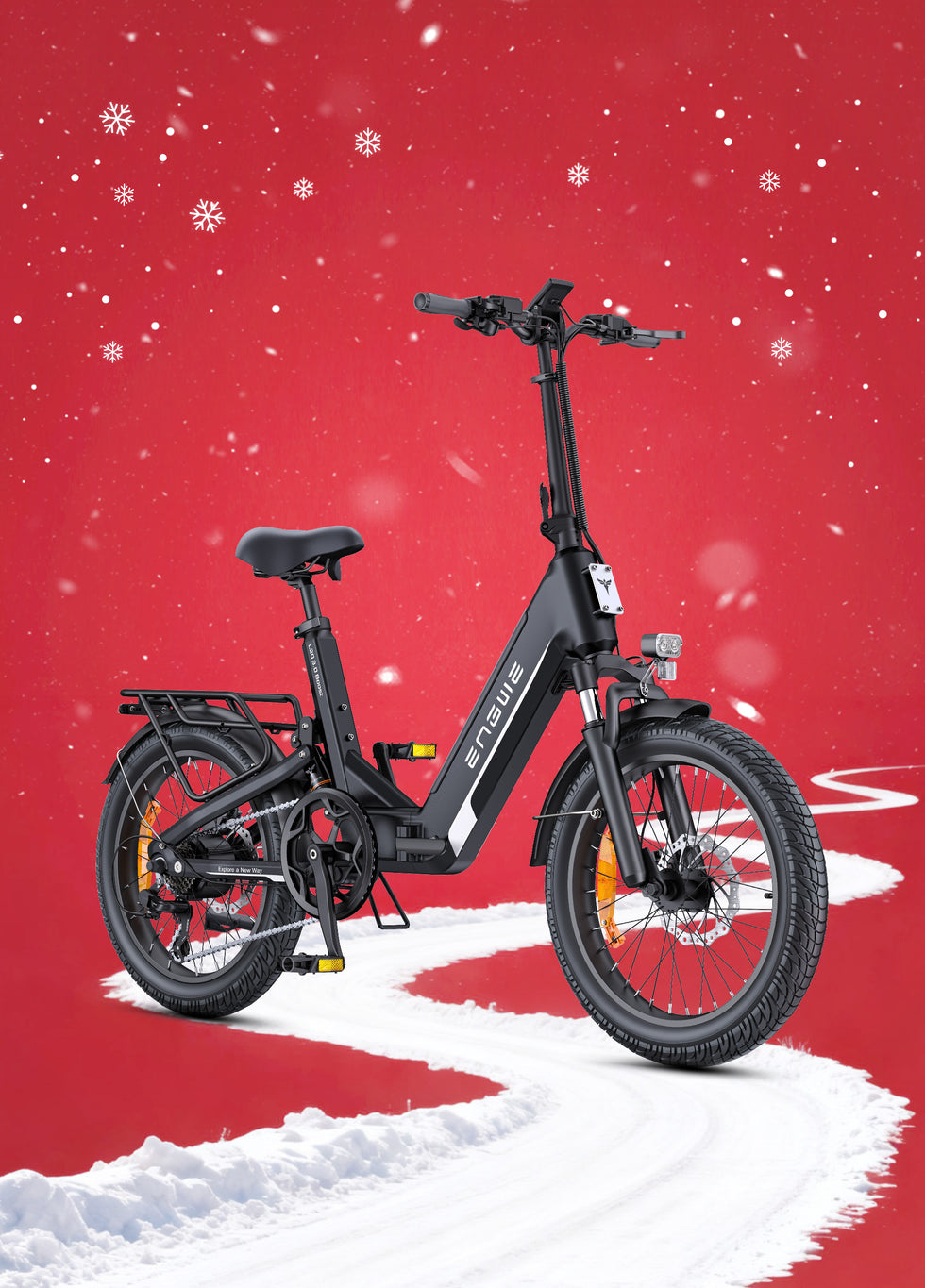
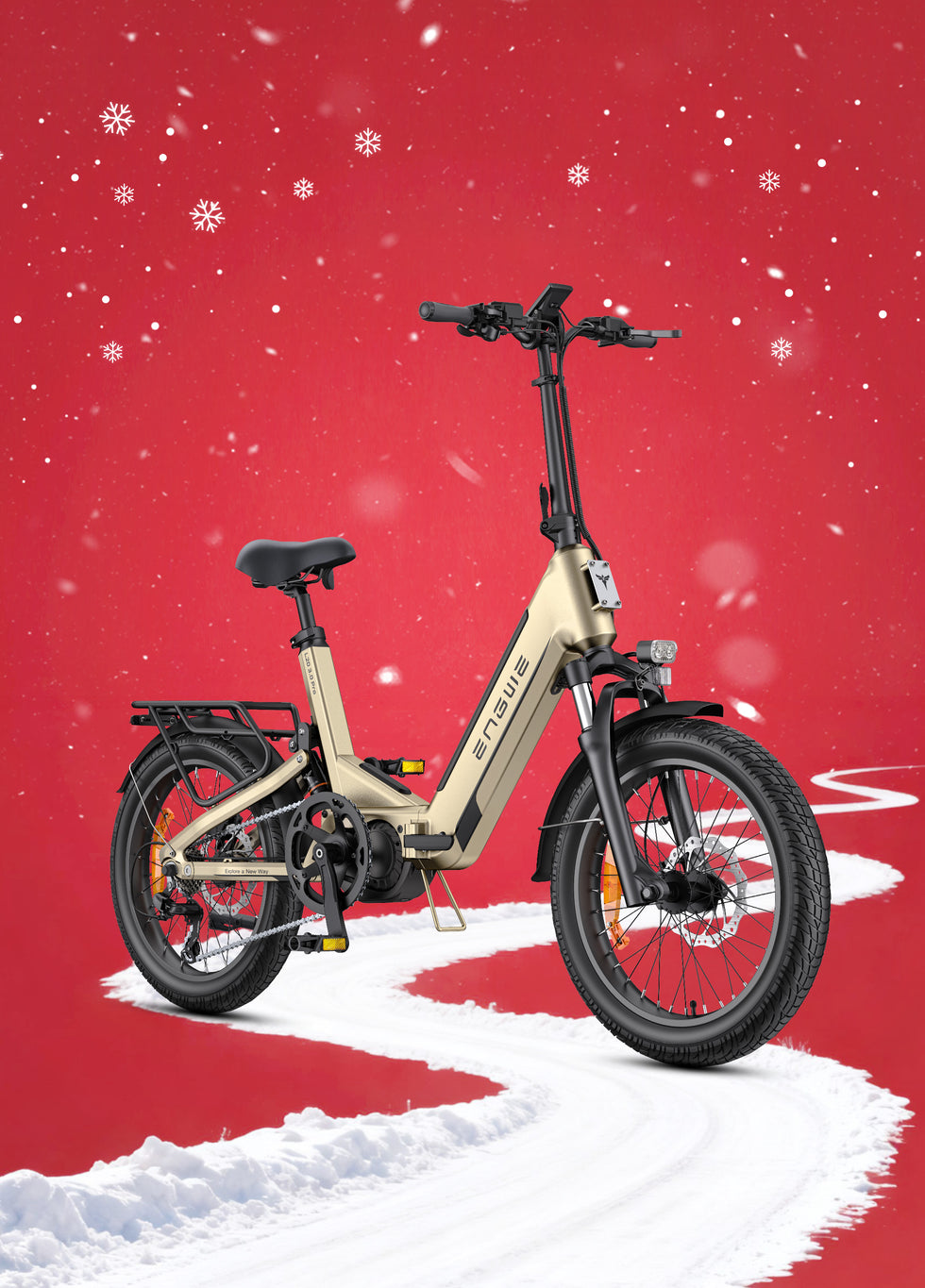
When all of the high-end components harmonize to render a stunning electric bike, it’s obviously clear that this is what you are meant to have. ENGWE brings the power, style, and comfort of electrical assist to an incredibly comfortable, ergonomic, and stylish bike that you would never expect such performance from. The ENGWE L20 3.0 Boost is not an ordinary folding e-bike; this bicycle has been carefully designed for your travel needs. It's a great example of when a brand hears what riders want (features such as top-end bits bundled into an affordable package, for instance). Its design philosophy focuses on addressing the fundamental challenges of city riding — bumpy roads, steep climbs, minimal storage, and speedy turnarounds. This emphasis makes it one of the best options for anyone hoping to turn their journey to work from a traipse into a treat.

Why the ENGWE L20 3.0 Boost is Great:
Unparalleled Comfort: The world’s first compact e-bike equipped with full-suspension, providing a smooth and sturdy ride by absorbing up to 90% of vibrations in the road.
Power When You Need It: The groundbreaking Boost mode enables the Real-Time 75Nm of torque force to climb any hill or pass any target without much effort.
Best-in-Class Battery and Charging: Featuring a high-capacity 48V 13.5Ah battery providing an unrivaled range of up to 135km and the top-rated Samsung-worthy fast charger running from zero to full in only approx. 2 hours.
Sensitivity Control: With the high-precision torque sensor, power assist feels natural and smooth; matching your pedaling force, the electric power makes long rides easy.
Ready When You Are: The transportable e-bike design allows you to collapse the stem and handlebars for easy stowing in a trunk, camper, boat, plane, or RV so you can take it wherever adventure calls. It is also equipped with strong 180mm hydraulic disc brakes for controlled stopping in all conditions.

5. Smart Features, Maintenance, and Categories
In today’s market, a high-tech e-bike is also a smart e-bike. Connectivity features are increasingly popular, which increases the number of available features. Seek out models with Bluetooth and compatibility with a smartphone app for ride tracking, system diagnostics, and custom settings. In-built lighting powered by the main battery is an important safety feature - you'll never ride in the dark. Beyond tech, consider long-term ownership. An e-bike has plenty of maintenance needs, and many should be performed no differently than on a traditional bike. Already knowing how to do the basics, including cleaning the chain and checking brake pads as well as keeping proper tire pressure, can save lots of money in repairs and extend the life of your bike. Lastly, make sure you purchase from a brand that provides good customer support and has accessible spare parts. When considering various types of e-bikes, focus on the parts that count for what you’ll be using it for.
Key Future-Proofing and Time-Saving Tips:
Smart Connectivity: Color display with Bluetooth connection for real-time stats and control.
Crucial Maintenance Checks: Check your tire pressure and brakes before every ride. Check and lube your chain every month. Such a simple routine that saves you an expensive headache!
Thoughts on E-Bike Categories:
Lightweight Road E-Bike: Low weight, efficiency motor, and aerodynamics first.
Heavy-Duty Cargo E-Bikes: You’ll want a durable frame, a high max load capacity, and powerful brakes and motor (ideally with torque sensors).
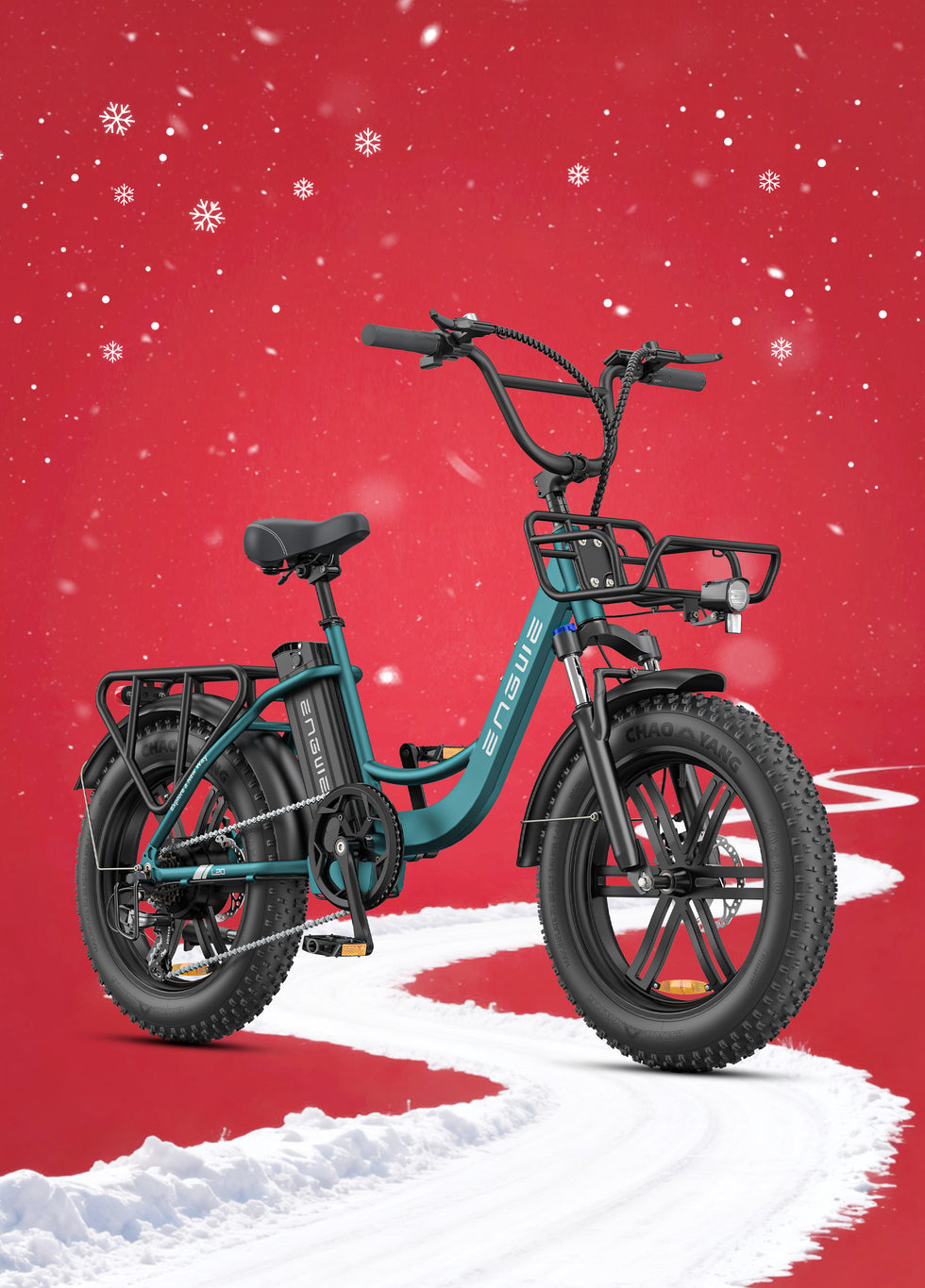
All-Terrain Fat Tire E-Bikes: Focus on wide, knobby tires, strong motors, and robust suspension systems.
Frequently Asked Questions:
Q1: Do hills need motor watts or torque?
A: Torque (Nm) is actually a much more important measurement. Torque is the rotational force that gets you moving from a stop and pulls you up inclines (hill climbing) while wattage relates more to maintaining speed.
Q2: Can I ride my electric bike in the rain?
A: Yes, quality e-bikes are generally constructed to be water-resistant, however, not waterproof. They’re ridable in the rain, but not through deep puddles, and do not use a pressure washer for washing them.
Q3: What are some tips and tricks for extending the battery life of my e-bike on one charge?
A: Reduce pedal assistance, use proper tire pressure, ride in the best gear for your effort level, and avoid quick starts.
Now that you know as much, or probably more than the average e-bike buyer, make your purchase with comfort and confidence.