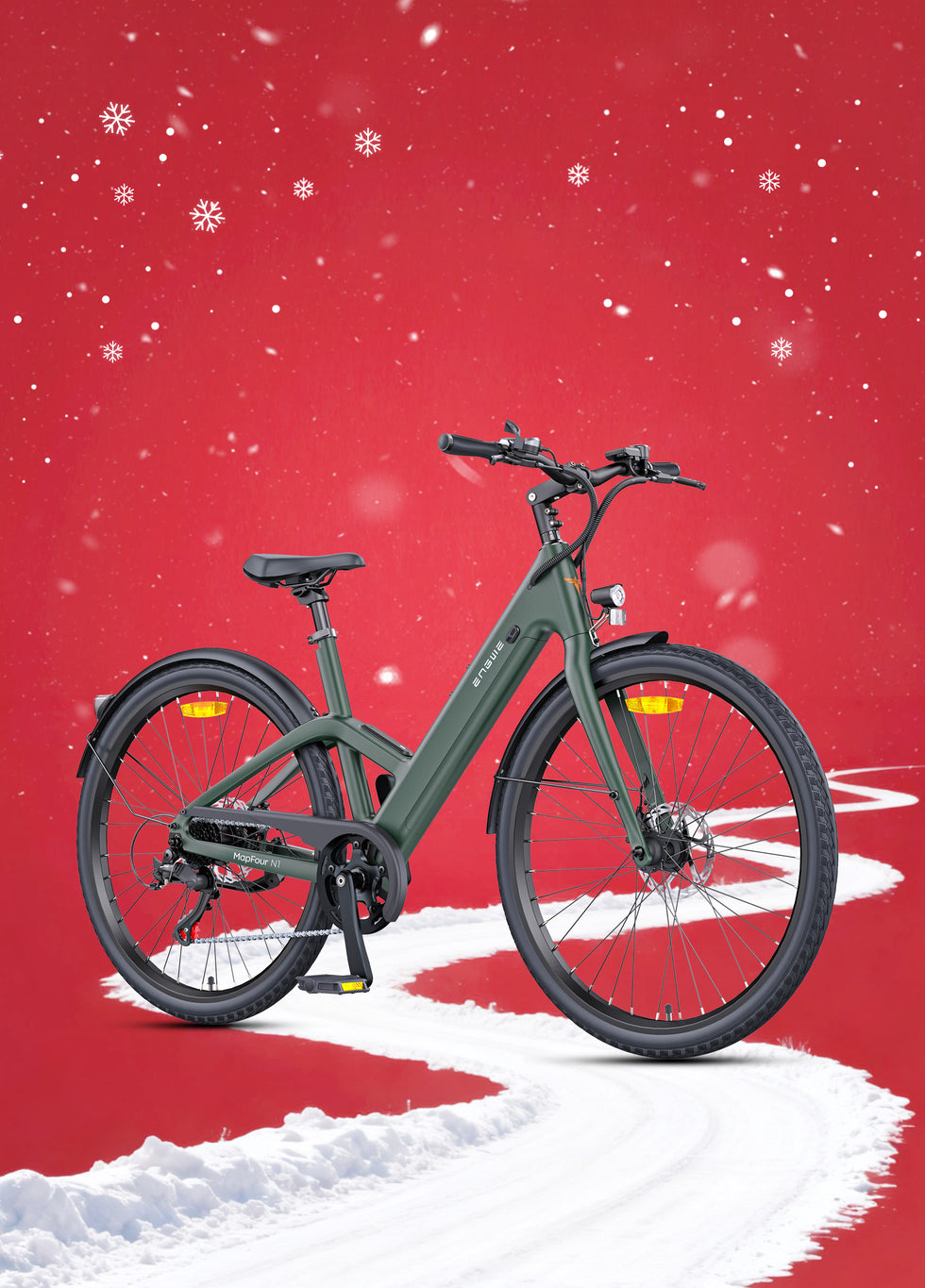

Looking for the best women’s touring electric bike is all about freedom and adventure. The 28-inch wheel offers a great balance between rolling speed and stability, perfect for long-distance trekking. To help you navigate through the marketing clutter, here are 5 key dimensions to keep in mind when selecting an e-bike. We break down motor performance, rider comfort, practical features, safety systems, and end by outlining our favorite tested models so you can find the right e-bike for your next grand tour.
1. Performance and Powertrain: The Soul of Your Experience
The motor and battery are the heart of any electric bike, because they dictate how far you can go and how easy it will be to reach there. We hit up touring where strength and indestructibility are key. A puny powertrain will wheeze and crap out on hills, while a small battery makes for a short day of fun. Knowing these parts is the first step to making a smart purchase. When it comes to comparison, don’t get bogged down in brand names; instead, pay attention to the specs that will make a real difference on your ride. A properly balanced system provides smooth, predictable power with the full up-down range so you can go exploring without fear of running out of juice.
Type of Motor and Power:
Touring e-bikes come with an in-hub or mid-drive motor. One important note here: Mid-drive motors often make the best types of e-bikes for touring, especially if you’re tackling any hilly terrain. They connect up the gears on your bike to make climbing feel easier and pedaling feel more fluid. Get a motor with 50 Nm and higher torque to cover steep climbs while carrying luggage.
Battery Size and Range:
This is probably the most important thing for touring. The battery size should be indicated in Watt-hours (Wh). The higher the Wh number, the more energy—and range. For serious touring, you’ll want something in the 500Wh bracket as a minimum, with some higher-end models boasting up to 625Wh or more. To save money: Know how far you ride. If your day trips only ever include a 50km range, you probably don’t need a full 750Wh battery. But for multi-day tours, it’s smart to invest in the biggest battery you can get.
Pedal-Assist System (PAS) and Sensor:
The PAS system should have variable assistance levels, allowing you to save battery on flat ground or get more grunt when climbing. There are two categories of sensors, which the first ones are known as cadence sensors while the second as torque sensors. A torque sensor senses how much power you are putting into the pedals, then gives you a corresponding amount of assist, leading to an intuitive and responsive ride. That's a very good thing, if you plan on spending any time behind the wheel.
2. The Top Suggestions: How to Find Your Ideal Match
Now, after scoring through a lot of models, we’ve found five excellent choices which dominate across several categories. This list takes into account both the best all-around performance with added emphasis on special features that make a bike truly tour-ready. We focus on reliability and rider experience so you can be sure that when you invest in your ride it is going to work (and look) great for miles and miles.
ENGWE Engine Pro 2.0:
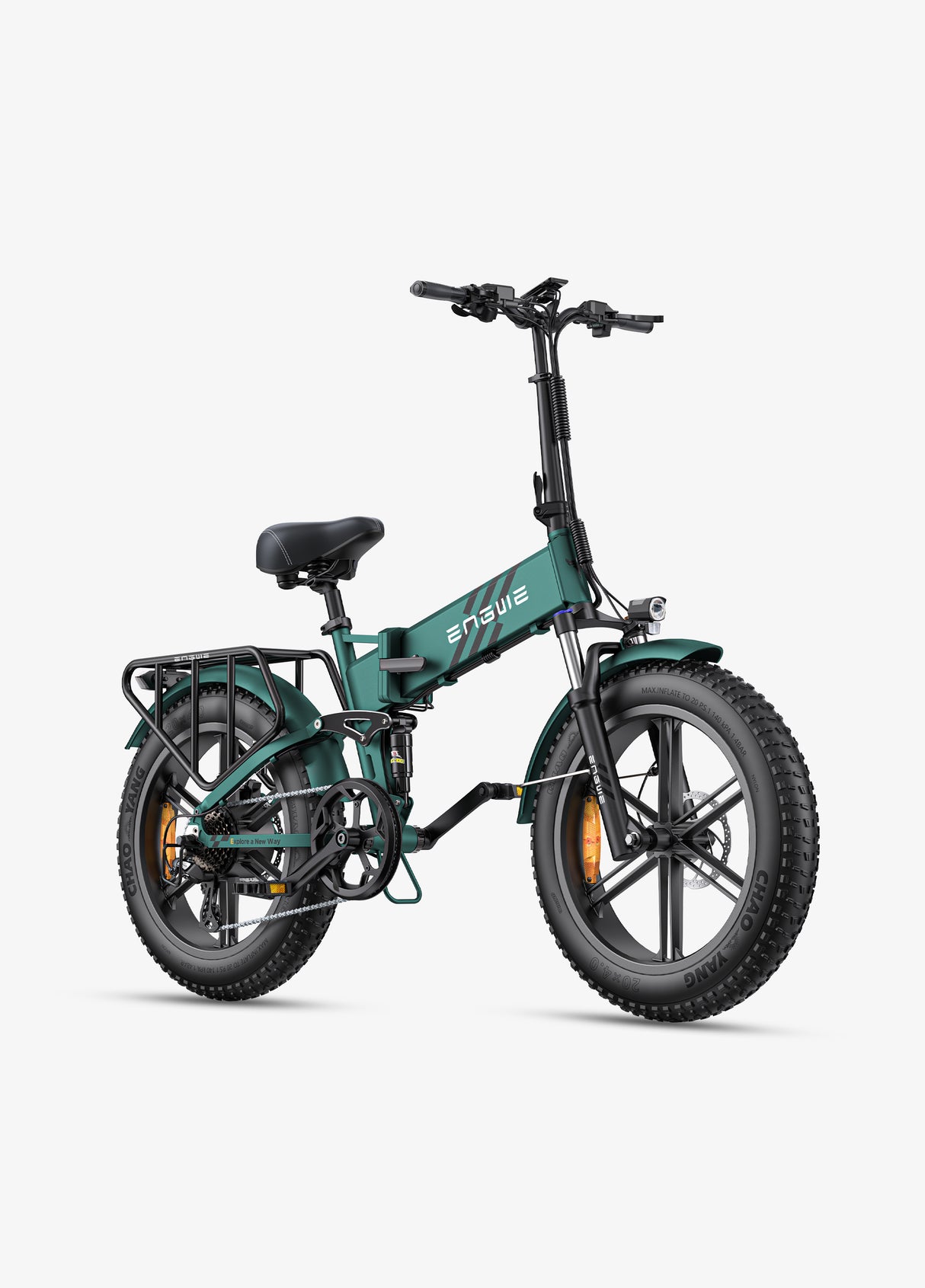
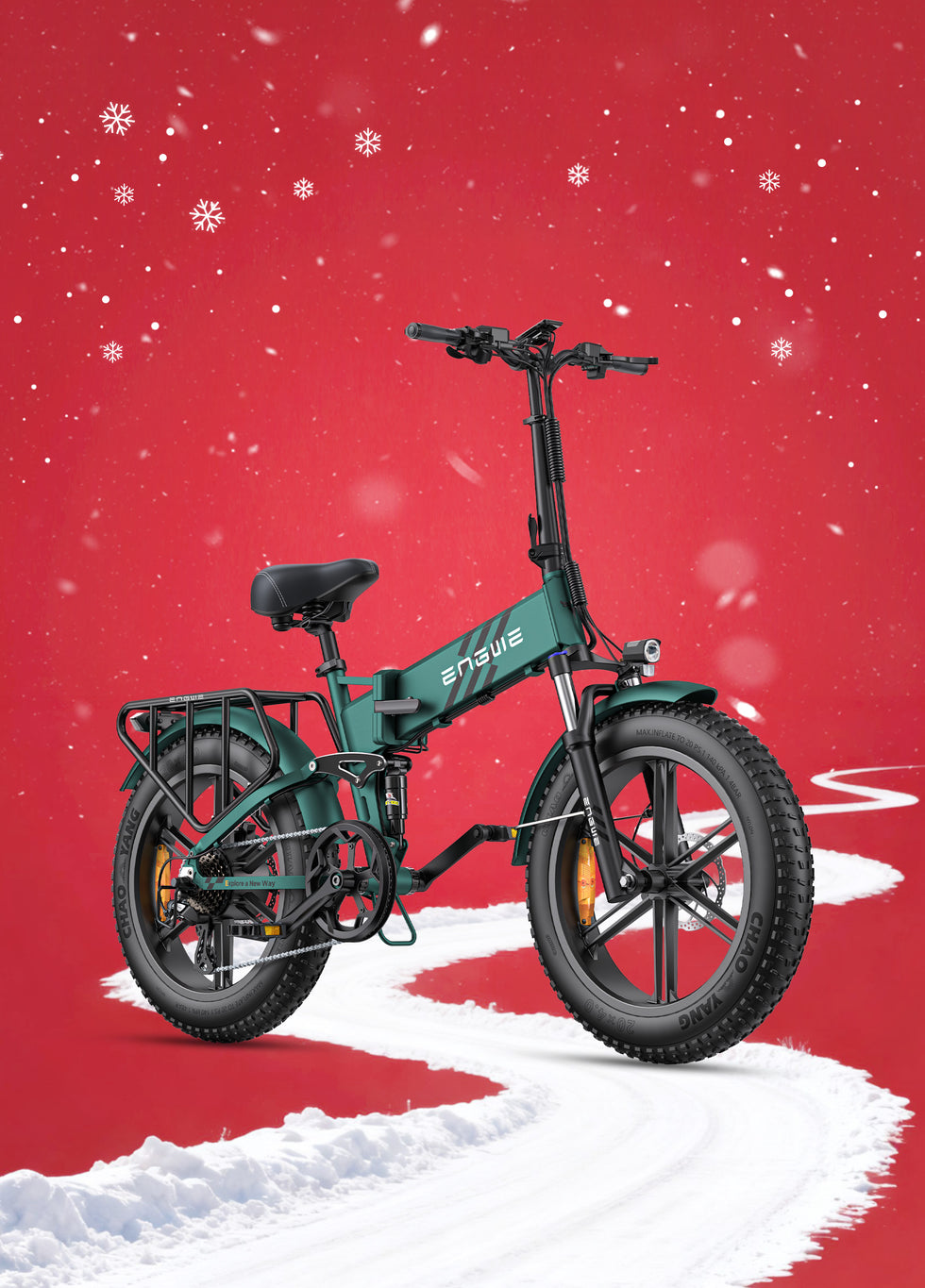
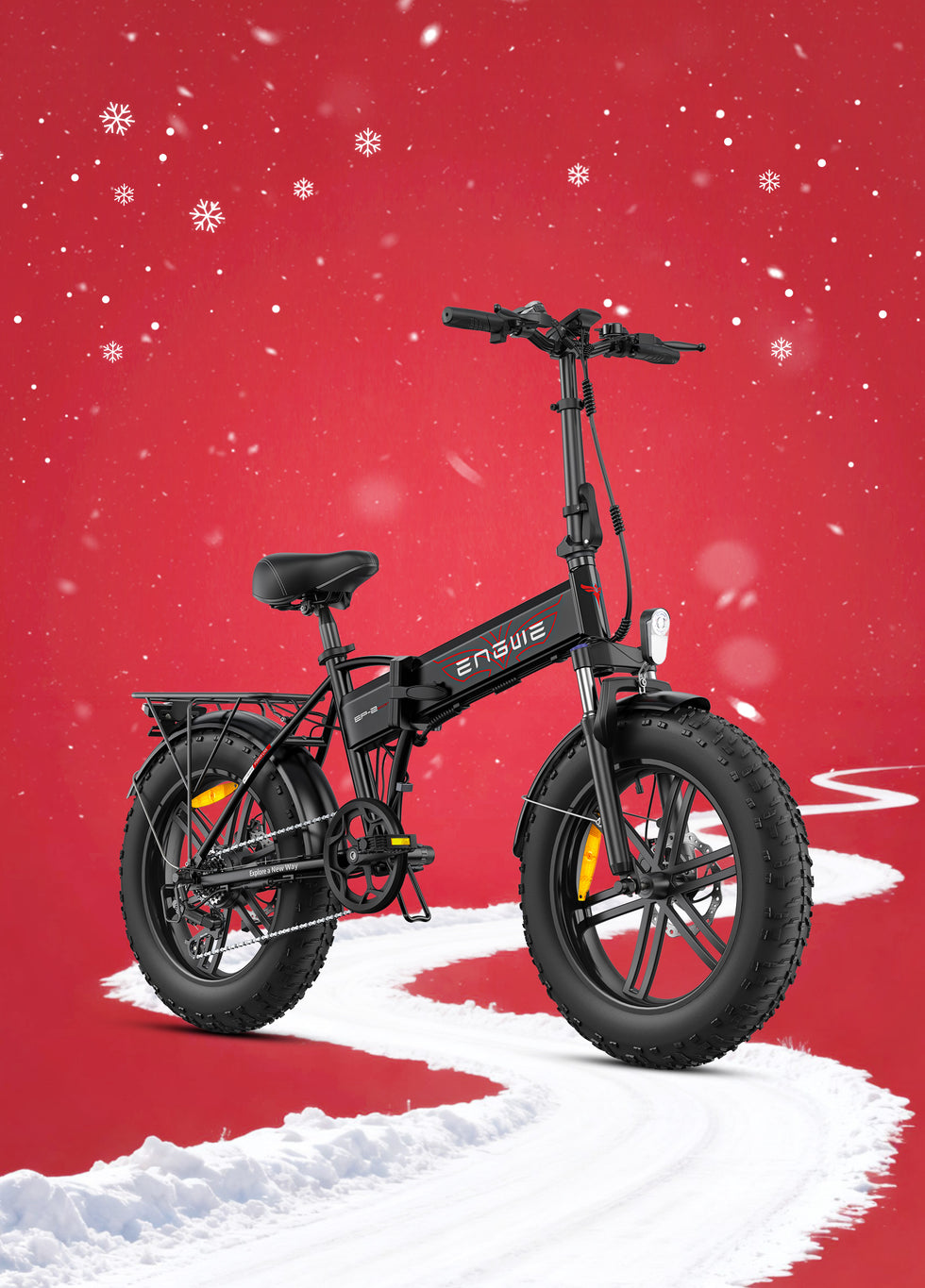
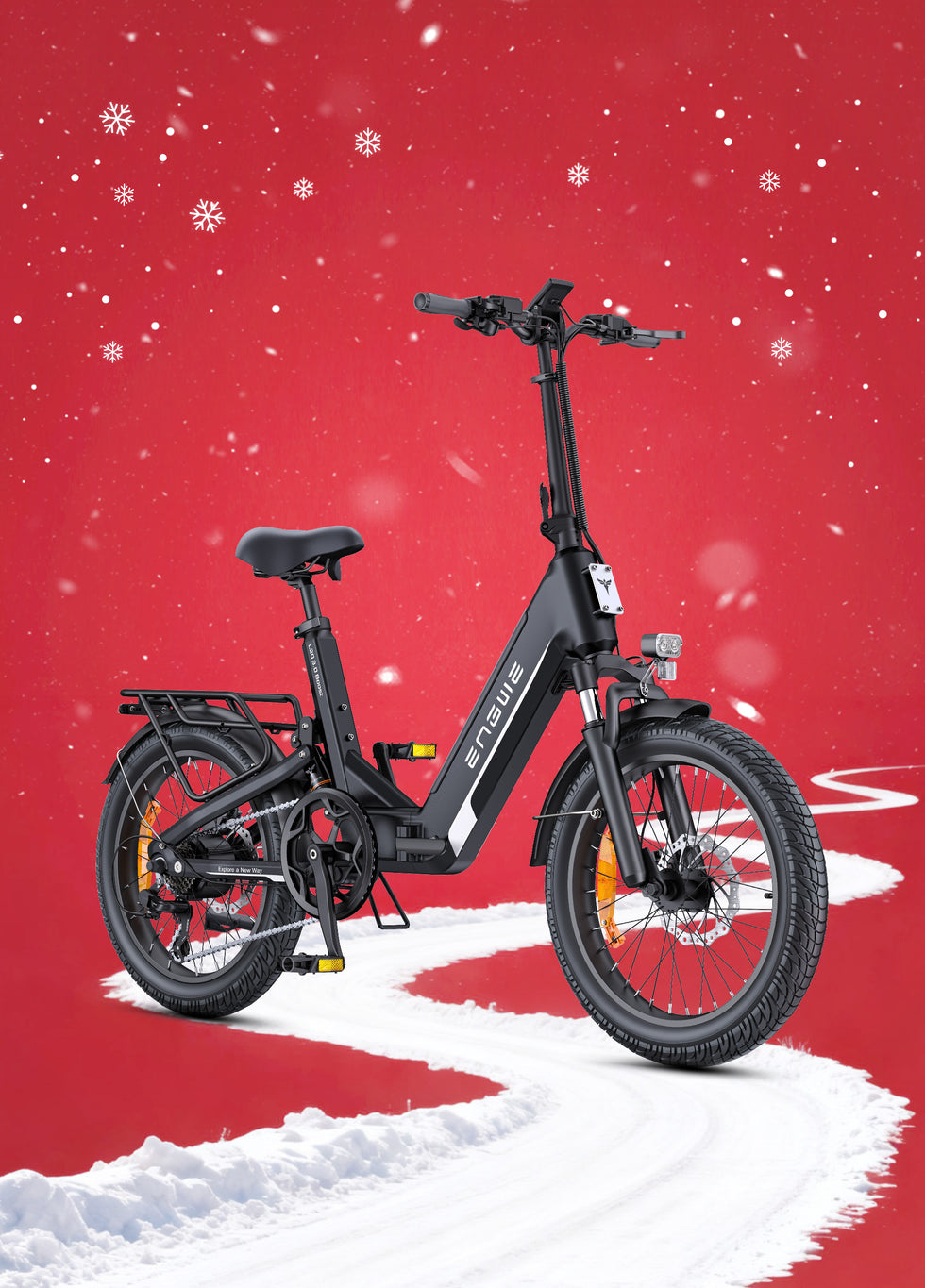
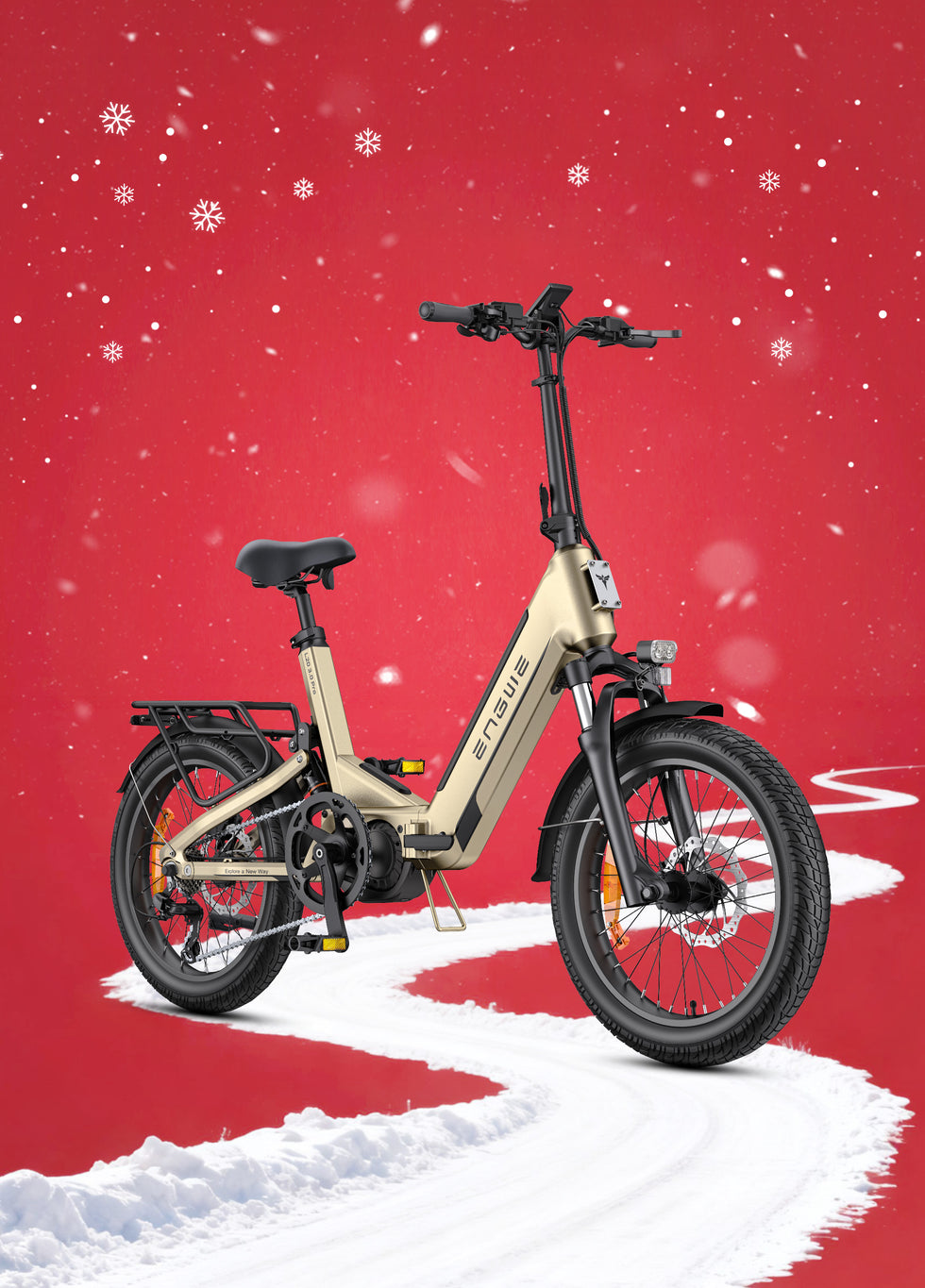
While lots of classic tourers employ 28-inch wheels, it's hard not to notice game-changing varieties that pose an alternative but effective form of adventure travel. The ENGWE Engine Pro 2.0 is the best choice for females who are seeking more power, all-terrain capability, and comfort. You wanted more watts, and you got them with the Vado’s 1×10 SRAM drivetrain, (44t crankset w/ 11-42 cassette) that delivers 75 Nm of torque to make the worst grades heading to work feel like a breeze. Its standout feature is its full suspension system–shocks are absorbed from both the front and rear, ensuring that rough roads and gravel tracks are as smooth as possible to make for an extremely comfortable ride. The ultra-responsive torque sensor adds power instantly, and a huge 110 km range leaves the possibilities wide open for any road, trail, or town you want to explore. The responsive hydraulic brake system keeps you safe, and the entire unit can be folded and ready to go in 10 seconds or less—perfect for stowing away in your truck, garage, or at a public transport/workplace. For the performance enthusiast who's looking for one mountain bike that not only rips both cities and wilderness trails with ease, look no further than the Engine Pro 2.0.

Gazelle Ultimate C380:
A high-end, Dutch-style e-bike noted for its comfort and use of premium components with the ultra-rare Enviolo hub gearing.
Trek Allant+ 7S:
A sporty, strong option with a high-torque Bosch motor, created for anyone who wants speed along with nimble handling to cruise wherever they please.
Cannondale Adventure Neo 3 EQ:
An accessible design, with a super low step-through frame and comfortable upright ride position - plus up-for-anything tires and top-notch components.
Rad Power Bikes RadCity 5 Plus:
A great compromise on features and price makes it a budget-friendly introduction to e-bike touring that won’t involve selling the farm.

3. Comfort and Ergonomics: The Long Game
On an extended tour, comfort is not a luxury—it's required. A bike that doesn't fit right can make for a long, painful, and disappointing trip. In most cases, women's specific frames get some specialized geometry but real comfort comes from a mix of frame design, contact points (saddle, grips), and suspension. When you’re on a properly fitting bike, it feels like one seamless extension of your body, and you can ride for hours without fatigue.
Frame Geometry:
Seek out a frame with a step-through design. This makes getting on and off, especially with the big panniers loaded up, much easier and safer. The geometry should also encourage a moderately upright ride position, which will help relieve strain on your back, neck, and wrists.
Saddle and Grips:
The standard saddle is usually the first to get replaced. A high-quality touring saddle tailored for a woman's body could help enormously. A key: If you can, try different saddles. Also, try ergonomic grips which support the palm of your hand and reduce numbness and pain in your wrists on days two and three.
Suspension System:
I recommend a front suspension fork if you’re going to tour. It soaks up the bumps and vibrations of the road while keeping your hands and arms fresh. Higher-end models also come with a suspension seatpost, which adds an extra level of cushion by absorbing impacts to your lower back.
Adjustability:
An adjustable stem is a big win on a bike. It gives you two degrees of freedom, one for handlebar height and the other allowing you to adjust your reach; enabling the ability to switch from an aggressive forward-leaning riding position to a relaxed upright alternative. This flexibility is priceless when it comes to maintaining comfort over mixed terrain and long days.
4. On-Road Safety, Control & Maintenance
Safety is non-negotiable. A touring e-bike is heavy and fast compared with the average bicycle, and it’s usually heavily loaded. This also means that robust parts which put the control in your hands are a must. Good brakes, tough tires, and a stout frame are your first and last defenses whether it’s for dodging city traffic or bombing down a long mountain pass.
Brakes:
This is important: push for hydraulic disc brakes. Hydraulic brakes provide more stopping power with less effort compared to mechanical disc or rim brakes. They are more consistent in all weather, better in rain, and self-center for pad wear. This is the most important safety feature on a heavy touring e-bike.
Tires and Wheels:
You've got 28-inch (or 700c) wheels for efficiency. For touring, opt for wider tires (no less than 38mm-45mm) as they offer a more comfortable and stable riding experience, and can tackle varied terrain like gravel trails. One money-and-trip-saving piece of advice is to make sure those tires have high levels of puncture resistance, such as an integrated Kevlar or aramid belt. Changing a flat on a fully loaded rear wheel of an e-bike is anything but convenient.
Frame Material and Build Quality:
The vast majority of quality touring e-bikes feature aluminum frames, which provide a happy medium between strength, weight, and the cost of premium materials. Look at the weld quality and overall finish. Find out the maximum load of the bike, including its weight and your own plus gear.
| Feature | Gazelle Ultimate C380 | Trek Allant+ 7S | Cannondale Adventure Neo 3 EQ | Rad Power Bikes RadCity 5 Plus |
|---|---|---|---|---|
| Motor Type | Mid Drive | Mid Drive | Mid Drive | Hub Motor |
| Brake Type | Hydraulic Disc | Hydraulic Disc | Hydraulic Disc | Hydraulic Disc |
| Gearing | Continuous Geared (Enviolo Stepless Hub) | 10-Speed Derailleur Gears | 9-Speed Derailleur Gears | 7-Speed Derailleur Gears |
| Frame Type | Low Step-Through | Step-Through/Standard | Ultra-Low Step-Through | Step-thru/ladies |

5. Practicality: The Touring-Ready Essentials
A proper touring e-bike, after all, is not simply a bicycle with a motor: it’s an entire transportation system. The right features and accessories can turn a good e-bike into a great one, making your ride safer, easier, and more fun. These are not 'extras' but rather integrated pieces and should be viewed as part of the whole.
Racks and Fenders included:
I won't buy a bike that doesn't have a sturdy rear rack—panniers are an essential bag-toting device. Review its weight capacity: a strong one will be able to bear at least 25 kg (55 lbs). No less important are full-coverage fenders to keep you—and your luggage—clean and dry once the weather turns or roads get wet.
Integrated Lighting:
Built-in lights that are powered by the main e-bike battery is a huge convenience and safety feature. You don’t need to worry about charging individual lights or having a battery die halfway through a ride. Strong head and taillights are vital if you are on the road in low light or through tunnels.
Chainguard:
As mundane as it may sound, having a chain guard is awesome when you're touring. A chainguard keeps your pants or rain gear from getting caught in the chain or stained with grease, keeping you clean and your clothes unblemished.
Display and Controls:
Look for a legible display on the handlebar that indicates important information about your speed, battery status, and what assist level it’s set to. Being able to change settings without removing your hands from the bars is an essential element for keeping control of things.
Frequently Asked Questions
Q1: What can I do to get the best battery range on my e-bike when going on a long tour?
A: Select the lowest pedal assist mode you can live with, keep your pedals revolving at a consistent pace, be certain to inflate tires so that they have very low rolling resistance, and carry as little as possible.
Q2: What's better for touring? A mid-drive or hub motor?
A: Mid-drive motors are the way to go if you’re serious about touring, especially in hilly zones. They offer better power when climbing and a more realistic ride.
Q3: What is the most useful upgrade on a touring e-bike?
A: A nice saddle that is comfortable and made to fit the shape of your body, as well as ergo grips for your handlebars. It's these direct contact points that have the largest say in your long-distance comfort.
The right touring e-bike brings a world of new possibilities on two wheels with it.