
The Electrical Heart of the Beast
Reveal the adventurer in you: powerful fat tire electric bike. Conquer the sand, glide over snow, and plow through rough trails, unlocking potential you never thought possible. This guide will help you find the right path, focusing on the fundamentals while ignoring irrelevant information. What matters is the motor’s power, the battery’s endurance, the critical aspects of safety, and the quality of the construction. Whether you demand performance on the most challenging terrain or thrilling experiences, this guide will help you find the right beast. Let’s get to the meat of it. Powering a powerful fat-tire electric bike is a matter of electrical components at its heart. Real power is not a single number; it is the combination of the motor, battery, and controller. To make the right choice, one must understand several basic concepts. The motor is high-wattage power – anything above a few hundred watts – allows you to go really fast. High torque, on the other hand, is crucial to continue uphill without slowing down. The battery powers your vehicle, and the higher the Wh, the longer the journey. A savvy customer analyzes the whole system to ensure the bike will be what they want, enabling them to overcome all obstacles and challenges.
Motor wattage:
This is typically the number people look at first to determine how powerful an electric bike’s motor is. But, as noted above, this is not always an accurate representation of the motor’s capabilities. Ultimately, a motor with at least 750W nominal power and peak output over 1000W is ideal for heavy use in tough conditions.
Motor torque:
For proper power off-road and for hill-climbing capabilities, torque is essential – perhaps more so than wattage. Torque – Newton-meters or Nm – is the rotational force that enables you to accelerate from a stop and climb steep hills. For a truly superior experience in this regard, you will need a motor with at least 80 Nm or more.
Battery voltage and Amp-hours:
As with the motor’s details above, the battery is also expressed in “hours” — specifically, Amp-hours or Ah. Voltage is also a consideration. In fact, the actual capacity of a battery is noted in Watt-hours or Wh. This figure is calculated by multiplying Volts by Amp-hours, or V x Ah = Wh. Ideally, a system with a 48V power supply and a battery with 15 Ah or more is required.
The controller:
The e-bike’s “brain” of the operation, the controller governs how and when power flows from the battery to the motor. A more advanced controller will give you a smoother delivery of power and a more efficient performance.
Chassis and Construction: Harnessing the Power
No matter how potent a motor is, it is useless without a robust chassis to harness the force and power it generates. The frame, suspension, and tires are all vital components that allow you to utilize the available power in a controlled, safe, and fun way. Frames are engineered for stiffness to resist bending during high-torque applications, and suspensions permit the tires to remain securely planted on the ground by soaking away shocks and vibrations from rocks and roots. The fat tires are an essential component of this framework. Though the off-road design is unique, they are also wide to enable a more extensive contact patch with loose surfaces.
Frame Construction:
The industry standard is high-strength aluminum alloys such as 6061, which offer an excellent balance of strength and weight. Look for the quality of the welds and the frame geometry. A step-through frame ensures accessibility whereas a traditional step-over design provides the utmost rigidity.
Suspension Systems:
If you are in the ecosystem of a powerful electric bike meant for the toughest terrain, a full-suspension system, which includes a front fork and a rear shock, is a must. It transforms the experience, preventing fatigue and providing maximum control and comfort. Front forks should be able to adjust with a lockout feature, which allows you to stiffen the “suspension” coil when riding on flat pavement.
Fat Tire Dynamics:
The defining feature is the typical 4-inch wide fat tires. User Tip: understand tire pressure as the key factor of how tires work. Lower the pressure, to 5 to 10 PSI, for soft terrain, such as sand, snow, or mud, to extend the footprint of the rubber. Increase the pressure, to 20 to 25 PSI, for harder surfaces such as regular trails and pavement for less rolling resistance and extend the battery charge.
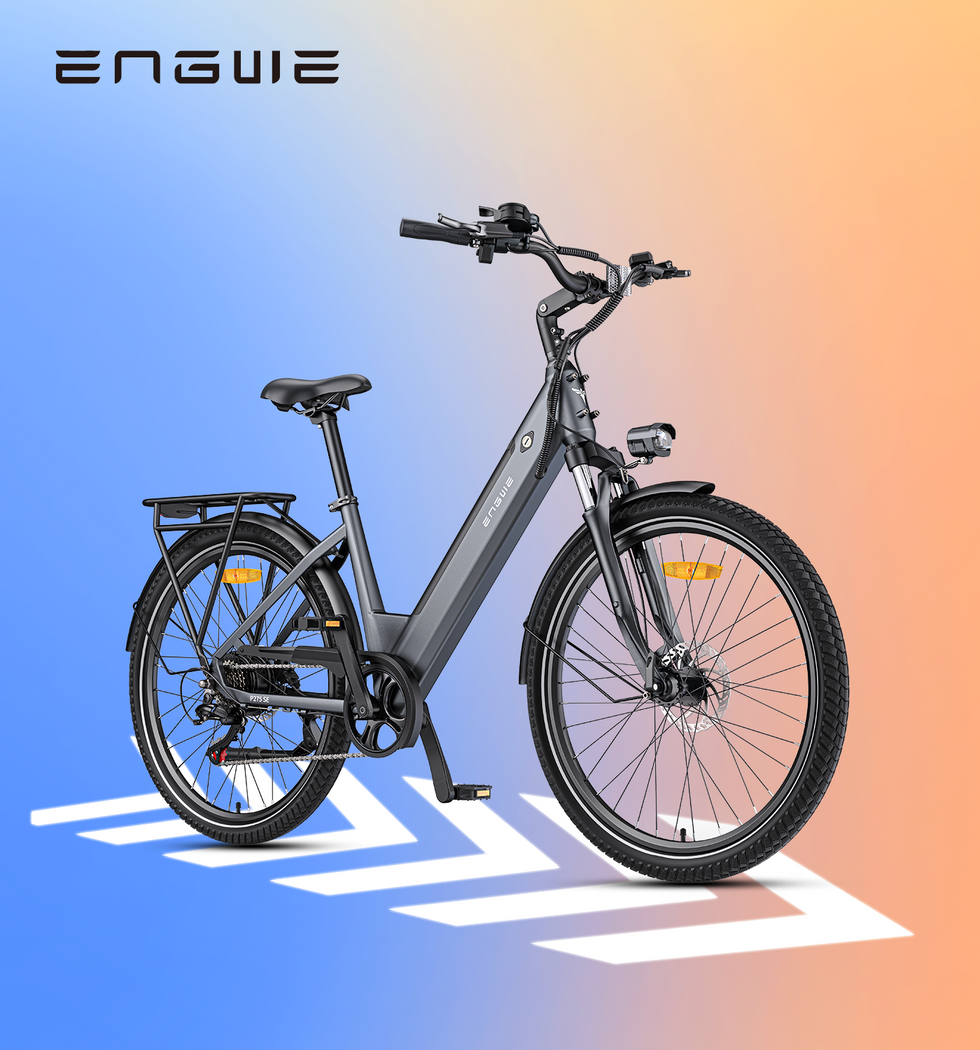
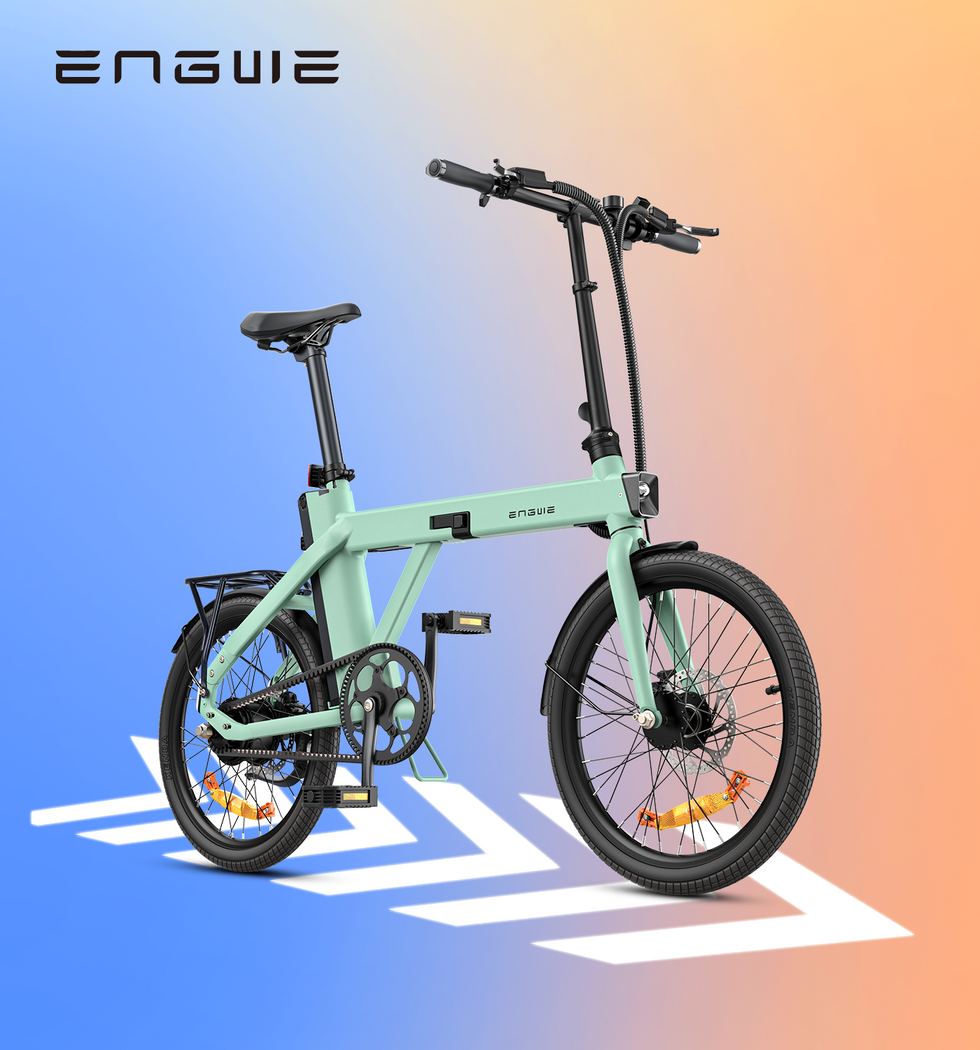
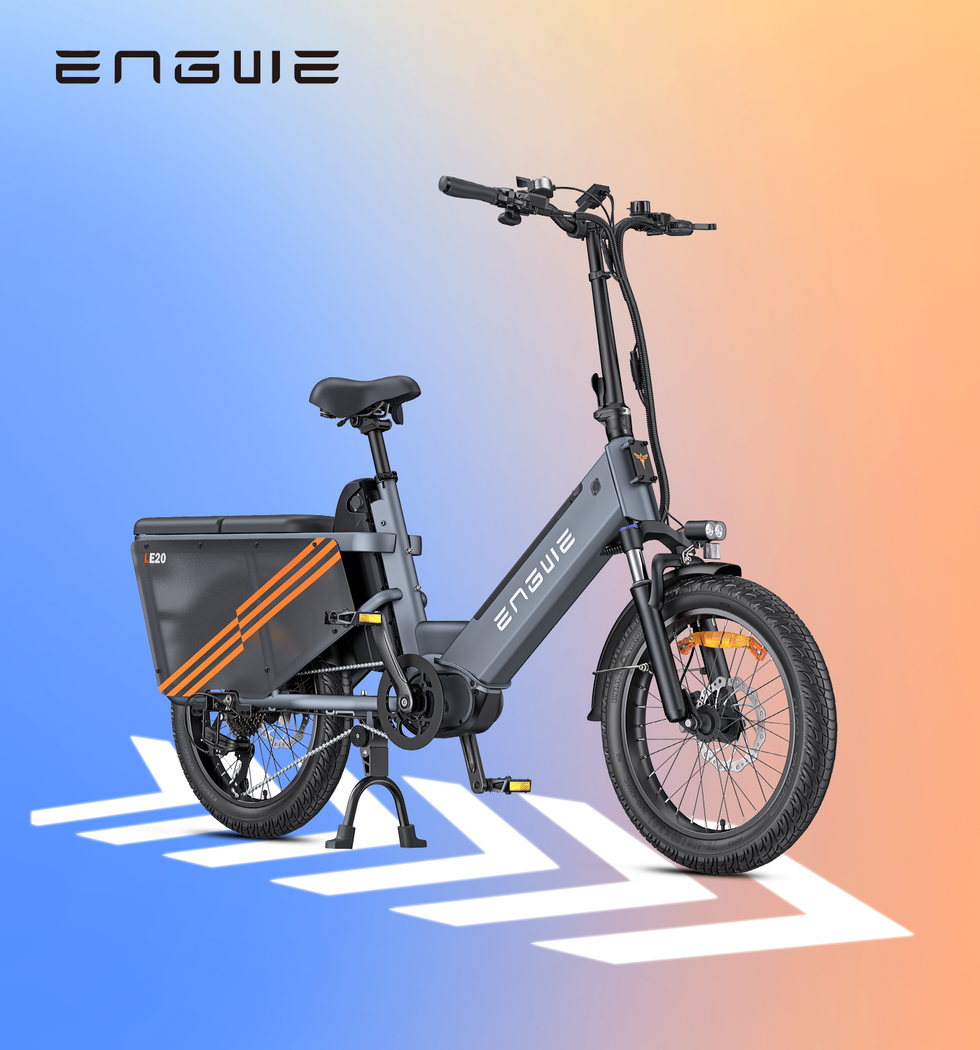
When considering the market for the top-tier powerful fat tire e-bike, the ENGWE is the most proper alternative, particularly for a performance-oriented and class-solving model. The brand’s ENGWE L20 Boost is an outstanding example, beautifully designed for those who desire the power and stability. It perfectly represents the spirit of adventure by combining a high-performance motor with a thoughtful and user-friendly design, ENGWE is for those who want an experience of power that is readily available to use, reliable, and enjoyable; it is the ideal place to begin for muscle adventurers. However, there are several other similarly well-regarded models on the market.


Safety and Drivetrain: Control and Efficiency
Powered by the same high-speed, high-torque motor, front and rear rack-equipped special models are first of all coordinated. On this extra powerful fat-tire e-bike, which is both heavier and faster than a traditional bike, the brakes are the most crucial component of your safety. Anything else will not be tolerated when it comes to brakes. And it really takes brakes to deliver top power and manage with little effort in hydraulic disc brakes simply because they’re the best. While the motor provides the majority of power, it cannot operate independently. Mechanical gears, including the gear cassette and derailleur, are also needed. What this means is that on completely flat ground, the E-bike is in fat-tire mode, and when climbing the most brutal cyclical cycle part, the E-bike may be propelled by its motor: the remainder of the time, it requires you and your ranges.
Braking System Showdown
— Do you want mechanical or hydraulic disc brakes? Pro Tip: If you’re going all out in terms of performance, always choose a hydraulic brake system. The minimal price difference is negligible compared to the immense increase in safety and handling. Use brake rotors that are at least 180mm in diameter. Larger rotors offer increased leverage and dissipate heat more efficiently, leading to ideal performance on extended, steep downhills — also helping combat brake disc deforming or so-called “brake fade.”
| Feature | Mechanical Disc Brakes | Hydraulic Disc Brakes |
|---|---|---|
| Stopping Power: | Good | Excellent |
| Feel & Modulation: | Firmer, less responsive. | Smooth, highly responsive. |
| Maintenance: | Easier to adjust. | More complex, may require bleeding. |
| Best For: | Casual or budget e-bikes. | High-performance, all-terrain e-bikes. |
A well-made drivetrain from a reputable manufacturer, such as Shimano or SRAM, allows you to shift smoothly while under load. The proper gearing, combined with a powerful motor, can make your journey more enjoyable and efficient. Make sure the e-bike has an electric motor cutoff that is activated when the hand brake is pulled. The system immediately cuts power to the motor the moment you pull the brake lever, and it is impossible to ride an e-bike legally without this safety feature.
Long-Term Ownership: Protecting Your Investment
Besides, investing in a powerful fat tire e-bike goes far beyond the initial purchase. If you intend to enjoy your powerful electric bike for as long as possible, you need to study critical aspects of long-term ownership, identify essential accessories, and follow intelligent maintenance practices. The manufacturer’s warranty and the company’s customer support response may be indicators of the quality and the company’s readiness to stand by its electric bicycles. Moreover, do not forget that smart additions to your ride increase not only safety and comfort but also utility. Last but not least, care, primarily for the battery, is the best way to safeguard your initial and yearly powerful e-bike investment, ensuring optimal high speed riding for years to come.
Warranty and support:
Good signs are a one-year minimum warranty on key components like motor and battery, and a friendly and responsive customer support team before you buy.
Essential gear for power riders:
- certified high-quality helmet versus grave injuries
- broad front and rear lights for optimal visibility and safety
- suspension seatpost for the most comfortable rides
Smart maintenance and longevity tips:
- Battery health is critical: Don’t keep it full or discharged. In addition, the battery should be stored with 40%, 80% charge in a chilly, moisture-free environment.
- Tire and Brake Checks: Also, ensure verify your tire pressure and frequent inspections of brake pads make you safe while riding.
- Secure Lock: These bikes are valuable, invest in a burly u-lock or solid chain lock.

Frequently Asked Questions:
Q1: What is more important for power, motor wattage or torque?
A: Torque (Nm) is more important for climbing hills and quick acceleration from a stop. Wattage is more relevant for maintaining high speeds on flat ground. Look for a great powerful bike that has a good balance of both.
Q2: Can I ride a powerful fat tire electric bike in the rain?
A: Most are water-resistant but not waterproof. Light rain is generally fine, but avoid deep puddles and don’t pressure wash. Afterward, always clean and dry your bike.
Q3: How do I choose the right frame size?
A: Check the manufacturer’s sizing chart, which usually bases recommendations on rider height. If you are in between sizes, consider a test ride or choose the smaller size for more agile handling.
With this knowledge, you are ready to find the best ultimate powerful fat tire e-bike for your next adventure.