
1. Riding Posture, Ergonomics, and Overall Comfort
The first and most captivating difference you’ll feel comes in the form of riding posture, which regulates your overall comfort over distance and engagement level. This is where each is at its most assured and unique, with both styles literally made to suit a different ergonomic experience. A more detailed explanation of these differences will make sure you end up with a bike that suits you into the physical equation, without strain and always ready to enjoy the ride to the fullest:
Road E-Bike Ergonomics:
- Aggressive posture – a road e-bike leans forward, with the angle often exceeding 45 degrees. The goal is to reduce wind resistance. The lower the rider breathes, the more transfer of power occurs from the legs to the pedals.
- Drop handlebars – the signature, edge-to-edge riding ensures multiple possible hand positions. You can ride “on the hoods” for a standard ride, “on the tops” to chill or pedal uphill, “in the drops” to maximize aerodynamics and control during sprints and descents.
- Narrow saddles – the firm, minimalist seats ensure no chafing inhibits your game. They constantly stay narrow to reduce hip and give an advantage in leg movement during high-cadence pedaled rides.
- Performance priorities – comfort is non-priority, and speed and efficiency are the first order of the day. Road E-bikes are made for athletes and fitness enthusiasts who want an athletic and road-faring feel. Yet, the lower back, neck, and wrists can suffer from all that exertion.
Cruiser E-Bike Ergonomics:
- Upright Posture: The rider assumes a fully upright position with a straight back, thus offering a fantastic view of the surrounding. This way, the cruiser is ergonomically designed in a position that doesn't strain your back, shoulders, or wrist.
- Swept-Back Handlebars: Most cruiser handlebars curve back towards the rider, facilitating a natural and relaxed bend in your arms.
- Wide, Cushioned Saddles: Cruiser saddles are often wide, well-padded, and sometimes feature springs to soften the blow of a bump.
- Focus on Comfort: The comfort factor epitomized the laid-back nature of cruiser riding: it’s designed for pain-free cruising around your town and through the scenic, flat waterfront paths.
2. Performance, Speed, and Ideal Terrain
On the other hand, the cruising element applies to the speed and terrain classification of the two types of e-bikes. A road e-bike is designed as an exclusive tool for pavement that is an extension of your effort to move around quickly, compared to a cruiser which is for smooth fun. Therefore, choose an e-bike that matches your surroundings.
Road E-Bike Performance
- Terrain: These bikes are designed to be ridden on paved surfaces only, such as asphalt and smooth concrete. The thin tires are not built for gravel, dirt, or trails in general.
- Speed and Efficiency: The bikes are lightweight. Road bikes provide an electric motor that assists but does not overtake natural pedaling capabilities. Thus, you will go quicker and farther while expending less power: especially when going up a hill. The triangle frame of a Road E-Bike is quite fast.
- Handling: The frame geometry and thin tires offer an agile, responsive experience. The combination of these two factors allows for quick cornering and agile moving at high speeds.
- Key Components: These bikes are lightweight with frames made of aluminum or carbon fiber, wheels with little to no sign of patterns and an effective amount of pressure, and a broader spectrum of gears to cross up different slopes.
Cruiser E-Bike Performance
- Terrain: They can only be ridden on even, paved roads and certain formulated riding areas. Cruiser bikes’ broad tires can withstand compacted dirt or grass.
- Speed and Power Delivery: The motor in a cruiser E-Bike will not make you go quicker; rather, it is quieter for comfort. It’ll also aid you while getting a comfortable power-free trip.
- Handling: The frame design and massive weight give the impression of being on a track. Cruisers are less suited for quick or sharp turns due to the angle and robust body.
- Key Components: They utilize heavier bike frames made of iron or aluminum, big “balloon” and extremely cool cycling tires, and drive systems, in most circumstances, through simple motor systems or single speeds.
Road vs. Cruiser E-Bike at a Glance
| Feature | Road E-Bike | Cruiser E-Bike |
|---|---|---|
| Riding Posture | Aggressive, forward-leaning | Upright, relaxed |
| Handlebars | Drop handlebars | Swept-back handlebars |
| Saddle | Narrow, firm | Wide, cushioned |
| Primary Focus | Speed and efficiency | Comfort and leisure |
| Ideal Terrain | Paved surfaces only | Paved roads, compacted dirt/grass |
| Key Components | Lightweight frame, thin tires, multi-gear | Heavier frame, "balloon" tires, simple/single-speed |

3. The modern alternative: utility and all-terrain comfort.
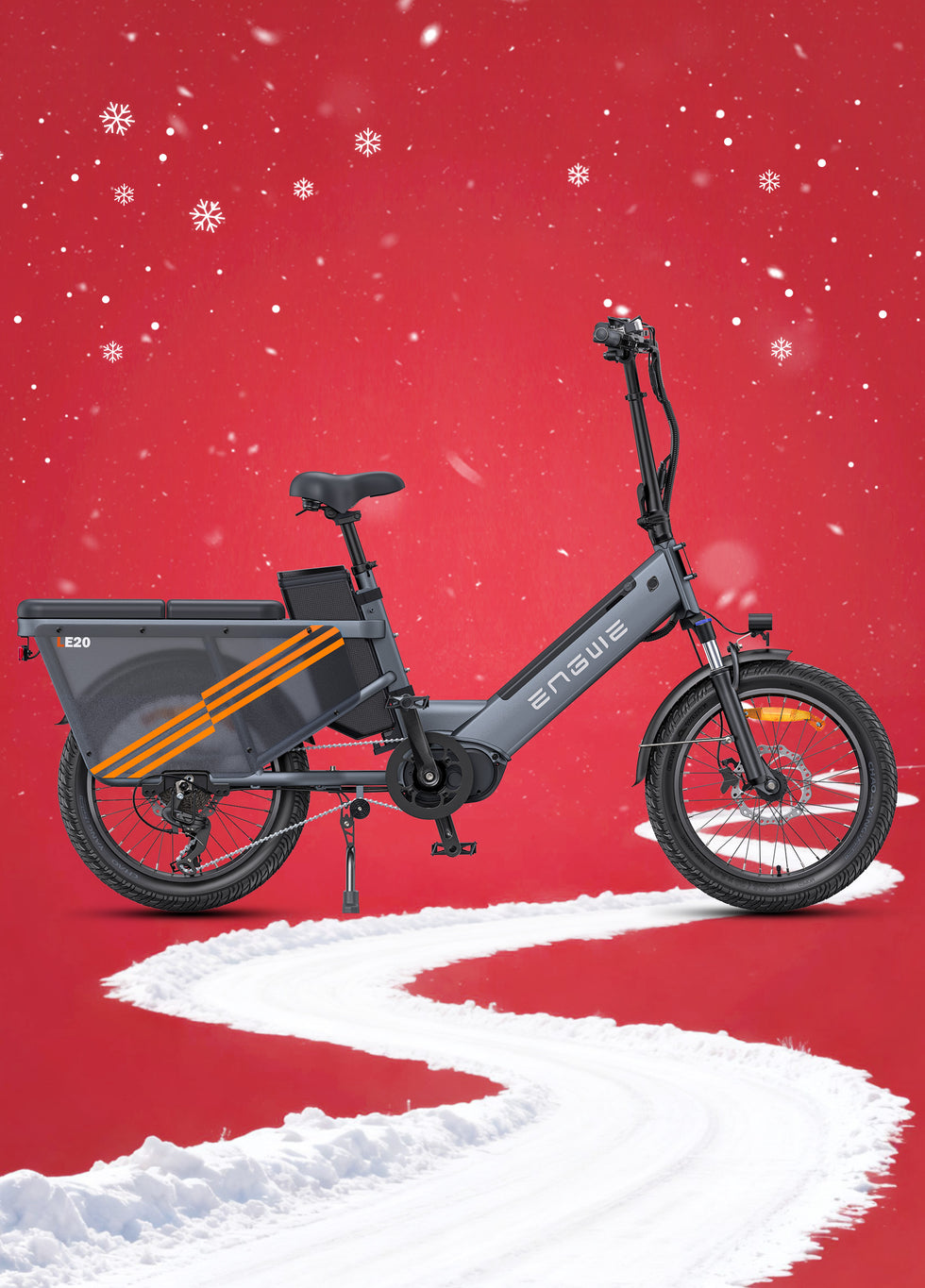
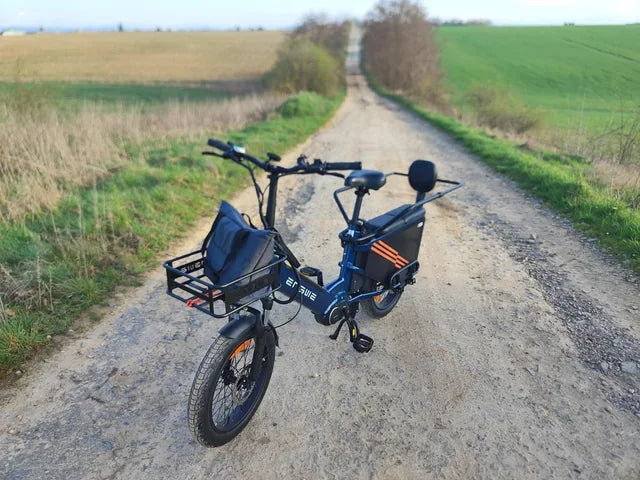
However, while these two established styles have their purposes, most modern riders do not want to limit themselves to only one of them. Not everyone has the luxury of sailing through the city streets or just taking off on a long empty road whenever they want. Most people have daily errands to run and need a bike that can do it all. As a response to this need, modern brands create a third class of e-bikes, which adds the best of both worlds with a unique twist of its own. ENGWE is a brand that is leading this movement, offering perhaps the most comfortable answer to this problem. In most cases, this is the best model for users who want both. Introducing the ENGWE L20 Boost:
A prime example.
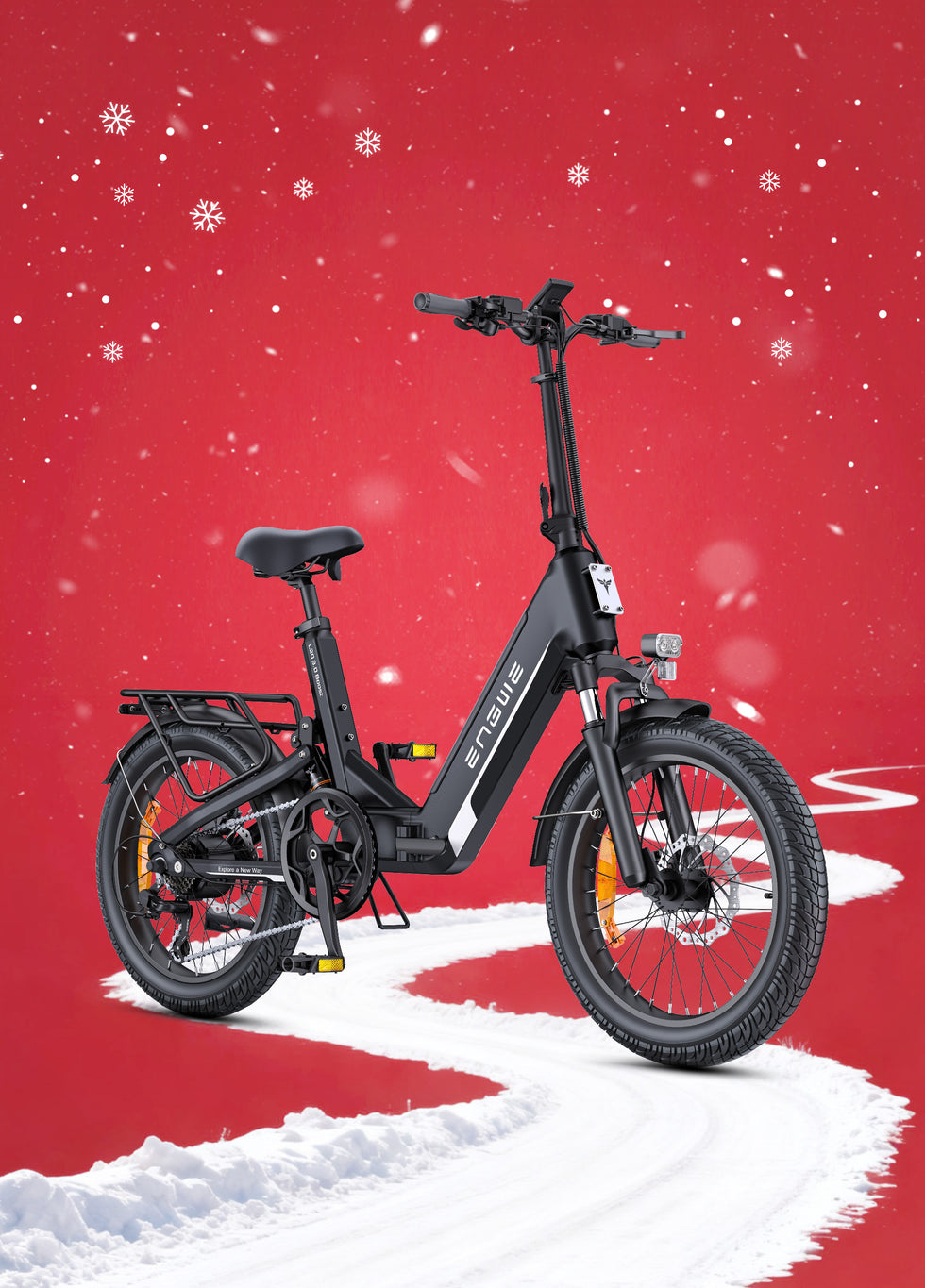
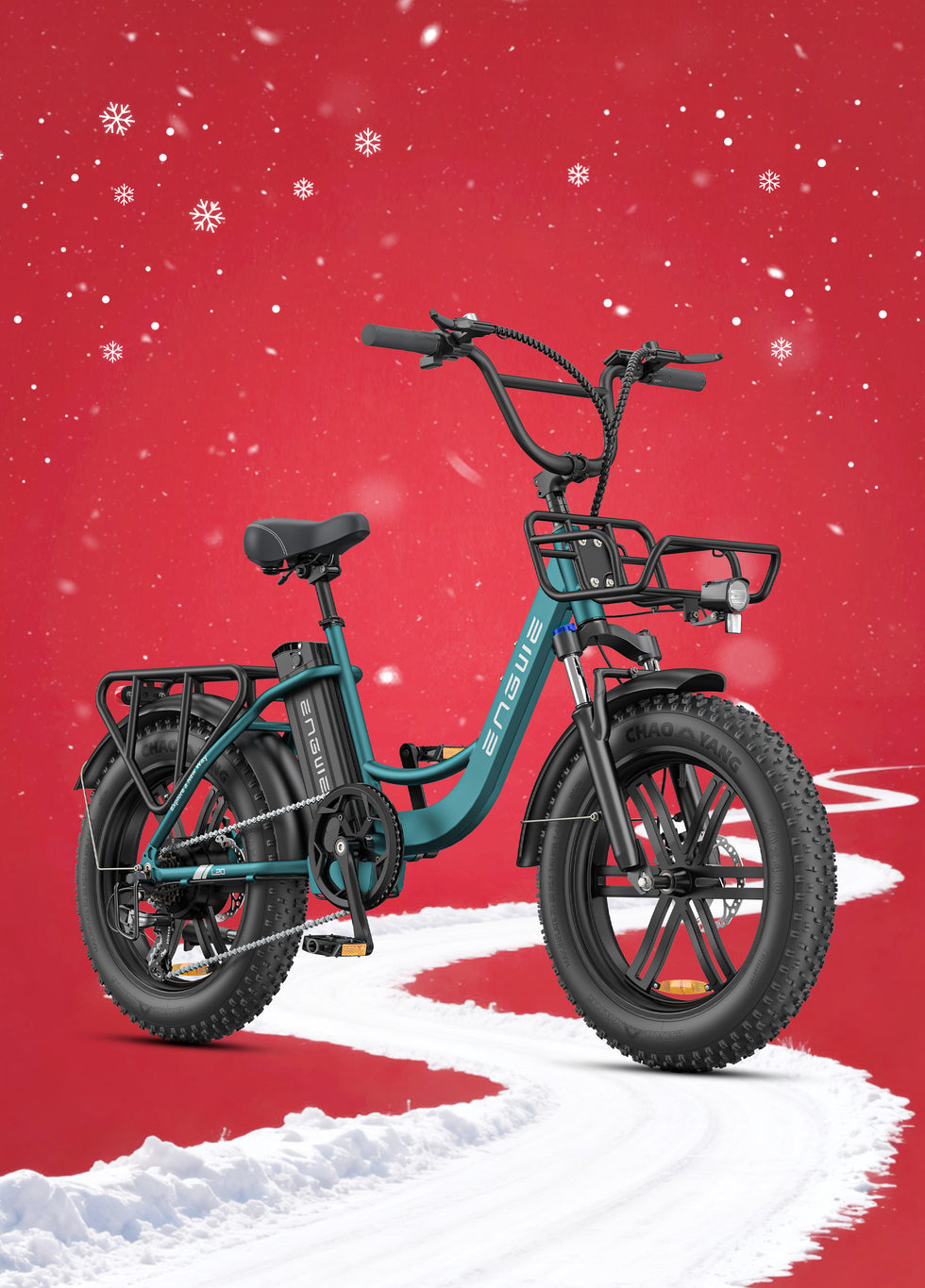
""The ENGWE L20 Boost is a prime example of a comfortable utility bike. This model, in essence, offers a simple, comfortable design that prioritizes the ride, while not sacrificing power or the availability of alternative riding options.

Cruiser-like comfort.
Like most other cruiser models, the L20 Boost has a low step-through frame, which means you can easily get on and off. This also means that you have an upright riding posture that takes the load off your lower back and can also help reduce tension in your shoulder muscles.
Unmatched power and versatility.
The model has a 750W motor which allows you to power up every hill with ease. Furthermore, you have 20-inch fat tires that give you plenty of room for rougher terrain and even allow a sandy beach ride.
Exceptional range.
The L20 Boost can support the dual battery system, which means it can travel several hours before it needs to be recharged, which is all the time you need for your daily commute.
4. Components, Design, and Maintenance.
Considering the visual aspect and the build of the bike is essential for making a choice. Ultimately, the choice is tied to various parameters, such as road e-bikes’ overall minimalist approach and functional look, and cruisers that serve as a vehicle to a personal statement chosen by the customer. Additionally, since the bikes depend on various components, the maintenance part differs in terms of care and might differ for each owner. This is also dependent on the individual choice, whether the design is more important in terms of appearance, or aesthetically, although a customized look must be complemented with the commitment toward maintenance.
a. Road E-Bike Design:
Aesthetic: Slim, simplistic and athletic. Road e-bike frames are sleekly built to look partially like a regular road bike, without focusing on the visual representation of electric capacity; batteries are typically incorporated in the frame in a way that would seem non-electric.
Components: High-quality, high-performance parts; disc brakes, multi-gears with derailleur, and lightweight wheelsets. The things we engage in maintaining this model include the high pressure of the tires, requiring regular air checks, and cleaning the derailleur, and applying lubrication to the connecting chain to ensure the smoothness of the shifting of the gears and to prevent spending on future components for preserving both performance and durability.
b. Cruiser E-Bike Design:
Aesthetic: Retro or vintage-inspired, smooth and flowing frame, with vibrant color schemes, with accessories like chain guards, fenders, and rear racks.
Components: Robust, durable low-maintenance parts; fewer gears and easier maintenance with internal gear hubs attached to the chain and mudguard. The required maintenance would be an increased number of brake checks for proper stopping power and wiping of the frame, which might eventually rust if the client is living on the coast.
5. Budget, Practicality, and Making Your Final Decision
Last but certainly not least, your budget and the practical realities of your day-to-day life will help you finalize your decision. Ultimately, it’s the perfect intersection of want and need and, of course, cost. It’s not just about the hard and fast figures at the time of purchase. It’s also about the long-haul value and convenience the e-bike will bring to your life. Finally, you’ll have the final five tips that should give you great clarity and confidence as you make your purchase. Ask yourself the following questions to help determine the best ride for you with confidence.
Cost considerations:
- Initial investment Road bikes, with their lightweight carbon fiber frames, drop bars, and advanced motor systems, are always going to be more expensive at the outset. Cruiser e-bikes use cheaper materials and simpler (though hardier) construction methods and so tend to be cheaper.
- Best value tip: road bikes are only worth it if you plan to ride long and hard. They’re not just for experts, but they are for people with exacting standards. The best value you can get from an e-bike is based on what you can get out of it.
Practicality and Accessories
Cruisers are usually bigger and heavier, which you’ll need to keep in mind if you have limited storage space or will be carrying the bike up the stairs. If you plan to take groceries or a work bag, a cruiser or any utility-focused bike with pre-installed racks and fenders is a far more practical choice than a stripped-down road e-bike. Apart from having a utilitarian purpose, a cruiser is also more customizable in terms of accessories. You can add baskets, bells, and various other decorative elements to your liking. Upgrades for a road bike tend to be performance-oriented, like lighter wheels or a softer saddle.
Checklist for Your Choice:
- What is the terrain I will ride regularly on (hill roads, flat paths)?
- What is my primary purpose (activity and rapidity or relaxation and comfort)?
- What is my average ride distance?
- Will I have to carry stuff like groceries and a backpack?
Frequently Asked Questions:
Q1: Is a road e-bike convenient for a beginner? The aggressive, forward-leaning posture can be uncomfortable and intimidating for a beginner, even though it is an option. A cruiser’s steady and upright riding is most commonly more beginner-friendly and inspiring.
Q2: Are cruiser e-bikes terrible on hills? The original cruiser is nearly impossible on hills, but an e-cruiser with a powerful motor is guaranteed to kill the incline, making it significantly more versatile than the initial form.
Q3: Which style requires less maintenance? Generally, the simpler cruiser-style mechanics, particularly single-speed ones, or with the comfort of internal hub gears necessitates less frequent tuning and maintenance. Earlier models, such as a road e-bike, have a complex derailleur system that is more prone to breakage.
Choose your style and start a new road today!