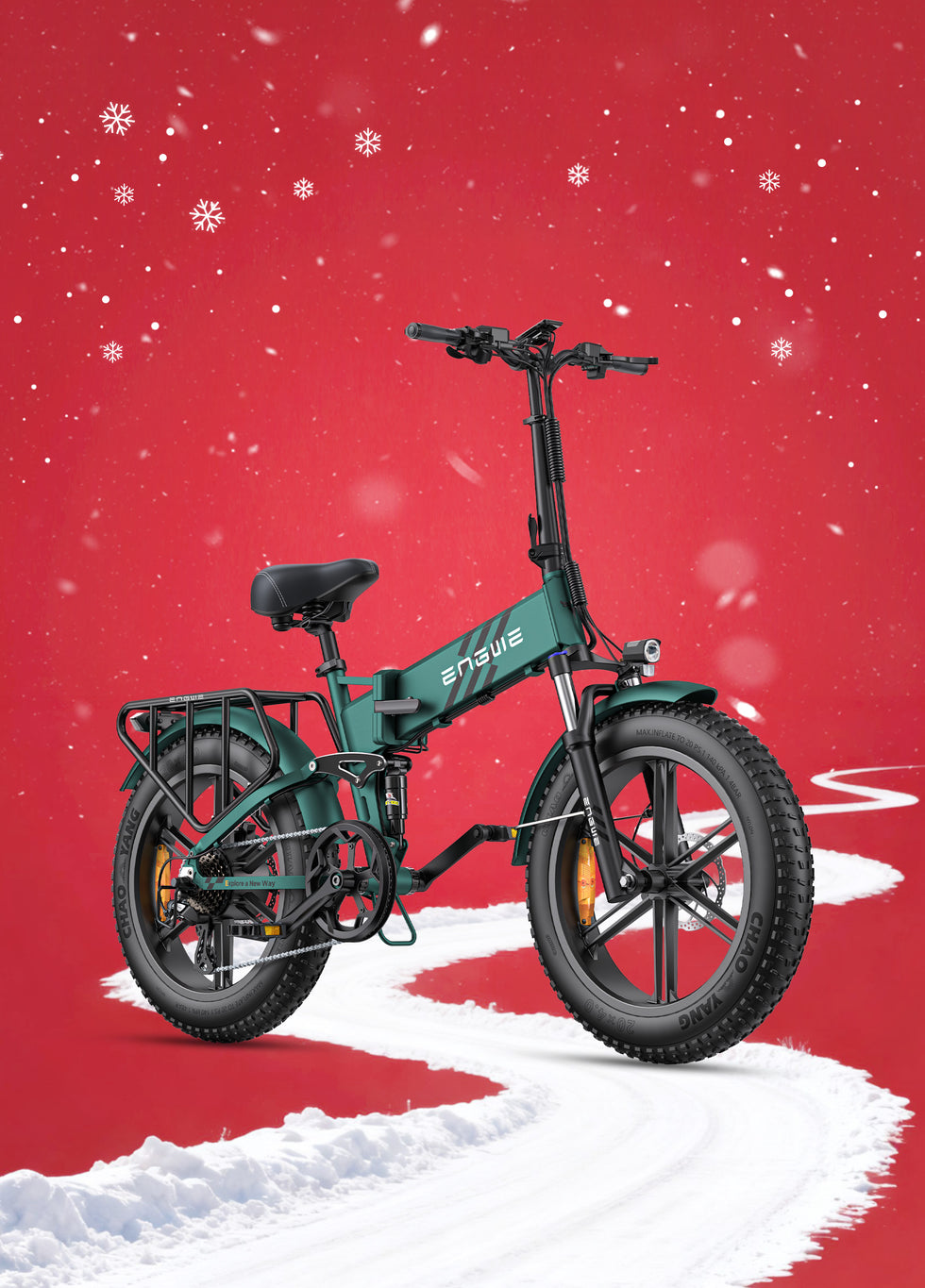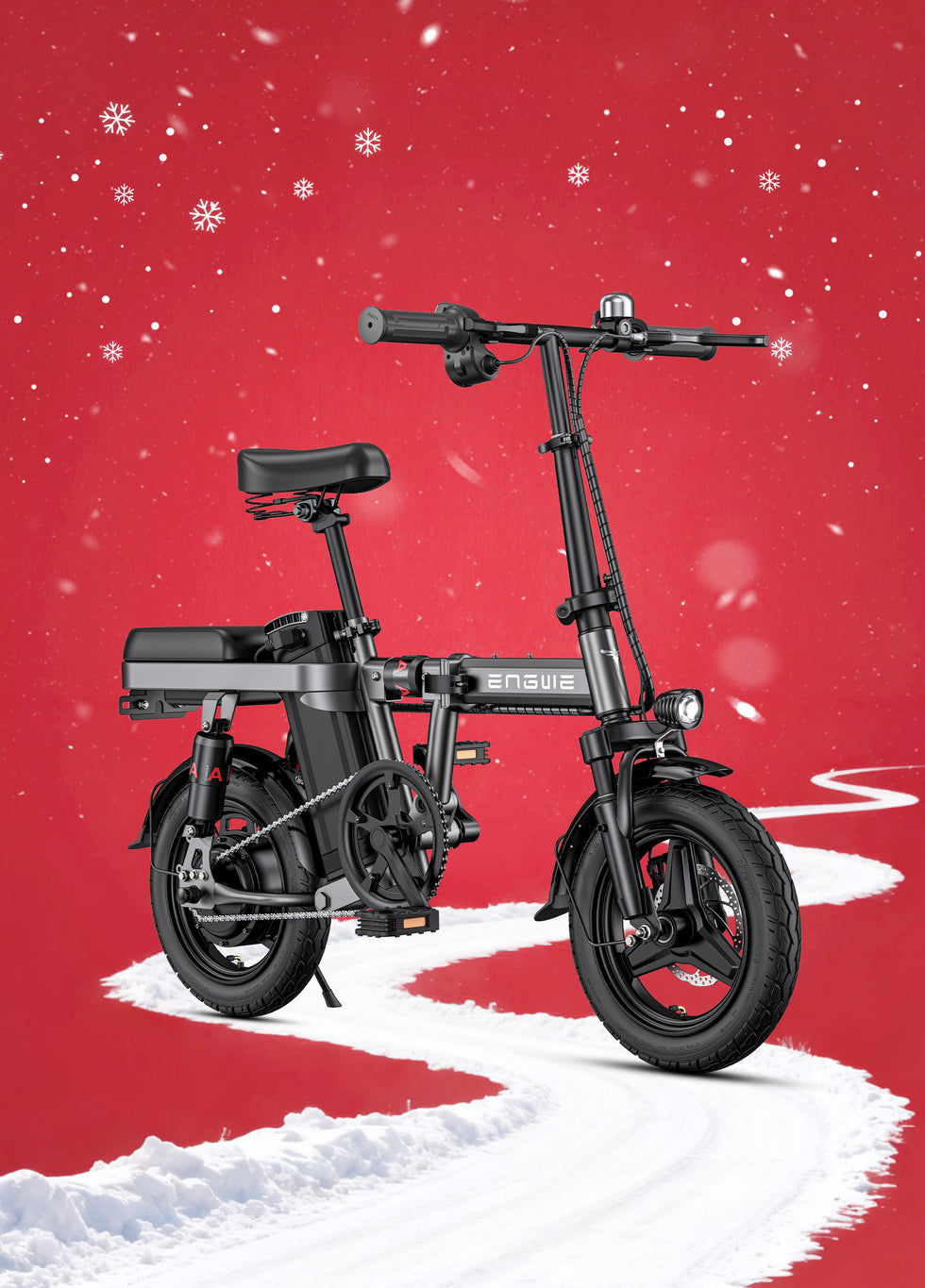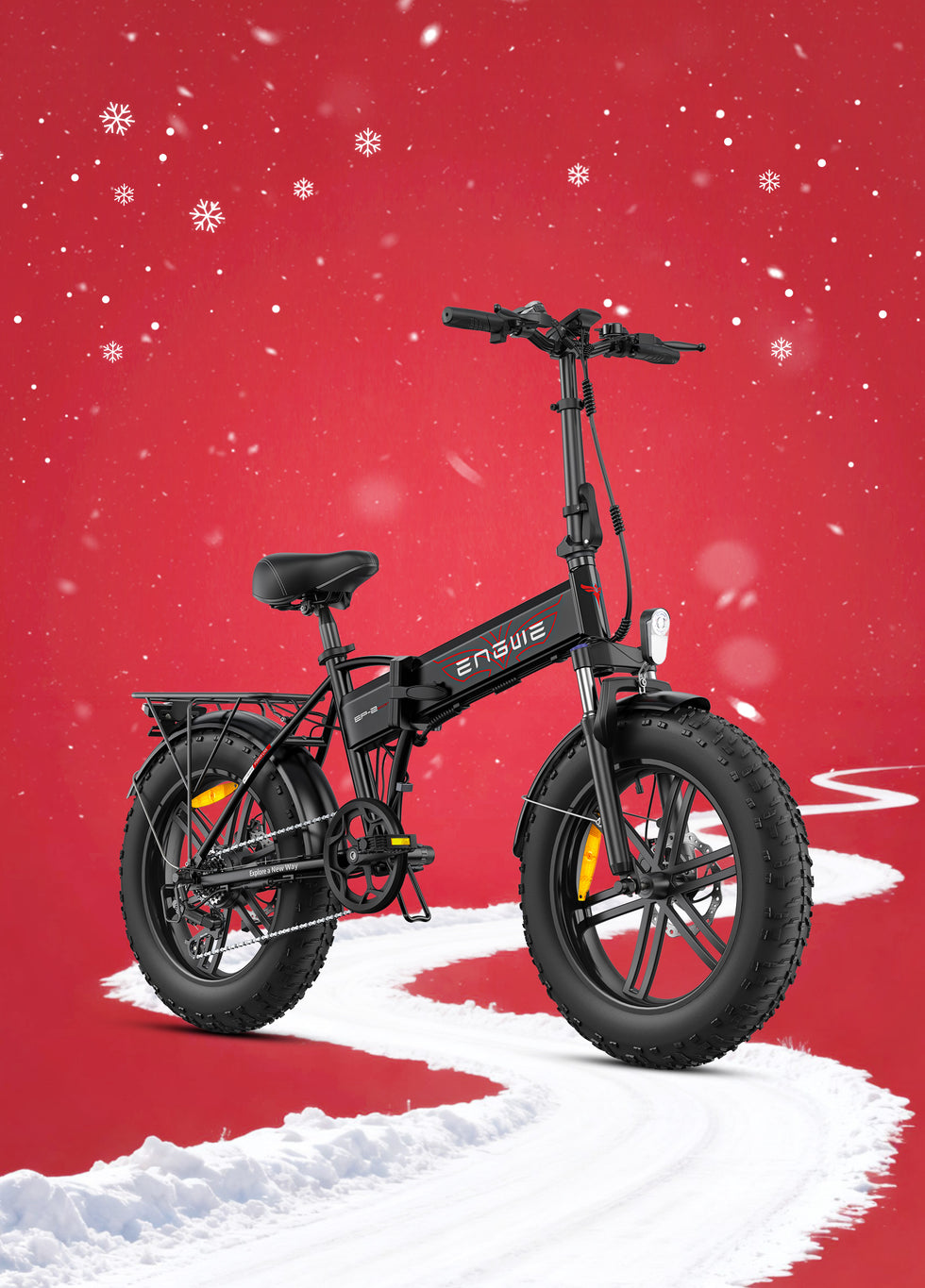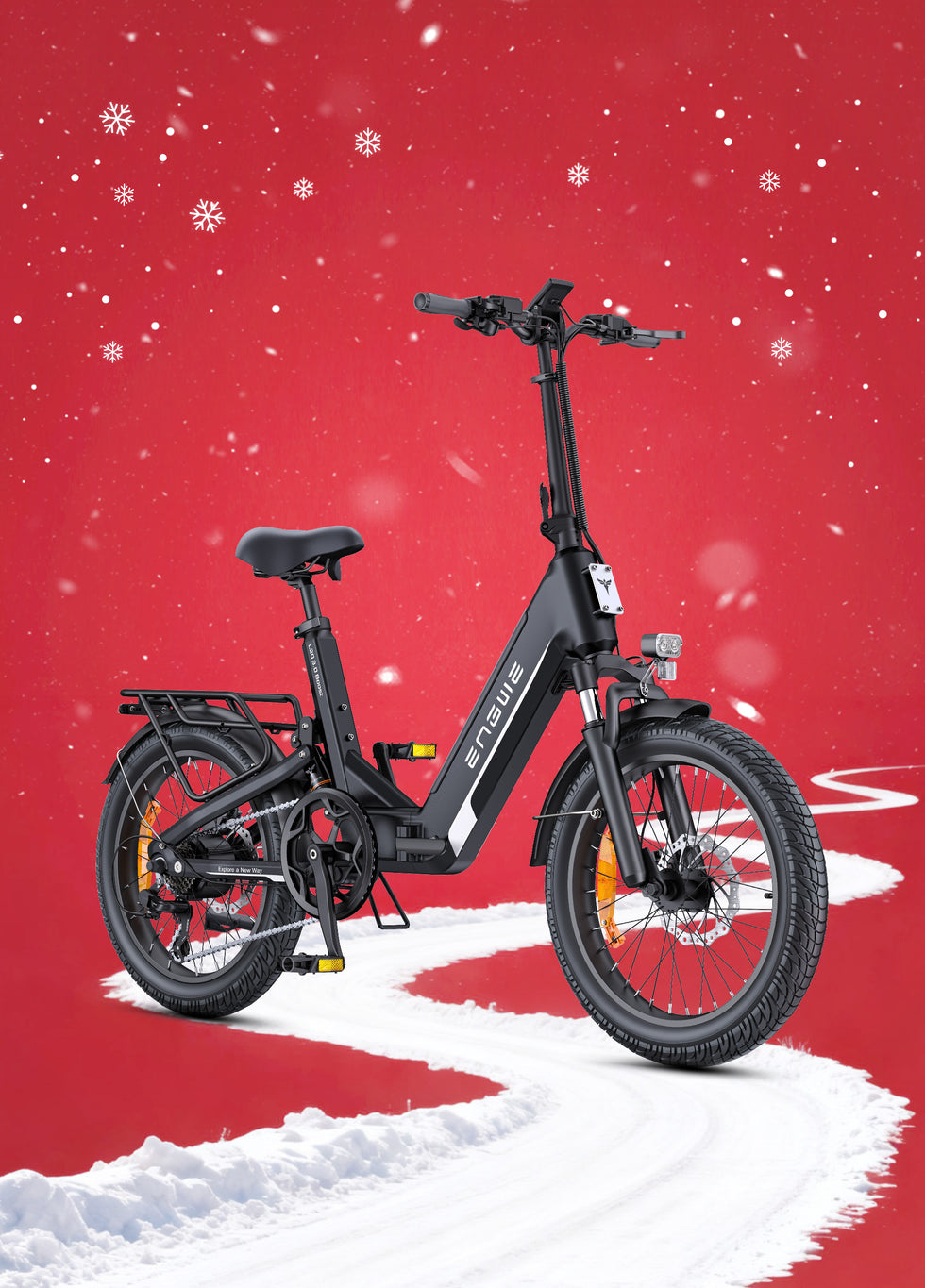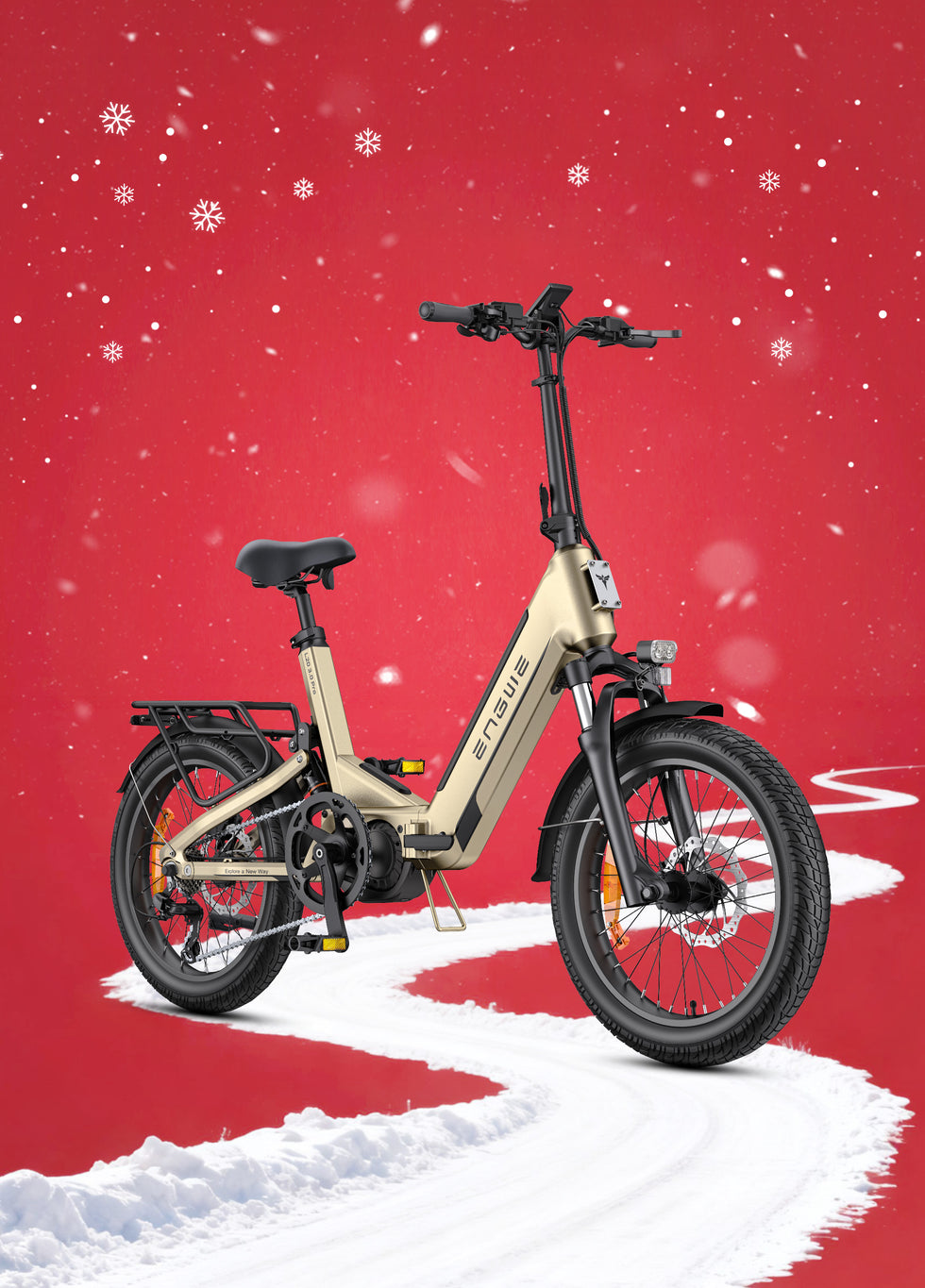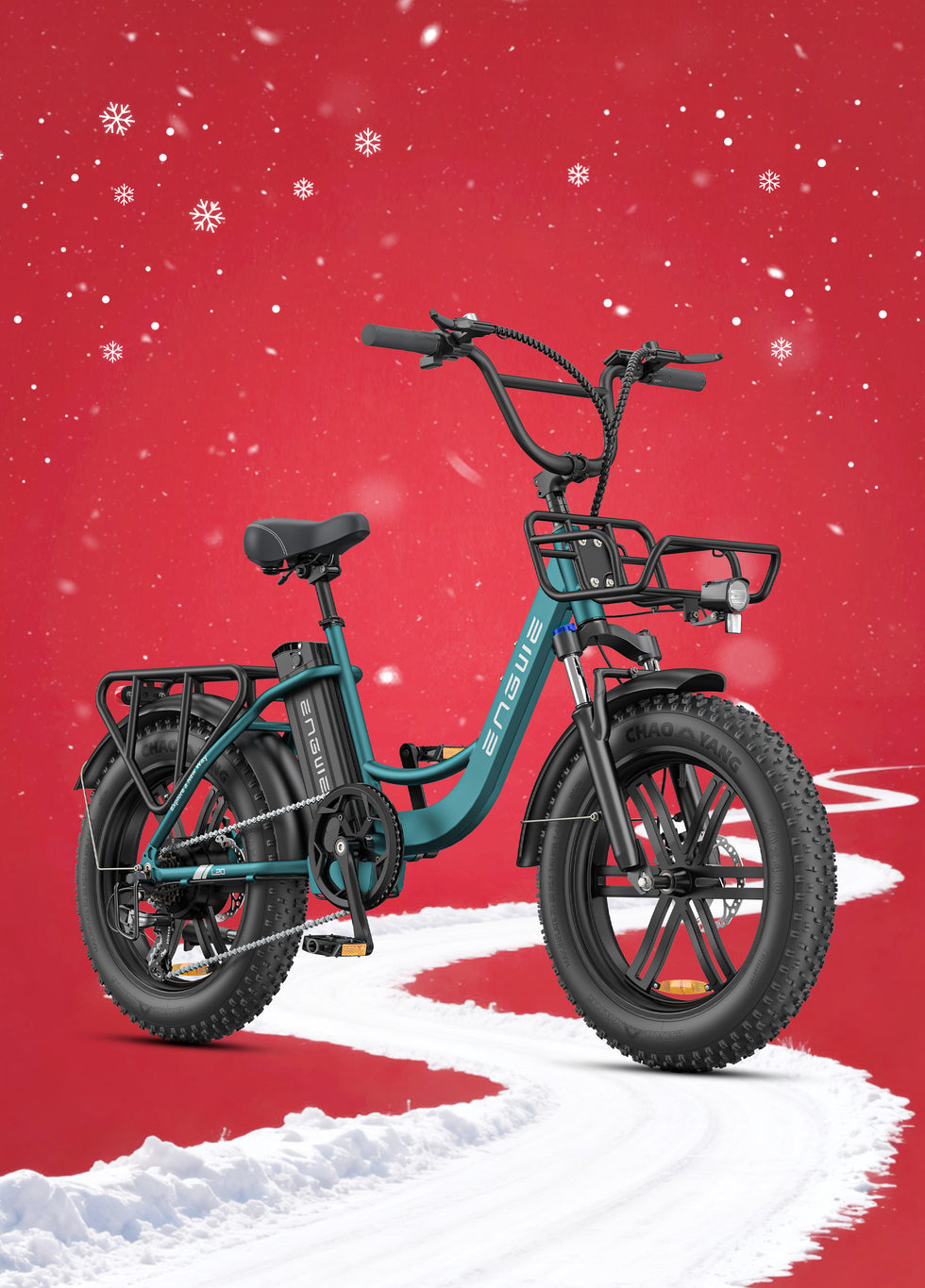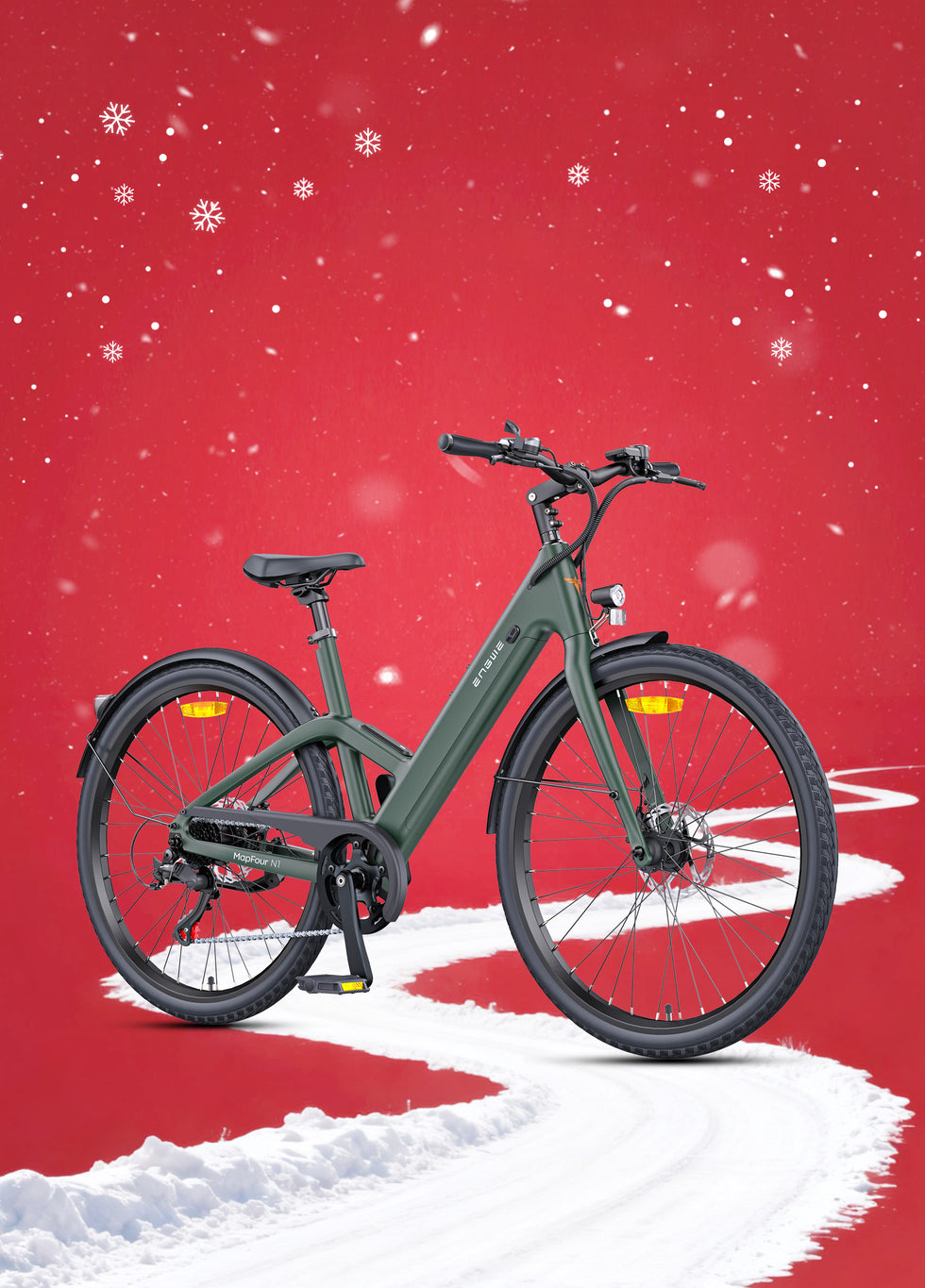

Just because winter is coming doesn’t mean you have to stop your cycling escapades. Snow-covered landscapes provide electric bike lovers with a fun and exhilarating opportunity. Fat tire e-bikes are made especially for snow and can tackle the tough, rough, and sloppy weather. What are the vital characteristics that distinguish a top-performing snow e-bike from the rest? This manual unravels such important points that will guarantee the snowy cycling season continues without hesitation.
Choose the best electric bike for winter riding
As you consider which e-bike to purchase, focus on the design and reputation of the brand for durability. The best e-bike for you should contain power, stability, and user-friendly features to help you navigate through unpredictable winter conditions. Here is the best electric bike for winter riders.
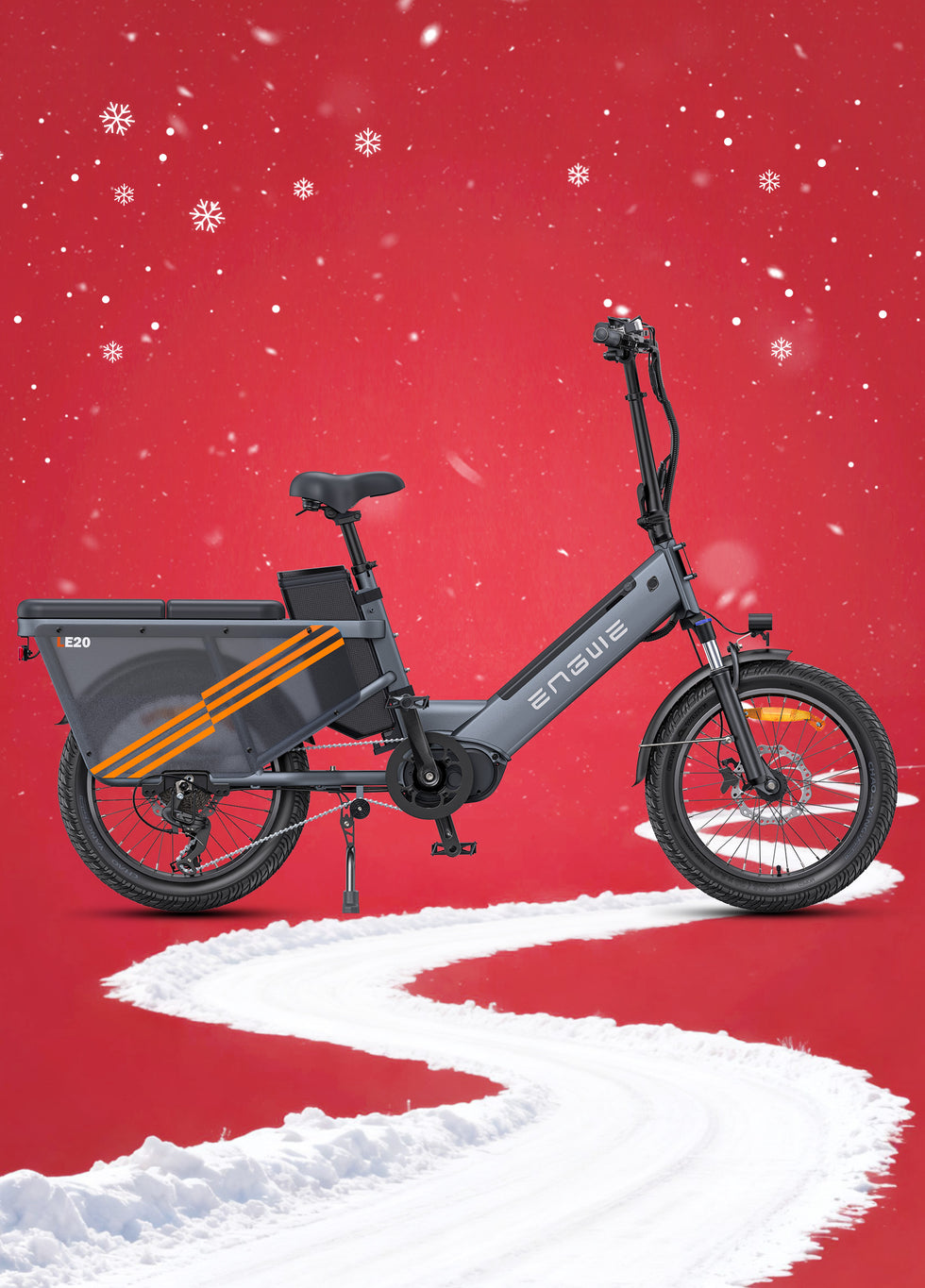
ENGWE L20 Boost
The Engwe L20 Boost is a great option for any winter rider. The L20 Boost’s design borrows heavily from its growing popularity and straightforward powerful performance. The step-thru frame is a significant advantage, making it easier to mount and dismount, especially when wearing thick winter clothing and snow boots. For the snow environment, the L20 Boost stands out with 20×4.0 fat tires with more stabilization and excellent flotation over large contact patches. The Engwe L20 Boost 250W powered electric bike has a 250W motor with a much higher peak wattage to deliver the desired torque to break through heavy and slippery winter conditions and climb snow-covered mountains. In cold weather, battery capacity can decrease; winter is a game-changer. Choose a dual battery system to keep going and feel unlimited.

High-Power Rear Hub Motors E-Bikes
Consider e-bikes that feature a 500W up to 750W rear hub motor. This setup provides excellent traction to the rear wheel, which has all of the rider's weight on it, allowing clear penetration into the snow, preventing slippage.
Mid-Drive System E-Bikes
Mid-drive motors are an ideal choice for hilly and icy terrain. These motors drive the crankset, using your power and assisting to provide control and stability on more technical trails.
Core Components for Winter Dominance
Beyond the frame and brand, a great snow e-bike’s performance is determined by a few key components designed to withstand the cold and wet. When shopping, be sure to focus on these parts to ensure your investment is winter-ready.
Motor Power and Type
A 250W motor will do the job, but a 500W or 750W translates to more torque for churning through deep snow and slush with ease and without strain. Rear hub motors have fantastic traction on slippery surfaces, while mid-drive motors maintain balance and efficiency on various conditions, including hilly terrain.
Battery Performance and Capacity
Lower temperatures drastically decrease the efficiency and availability of a lithium-ion battery. Choose e-bikes with larger-capacity batteries, measured in Amp-hours (Ah) or Watt-hours (Wh), from reputable cell manufacturers. Pro Tip: never store or keep the battery in temperatures below freezing and charge your battery at room temperature, only inserting it into your bike when ready to go.
Braking System
It’s all about control when on snowy and icy roads, and hydraulic disc brakes are essential. They offer much better stopping power in wet and frozen conditions, as well as better modulation through their consistent performance. Larger rotors (180mm+) also dissipate more heat, particularly in winter when the brakes are more prone to fade.
Drivetrain and Gearing
A reliable drivetrain with a variety of gears is critical for the varied terrains of winter. Choose components rated highly for their quality and go for a model with a single chainring to reduce complications that come with more moving parts.

Ultimate Snow Grippers: Tires and Traction
Nothing makes more of a difference in snow riding than fat tires, but all fat tires are not created equal. Here’s how the subtleties of tires, pressure, and tread can add up to a whole greater than the sum of its parts.
Pressure is Key
It’s your most potent weapon in combating conditions. Actionable Technique: reduce the tire pressure a lot, often well under 10 or even 5 PSI. This increases the tire’s contact patch, enabling it to “float” on top of the soft snow rather than dig in and get bogged down. It also increases grip on compact snow. Bring a small pump with you to adjust the pressure during the trip.
Tread Pattern
Opt for aggressive, knobby tread patterns with deep, far-apart lugs. They actively grip the snow to provide traction and efficiently shed snow and slush to prevent the tire from becoming a slick. Do not choose a tire with a continuous centerline, as they perform best on the road.
Studded Tires for Ice
If you have ice, glare ice, or frozen-over roads in your winter ride zone, it is dangerous not to invest in studded tires. These tires have metal studs sticking out of their tread blocks that dig into the ice to provide far more grip than rubber could ever offer.
Minimum Width of Tires
4.0 inches is the standard here, and many fat bikes go even wider to 4.8 inches or more. Wider tires provide even better flotation, which is necessary in places that get more substantial amounts of snow.
Essential Winter-Proofing and Accessories
On a snow-covered trail, a stock fat tire e-bike will suffice. However, a well-equipped one will also make the journey more pleasant, more comfortable, and ensure that your investment is safe from harsh winter conditions. Many of the features you require will prove essential as conditions get messier and the days get shorter:
Full-coverage fenders
These are a must-have in winter. They prevent snow, slush, and road grime from splashing on you, your ride, and more importantly, your vital drivetrain and electronic systems to prevent rusting and damage.
Waterproof electronics
Check the e-bike’s display, controls, and motor for an Ingress Protection (IP) rating. An IPX5 rating, for example, signifies it can withstand jets of water from any side. This covers nearly all snowy, icy circumstances.
Strong lighting
The winter days are short, and visibility is often poor. Integrated, ultra-high lumen front and back lights are essential for seeing where you’re going and being seen by others.
Washing and Maintenance
Salty snow will corrode anything. Money-Saving Hint: After riding in slush, gently wash your bicycle with fresh cold water and afterward dry it with a cloth. With a high-quality chain lubricant designed to work in damp conditions, rust will no longer be an issue.
| Parameter | Minimum Recommendation | Why It’s Important in Snow |
|---|---|---|
| Brake | Hydraulic Disc | To enable maximum, consistent braking on icy, wet conditions. |
| Tire Width | 4 inches | Provides better flotation for traversing deep snow. |
| Light | Integrated, >800 Lumen Front | Essential for visibility during short winter days. |
| Fender | Full Coverage | Protects rider and components from slush and corrosive salt. |

Riding Techniques and Safety on Snow
However, having top-of-the-line equipment is just one piece of the puzzle; one would need to adjust their riding technique to acquire the necessary skills to ride in the snow and enjoy it securely. First, it is important to adjust your riding technique to remain in control and feel confident on icy terrains.
Smooth Power Application
When you are starting from a standstill, use as little pedal assist as possible. If you apply too much power, the rear wheel will start spinning, losing contact with the ground. Always start softly and smoothly to maintain traction.
Brake Proactively and Gently
Always anticipate your stops. Shift your weight back and apply both brakes lightly and evenly well before you need to stop. Don’t press them hard or suddenly, or they will lock up, and your wheel will start skidding. Feather the brakes to gradually scrub speed.
Take Wide, Controlled Turns
Slow down significantly before the turn. Steer more with the handlebars than by leaning your body. When the handlebars are turned, the tire’s contact patch is flat, ensuring you have the grip you need.
Maintain Your Momentum
In deep or soft snow, keep some momentum going. If you stop at the wrong spot, it can be hard to get going again without the rear wheel digging in.
Look Ahead and Pick Your Line
Always look for ice underneath the snow, deep drifts, or frozen ruts. Ride where other cyclists, motor vehicles, or snowmobiles have gone before, where the snow is already packed.
FAQ
Q1: Are all fat tire electric bikes suitable for snow riding?
A: Most can manage light snow, but not all of them can do well in deep snow or icy conditions. High-performance e-bikes typically feature a potent motor, hydraulic brakes, and aggressive tread to outperform others.
Protect the battery when it is cold. The battery should be kept in a warm room at all times, and all charging should be done at room temperature. Cold worsens the drain and can affect the long-term health of the battery, so reducing its exposure to freezing temperatures should be a priority.
Q2: Do I need studded tires?
A: For light snow, no. But for compact snow, ice, and frozen slush, studded tires are required to avoid falling and to offer the necessary grip for rider comfort and safety.
When you have a suitable electric bike, winter is no longer an issue and instead becomes another terrific time to go cycling.