
One of the most crucial factors on any explorer, commuter, or enthusiastic rider's wish list is the length it can travel on a single charge. This equates to a lack of range anxiety and the potential to achieve outstanding feats in a single sitting. In this article, “The World of the Long-Range E-Bike,” we’ll go far more than the officially certified fastest bikes to search out various long-distance stars, the technologies that drive them, and the strategies that will enable you to unlock every trip you go on. What's official on websites, and what trends are accurate in real life? To identify this, you must tune into two groups: world-beating Guinness World Record attempts and bikes commercially sold as super-long-range arrivals. The former conglomerates of one-off activities are a source of intrigue but are not relevant to the ordinary rider because they involve arbitrary-use set-ups and experimental technology. Moreover, the controlled situations set out for riders on flat railroad tracks, where riders use raw power-navigation strategies to lessen each watt of electricity and lessen each pedal stroke’s severity. These twisted bikes are fitted with electrical dynamos so the model doesn’t use the charge and a correspondingly big and dull mass-produced build. Let's say that this could be a time of kilometers per hour of travel, but any more implies less time.
- Real-World Champions. These are bikes you can actually buy. They are designed to provide extensive range for practical use.
- Focus on Usability. They balance battery size with motor power, comfort, and durability for everyday scenarios.
- Advertised vs. Actual Range. The ranges advertised by the manufacturers are far from reality. They heavily depend on the factors we are about to discuss. Savvy users always refer to detailed testing and user reviews.
- Key Metric. The battery size is measured in Watt-hours. A higher Wh number gives a longer potential range.
The Core Technology: Factors That CRUCIALLY Impact E-Bike Range
The “longest range” does not depend on a single feature. Instead, it results from a complex interplay of components and conditions. Having a massive battery is a great start but not enough. It will be useless if paired with an inefficient motor or abused by the rider who neglects basic principles of physics. In order to make an informed purchase and get the most out of it, you need to understand the key variables that determine how far you can go. Mastering these elements can significantly increase your range, which means less charging, more fun, and longer journeys.
Primary Technical Factors:
- Battery Capacity: This is the single most important factor in determining how far you can ride. Expressed in watt-hours, it’s the measure of the total energy stored in the battery. Thus, a 750Wh battery has more than a 500Wh battery.
- Motor Efficiency: Not all motors are equally good. A high-quality, efficient motor such as a brushless hub or mid-drive motor will convert more of the battery energy into propelling your electric bicycle forward, wasting less of it as excessive heat.
- User’s choice of PAS level: Riding at the minimum PAS level of assistance will give you the furthest possible range, while using the maximum level of assistance or the throttle will deplete the battery much faster.
- E-bike Weight: A lighter e-bike needs less energy to move, but the most long-range e-bikes are quite heavy due to their big batteries and sturdy frames.
Critical External Variables:
- Rider and Cargo Weight: More weight needs more energy to move, and this factor disproportionately reduces range.
- Terrain: The smoothest, flattest, and most windless flat pavement allows you to ride the longest, but climbing up hills, riding on soft surfaces such as gravel or sand, or battling a headwind will drastically reduce your range.
- Tire Pressure: This one is simple but very essential. Inflated correctly, the tires have less rolling resistance, which can boost the range by up to 15%, at least. Before every long ride, make a habit of checking the tire pressure.
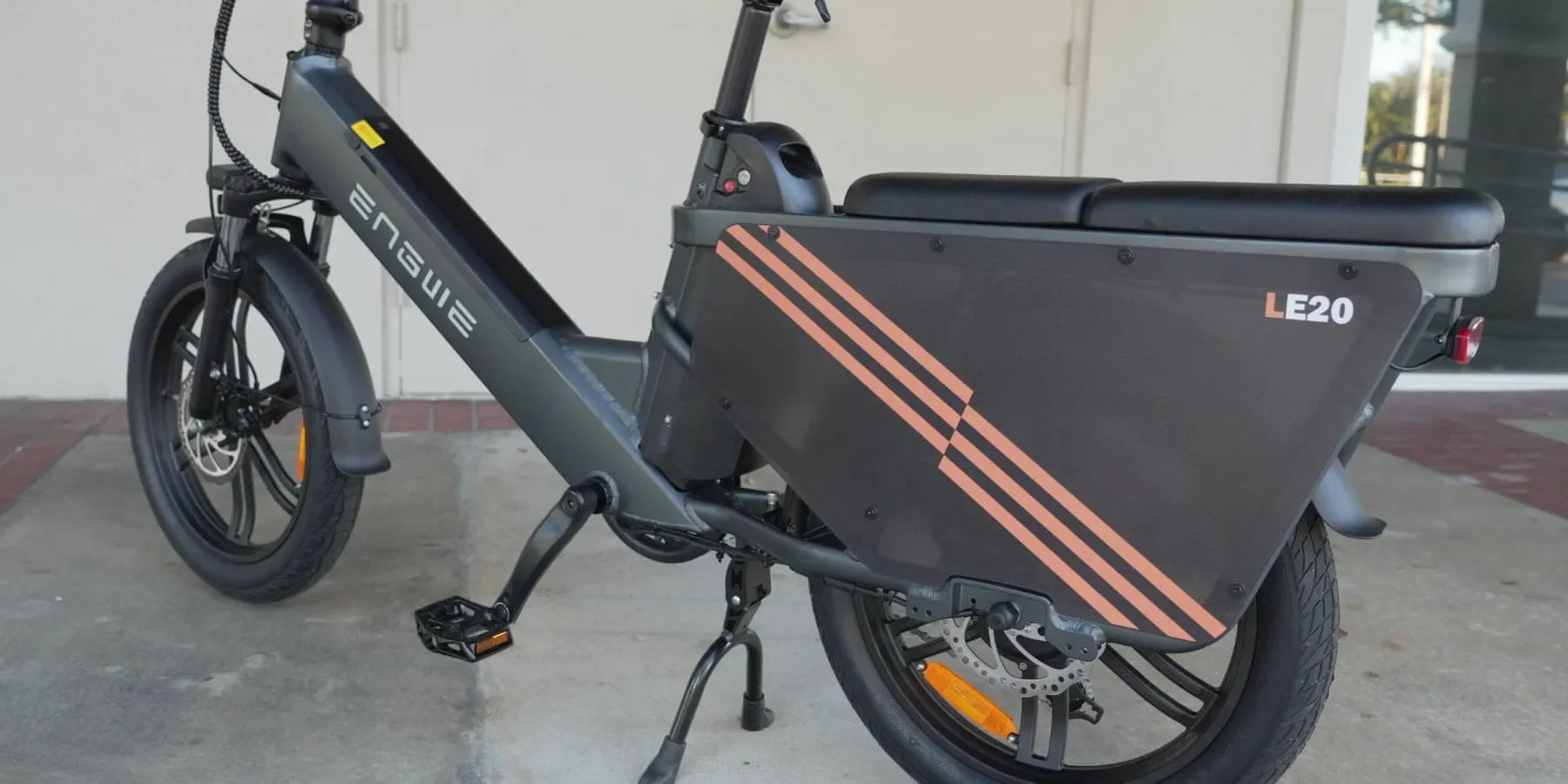
ENGWE: The Smart Choice for Exceptional and Practical Long-Range Riding
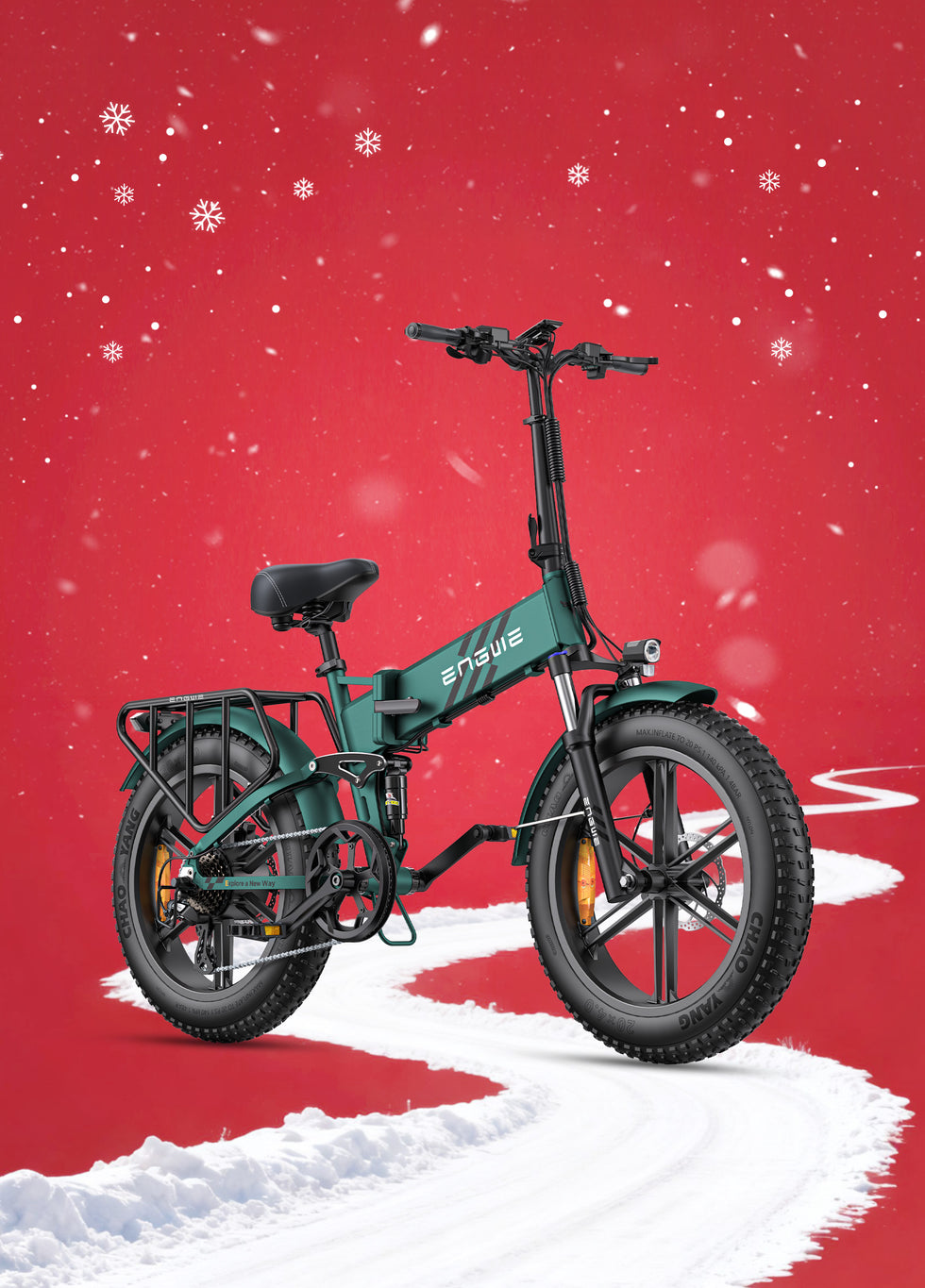
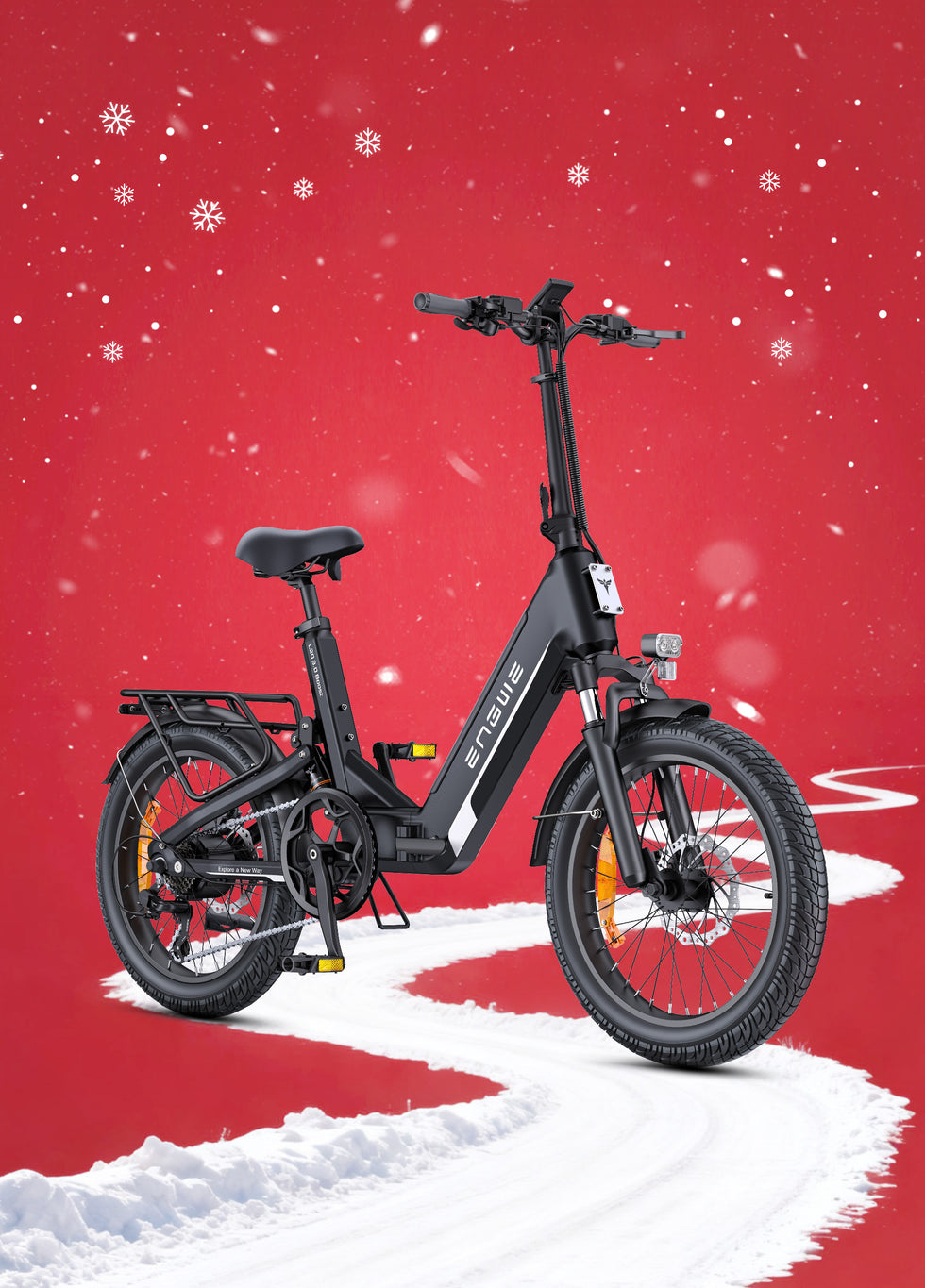
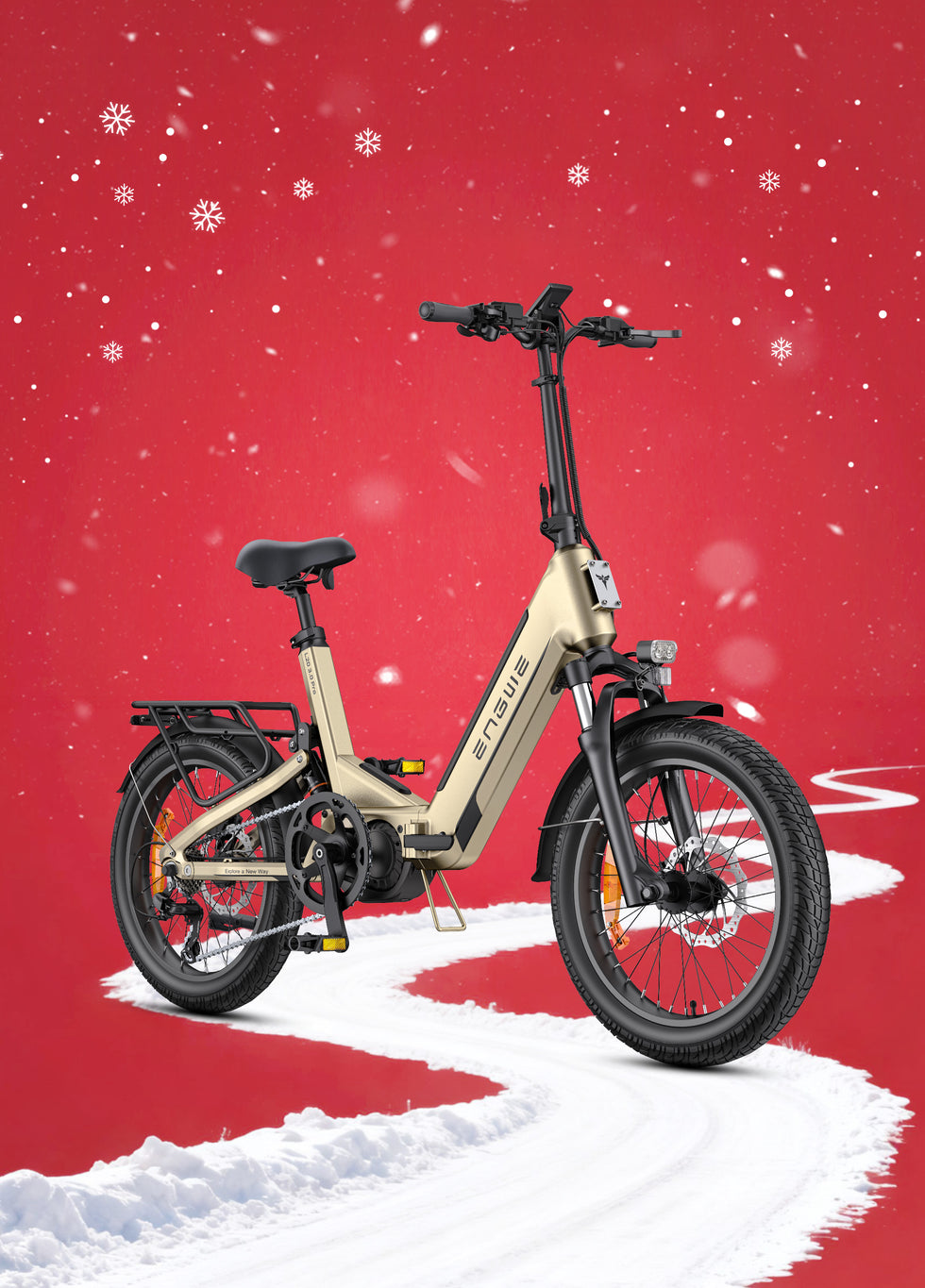
"ENGWE具体型号文字"Engine Pro 3.0 Boost"所在段落的段落标题(即带As satisfying as it might be to chase theoretical records, the real-world riders want a reliable, strong, and comfortable electric bike offering fantastic ranges. It is in this area that ENGWE proves to be the best, releasing e-bikes featuring exceptional battery capacity, powerful performance, and all-terrain capabilities. ENGWE models are created for free souls unwilling to sacrifice their future adventures. For those interested in the max distance per charge while gaining great power and comfort, ENGWE Engine Pro 3.0 Boost would be an outstanding choice. This model is created for extended riding, and not limited to the distance, but how enjoyable and unforgettable this way will be pedaling on all lands.

Real-World Range You Can Trust
- Eco-Mode Travels – 130 km on PAS 1, offering fantastic distance and your chance to ensure a long trip.
- Balanced Rides – 108 km in PAS 3, which gives you the perfect balance of power assistance and support for regular trips.
- High-Power Riding – 80 km in PAS 5, which is enough to push uphills and off-road tracks without fear of remaining without power.
Features Created for Long Rides
- Powerful Motor – helps you get uphill without excessive energy usage, keeping the momentum level.
- Full Suspension System – long rides require maximum comfort, and available front and rear suspension are perfect for absorbing shakes and normalizing the time you can ride without feelings of tiredness.
- Fat Tires – These ensure stability on all ground from streets to gravel and allow the long-range experience to continue everywhere.
Top Long-Range E-Bike Categories and Notable Contenders
The “best” long-range e-bike is very situational – the best option for a commuter isn’t the best for a mountain biker or a tourer. There are different environments and riding styles, and there are optimized tools for each of the above. The list below outlines some of the top contenders across categories; they are all characterized by impressive range and powerful batteries. Thus, you can see that matching a bike’s strengths to your specific riding style is key to making sure you get the range and performance you need for your adventures. As such, the following categories and their highlight models are included:
Categories of Long-Range E-Bikes:
- Touring E-Bikes: Meant for long-distance comfort, these cycles may have dual-battery options, racks, and ergonomics for their seated riding style.
- Hardtail E-MTBs: Rugged trails deserve rugged solutions, which result in a big battery and a peak motor output.
- High-Performance Commuters: Speed in a long-lasting package, these models are designed for long-range utility or commuting.
| Categories | Model name | Typical Battery Capacity (Wh) | Noted feature |
|---|---|---|---|
| Touring E-Bikes | Riese & Müller Superdelite | 1125 Wh | Luxurious comfort and build |
| High-Performance Commuters | Juiced RipCurrent S | 968 Wh | Very fast and accelerates quickly |
| E-MTB / Hunting | QuietKat Apex Pro | 840 Wh | Unparalleled climbing torque |
Smart Strategies to Make the Most of Your E-Bike’s *Actual* Range
Simply owning a long-range e-bike isn’t enough; riding it smartly is the key to unlocking its full potential. Using intelligent driving methods and performing basic maintenance, you can double or even triple your total distance on a single charge. They are all free to implement, straightforward, and can be the difference between finishing your trip with charge left and having to bike home 'naked'. It’s like having a more efficient driving routine. Here’s how you can achieve that:
Improve your Smart Riding Habits:
- Start in the Low Gear: As with cars, starting in the high gear from a standstill makes the engine work twice as hard. Start in the lower gear anytime you start moving, then go up one level every time you hit 10-15 km/h.
- Use Low PAS Levels: The most effective way to save power. Only use higher levels when going uphill or if you feel tired.
- Maintain Speed: Don’t accelerate too hard or brake too suddenly. Just like driving a bike, moderate and slow driving is more energy-efficient.
- Skip Gears: Once you hit maximum speed in a single level of assistance, skip a level in one full push on your pedals. That way you can use between two and four PAS levels to achieve the same speed as four separate pushes on each.
- Anticipate Stops: Look out for red lights and stops ahead and slowly coast to a stop instead of pressing on the brakes. That way you preserve the momentum.
Maintenance and Gear for Maximal Range:
- Check Tires: Just like I said, this is important. Gently pump them the day you’re going to drive to avoid rolling resistance.
- Cleaning the Drivetrain and Chain: Well-maintained chains and gears reduce friction, which reduces the required power.
- Warm Up the Battery: Before a long drive, start the bike for a minute or two to warm up the battery.
- Drop Cargo: Before any drive, remove any unnecessary accessories, garbage, or load off your bike to make less weight to transport.

Frequently Asked Questions
Q1: Is a bigger battery – more Wh – always the better choice?
A: Mostly, yes – more Wh equals more energy. However, do not forget the added weight and cost. Sometimes a highly efficient system on a light bike might outperform the total capacity of a heavier bike with a massive, and inefficient one. How does cold influence my e-bike’s range? Very significantly. On cold lithium-ion batteries, the whole system is less efficient. Expect about 20-40% range loss on a freezing cold day. Charging and storing it inside the apartment may help.
Q2: Can I simply add a second battery to any e-bike to double the range?
A: No – only electric bicycles with a dual battery option can be equipped with the second one safely. Attempting to install an extra battery on the e-bike may be dangerous and may void the warranty. Choosing the right electric bike is the first step on the longest journey.