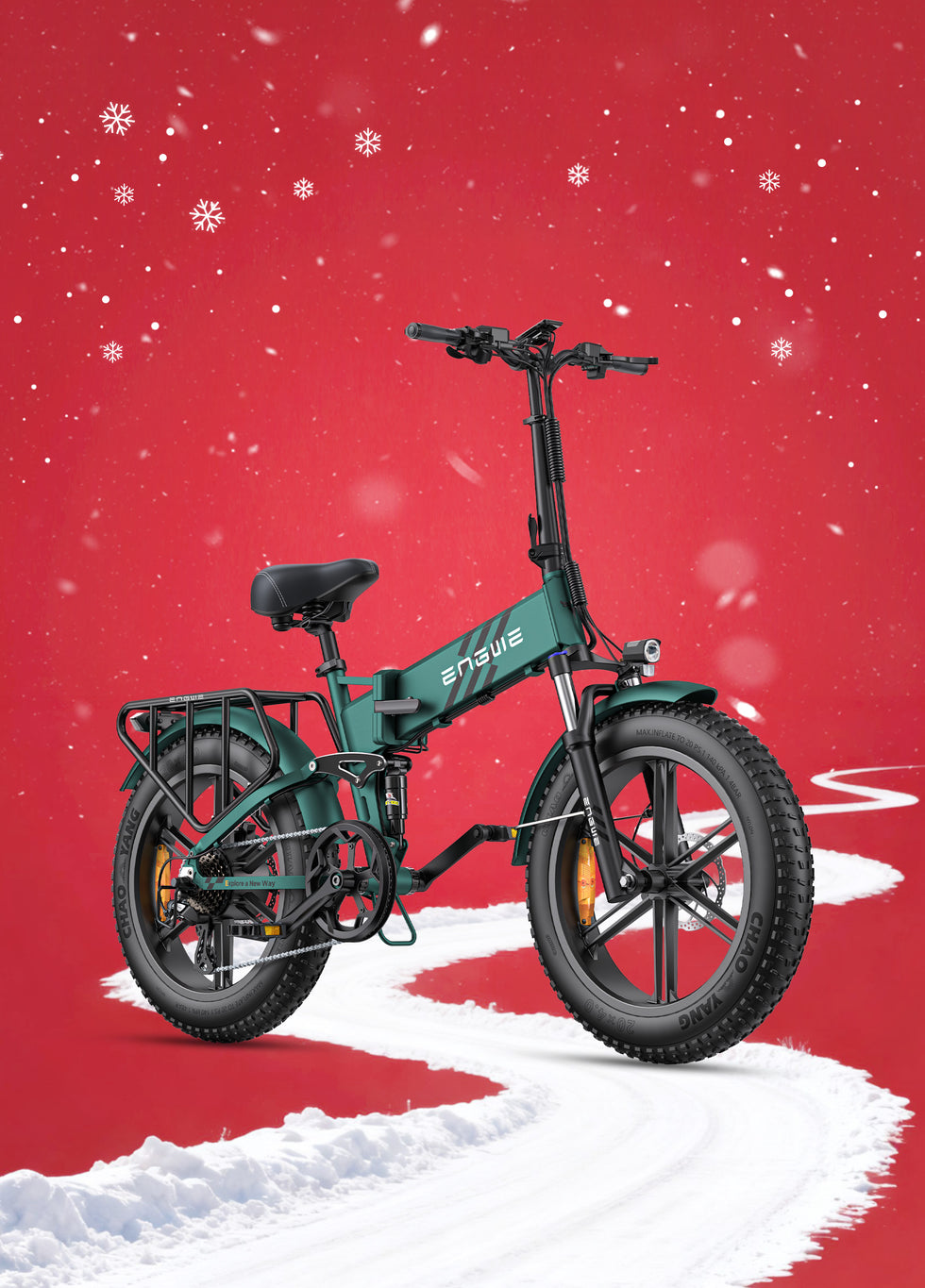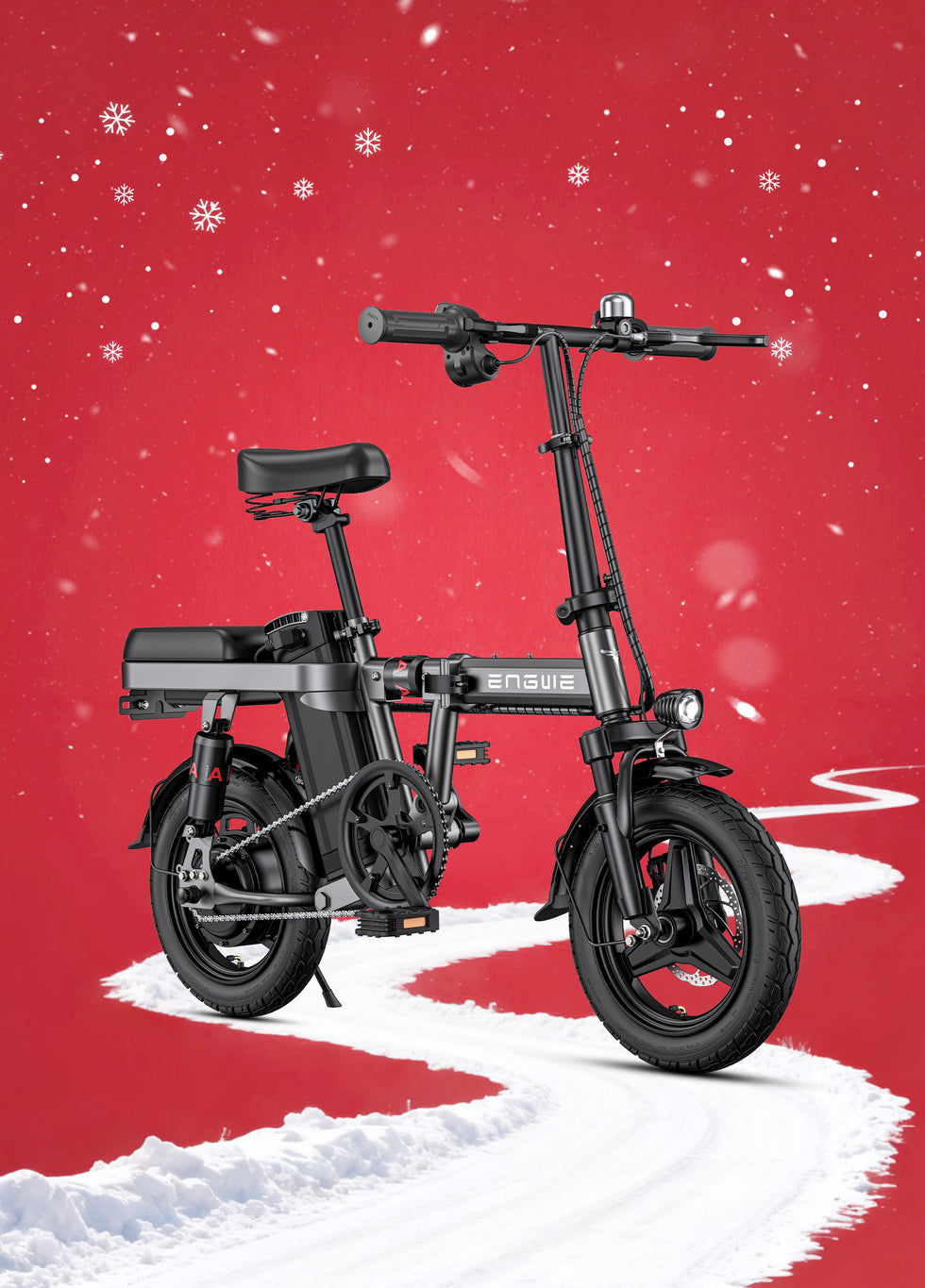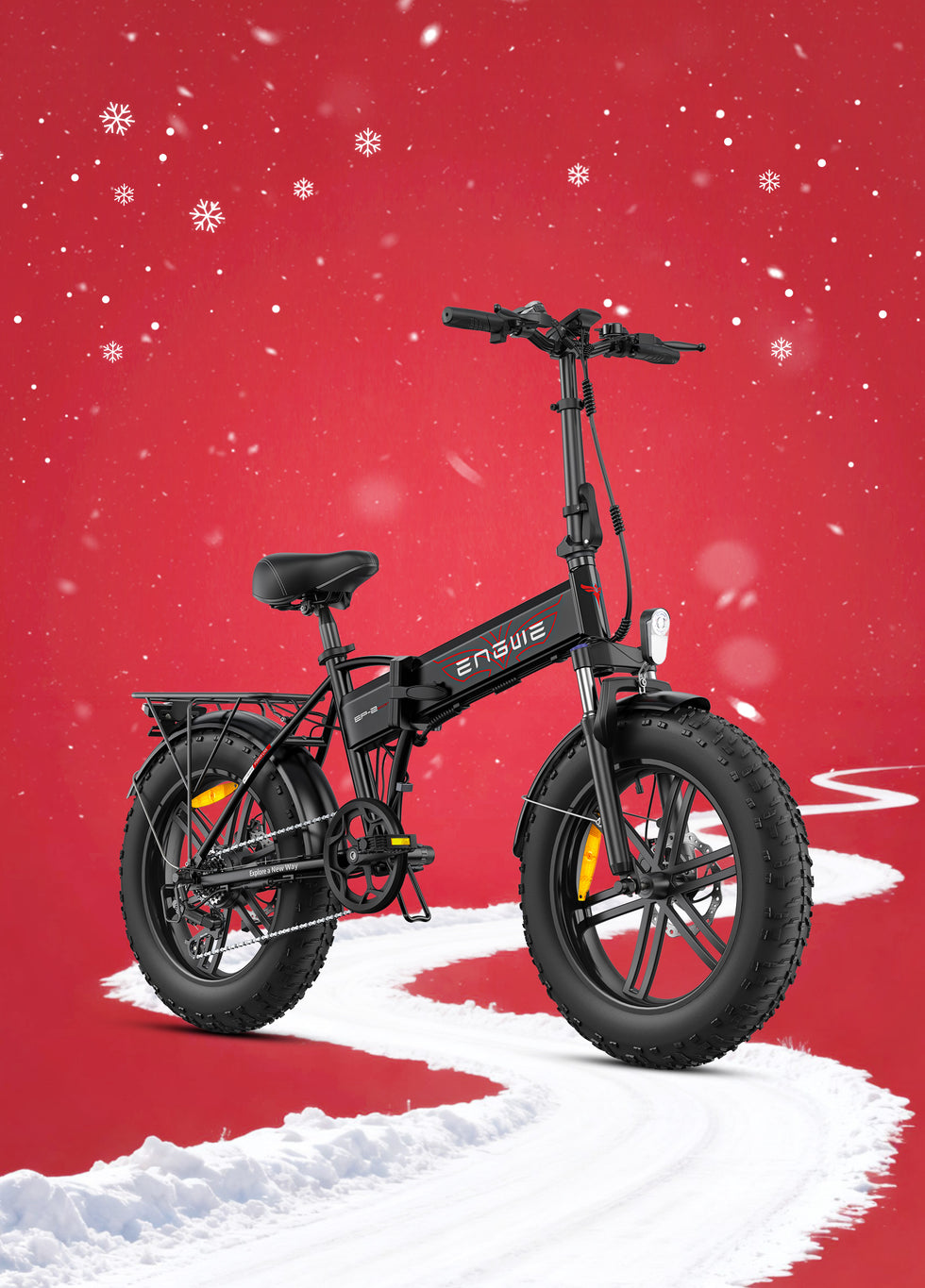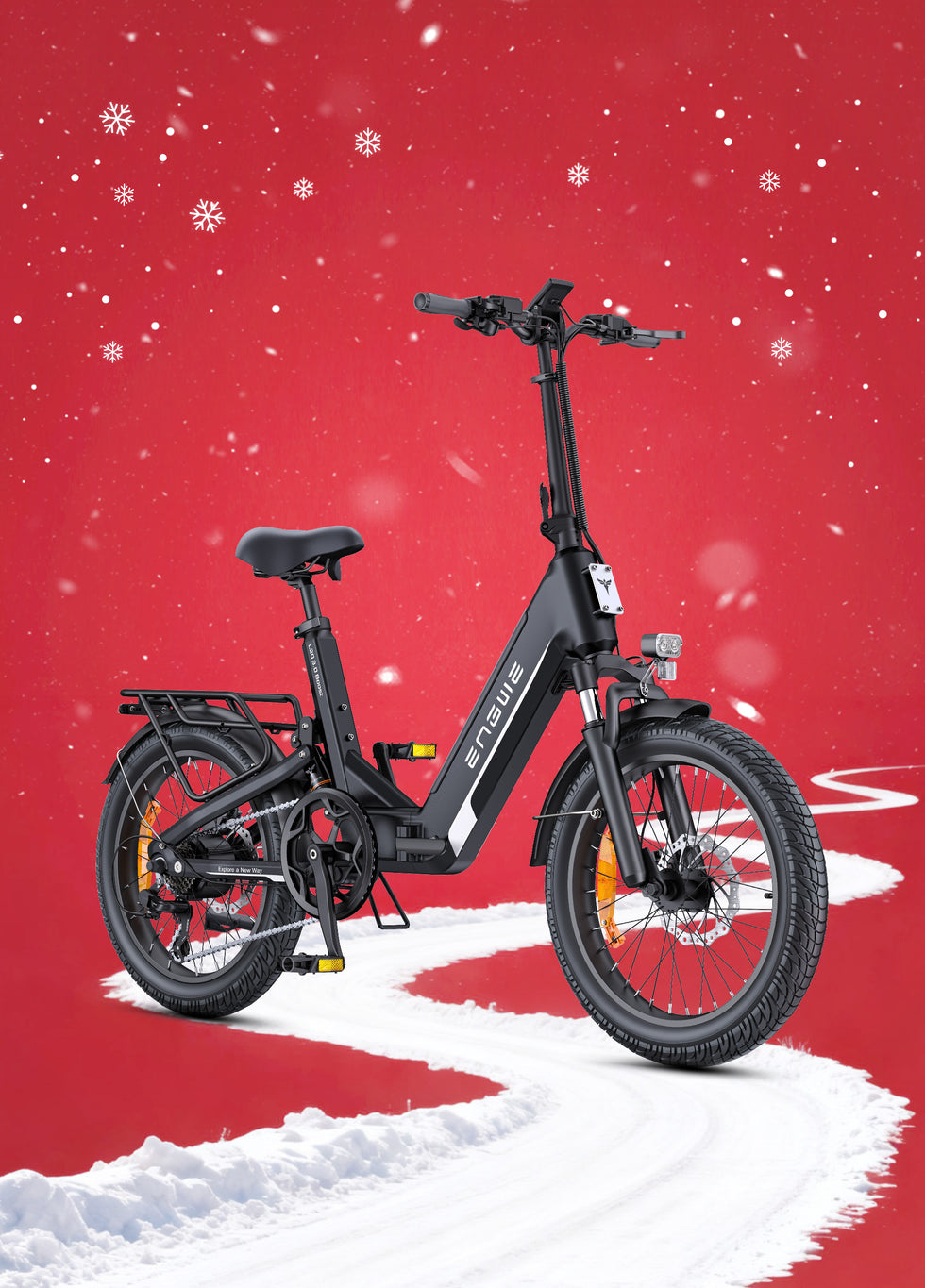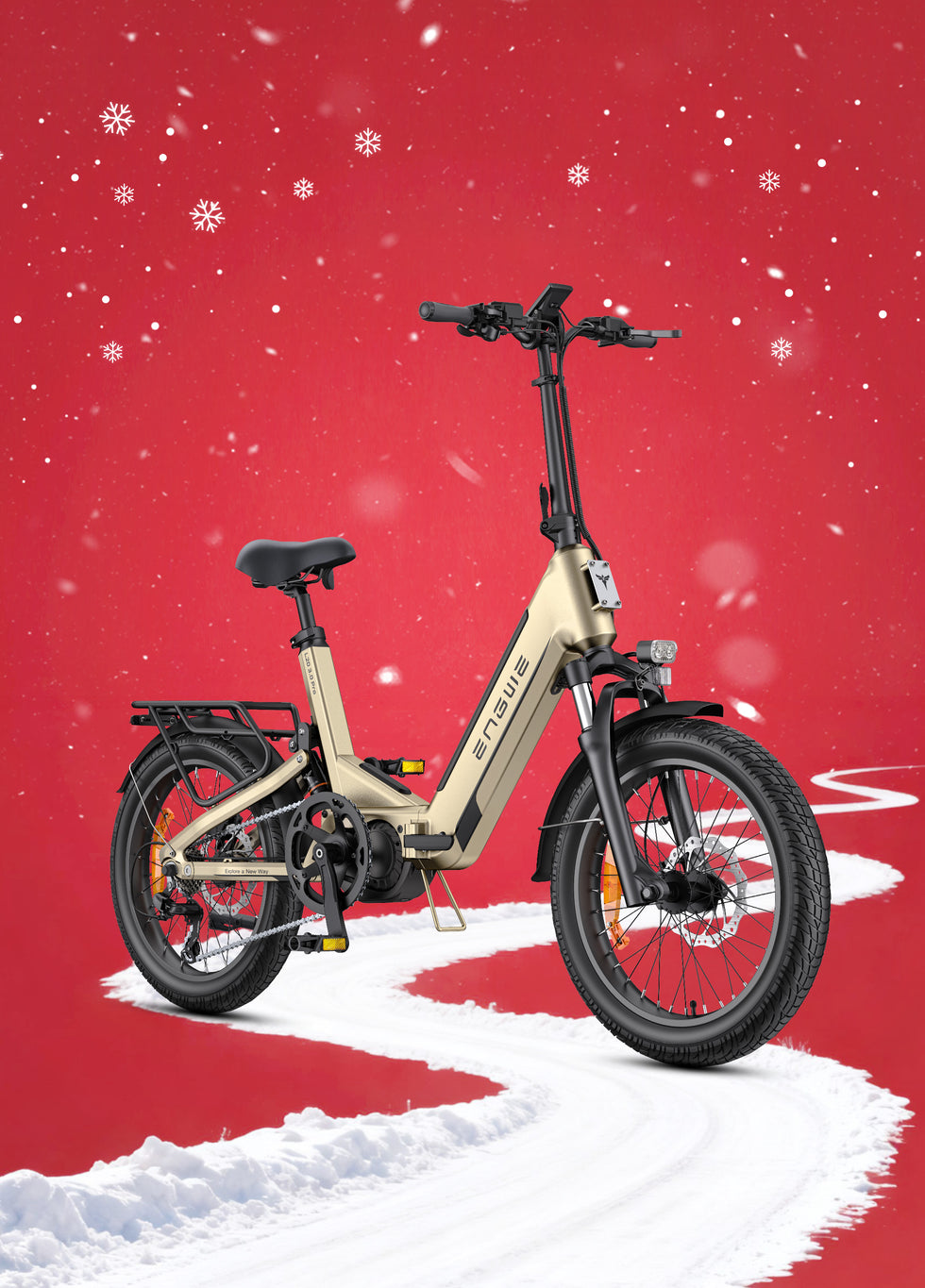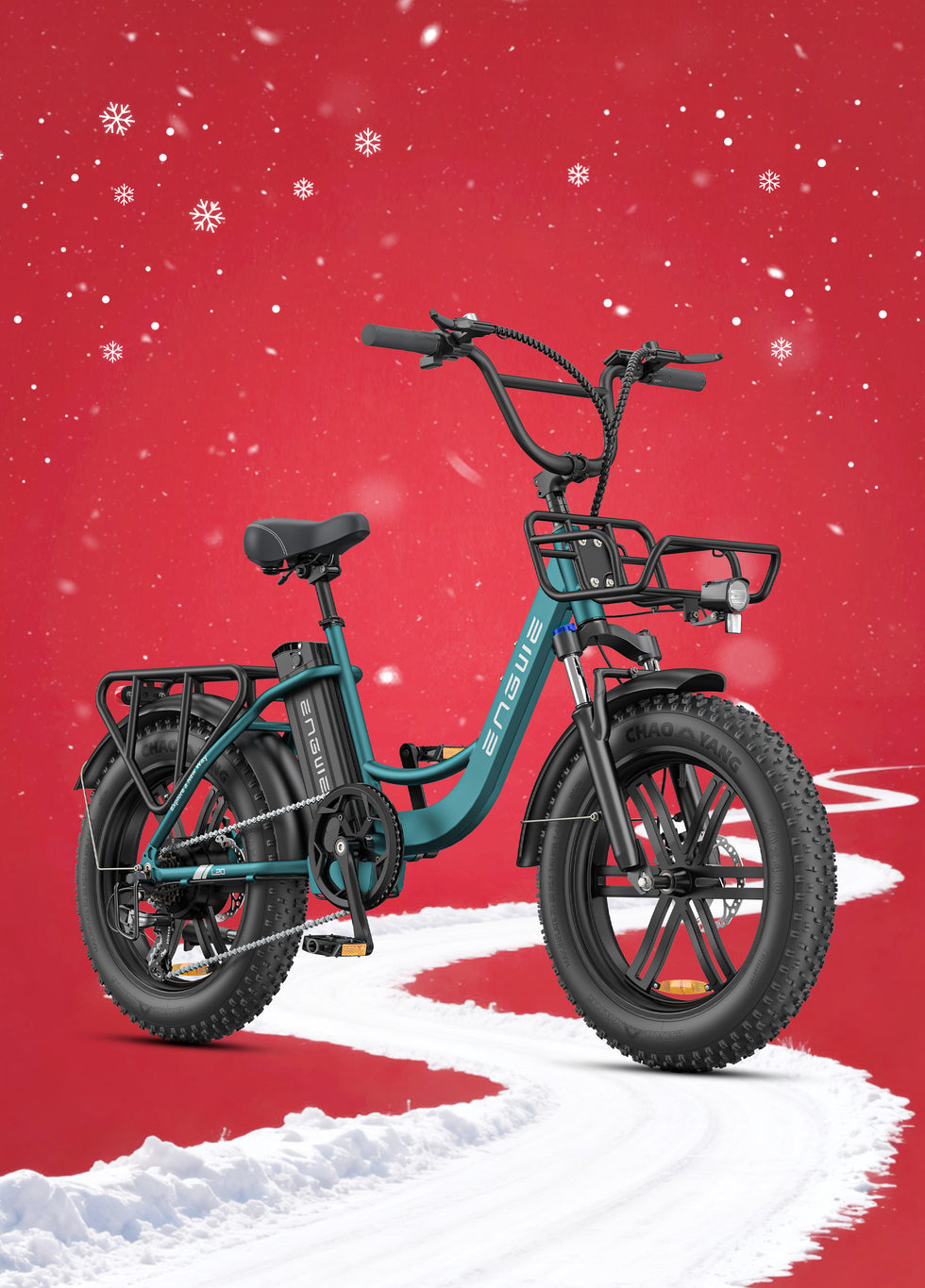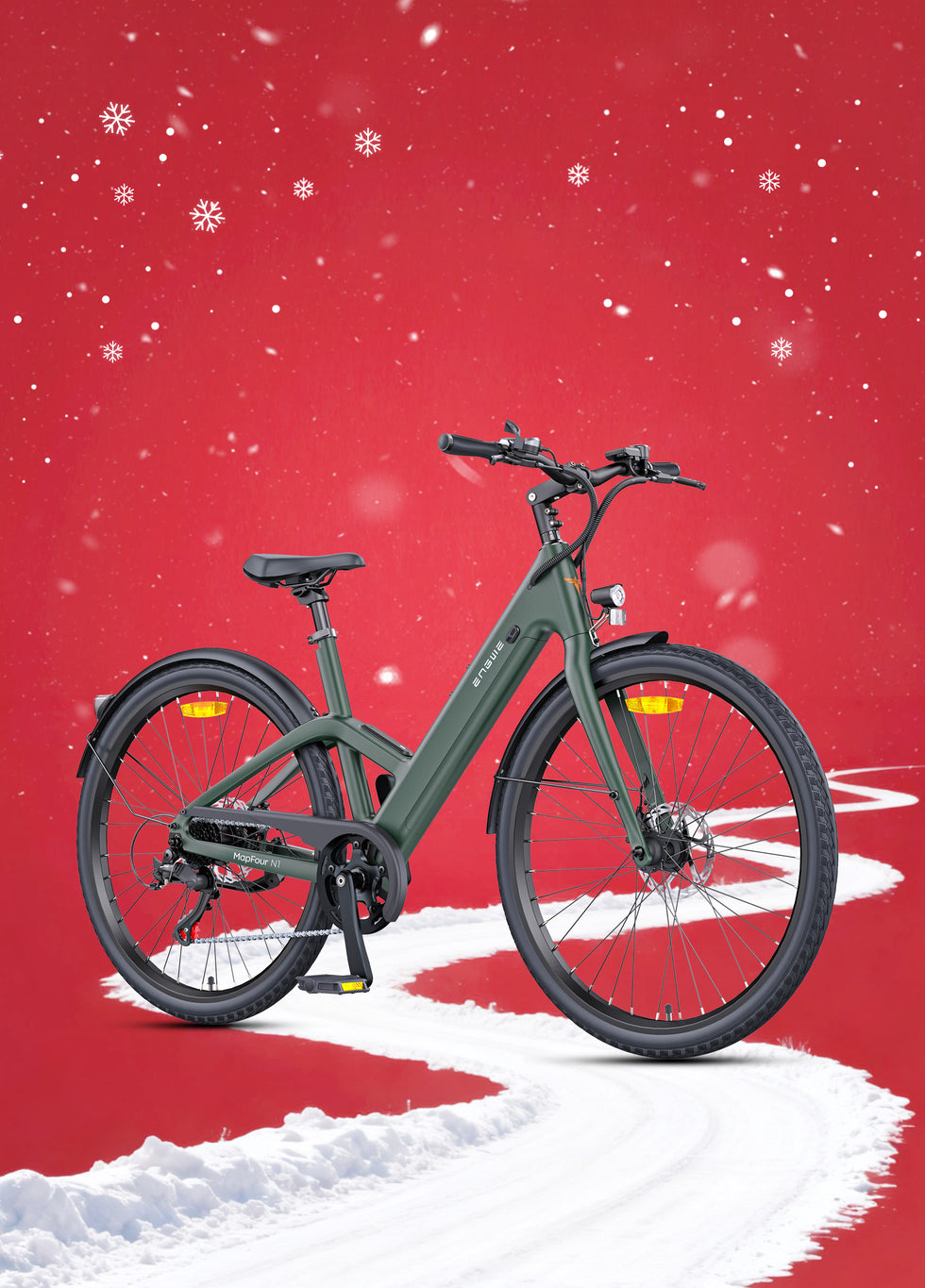

Curious how much an electric bike weighs? It’s an important question, because weight affects everything from how portable and maneuverable the e-bike is to how far its battery can take you. The average e-bike usually weighs somewhere between 45-70 pounds (20 to 32 kg), but this is not set in stone; we are just getting started. The reality is way more complicated. In this guide, we will break down the five main factors that contribute to an e-bike’s weight so you can understand what to expect and how to make a smart decision.
Factor 1: The Power Core - Battery and Motor
The first and the biggest factor determining the weight of an electric bike is its power core: the battery and motor. These are the components that differentiate an e-bike from a regular bike and are responsible for much of its gross weight. Knowing the role they each play can help you figure out the overall weight. For example, a heavier high-capacity battery is still weightier, but it offers the additional range many users request. On the other hand, a beefier motor can chew up hilly terrain like it’s nothing at all but adds weight. You need to weigh your desire for power and range against the convenience of something a little lighter.
Breakdown of the Battery Weight:
- Capacity is King: The capacity of the battery, measured in Watt-Hours (Wh), must be in line with its weight. A typical small 300-400 Wh battery might weigh in the vicinity of 5-7 lbs (2.3-3.2 kg), while a longer distance range 600-800Wh battery sits easily in the neighborhood or upwards of 8-12 lbs (3.6-5.4 kg).
- Removability tip: A must-look-for is a removable battery. This enables you to take off the heaviest single piece beforehand (before getting the bike on a rack or up stairs) so that a 60 lb whopper of a bike feels like 50 lbs.
Motor Weight Concerns:
- Type of Motor and Power: Hub motors add weight in the center of the wheel while mid-drive motors are positioned on both sides of the crankset. A typical 250W hub motor might be anywhere from 6 to 9 lbs (2.7 to 4 kg), and a high torque 750W model can weigh more than 12 lbs (5.4 kg).
- Quality Over Weight: Consider torque (in Nm) not just watts. A decent motor, offering efficient assistance without being the heaviest, will save you weight and energy.
Factor 2: The Foundation - Frame Material and Type
The second factor is the basic frame of the e-bike, which depends on two factors: the material and, of course, the type or category of this e-bike. The frame is the elemental component of a bicycle, and its weight influences its base weight directly (before any electronic system has been added). The designed usage of the e-bike has a significant impact on the frame (construction, geometry, and stiffness), resulting in various weights when comparing different categories. A bike that's meant for riding on nice city streets won't need nearly as heavy-duty a frame as one that's designed to take the pounding of mountain trails. As such, you want to match the bike type to your predominant riding environment.
Frame Material Affect:
- Steel: The heaviest material, favored for its durability and smooth riding experience. It’s most common on budget or cargo models where low weight takes a back seat to strength and durability.
- Aluminum Alloy: The most popular material used for e-bike frames. And what a relatively great combination of strength, stiffness, and (comparable) lightness that is. No wonder most manufacturers flock to it.
- Carbon Fiber: The lightest and most durable material with the highest cost. Most commonly seen on high-performance road & mountain E-bikes, where weight saving is key. Unless you’re a performance-driven cyclist, stick with aluminum and save some cash.
E-Bike Category Weight Classifications:
- Foldable & Commuter E-Bikes: Typically 40-65 lbs (18-29 kg), designed for portable and urban use.
- Hybrid E-Bikes: The “everyman” e-bike, with a weight range of 45-70 lbs (20-32 kg), which should be suitable for comfortable and multi-purpose riding.
- Electric Mountain Bikes (E-MTBs): Heavy resources with a durable frame and suspension, generally weighing 50-75 lbs (23-34 kg).
- Fat Tire & Cargo E-Bikes: The big guns, which can range anywhere between 70-90+ lbs (32-41 kg) to accommodate heavy cargo and off-road stability.

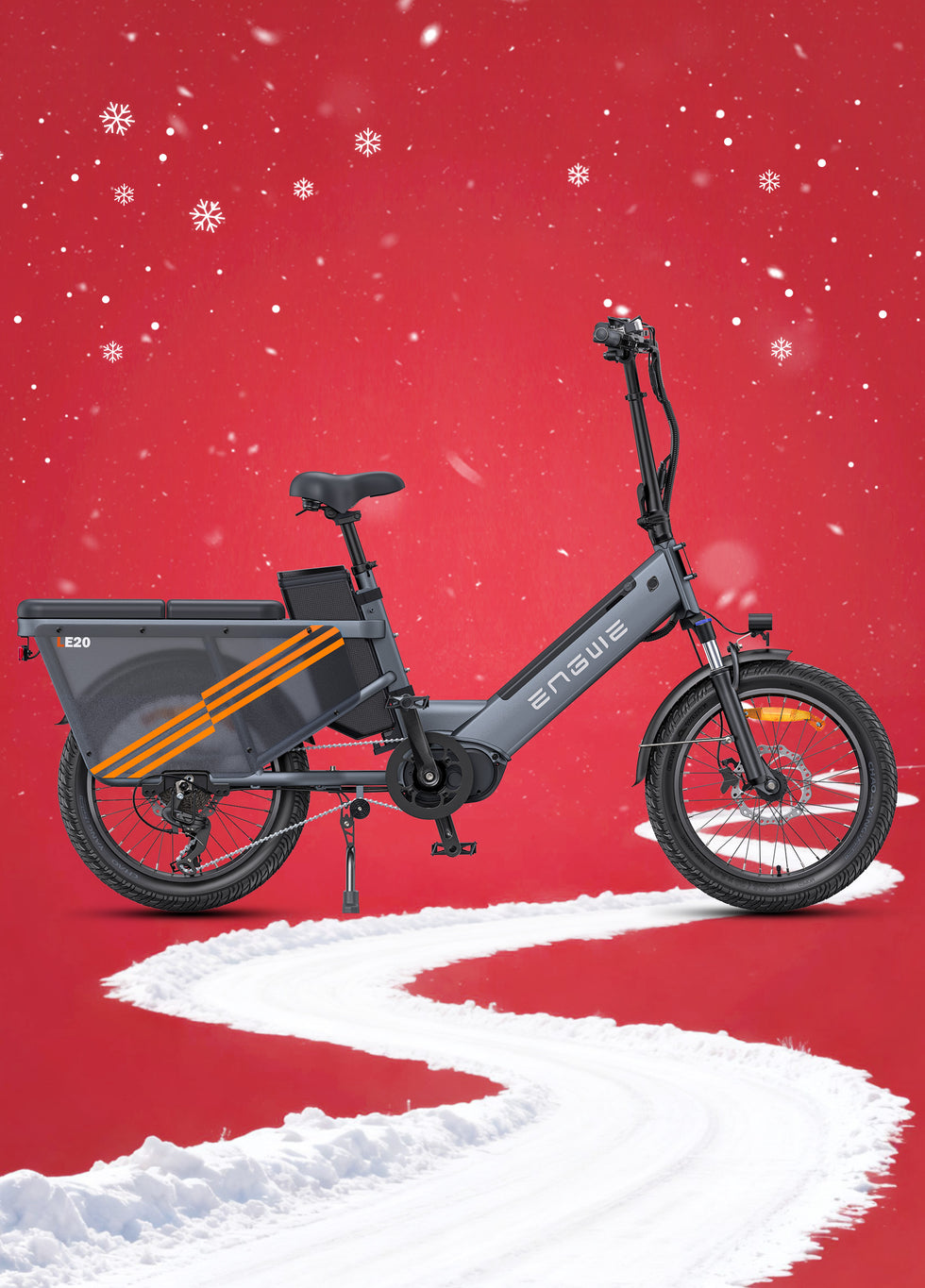
A Spotlight on Balanced Design: The ENGWE L20 3.0 Boost
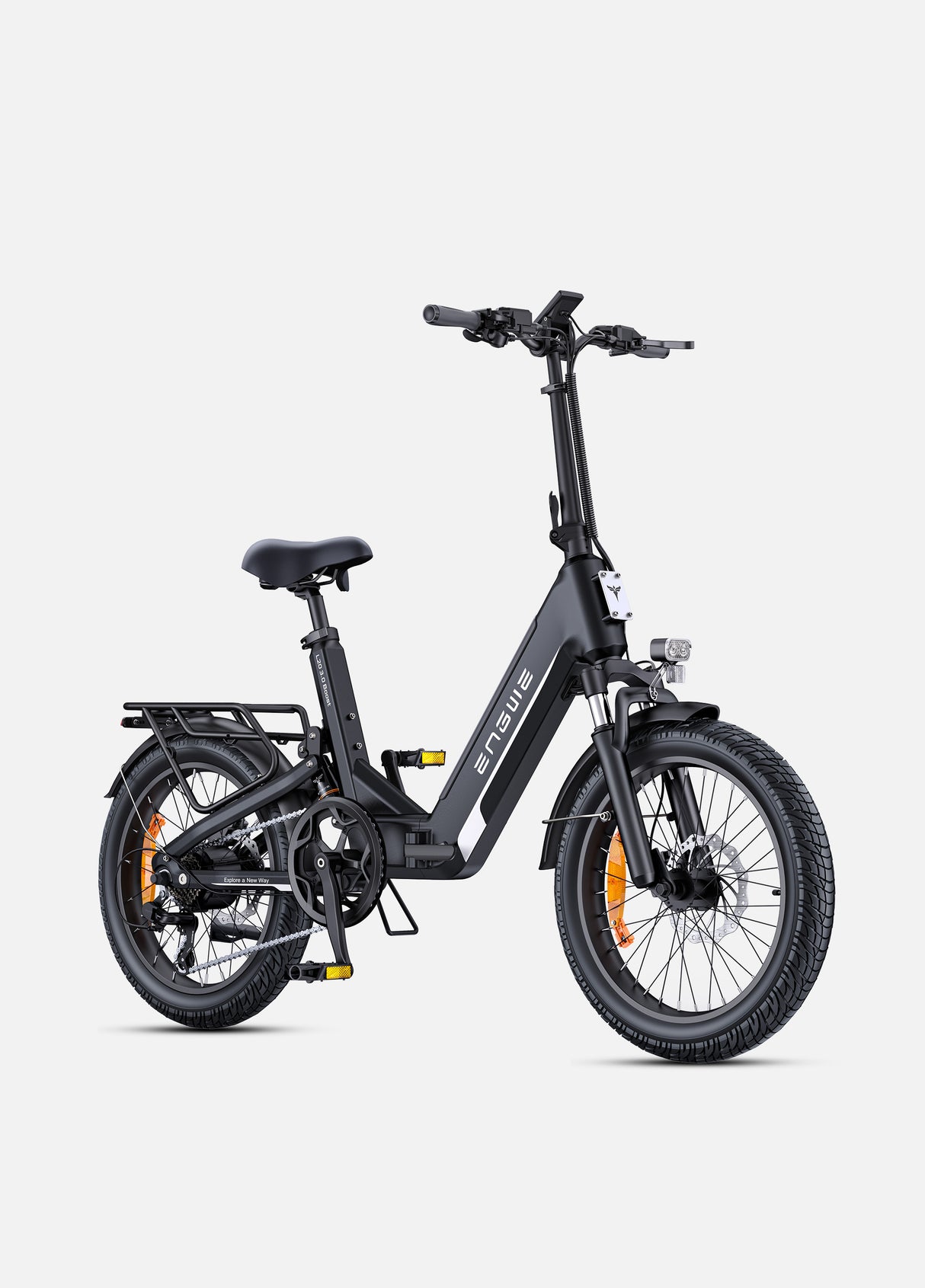
There are great designs—smart engineering that’s not too powerful to handle or masterfully unnerving, and those can be in commuter bikes. For cyclists with a preference for the perfect mix of urban convenience and rugged performance, it's hard to look past the ENGWE L20 3.0 Boost. It seems that the urgent needs of many riders are the considerations of comfort, power, efficiency, and portability. And it’s a great example of how more can be added to a machine without making it cumbersome. It’s also a reminder that convenience doesn’t have to come at the expense of capability. It is well suited for urban, commuting, and trekking use for customers who want a ready-to-go ebike that can quickly carry lightweight cargo.

The Most Important Features of the ENGWE L20 3.0 Boost:
- Unparalleled Comfort: The first-ever compact e-bike with a full suspension system takes the sting out of bumpy streets by absorbing up to 90 percent of vibrations from the road, giving you heads-up, all-day city comfort.
- On-Demand Power: Powerful 75Nm Boost mode is there when you need it with the flick of a switch for fast hill and traffic light getaways.
- Unbeatable Range & Charging: High capacity battery for 135 km range, and our industry-leading 8A Fast charger takes it to full in about 2 hours. This fast-charging feature is a generous time-saver for average users.
- Simple & Lightweight: The torque sensor is here to provide that real and intuitive pedaling experience. Easy to store and transport.
| Specification | ENGWE L20 3.0 Boost |
|---|---|
| Motor | 250W EU Standard DC Brushless Motor |
| Max Torque | 75Nm including Boost Mode |
| Battery | 48V 13.5Ah (648Wh) Lithium-Ion |
| Max Range | 135 km (in PAS 1) |
| Charging Time | Approximately 2 hours (8A Fast Charger) |
| Suspension | Dual Front And Rear Full Suspension System |
| Brakes | 180mm Hydraulic Disc Brakes |
| Tires | 20" x 3.0" Puncture-Resistant City, Street or Urban |
Factor 3: Components and Accessories
Other than the engine, transmission, and frame, the fourth dimension of total weight will be added with every part you slap on it, from standard brakes and suspension or all those optional add-ons. Each individual ingredient contributes to the final tally on the scale. There are many high-performance attributes that would be great to add, but with them often comes more weight. For instance, a suspension fork works well at smoothing out bumps for comfort but typically weighs several pounds more than a rigid fork. Similarly, accessories that serve a purpose – such as racks and fenders – add weight to the mix, so taking note of these when you examine an e-bike is crucial; combined they can transform what may be a relatively lightweight frame into a rather heavy bike.
Performance Components and Their Weights:
- Suspension: A front suspension fork can be an additional 3-5 lbs (1.4-2.3 kg) over one without it. In the case of a full-suspension setup, it will be even more. Think about whether you need suspension on the terrain that you normally ride, as a rigid fork will be much lighter.
- Tires: The fatter the tire (typically 4.0" or wider), the more stable and grippy a bike will be, but generally much heavier than standard one-point-five inch to two-point-five inch commuter or road tires.
- Brakes: Hydraulic disc brakes, although heavier than mechanical disc brakes or rim brakes, are incomparably more powerful and reliable—critical for maintaining a safety-first approach.
Utility Accessories:
- Racks and Fenders: A bombproof (or nigh unto it) rear rack can add 2-4 lbs; a full set of fenders another 1-2+ lbs.
- Integrated Lights: Pre-installed lights are handy, but they also add weight compared to removable (and often lighter) battery-powered lights.
- Kickstands and Locks: A heavy-duty kickstand and frame-mounted lock are nice to have but add to the final weight.
Factor 4: Understanding E-Bike Weight Classes
And if you really want to get a sense of “how heavy is the average e-bike,” it’s useful to consider things in terms of different weight classes. Categorizing e-bikes by weight offers an easy way of breaking it down, establishing a useful frame through which to think about what any bike will be like to live with and matching a bike's behavior with how much you weigh and what your life looks like. Someone living on the third floor of a building without an elevator will have very different needs than someone whose bike is kept in a ground-floor garage. Getting to know these real-world examples will help you translate those abstract numbers into practical weight considerations, and get on an electric bike that either amplifies your lifestyle or decides not to weigh you down.
Lightweight (below 45 lbs / 20 kg):
- Who it’s for: Apartment dwellers, multi-modal commuters (bike and train), and those who need to carry their bike.
- Typical Varieties: Entry-level single-speed e-bikes, carbon fiber road e-bikes, and a few select folding models.
- Trade-offs: Smaller batteries, less powerful motors, and fewer of the bells and whistles like suspension or racks.
Medium weight Class (45-65 lbs / 20-29 kg):
- Who it’s for: This is the sweet spot for most riders, including what we consider to be the “average” e-bike. Great for general around-town riding, recreation, and touring.
- Common Styles: Most aluminum-frame hybrid and commuter e-bikes, and many hardtail electric mountain bikes.
- Balanced: Provides an excellent range of power and features without being too heavy for most adults.
Heavy-Duty (Above 65 lbs / 29 kg):
- Who’s It For: Riders who value stability, carrying capacity, or off-road domination more than portability.
- Common Subtypes: Fat tire e-bikes, cargo e-bikes, and high-performance full-suspension E-MTBs.
- Considerations: For an older person, it’s hard to hoist onto car racks or carry up stairs. Requires ample storage space.

Frequently Asked Questions
Is an e-bike better quality if it’s heavier?
Not necessarily. Heavier sometimes implies a bigger battery for greater range or a sturdier frame for hauling loads, but all expensive premium models are crafted from advanced materials. Quality is in the ingredients — it’s not just about the weight.
Can I easily strip weight out of my e-bike?
Only marginally. You can exchange smaller components (seats, pedals) but the frame, motor, and battery combine to determine most of its weight — and you can’t easily trade those.
Is a 60 lb e-bike too heavy to carry?
For many people, yes. If you get the chance to test a bike’s weight in-store, definitely take it! For easier lifting and handling, look for models with removable batteries or that can be compactly folded.
At the end of the day, the best e-bike weight is that which closely aligns with your lifestyle, storage, and riding needs.