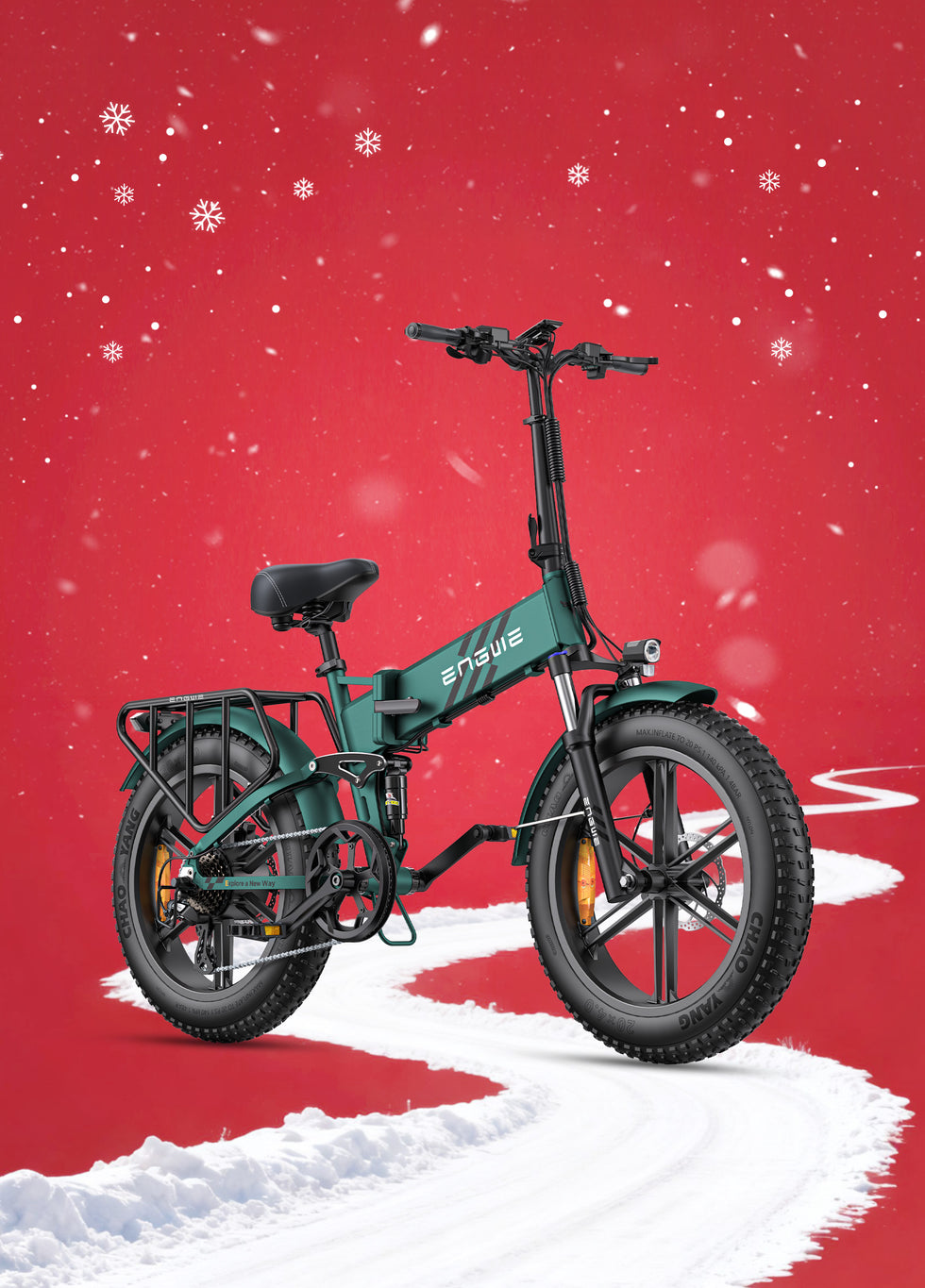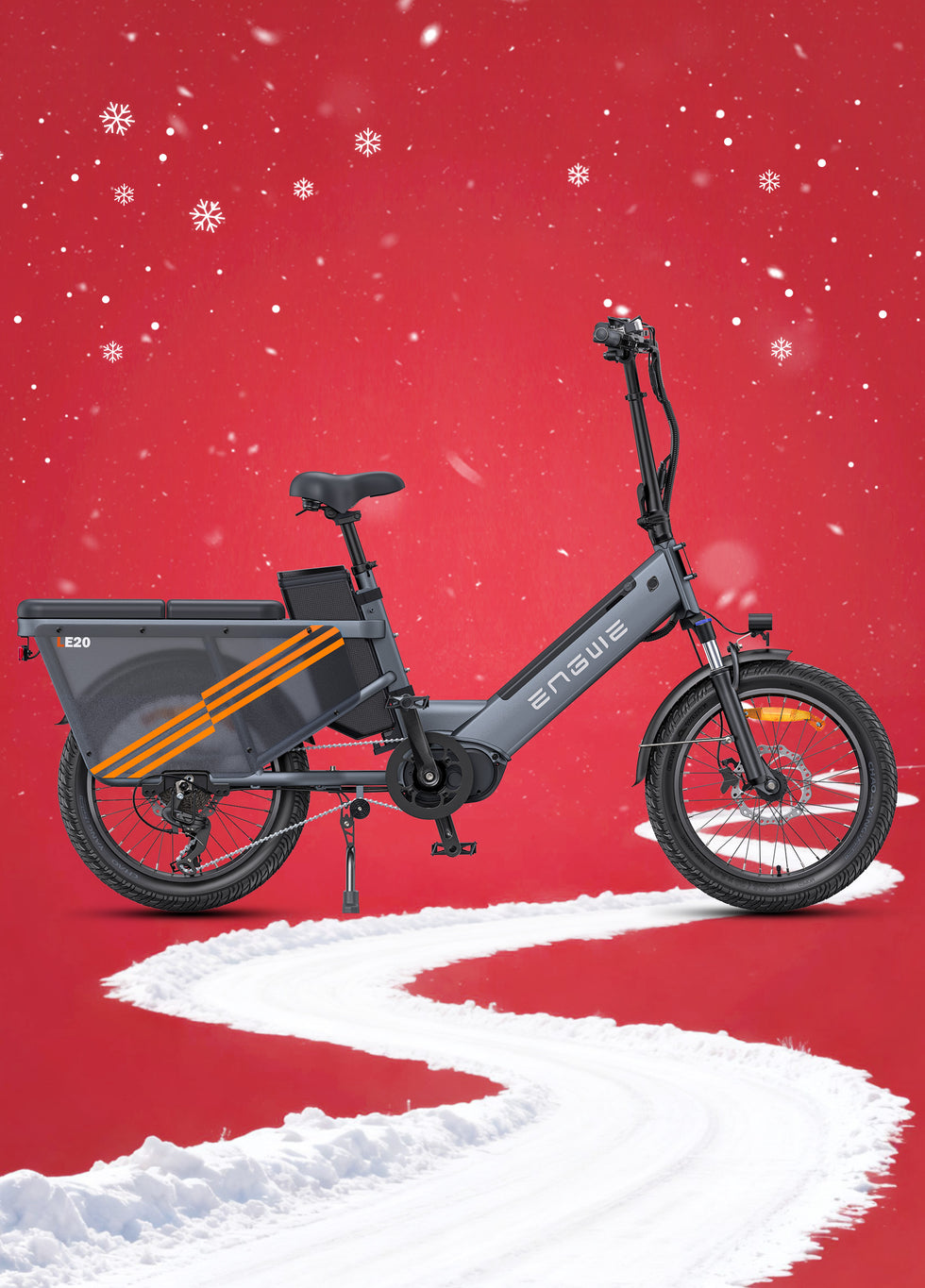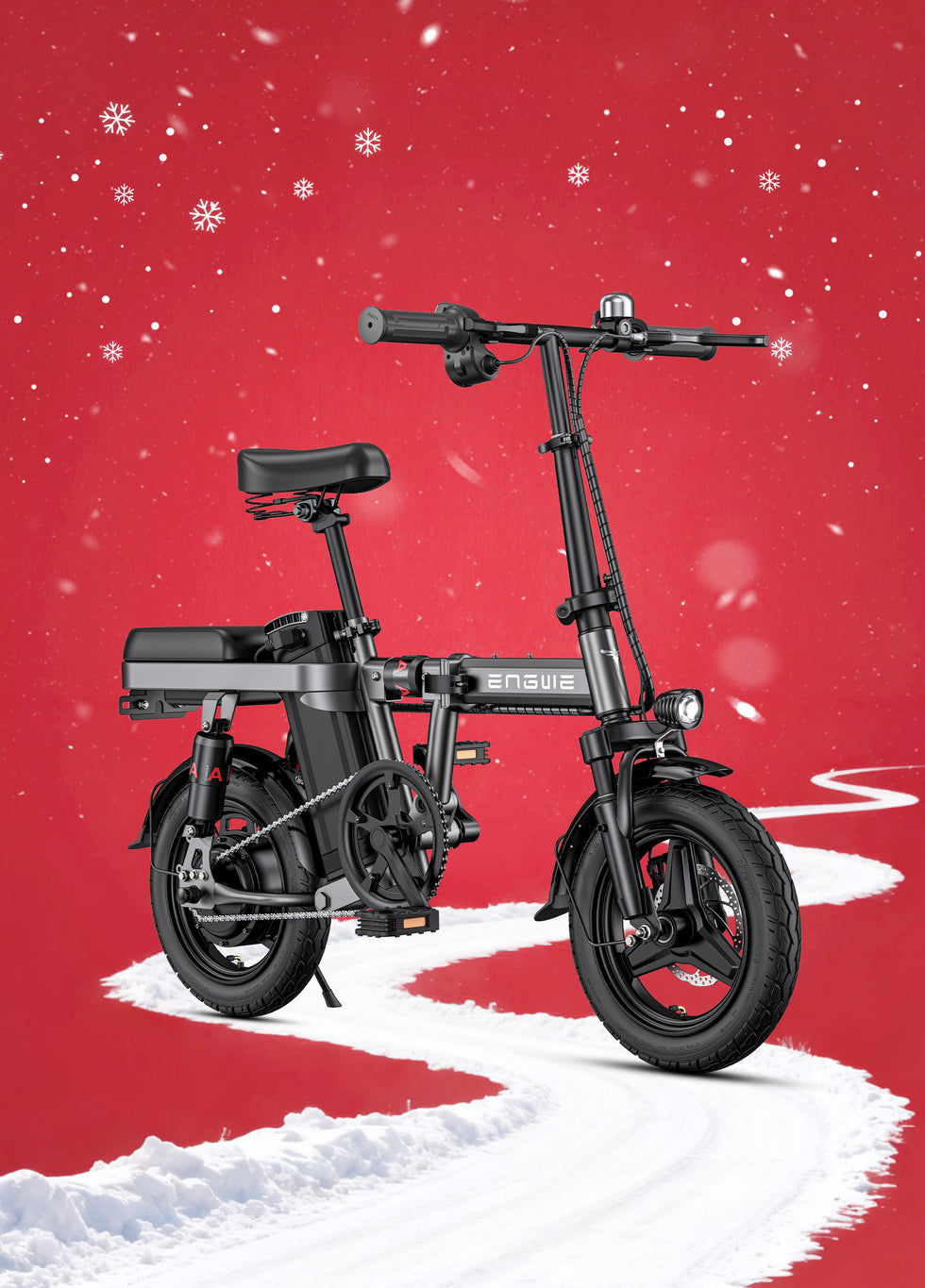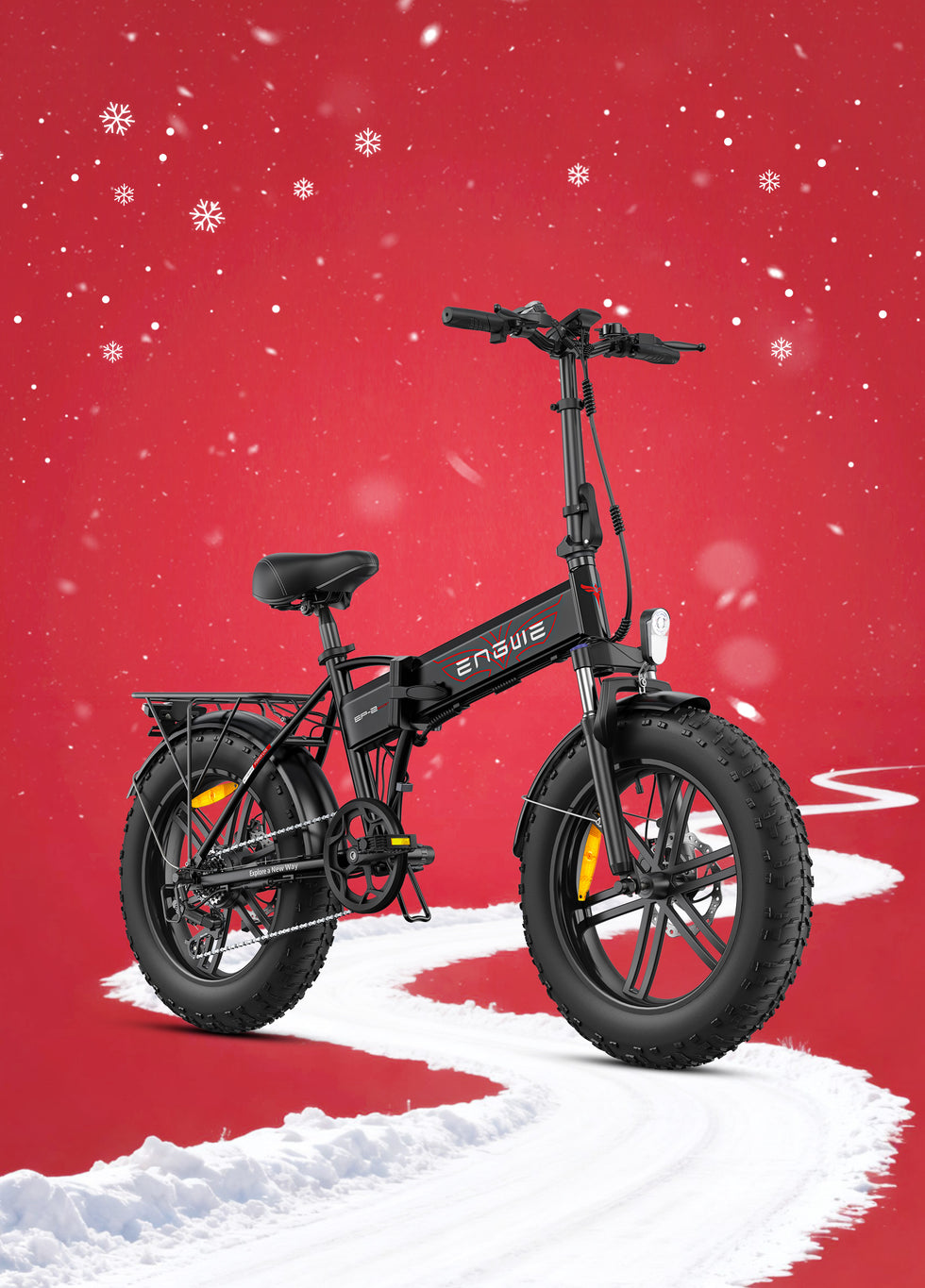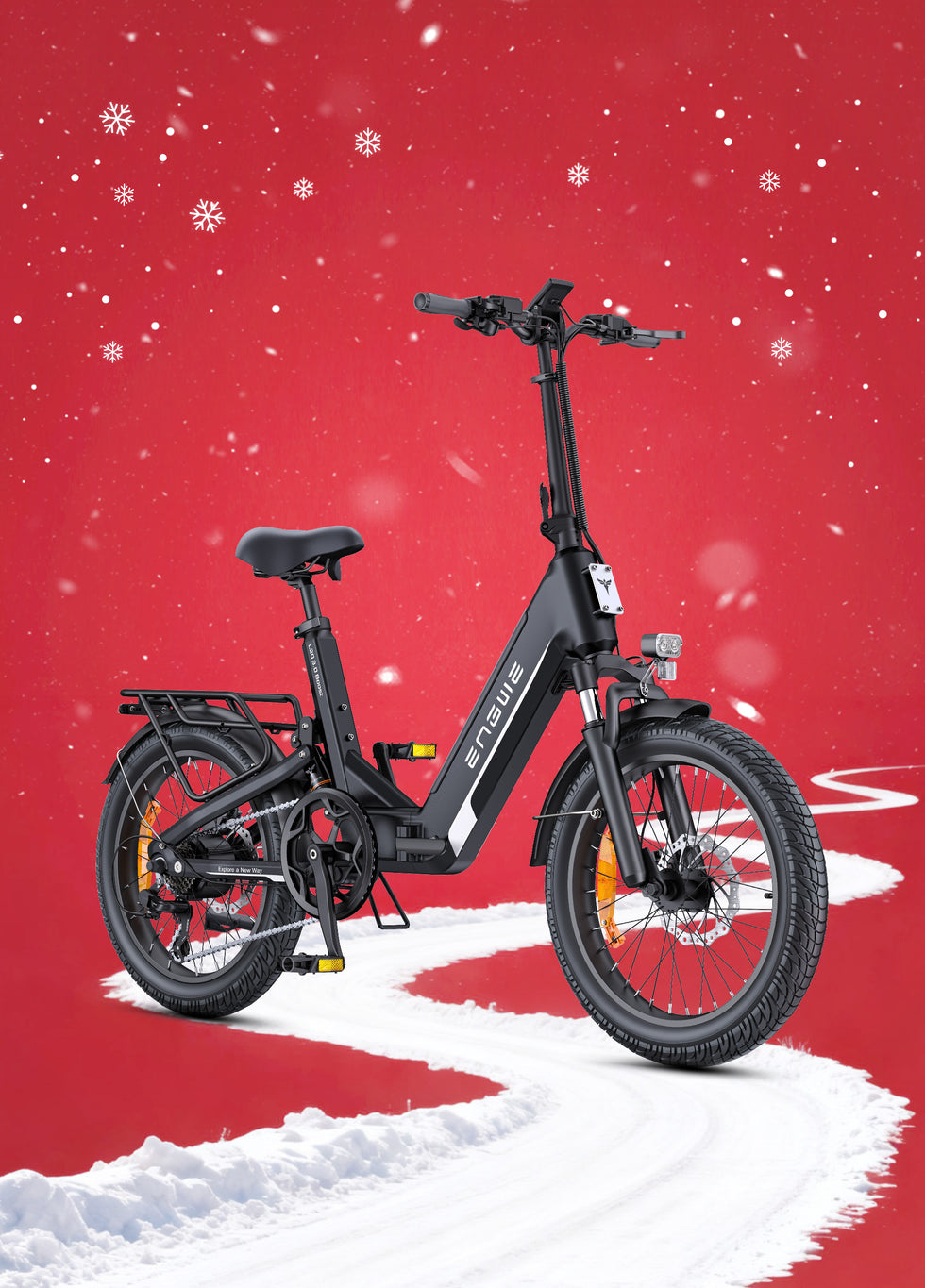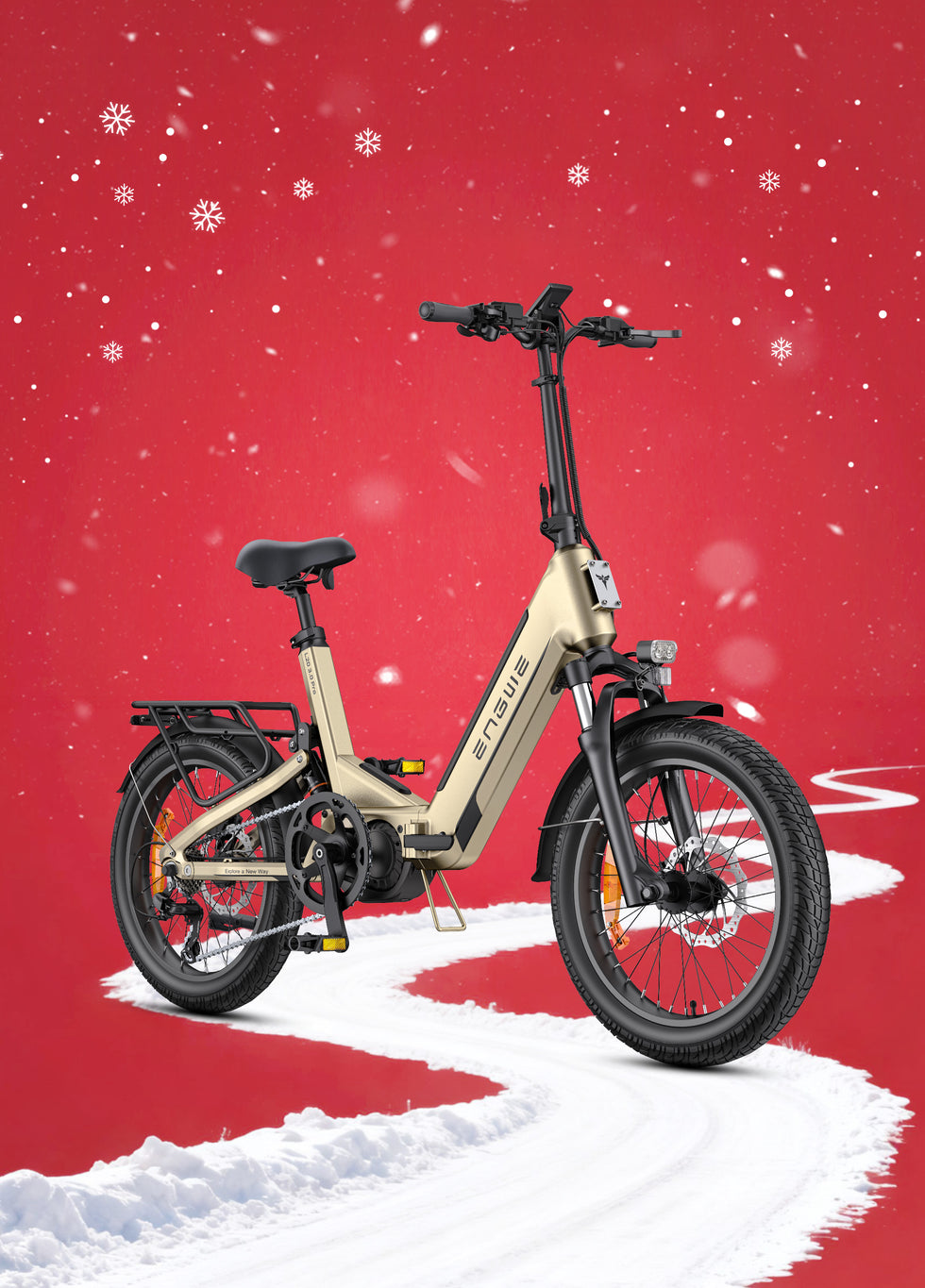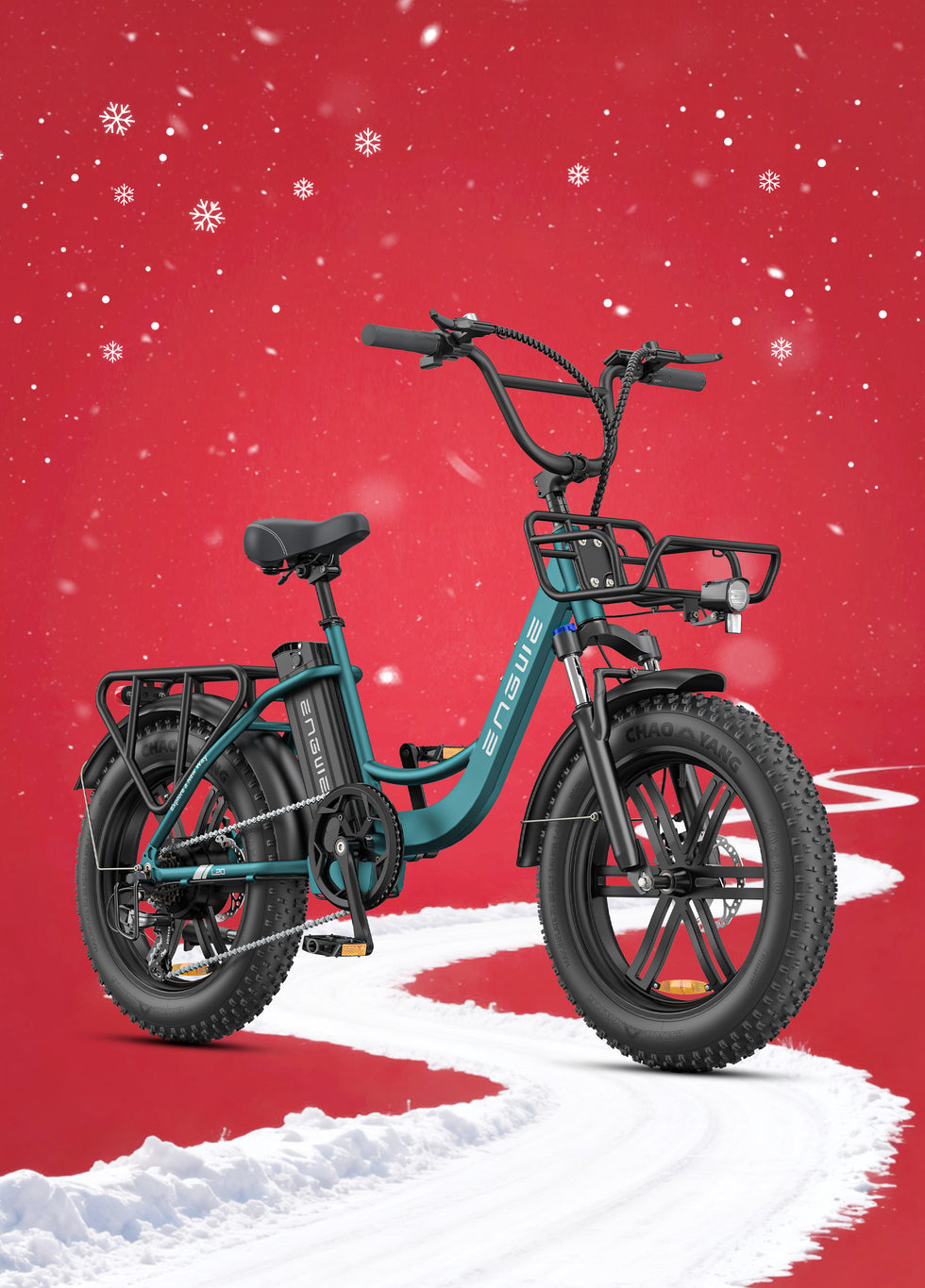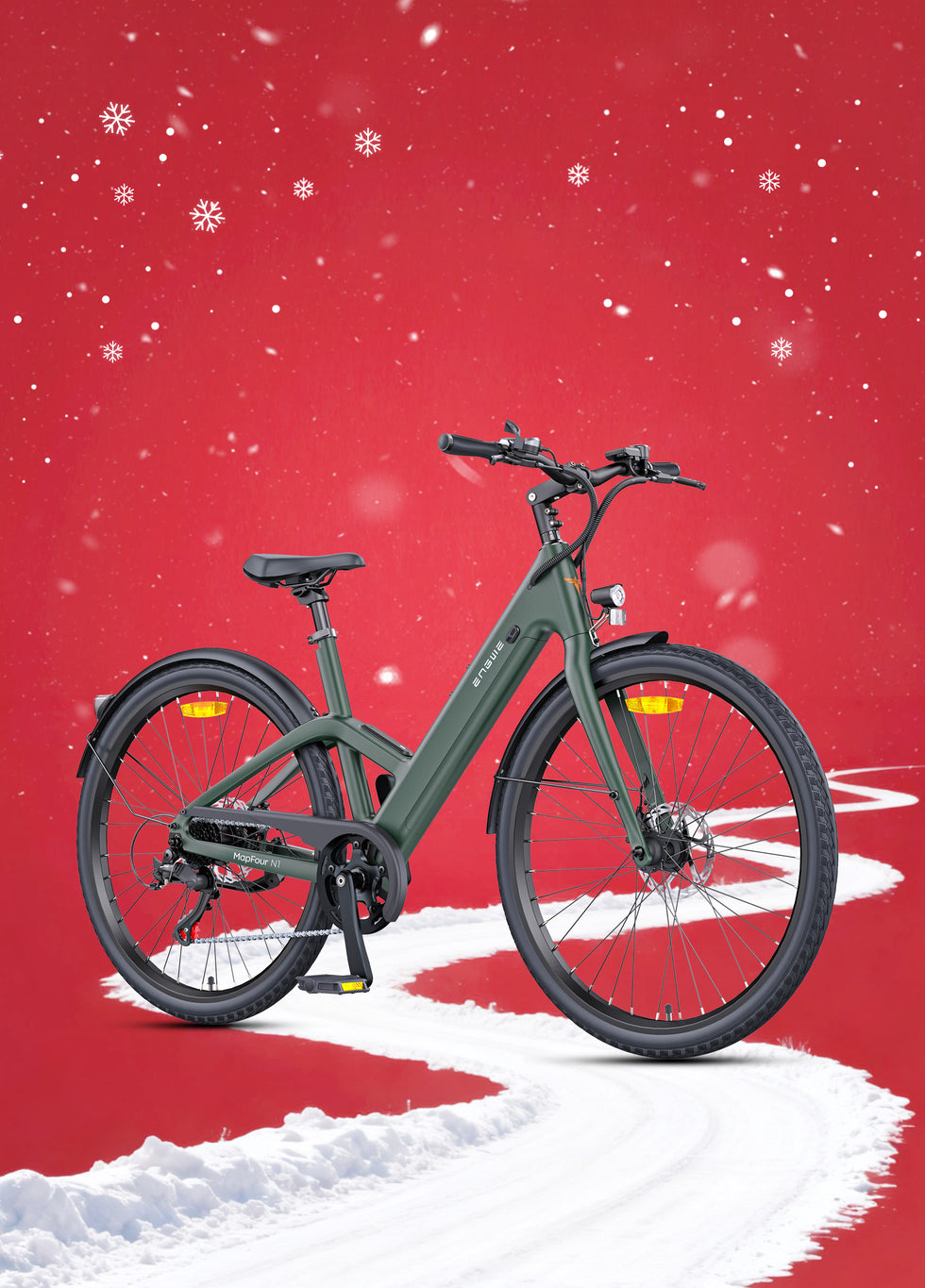

Finding the right fat tire electric bike when you're a heavier rider is more than just a question of preference; it's about finding a machine that's designed for strength, power, and safety. And we’ll walk you through 15 key factors that make a difference to ensure that your experience on the bike won't just be fun but also reliable. An expert guide helps you discover the key areas in which electric bikes make a difference, from frame strength and motor performance to braking systems and comfort, so you can make an informed decision on a bike that is genuinely engineered to support you in any scenario.
The ENGWE M20 Example
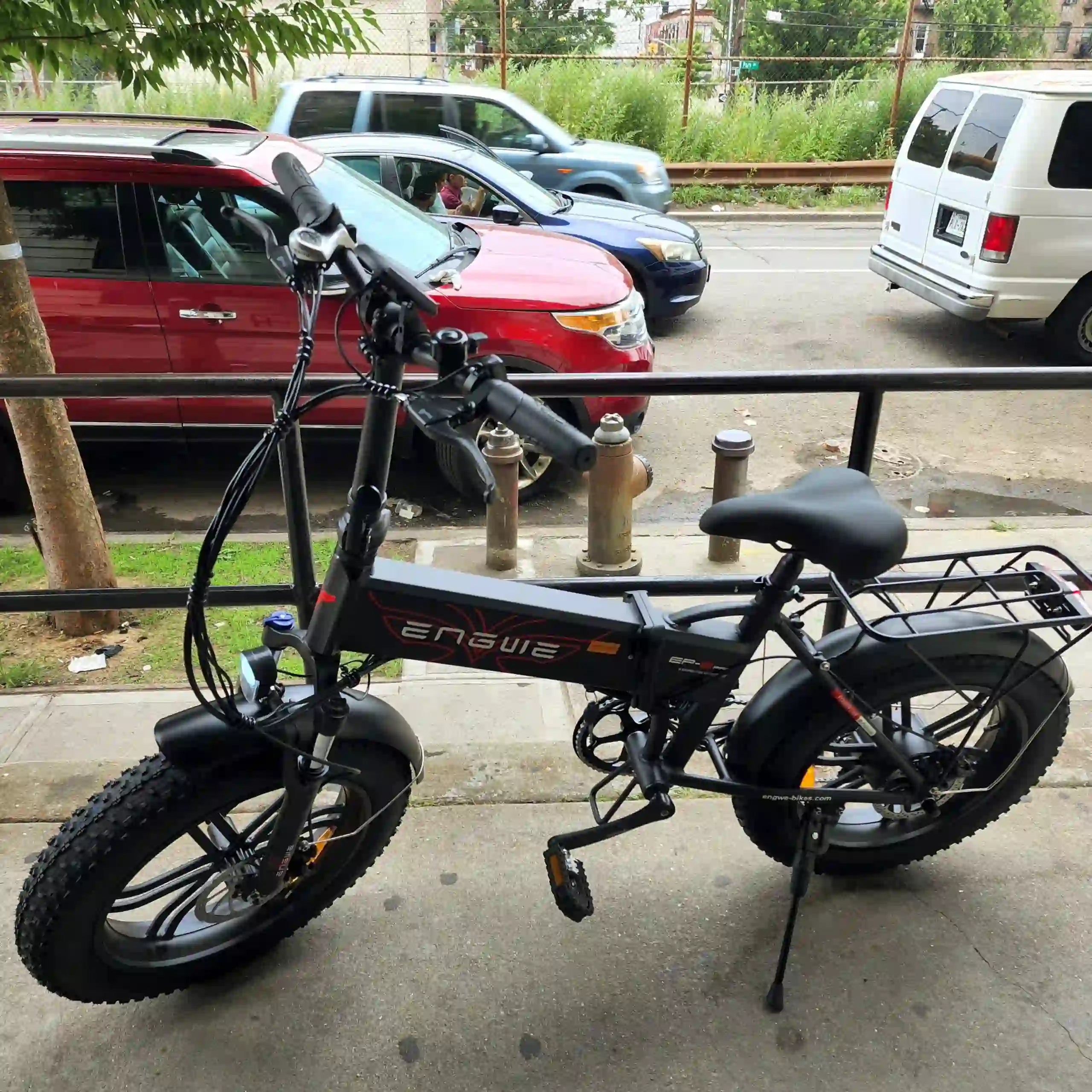
""Start by considering some of the brands that have made a name for themselves with durable design and attention to the needs of the rider. A perfect example is ENGWE, which values their need to comply with a high weight ceiling with efficient production. The ENGWE M20 moped-style frame is one such example, well-designed for durability and to protect the rider in a laid-back riding posture. The ENGWE M20 is a safe bike to add to your roster.

Powerful Motor
Thanks to its strong 750W brushless motor, the M20 ensures enough torque to carry extra weight, accelerate confidently, and easily climb steep hills without straining the system.
Impressive Battery System
The M20 can be used for a double battery setup. As a result, you travel much farther regularly and can always be confident that you will have enough energy to complete long trips. This is a crucial feature for any rider, as running out of battery life while still far from home is a common problem.
Full Suspension System
The M20 was frequently sold with a full suspension system that includes both front and rear suspension. The dual-suspension system safeguards rough and cranky rides on uneven terrain, drastically increasing comfort.
Strong Build
The eye-catching frame that distinguishes it from the competition is more than a matter of style. The frame is robust and stable, offering a solid platform from which to launch. Relying on a bicycle frame that can hang is terrifying; the M20 allows riders to ride with confidence. The ENGWE M20 offers nearly everything riders may want in terms of strength, distance, and convenience.
Key Structural Factors
You should start by reviewing the e-bike’s structural integrity and the official allowed loading capacity rather than a simple brand name to ensure you ride the proper electric bike. The manufacturer’s approved capacity is a factor that cannot be avoided. Exceeding this limit degrades the frame, and the warranty does not apply if this occurs. You must demand the underlying structure and materials on which you depend: is it long-lasting, and can it withstand the load? Look for clear manufacturer specifications and third-party user accounts confirming them.
Check Maximum Payload Capacity
That is the very first thing to check. An e-bike for heavier riders should be able to carry more than 300 lbs, and high-quality models go beyond 350 lbs and even exceed 400 lbs. This number should include both the rider and additional cargo weight.
Frame Material and Design
High-quality frames are usually made of 6061 or 7005 aluminum alloy, which is very strong and light. They must also have gussets reinforced at the vital stress nodes, such as the head tube and seat tube.
Weld Quality
Check the welds where the frame tubes meet. A clean, uniform, and smooth weld is a sign of high-quality manufacturing and strength.
Wheel Construction
Wheels support the rider directly. It is recommended to pick e-bikes with double-walled rims because they are much stronger and more resistant to bending. In addition, thicker gauge spokes will ensure better strength and durability.
| Feature | Minimum Recommendation | Ideal Specification |
|---|---|---|
| Payload Capacity | 300 lbs+ | 350 - 400 lbs+ |
| Motor Wattage (Nominal) | 500W | 750W or higher |
| Motor Torque | 60 Nm | 80 Nm+ |
| Brakes | Mechanical Disc Brakes | Hydraulic Disc Brakes |
| Brake Rotors | 160mm | 180mm+ |
| Tire Width | 3 inches | 4 inches+ |
Powertrain Essentials
A heavier rider puts more strain on the e-bike’s powertrain. If the motor is underpowered, it will not be able to climb, as well as if the battery is weak, it will serve you insufficiently. Thus, it is essential to choose an e-bike with the right motor-battery configuration that demonstrates high performance under load. When you need it, the vehicle should provide you with power to climb an incline, accelerate from zero, or combat a rather strong headwind.
Motor Wattage
For a heavier rider, a 750W nominal motor is the gold standard. A 500W motor is sufficient for primarily flat terrain, but 750W is required to power the e-bike in every situation to a level where you will enjoy using it more.
Motor Torque
Torque, more than watts in most situations, is measured in Newton-meters, and in general, it represents the motor’s rotational force. Get a motor with at least 80 Nm of torque. This will have a big impact on your acceleration and hill-climbing ability.
Battery Capacity
Don't just look at the Amp-hours. The total capacity in Watt-hours is Volts multiplied by Amp-hours. A larger battery, up to 48V 15Ah, thus 720Wh, will give you a more extended range, which is critical because more power will be needed to move most weight for longer.
Throttle vs. Pedal Assist
Make sure you have both. The throttle is priceless for starting from a stop, particularly on a hill, and the best pedal-assist capability with several levels to allow for efficient cruising.
Braking and Comfort
Superior stopping power is not an optional luxury but an absolute necessity for a heavier rider; the increased mass and momentum necessitate a braking system that can bring the e-bike to a stop safely and consistently in all conditions. This is an area in which you should never accept less. Additionally, components that improve your ride’s comfort will make you enjoy riding more frequently and inspire you to get out more often. A confident and happy rider is a safe rider.
Hydraulic disc brakes
This is the most impactful. Hydraulic brakes provide substantially more stopping power, better modulation, and better reliability with less maintenance than mechanical brakes. They are necessary for heavier riders.
Large brake rotors
Larger than 180mm. Larger rotors provide more leverage and dissipate heat better, preventing brake fade on long descents.
Suspension fork
High-quality front suspension is essential to cover the bumps and vibrations of the road. This helps protect the hands, wrists, and shoulders from premature fatigue.
Wide, cushioned saddle
The default saddle is another point of compromise. A wider, more cushioned saddle can transform your cycling experience. It may also be beneficial to add a suspension seat post for twice the shock absorption.

Understanding Fat Tires
Some of the most popular models with robust features for heavier riders are highlighted below. It is also vital to know that the fat tires are central to the e-bikes’ performance, safety, and comfort. The tires’ large volume and wide contact make the bikes so stable and versatile. However, not all fat tires are made the same. Understanding the different fat tire distinctions may help you tailor your ride to particular surfaces and conditions. Proper tire maintenance is a straightforward step that greatly affects performance and safety.
Tire Size
Most fat tire e-bikes use tires that are 4 inches wide; this keeps traction and flotation on soft surfaces like sand, snow, and mud, smooths small bumps, and provides passive suspension.
Tire Pressure
This is a crucial user-adjustable detail; running lower pressure, 10-15 PSI, will keep you more comfortable and more traction off-road, while running more pressure, 20-25 PSI, is more efficient and faster on the pavement. Experiment to find the perfect setup for your weight and terrain.
Tread Pattern
A more versatile tread pattern is more important of all, as they might have to work both on the pavement and off. An aggressive, knobby tire will excel off-road, but it will make noise and slow you down on the streets, while a semi-slick or hybrid one will offer a compromise.
Puncture protection
Look for a puncture-resistant layer on the tires, and you will be saved from so much trouble on the road; fixing fat tire flats on large, solid wheels is difficult. If not, fix some inexpensive tire liners.
What is the single most important specification for a heavier rider?
Look for the manufacturer’s maximum payload capacity, and there is no way around it. It is the most crucial characteristic indicating the structural integrity of the bike and your safety. Always choose a bike with a capacity that is higher than your weight and potential cargo.
Is a 750W motor necessary?
A 500W motor is barely enough for a flat surface. Still, a 750W motor is highly recommended due to its high torque. With high torque, 80Nm and above, this framed motor can climb the hill and accelerate quickly, preventing burnout and creating a much more capable ride.
What is a simple way to improve your ride quality in addition to suspension?
Getting your tire pressure right can also have a significant impact on comfort and costs little to nothing. Furthermore, a high-quality wide cushioned saddle and suspension seatpost are two of the most critical additions you can make.
Selecting the best e-bike for your needs is an important investment in your freedom and enjoyment.