
It can be confusing to navigate the world of electric-powered two-wheelers in which "e-bike" and "pedelec" are often used interchangeably. Their functionality, regulations, and ride experience are different things though. This guide will help clarify the distinctions by explaining how they vary along five crucial dimensions. Understanding these differences is your first step towards selecting the right e-bike and the one that best serves your needs while also staying within any of the regulations (something which we have already discussed).
1. Base Operation and Power Supplying Method
The main difference between the classic pedelec and a throttle-controlled e-bike is how the motor is engaged. This baseline difference dictates the whole experience of riding, from physical exertion to uninhibited control. This is really important when deciding on a bike so that you can have the exact level of involvement as well as ease of use you are looking for. But a rider in search of a workout will have very different needs than someone who just wants an easy commute.
Pedelec (Pedal Electric Cycle)
The motor on a pedelec only provides assistance when the rider is pedaling. It's built to add power, not replace your pedaling.
- Activation: It kicks on and automatically engages during pedaling, and disengages when you stop.
- Sensors: This system is based on a cadence sensor (which tells if the cranks are turning) or an even more advanced torque sensor (which gauges how much muscle power you’re trying to deliver).
- User Knowledge Point: When you use a torque sensor, the power provided raises proportionally with your actual effort, so the assistance feels like a seamless continuation of your strength. This also improves battery efficiency.
- Experience: It’s like riding a regular bike, only with a perpetual tailwind that makes hills seem flatter and distances closer.
E-Bike (Throttle-Based Electric Bike)
Most commonly employed as a catch-all, though most accurately describes bikes that you can make go (or go faster) without moving your legs.
- Activation: The control of power is provided through a throttle system, which tends to be of either a twist-grip or thumb-press nature on the handlebar.
- Operation: Can be ridden similar to a moped or scooter with maximum power assist.
- Hybrid Models: Most electric bikes sold in places like North America are hybrids possessing both a pedal-assist system (meaning they meet the technical definition of “pedelecs”) and a handlebar-mounted throttle for on-demand power.
2. Legal Classifications and Road Access
Laws are also one of the largest and most practical differentiators. Where you can ride a legal e-bike depends both on classification (which is based on how that bicycle delivers power, and the top assisted speed) and what province or territory you’re in. Misunderstanding these rules can make you subject to fines or being banned from specific trails. That is also an important item to take into account before you buy.
Pedelecs (Class 3 and Some Class 2)
- Speed limitation: As they are pedal-assist only, entrance restrictions for pedelec e-bikes may be less stringent. In many national regulations (e.g., EU 25 km/h, US Class 1), motor assist ends at either 25 km/h or 20 mph.
- Access: They are usually allowed on the same bike paths, lanes, and trails as regular bikes.
- Requirements: Riders typically do not need to obtain a license, insurance, or registration.
- User Tip: Before use, do your homework and check local municipal and state/provincial laws. Trail systems generally have their own rules about e-bike access, so be sure to look for signs or information on the park’s website before going for a ride.
Throttle-Equipped E-Bikes (Usually Class 2 and above)
- Class 2 (US): Capable of movement without pedaling, these bikes find themselves in a different realm treaded by regulators. These are bikes you can throttle, but the motor assistance maxes out at 20 mph. They are generally permitted on bike paths, but they may have more restrictions than Class 1.
- Class 3 (US): These are pedal-assist e-bikes with a max speed of 28 mph. They are usually not allowed on multi-use paths.
- S-Pedelecs (EU): "Speed Pedelecs" can attain 45 km/h (28 mph) and are legally categorized as mopeds, with the requirement of a moped license, insurance, helmet use, and needing to be ridden on roads.

3. Rider Experience and Use Case
The right option is totally dependent on your goals for the ride. The difference in feel between a pedelec and a throttle e-bike fits differing lifestyles, levels of fitness, and wannabe cucumber-race wins. It is always much better to get something that matches what the bike really does in relation to your main goals; this will make sure it works for a long time and gives you value for every cent.
Pedelec for the Active Rider
- Ideal User: Commuters who wish they could exercise, fitness fiends who want to ride farther afield, long-distance bike tourers, and traditional cyclists craving extra help on hills.
- Pros: Forces a regular, balanced cardiovascular workout, is both more engaging and a "pure" cycling experience, and offers improved battery range because you must pedal.
- Money-Saving Tip: Since you are always providing a bit of power, the motor and battery are less likely to get stressed out compared to a bike that is used only with a throttle; this may also translate into a longer life for these relatively expensive parts.
Throttle E-Bike for the Practical Ride
- Ideal User: Anyone with infirmities or joint pain, riders in urban environments who need to make it to work without being damp, delivery people, or others seeking a low-effort, moped-like experience for easy errands.
- Pros: Enabling effortless takeoffs from a dead stop (especially handy in traffic), allowing you to give your legs a rest on long rides, and giving you a dependable way home when you’re too tired to pedal.
4. Choosing Your Ideal Ride: A Brief Look at Utility and Innovation

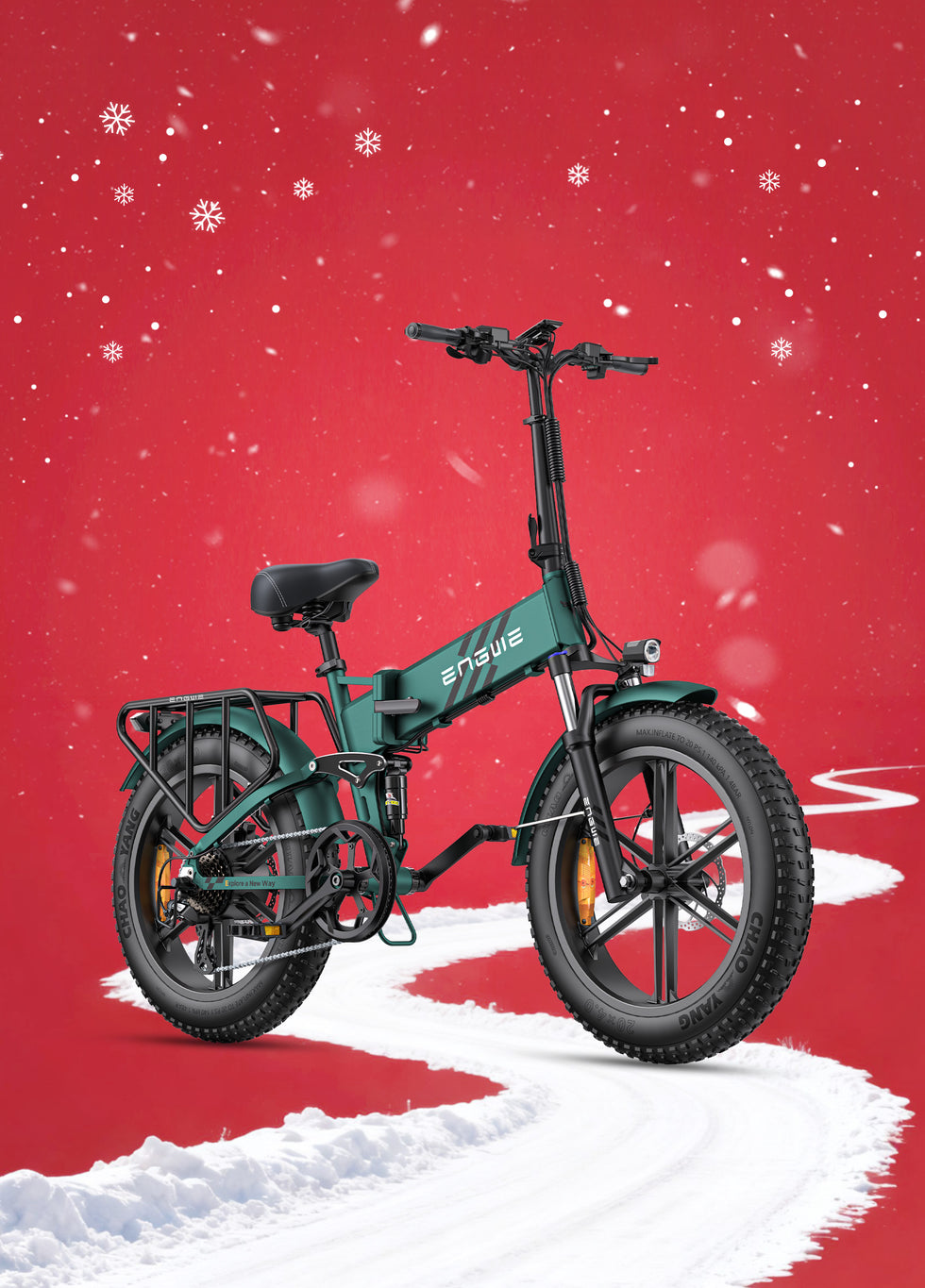
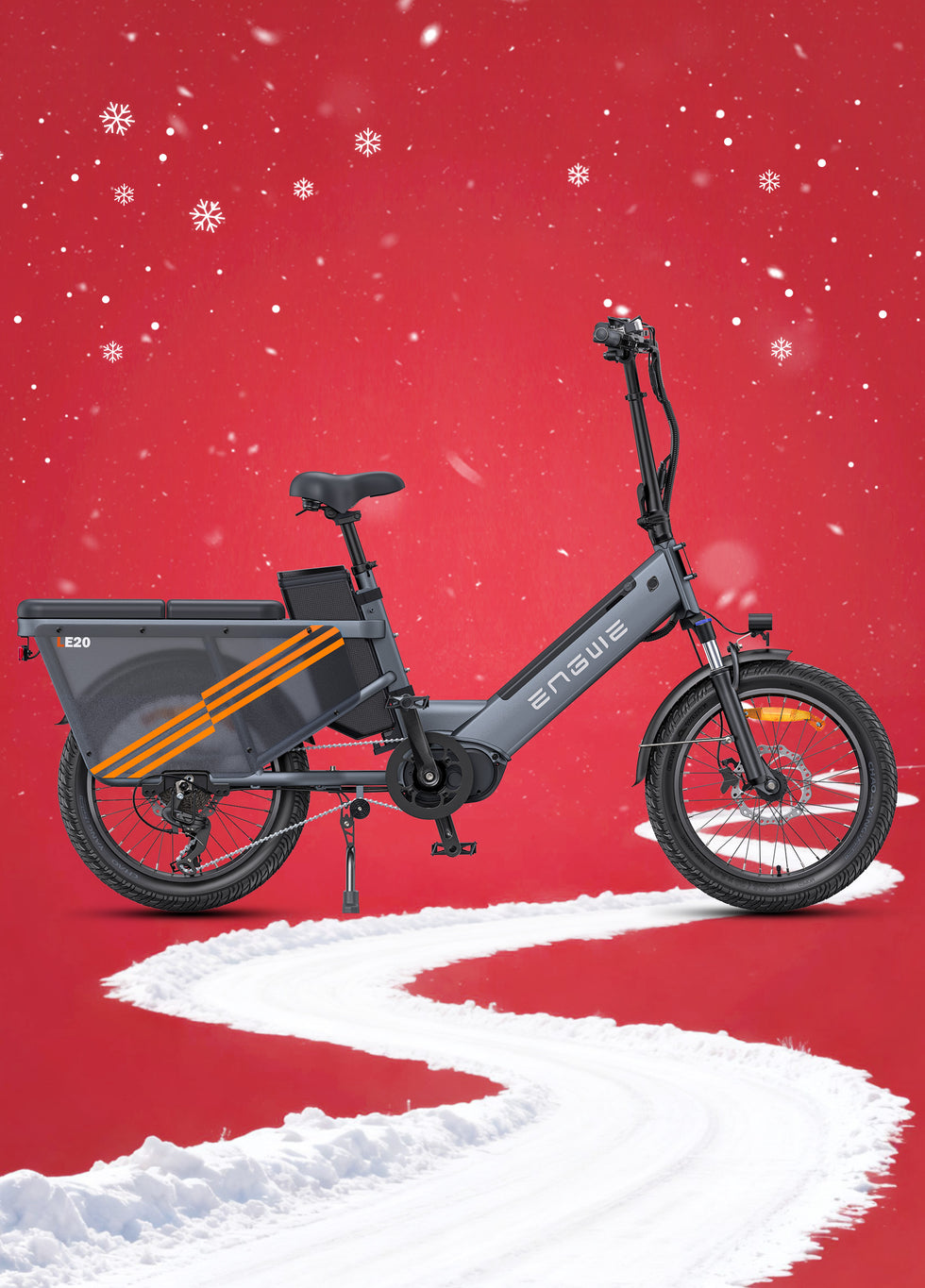
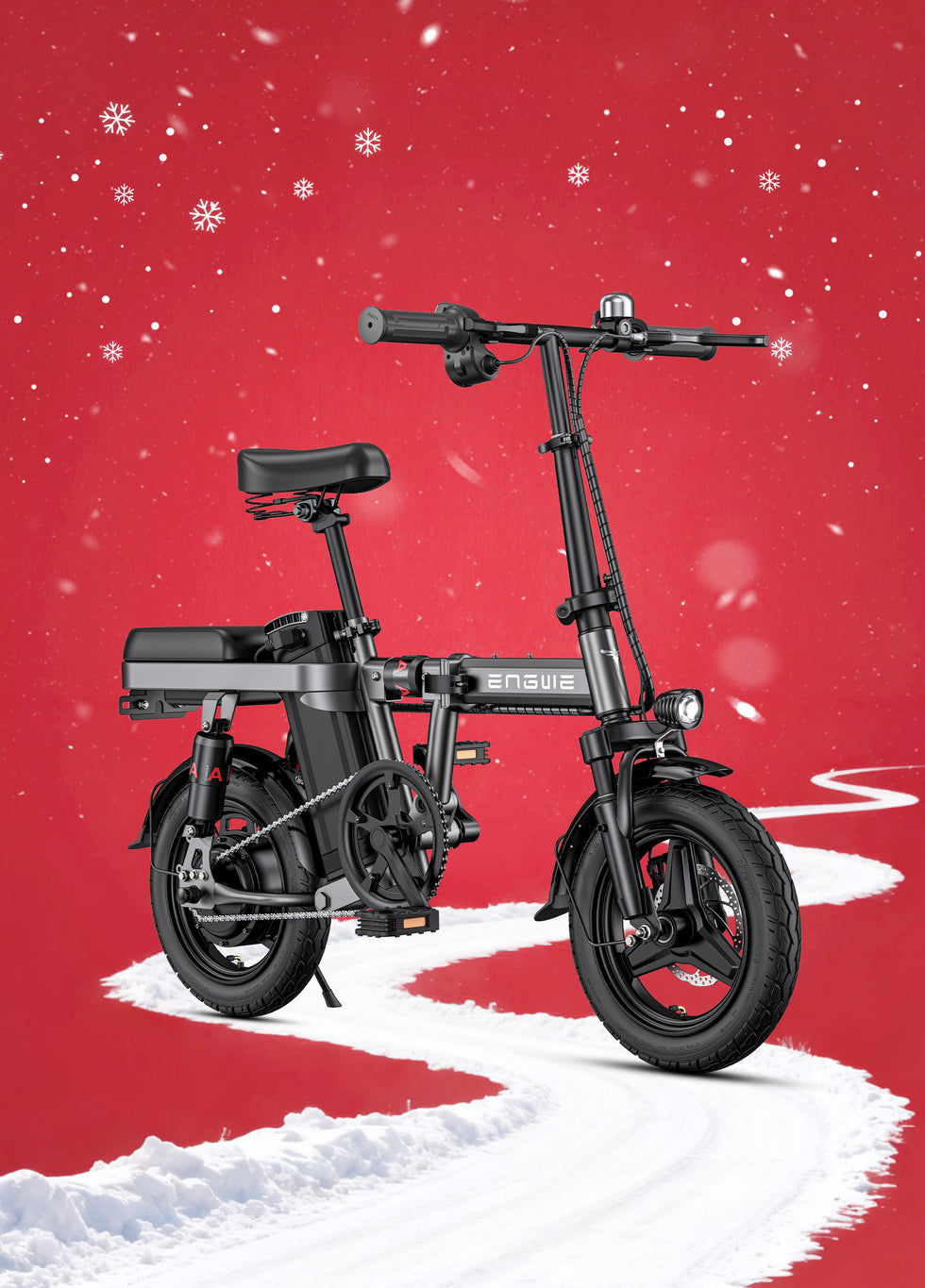
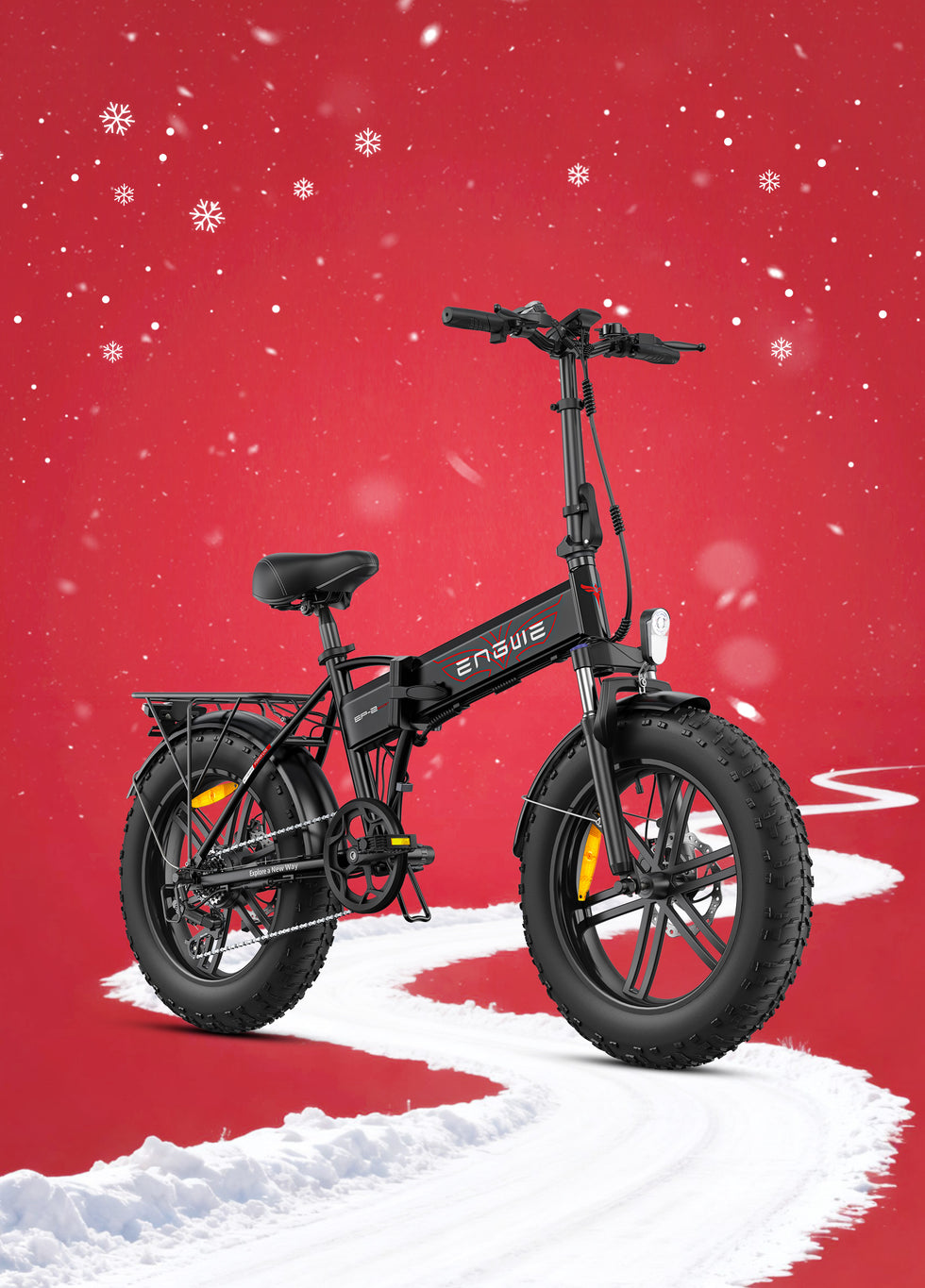
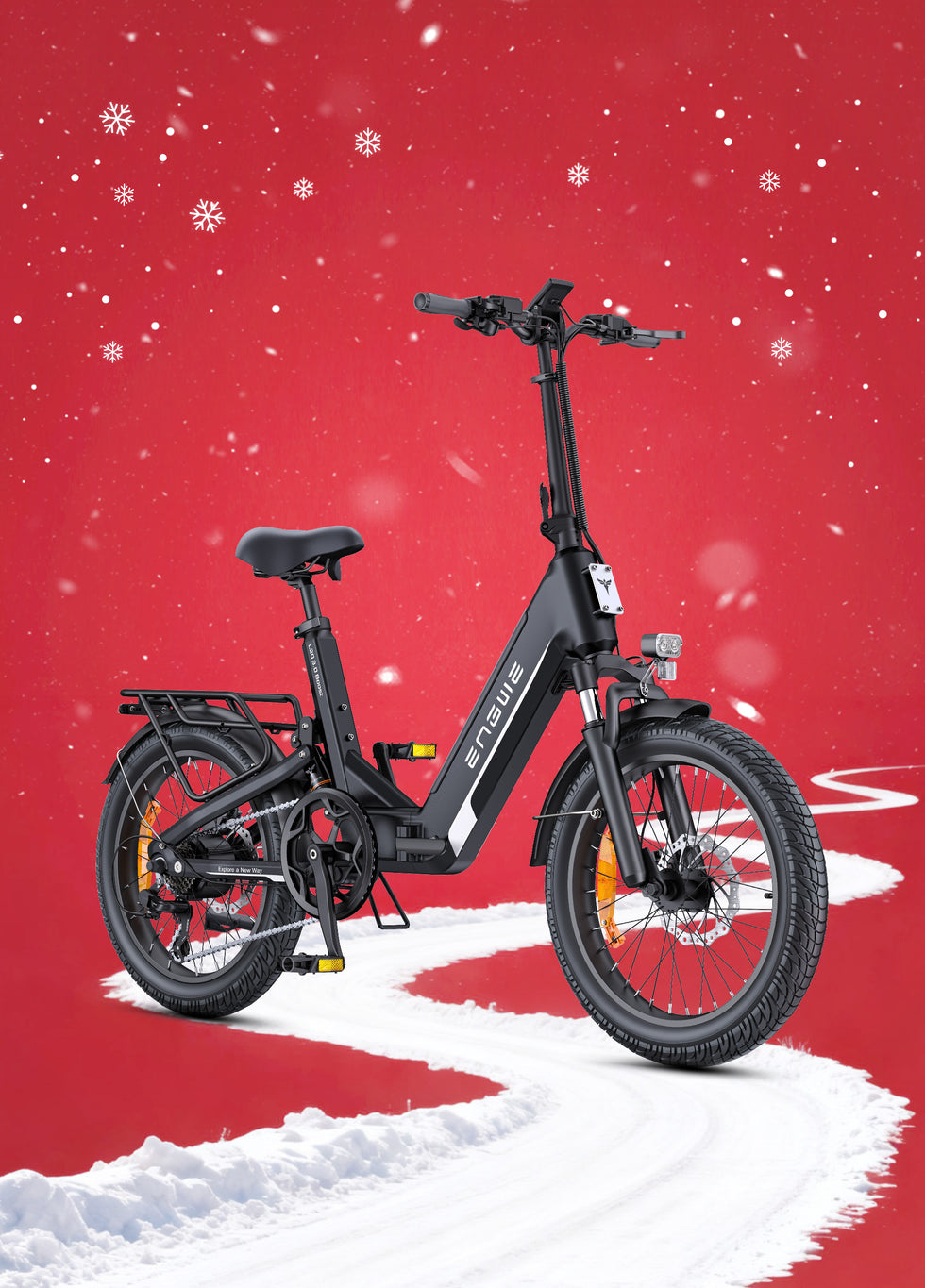
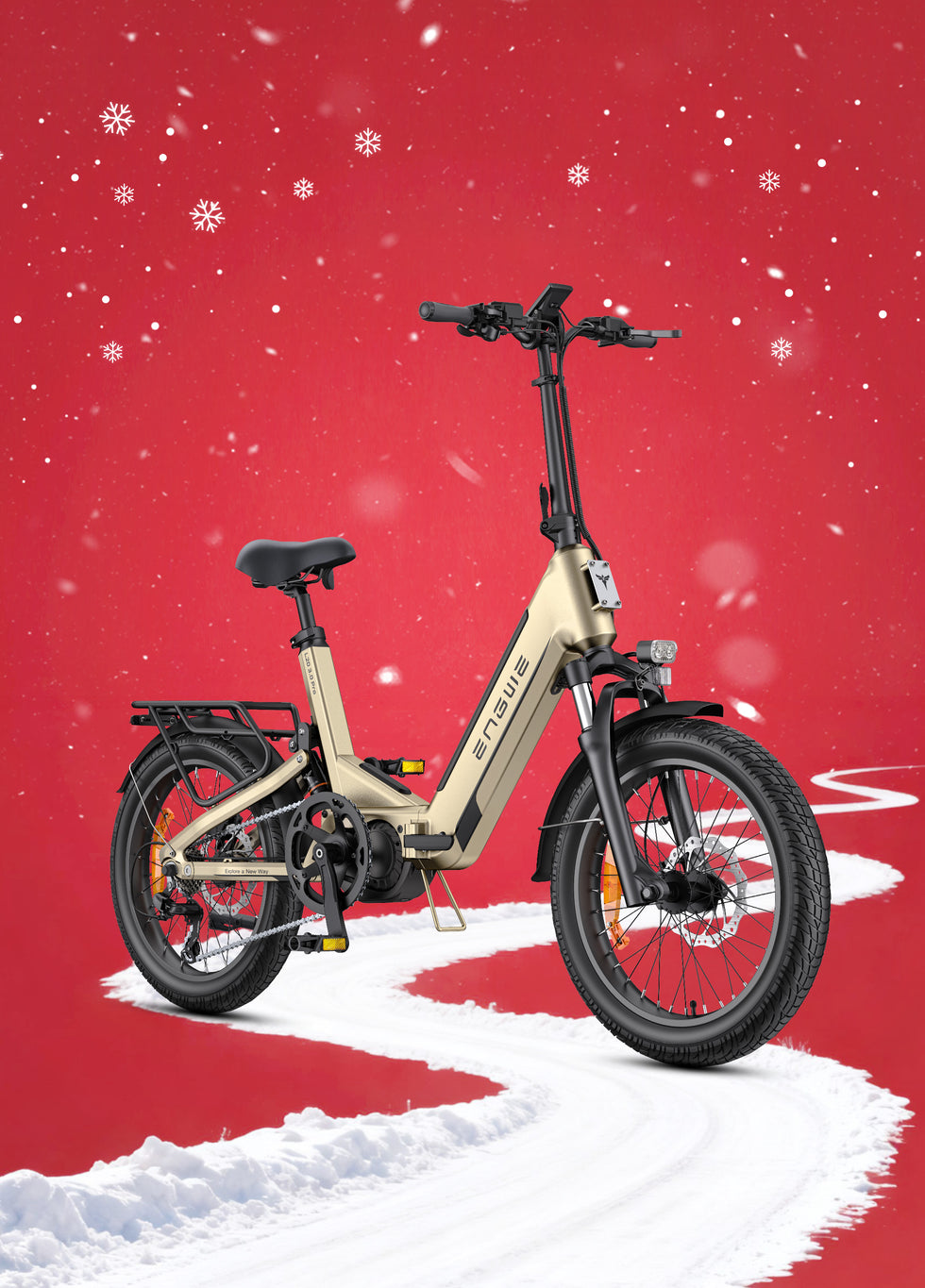
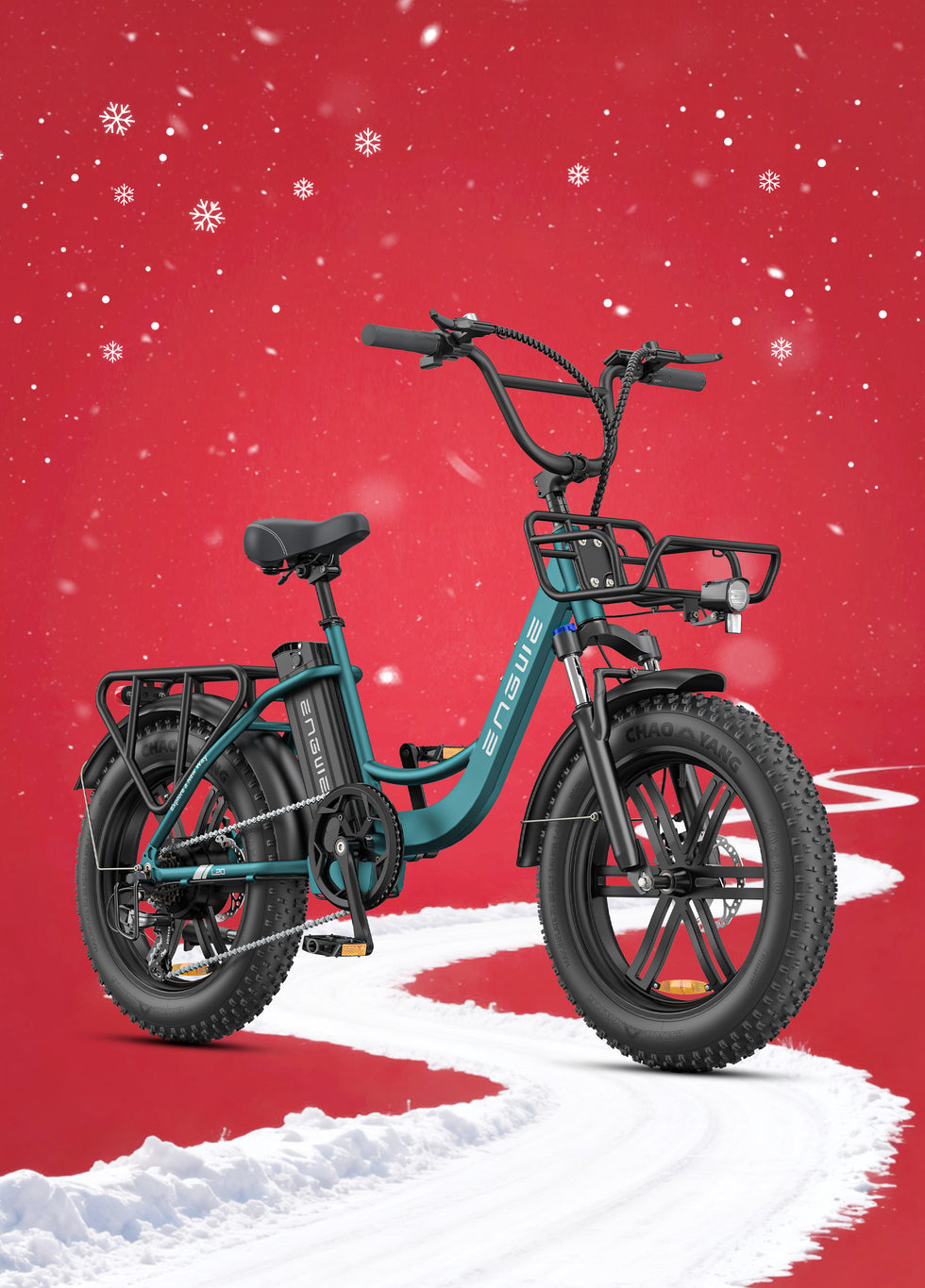
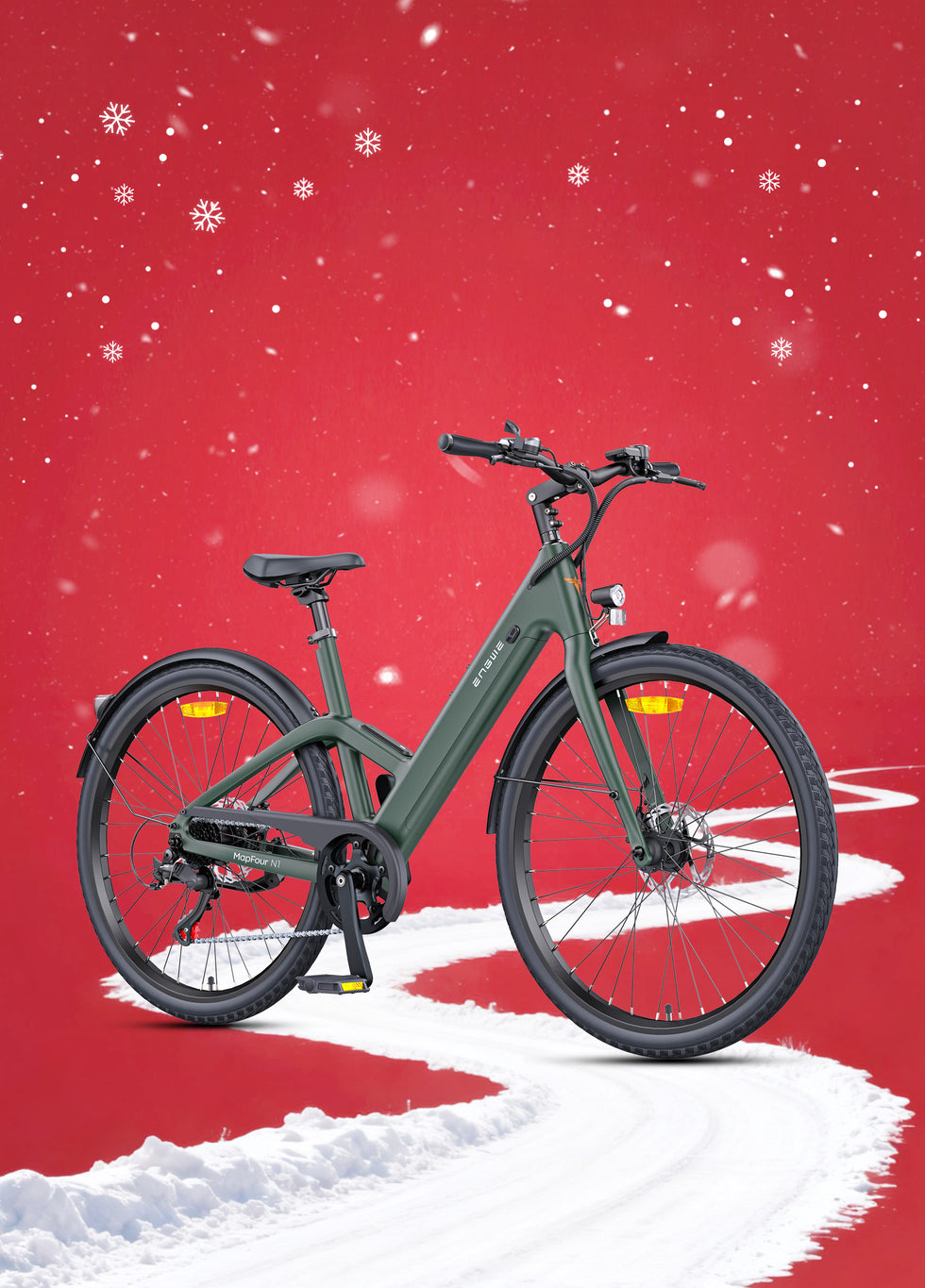
When choosing an E-Bike, outside of the general categories, look for Electric Bikes with power, intuitive operation, and fundamental tools that make riding twice as sweet. Also, you should consider a comfortable E-Bike too. The best bikes pump these systems full of high-tech juice to help improve the ride. ENGWE excels at this, designing bikes that are powerful and extremely user-friendly. Which is what the ENGWE L20 Boost offers in a near-perfect marriage of pedelec finesse and instant power.
- Intelligent, Natural Support: The L20 Boost utilizes a next-generation torque sensor. This is an incredibly smooth and natural feeling pedal assist that accurately gauges the power of our electric motor based on your pedal cadence for a very pure experience.
- Power On Demand: Its unique Power-Boost Button delivers an instant boost in power when adventuring on uneven or challenging terrain and makes climbing hills, powering over curbs, or accelerating to top speed seem effortless.
- Long-Life Lithium Battery: A 48V 13Ah lithium-ion battery guarantees a long life cycle and high performance in the long run (Max range: 126 km, depending on road condition and weight of riders). With the lightweight yet powerful design, it makes your journey fast, easy, and convenient.
- All-Terrain Comfort and Control: This bike can take you to just about all the places that your favorite 4-wheeler can. The rugged 20 x 4.0-inch tires give you extra grip when you're on the dirt, trails, or street.
- Designed For A Utility Lifestyle: The ENGWE L20 Boost is a real workhorse, with a solid front basket (10 kg capacity) and rear rack (25 kg capacity), great for groceries, work essentials, or weekend gear.
- Safety and Convenience: With full suspension, rear braking lights, a front lamp, and brake lights to ensure your riding safety. A clear, colorful LCD display allows you to monitor the quality of your ride in real-time during travel, day or night.


5. Browsing the Big Wide World: Other Possibilities to Think About
The industry of electric bicycles is huge and there are many types to choose from. I could not cover them all here, but this is just for a start. Knowing which category you fall into can be helpful. The following are just a few examples that demonstrate the diversity of this market. This is not a comprehensive list, just a sampling to indicate the range of options.
| Category | Sample Model | Main Feature or Usage Scenario |
|---|---|---|
| Best Commuter Pedelec | Gazelle Ultimate C380 | Zero-maintenance belt and internal hub gearing. |
| Performance Road E-Bike | Specialized Turbo Creo SL | Ultralight frame and motor, giving you an authentic road bike feel. |
| Heavy-Duty Cargo E-Bike | Rad Power Bikes RadWagon | Latest model sports high payload capacity and longtail frame ideal for hauling kids or cargo. |
For those of you considering branching out with these options, here’s what to look for so you choose a high-quality product:
- Component Quality: Shimano or SRAM should provide the drivetrain and a brand like Bosch, Yamaha, or Bafang for the motor/battery system. This, of course, is a critical barometer of quality.
- Dealer vs. Direct-to-Consumer: There’s more value in direct-to-consumer brands, but local bike shops provide priceless professional assembly, service, and warranty support.
- Do a Test Ride: The "feel" of a bike is personal. If you can, ride your favorites. Monitor how the motor engages, feel the brakes, and check that you can handle the size.
- Battery Certification: Make sure the battery and charger are UL certified or have other equivalent safety certification to reduce the risk of fire.
Frequently Asked Questions:
Q1: What kind is healthier for exercise?
For exercise, a pedelec is better because you have to keep pedaling for the motor to pitch in, meaning that you can still get a cardio workout while cruising.
Q2: Can pedal-assist and throttle coexist on an e-bike?
Yes, there are many electric bikes on the market today, especially in the US Class 2 segment, that include both systems. This means you can enjoy riding it as a regular bike, or simply push the 'power' button to experience the breeze from traveling.
Q3: What is the single most important consideration to make?
Local laws where you live, and how you are using it primarily. First, make sure the bike is legal for you to ride where you want to use it, then pick the system (pedelec vs. throttle) that best matches how and when you want to use your e-bike every day.
After all, a knowledge of both is how you get from point A to point B riding the coolest electric ride there is!