
Financial Considerations: The Price of a Pre-Owned E-Bike
Contemplating a second-hand electric fat tire bike? It can be hard to resist the allure of promising all-terrain adventures for a fraction of the cost. After all, these machines can do sand, they can do snow, and they can do trail. However, the landscape of the pre-owned market is littered with the good, the bad, and the broken. This comprehensive guide shines a light on the most crucial pros and cons, dividing them across five focal dimensions. It’s only by calculating the scales of each dimension that you can start your second-hand electric bike ownership fully prepared. Furthermore, it’s the most important aspect that gives the second-hand market any traction – finance. On one side, it’s all about a lower entry cost, potentially enabling you to get a higher-spec electric fat tire bike than you could have initially afforded. This could have come with better $500 components from the get-go, a more powerful $1000 motor, or a sizeable $5000 battery pack. Moreover, you quickly bypass that first steep depreciation drop that all new vehicles experience. However, this initial benefit may be misleading if you don’t consider the cons. The most crucial con in this case is the complete absence of a warranty. That motor, battery, or controller are all on you if they fail since those are the most expensive parts. Furthermore, you need to account for immediate maintenance and replacements that may be necessary.
-
Pro: Lower Initial Purchase Price.
The most compelling reason to buy used. You can save hundreds, or even thousands, of dollars compared to a new model.
-
Con: No Manufacturer Warranty.
The original warranty is almost never transferable. This leaves you exposed to significant repair costs for core electronic components which can easily exceed the initial savings.
-
Pro: Avoiding Initial Depreciation.
Like a car, an e-bike’s value drops the most in its first year. Buying used means the first owner has absorbed this financial hit.
-
Con: Potential for High Hidden Costs.
Be prepared for opportunities to spend money. A worn-out drivetrain, old brake pads and rotors, or tires nearing the end of their life can add up quickly. A conservative estimate is to budget an extra 20% of the bike’s price for immediate tune-ups and parts. The single greatest potential cost is a degraded battery.
Condition is King: A Non-Negotiable Inspection Guide
Beyond the finances, the physical and electrical condition of a used fat tire e-bike is paramount. A well-maintained bike can be a fantastic deal, but a neglected one is a money pit. The battery is the heart of any electric bike and the most vulnerable component over time. Its capacity naturally degrades with every charge cycle and with age. The powerful motors and heavy nature of fat tire bikes also put significant stress on the frame, brakes, and drivetrain. A thorough inspection is non-negotiable. This is where you can use your skills to identify a good bike. Always insist on a test ride to check motor noise, gear shifting, and brake performance.
During your crucial inspection, check the following items:
-
Battery health:
Ask the seller for the bike’s age and roughly how many charge cycles it has done in its lifetime. Examine its casing for cracks and swelling. Consider yourself warned if the battery level indicator drops rapidly under load during the test ride. This is a clear sign of a severely degraded battery.
-
Motor performance:
Listen for any grinding, clicking, or inordinately loud whining sounds emanating from the motor hub. Test each pedal assistance level and the throttle if your bike has one to ensure that it activates and deactivates smoothly without any hitch.
-
Frame and forks:
Examine all frame welds, anywhere the frame curves, for stress fractures or cracks. Dents or bends denote a previous crash and are a significant issue for frame integrity.
-
Braking system:
Measure the thickness of the brake pads. Squeeze the brake lever; a spongy sensation is not permitted. The squeezing sensation should be rock solid. For hydraulic brakes, look for fluid seepage around the calipers, brake areas, or levers.
-
Drivetrain wear:
Exploring the cassette and chainring, the teeth on each one should be U-shaped. Worn teeth look like very sharp shark fins. The correct shape is required to accurately collect and distribute the chain.
-
Wheels and tires:
If you press the spokes with your fingers, they should emit a similar sound, suggesting they are equally stressed or tight. Tire tread wear and sidewall cracking should be examined for security. Spin the wheels, ensuring they rotate true and without wobbling.

Technology and Performance: What You Gain and What You Miss
Performance and technology evolve quickly in the e-bike world. While buying used often puts you on a previously top-tier model, you’re also potentially compromising on the latest technological advancements. This can impact on-ride feel, efficiency, on-bike usability, and longevity. The motor controller is one such example; older models are less refined, which can lead to jerkier power delivery when compared to the seamless and intuitive power of a modern sine-wave controller. Battery technology has also advanced, with newer Battery Management Systems providing even better cell balancing, longevity, and most importantly, safety features. How big of a role manufacturing dates or build improvements play for you personally, depends. Your budget could afford you an entry-level new bike but gets you a two-year-old premium one with much better suspension, brakes, and a more powerful motor. On the other hand, you might not care if the battery lasts longer, or if the controller is smoother. Some of the other technology advancements you might be missing out on by opting for a used bike instead of new, include: your motor will be less efficient and will provide less range for the same battery size, your display will lack some features and won’t have smartphone connectivity. You will also have simpler pedal-assist sensors, cadence instead of modern torque sensors, which can make your power feel a little more unnatural. How many of these factors bother you is subjective. You also cannot know how many miles the bike has done. Did it live on gentle pavement, or was it mistreated on aggressive salty or wet terrain? Hard mileage is “abusing” the bike beyond what it’s capable of in terms of wear on bearings, suspension, and electronic components and is hardly ever visible.
Navigating the Market: Safety and Legitimacy
Moreover, there are risks and special buyer rules when navigating the private seller market, and they lack the severe oversight typical for compliant dealers. To prevent scams and ensure a legitimate purchase, the buyer or the prospective buyer must adhere to a few general principles. Any encounter with a private seller of e-bikes must occur in a public space with minimal risk to the buyer, no purchase must be conducted without full inspection and a test-ride, and the buyer must not be aware of the label “Second Markdown”. Due to the fact that an e-bike is a fairly expensive item, one of the highest risks comes from purchasing a stolen item from someone. An accidental purchase from a seller from whom the bike will be taken away is also a risk and typically leaves nothing but cash down the drain.
Safety and Legitimacy Checklist:
- Insist on a test ride – if a seller attempts to convince you otherwise, there is a hidden problem.
- Verify ownership – ask for the original purchase documentation.
- Check the serial number – check if the e-bike’s serial number is clean.
- Choose the meeting spot, not the other way around.
- Use a secure payment method.

The New Bike Advantage: Why Consider ENGWE
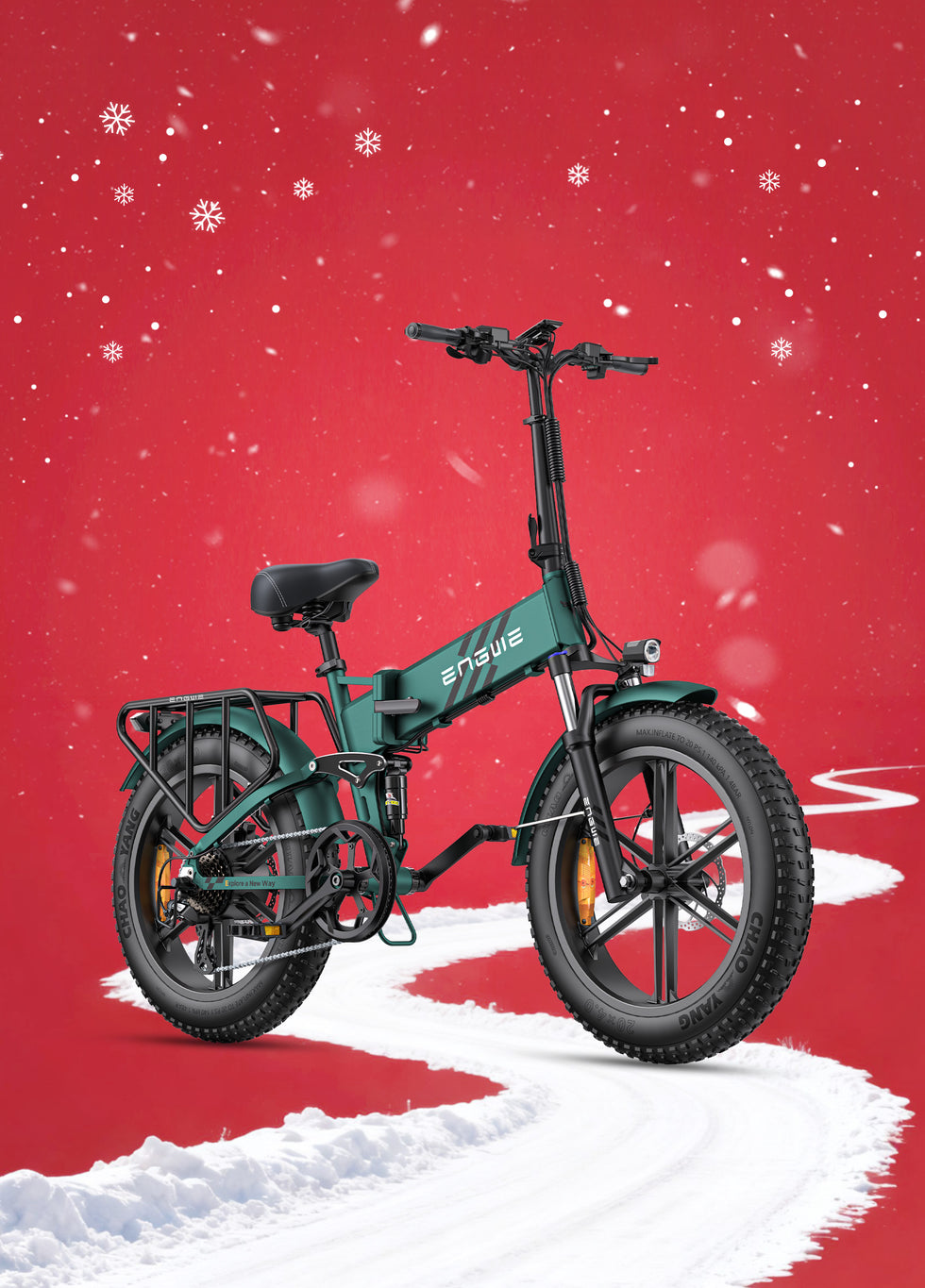
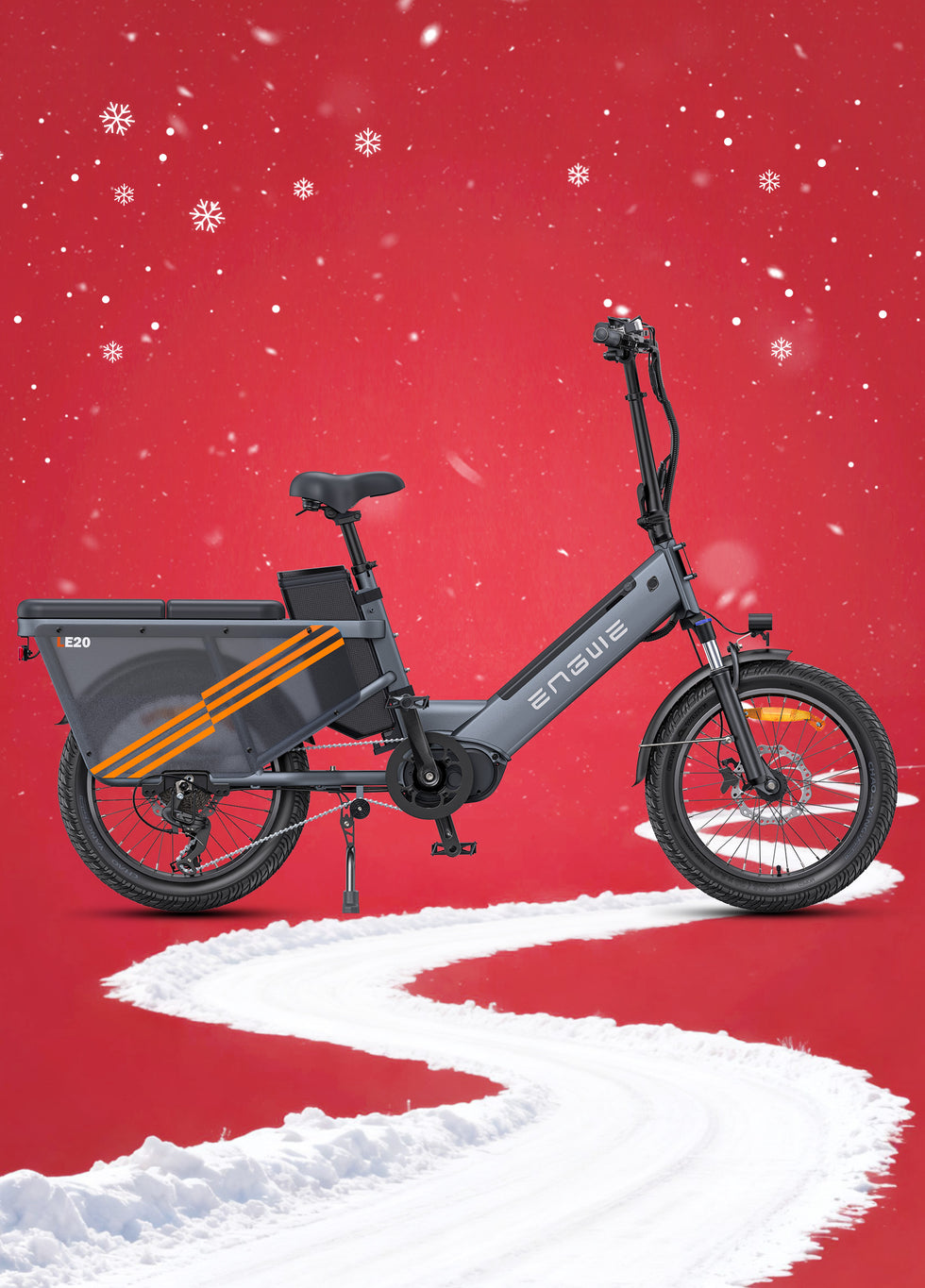
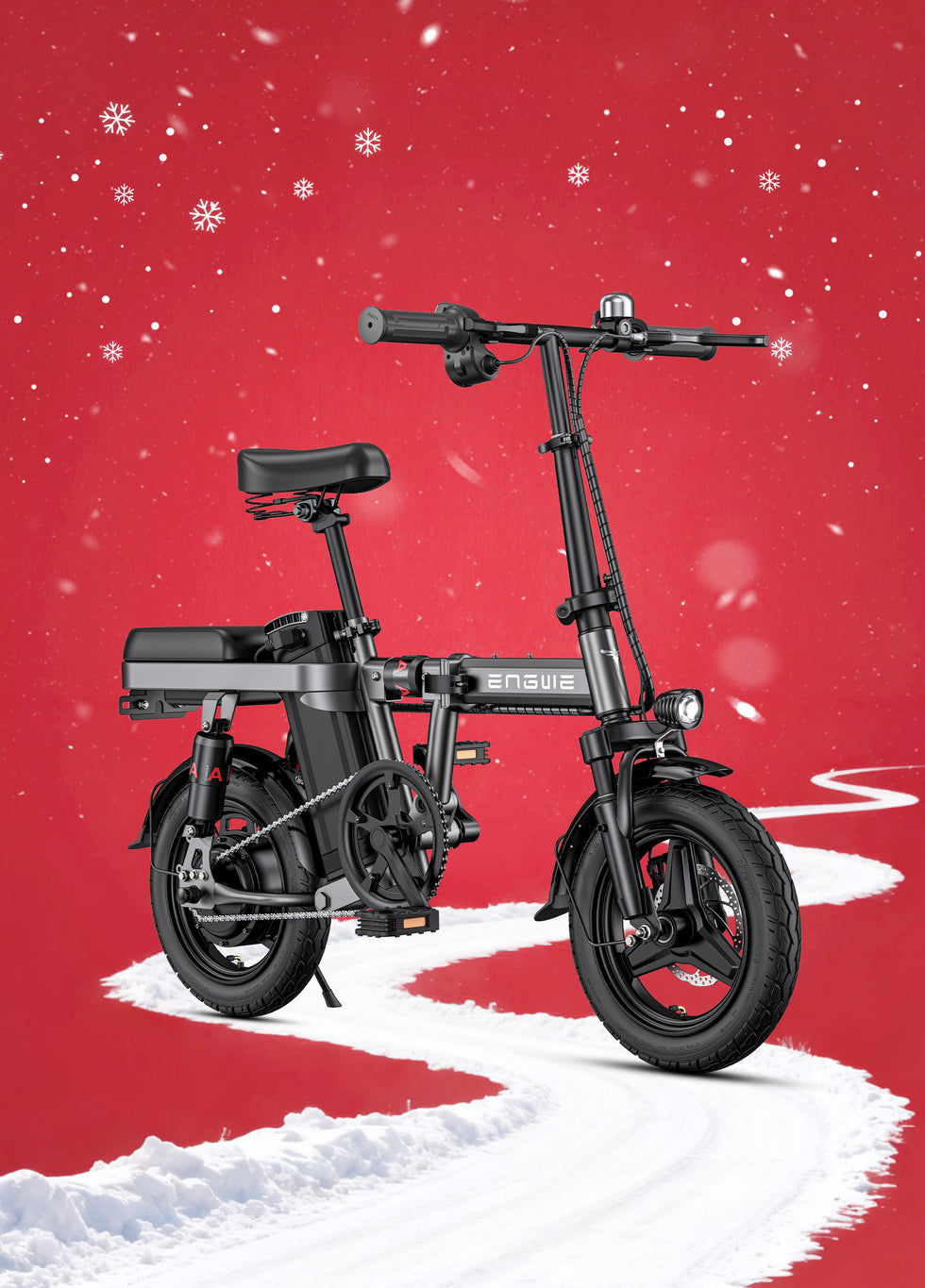
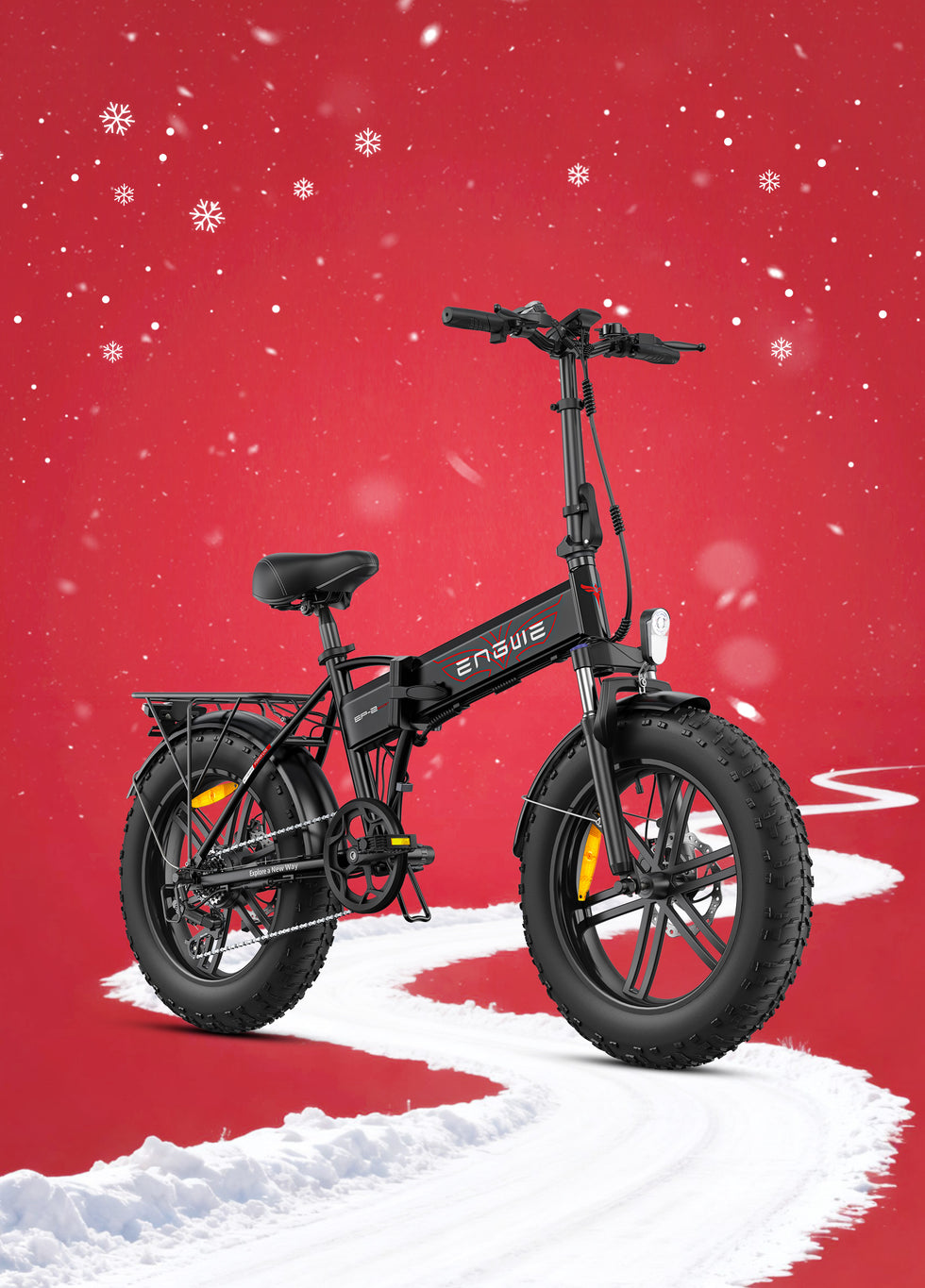
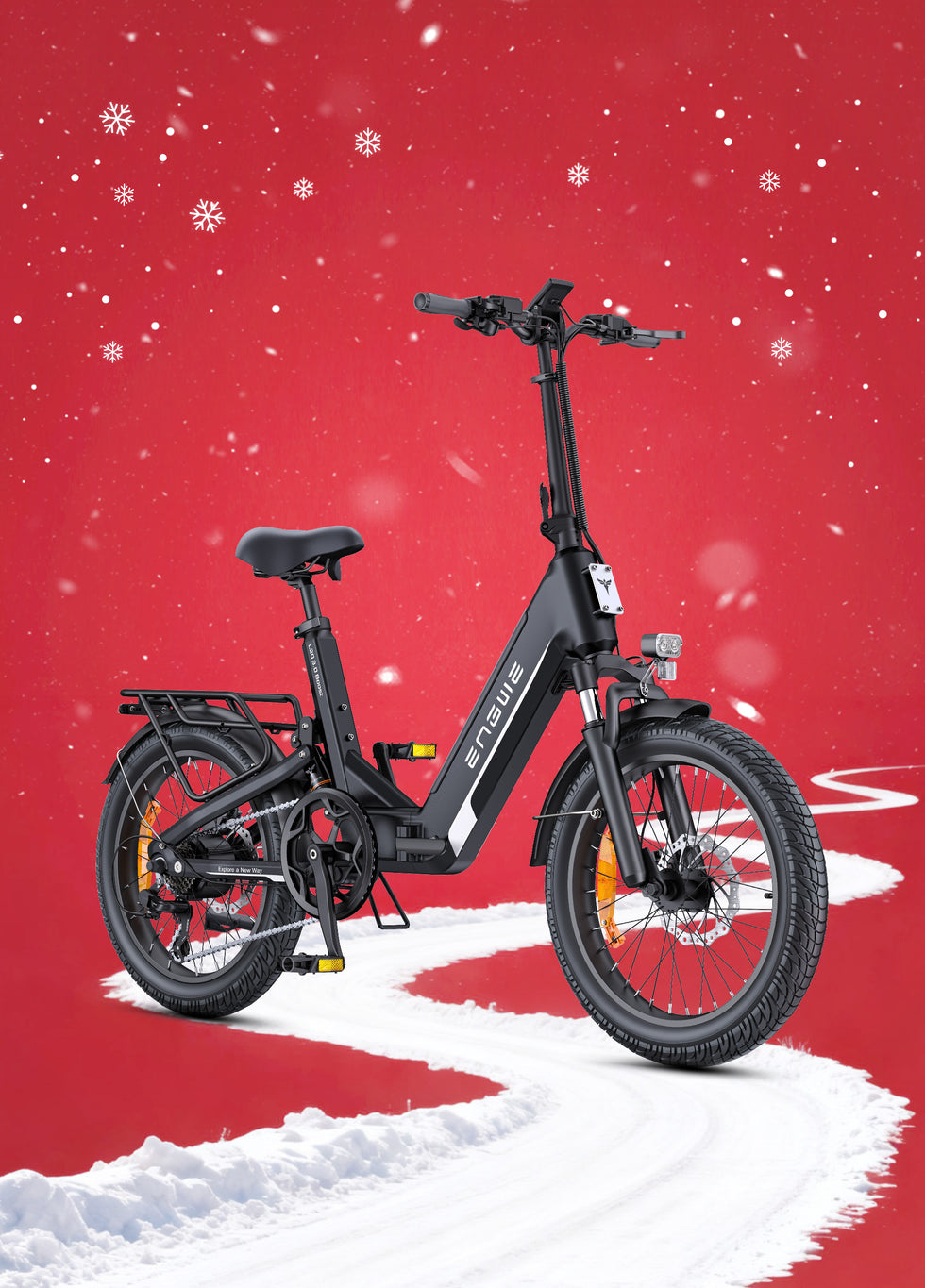
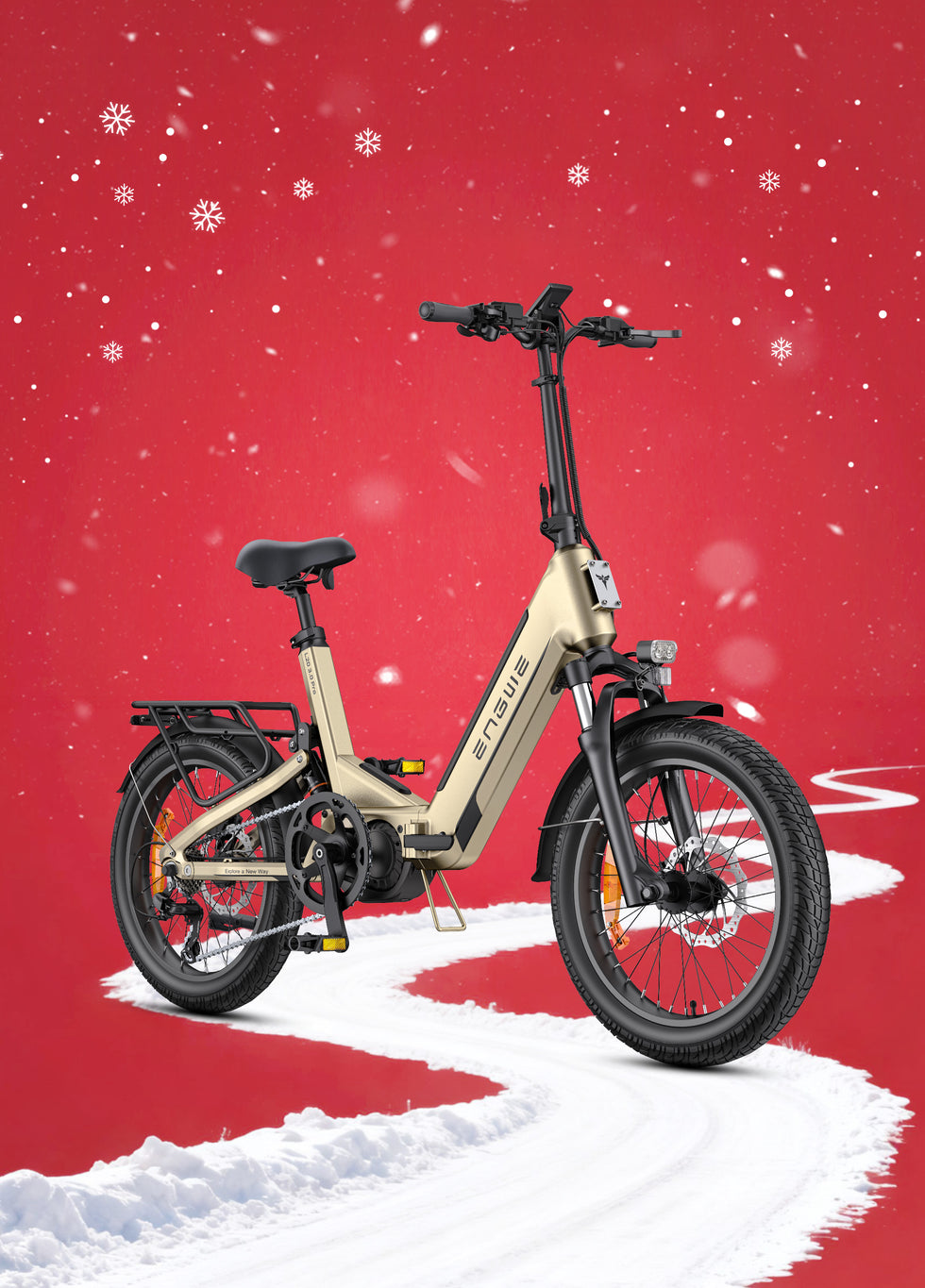
However, the largest “pro” of all might be that purchasers can enjoy these advantages without the risk and uncertainty that can accompany the second-hand market. An exciting pro of a new electric fat tire bike from a reputable company such as ENGWE gives bikers unparalleled comfort, access to the most up-to-date technology, and the comfort of knowing that they are getting a flawlessly factory-fresh machine. The warranty alone is a great benefit, granting the most costly components absolute coverage against defects. In addition, customers receive access to a support team to assist with questions or problems. One model that encapsulates the advantages of purchasing new is the ENGWE Engine Pro 3.0 Boost. It is the most effective method to obtain a pressure-free e-bike ride because it contains everything that you need to ride quickly and calmly and eliminates the guesswork and dangers of a used purchase.

The following are some of the key benefits of purchasing a new ENGWE e-bike:
-
Manufacturer’s Limited Warranty:
The Manufacturer’s warranty covers the frame, the motor, the battery, and the controller.
-
Flawless Component Condition:
A new battery has not been recharged, allowing for optimal range and potential. The brakes, drivetrain, and tires are all factory new, resulting in optimal use.
-
The most modern technology and features:
Enjoy the most recent electric engine efficiency improvements, better battery performance, and a state-of-the-art suspension for a better ride without needing to update.
-
You Receive Help From Professionals:
Rather than somebody else’s restoration attempts, you receive help from the ENGWE Support Team with setup, maintenance, and other problems.
-
Legitimacy Assured:
Avoid the dangers of purchasing a stolen e-bike or one that has been tampered with.
The following are the Engine Pro 3.0 Boost specifications worthy of the advantages of a new purchase:
| Question | Answer |
|---|---|
| What is the biggest hidden cost of a used e-bike? | The battery. A replacement for a quality electric fat tire bike battery can be extremely expensive and wipe out any savings you made on the purchase. |
| How can I check if a used e-bike is stolen? | Ask the seller for the original proof of purchase. Additionally, find the serial number on the frame and check it on a national online database, such as Bike Index, which records stolen bikes. |
| Do I need a warranty for an electric fat tire bike? | Yes. Just like the motor, the battery and the controller are complex electrical components that are expensive to repair or replace. A warranty is essential financial protection and peace of mind against any manufacturer defects. |
In the end, the perceived affordability of a used bike is deceptive; the security, performance, and warranty make a new model such as the ENGWE E26 the long-term winner.