
For any rider, choosing between a full suspension and a hardtail mountain bike is a daunting crossroads. There is no simple “yes” or “no” here. It is a personal option that relies on your riding style, budget, native terrain, and comfort. However, I will assist you in this selection by discussing the most critical components you should be conscious of in this guide.
What to Ride On
The type of riding you will do is crucial when deciding on a mountain bike. The bike you choose is a tool and influences the ride quality. A full suspension bike offers better grip and stability on rough terrain. However, this is a feature a hardtail is less inclined to supply. Take an honest look at the rides you undertake before reaching a sound judgment.
For smooth trails, gravel paths, and paved trails
For riders staying on well-maintained singletrack, fire roads, or bike paths, a full suspension is rarely needed. In these situations, a hardtail will be lighter, more efficient to pedal, and give a more engaged feel to the trail.
For rocky, rooty, and technical terrains
This is where full suspension bikes are made. The shock absorbs all the bumps, rocks, and roots, and all the rider feels is momentum. As a result, the rear tire remains assuredly attached to the ground. This enables the rider maximum traction when heading uphill and higher speeds while descending.
For Cross-country racing
This is more of a heated debate. Some of the fastest riders on the planet prefer lightweight aluminum or carbon fiber hardtails for smooth uphill efficiency, while others pick lightweight, low-travel full suspension bikes when there are aggressive descents or jumps to deal with.
For downhill, enduro, and bike parks
These disciplines require a full suspension bike. These activities rely on the long suspension travel to absorb impacts from jumps, drops, and high-speed rock gardens. Hardtails couldn’t do even half of what is achieved with a full suspension bike.
Pro Tip
Before buying, rent both a hardtail and a full suspension bike. Ride them back-to-back on your favorite local trail. This real-world test is the single best way to feel the difference, and it’s worth the small rental fee.
Budget and Long-term Maintenance Costs
Full suspension bikes cost a lot more than their hardtail counterparts, even when their components are similar. This has implications beyond the one-time expenditure. The inclusion of a rear shock and the various associated pivot points and linkages will necessitate ongoing upkeep that you must keep in mind. The disadvantages in money and time may be enormous, but the advantages can make it seem worthwhile. A full evaluation of your budget, both for the one-time purchase and ongoing maintenance, is needed when considering this choice.
For similar component levels, a full suspension bike will always cost significantly more than a hardtail. A hardtail has a straightforward frame and the absence of a rear shock, making it less costly. The inclusion of a rear shock, redesigned frame, and additional hardware adds hundreds, if not thousands, to the price.
A hardtail is more straightforward, needing little effort to maintain. The drivetrain, brakes, and front fork take precedence over everything else. A full suspension bike requires regular air pressure checks for the rear shock and periodic service annually. Full suspension frames feature numerous pivot points with bearings or bushings that deteriorate and need replacement. Rear shocks necessitate professional maintenance; a complete yearly seal replacement is critical for both the fork and shock.
Suggestion for inexpensive spending
Investigate tutorials given by manufacturers on how to conduct a “lower leg” and rear shock air can service. Both of these treatments will serve you well, save money on shop fees, and extend the life of your suspension.

Rider Comfort and Physical Considerations
Riding should be fun, not a torture session. The importance of suspension in making you feel more comfortable is often overlooked, and that goes for riders who aren’t hucking huge jumps. For many people, a full suspension bike isn’t about going full radical; it is the vehicle that allows them to ride more often and for longer, with less body ache. This is especially true for older riders, beginners who don’t bounce back from a fall quite as quickly anymore, mountain bike stoke hounds who want to pack in as many miles as possible each week, or park rats who don’t want to end a day at the bike park with ten Advils.
a) Reduced body fatigue
On any ride over an hour, the full suspension bike is a lot easier on your body. The rear shock eliminates the steady chatter that comes with small hits, taking the strain off your lower back and spine and transferring more of your energy to the pedals.
b) Support for existing injuries
If you have a bad back, bad knees, or bad hips, a full suspension bike could be the difference between riding and not riding. With a more forgiving ride, you will be able to stay active while saving your joints a lot of strain.
c) Beginner confidence
A full suspension bike is significantly more stable and forgiving. Knowing that the bicycle can handle any bump or rock that pops up under your tire will help you relax. It allows the rider to look further down the trail, not be hyper-focused on every detail, and concentrate on building cornering or braking skills.
d) Energy efficiency
By taking the edge off the trail and doing more of the work for you, your body exerts less energy to the point of fatigue. This allows you to take on longer and more intense rides, as the enhanced energy savings equate to more miles ridden before you call it a day.
e) The new wave: Full suspension for ultimate urban comfort
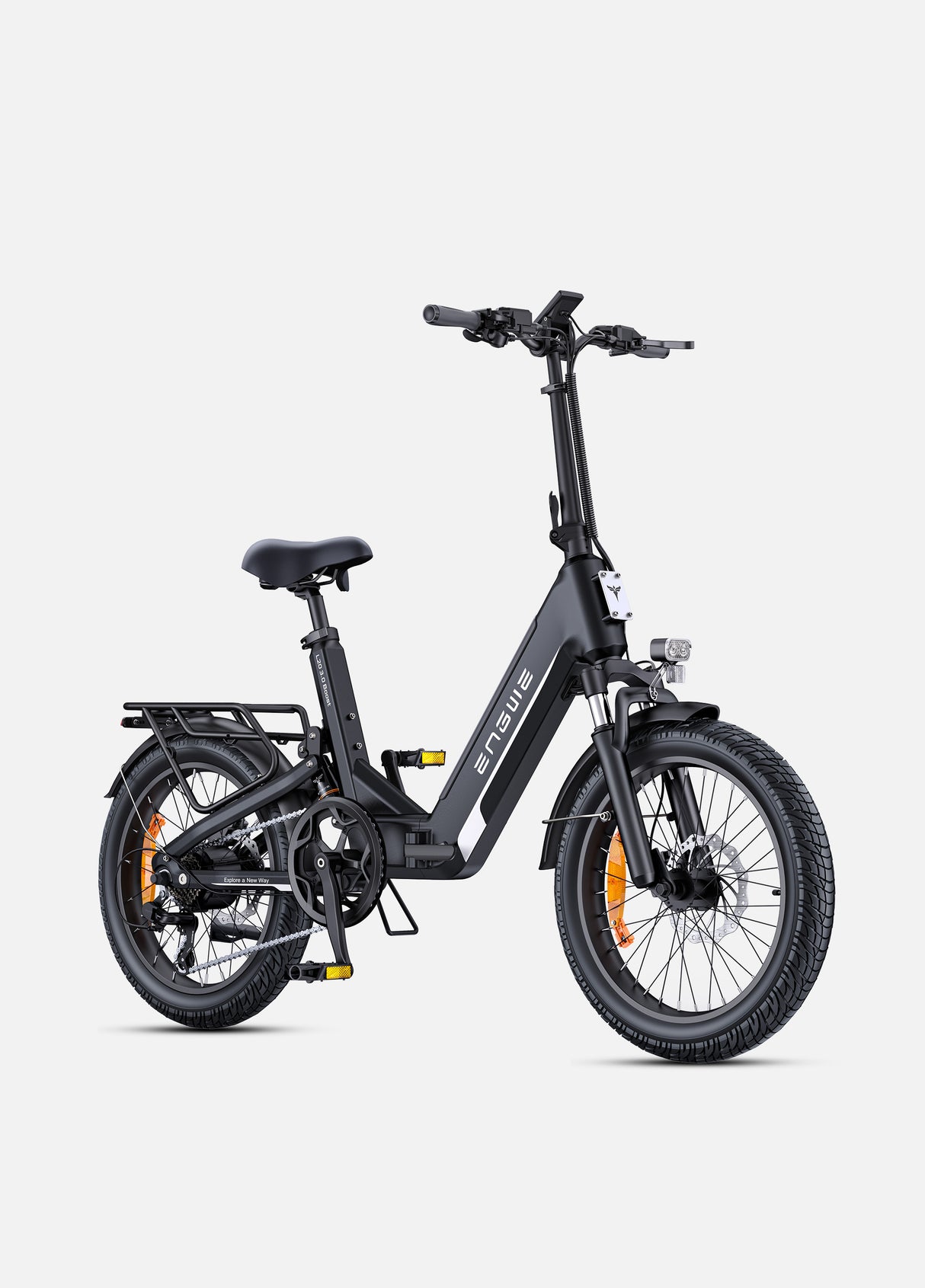
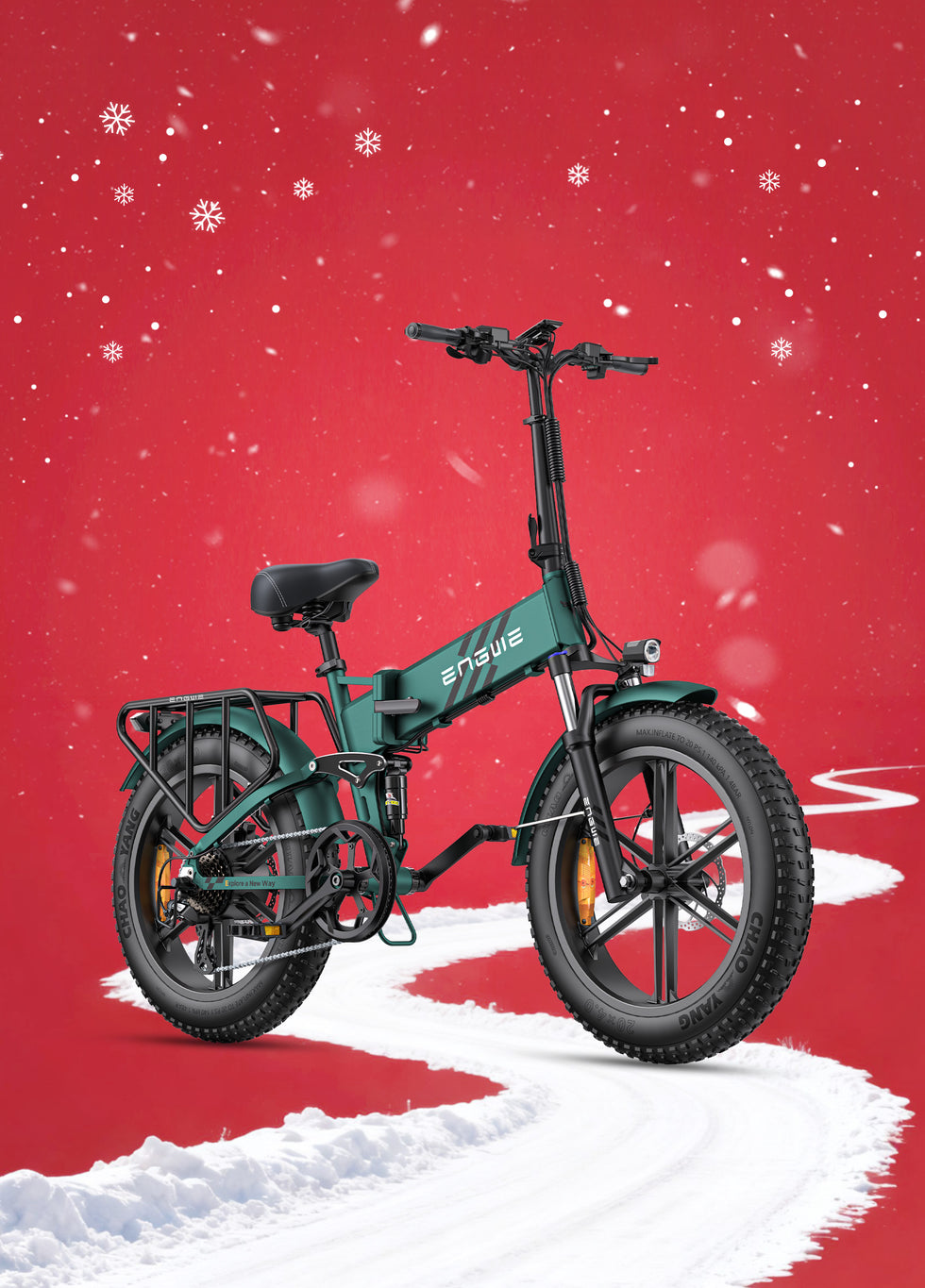
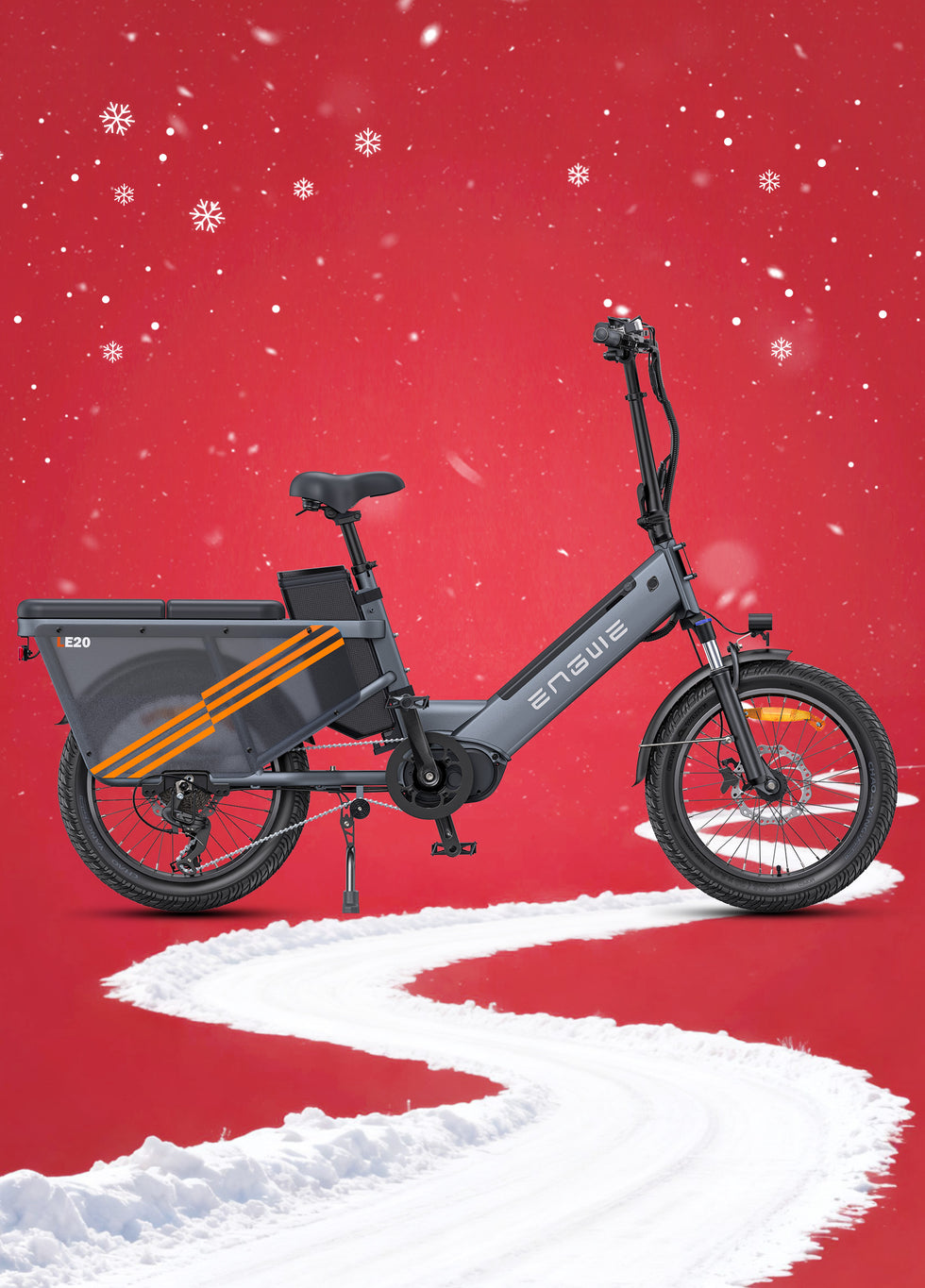
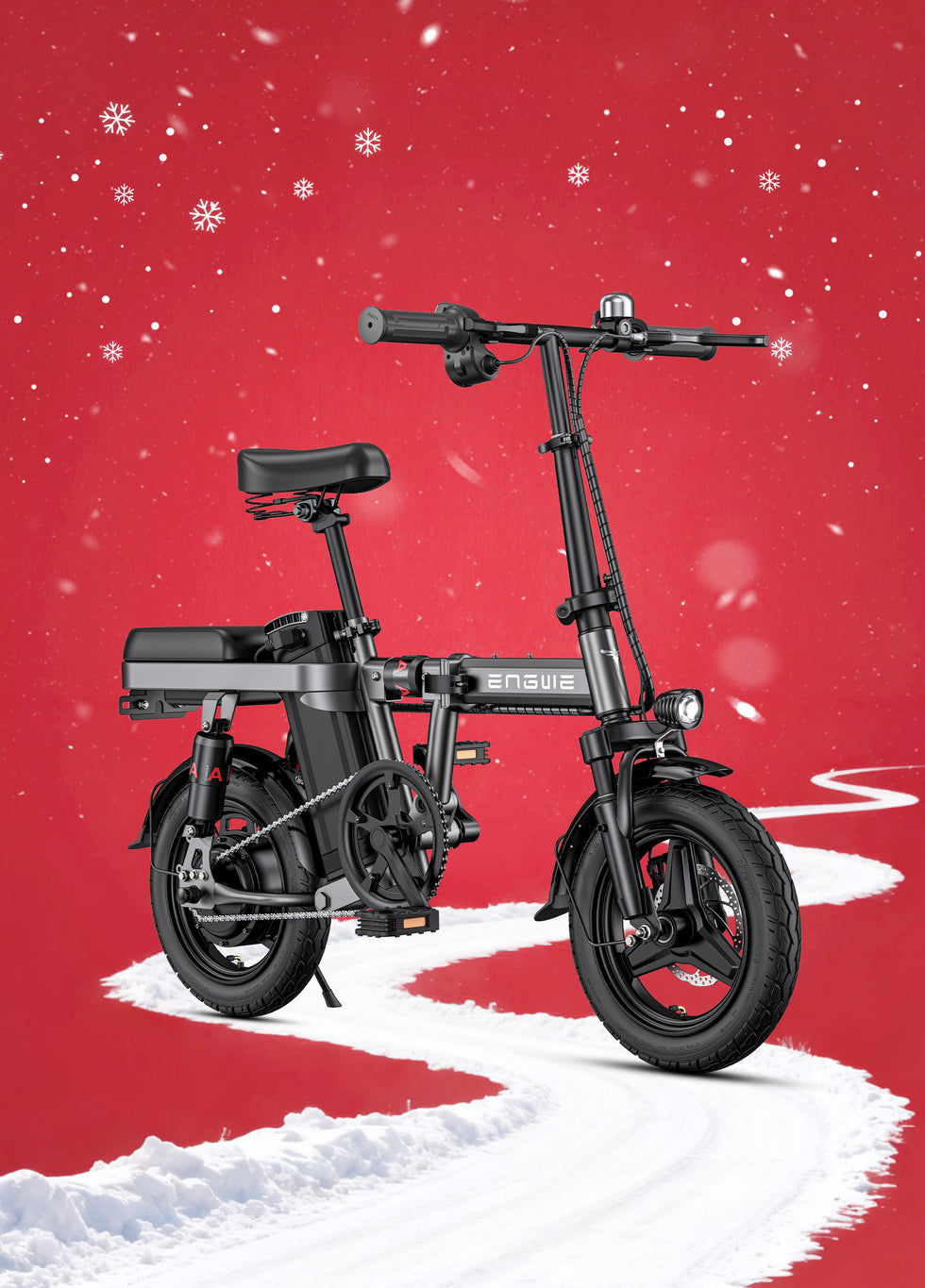
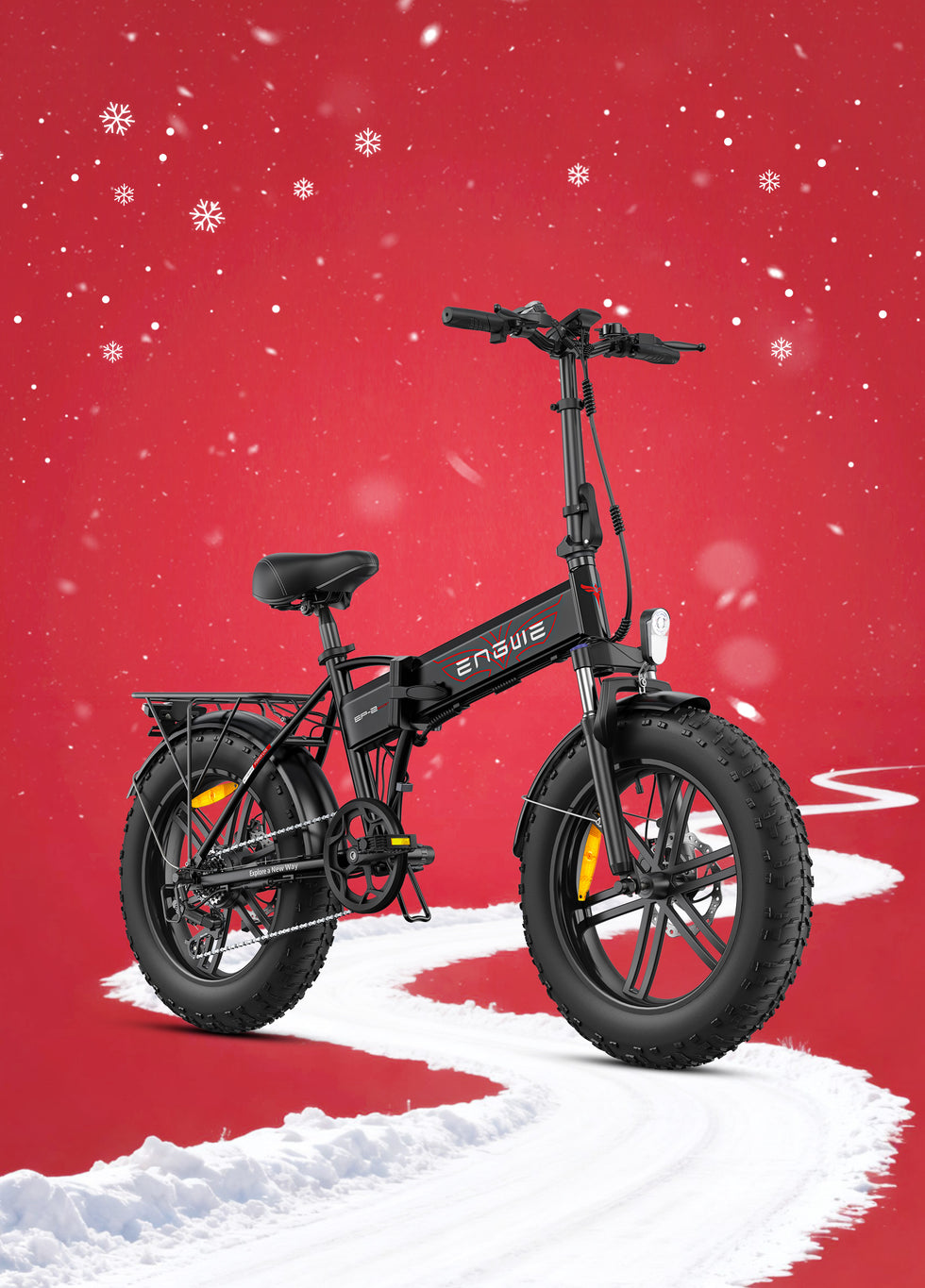
Full suspension has long been reserved for the slopes, but a new type of electric bike is changing that. A traditional commuter has to make a tough decision: either get to work efficiently or eat the terrain for breakfast. ENGWE is creating a trend by identifying that the “terrain” of the city necessitates a next-level suspension platform. They offer a full-suspension electric bike that brings mountain bike comfort to the city and puts it in your daily commute.
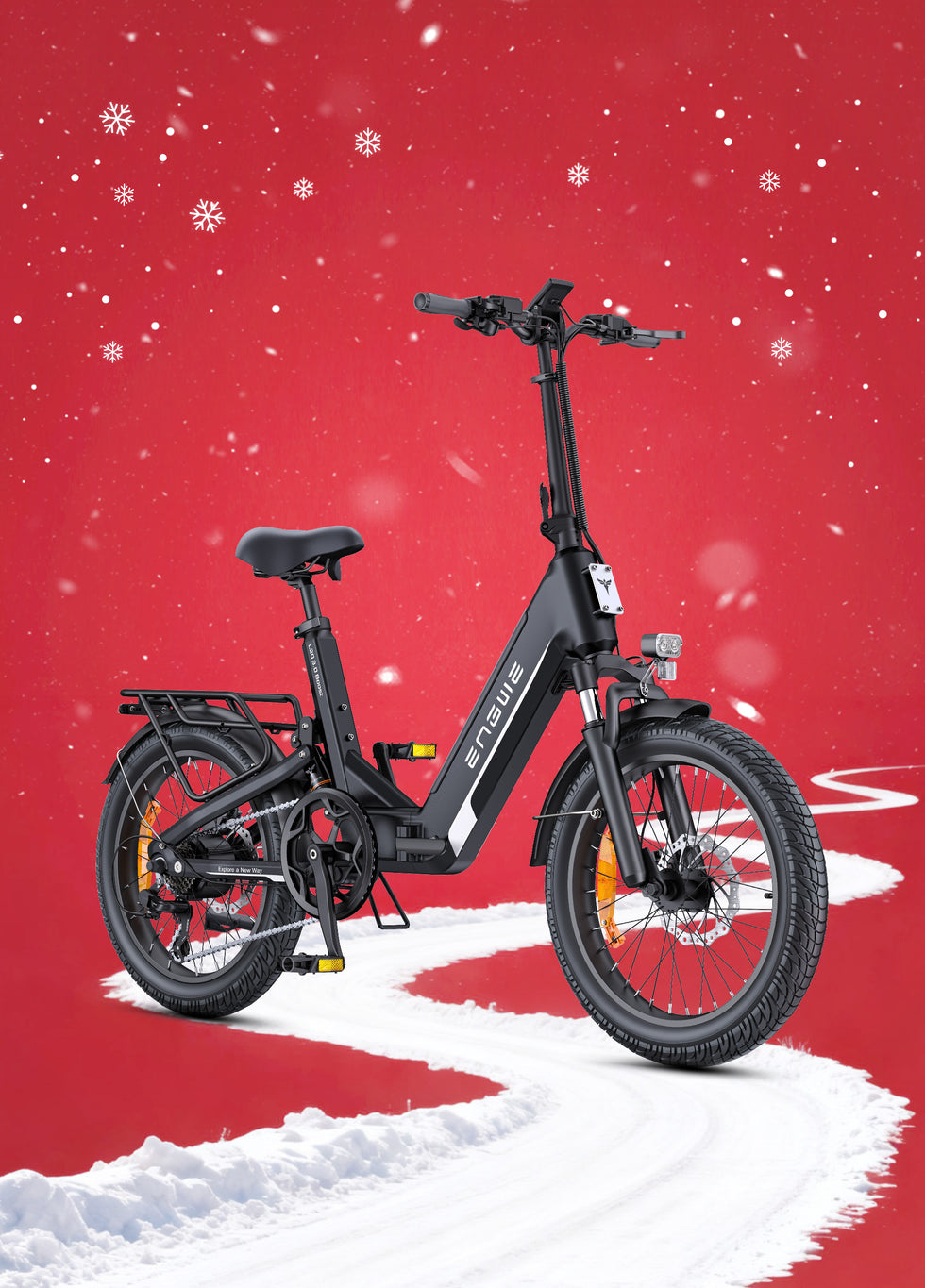
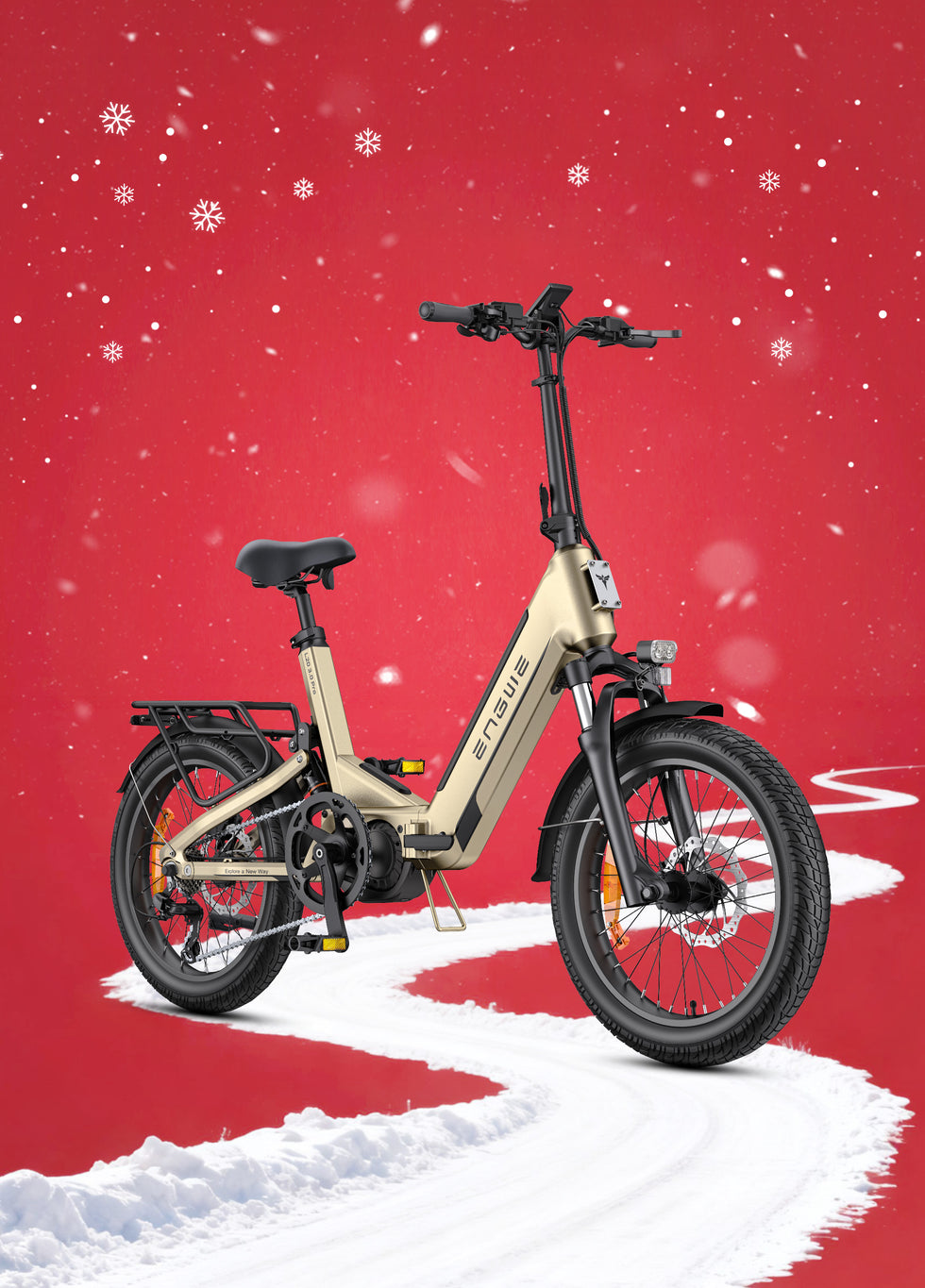
The ENGWE L20 3.0 Boost perfectly embodies this. Designed for riders aspiring for the utmost comfort and top-of-the-line features, it is a real game-changer. Its main characteristics include:
Riding through urban areas with unparalleled comfort: Its true full-suspension system, rarely found in any commuter e-bike, allows the L20 3.0 to absorb up to 90% of the uneven ground vibration. As a result, you will ride on the most damaged city streets, and it will feel more pleasant than ever before.
Exceptional power and handling: The Boost Mode ensures 75Nm of torque at the wheel from a standstill, which makes riding up a hill or starting quickly from zero easier than ever before. Due to the high-performance torque sensor, the bike’s power delivery is as smooth and natural as can be – no jerky starts typical for a cadence-based system.
More kilometers on a single charge, quicker recharging: The L20 3.0 Boost boasts an impressive maximum of 135km on a single charge due to its 48V 13.5Ah battery. The real victory, however, is the ridiculously fast charging provided by the 8A charger – 2 hours to fully charge the battery, which means you can be on the road in the span of a decent lunch break.
Dozens of great features: The L20 3.0 is also ready for city streets, featuring 180mm hydraulic disc brakes, 20” x 3.0” wide puncture-proof tires, a Shimano 7-speed drivetrain, and a clever folding mechanism for easy storage and transportation. It’s an all-in-one steed that is perfectly suited for those riders who are not willing to give up an inch of comfort or performance.

Performance Goals and Skill Progression
Your long-term aspirations as a cyclist should play a role in your decision. The style of bike you pick can shape your improvement by either requiring you to learn fundamental skills or serving as a tool that allows you to push your boundaries in other ways. There is no right or wrong here, but knowing these variables will help you choose the bike that best suits the kind of rider you want to be.
Learning Core Skills on a Hardtail
There is a compelling argument that every new mountain biker should start on a hardtail. Since a hardtail has no rear suspension to smooth out your mistakes, you are forced to develop essential skills like correct line selection, using your legs as suspension, and lifting the rear wheel over obstacles. Once you have developed these fundamentals, your ability on any bike will increase.
Pushing Speed and Limits with Full-Suspension
If your main goal is speed, particularly downhill, a full suspension is ideal. It allows you to hold more speed through rowdy terrain, keeps you safer in high-speed corners, and gives you a bigger margin for error when descending.
Climbing Efficiency vs. All-Around Capability
Although a hardtail is a lighter, more efficient ascender, the modern full suspension is a fantastic slope-gripping animal. Instantaneous lockout enables you to firm up your suspension from the cockpit, reducing pedal bob. The weight penalty is minor, but the improved traction on steep, technical climbs makes the full suspension an excellent choice for climbing challenging ascents.
Choosing Your Breed
Ultimately, the choice between a hardtail or full suspension is based on what you enjoy the most. Do you prefer the challenge of picking a flawless line on your hardtail? Or do you enjoy a full suspension bike, plowing through a rock garden, secure in the knowledge that the bike can handle it? Choose the bike that will bring you the most joy.

Final Questions and Answers
Q1: Can I still ride technical trails on a hardtail?
A1: Absolutely. While riding technical trails will necessitate a higher level of expertise, better line selection, and more physical body English to absorb impacts, skilled riders can handle even the hardest terrain on a hardtail.
Q2: Can I service my own rear shock?
A2: Yes, to an extent. Basic service, like checking air pressure and cleaning the stanchion, is simple for anyone. However, an annual full internal service, like a damper bleed and seal replacement, requires specialized tools and knowledge. This should be performed by a professional bicycle shop.
Q3: Is a full suspension electric bike worth it for commuting?
A3: It certainly can be. If you have poor road conditions to deal with, hop over curbs, and comfort is your highest priority, then yes. A full-suspension e-bike shifts the standard of ride quality, making long distances more feasible and your everyday rides great. The right bike is the one that makes you smile while you ride.