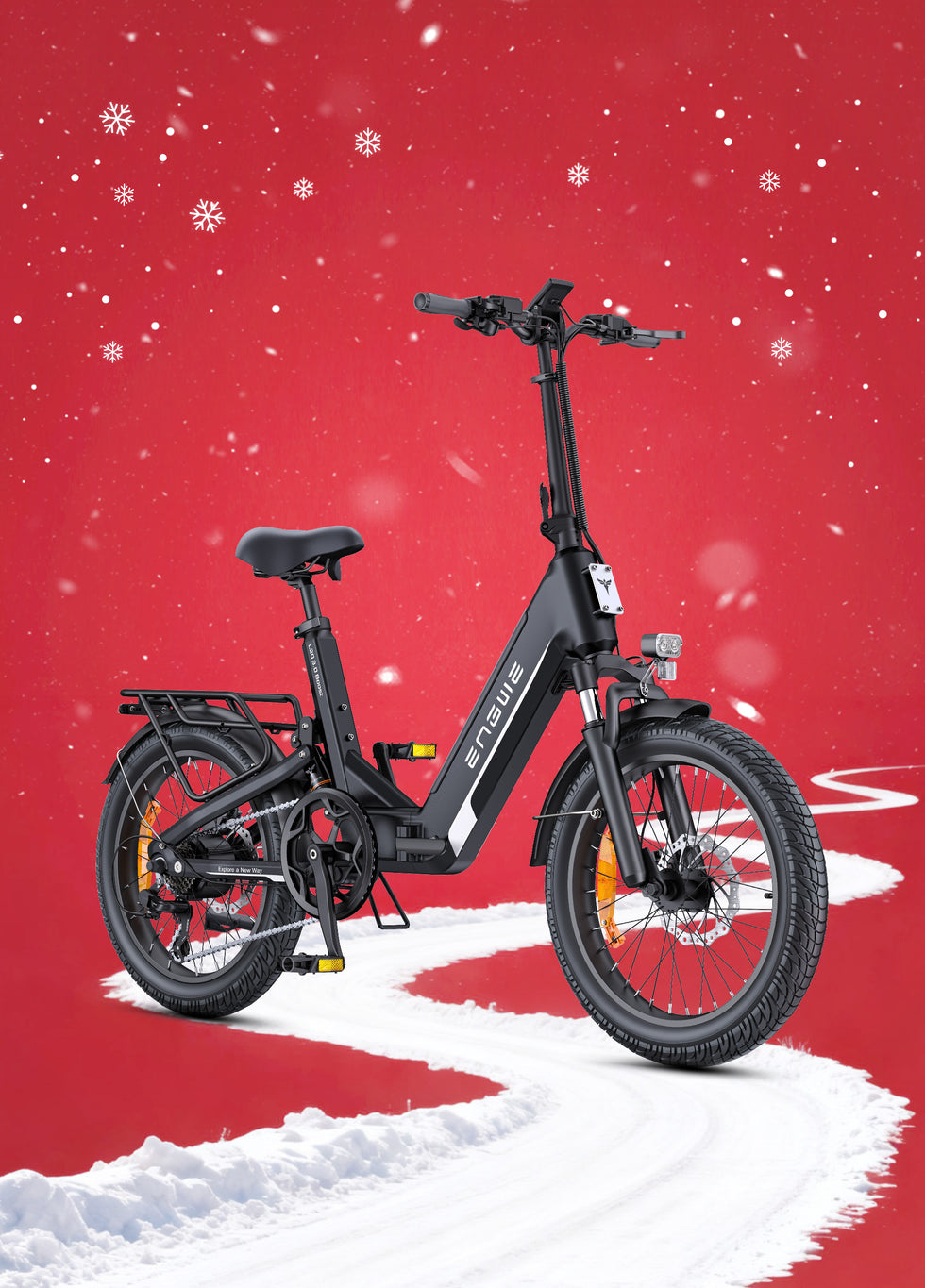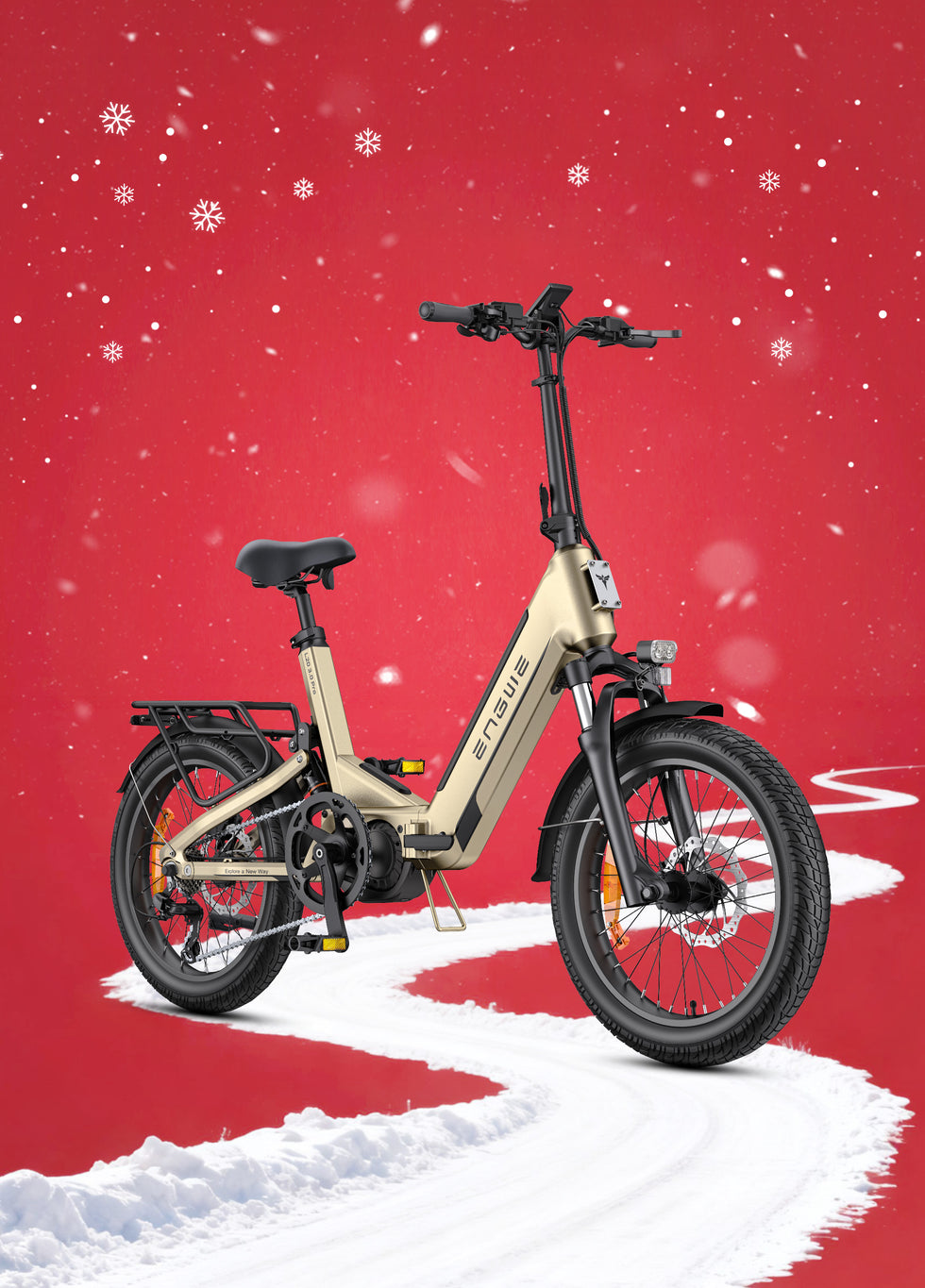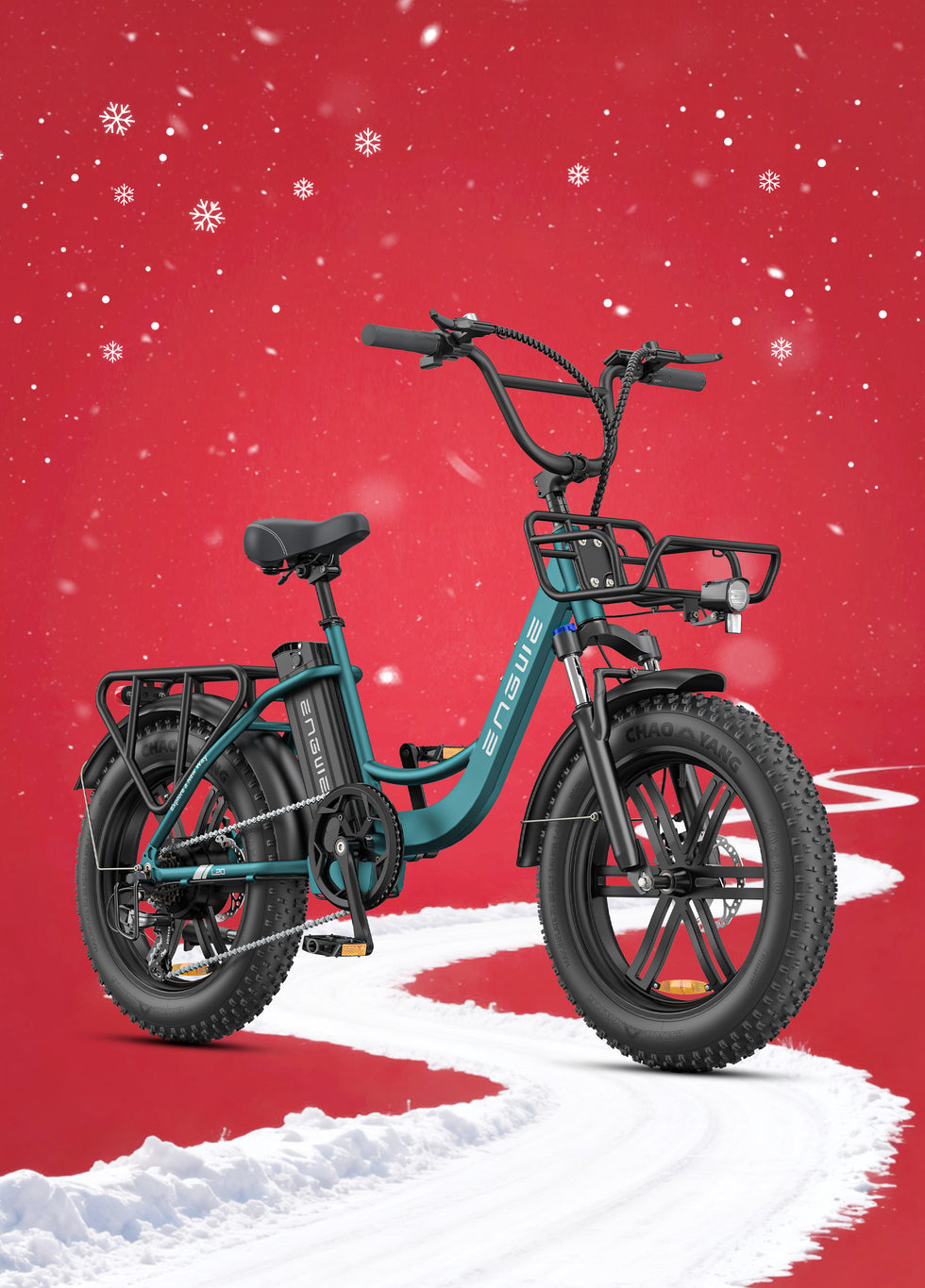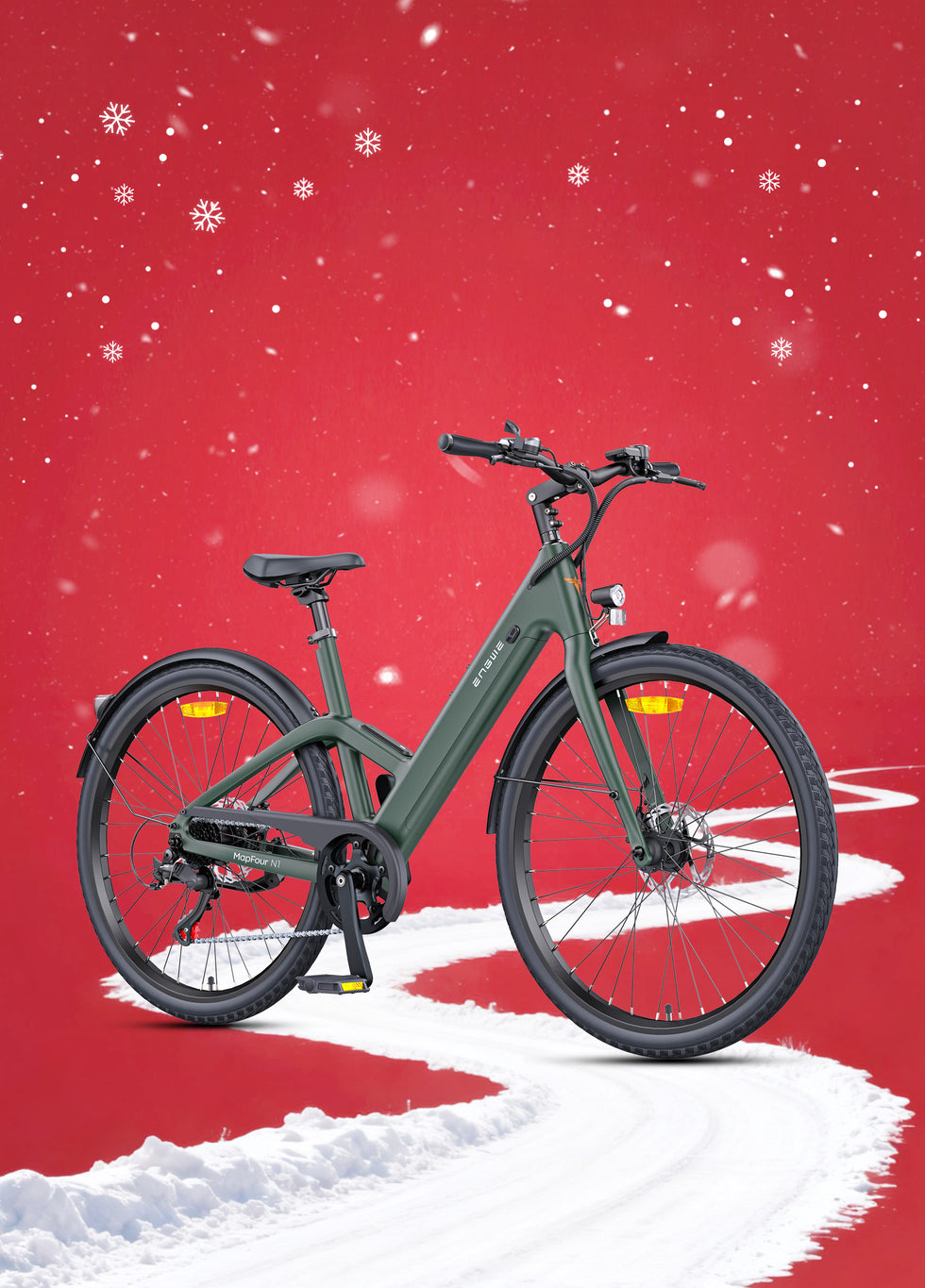

Understanding Your Fat Tire Electric Mountain Bike
Choosing the ideal fat tire electric mountain bike may seem like an insurmountable task; however, it is an investment that unveils an unprecedented level of adventure at your fingertips—or, more precisely, under your saddle. For your convenience, this guide is divided into five main dimensions. After examining your needs in each of them, you will be able to select a perfect electric bike that is guaranteed to become your reliable assistant as you balance on challenging mountain trails or cruise along a coastal promenade.
Powertrain: The Heart of the Beast
At the heart of any electric bike, the performance and range are defined by the powertrain. Therefore, this is the first dimension that you should pay attention to, as it determines whether the bike is fit for your riding needs. For example, scaling mountains regardless of the steepness or crossing long distances requires a powerful motor and high-capacity battery. When evaluating the bike’s powertrain, always pause to compare specific numbers to determine precisely what they contribute to the real-world experience. Be skeptical about the maximum wattage ratings: torque and battery efficiency play a much more important role in how the bike feels on demanding mountain terrains.
Motor type and power:
- Hub motors: Located in the rear wheel hub, this is the type of motor usually installed on cheaper bikes, enabling a powerful “push” sensation which ensures excellent capability for general trail riding and various-surface cruising.
- Mid-drive motors: The motor is positioned near the cranks; it powers the bike’s drivetrain directly. This type of motor provides a more natural pedaling sensation, improves the bike’s balance, and is the most efficient on steep climbs, making it perfect for riding down the mountain at high speeds.
- A crucial detail: Pay specific attention to the motor’s torque, which is measured in Newton-meters. The higher the Nm rating (typically, around 70 Nm or more), the better the motor’s capabilities of climbing steep inclines—a feature that is critical for mountain bikes.
Battery Capacity and Range:
Voltage and Amp-Hours determine the battery’s total capacity. A 48V, 15Ah battery is a good place to start for decent range. To make a direct comparison, calculate the Watt-hours by multiplying Volts x Amp-hours, so 48V x 15Ah = 720Wh. Higher Wh means more fuel in your tank. A removable battery is incredibly useful; if charging space is limited, it must be charged indoors away from the bike.
Range Tip: The advertised range on the website from your preferred manufacturer is likely to be generous. Manufacturers choose a nice round sum based on close-to-ideal conditions, but the real range may be only 60-70% of that.
Frame and Suspension: The Ride Quality Foundation
It is important to remember that the bike’s frame and the suspension system determine its durability, riding quality, and ultimately its suitability for rough conditions. The geometry of a frame determines its handling and the posture of the rider, while the suspension is in charge of taking impact, reducing feel, and enhancing traction. For an electric fat tire mountain bike, these aspects become even more important because of the tires. They also create a safe riding environment over rocks, roots, and drops when used in conjunction with huge fat tires.
Frame Material and Design:
Steel is a relatively low-cost, robust, and durable material that you can consider. It has a mix of durability.
Suspension is a Game-Changer:
- Hardtail: This is a system in which only the front wheel is placed on the suspension, while the rear wheel is kept rigid. This is lighter, requires less maintenance, and is much more efficient on climbing and easier terrain riding.
- Full Suspension: This configuration has suspension for the front and rear wheel. It is very efficient when it comes to shock absorption and allows the wheel to remain on the ground, providing excellent traction and control over highly technical and bumpy terrain.
- Budgeting Trick: A quality hardtail is more than enough for 90% of the roads and even saves you from wasting your pennies. If you ride more through fire roads or gravel paths than technical trails, a full-suspension bike might be overkill, as the fat tires act as a very good cushion.

Components: The Details That Matter
The quality of the brakes, the drivetrain, and other mechanical hardware is important for safety, reliability, and having a smooth ride. A powerful and very heavy fat tire e-bike must have good, quality brakes—it is a necessity. The same applies to the drivetrain; it must be efficient. Checking out a bike’s smaller details and components is key to finding if you’re getting a quality, built-to-last item.
Ergonomics and Fit: Your Key to Comfort
Uncomfortable bikes collect dust, no matter how good they look on paper. Ergonomics, which is how the bike fits your body, should be one of your primary concerns. The right fit will ensure efficient pedaling, a comfortable riding posture, and safe control. An oversized bike will be hard to control, while an undersized bike will cause pain in your back, neck, and knees. A good purchase, size, and saddle adjustments will make a world of a difference. You’ll quickly realize that longer rides in the saddle aren’t strenuous at all.
Finding Your Correct Frame Size:
- Check Sizing Charts: Every manufacturer provides a size chart based on rider height and/or inseam length. This is your most important starting point.
- Stand-Over Height: This is the distance from the ground to the top tube of the frame. You should be able to stand over the bike with your feet flat on the ground and have at least an inch or two of clearance for safety.
Key Points of Adjustability:
- Saddle Position: You should be able to adjust the seat height so that when your foot is at the bottom of the pedal stroke, your leg has a slight bend. This maximizes power and minimizes knee strain.
- Handlebar Reach and Height: Some bikes come with adjustable stems that let you bring the handlebars closer or higher, enabling you to fine-tune your riding posture from aggressive and forward-leaning to relaxed and upright.
Pro Tip:
If you are between sizes on a manufacturer’s chart, it’s generally safer to choose the smaller size. It is easier to make a slightly smaller bike fit by raising the seatpost or using a longer stem than it is to manage a bike that’s too large.
Models and Final Considerations
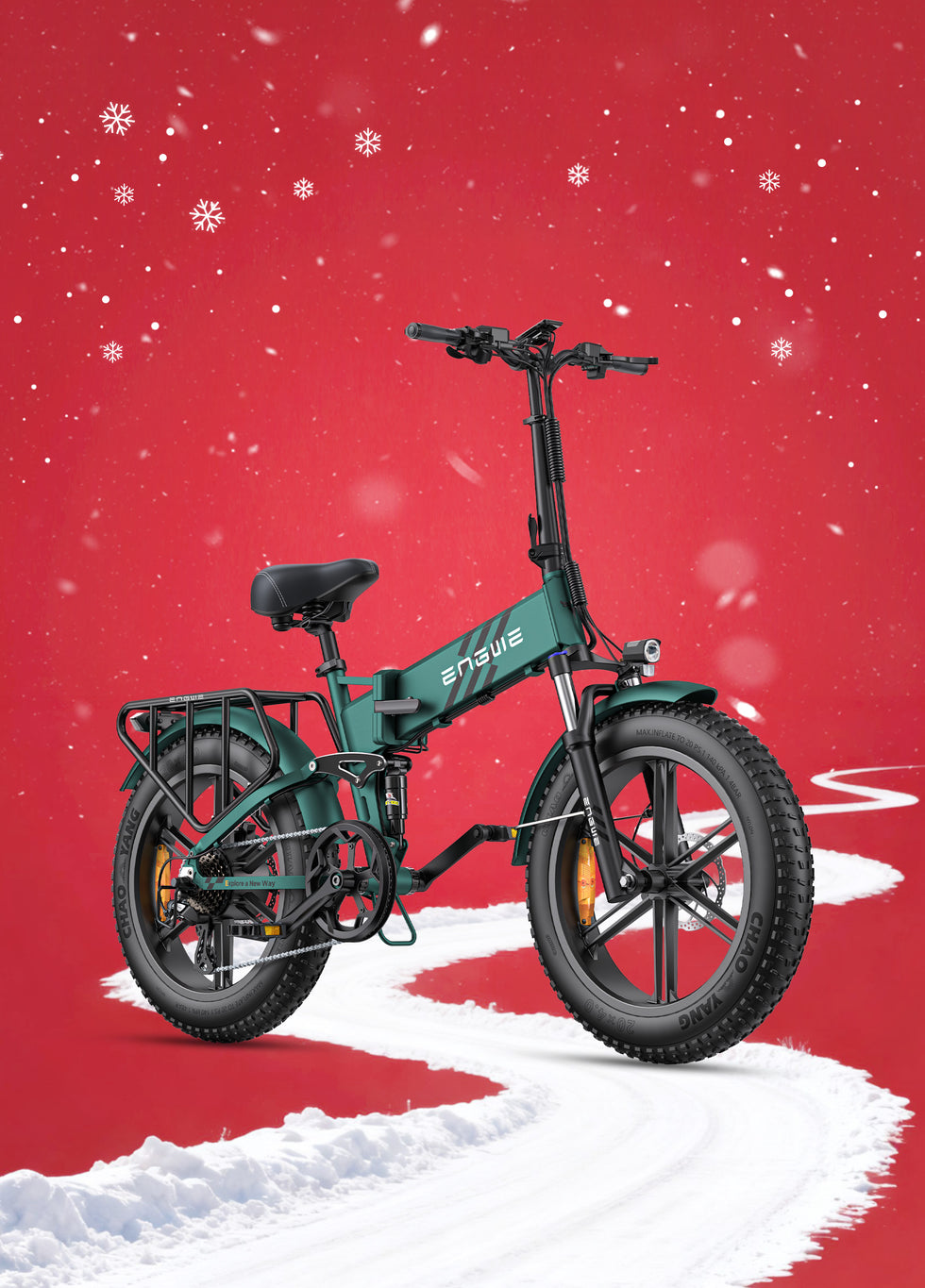
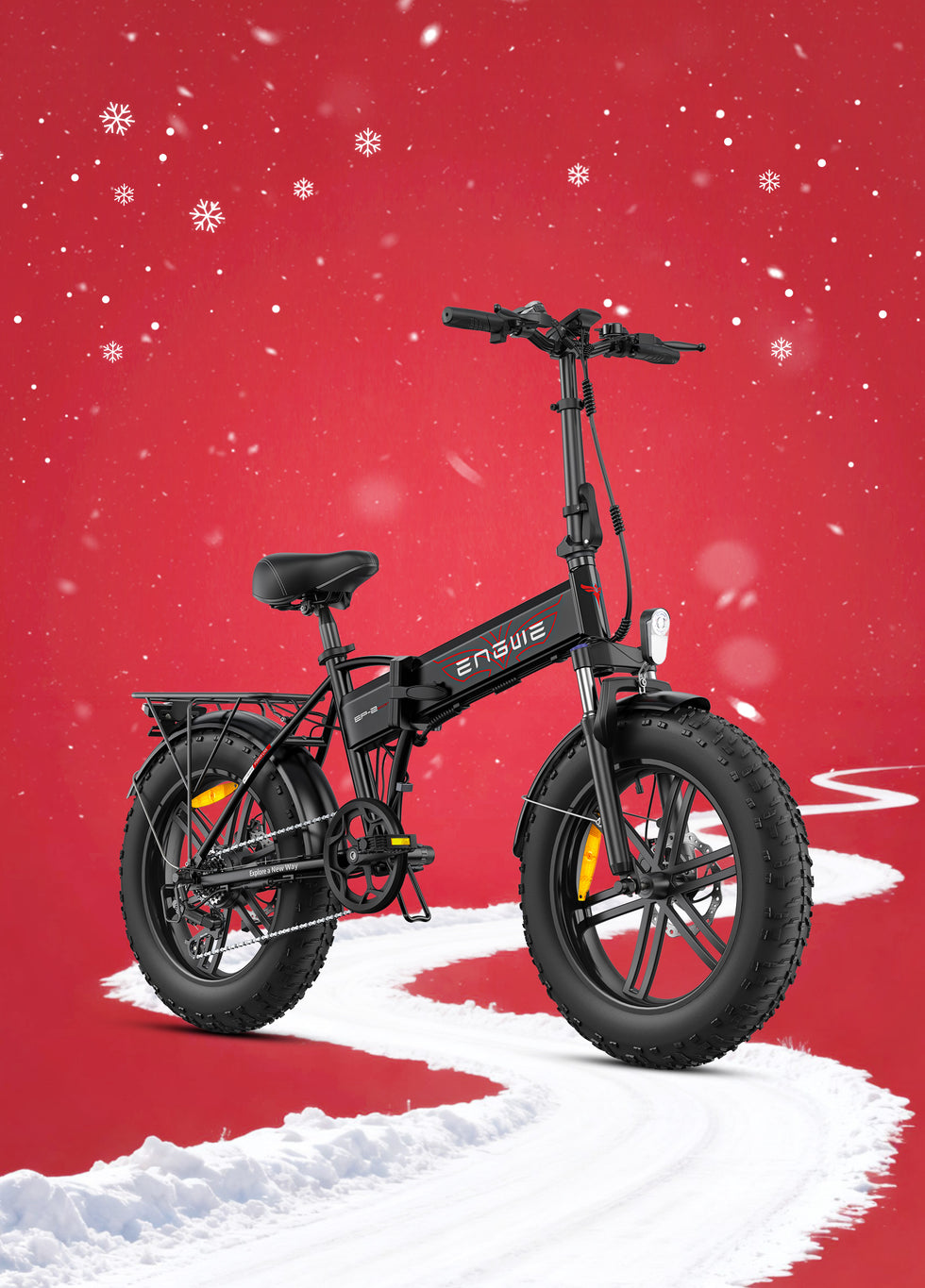
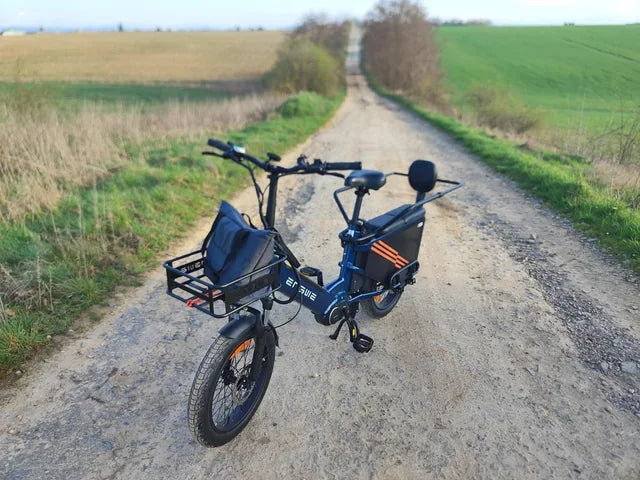
""With the technical side of things squared away, it is time to shed light on specific models that are living up to the promise. A great place to start is with a brand that combines all the described qualities: vindication, power, and hard-core design. For anyone looking for all of the above and then some, there is no better fit than the ENGWE M20. If one defines their experience-seeking philosophy as dynamic and rapidly evolving, this electric bike is crafted just for these purposes. The M20’s 750W brushless motor peaks at 1000W, providing riders with unmatched torque to dominate even the steepest of trails. As described above, its double-battery system helps to expand the unit’s operational range, meaning your adventures won't end before you want them to. Finally, the full suspension applied in hard-core mountain bikes absorbs shocks from both the front and back, ensuring that riders will experience a seamless ride even on the most grueling trail. In addition, its design, borrowing from the moped style, grabs the attention of any connoisseur of the better-off-road life.

All-Around Adventurer:
- ENGWE M20: Full suspension, power, and the option of an additional battery for an optimal range for all types of terrain.
Cross-Country Lover:
- Hardtail fat tire bike: Builds include no rear suspension, reduced weight, and higher efficiency on smoother trails and uphills, while also benefiting from fat tires.
Hardcore Trail Rider:
- Premium full-suspension mid-drive fat tire bike: Offers the closest power delivery to the rider, premium balance, and top-tier componentry.
The three questions ensure one orients their choice toward compatibility and likelihood to meet their needs. Do I need full suspension? If you primarily ride on incredibly rocky, technical trails, it’s worth it. Otherwise, for gravel roads or more moderate trails, a front-suspended hardtail is enough and less expensive. Is a more powerful motor always better? No. When considering mountain biking, high torque is more important for climbing than peak wattage. A 750W motor with high torque is likely better than a 1000W motor with low torque. How much do fat tires reduce battery range? Fat tires are large; they have more contact with the ground, higher resistance, and consume more battery. You need to buy a bike with a large capacity battery. By following these important aspects, one can easily find the best electric bike systematically.