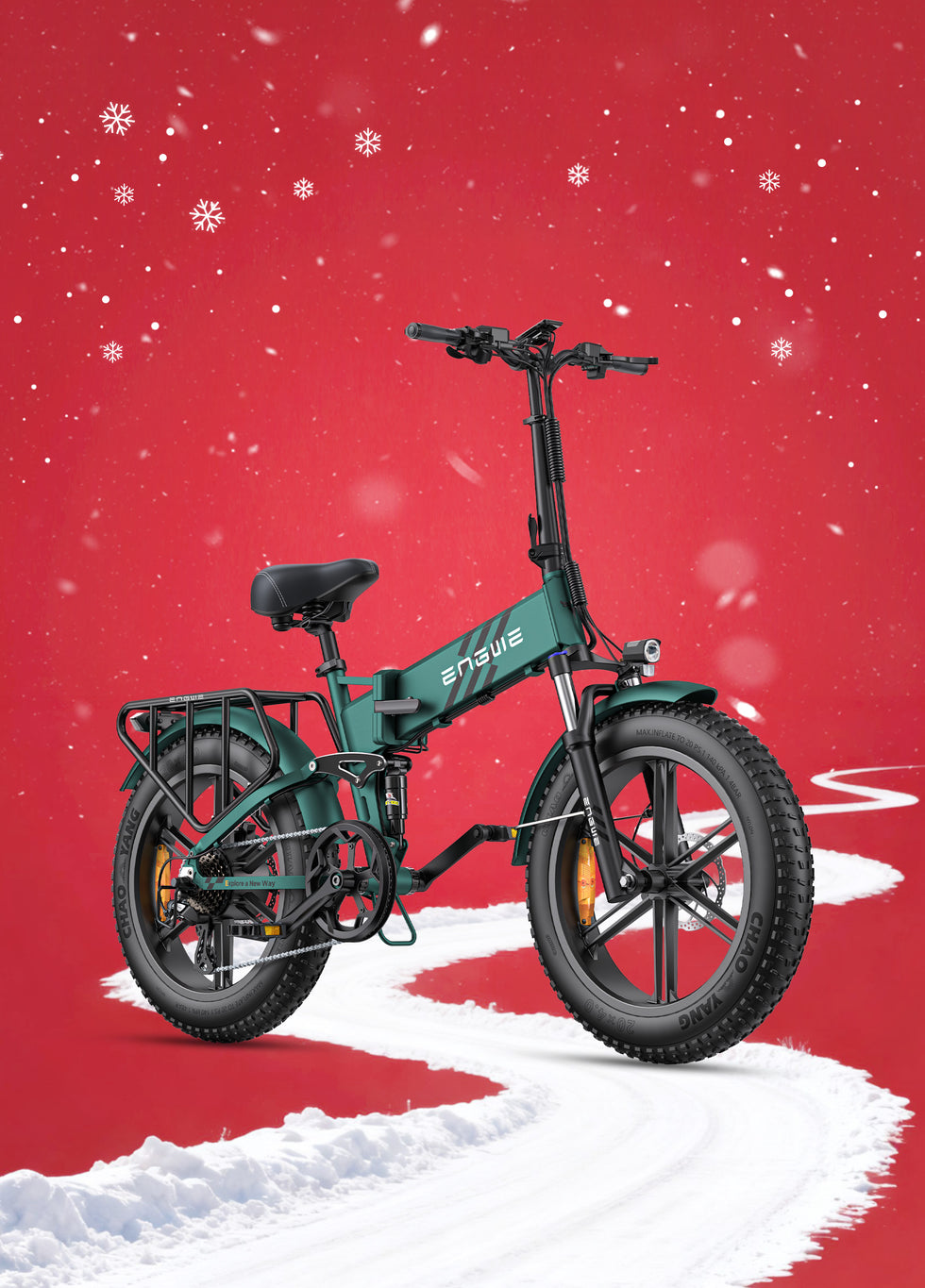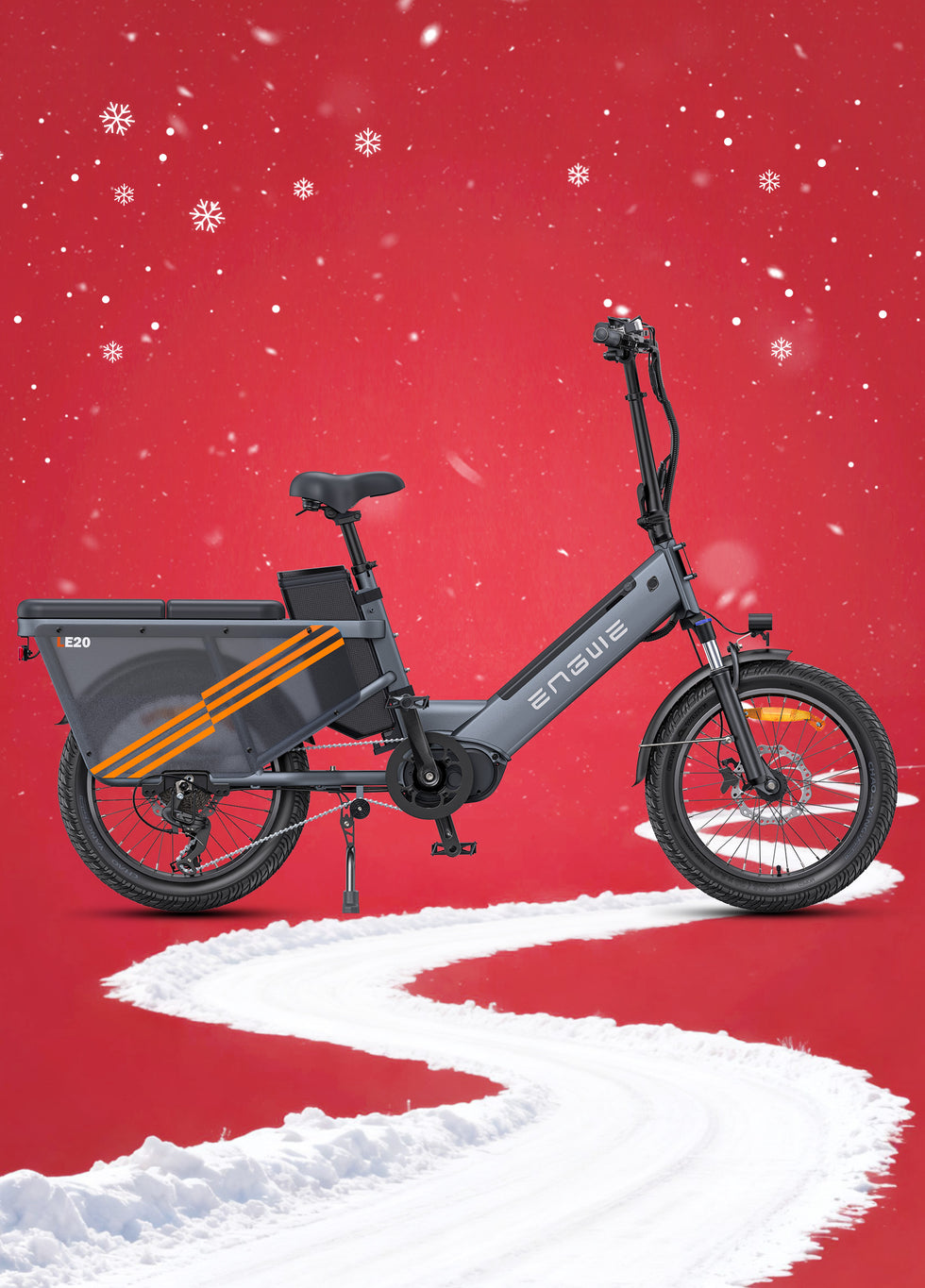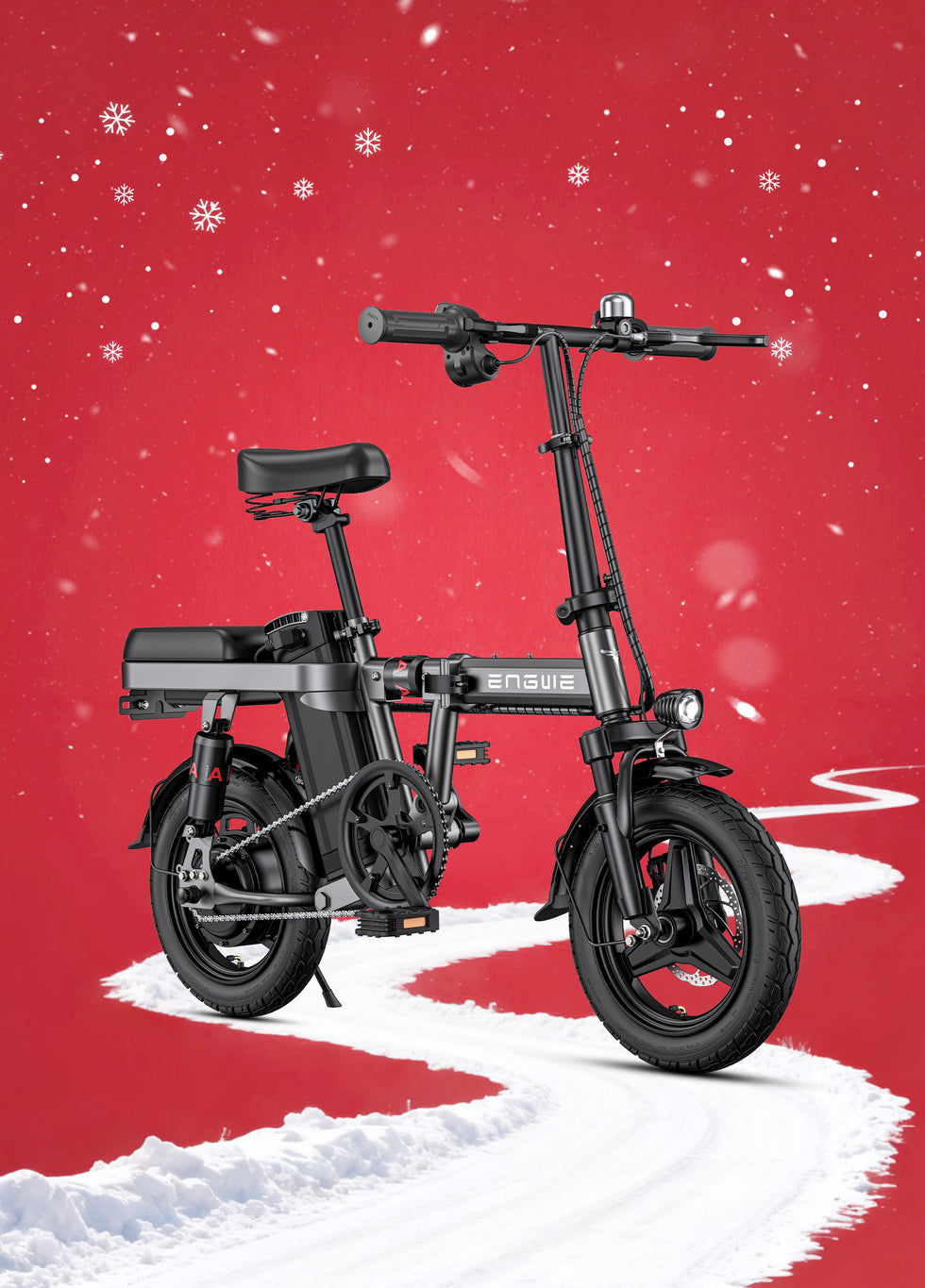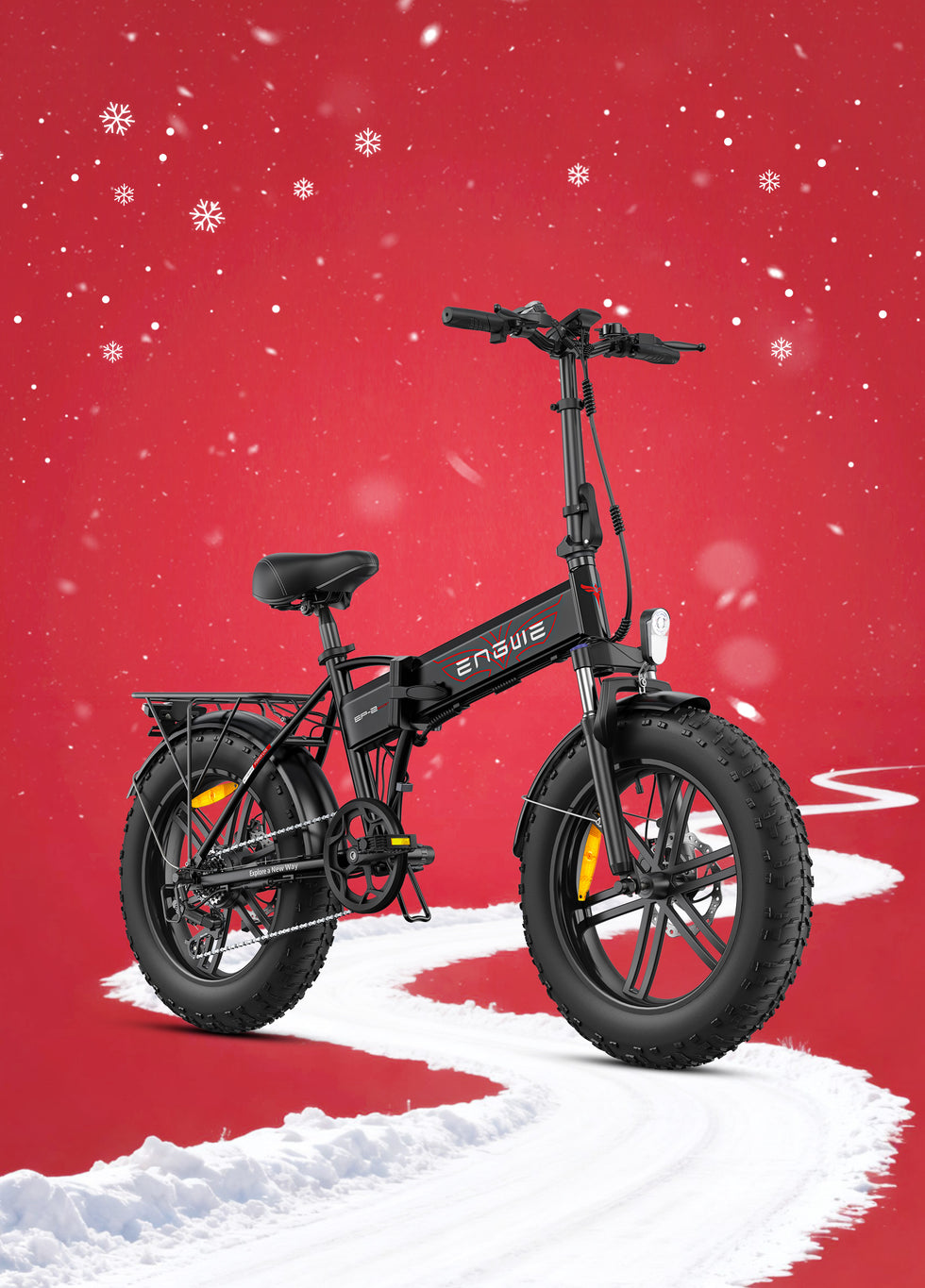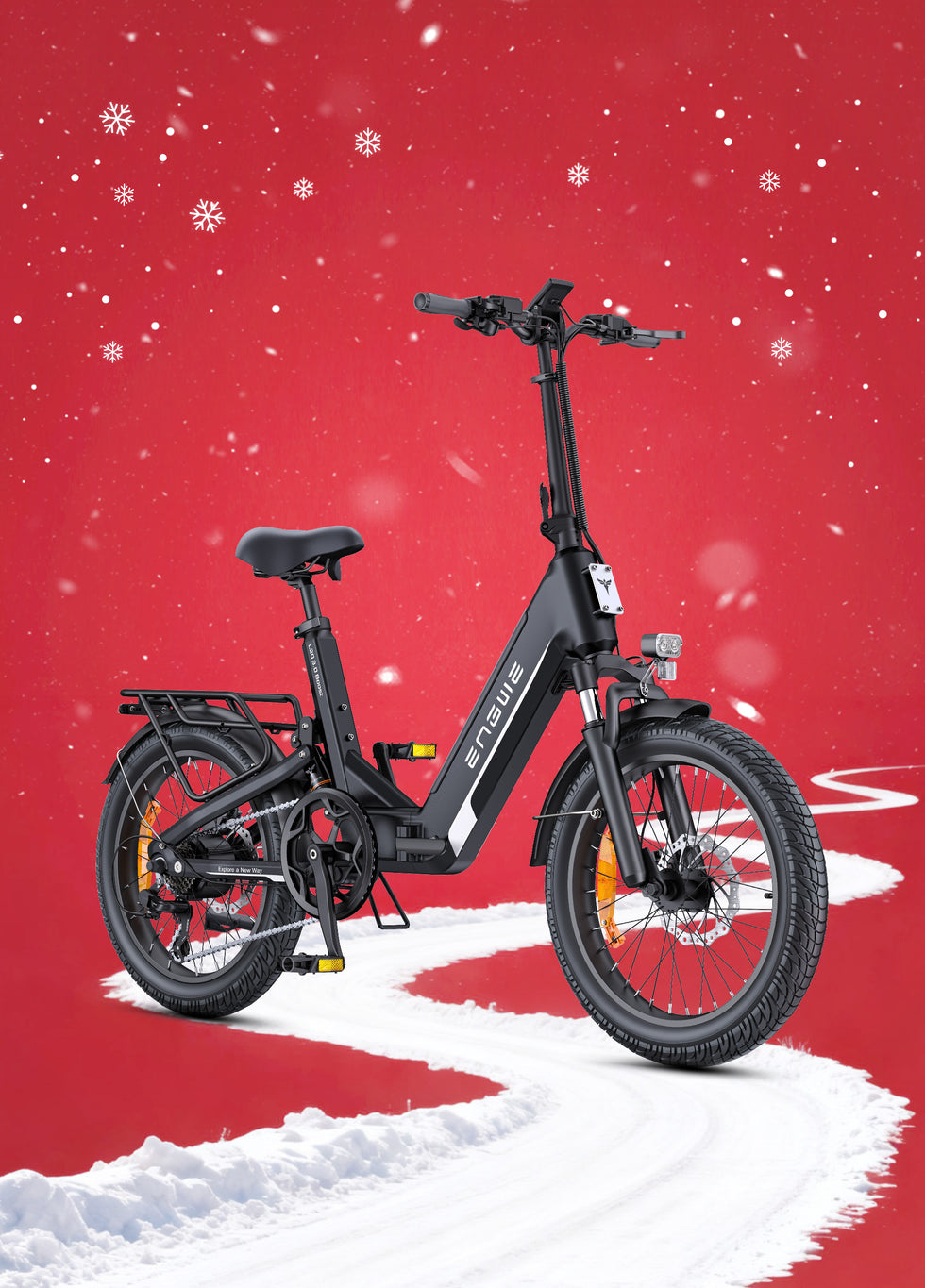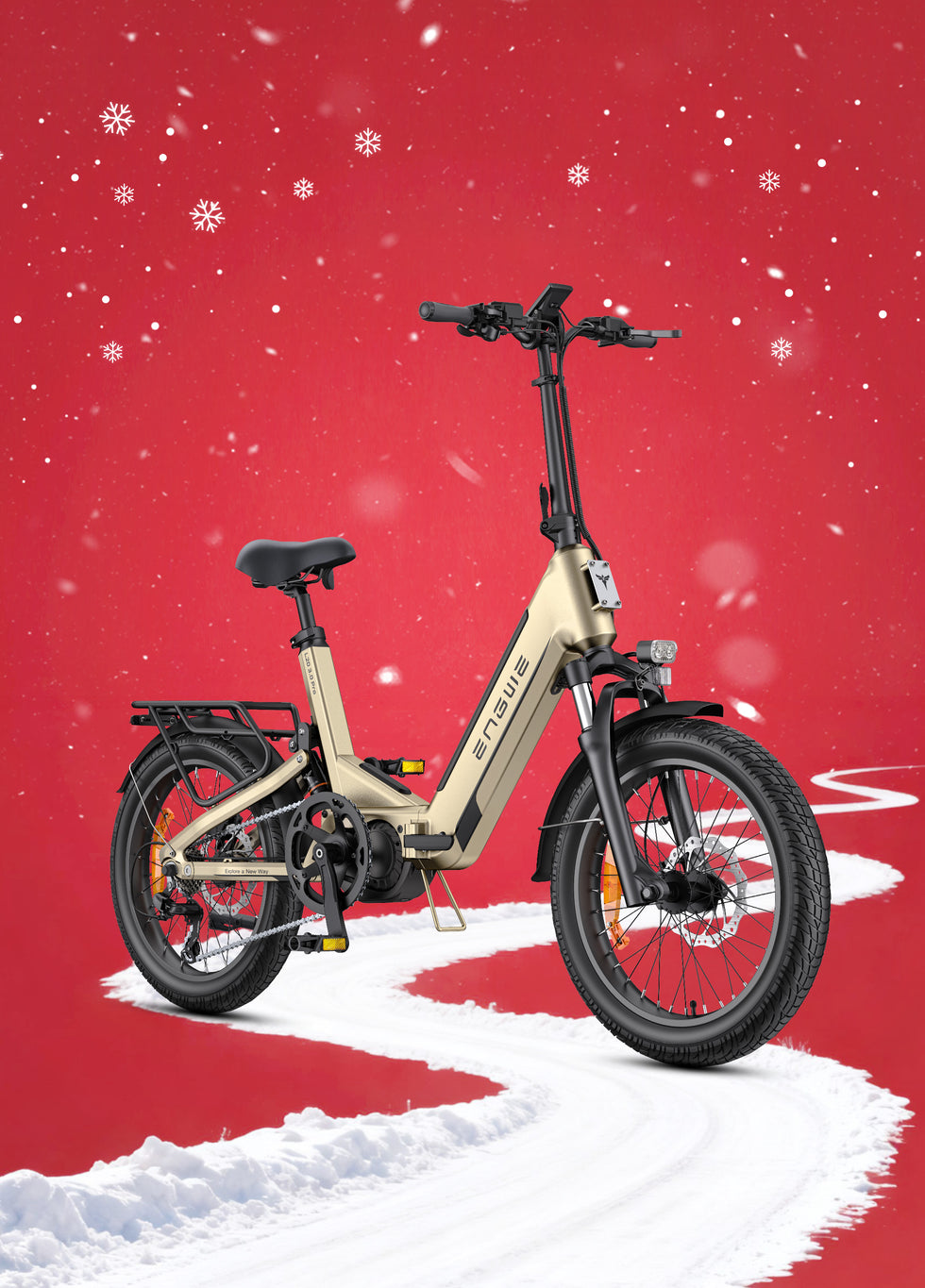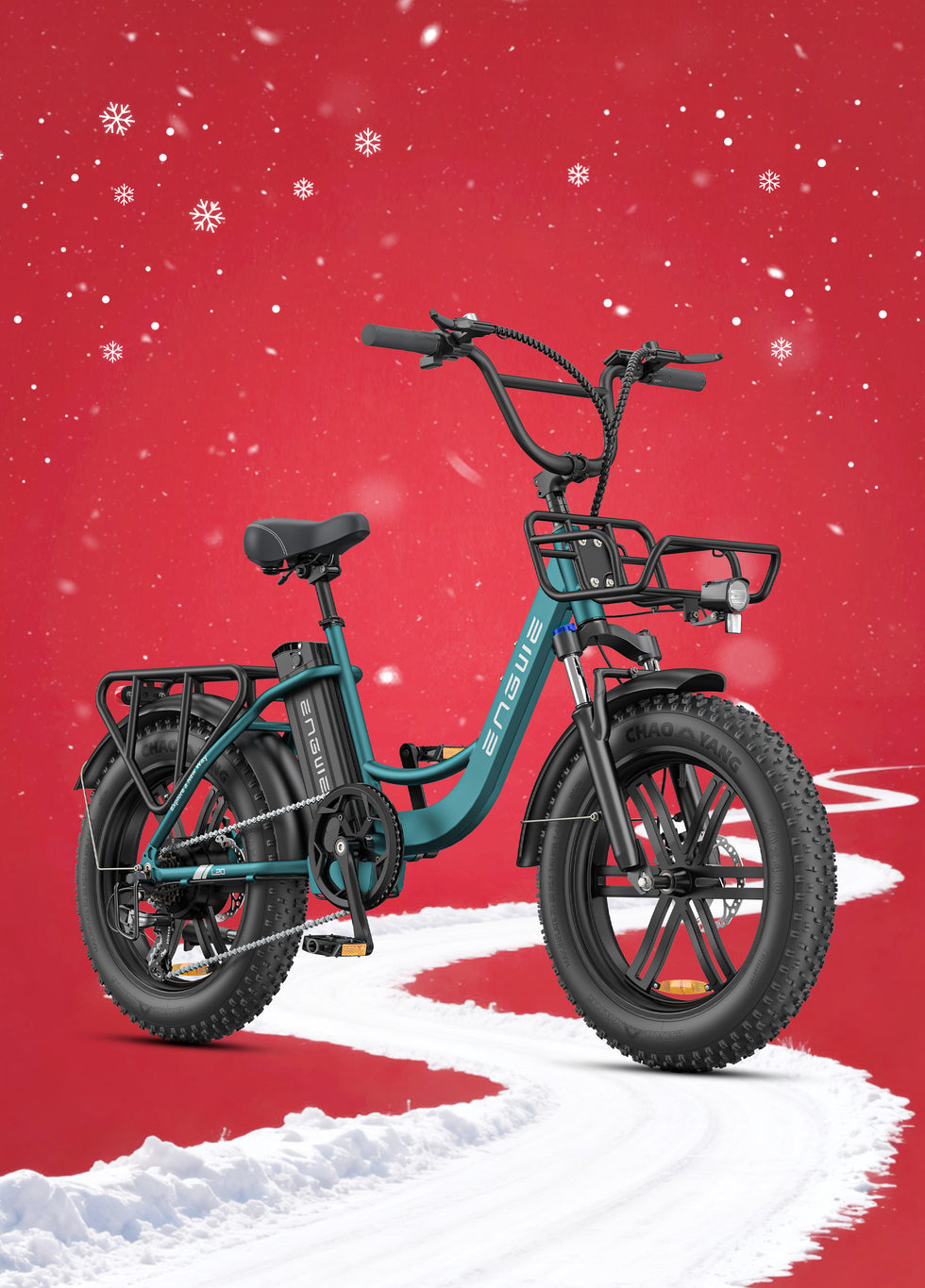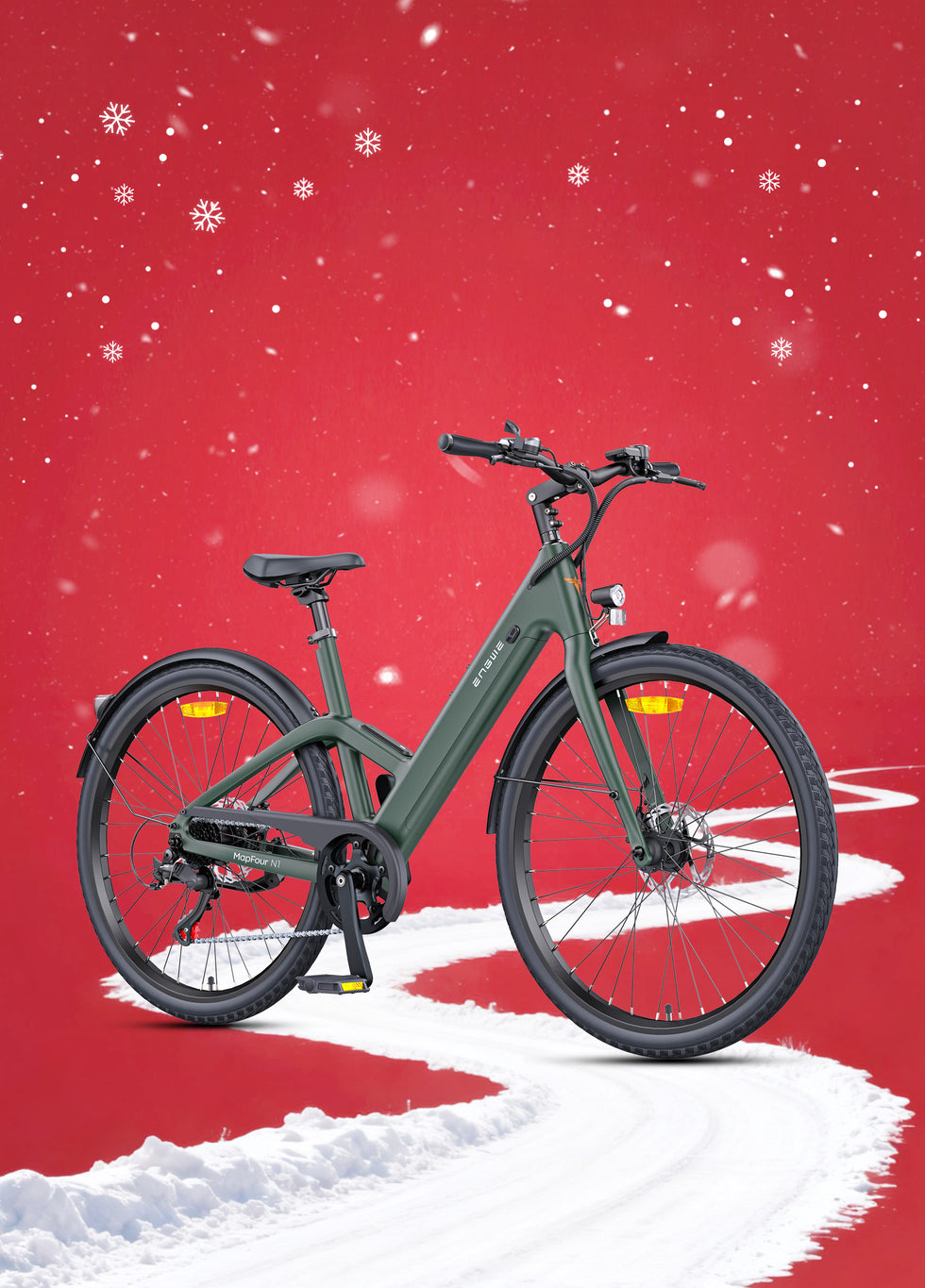

The line between two-wheeled transport is becoming increasingly blurry, with fat tire moped-style e-bikes presenting a strong case for toppling the traditional motorcycle. However, although they might share a silhouette, the differences in legality, cost, performance, and by default, society, are enormous. Here are the five primary dimensions you need to think about. With our guide, we make the decisions for you, and determine which ride is genuinely more convenient for your purposes, wallet, and the open road ahead of you.
1. Legal Requirements and Regulations
First off, this is the first and most crucial hurdle because even before you begin to ride, you have to figure out what you need to drive. The requirements for motorcycles are consistent and exact, while those for electric bikes are dissimilar and generally more regulatorily relaxed, and it is a significant separation. This is where you can easily save on both severe time and money by choosing the right vehicle for your needs as this field is regulated by your local administration.
Motorcycles:
Licensing
A unique motorcycle license or endorsement, typically labeled Class M, is required everywhere. This necessitates that you pass both a written knowledge test and a practical on-cycle skills test.
Registration and Plates
A motorcycle must be registered with the state’s Department of Motor Vehicles, with a valid license plate affixed.
Mandatory Insurance
Just about every state and country mandates you to have liability insurance to ride a motorcycle on a public highway. This is an ongoing expense you must account for.
Age Limit
16 to 18 years old, depending on locale.
Legal Aspects: Licensing, Registration, and Insurance of Fat Tire Moped-Style E-Bikes
To begin with, fat tire moped-style electric bicycles, in most cases, are classified as Class 2 or 3 e-bikes. Accordingly, in most jurisdictions, you do not need a special license, and you can basically ride with a standard driver’s license. In other words, in many cases, you might not need a license at all. Moreover, it often ends there; you can say goodbye to annual fees for registration and plates. Therefore, a lower-class fat tire electric moped-style bicycle likewise eliminates these fees. However, this does not mean you do not need personal liability insurance. Therefore, the most critical point is that you need to check your local municipal and state laws. The local law in each district may vary widely, which means, to remain legal and avoid fines, respective e-bike owners should look up local ordinances in their own area.
2. Cost of Ownership and Maintenance
Secondly, one should mention the financial aspect, as the costs of these two vehicle types—from the start of ownership to daily running costs and long-term care—work on two different scales. As a result, the former vehicle type will demand much fewer expenses, and one can save several thousand dollars in a few years with an informed choice.
Initial Purchase Price
For those who are considering ordering electric bicycles or motorcycles, it is important to acknowledge that even entry-level new motorcycles start in the thousands of dollars.
Ongoing Running Costs
While the purchase cost of an e-bike is higher, the ongoing expenses are much smaller: they don’t have fuel. A motorcycle runs on expensive, relatively costly gasoline. However, e-bikes run on electricity. This means it costs only pennies to charge the battery fully from a standard wall outlet. Furthermore, the mentioned insurance is a mandatory cost for a motorcycle registration. In contrast, e-bike insurance is optional and not expensive. Motorcycles also cost to be parked in downtown areas, while an e-bike could be secured at a regular bike rack for free. Much simpler maintenance and upkeep also result in lower costs. A motorcycle necessitates regular maintenance, which is both advanced and frequently expensive. Oil changes, chain adjustments, valve checks, and tire replacement require a professional mechanic. An e-bike requires regular maintenance, but it is much easier and less expensive.

3. Performance, Power, and User Experience
This category discusses the intended purpose of each vehicle. A motorcycle is a high-speed, long-distance traveling mode while a moped-style electric bike has been developed for versatile city use and a joyful ride. To exemplify the best of the moped-style e-bike class, I want to introduce the ENGWE M20. This great model has kept its design power and vibe, which is intertwined with cutting-edge technology. Its powerful motor ensures fast acceleration and is capable of handling severe city hills without breaking a sweat. It possesses a dual-battery system, showing an extended range and eliminating the range anxiety present in other models. It, therefore, lets you ride further, explore deeper, and is supported by its 4-inch fat-tire solution. It provides greater comfort and stability on bumpy city roads and lets you try your luck on almost any type of off-road terrain. The ENGWE M20 is not only a means of transportation but a machine built for adventure. If you want to experience a quick, reliable, and joyful ride without additional complications, this model is just for you.

| Feature | Typical Moped-Style E-Bike | Typical Entry-Level Motorcycle |
|---|---|---|
| Power source | Battery (electric) | Gasoline (internal combustion) |
| Top speed (typical) | 20-28 mph (32-45 kph) | 60+ mph (97+ kph) |
| Primary use | Urban commuting; recreation | Commuting, highway travel, touring |
| Maintenance | Low: brakes and chain | High: oil, engine, transmission |
| Range | 25-100+ miles | 150-250+ miles |
4. Lifestyle Integration and Accessibility
How does the vehicle relate to you outside of driving it? Regardless of how it works or performs, moped-style e-bikes provide a certain level of ease and accessibility that motorcycles can’t. Because they are far more straightforward to store, maintain, and operate, and are less costly, they are more accessible to urban residents and casual commuters. It substantially reduces the two-wheeled mobility entrance barriers, which do not necessitate a large area, special infrastructure, or typical expertise.
Parking and Storage:
Motorcycle: Parking for a motorcycle is no different from a car; it necessitates a dedicated parking spot. An apartment dweller without a garage may struggle to find space. They are also difficult to move when not in operation due to their weight.
E-Bike: The e-bike is significantly more comfortable and lightweight. Bicycles can be parked at a bicycle parking lot, or brought indoors to an apartment or onto a balcony. This flexibility is a huge advantage in densely populated areas. One of the main advantages of e-bikes, due to having a simple drivetrain, is their accessibility, which is optimal when space is limited.
Route Versatility:
Motorcycle: It can operate on the streets and roads. It is forbidden to ride on bike trails and many pathways.
E-Bike: E-bikes offer greater accessibility. Depending on local regulations, you can often ride in bike lanes. This allows one to avoid city congestion. Fat tires also enable easy off-road use.
Health and Fitness:
Motorcycle: There is no opportunity for exercise; the engine does all the work.
E-Bike: A unique advantage to the e-bike is the option of exercise assistance. You can get exercise during your commute, arriving at your destination without breaking a sweat. This may increase your daily exercise.

5. Skill Level and Safety Considerations
Given that skill development and damage potential are significantly greater for one than the other, this is a comparison of high-risk and low-risk options. Motorcycles have a faster pace, more capacity, and significantly more horsepower than e-bikes. Thus, the degree of experience required varies significantly. Riding motorcycles necessitates expertise that includes learning how to operate a manual clutch, shift gears, counter-steer at 60 mph, and control the throttle. In most countries, one must also undertake a learning course. One doesn’t need to learn anything special to ride an e-bike. Because the throttle and pedal-assist systems are simple to operate, it’s as simple as riding a standard bike. Riding a motorcycle safely requires proper gear: a full-face helmet, armored jacket, gloves, tough trousers, and over-the-ankle boots. In comparison, e-bike riders are typically only required to wear a helmet. While specific helmet types may not be mandated, wearing one is often required by law.
Inherent Risk:
Motorcycles: High speeds and sharing the road with highway traffic result in a substantially greater risk of serious injury if there is an accident.
E-Bikes: Slower overall top speeds mean fewer and less severe incidents. Many people ride in car-free protected bike lanes when possible, almost completely nullifying the risk of being hit by a car.
Critical Tip for New Riders: “Hone your skills in an empty parking lot before you ride in traffic. Getting a feel for the motorcycle’s weight distribution and the motor’s acceleration in a safe environment boosts your confidence and makes your first few rides infinitely safer.”
Q1: Will I need a license to ride one of your fat tire moped-style e-bikes?
A1: In most places, no. Depending on your area’s specific e-bike class, speed, and power limitations, local laws can mandate that even a Class 2 or 3 bike require special licensure.
Q2: What is the primary financial benefit of choosing an e-bike over a motorcycle?
A2: The avoidance of recurring mandatory costs. Over time, an e-bike saves you thousands by eliminating the need to buy gas, pay a mandatory monthly insurance premium, and renew your vehicle registration every year — expenses that are mandatory with a motorcycle.
Q3: Can a new e-bike be my primary source of transportation?
A3: Absolutely. E-bikes are considered a primary vehicle by many city dwellers, as capable moped-style e-bikes are entirely sufficient for city driving and have the added bonus of being enjoyable and affordable.
The right choice is the one that complements your lifestyle and fits within your budget.