
Are you considering converting your traditional bike into an e-bike? To begin your journey, one of the most accessible and popular options on the market is to use an e-bicycle hub motor kit. These kits come with a battery, motor, and controller to add some enthusiastic electricity to your bike. Before beginning your do-it-yourself project, you must see the whole image of an e-bicycle hub motor kit. Connections above has the benefits and drawbacks of building an e-bike with a hub motor kit to help you figure out whether you want to go this route. The ride experience and the sensation of riding are directly determined by the motor’s placement in the wheel hub. As a result, this has definite advantages and disadvantages. Rather than propelling the pedals, which a mid-drive motor drives, the bicycle is driven using the hub. In this methodology, dubbed a kit, it may feel as if you are being carried or being pushed. This is a powerful and easy-to-install system; however, it does have an impact on the bike’s overall handling. This will help you determine whether a hub motor kit is suitable for your needs.
Hub Motor Ride Characteristics and Performance
Hub Motors have a variety of ride characteristics. The cons will further include the factors tweaking hub motor performance:
Unbalanced Weight Distribution
The weight of the motor, which can be considerable, is placed nearly in the front for front hub motors or rear for rear hub motors. This would be the primary source of uncomfortable handling for your bike. In front, it makes the steering feel heavy, while in the back, it adds even more to an already overburdened part of your bike.
Traction Issues
On the front hub motor, front tires tend to wash out much earlier, as there isn’t as much tail-end weight as a motorbike. Besides, on rear-hub motors, there’s an issue with the tire spinning under hard throttle in sand and mud.
Increased Unsprung Weight
The motor is placed securely in the wheel, so it moves up and down every time the suspension moves in its range. This increasing unsprung weight means your suspension responds poorly to bumps and shocks, while on trails it feels skittish.
Installation, Maintenance, and Long-Term Durability
Installation
- Simpler mechanical installation: A hub motor kit does not require specialized tools to remove your bottom bracket, as a mid-drive kit does. Instead, you are largely swapping a wheel, mounting components, and managing wires.
- Modularity: Due to its separation of systems’ components (motor, controller, battery), when one part fails, you can often replace just the failed component rather than the entire system.
- Preservation of original gearing: Your crankset, front derailleur, and bottom bracket are untouched, so your pedal drivetrain feels just as it did before.
Maintenance
- Difficult flat tire repairs occur. Changing a flat tire on the motored wheel is significantly more difficult. You must disconnect motor wires and deal with axle nuts, expanding the straightforward roadside procedure into a more involved endeavor.
- Managing wires: It is difficult to ensure a safe and clean wiring job. Not only does a nest of wires look terrible, but they are also prone to being pulled on or damaged during a journey or when transporting.
- Frame and dropout stress: This is a critical safety consideration. A standard bicycle frame is not designed for the rotational forces a hub motor generates, especially its dropouts. Powerful hub motors can “spin out,” literally twisting the axle out of your dropouts and causing a critical accident. For most kits, installing torque arms is a non-negotiable safety measure.

Cost, Value, and Financial Considerations
For many, the lure of a hub motor kit is its low cost. It is nearly the least expensive method to begin riding an electric bike. However, hidden costs, compatibility problems, and a five-year limit on resale value can rapidly erase the initial savings. True value analysis is only achievable if the total cost of ownership in both dollars and final product quality are taken into account.
The “Pros” of the Cost Equation
- Low initial investment. A hub motor kit is the cheapest way to electrify a bike; typically, a new, pre-built e-bike may cost an order of magnitude more than an existing bike and a conversion kit together.
- Revived old bike. With a kit, you can get a new lease of life for a cherished but unused bicycle, so it won’t be gathering dust again.
- Flexibility of the budget. You can select components to fit your budget. For example, you can buy a smaller battery to save money on it and upgrade to a bigger one in the future when you can afford it.
The “Cons” of the Value Proposition
- Hidden costs. The kit price often is not the final price. You will need new tires, a stronger freewheel, torque arms, and specialized tools that add to the total cost of the conversion.
- Non-existing resale value. A DIY e-bike conversion will depreciate virtually entirely. People often do not want to buy your e-bike because of the suspect quality of the installation, reliability of the components, and absence of a warranty. A branded e-bike retains its value much more if it is sold.
- No warranty and the support is spread. You are the manufacturer and the mechanic of the e-bike you are building. If a component fails or if the parts are not compatible, you need to diagnose and fix the problem. Different parts may have come from different vendors, so you need to contact them to receive warranties and replacements.
Compatibility and System Integration Challenges
The promise of a hub motor kit as universal and just plug-and-play is not entirely true. Not every bike is suitable for conversion. Dimensions and mechanical compatibility are essential, and the available space needs to accommodate all the parts. Sometimes the final installation lacks the finesse of a manufactured e-bike in terms of aesthetics and usability.
Key Compatibility Checks: Your Pre-Purchase Checklist
- Dropout Spacing: Before buying a hub, you need to measure the distance between the dropouts on your fork (for a front hub) or frame (for a rear hub) to ensure the motor axle will fit that distance.
- Wheel Size: The kit must match the wheel size the frame was originally designed around, generally either 26-inch, 700c, or 29-inch wheels.
- Brake System: The motor hub must be compatible with the brakes you have. This can either mean it needs to work with disc brakes, including the correct rotor mounting, or to be compatible with rim brakes.
- Battery Installation: Does your frame include space, usually in the main triangle, to mount the battery securely? This is often done via bottle cage mounts.
The table below shows these parameters, common measurements, and how important each is for a successful build.
| Parameter | Common Measurements | Importance for a Successful Build |
|---|---|---|
| Dropout Spacing (Front) | 100mm | The motor axle needs to exactly match the width of your fork. |
| Dropout Spacing (Rear) | 135mm for standard QR but measure! | This is the most common spacing but there are others used. |
| Wheel Diameter | 26”, 27.5”, 700c, 29” | Needs to match your original or maintain proper frame geometry and safe cycling. |
| Brake Compatibility | Disc brakes 6-Bolt/Centerlock/Rim | Requires mounts for the brakes you already have. |

Choosing a Kit and Considering the Factory-Built Alternative
""ENGWE具体型号文字"M20"所在段落的段落标题(即带
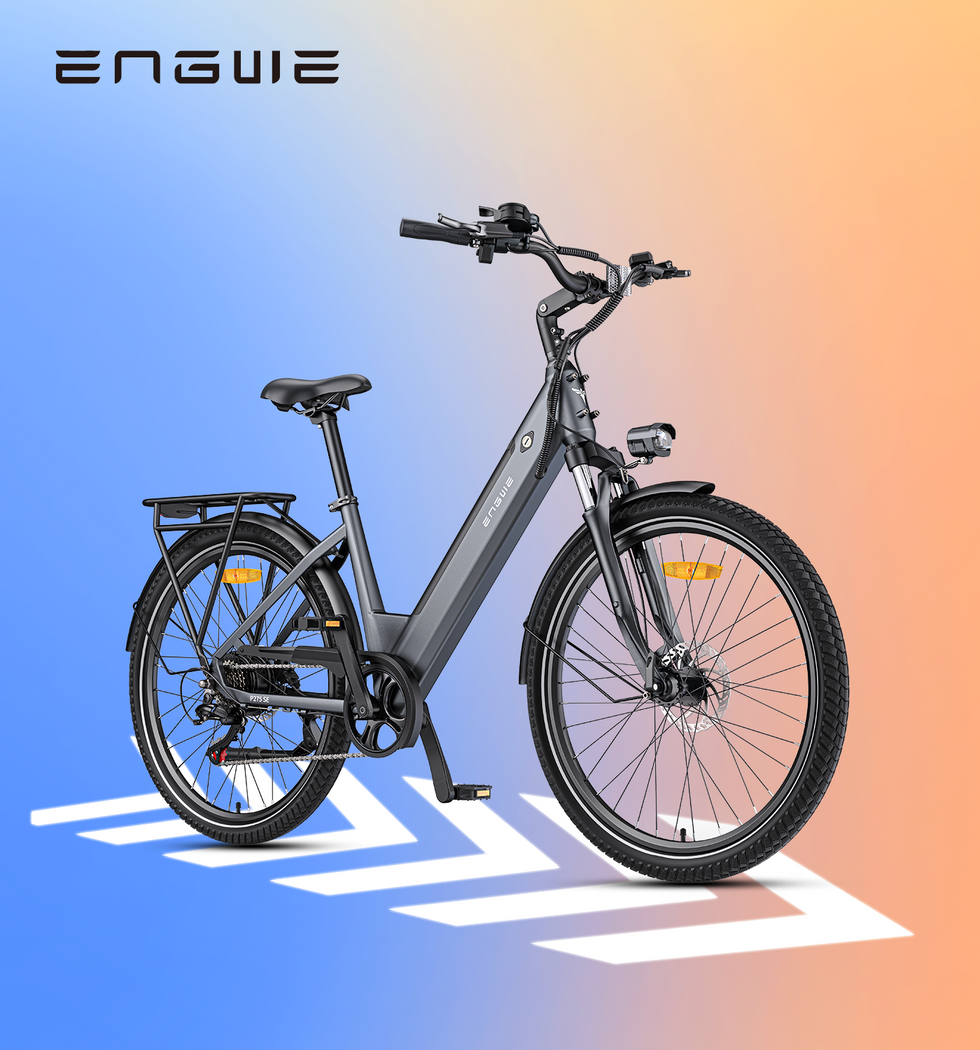
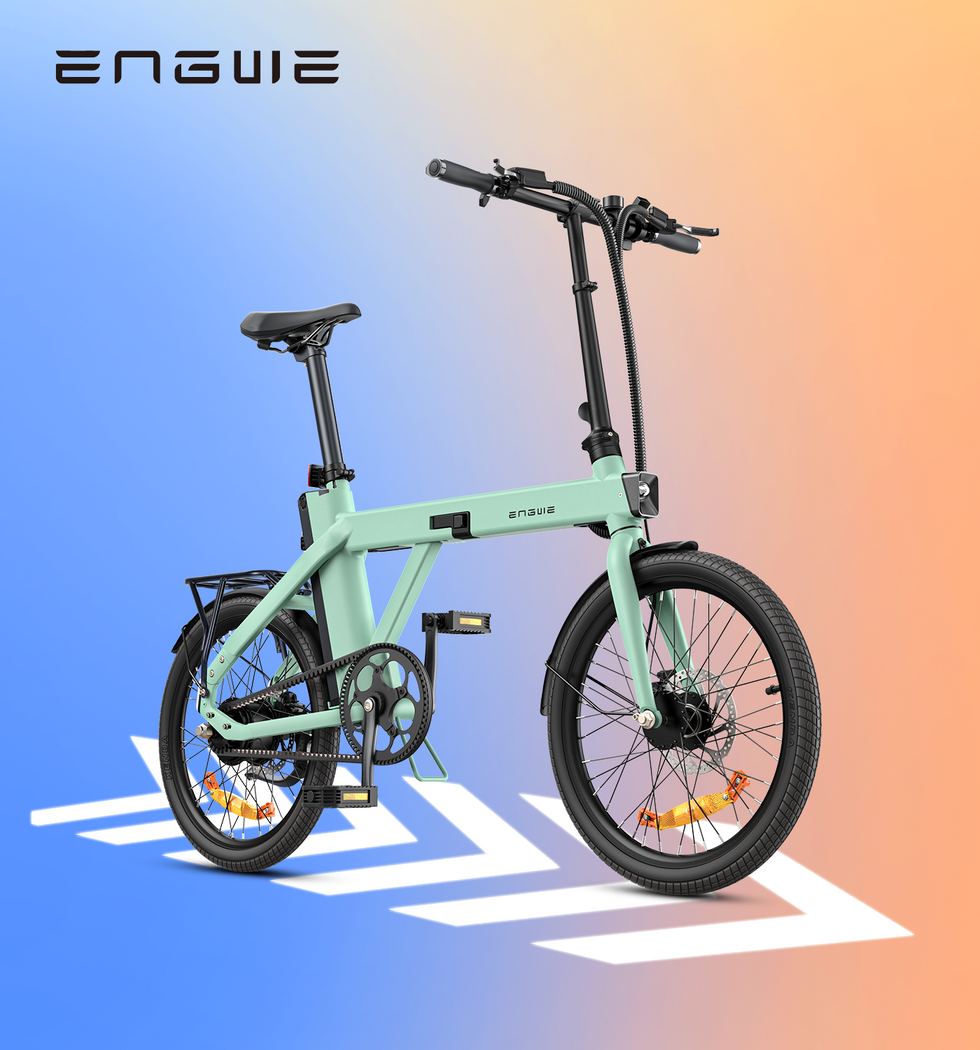
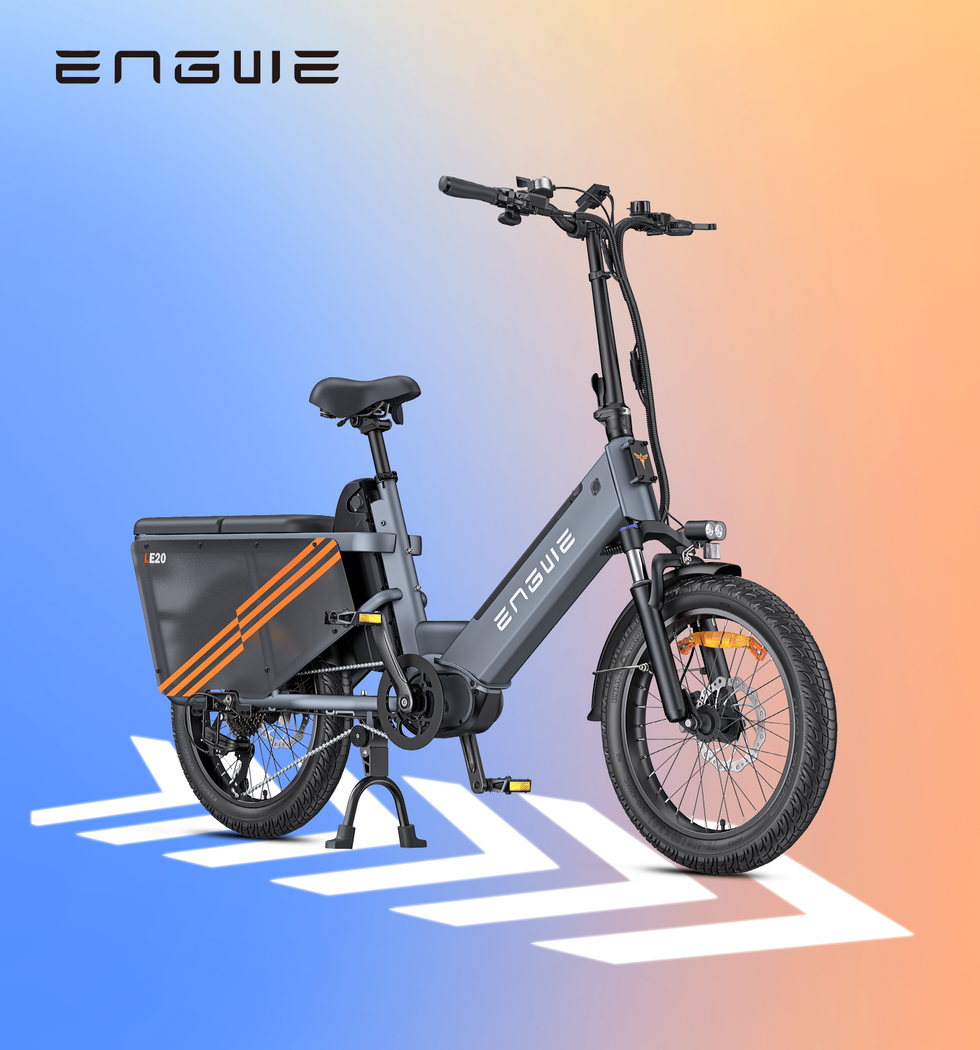
When you shop for kits, you’ll come across brands like Bafang and Voilamart. They’ll offer you either geared hubs, which are lighter, have better low-end torque for hills, or direct-drive hubs, which are simpler, more durable, and capable of regenerative braking. However, not everybody is suited for the DIY route. Riders who seek excellence in an integrated design, professional assembly, and a comprehensive warranty will almost always prefer a purpose-built electric bike. This is where brands like ENGWE come in. Rather than fumbling with the potential cons of a kit—like wire management, proper component matching, and certain safety concerns—a professionally engineered solution is your better bet. The ENGWE M20 is a prime example of the advantages of a factory-built e-bike. Its 750W hub motor is carefully tuned to this exact frame and controller. Offering an optional dual battery system, it nips the biggest kit issues in the bud. Its robust frame can handle the motor’s force from day one. What’s more? Measuring 20×4.0, the M20’s fat tires provide a level of traction and comfort hardly achievable with a regular DIY conversion. Vis-a-vis the DIY conversion, choosing a complete e-bike like the ENGWE M20 keeps the guesswork out of the equation. Take a look at the FAQs:

Q1: Are E-Bike Hub Motor Kits Legal?
A: Yes; generally, they are, but do check your local regulations. Nearly all jurisdictions around the globe impose laws related to maximum power output, measured in watts, and top assisted speed. Always adhere to the building and use requirements of your jurisdiction.
Q2: Front or rear hub motor?
A: For most riders, a rear hub motor allows a more comfortable, natural, and balanced ride which is better for traction and stability. A front hub motor is easier to install but doesn’t feel as natural or balanced and is more susceptible to wheel slip.
Q3: How much power do I really need?
A: A 250W to 500W motor is adequate for most commuters and for mild hills. However, a 750W motor is often used in high-performance e-bikes; it has far more torque for steep hills and much faster acceleration to achieve that tingling sensation. Overall, whether you want a hub motor on a DIY kit or a vehicle fully prepared by the manufacturer, this choice is an approachable, powerful solution for electric cycling.