
The land of electric bikes is in flux, no longer solely footed with brute power but increasingly defined by efficiency, agility, and style. Leading the way in that evolution is the development of advanced materials such as carbon fiber in order to produce lightweight e-bikes. And the whole experience is a revelation — an electric-assist bicycle that still feels as purely good to ride as a regular bike. This article details the ten reasons why your next e-bike should be a lightweight one, and will help you make an informed decision.
1. Unmatched Performance and Everyday Portability
Riding becomes faster, more relaxed, and more exciting than ever. With a lightweight electric bike, you rediscover your ride through the city or the countryside anew every day and are more often drawn to cycling instead of driving in the car. This decrease in mass translates into an instantaneously more flickable and nimble machine that is immediately downsize-class-like, an extension of your limbs rather than a powered vehicle. This improved maneuverability is key to tackling narrow city streets, splitting lanes, or technical trails. And it's no small bonus when one is city-bound. When you’re biking anything but flat trails, up-and-down pounds make the difference on an e-bike, so much easier to manage in your typical urban or suburban landscape. It's in this area of user experience that lightweight design really excels, allowing the e-bike to fit effortlessly into your daily life, rather than making it a tedious chore.
Reason 1: Handling and agility
Lower weight results in a lower center of gravity with less inertia. This will help you accelerate faster, steer more responsively, and take corners tighter. You are more in touch with your terrain and, therefore, more a part of it during the trail or mountain ride.
Reason 2: Better Portability
Carrying a lightweight e-bike up a staircase, onto the bike rack, and into public transportation is no longer backbreaking work. This convenience is a game-changer for apartment renters or commuters seeking to solve their multi-modal transportation needs.
Pro Tip:
When lifting any e-bike — yes, even a lightweight edition — it’s crucial to lift with your knees, not your back. Hold the frame firmly by two points for smooth, balanced, and safe lifting, such as under the top tube and close to the seat post.
2. Smart Engineering and Feature-Rich Design
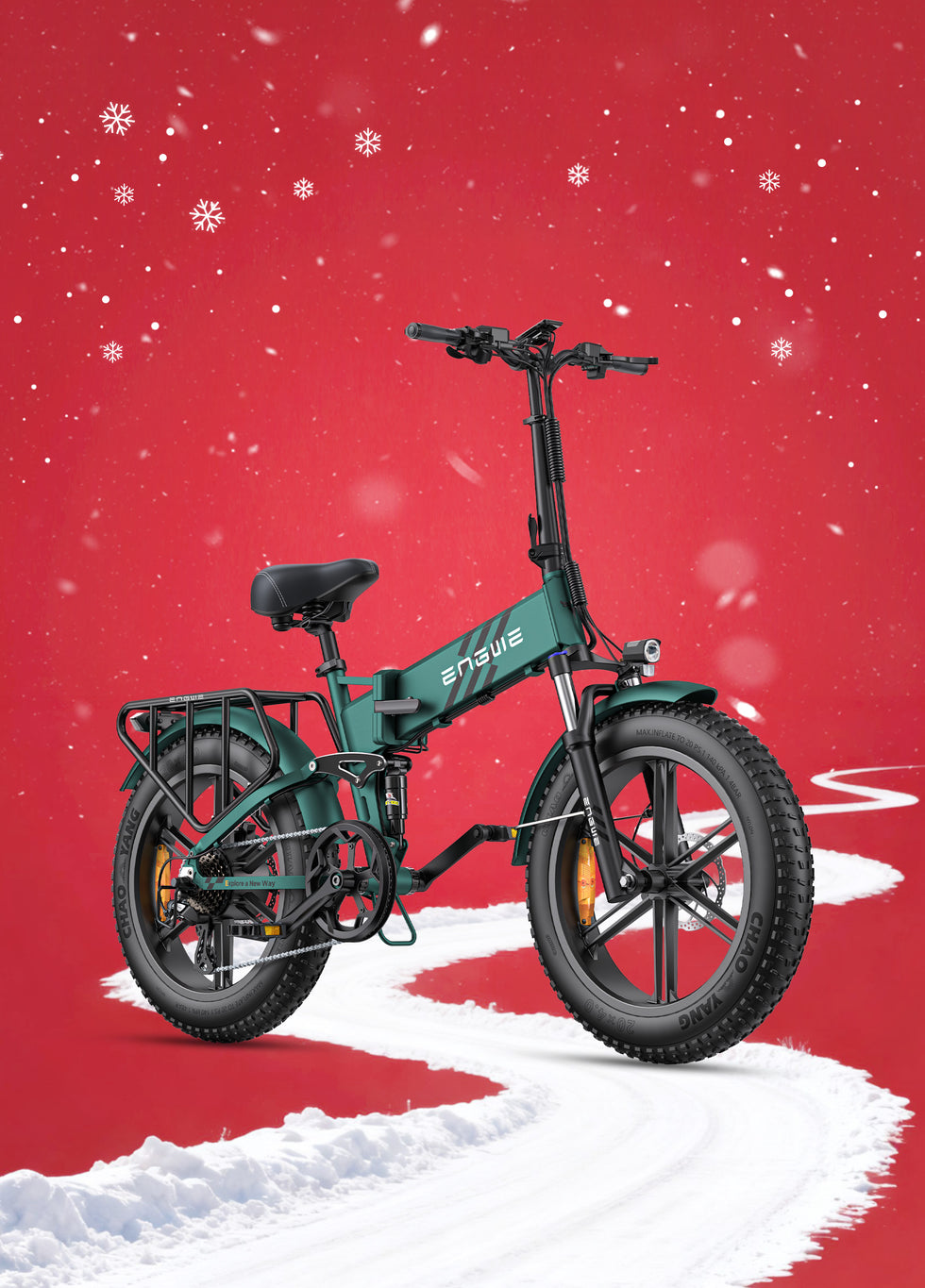
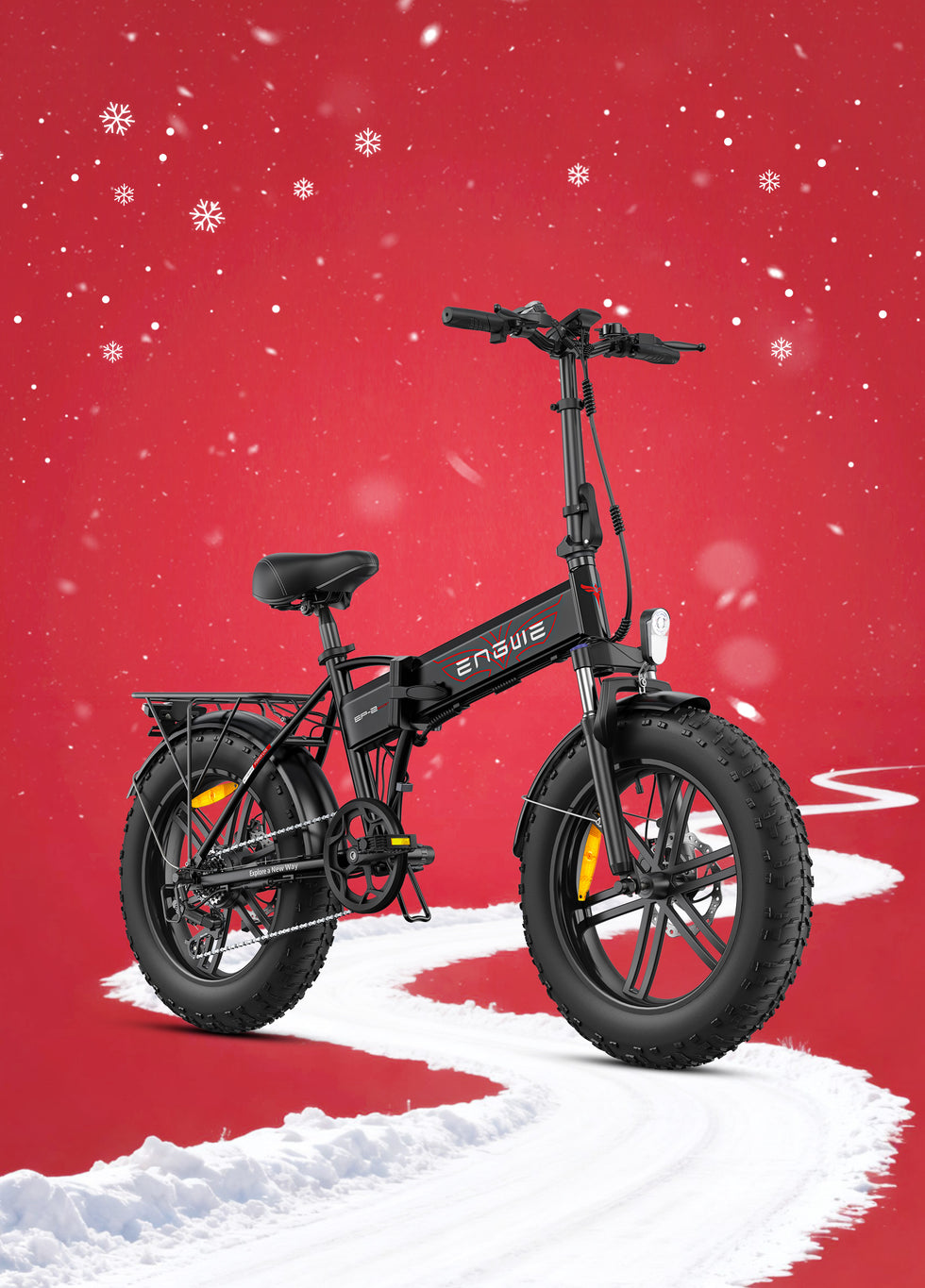
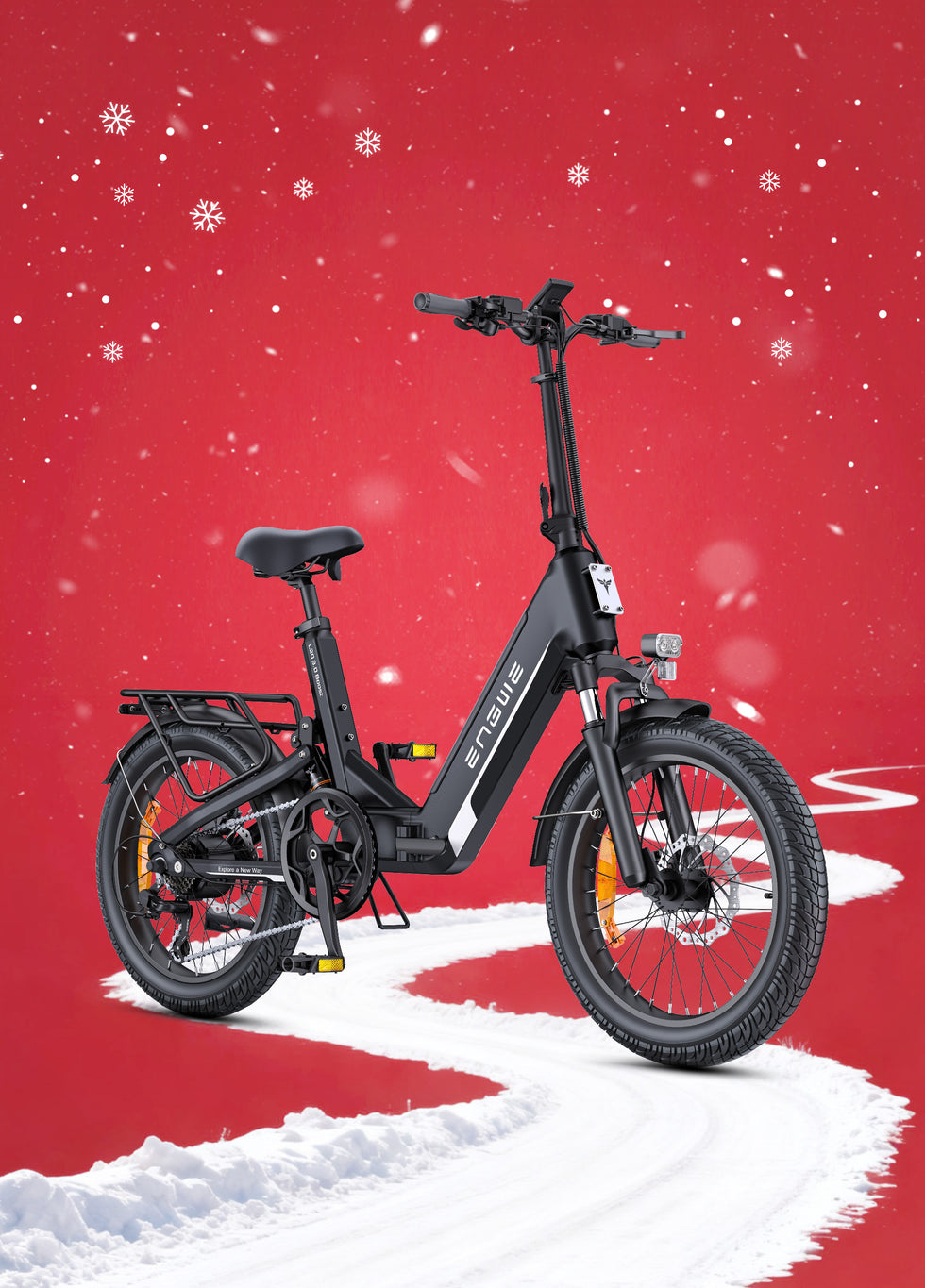
So sure, carbon fiber may be the apex of lightweight frame design, but a great electric bike is truly a sum total of all its parts. Top brands specialize in making efforts to enable your workout and daily life to be easy. One such epitome of this philosophy is ENGWE. They are a brand that specializes in making strong and adaptable e-bikes. This shows that with the right mix of strength in a frame, the proper motor, and e-bike-proof components can provide for an amazing ride. The ENGWE EP-2 Boost, on the other hand, is an off-road beast built for maximum utility. The intelligent torque sensor enables it to wipe out any of the bumpy jolts ensued from riding, which feels very intuitive. For additional support on steeper gradients, Boost Mode gives you 55Nm of torque wherever and whenever you need it. This is a perfect example to me of how a great e-bike is determined more by smart design than material choice.
Meet the ENGWE EP-2 Boost:

The all-terrain fat tire e-bike that is great for urban commutes or pulling you over mountain trails. Ride smarter, not harder, with the super intelligent torque sensor that delivers smooth and instantaneous power assistance. Need an extra push? It comes with a Boost Mode which will ease the climb, providing 55Nm high torque and power to push you up hills effortlessly. Its massive 20x4.0 fat tires and all-terrain one-piece wheels provide stability on everything from city streets to the beach. The EP-2 Boost is crafted to be the ultimate electric bicycle, offering a long range of 120km on a single battery charge, all topped by its simple collapsible frame design.

Specs of the ENGWE EP-2 Boost:
- Motor: 250W Brushless Motor
- Max Torque: 55 Nm with Boost Mode. Designed to withstand the toughest trails and optimize riding experience.
- Battery: 48V 10.4Ah Samsung Lithium battery (Removable), charging time is about 3-5 hours. Battery life received a perfect score of 93/100.
- Maximum Distance: 120km (in PAS 1)
- Brakes: 180mm Mechanical Disc Brakes
- Tires: 20" x 4.0" All-Terrain Fat Tires
- Gear: Shimano 7 speed
- Sensor: Torque Sensor
- Wheels: Solid One-Piece
- Max Load: 150KG (330 lbs)
- Features: Folding style, front suspension, LCD Display

3. Enhanced Efficiency and Reduced Maintenance
Weight is a crucial factor. So whenever you pedal and accelerate — or go uphill, or simply remain in motion — the motor and battery are working to propel the combined weight of the bike and rider. With a lighter bike, you greatly decrease the demand on its electric drivetrain. This quickly translates into real-world advantages for the rider, enhancing the ownership experience as well as performance. Less material also means less physical stress on the frame and hardware, which could potentially give the electric bike a longer lifespan all around.
Reason 3: Extended Battery Life
With reduced weight to carry, the engine demands less power from our battery for similar performance. This means you can go a longer distance on a single charge, reducing the chances of getting stranded and allowing more freedom for epic adventures.
Reason 4: Less Strain on Components
Lighter bikes put minimal pressure on important parts such as brakes, tires, and suspension. This can equate to fewer periods of maintenance and upkeep servicing and replacement of wear-and-tear parts, saving you money in the long run.
Money-Saving Tip:
For max battery life on your e-bike, avoid storing it in hot or cold temperatures, and try to maintain its charge level between 20% and 80% for daily use, charging to 100% only before a long ride.
Reason 5: Easier to Work On
It’s much simpler working on a lighter bike in the garage or workshop. Taking a rag to the dirty drivetrain, fixing a flat, adjusting brakes or derailleurs—they’re all less problematic when you don’t have to wrestle an overgrown metal behemoth in the process.
4. A Rich World of Options: A Real Marketplace With Diverse and Expanding Options
There’s no question there is an ego-driven arms race going on among electric bike manufacturers. While high-end carbon fiber models get a lot of buzz, companies are applying some truly advanced aluminum-forming tech to deliver frames that are stupendously light and impressive in other areas. This diversity can be seen in today’s market with tires designed for different riding styles. Whether you're a road cyclist who loves speed, a mountain biker who wants more trail agility, or a city commuter for whom convenience is key - there's a lightweight e-bike to take your fancy! This focus means that you're not buying any light bike, but the right light bike.
Reason 6: Plenty of Choices
There are more great lightweight models to choose from than ever, as a number of reputable brands have developed their own lightweight options.
Reason 7: Specialized Designs
- Lightweight Commuters: Their low-frills design and often integrated lights and slim batteries make them easy to maneuver through dense urban environments.
- Lightweight Road E-Bikes: Mimicking the geometry and feel of traditional road bikes, with motors there to give slightly discreet assistance on climbs.
- Lightweight E-MTBs: Built for nimble handling and a “poppy” feel on the trail, with motors tuned to provide that little extra push out of corners and up technical climbs.
Reason 8: Future-Proof Technology
By purchasing a lightweight model, you are investing in cutting-edge frame materials, motor efficiency, and battery technology that will help keep your bike feeling new year after year.
| Feature Category | Specialized Turbo Vado SL | Carbo Model X | Ribble Endurance SL e |
|---|---|---|---|
| Frame Material | E5 Aluminum | Carbon Fiber | Carbon Fiber |
| Approx. Weight | ~15 kg (33 lbs) | ~13 kg (28 lbs) | ~11 kg (24 lbs) |
| Best Use | Urban Commuting & Fitness | Multi-Modal Commuting | Road Cycling & Endurance |

5. Long-Term Value and Lifestyle Integration
When you choose to invest in a lightweight e-bike, not only are you investing in a piece of equipment but also your lifestyle. These bicycles retain more of their value as they are made with high-quality materials, state-of-the-art technology, and an exceptional level of desirability. The higher upfront expense is often offset by lower long-term running costs and a higher resale price. Besides the money, a lighter electric bike is much easier on your psyche (and legs) than a vision of you clumsily clunking along on a huge tank, ridden by some tool inside a hundred-dollar suit. This makes riders ride more and turns errands into exercise and commuting into an experience.
Reason 9: Resale Value
Carbon fiber and high-end lightweight e-bikes demand a high price in the used market. They are durable and high-end branded, so they do hold value pretty well, preserving your initial investment.
Quality Check Tip:
Before purchasing a second-hand bike made of carbon fiber, check if the frame has deep scratches or cracks and if there are areas on the body that sound dull when tapped by a coin — these may mean structural damage.
Reason 10: Makes a Healthier, Greener Lifestyle Easier than Ever
Since the bike is so quick to jump on and off, you’ll find it will draw you away from the car more often. This results in more exercise, less driving-related stress, and a cleaner environment. It is an instrument that works for your own well-being and for the environment.
What is the (biggest) trade-off when using a carbon fiber e-bike?
The primary trade-off is cost. The process to manufacture a carbon frame, however, is much more time-consuming and thus comes with a higher price when compared to an aluminum frame. You are paying top dollar for the lightest possible and highest performing frame.
Can lightweight e-bikes stand up to heavy-duty riding?
Absolutely. You will not have to worry about the latest carbon fiber or aluminum frames shattering as easily as you think; in fact, they are built to be stronger and more durable than most heavier, less high-tech materials of mountain bikes. And they’re designed to sustain the abuse of what you do with them, whether that’s hard trails or your daily commute.
Does a lighter e-bike mean less range and a smaller battery?
Not necessarily. Some minimal designs are built with smaller batteries to deliver a more streamlined bike, and because of the high performance and cutting-edge lightweight materials, they don’t require as much energy to run. A well-designed lightweight e-bike can frequently get the same or even better range as a heavier e-bike with a larger battery.
Welcome to the future of cycling: lightweight electric bikes that are simply faster.