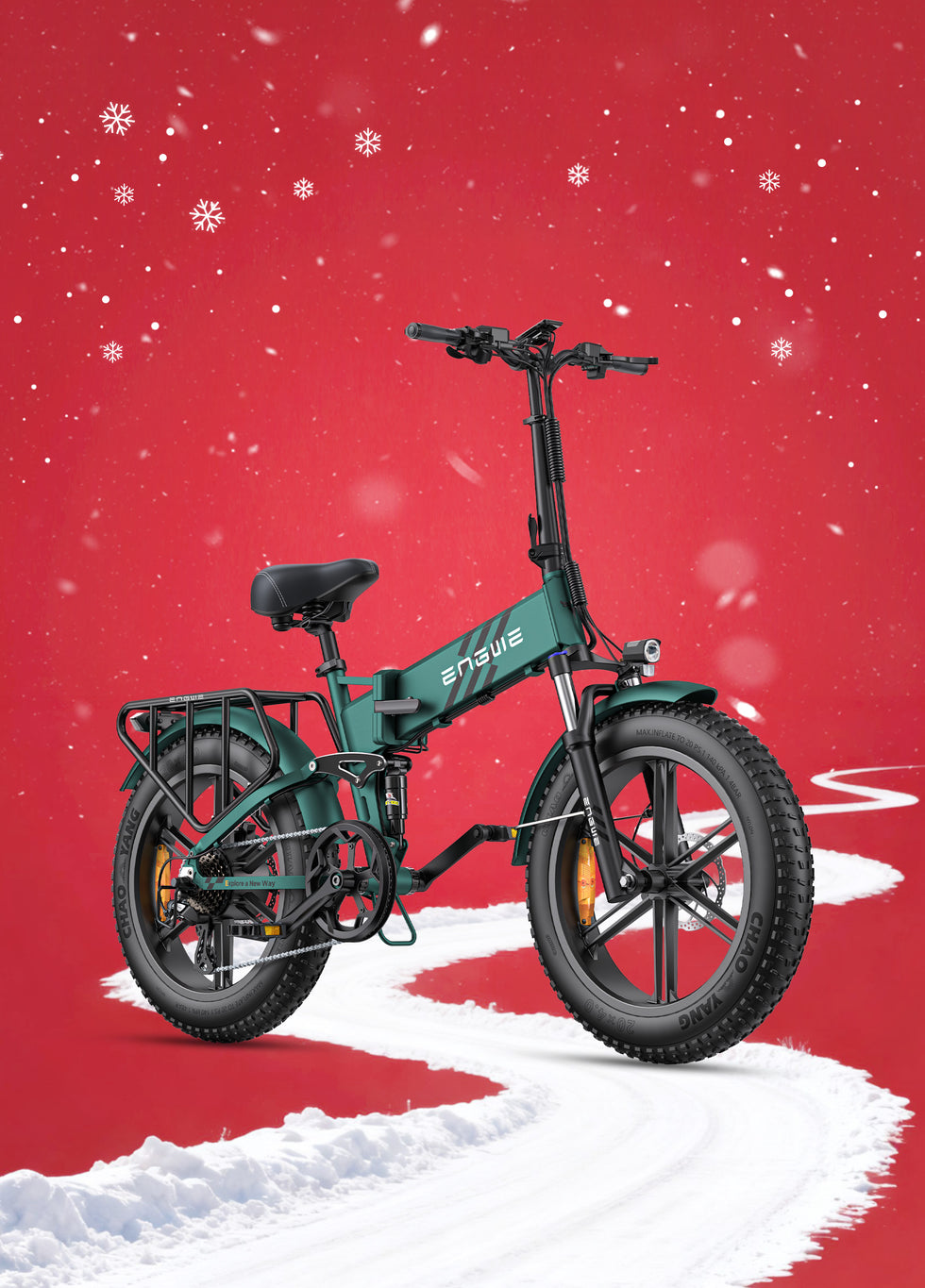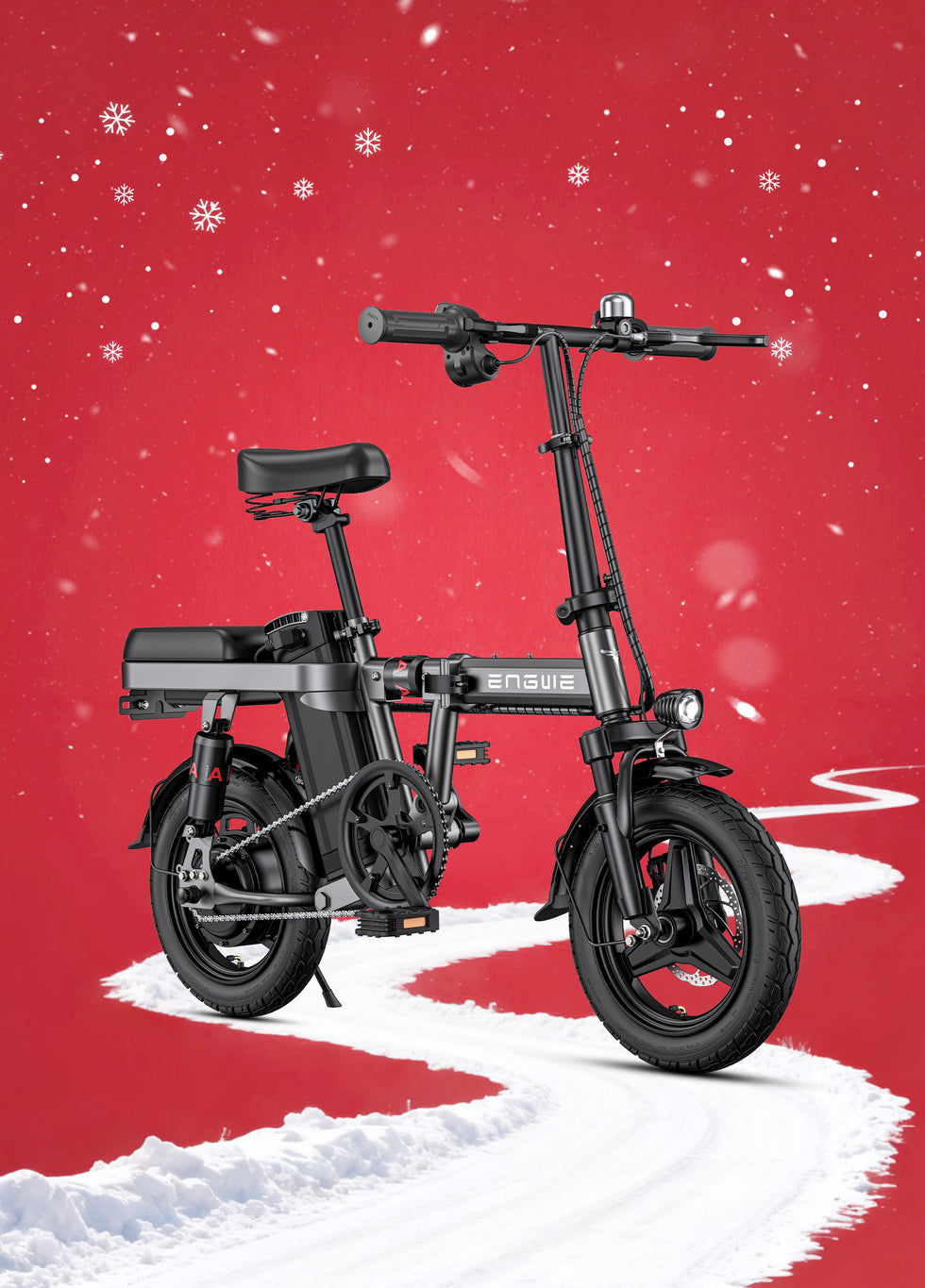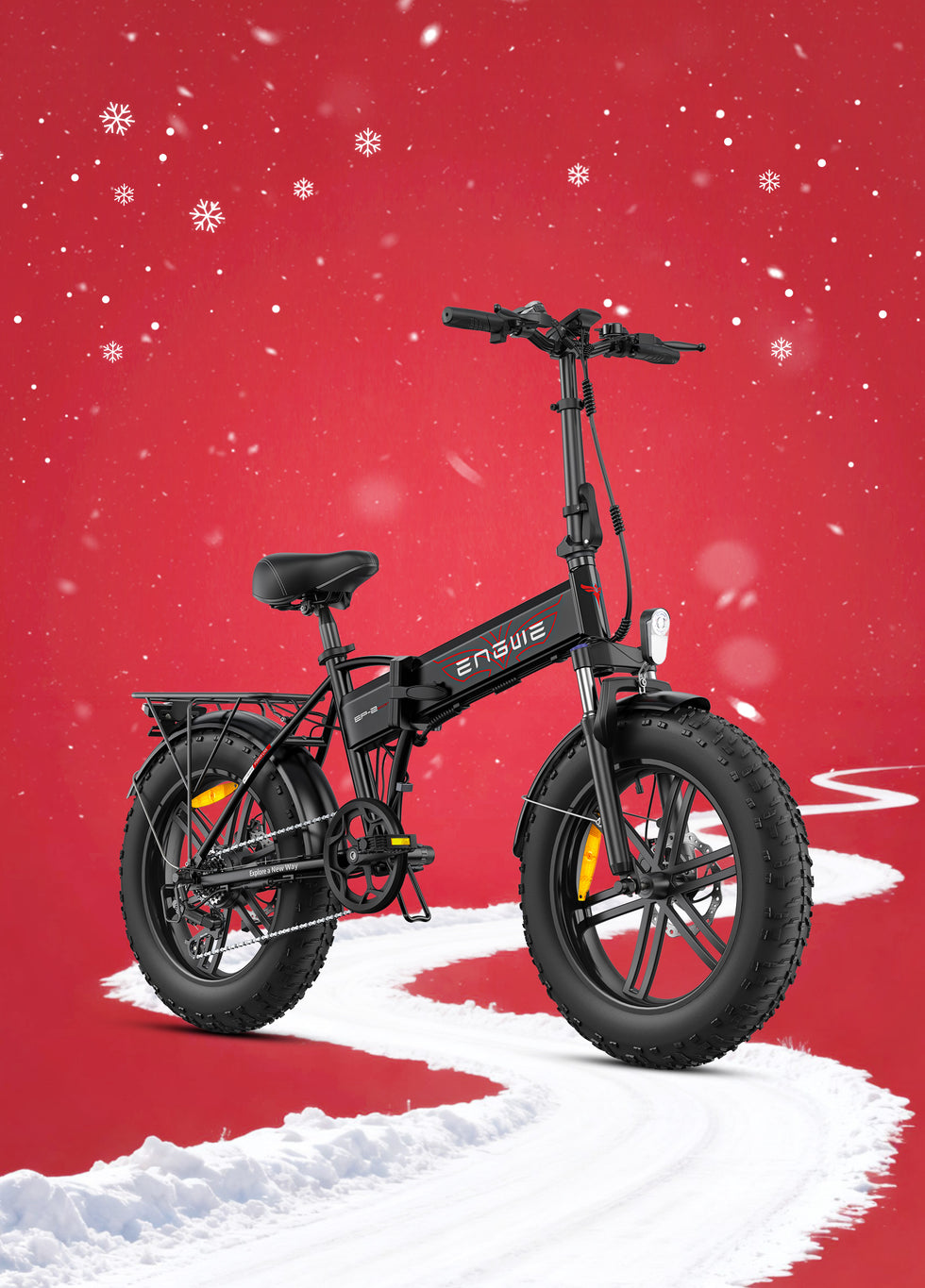

The journey of finding the perfect fat tire electric bicycle under $2,000 can be an exciting quest. This price range is a consensus between affordability, robust performance, and some genuinely impressive features that make it all worth the while. Follow this guide into the most critical dimensions to consider, and you will make a sound investment into an electric bike that will dominate any terrain, all while providing the impeccable value and quality you need to have your thrilling adventures across city streets and rugged trails.
Core Components: Motor and Battery
The core of any electric bike is its motor and battery, and for a fat tire model for varying terrain, the performance synergy that the powertrain offers should be non-negotiable. Pay close attention to the specifications to avoid investing too little in a machine that would have weak performance and range. A robust system will provide exciting torque to climb hills while also promising the energy endurance to explore for miles. Choose components you can trust from professional manufacturers with advertised range estimates grounded in realistic factors.
Motor Specifications to Scrutinize
- Wattage: Look for a motor with a minimum of a 750W nominal rating. This will offer excellent torque for acceleration and steep climbing, and the peak wattage can realistically be over 1000W to handle them over shorter intervals.
- Motor Type: The expected standard is rear hub motors, which are low maintenance, as they are not subject to the wear of a chain nor do they kick up water and other debris along with the tire. Furthermore, a rear hub motor offers a smooth “push” that makes electric off-road riding a breeze.
- Manufacturer: Going for a motor from Bafang or other high-quality producers is a good sign for the general quality of the product.
Battery and Range Considerations
- Voltage and Amp Hours (Ah): The total capacity of the battery in watt-hours (Wh) is determined by multiplying Volts by Amp-hours. For a fat tire e-bike, a 48V battery with a minimum of 15Ah is recommended, resulting in 720Wh or more for a decent range.
- Cell Quality: This is especially important for safety and durability. Make sure the battery is utilizing cells from reputable companies like Samsung, LG, or Panasonic and that it is UL certified. This certification assures that the battery is safeguarded against electrical dangers.
- Tips to Maximize Range: Your riding range will be influenced by the rider’s weight, the different terrains, tire pressure, and the level of pedal assist. Use lower assist levels on flat ground, keep the tire pressure at an optimal level, and ride calmly.
Build Quality and All-Terrain Capability
A fat tire e-bike is designed for adventure, so its frame, suspension, and brakes should be suitable for the job. It is not just about appearance; it also pertains to safety, comfort, and the bike’s ability to manage the strains of off-road and all-weather travel. While the “fat tires” are the main attraction, they need a durable structure of components to offer a secure and pleasant riding experience on any terrain.
Frame and Suspension Checklist
- Frame Material: The industry standard is 6061 aluminum alloy, which forms an excellent balance of strength, light weight, and corrosion resistance. Look for smooth, clean welds that signify high-quality manufacturing.
- Front Suspension Forks: A good quality suspension fork is crucial for trail bumps and city potholes. Look for a fork with a lockout–enabling you to make the suspension rigid for efficient road riding, and preload adjustment–allowing you to fine-tune the stiffness based on your weight.
- Weight Capacity: Ensure that the manufacturer’s maximum payload is not compromised. A sturdy frame will support well over 300 lbs, which covers the average weight of a rider and cargo.
Brakes and Tire Mastery
- Braking System: For a heavy fat tire e-bike, hydraulic disc brakes are a billion times better than mechanical disc brakes. You sacrifice your health if you choose mechanicals; they do not have the stopping power, modulation (i.e., fine control), and do not adjust automatically for pad wear. Thus, prioritize hydraulics for your safety.
- Rotor Size: Larger 180mm rotors dissipate heat better and have more leverage than 160mm ones.
- Tire Basics: The standard 4-inch wide fat tires are versatile. User tip: The most straightforward method to alter how your bike behaves is to change your tire’s air pressure. For better on-road performance (lowering rolling resistance), use 20-25 PSI of pressure, while for riding on sand or snow, use 5-10 PSI for more “float” through the terrain.

Specialized Features and Versatile Utility
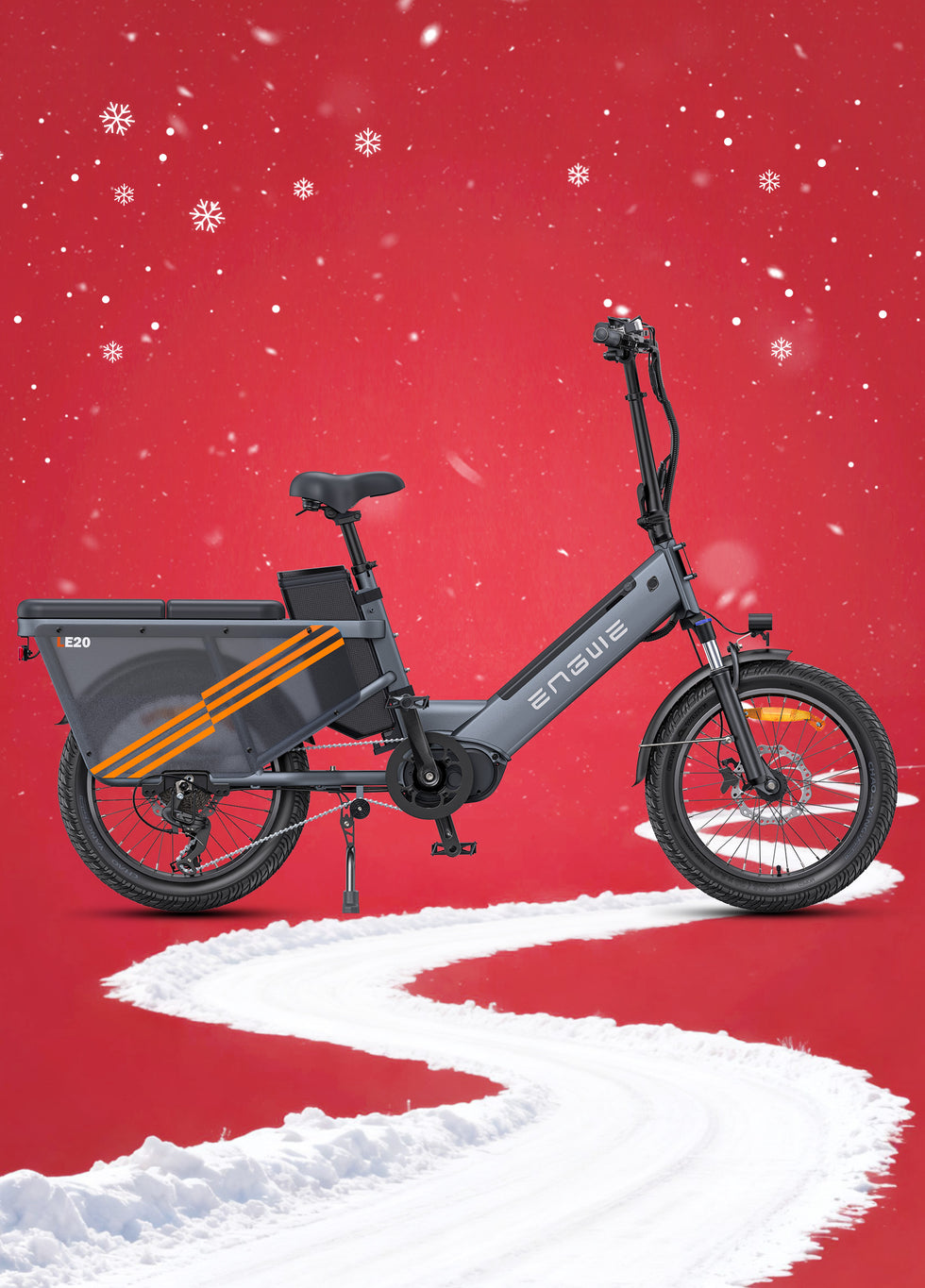
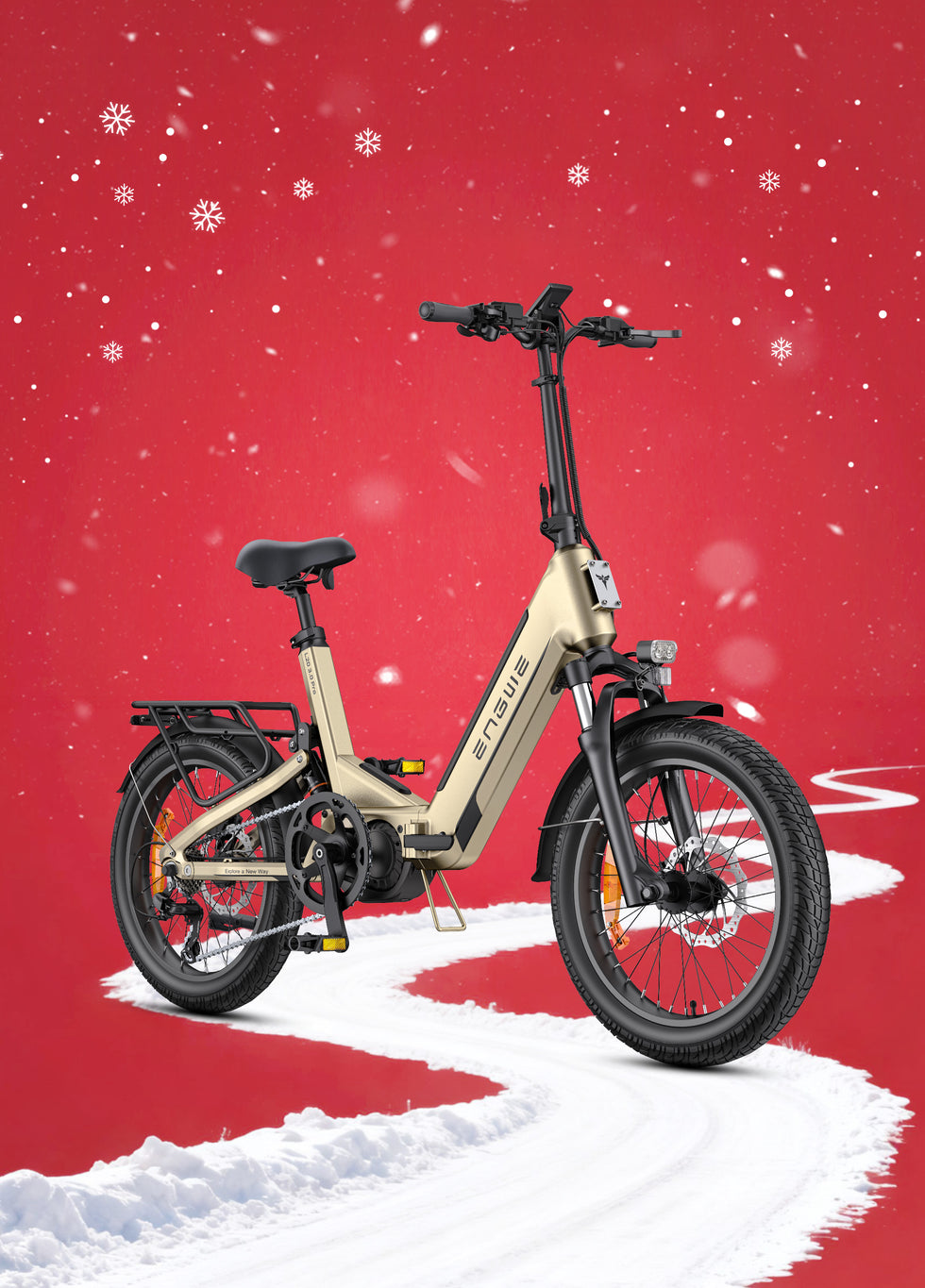
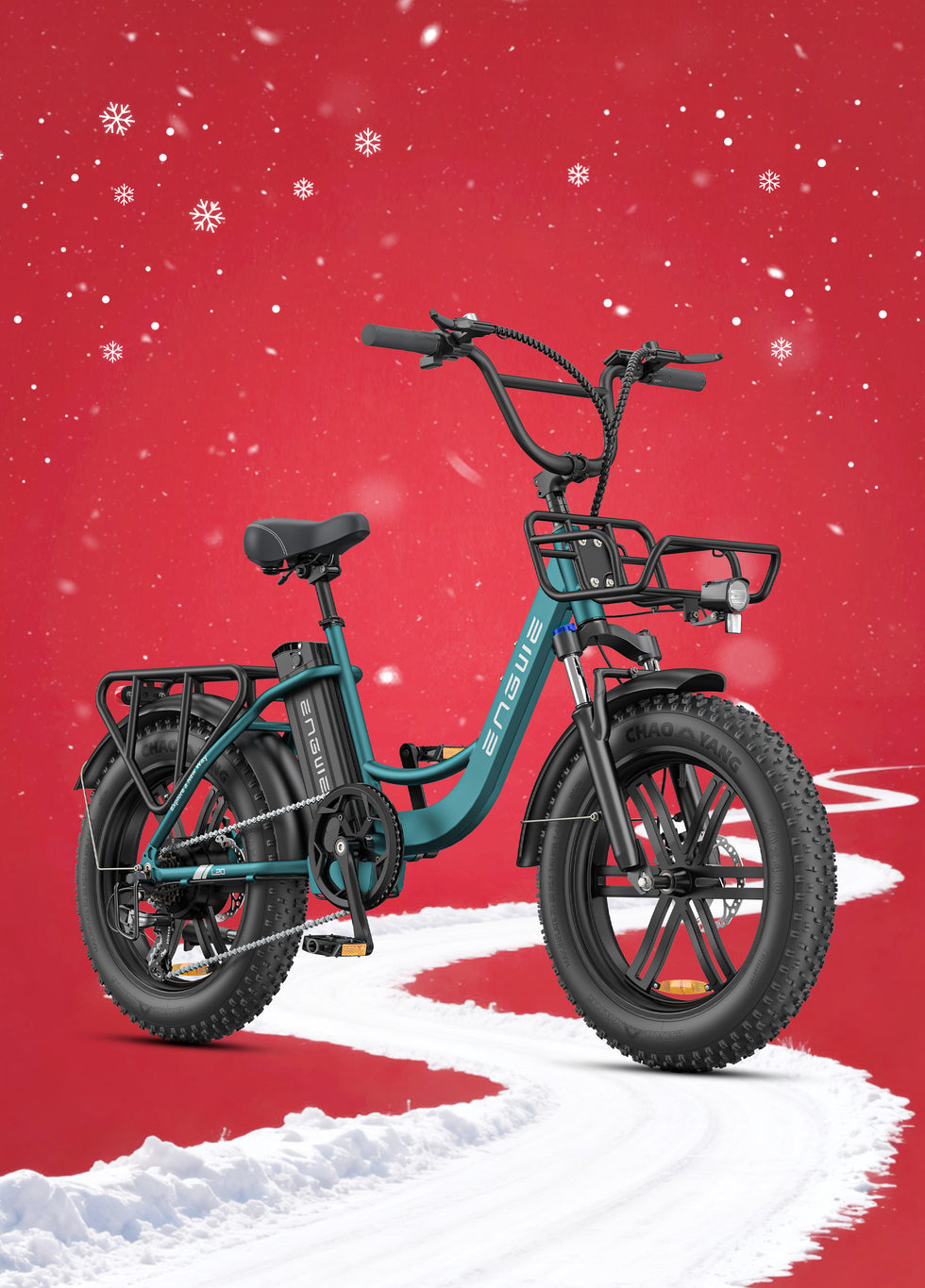
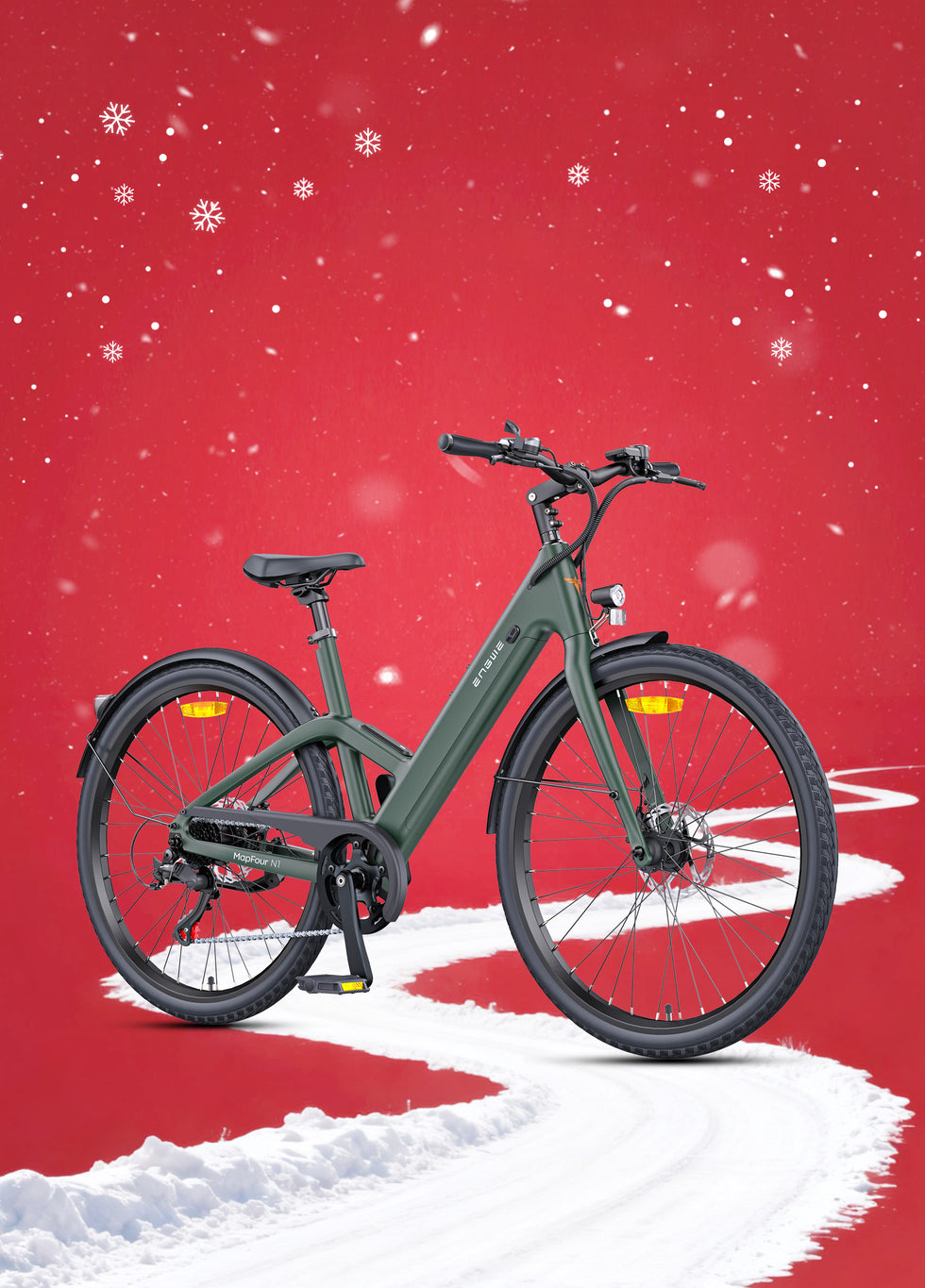
A great electric bike should be more than a motor and two wheels – it should be a convenient tool for living. Most modern e-bikes are created in a reinforced-utilitarian manner: suitable for commuting, grocery runs, and family outings. One brand that excels in creating accessible, feature-rich, and powerful e-bikes is ENGWE. Their approach is designed to offer an out-of-the-box-ready solution suitable for any task, making their bikes an excellent option for any consumer. A most notable example is the:
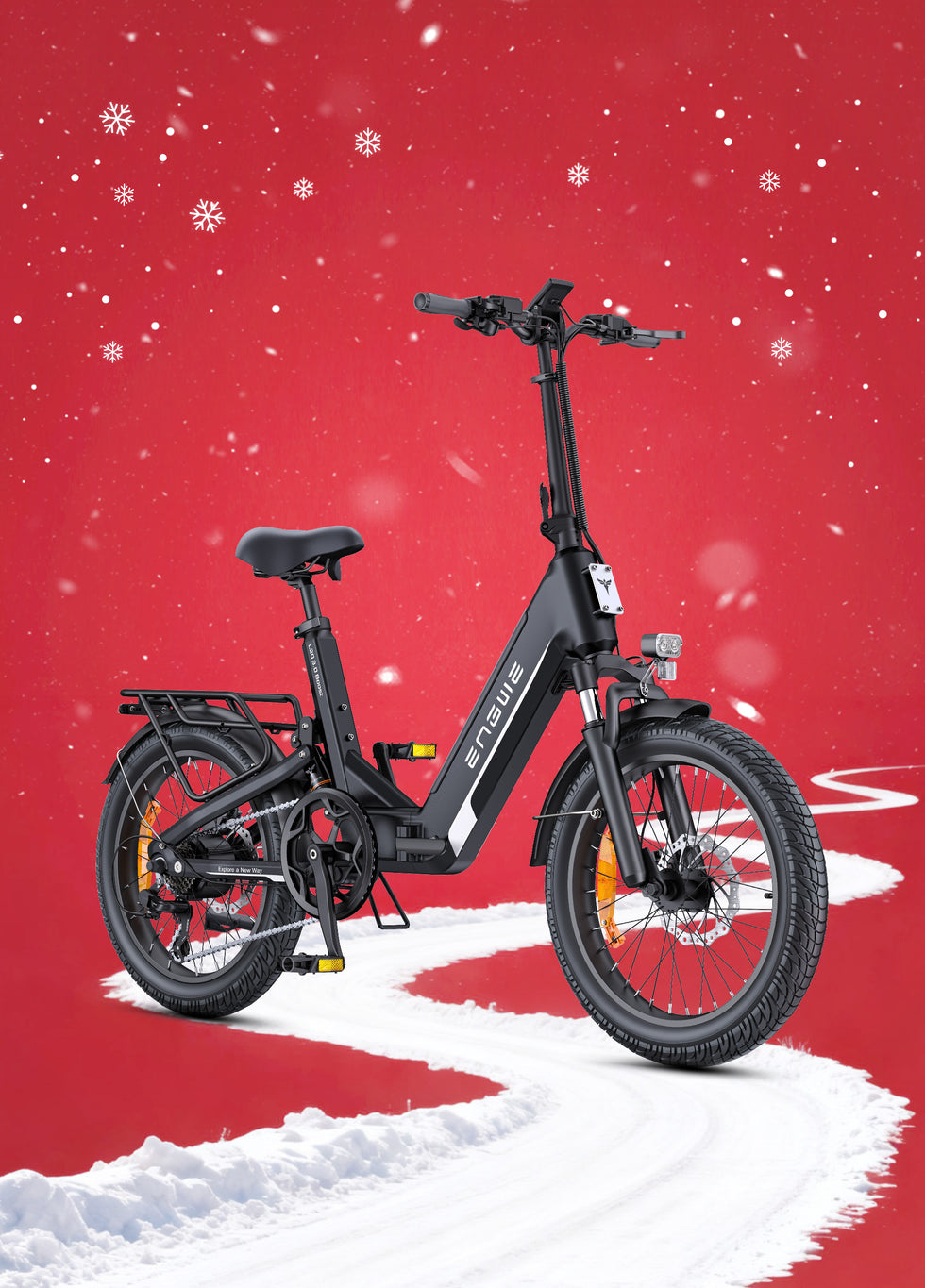
ENGWE L20 Boost
""
It is fully represented by the features that make it a prime example of utility:
- Accessible design. This model boasts a step-thru frame that allows everyone to mount or dismount it regardless of age or physical condition. For city riding, where you continuously stop and start, this feature is especially valuable.
- Powerful performance. A 750W motor (peaking at 1200W) and a 48V 26Ah battery offer extraordinary strength and no range anxiety, as you can be sure it will get you to your destination and back.
- Cargo-ready. It comes with a solid rear rack and frequently a front basket mount, making it an excellent car replacement for errands and your gear.
- Comfort-focused. A cushioned saddle, ergonomic grips, and fat 20x4.0 inch tires ensure a comfortable ride even on rough terrain.
- Complete package. Lights, fenders, and an intuitive LCD display come pre-installed, so you won’t need to pay extra for valuable accessories.
Why These Utility Features Matter
The racks and lights have essential use on the bike. The integrated features make the bike more than just another fun vehicle but instead a useful daily driver. These accessories also help make the bike an incredibly viable option. Other helpful accessories, including fenders and lights, make numerous bikes ready to go right out of the box, saving you cash and time.
Long-Term Value and Maintenance
You’ve finished the purchasing process, and now you’re taking the first steps at owning the bike. Well, you’ve just begun. Several post-purchase expenses include assembly, support, and replacements, which may strain your investments in the future. Savvy consumers evaluate the overall expense, including the likelihood of breakage, possible replacement reasons, and the cost-effectiveness of getting aid when that is necessary. The ownership experience of the bike goes beyond just the transaction. The best-suited e-bikes for post-purchase integration and maintenance may have low further costs. In comparison, bikes that are difficult to put together, support, or maintain may provide a short lifetime for the user or rest in the garage after several weeks.
The Process to Assemble and Set Up at the Start
Prior to the box’s arrival, watch the manufacturer’s assembly video of that model. This way, the process and the parts are all familiar to you prior to getting them.
After assembling, do a complete safety check. Every bolt must be tightened down and correctly torqued, particularly on the handlebar, stem, and wheels. Check that nothing gets in the way of any rotational elements.
For new disc brakes, perform a “bedding-in” procedure. Get to a decent speed in a safe area, then tighten the brakes firmly to slow down, but let go without coming to a sudden stop. Then, repeat this for 10-15 cycles. This technique improves the efficiency of your brakes over time.
Money-Saving Habits You Should Stick To
- Keep tire pressure under control: Check your tires at least once per week and inflate them to the recommended PSI level. Not only will this protect your wheels from pinch flats, but it will also help conserve battery life. Every mile covered on underinflated tires requires the motor to work harder and deplete the battery quicker.
- Proper chain maintenance: A clean and well-lubricated chain is crucial for preventing premature wear, ensuring smooth shifting, and maintaining performance. The life of your drivetrain, cassette, and chainring will be elongated. You should clean and lube your chain every 100-200 miles.
- Battery considerations: Always store batteries inside at ambient temperatures. Leaving it fully charged or completely discharged for long periods should be avoided. The optimal 40-80% state of charge requires no additional maintenance.
- Brakes inspection: Check your brake pads regularly. This inexpensive and easy procedure should be done at home to avoid replacing your rotors. They are straightforward to replace and cost a fraction of the price of new brake rotors.

Making Your Final Choice
To determine which model best fulfills your goals, consider the following aspects:
How to Choose Your Perfect Match
- Primary Use: Be honest about where you will ride 90% of the time. Paved bike paths, city streets with traffic, or rugged dirt trails?
- Required Range: Calculate your longest typical round trip and add a 30% buffer. Then you know the minimum battery capacity in Wh required.
- Cargo Needs: Will you be carrying groceries, a backpack, or even a child seat? If so, check for a high payload capacity and look for included or available rack systems.
- Rider Fit: Ensure you check the manufacturer’s recommended height range for the frame size to ensure a comfortable and controllable fit.
| Model Recommendation | Motor | Brakes | Best For |
|---|---|---|---|
| Aventon Aventure | 750W Hub Motor | Hydraulic Disc | All-Around Adventure & Commuting |
| Rad Power Bikes RadRover 6 Plus | 750W Hub Motor | Hydraulic Disc | Rugged Reliability & Trail Use |
| Himiway Cruiser | 750W Hub Motor | Hydraulic Disc | Long-Range Cruising & Comfort |
Final Pre-Purchase Checklist
- Read multiple reviews and watch video reviews of your top models.
- Check the warranty policy concerning the frame, motor, and battery.
- Investigate the availability of customer support and spare parts.
- Last but not least, check for any seasonal sales or holiday promotions for the best possible deal.
Frequently Asked Questions
-
Q1: What is the most vital component on a fat tire e-bike under $2,000?
A1: Although the motor is a vital component, the battery is the single most critical component. A high-quality, UL-certified battery from a reputable brand provides safety, reliable capacity, and a long, serviceable life, which offers the best long-term value. -
Q2: Are fat tire e-bikes difficult to pedal without electric assistance?
A: Yes, they can be. Due to the extra weight and the wide, high-friction tires, they take considerably more effort to pedal compared to a non-electric bike. Ideally, one should use them with at least the lowest level of pedal assist. -
Q3: How much maintenance does a fat tire e-bike need?
A: It needs regular basic maintenance like a normal bicycle, such as keeping the chain clean and lubed and ensuring the tires are at the correct pressure. The electrical components are usually low-maintenance, but the battery needs proper care for charging and storage.
Now that you know everything you need to choose the perfect fat tire electric bike for your adventures and your budget.