
Understanding Long-Range Folding Fat Tire E-Bikes
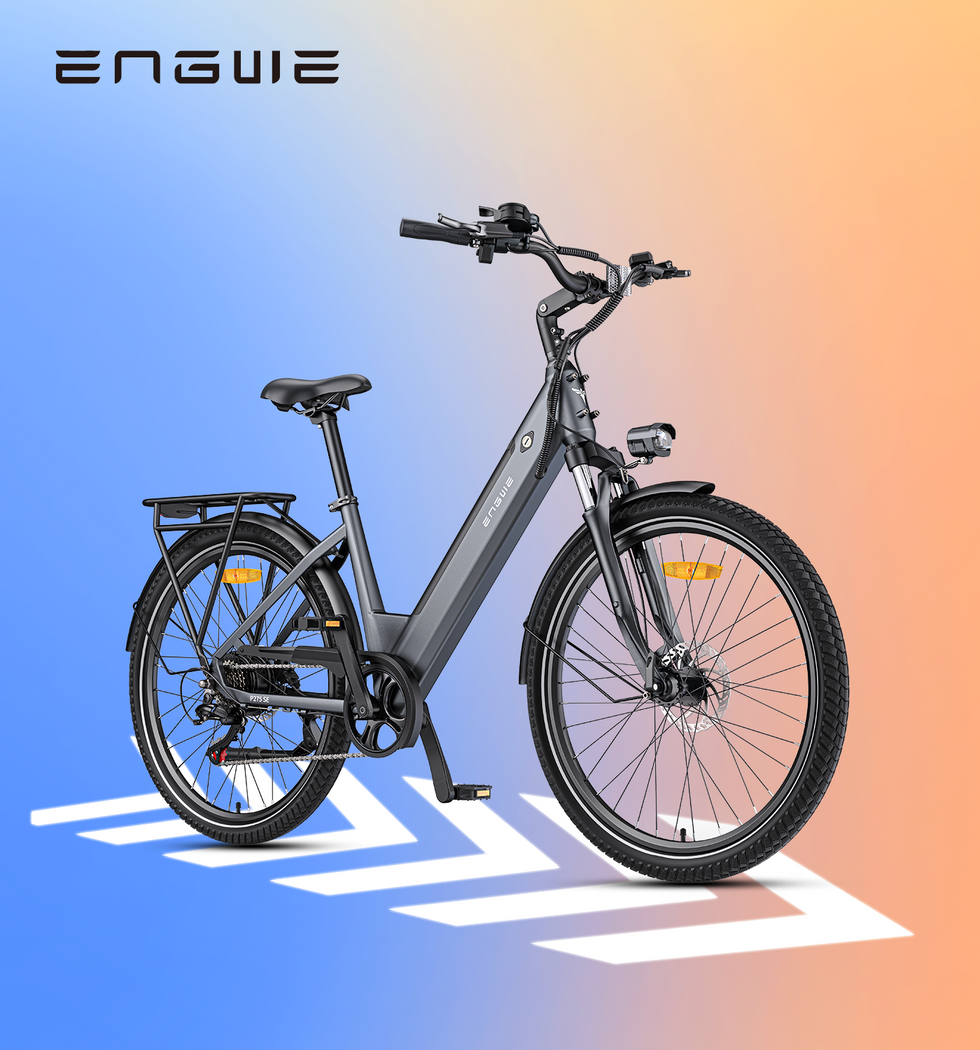
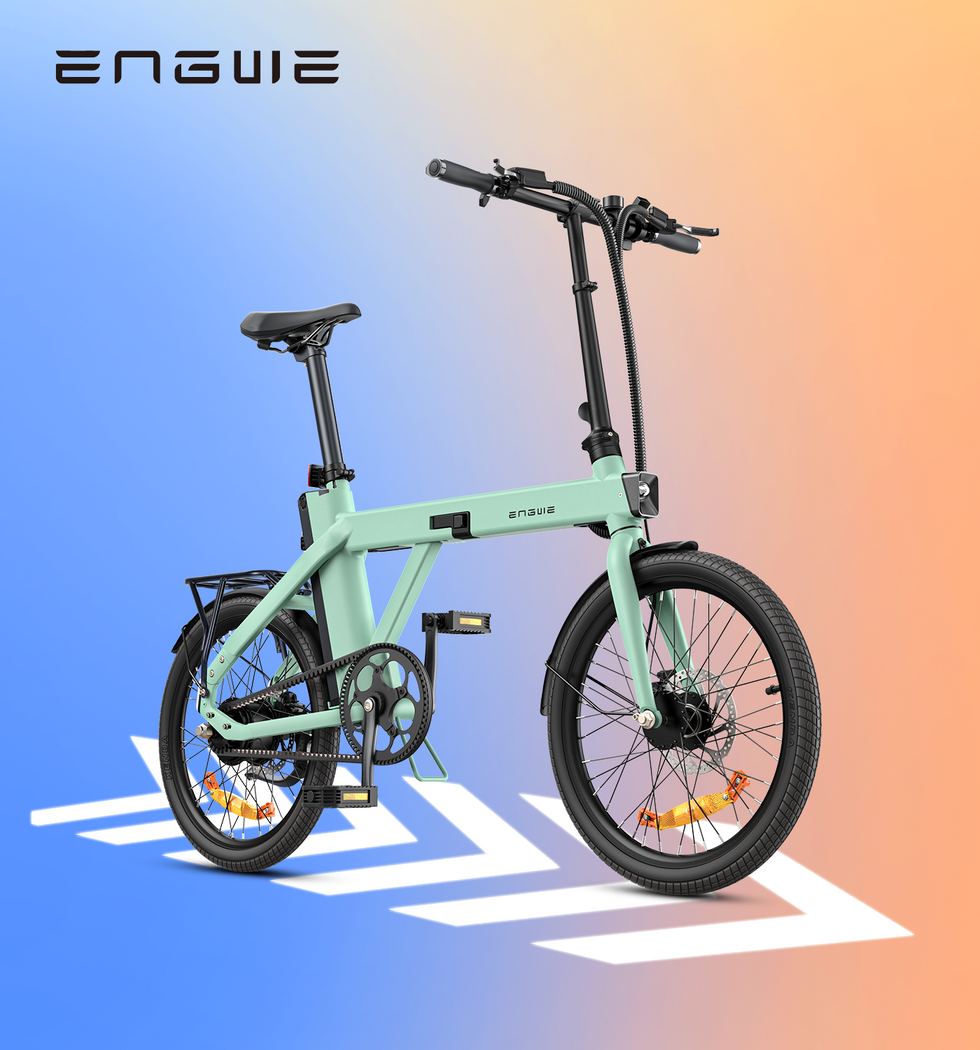
Indeed, the market is full of long-range folding fat tire electric bikes – a niche that brilliantly combines off-road capabilities with urban-style convenience. Such a vehicle gives you an opportunity to discover rocky hiking trails and sandy ocean coasts, allows you to travel several dozen miles in one direction, and can be quickly folded and placed into an apartment corner, car trunk, or even office doors. This is the ideal solution for both adventurers and commuters who value both performance and portability. But the term “long-range” is not an empty marketing word; it is a combination of several technological variables and real-life aspects. And you need to understand the battery-related ones first. Of course, the first one is Watt-Hours – the battery capacity is measured in Watt-hours (Wh). This is a variable formula: Voltage, multiplied by Amp-hours, and usually, a higher Wh number is better. But this Wh range is not what we can describe as universal; its real-life figures are dependent on several factors. However, you can maximize this with the help of a few simple cognitive tricks and riding-specific considerations. Therefore, these are the crucial battery metrics:
| Crucial Battery Metric | Measurement / Formula | What You Need to Look For |
|---|---|---|
| Watt-hours (Wh) | Voltage (V) × Amp-hours (Ah) | The total capacity; a higher number generally means a longer range. |
| Voltage (V) | Volts | Indicates the motor's power; 48V is common for performance. |
| Amp-hours (Ah) | Amp-hours | The battery's fuel tank size; a higher number means longer runtime. |
And this is affected by several real-life factors, namely: Cargo, Terrain, Gravity, and Weather.
Key Features and Their Benefits
How Pedal Assist System Levels Affect Range
The appeal of this category of e-bike comes from the unique interplay between its two primary technologies. The folding design and fat tire construction detract from one another; a tipping point is reached where the machine becomes greater than the sum of its parts. These two factors neutralize the limitations of traditional bikes and regular electric bikes, offering more diverse use for a broader range of users who seek both feasibility and execution in their chargeable bicycle.
- Throttle Operation = Full (Non-Pedal): “25-35% of Max.”
Fat-Tires Power: 4.0” & Wider
- All-Terrain Dominance: “Riding on soft ground, such as sand, snow, and gravel, is an effortless breeze across the vast contact patch.”
- Inherent Suspension: “The substantial air volume means the tire can soak up vibrations from all sorts of rough roads, potholes, and roots.”
- Unprecedented Stability: “Extra-large tire bases encourage a steady, safe sensation in sand, gravel, or busy passes.”
Folding Frame Usefulness
- Compact Storage: “This innovative design can accommodate a console with ample-available storage space for your work or car boot’s tiny area.”
- Multi-Modal Commuting: “Roll it onto the bus, crack it into third, unfold, and ride it to the depot.”
- Enhanced Security: “It keeps it safe, unlike a rooftop carrier's high rack which draws unwanted attention; it makes it easy to bring inside overnight, disarming outdoor bicycle thieves.”
Quality Components and Our Top Pick
You ride a capable fat tire e-bike for more than the range and tire size; overall, the quality, safety, and pleasure of the journey are often determined by the smaller details. What use is a robust motor and a large battery if the bike is uncomfortable and its parts function poorly? Continue beyond the primary specifications when scouting for a new model and investigate the supporting parts. Quality parts should always be purchased, especially where it matters most, such as with brakes and suspension, to ensure long-term reliability and safety on any adventure. It’s not a luxury. When carrying the extra weight and operating at greater speeds of a capable fat tire e-bike, these parts are required. While the following products are recommended for any fat-tire e-bike, remember to get in touch with the manufacturer you choose to ensure that everything mentioned will suit your specific bicycle. Braking system. Hydraulic disc brakes, which offer a significantly quicker deceleration and easier actuation than mechanical alternatives, are a top choice. Indeed, being able to control a substantial fat tire e-bike is critical. This equipment is often in use for many years and is responsible for your safety at every stop sign and each street crossing. Frame and weld quality, quickly see in weld quality: the welds should be clean and smooth, with no blobs or jagged edges, demonstrating excellent craftsmanship. And rides, especially off-road, produce singular stress patterns due to the rider's inputs.
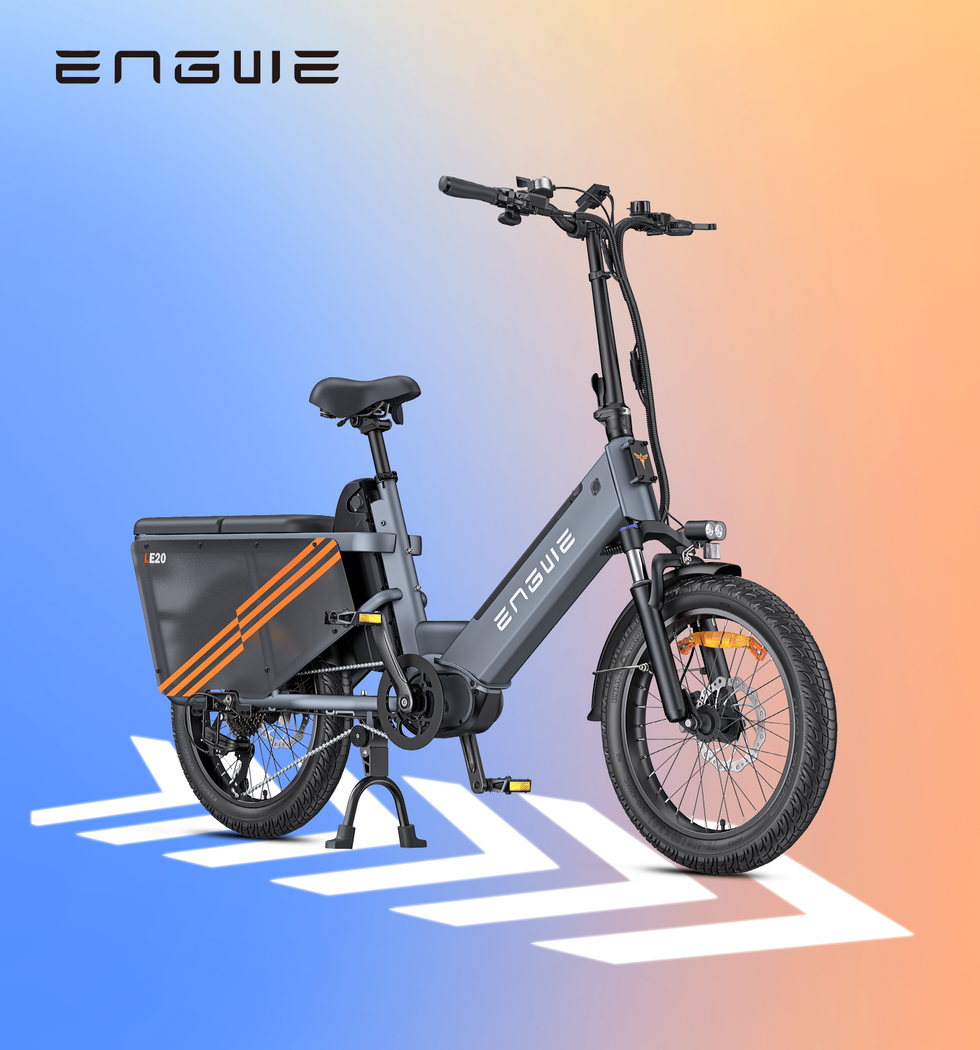
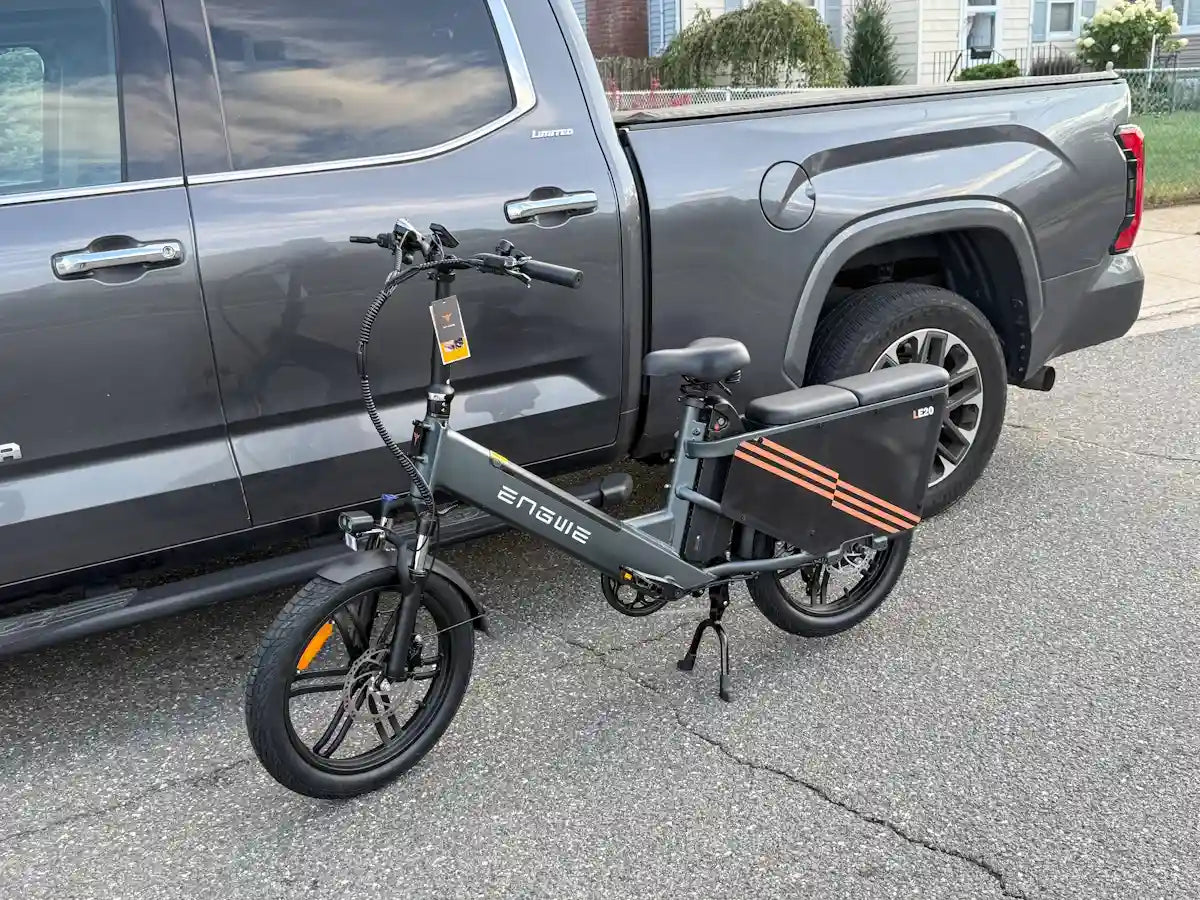
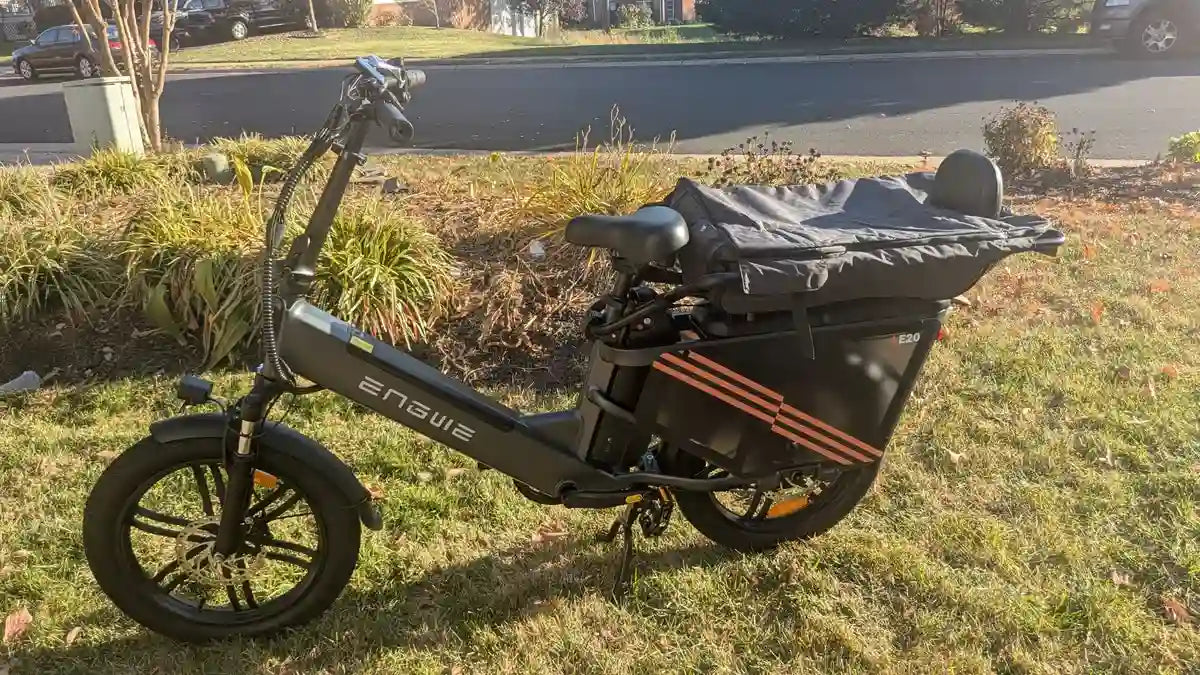
Thus, when purchasing a top-tier example of the long-range folding fat tire ethos, one should definitely choose ENGWE as a brand that complies with the highest standards of innovation and design. All of its models, without an exception, express the brand’s commitment to power, strength, and comfort. One of the brilliant examples of it is the ENGWE L20 Boost. As for me, it is the most comfortable electric bike on a long-distance road trip. It uniquely combines a high-cap battery with a powerful engine in the perfect structure to give the exact power dose when you need it. Indeed, with this brand, one cannot go wrong.
ENGWE L20 Boost
The company's ENGWE L20 Boost signature characteristics are the following. This electric bicycle is exceptionally good for long trips, steady and convenient exploitation:
- Range: This product has a high-cap battery, which implies that its range is also vast; thus, the strong engine allows you to travel farther.
- Motor: This product’s engine is a robust fast speed, high-torque engine, making it easy to accelerate and travel uphill.
- Plush dual suspension: This product is shockproof due to its rear amortization, which gives a pleasant and protected feeling while driving.
- Accessible Step-thru frame: Designed for a modern user, it can be used by kids and oldies, thin and fat people thanks to its comfortable design.
- Versatile 20×4.0-inch fat tires
- Ready for Adventure with its integrated framework.

Maintenance and Riding Techniques
Riding a long-range folding fat tire e-bike, on the other hand, isn’t simply a purchase; it’s a commitment to one’s liberty, and appropriate care guarantees that it functions well for years. Your maintenance strategy and driving habits have a direct influence on your bike’s two key characteristics: how long it lives and how far it goes on a daily basis. By adjusting your behavior based upon a few basic yet occasionally ignored best practices, you will be capable of keeping the battery in the best possible manner, the components last longer, and the performance be consistent at the peak of what’s feasible for a very long time while saving a lot of money on costly replacements and upkeep. The only method to do this is to be proactive.
Essential Battery Care for Longevity
- Avoid Deep Discharges. The battery should not be completely empty. The ideal is to recharge it while it has a charge of 20-80 percent.
- Store Smartly. If you will not be using the e-bike for several weeks, then store the battery with a 40-60 percent charge inside a dry, cool environment. Extreme heat or cold might harm the battery cells.
- Use the Right Charger. To avoid destroying the battery, always use the original e-bike charger.
Riding Techniques to Maximize Range
- Maintain Proper Tire Pressure. Near the upper end of its acceptable PSI, inflate your fat tires for pavement riding. Lower pressure delivers a stronger grip for soft surfaces.
- Shift Gears Efficiently. Begin with a lower gear when starting and move up when increasing speed. This is advantageous since it places less load on the electric motor at the beginning, which saves a significant amount of energy.
- Be Smooth. Reduce sudden acceleration and deceleration. Gentle pedaling in a lower PAS mode consistently produces a much higher range than overuse of the throttle.
Conclusion and Frequently Asked Questions
Long-range folding fat tire e-bikes are a frequent buyers' choice. However, the vast majority of users who are not sure of the covering possibilities have several long-range folding fat tire electric bike FAQs:
-
How much does a long-range folding fat tire e-bike generally weigh?
Such devices frequently weigh between 60 and 80 pounds because of their robust frame, the large collection of batteries, the motor, and fat tires. The capacity to carry them with you wherever you go comes from the ability of them to be folded up and stored in a small area, not to be packed up and carried around on several flights of stairs. -
Can I use a long-range folding fat tire e-bike in the rain?
The majority of top-line models are rated for water sprinkling rain and splash resistance, but they are not waterproof. The motor and battery should keep away from soaking in deep puddles, and you should not use a high-pressure washer to clean them. -
Is there anything else that can guarantee a longer range other than a bigger battery pack?
No! While the battery’s capacity is expressed in Watt-hours and influences the potential distance the rider can ride on a single charge, the motor efficiency, the tire pressure, the landscape, the rider’s weight, and the pedal assistance level or throttle use have a significant impact. Ultimately, these multi-purpose machines successfully provide a one-of-a-kind combination of power, all-terrain freedom, and unrivaled convenience.